1. Favourite knob/fader/switch on a piece of gear and why?
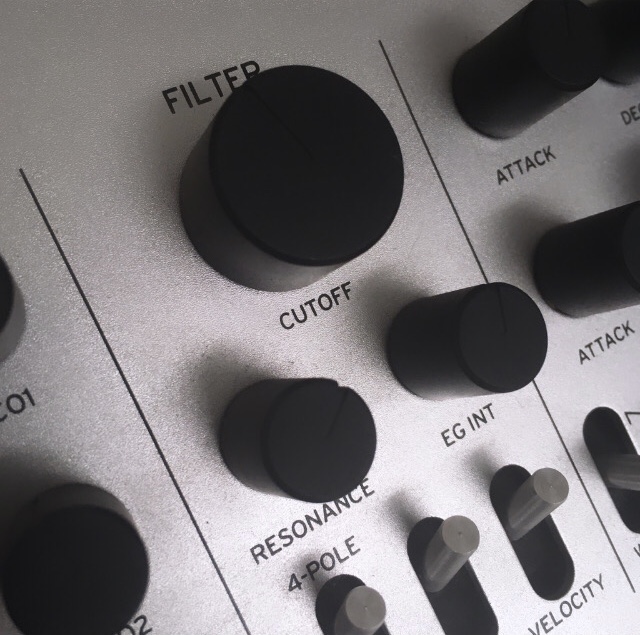
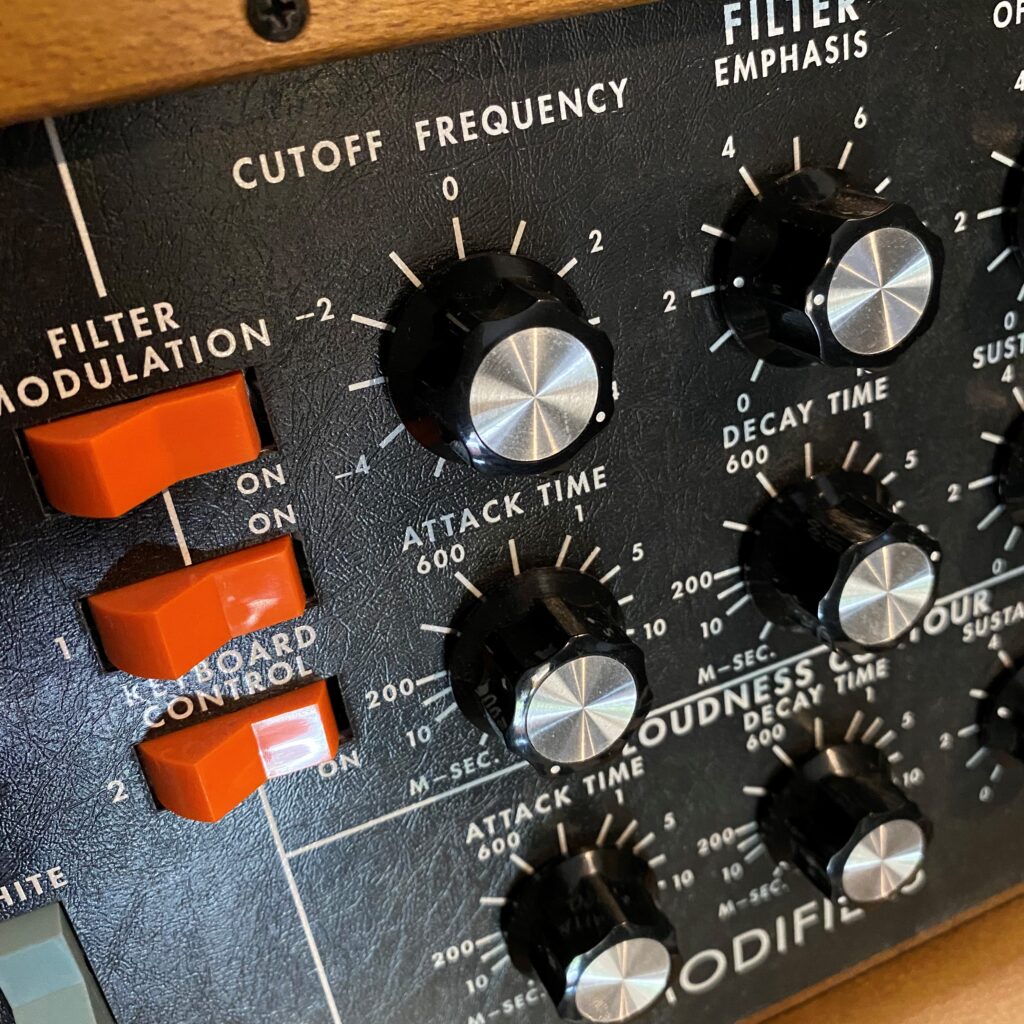
Korg Minilogue Filter/Resonance/EG Knobs. Being that this is my only piece of gear that has knobs, I am more than satisfied with the sounds that can be achieved. The possibilities are infinite. I look forward to purchasing knobs in the future and creating my own modular synth unit. I recommend the Korg Minilogue as a great start for anyone interested in enriching their sounds.
Filter Cutoff Korg Minilogue
2. Do you have an ‘almost’ perfect bit of kit? What would you change?
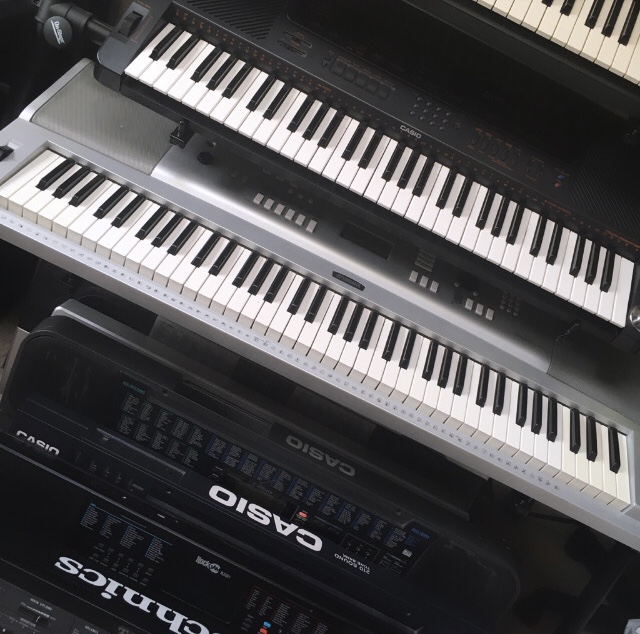
Korg Concert 3500. At the moment I am building my studio so all my equipment has a unique use for now. Unfortunately the sound quality of this vintage piece is of poor condition and needs heavy repair.
3. What setup do you bring on holiday/tour/commute etc.?
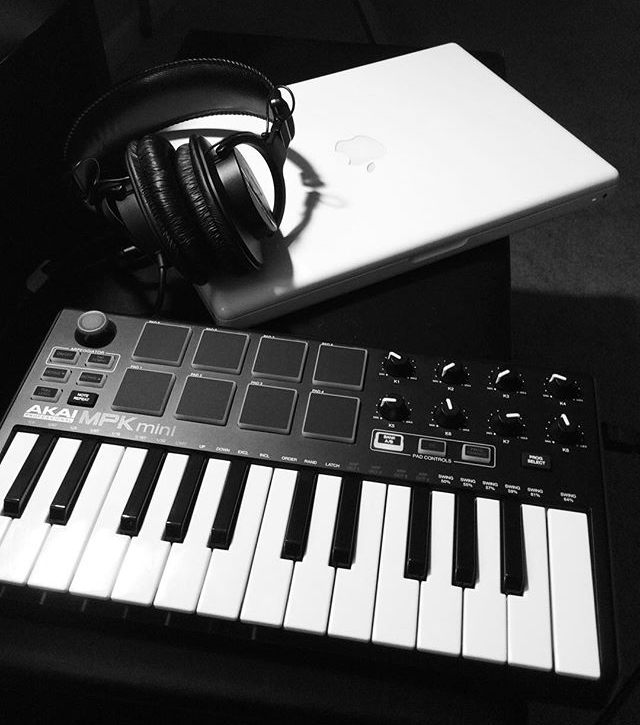
Akai MPK Mini
Laptop/Akai MPK Mini/Casio MT-240. For travel sake the Akai MPK Mini and the Casio MT-240. Both are lightweight and when combined, provide the essentials needed for recording ideas outside the studio. I have yet to perform and personally prefer making sounds as a therapeutic outlet.
4. What software do you wish was hardware and vice versa?
Garage Band is the only software I have been working with and it’s running a very old version of the program which I am not complaining about.
5. Is there anything you regret selling… or regret buying?
I could eventually regret all the cheap gear I am purchasing right now. Most likely I will hand it off to someone starting their own set-up. I personally don’t regret my buys because I learn from them. I have not sold anything at the moment.
Keys galore
6. What gear has inspired you to produce the most music?
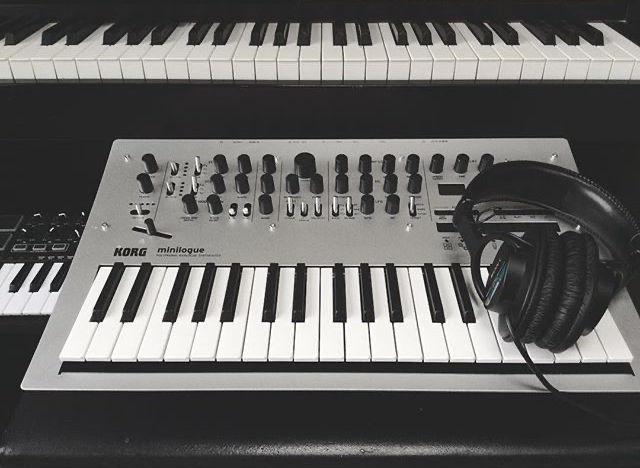
Korg Minilogue. This is my first and only expensive piece of gear as of now. Most of my equipment has been collected and repaired.
Korg Minilogue
7. If you had to start over, what would you get first?
A new laptop. I still need to buy one with better music software that doesn’t run at a glacial speed. It’s been a challenge but I’m surprised at what I have produced.
8. What’s the most annoying piece of gear you have, that you just can’t live without?
My damaged Korg Concert 3500.
Korg Concert 3500
9. Most surprising tip/trick/technique that you’ve discovered about a bit of kit?
All my cheap equipment surprises me if used properly. It’s not the gear it’s the artist.
Artist or Band name?
ARC Ambient
Genre?
Ambient/Dark Ambient/Other
Ashely Cronon
Where are you from?
California
How did you get into music?
I’ve been a band nerd since 3rd grade.
What still drives you to make music?
MUSIC
How do you most often start a new track?
It’s a therapeutic process for me so it depends on my mood.
How do you know when a track is finished?
I make short samples. I tend to let the tracks sit for a while and open them back up with fresh ears.
Show us your current studio
ARC Ambient Studio
Best creative advice that you’ve ever heard?
I don’t like to waste notes not even one – Johnny Marr.
Promote your latest thing… Go ahead, throw us a link.
1. Favourite knob/fader/switch on a piece of gear and why?
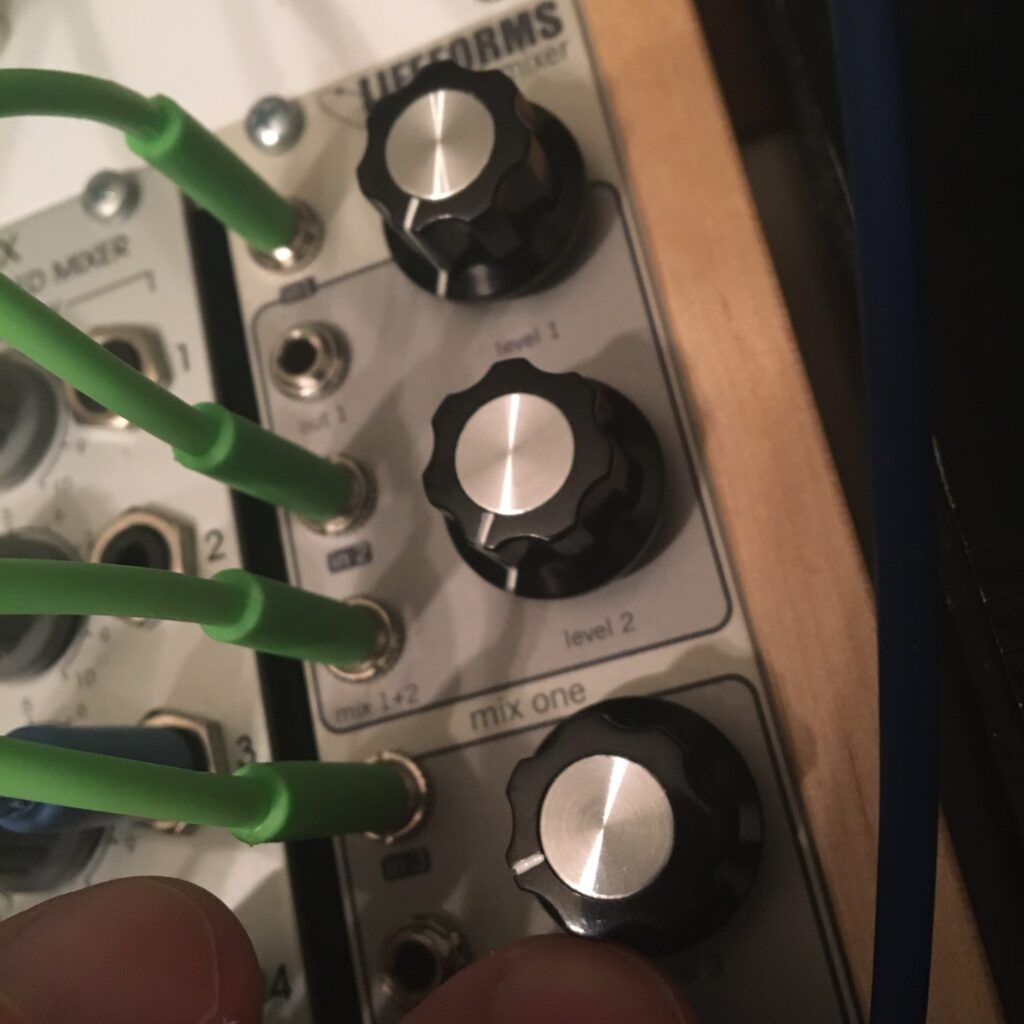
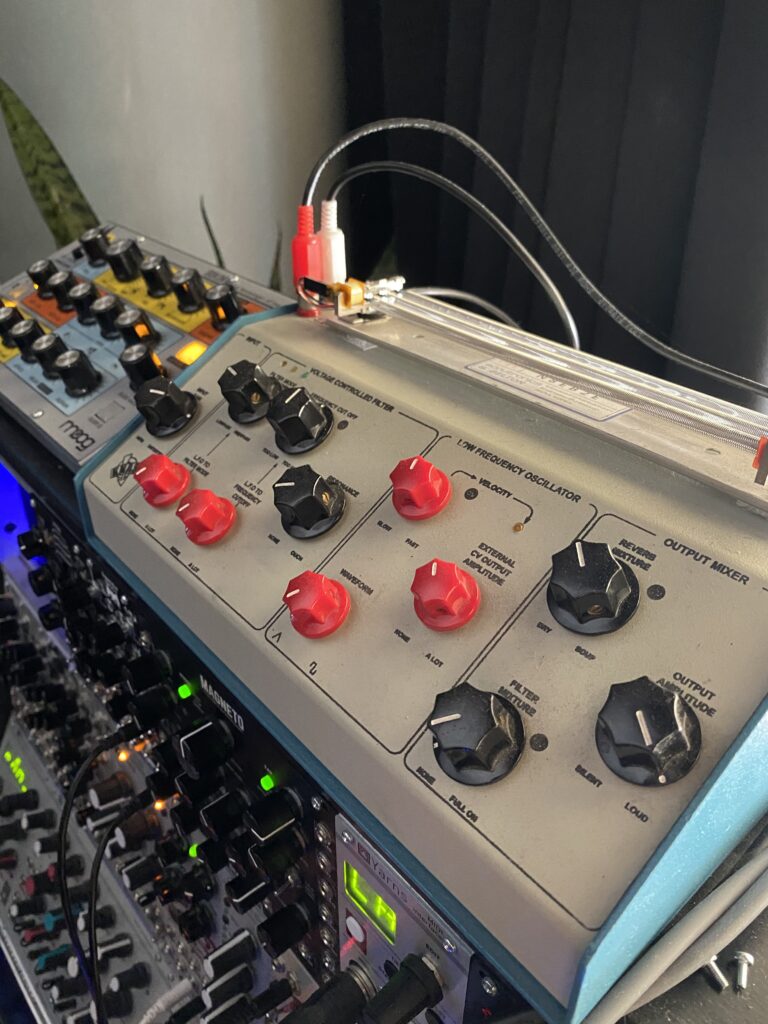
Pittsburgh Modular
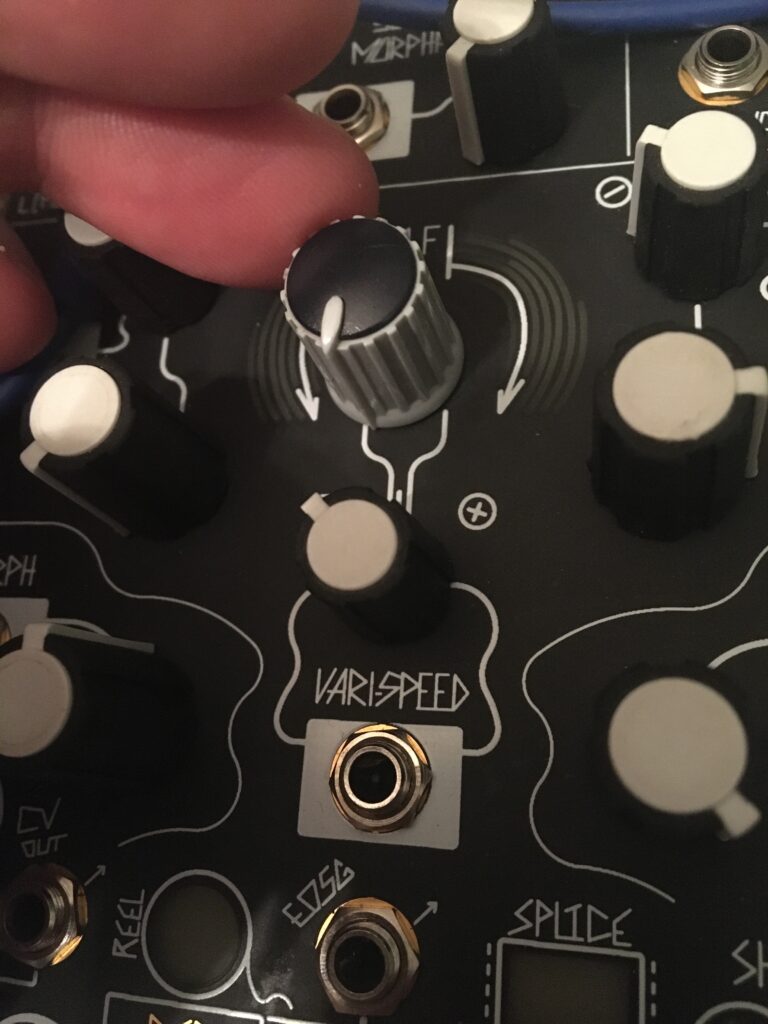
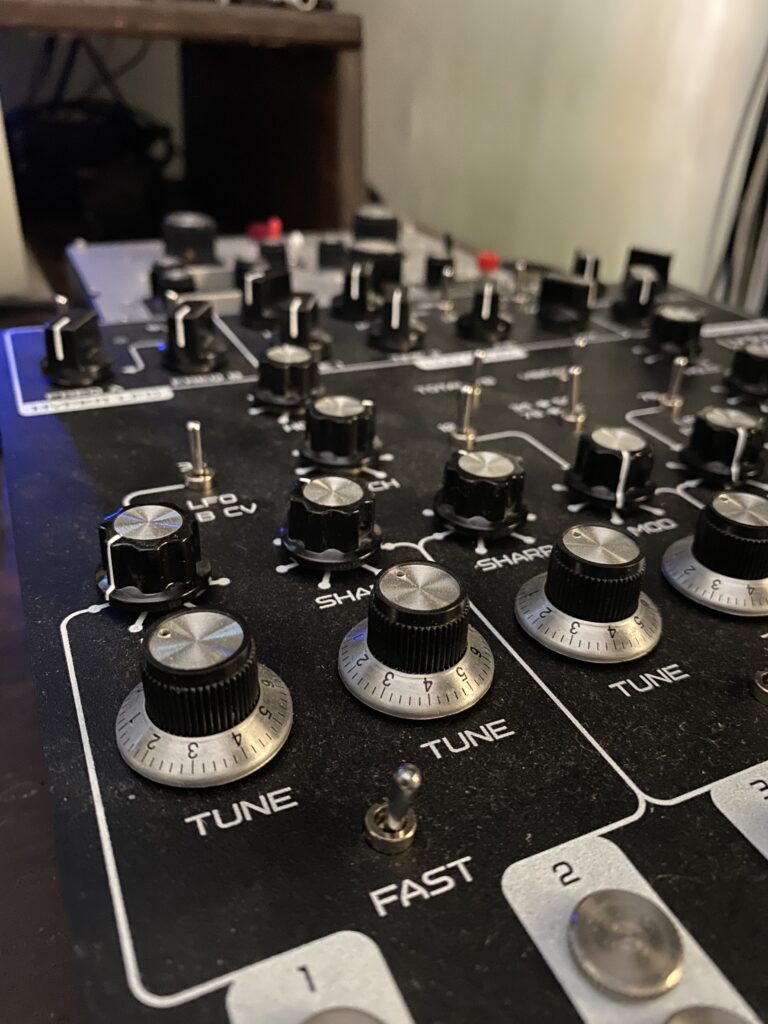
I love big quality knobs, due to my clunky fingers. I enjoy Pittsburgh Modular’s knobs, they turn smoothly and feel secured so well. The knob on the Morphagene’s Vari-Speed control is housed off-center, so when you turn it in the dark, you can feel it dip down and away. That’s superb.
Make Noise Morphagene
2. Do you have an ‘almost’ perfect bit of kit?
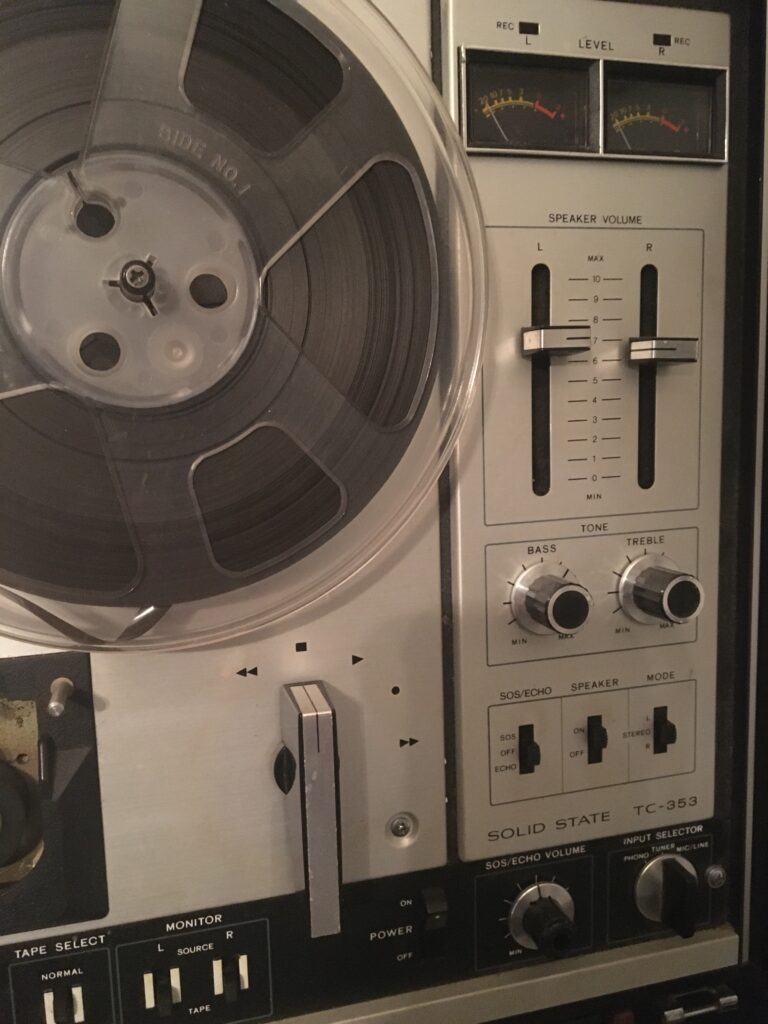
What would you change? I love old tape machines. Reel to reels, cassette players, microcassettes… but they all seize up or break so easily. They are very fragile, and when played with too much, they turn into duds. With big reel to reels, these are heavy lemons laying around. I have a couple that just “look really pretty” at the moment and need costly repair. I wish there were more knowledgeable repair people in my area.
Reel to reel
3. What setup do you bring on holiday/tour/commute etc.?
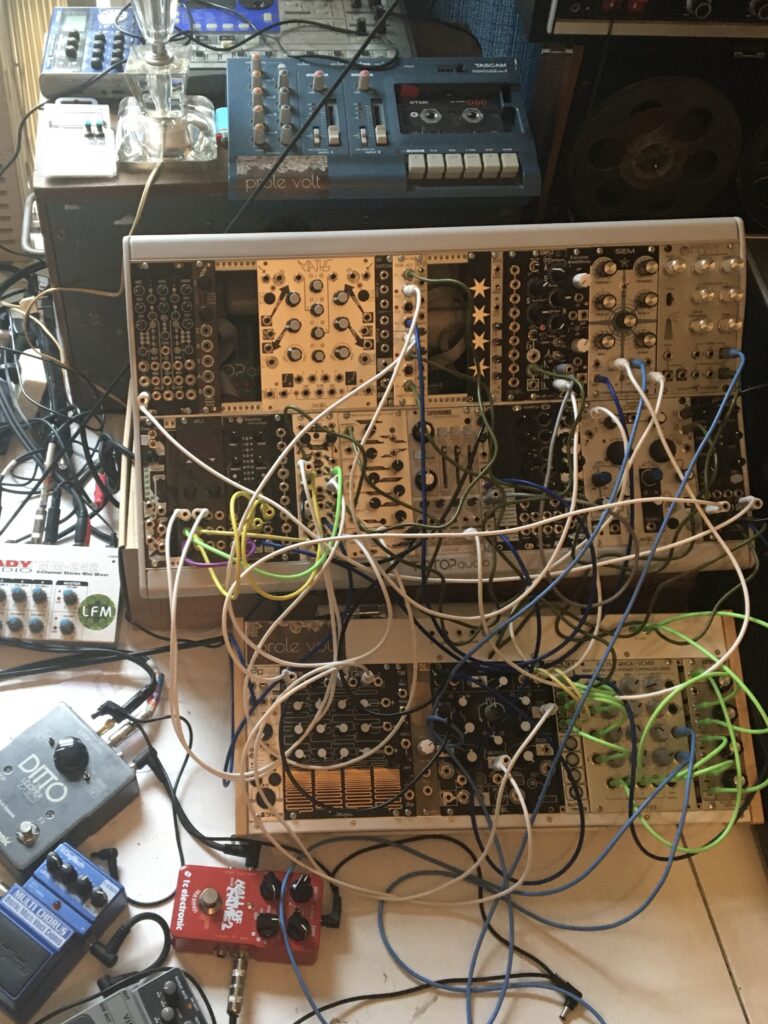
Before the pandemic I was doing a lot of traveling for work and staying in hotel rooms across the state. I started bringing a micro cassette player to do field recordings, a handful of pedals like a Chase Bliss Mood, a Hall Of Fame 2 reverb and a Ditto looper, to make drones. I was really into lonely hotel room serenades for myself. Sometimes I would bring a Bastl Kastle and an Arturia Microlab midi controller to play on a laptop. Finally, you can’t go wrong with apps like MiRack, Quanta, Synthone and Ripplemaker on an iPad.
4. What software do you wish was hardware and vice versa?
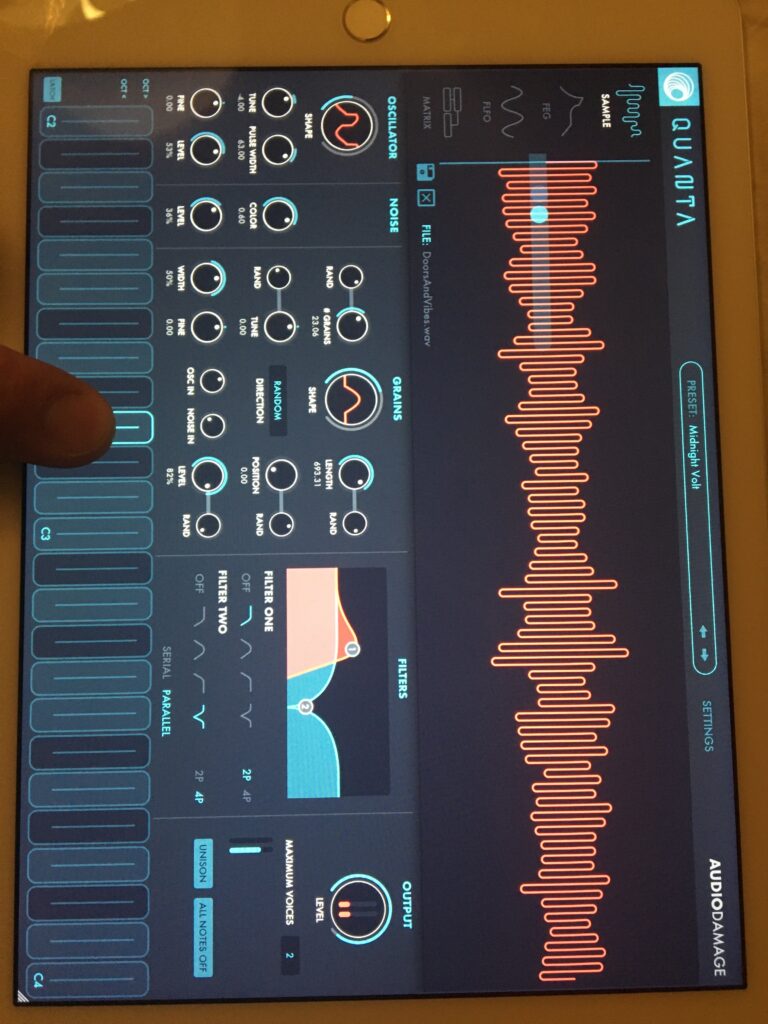
Audio Damage Quanta iOS granular sampler app
If Quanta, a software app by Audio Damage, were a hardware synth, I’d purchase that. I used to want test equipment in software form, but I just saw a Hainbach advertisement that solved that problem with the new Fundamental program by sonicLAB. I have yet to download, because I know I will need to plan to lose a week straight of my life.
5. Is there anything you regret selling… or regret buying?
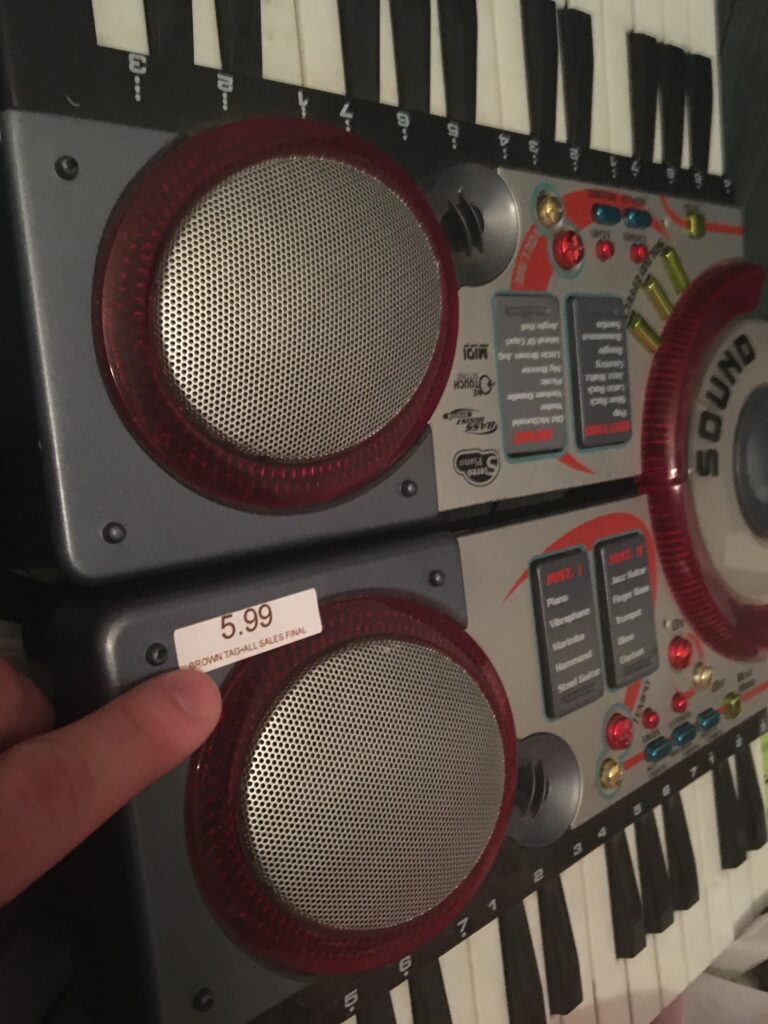
I do not regret much. Most of the duds that I bought, have been thrift store purchases for very little risk. if I buy a child’s keyboard and it doesn’t end up working, it’s a few dollars. I simply paid for the adrenaline of the find. It’s like playing the lottery. I don’t regret selling anything, because I like to tell myself that the person that bought gear from me is going to make wonderful music with it and be inspired by it, and that makes me feel very good inside. I do miss my my guitar gear from 20 years ago though. I sold it all to move across the country.
Toy Keyboards
6. What gear has inspired you to produce the most music?
I’m a gear junkie, I like to nerd out to new programs and hardware, so what inspires me the most is the discovery phase of a new vehicle for sound. I do like to just switch on a VCO and sit with the unadulterated pure sine for a minute or two, and just soak it up. Pgh Modular’s Primary Oscillator is a common go-to for breaking the silence.
7. If you had to start over, what would you get first?
A second job to afford more gear! Haha, jokes aside – I wish I had gotten into synthesizers earlier. I have been a guitar and bass player since I was 13, and before that a clarinetist. I have always loved electronic music, but I hadn’t bought synth gear for a couple decades. To this day, I’m not sure why, but I would have loved to have jammed on some Korgs in the 90s.
8. What’s the most annoying piece of gear you have, that you just can’t live without?
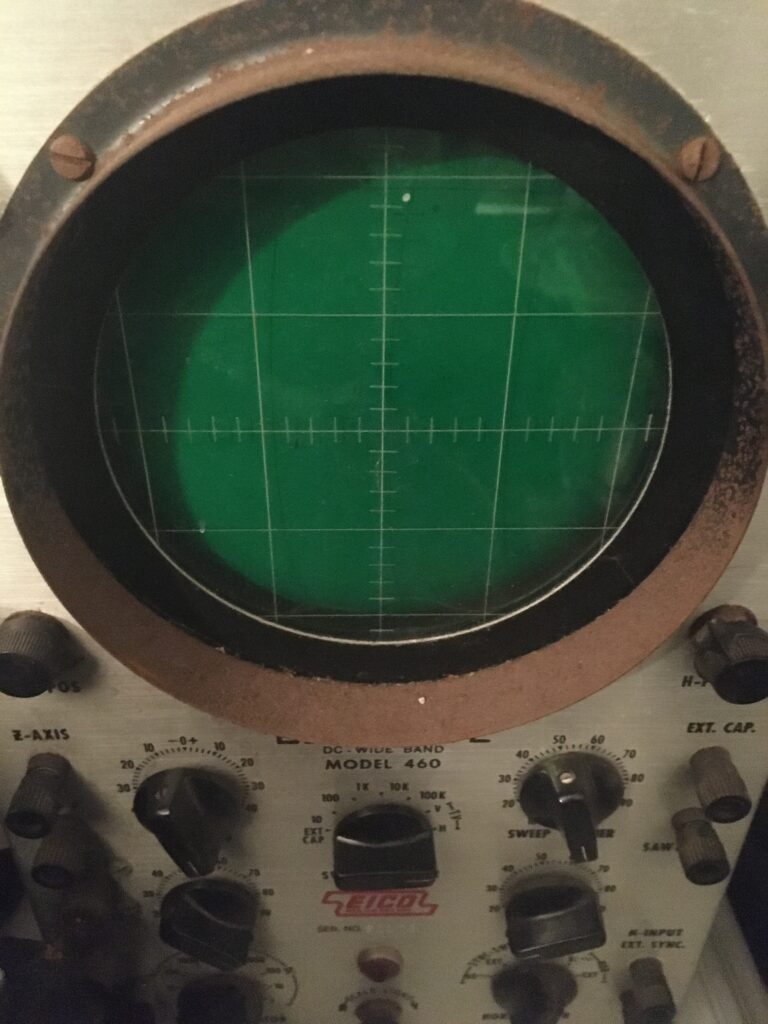
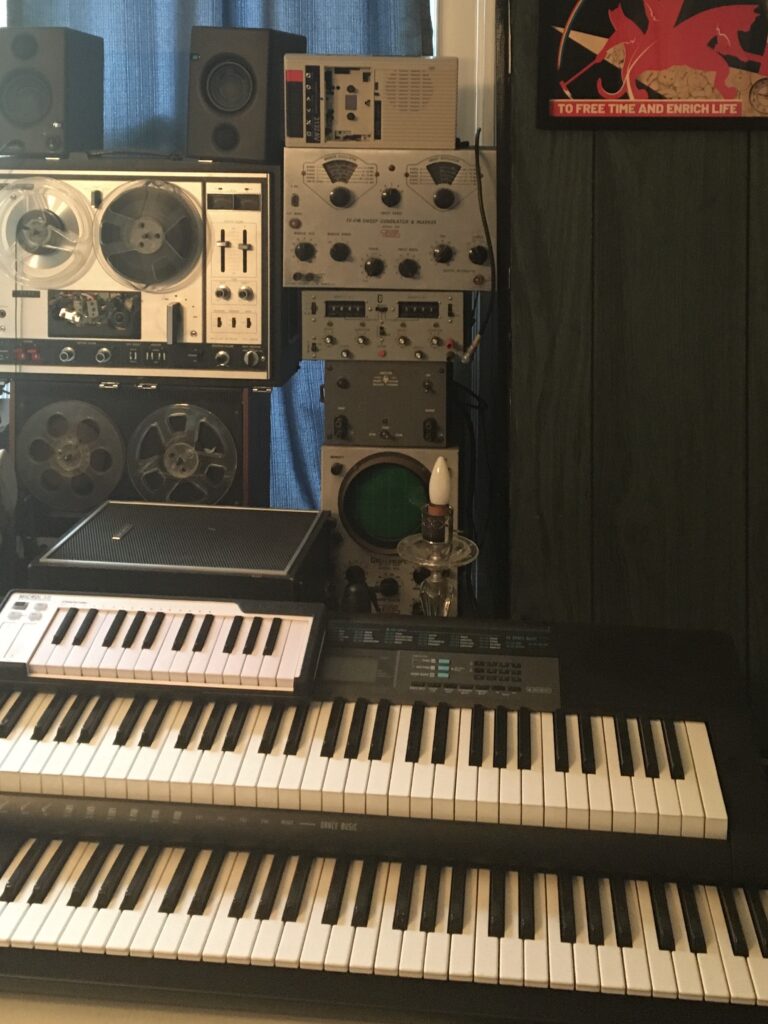
Vintage test equipment, by far. Gigantic, heavy, smelly old things. they’re a pain in the ass, and they put other gear at risk. I would never give them up, however, and they inspire me to want to get more pieces.
Eico Test Equipment
9. Most surprising tip/trick/technique that you’ve discovered about a bit of kit
With modular synthesis, it’s endless fun learning how to manipulate signals, it never gets old. I learned that there’s always a new and different way to use them. Using an envelope pulse as a sound source, using a VCO to rapidly CV a switch, or side chaining a side chain. A world of discovery always awaits!
Eurorack synth with fx pedals
Artist or Band name?
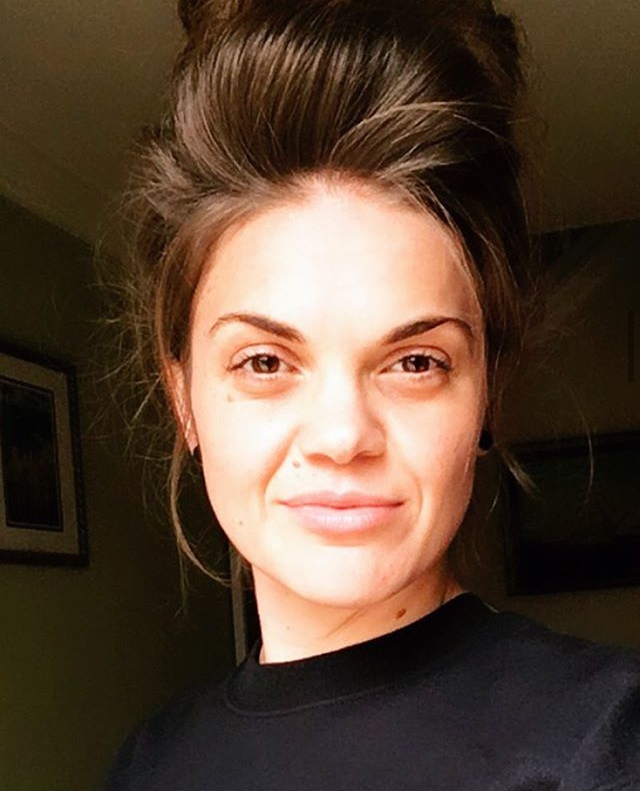
Prole Volt
Genre?
“Experimental Acoustic Electronic” is probably the most accurate.
Prole Volt
Where are you from?
Pittsburgh, Pennsylvania, USA
How did you get into music?
I sang along to Motown hits on the radio as a child, and I ended up in the church choir. My mother thought a clarinet might satisfy my instrumental thirst. Thanks mom, wink wink.
What still drives you to make music?
It relieves the tension of the world burning. Most nights I cannot sleep unless I patch up a tune. It’s therapy for me. It’s the only time that I can focus entirely on something else beside thinking about pain and suffering and injustice. I know that sounds cliché, but for me it feels very true and real. It’s a raw escape.
How do you most often start a new track?
I get an urge, I’m angry or sad about something in life and I make a beeline for the gear. I hit a few piano keys or just start plugging patch cables in and fooling around. Sometimes I hear a sound I like and I sample it and work around a sample.
How do you know when a track is finished?
Is it ever? Sometimes I think it’s done and then I hear another part in my head, and return to it. I have one of those brains that can hear all the parts of a song simultaneously. Sometimes I’ll listen back to a recorded track and my mind will play a part that isn’t there.
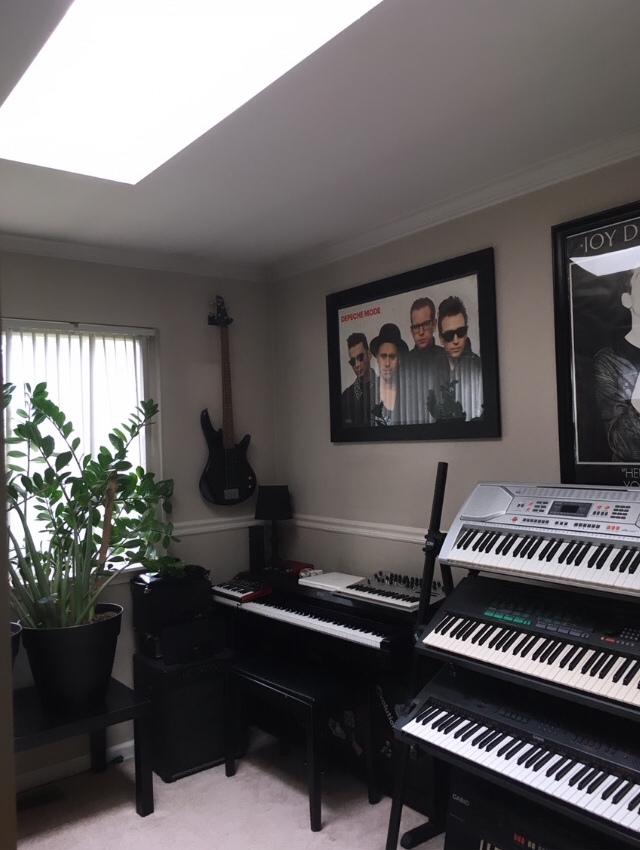
Show us your current studio
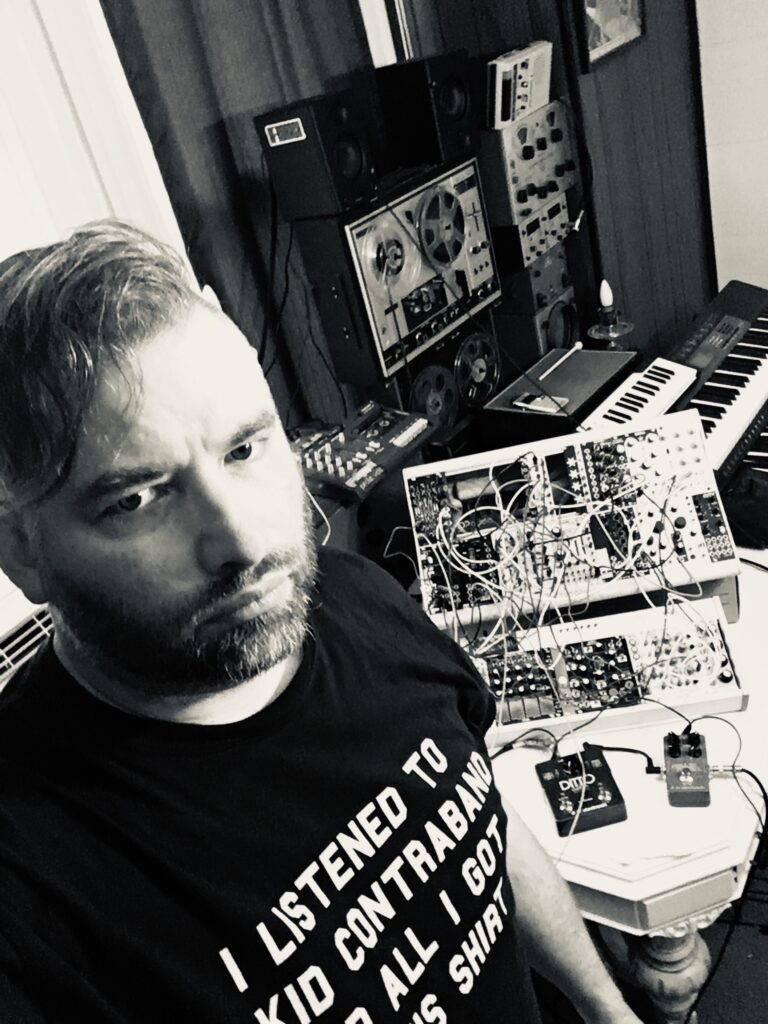
Prole Volt Studio
Best creative advice that you’ve ever heard?
To never make music for the purpose of “gaining a following.” If people like your music, then they will come and listen. Make music that you actually love and makes you feel good.
Promote your latest thing… Go ahead, throw us a link.
I’d like to give a shoutout to all my wonderful musical comrades from @internationaloscillators – building musical community and raising up fellow independent artists is very important to me. I have a collaboration LP called “Half Speed Heathache,” with the very talented artist from Copenhagen @SongsFromTinAlley
1. Favourite knob/fader/switch on a piece of gear and why?
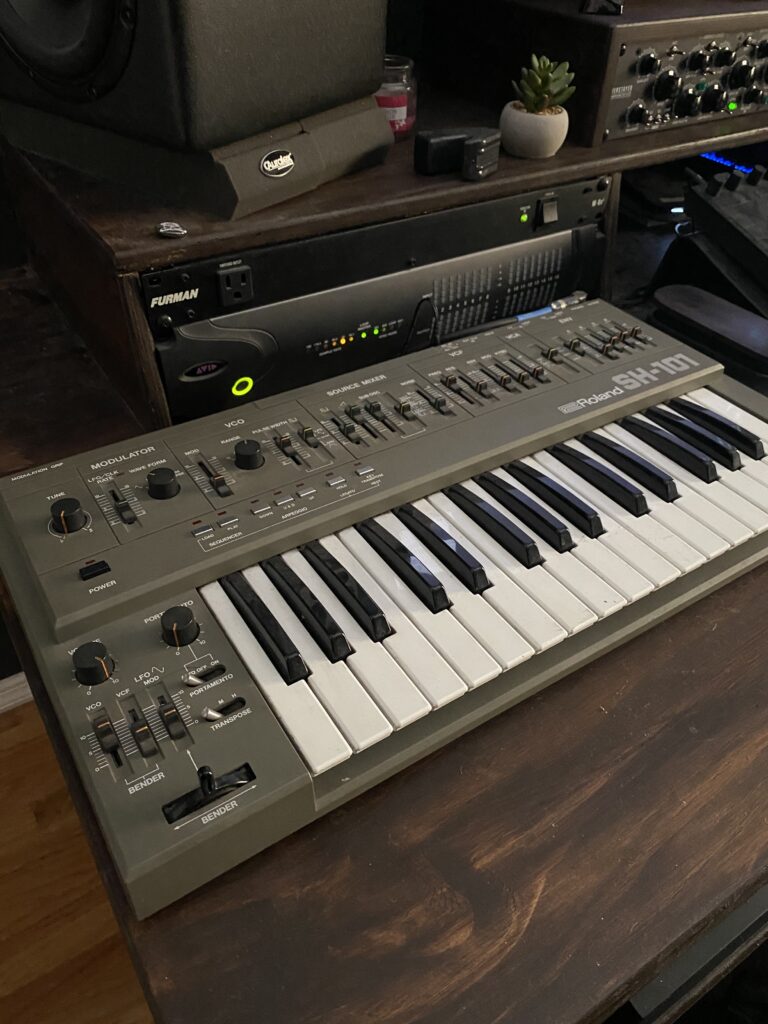
Two way tie: my filter cutoff on my Moog Model D, and the one on the Roland SH101 because they are probably my 2 favorite filters of all time.
Moog Model DRoland SH101
2. Do you have an ‘almost’ perfect bit of kit? What would you change?
The Lyra 8 [US, EU]. It’s absolutely brilliant…but I kind of wish it had more CV control, but I end up using it a lot with my euro rig so absolutely no complaints!
Lyra 8
3. What setup do you bring on holiday/tour/commute etc.?
I have a smaller skiff case that I like to bring with me sometimes…either that or a newer piece of gear that I want to go deep with and some headphones.
Small eurorack skiff
4. What software do you wish was hardware and vice versa?
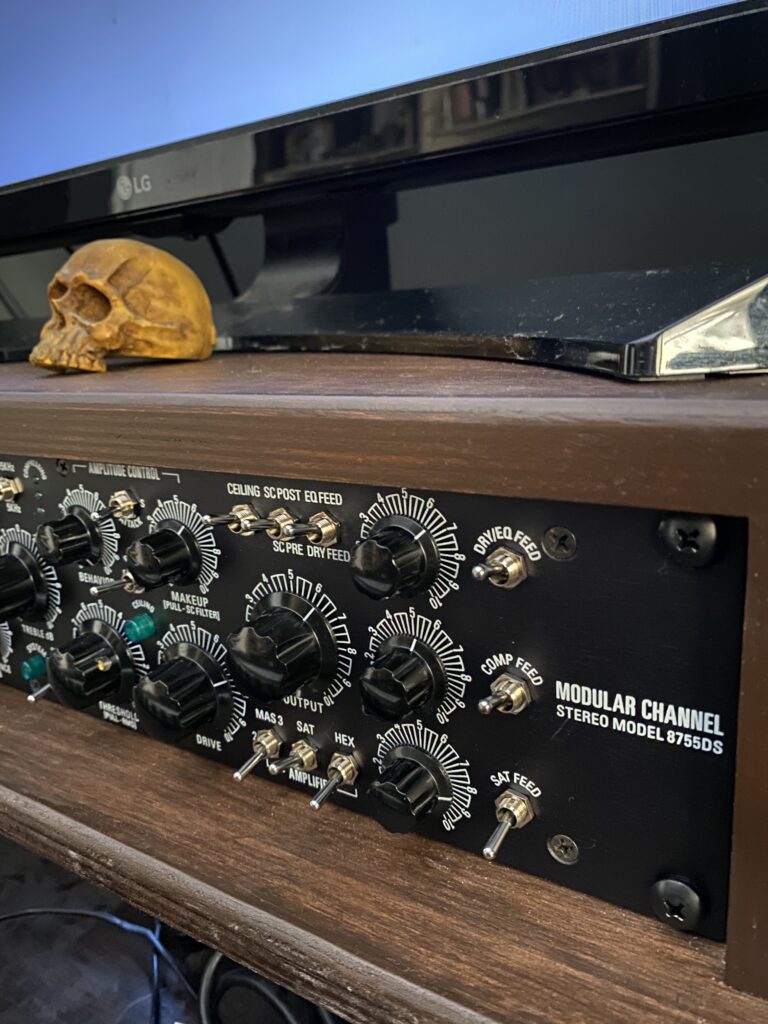
This is such a great question! Usually stuff that I wish were hardware actually IS hardware, just completely out of reach to me. I love the Arturia Synthi V, and it’s the closest I will probably get to an actual Synthi. Also the Waves Abbey Road Collection… I don’t think I will have access to those plates anytime soon haha. And the other way around…I just got an Overstayer Modular Channel which is incredible on its own as hardware…but being able to automate some of the parameters would be insane.
Overstayer Modular Channel
5. Is there anything you regret selling… or regret buying?
I have way too many string libraries.
6. What gear has inspired you to produce the most music?
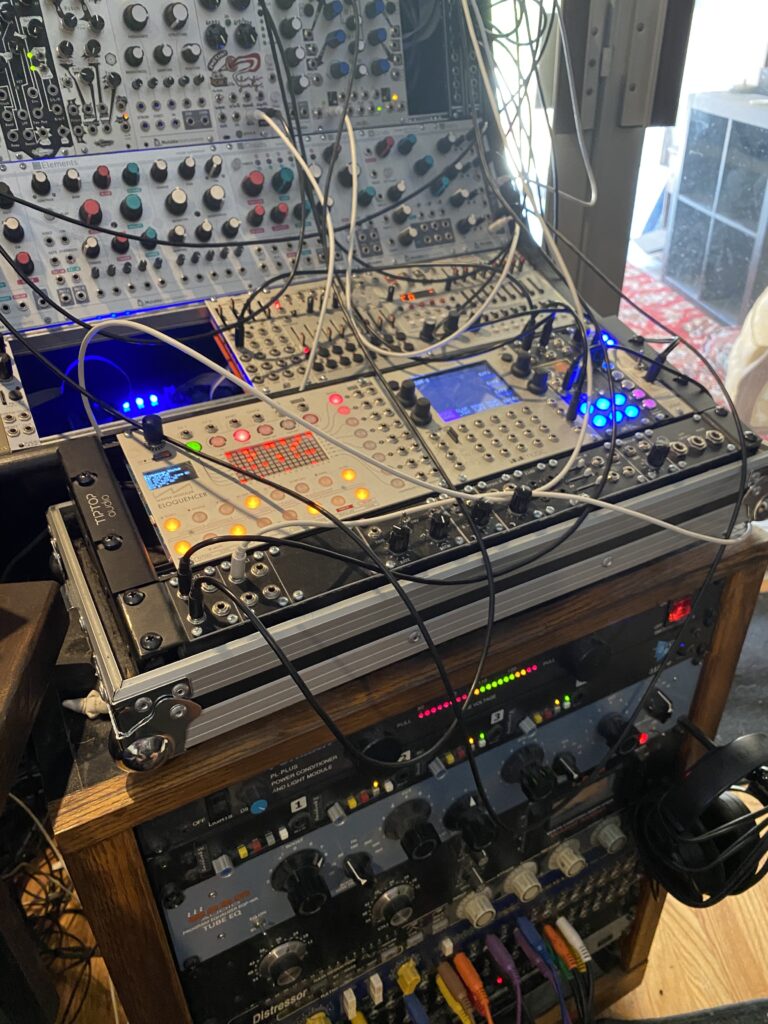
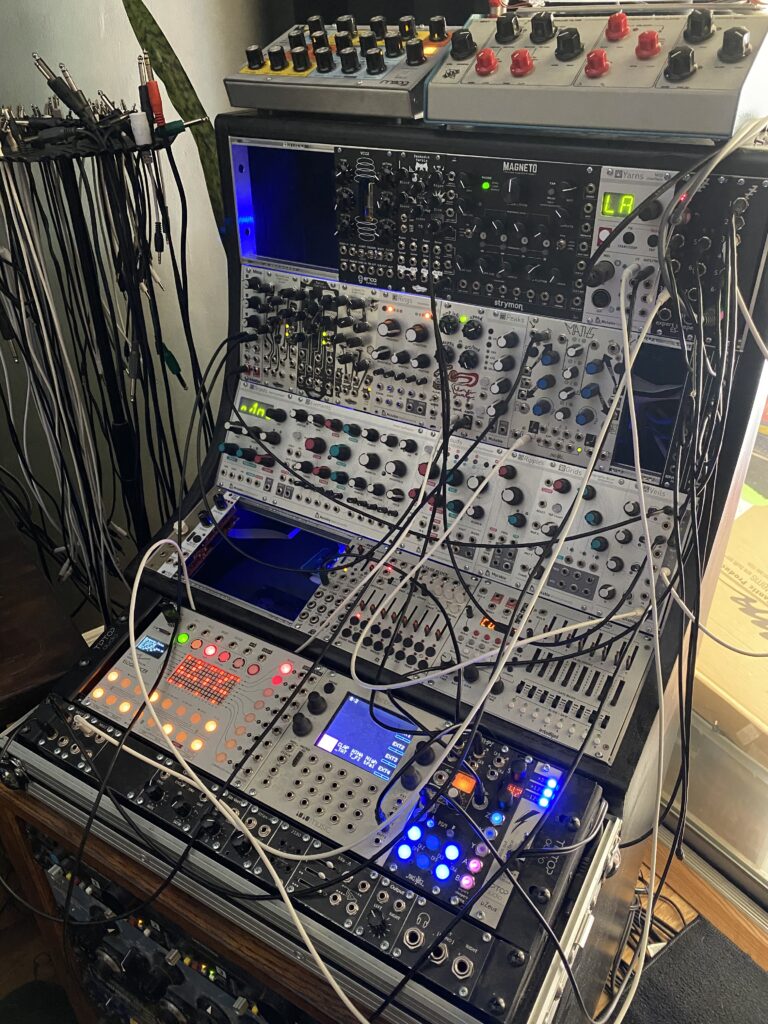
Definitely my eurorack rig.
Eurorack setup
7. If you had to start over, what would you get first?
Ableton and a laptop.
8. What’s the most annoying piece of gear you have, that you just can’t live without?
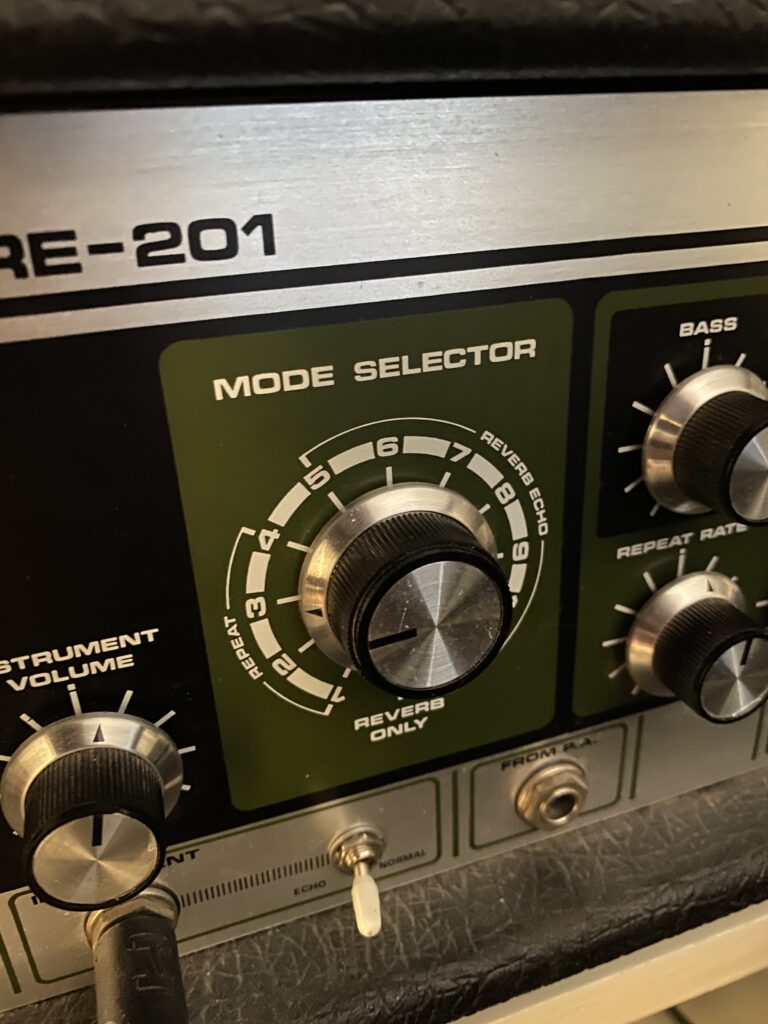
My Roland RE201 Space Echo. I use it on almost every hardware synth I am tracking to some degree. It is easily the most temperamental piece of gear in here, and completely unpredictable, but I love it.
Roland Space Echo RE210
9. Most surprising tip/trick/technique that you’ve discovered about a bit of kit?
For a long time I never paid attention to the “external instrument in” on a lot of things like the Lyra and Model D. Now I use those all the time, sending kicks or something through them.
Artist or Band name?
Snakes of Russia
Genre?
Dark electronic
Selfie?
Snakes Of Russia
Where are you from?
Born in NYC, raised in NJ, but I have been in LA for 20 years.
How did you get into music?
I’ve always been into music really, I started playing drums at 13 and then into electronic music shortly after when I discovered sampling.
What still drives you to make music?
It’s literally the only thing I can do well.
How do you most often start a new track?
I try to start something new every day…sometimes this will turn into a track..or a sample, preset, or just a fun experiment. I firmly believe there is no such thing as writers block. You just gotta show up. Write every day. 80% of that will be stuff you don’t use, but in that 20% there will be something, even a spark to a bigger idea. And in our world of electronic music, even in the ideas we don’t use…there is a cool patch, sound design element, chord progression or something to pull from so save all of that stuff and revisit it from time to time.
How do you know when a track is finished?
I am a firm believer in both deadlines and proper mastering, and those two work really well together. The day I start a mix, I schedule mastering a week or two out…so it has to be done. Then mix and revise, with usually with a day in between each revision (for perspective) until its feels good. Then I let it go. I learned a long time ago, you have to just walk away at some point…there is always something to tweak and it will drive you insane and you will never finish anything.
Show us your current studio
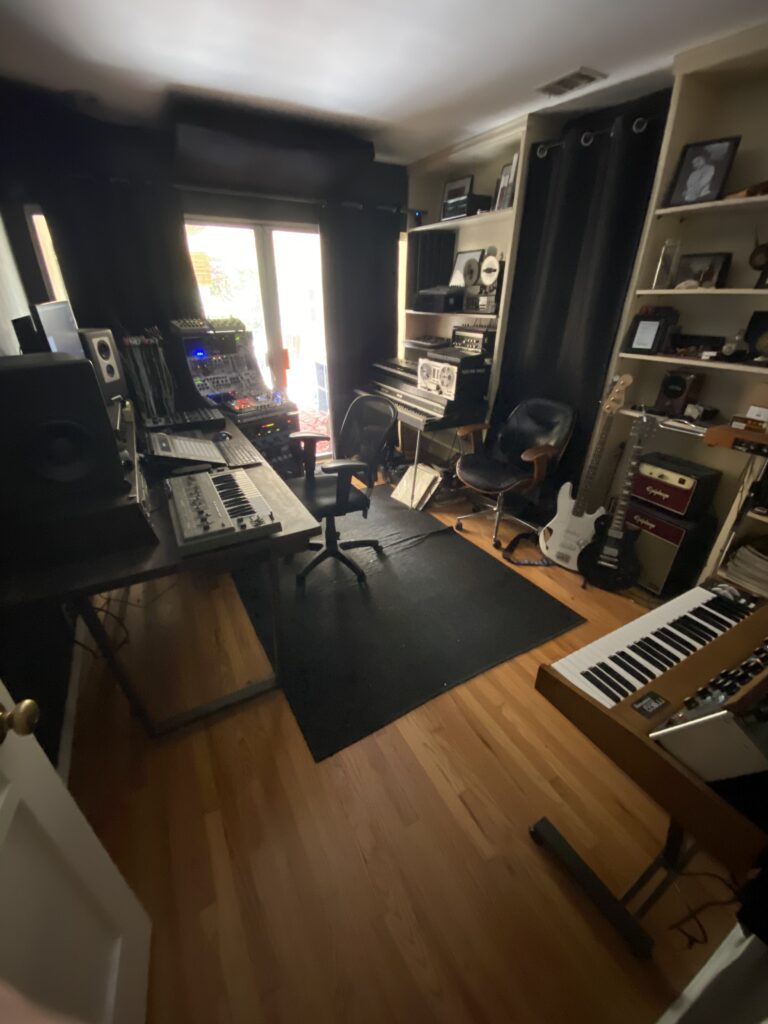
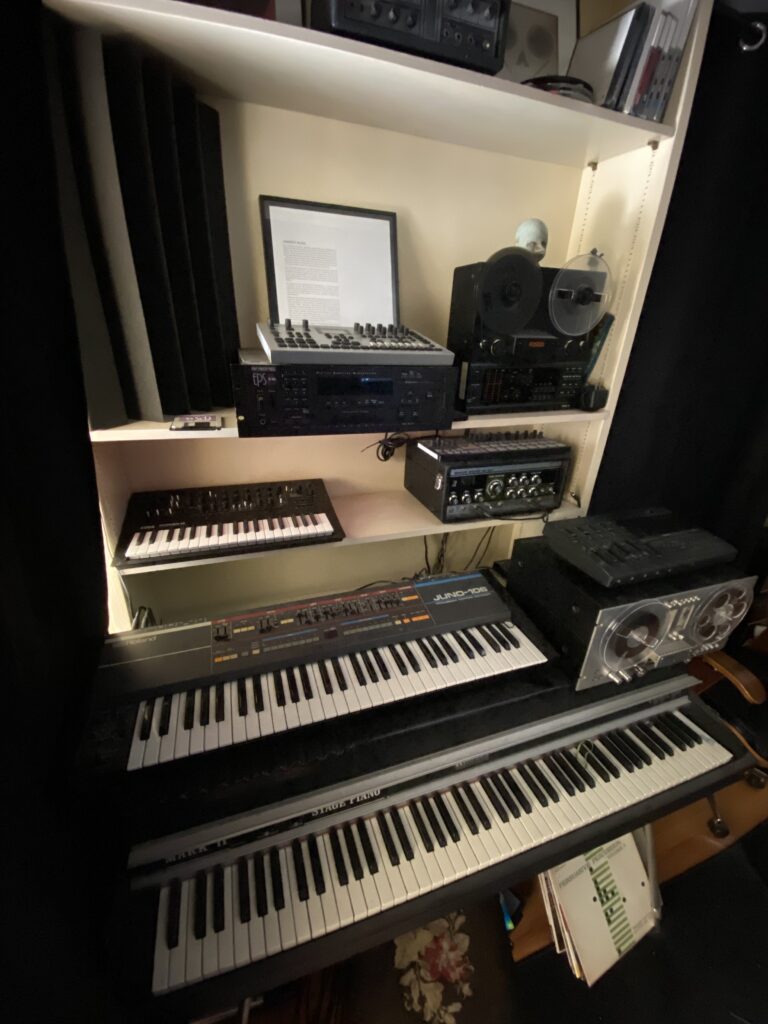
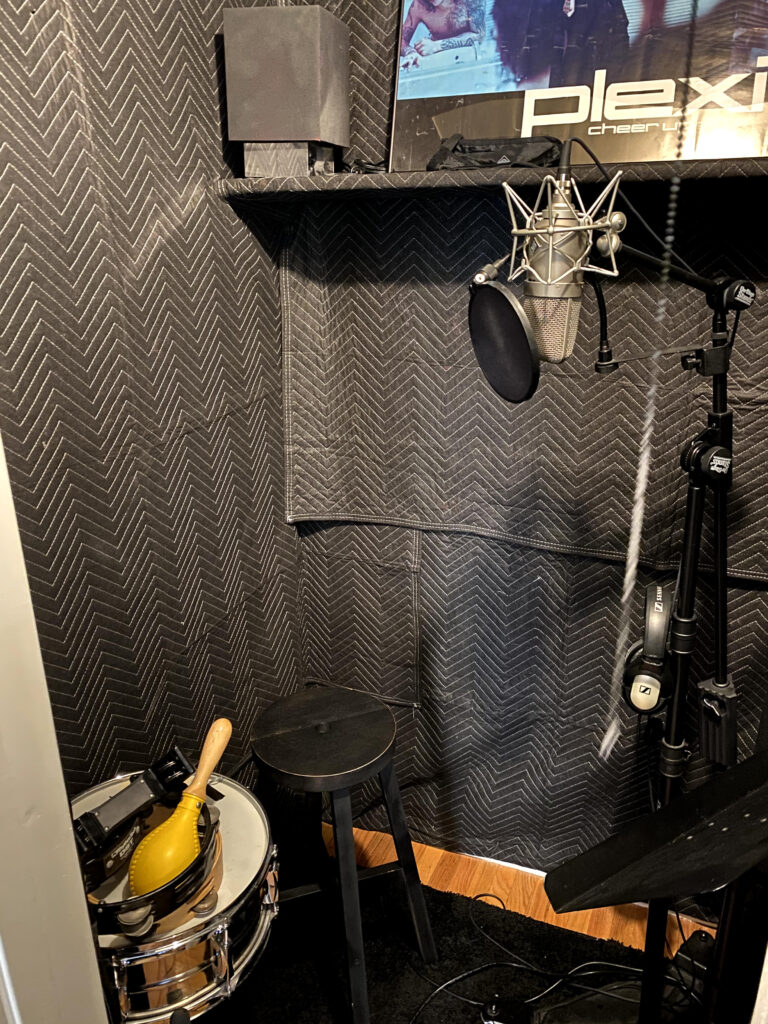
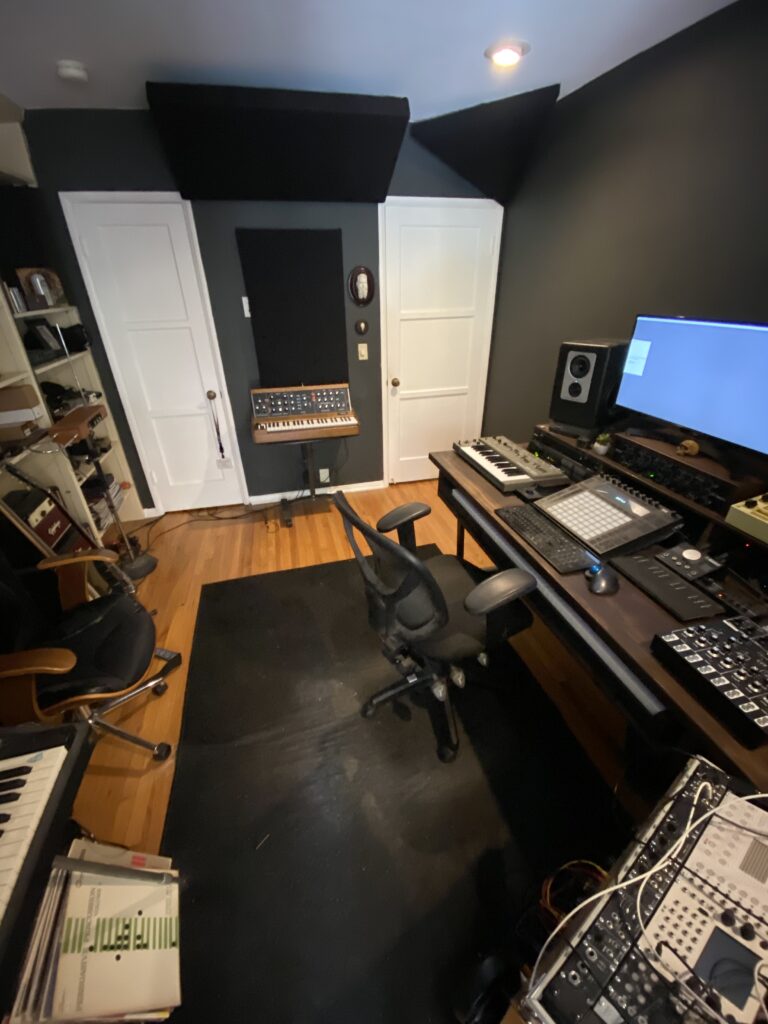
Snakes of Russia StudioSnakes of Russia StudioKnas Ekdahl Moisturizervocal boothSnakes of Russia Studio
Best creative advice that you’ve ever heard?
It’s a ridiculous one…”write drunk, edit sober”…I think it’s been incorrectly associated to Hemingway all these years. The way I interpret it is… just get it all out while it’s happening…then go back and refine it with fresh ears and perspective and fine tune things.
Promote your latest thing… Go ahead, throw us a link.
I’ve just released a 3 song single on Errorgrid called “Carried to California In A Swarm of Bees”. You can stream it or purchase with the link below!
[Editor: There are affiliate links to the relevant gear throughout the articles. It helps to support this blog. In fact, should you be needing some patch cables or guitar strings. Then clicking on one of the above links and buying any product that you prefer, will help the blog… doesn’t even have to be the ones in the link. Thx]