Luke Shenton – Breakmaker

1. Favourite knob or fader or switch on a piece of gear and why?

Being relatively new to the world of home studios and recording there aren’t many physical knobs involved in my workflow. HOWEVER, the ‘drive’ knob on decapitator by Soundtoys has really taken a beating over the years. Everything from light saturation to extreme gnarly harmonics and everything in between. I think it was one of the first plugins I bought and has been on every channel strip ever since!
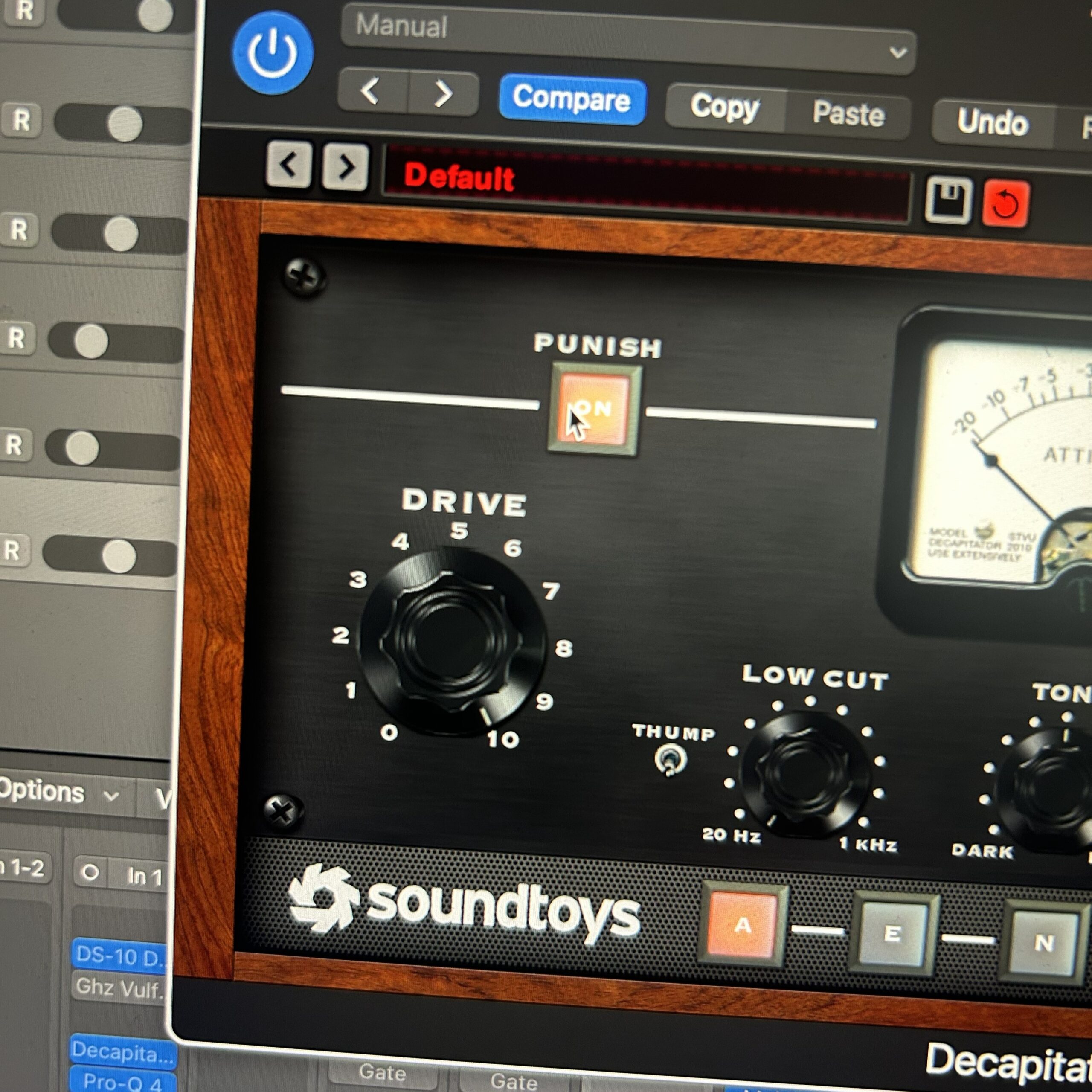
Soundtoys Decapitator

2. Do you have an ‘almost’ perfect bit of kit? What would you change?

I am absolutely obsessed with this Meinl Tamborim. For such an affordable little instrument it sounds amazing. The only thing I would change is to add a more durable head but then again it probably wouldn’t sound as interesting as it does. (I don’t think they’re designed to be whacked with a 5B drum stick haha) 

Meinl Tamborim

3. What setup do you bring on holiday or tour or commute etc.?

My go to touring set up is a Gretsch Catalina Club. It has been my main kit for a number of years and I don’t really have any intention of changing it. It sounds great in any context and doesn’t take up too much space in a van. Honourable mention to the workhorse that is the Roland spdsx pro.
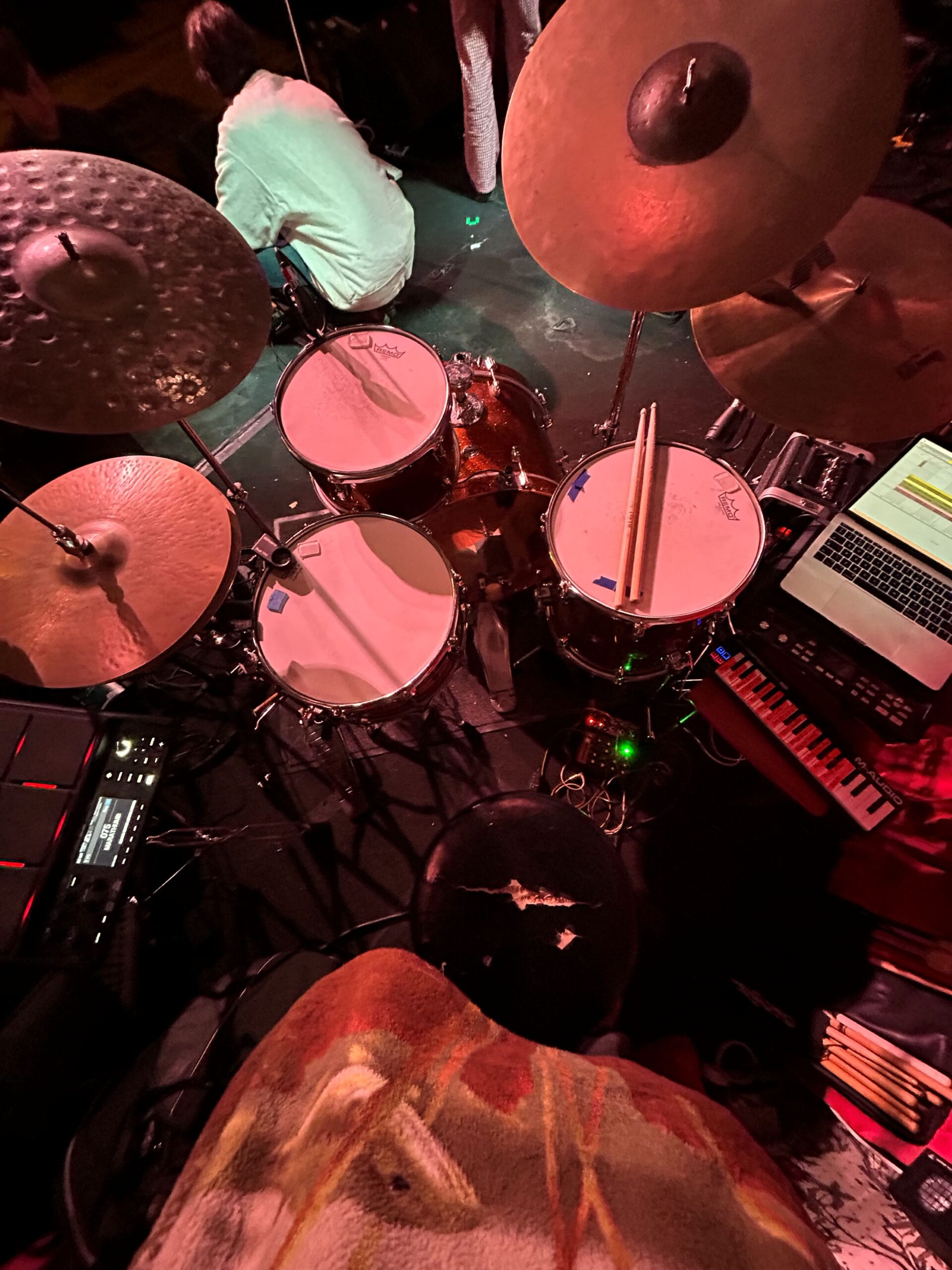
Gretsch Catalina Club

4 – What software do you wish was hardware and vice versa?

I love Yak delay by safari pedals – it would be great if it was a physical pedal that you could manipulate in real time and Death by Audio Fuzz War would make a great plugin. 

Yak delay by safari pedals

5 – Is there anything you regret selling… or regret buying?

I remember my dad having a Sunburst Gibson Les Paul growing up but I was way too young to fully appreciate it. If I could go back id ask him to hold onto it. Don’t have any pictures but I remember she was a beaut. I regret buying budget IEMs. Near enough every show I do is run to a click track so it can be pretty distressing when they start to break. I have since upgraded to a pair of Sennheiser IE 100 Pros and it has been a big relief. 
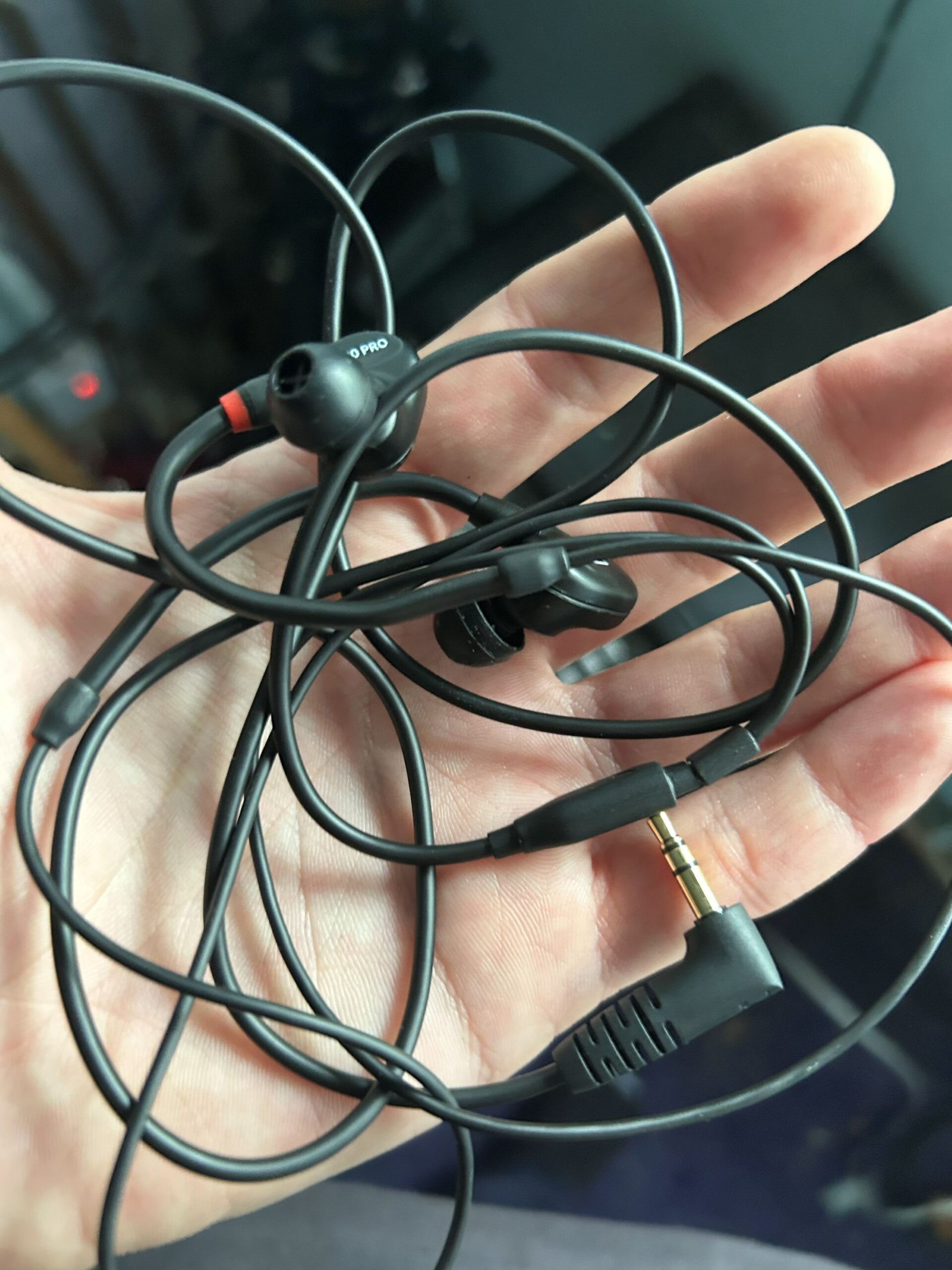
Sennheiser IE 100 Pro

6 – What gear has inspired you to produce the most music?

That’s a very good question. It probably sounds like a very obvious answer but I purchased an sm57 and an Audix d6 in 2020 when I had no gigs and lots of time on my hands and it completely opened me up to the idea of recording from home and I have been obsessed ever since. 

Shure SM57 and an Audix D6

7 – If you had to start over, what would you get first?

If I was to start all over again I would get myself some recording equipment from the very beginning of my drumming career. I think being able to hear yourself back is one of the best ways to improve as a musician and really lets you dig into the details of what makes things sound really good. 

Bongo breaks and kit

8 – What’s the most annoying piece of gear you have, that you just can’t live without?

By far the most annoyed I have been at any inanimate object is the Roland SPDSX. I absolutely love it but after 10 years of taking it everywhere with me it started to just randomly not turn on. I run tracks on it pretty frequently so that obviously became a living nightmare. A lot of people still use the older model with no issues, but I have upgraded to the newer SPDSX Pro and it has saved me a lot of hassle. 

Roland SPDSX

9 – Most surprising tip or trick or technique that you’ve discovered about a bit of kit?

It’s not something particularly groundbreaking but I really like detuning one or two lugs on a snare drum and leaving the rest at a normal tension. At least from what I can tell it’s not very common tuning practice but I think it’s a great way of achieving a big chunky snare tone.  

POV drumkit

Artist or Band name?

Luke Shenton 

Genre?

I do lots of recording in any genre. My solo work and sample packs tend to gravitate towards electronic music and hip hop. Anything breakbeat related.

Selfie?

Luke Shenton

Where are you from?

Oldham, UK

How did you get into music?

My dad is a musician and avid gear collector. I spent a lot of my early years surrounded by music and when I was 7 he bought me my first drum kit. I remember seeing him absolutely shredding on it and I was immediately hooked. 

What still drives you to make music?

I am constantly experimenting with drums and production techniques and I am always trying to learn. A lot of the time I will just sit down with a record technique I want to try or maybe some software and this more often than not will turn into a more fully formed project. I also just love jamming with my friends and other musicians. I think if I was only ever making music by myself it would be much harder to find the motivation. 

How do you most often start a new track?

I think I might have covered some of this in the previous answer but a lot of the time it is just jamming over and chopping up drum loops. There are sessions I have done that will start with a nice chord progression or even just a nice texture or sound. I think as long as I have a rough idea where I want the track to go, the initial inspiration can come from anyway. 

How do you know when a track is finished?

I do find this quite challenging as I have a tendency to sit on things for too long and overthink stuff. I think sometimes you just have to say “okay thats done” and leave it alone. Let it exist for what it was at that specific moment in time and move on. 

Best creative advice that you’ve ever heard?

“Thought is the enemy of flow” – Vinnie Colaiuta 

LINK TO SPLICE PACK

Luke Shenton ‘Northern Breaks’: Drum And Bass Sample …

Splice:

https://splice.com › sounds › packs › test-press › samples

Simon Thomas – MosaicTapes

1. Favourite knob or fader or switch on a piece of gear and why?

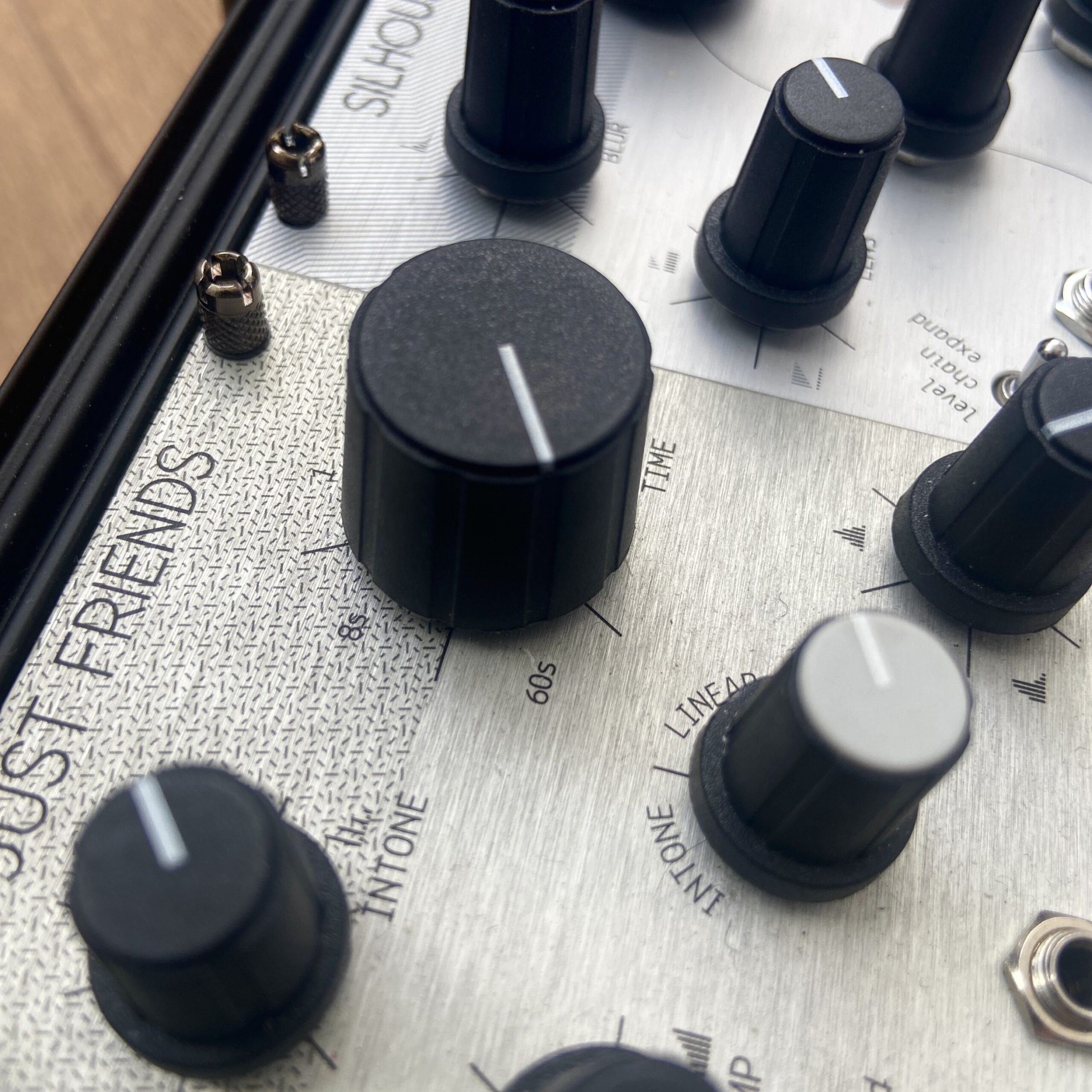
Mannequins by Whimsical Raps

I have a bit of a love/hate relationship with gear and regularly purge almost everything, but there are a few bits that bring so much value to me that I think they are here to stay. The Mannequins modules by Whimsical Raps are such examples, and the ‘big’ knobs on them are so smooth and lovely. They’re really fun to play around with (especially the one on Silhouette).

2. Do you have an ‘almost’ perfect bit of kit? What would you change?

I don’t think I do have anything even approaching perfect, to be honest! There are some bits that provide unique value, like the Cocoquantus, and for me I think I prefer having a select number of pieces that make up a ’near perfect’ picture rather than having to rely on one thing.  

Cocoquantus

3. What setup do you bring on holiday or tour or commute etc.?

I rarely make music on the go – I like to create in a quite private way, so making music while commuting feels a bit distracting and uncomfortable. I have taken my laptop on holiday before; I’m a big fan of Max, and patches like ppooll and Leafcutter John’s Forester, have both been really important to me creatively. I also have a young son, so our holidays are really busy, so having my laptop allows me to get going on something very quickly with very little other dependencies. 

Max device Ppooll

4. What software do you wish was hardware and vice versa?

I absolutely would love to see a hardware version of Slate + Ash’s Cycles. That thing is amazing, and having a stand alone box would genuinely be the stuff of dreams.

Slate + Ash’s Cycles

5. Is there anything you regret selling… or regret buying?

As I said before, I often sell everything, and I don’t think I regret much, if any. The only thing that comes to mind is a lovely Telecaster which I think I may have had around 2008, and sold probably in 2012. 

Fender Telecaster

6. What gear has inspired you to produce the most music?

Without a doubt Max MSP (does that count?) I never make music with hardware – it’s a tool for performance for me, and all my music is made in on my laptop. 

I remember when my son was born, I had a 6U/104hp Eurorack case, and I would try to carve out time to make something using it, as I felt insanely guilty for having spent all this money on something which wasn’t being used. Looking back, it felt like a real struggle to get it all out, patch it up, find a spare surface to work on and then try and muster some creative energy. I think within a year I had maybe 2 or 3 half-baked ideas. 

Norns and Grid

There was this thread on Lines about non-traditional DAW like environments (or something like that), and Forester was listed on there. It cost £45 so I decided to give it a go, and within two or three days I had made my first album, The Children of Several Famous Geophysicists. On top of it being creatively freeing, I also felt like I had discovered my sound. I jumped into ppooll soon after that and that became totally indispensable for me (helps that my heroes Fennesz and Tim Hecker both use it). 

7. If you had to start over, what would you get first?

Definitely a laptop – there’s so many cool things to explore; not just Max, but things like Tidal Cycles – there are endless possibilities, and most of them are free! If not, I’d go for a Norns – you can pick up a Shield relatively cheaply and there are so many amazing scripts to explore… plus you can record to the hard drive.

Norns Shield and Grid

8. What’s the most annoying piece of gear you have, that you just can’t live without?

That’s an incredibly difficult question – I tend to get rid of things that I find annoying. With that in mind though, I’d probably say my guitar – I’d obviously never get rid of it as I dearly love it, but I think my annoyance comes from my poor technical ability. I also think that as a sound-making device, I find it hard to make it sound like anything other than a guitar, which I find frustrating. 

9. Most surprising tip or trick or technique that you’ve discovered about a bit of kit?

It’s not gear specific, but re-amping things I think is a really cool trick to transform sounds into something new, especially using ‘crappy’ recording devices – iPhones, cassette players, children’s toys (especially if broken). Magic.  


Artist or Band name?

I make music as Mosaic Tapes

Genre?

‘Ambient’ although I don’t really like that term. Soundscapism? I dunno, it’s all pretty reductive. 

Selfie?

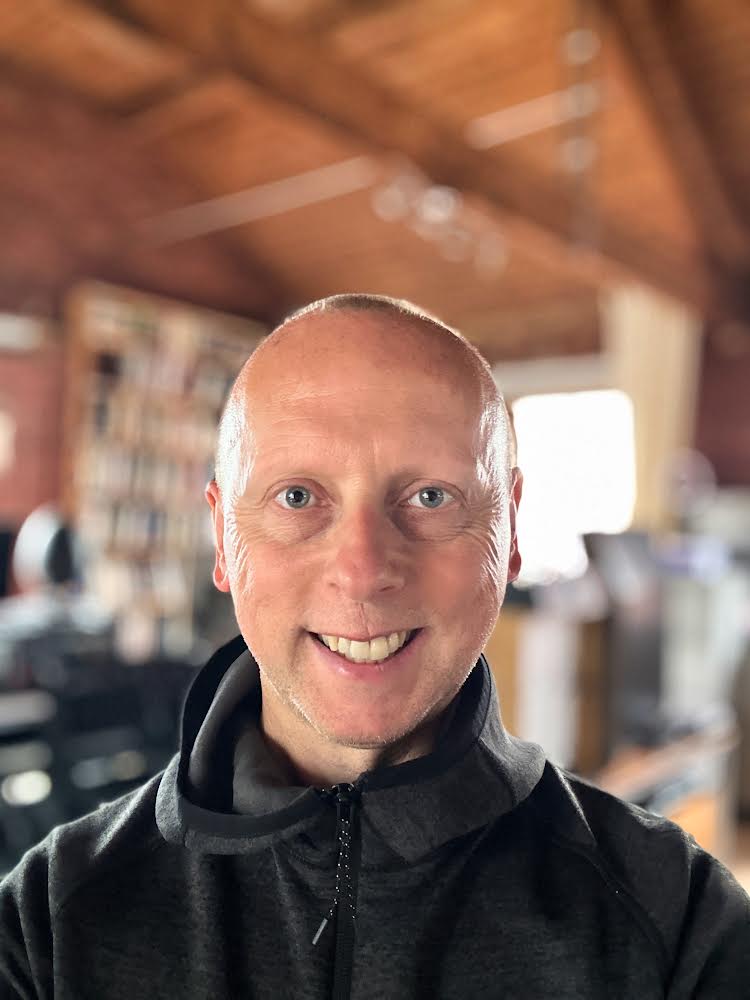
MosiacTapes aka. Simon Thomas

Where are you from?

I live just outside of London

How did you get into music?

My dad was always into music – he had loads of CDs, and my Uncle was a pretty successful musician – he was the guitarist of a band called Charlie and produced the album Dangerous Age by Bad Company as well as working with 3 Colours Red and The Yo Yos. He taught me and my brother how to play guitar, and when I was 16 and my brother was 14 we started a band. We did a couple of UK tours and supported some pretty decent bands, but broke up in 2007. I still think the songs are great; my brother is a world-class song writer and it shows in everything he has done since. 

What still drives you to make music?

I have a compulsion; I have to be creative or I get frustrated and down. I’ve been playing live more this year than before, so I have been focusing on my live set and creating less, but it still scratches the itch for me. 

How do you most often start a new track?

Usually it will start with an interesting sample that I have made in Cycles, or have discovered, and then I will warp that out of all recognition and then start layering other bits on top of it. 

How do you know when a track is finished?

All of my tracks are done in a single take, so it’s done when I run out of steam and everything fades away. It’s a really useful way of not over engineering ideas.

Show us your current studio

Sadly, I don’t have the space for a studio, so I usually just commandeer the dining table. 

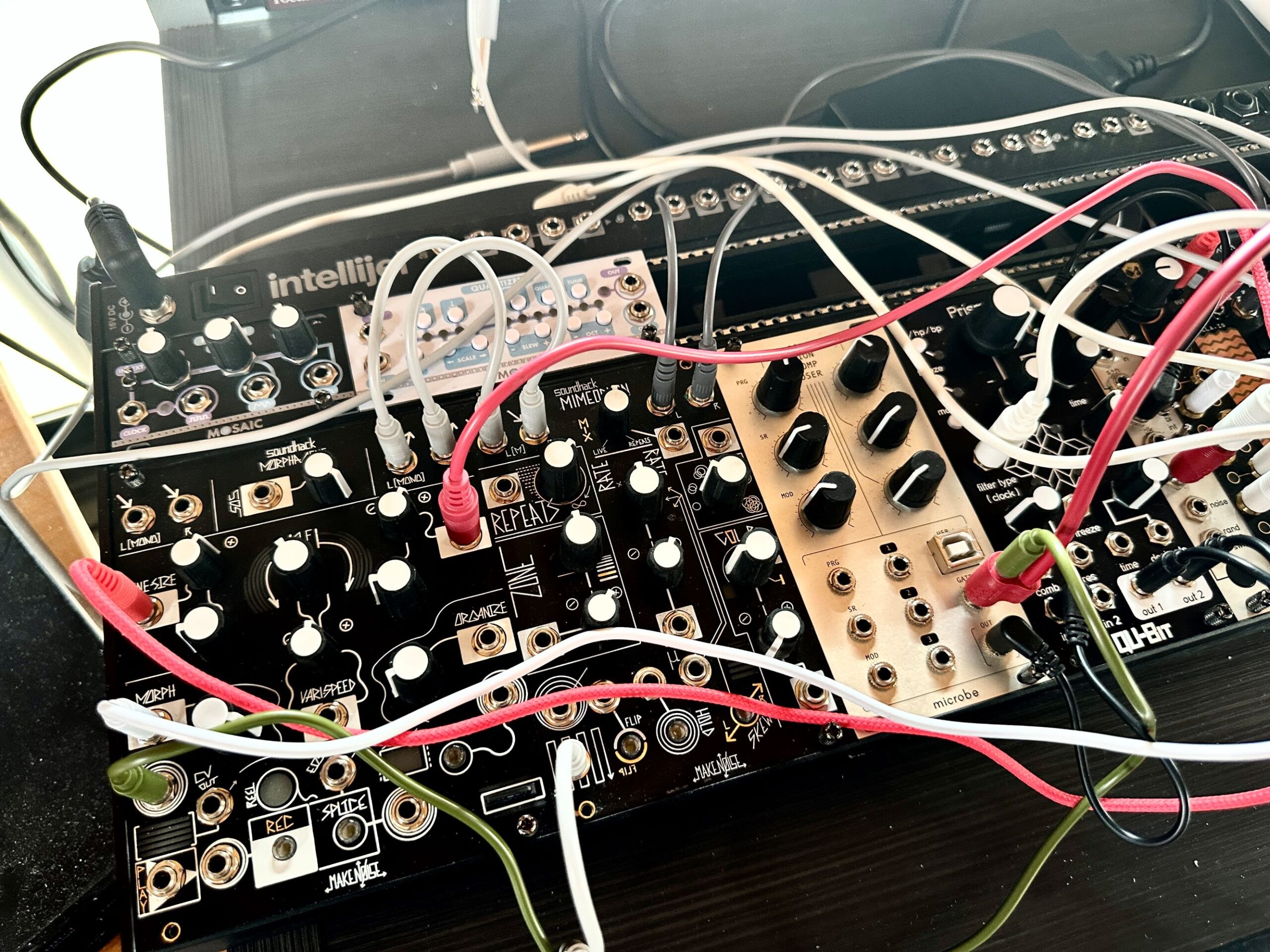
MosaicTapes desktop studio

Best creative advice that you’ve ever heard?

If you have creative block, don’t try and force it – it’ll only make you feel worse. Go for a walk and it’ll come back to you. 

Promote your latest thing… Go ahead, throw us a link.

I released a track with Jogging House recently: https://music.apple.com/gb/album/is-this-single/1793909231 

And my album Beloved Algorithms came out last December: https://lontanoseries.bandcamp.com/album/beloved-algorithms 


Robin Rimbaud – Scanner

[Editor: Few artists have as deep a catalog of music and body of sonic works as Robin Rimbaud aka. Scanner. He has made everything from avant-garde ambient to sound art, so it is a particular treat that he took the time to do this interview and share insights into his way of making music and being creative. Enjoy]

1. Favourite knob or fader or switch on a piece of gear and why?

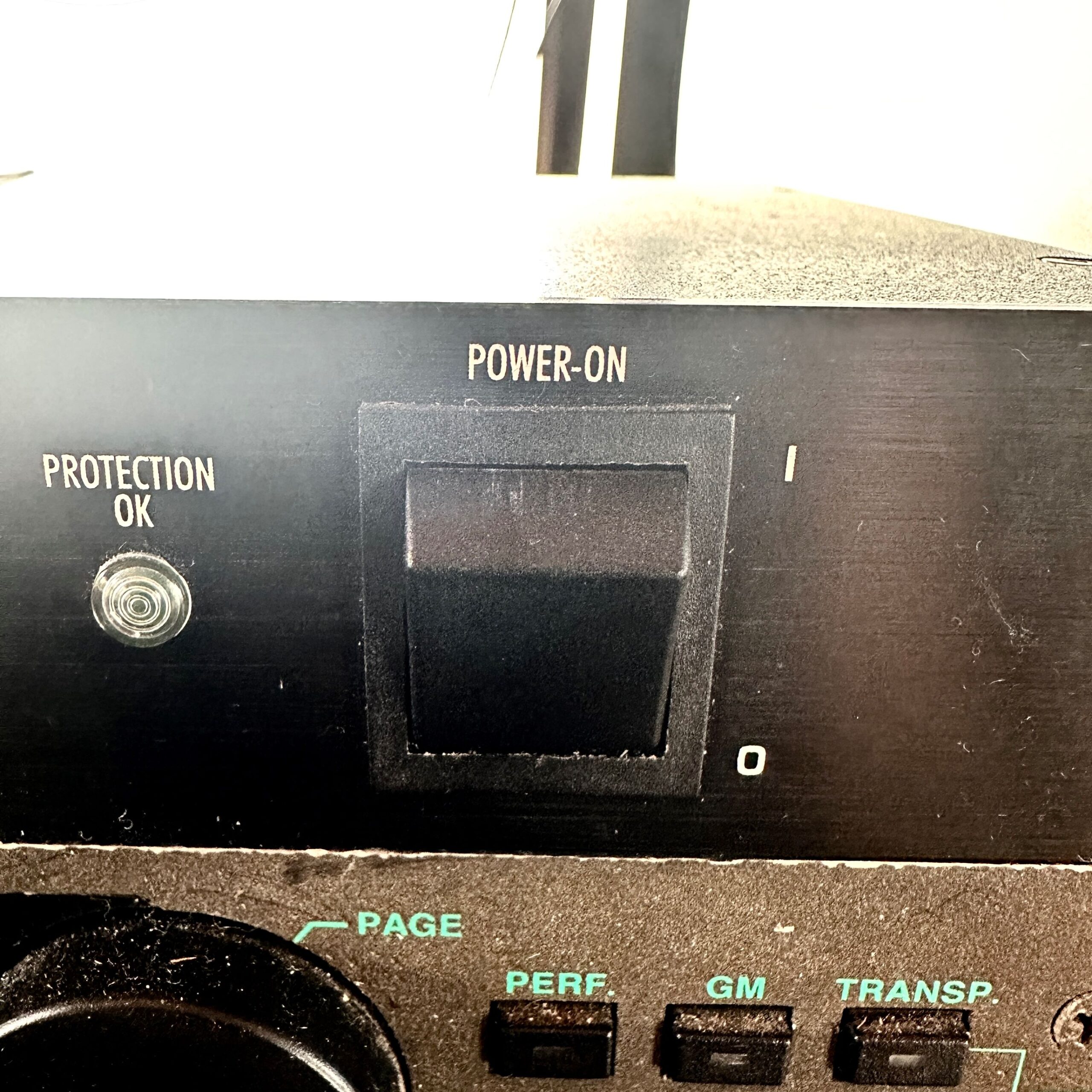
Furman M-10 X E Power Conditioner

I would choose the power switch on my Furman M-10 X E Power Conditioner,
since once I flick it to ON, then the studio lights up and the fun can begin. It’s not
especially pretty or appealing, but it’s like opening a door to a new world every
time.

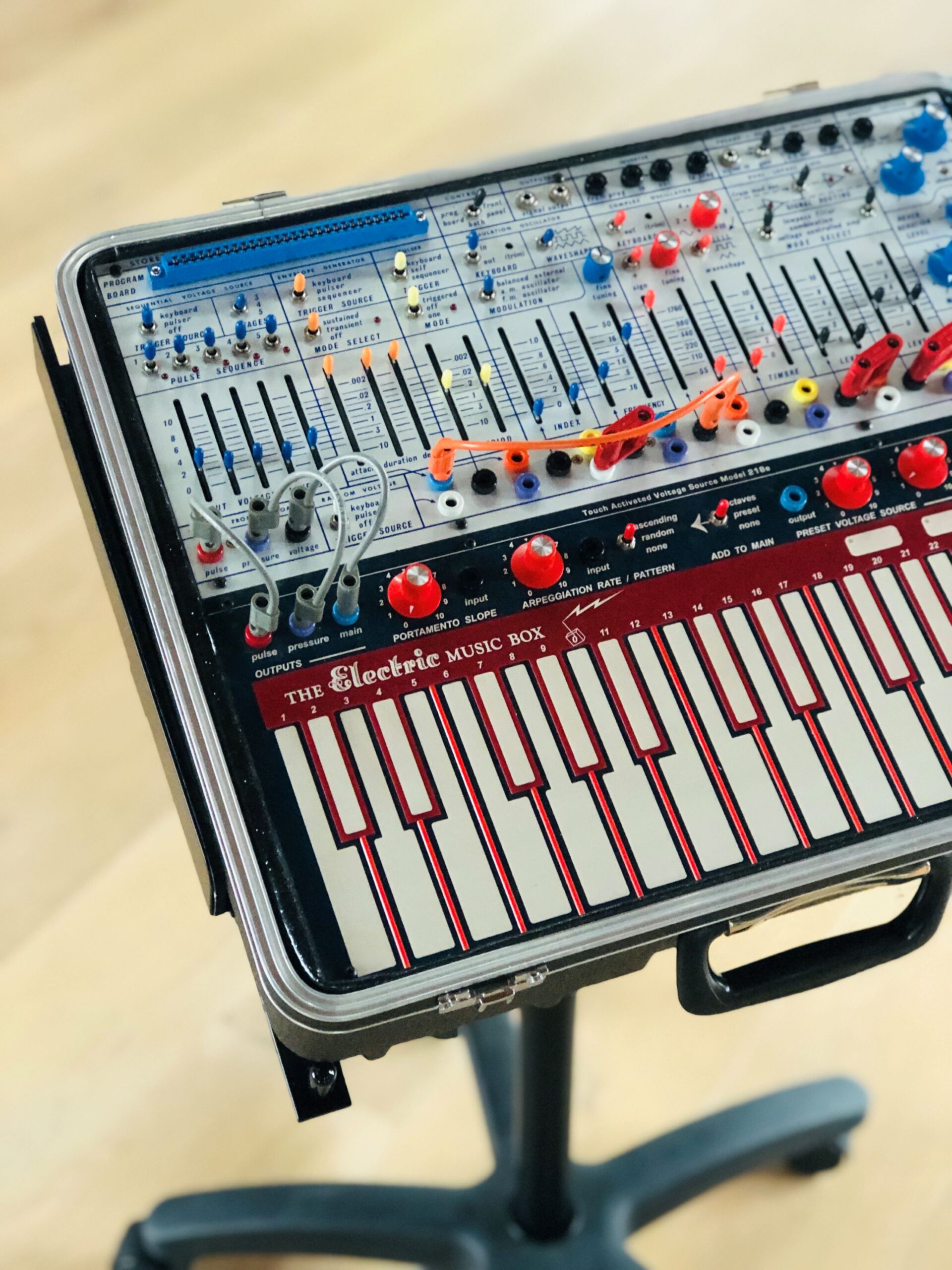
Buchla Music Easel stand

2. Do you have an ‘almost’ perfect bit of kit? What would you change?

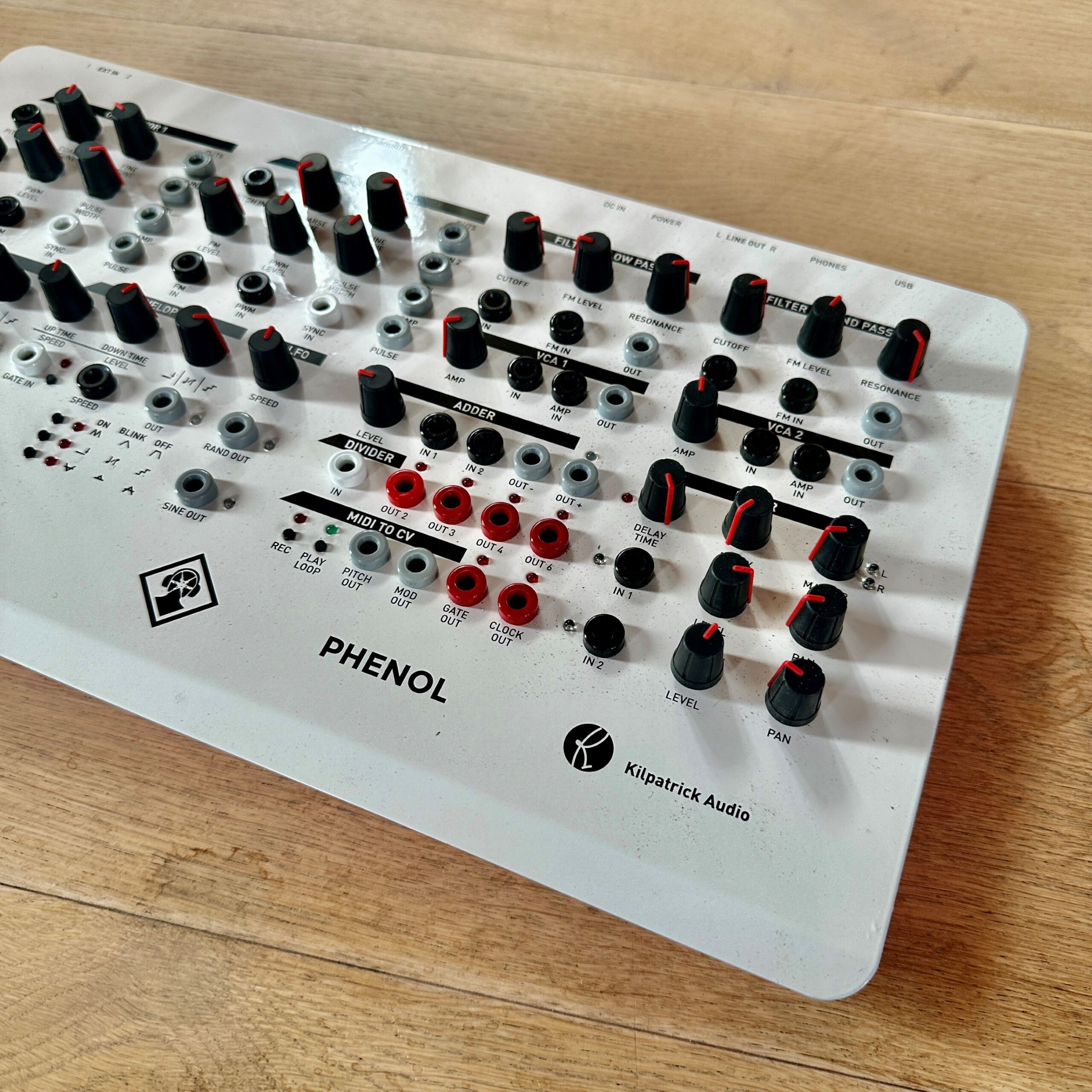
Kilpatrick Phenol Synth

I’m not sure anything is near perfect, since there are always aspects you wish you
could change or develop, but there are certain pieces of gear that I return to, such
as the Kilpatrick Phenol Synth. I first bought it via a Kickstarter campaign and
immediately bonded with it. In fact, when I spent 6 weeks on the Rauschenberg
Residency in Captiva Florida back in 2017, it was the only instrument I took with
me. Indeed, it’s the only voice on this entire album
(https://scanner.bandcamp.com/album/the-phenol-tapes).
It’s limited, but that’s appealing. I would love for the digital delay to be able to be to be synced, but heck, that’s a small criticism. And I liked it so much, I now have two!

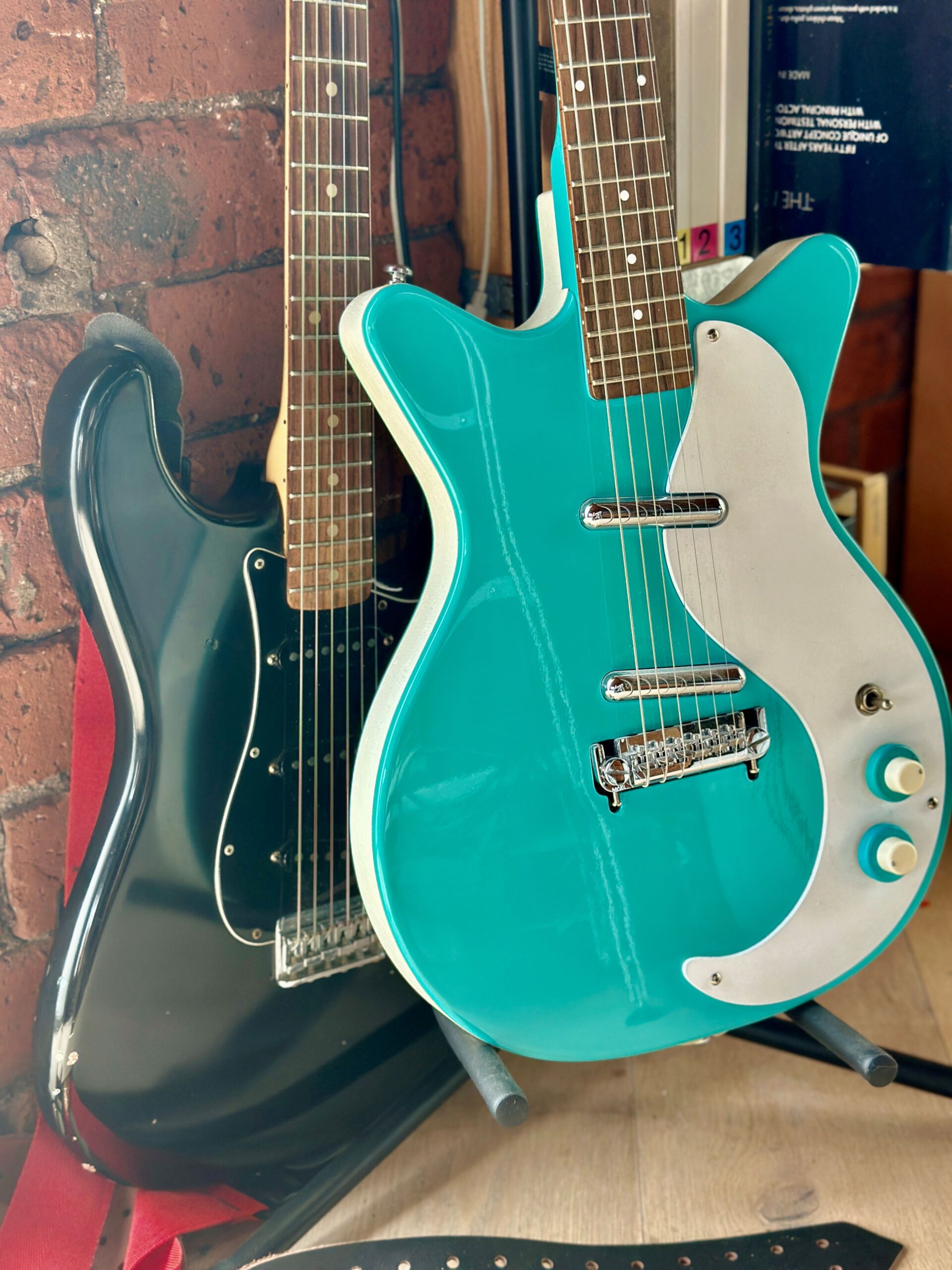
Strat and Danelectro guitars

3. What setup do you bring on holiday or tour or commute etc.?

I don’t travel with any set up for a holiday or a commute. Books are the only
essential items to accompany me on such trips. They are holidays for a reason!
Nor do I tour as an artist, so that’s not a concept I need to consider.

Drum machines and FX

4. What software do you wish was hardware and vice versa?

Software remains as inspiring as hardware for me to be honest, and there’s no
need for them to be exchangeable. When I moved from hardware in the 90s to
using software it was such a revelation, but interfacing between the two is also
very rewarding. The development of Ableton CV Tools to communicate with my
modular system was revolutionary.

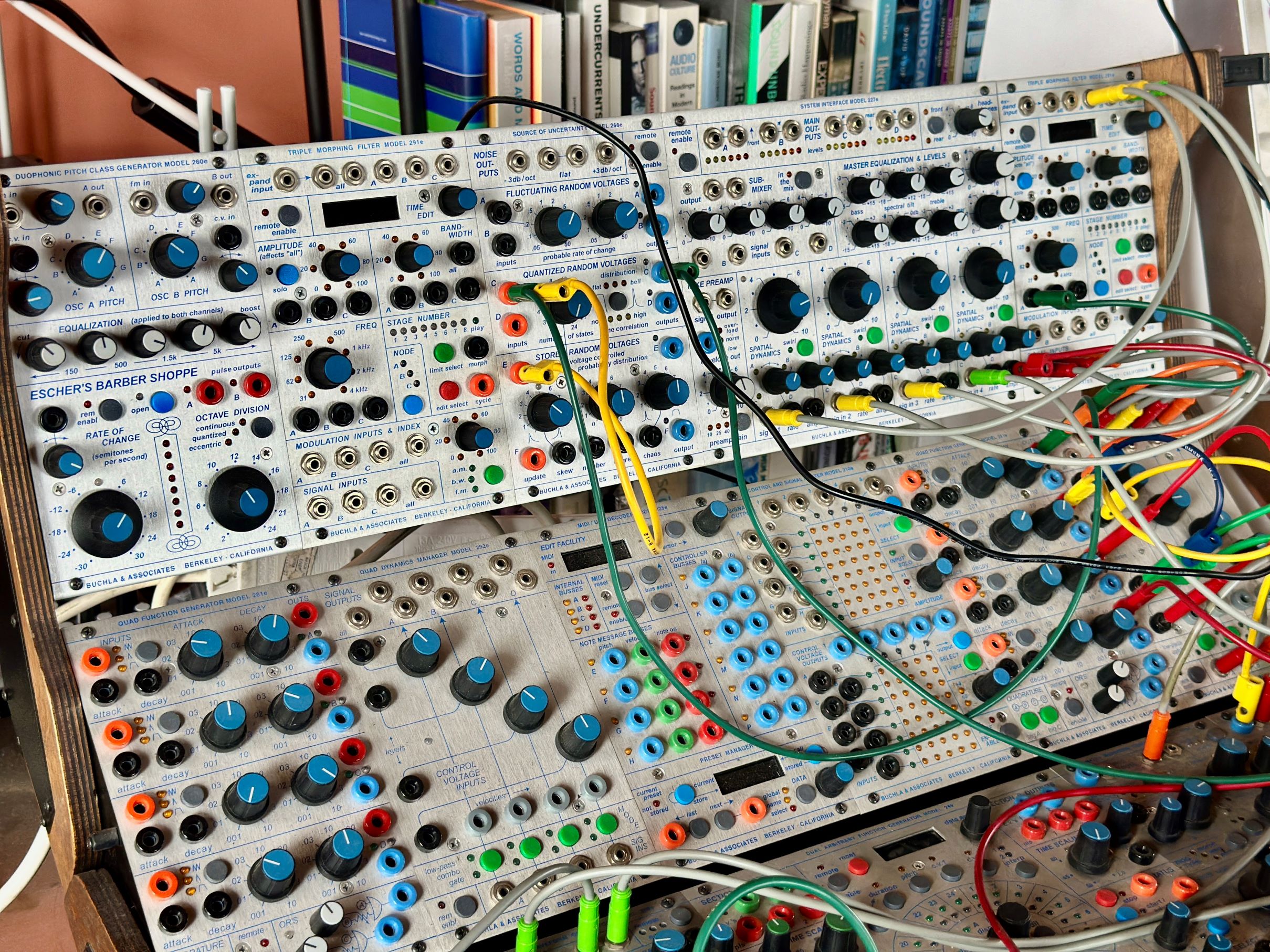
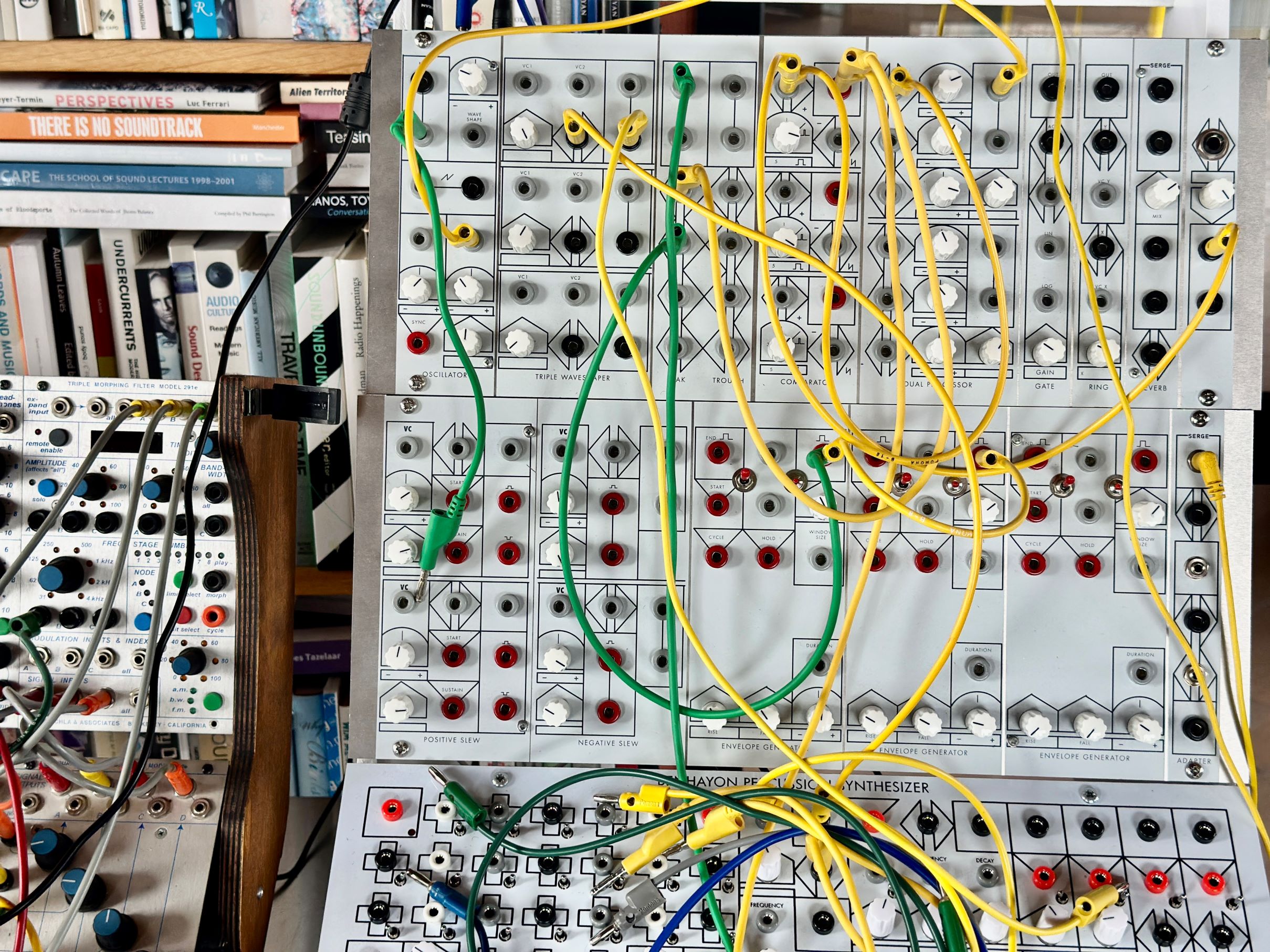
Buchla 200

Some of the AudioThing software such as GongAmp and Noises are inspired from
hardware, but I would actually love to have them in compact hardware form too.
And if Fabfilter were to move into developing hardware that would be exciting.
As for hardware into software, most of it has indeed been reverse-engineered,
and losing the physicality of the hardware would be disappointing.

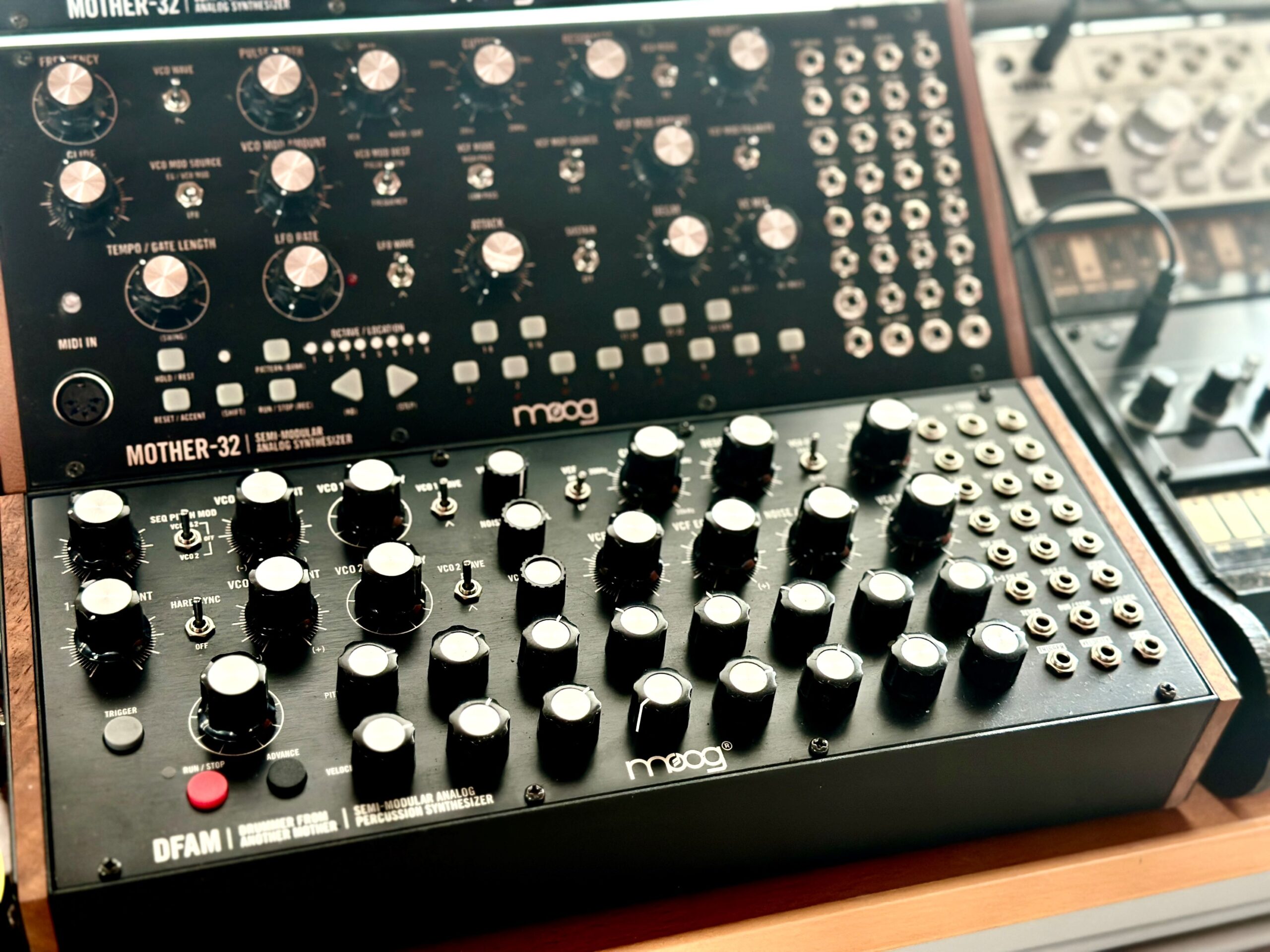
Moog DFAM and Mother-32

5. Is there anything you regret selling… or regret buying?

I’ve really not sold that much of my gear over the years, and indeed still treasure
things like my Fostex 280 Portastudio and Alesis Quadraverb, that I continue to
work with today. The items I have sold I have no desire to see return to the studio!

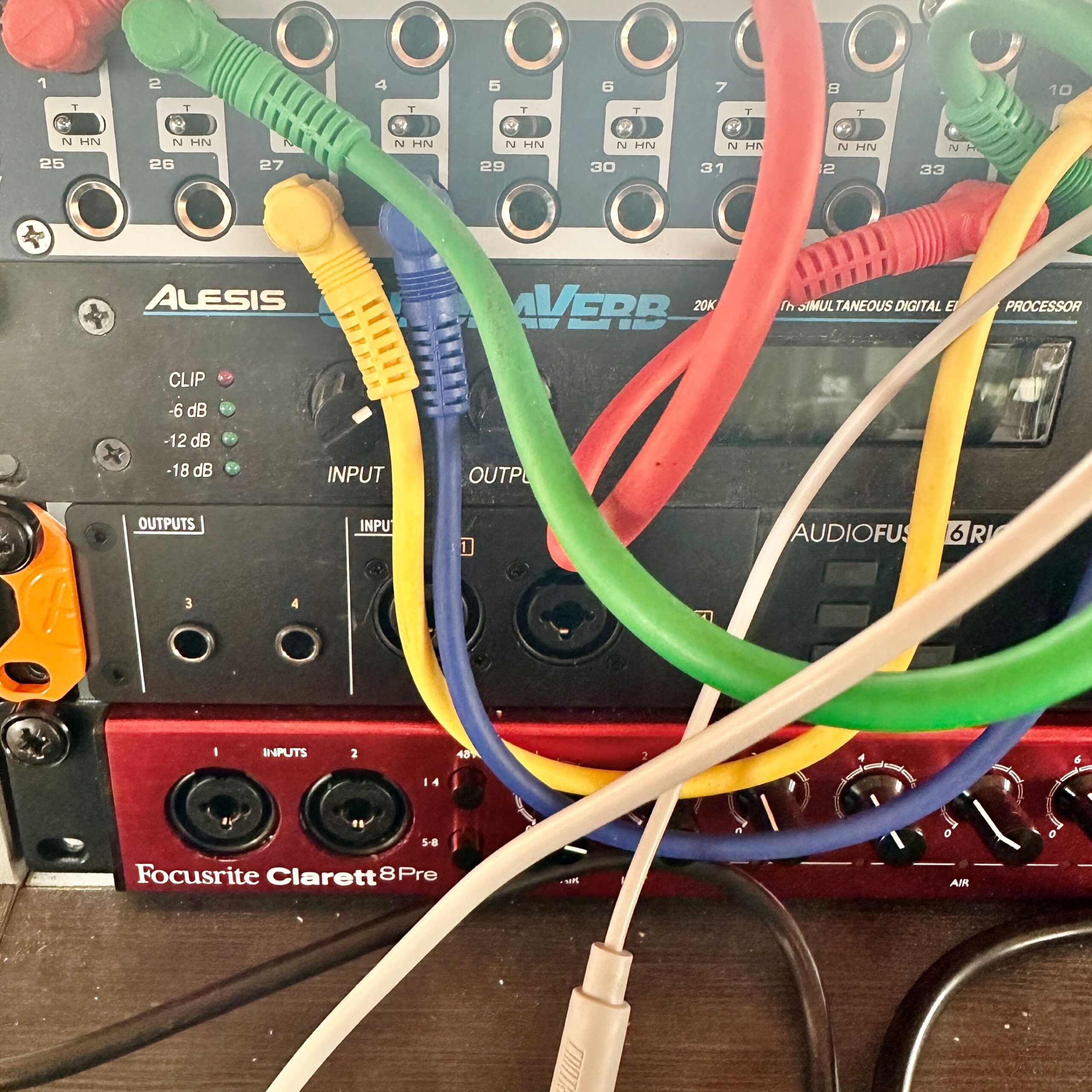
Alesis Quadraverb

As for regrets? Back in 1993, I was working on my second Scanner album and used
an EMS Synthi to run all the sounds through, treating and processing them in
inventive and surprising ways. I was offered a chance to buy it for £150 at the
time, but I didn’t have the money, nor the space for anything else. Do I regret it?
Well, it was more important to eat and pay my rent to be honest!

Serge modular

6. What gear has inspired you to produce the most music?

Fostex 280 4-track Portastudio

The purchase of the Fostex 280 4-track Portastudio when it was first released
brought about a vast amount of recording for me, followed closely by the Akai
S1000 sampler. Both of which were just outrageously expensive, the latter costing
close to £2000 at the time, and took me months and months to save up for it.
Once the Macintosh computer was developed it led me to creating even more
work, and so on with the development of modular synth systems. I’ve recorded at
least an hour of new music every month, usually significantly more, for the last 30
years, each time with the assistance of technology.
The development of the Softube Console 1 system has been revolutionary too in
terms of mixing and mastering my own work. It’s offered all the advantages of
hardware and software combined into a creative system that continues to inspire
me.

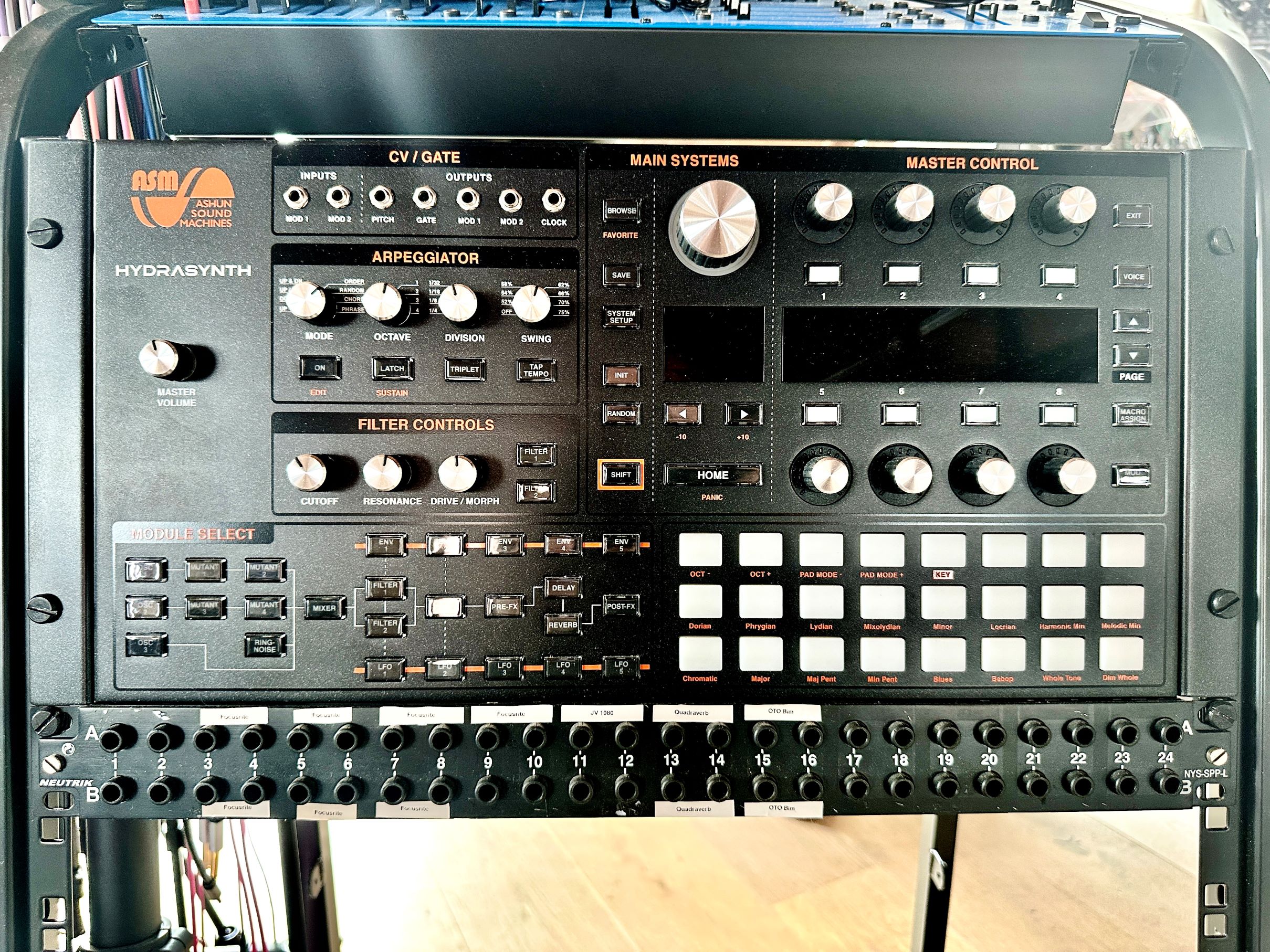
Hydrasynth

7. If you had to start over, what would you get first?

Again, it would depend on the budget. For many folks the use of an iPad or laptop is more than enough to develop ideas and help to find your sonic voice. The ability for a portable computer to be so much, from an entertainment system, a library, a world of films and sound, to a studio, is beyond comprehension at times.

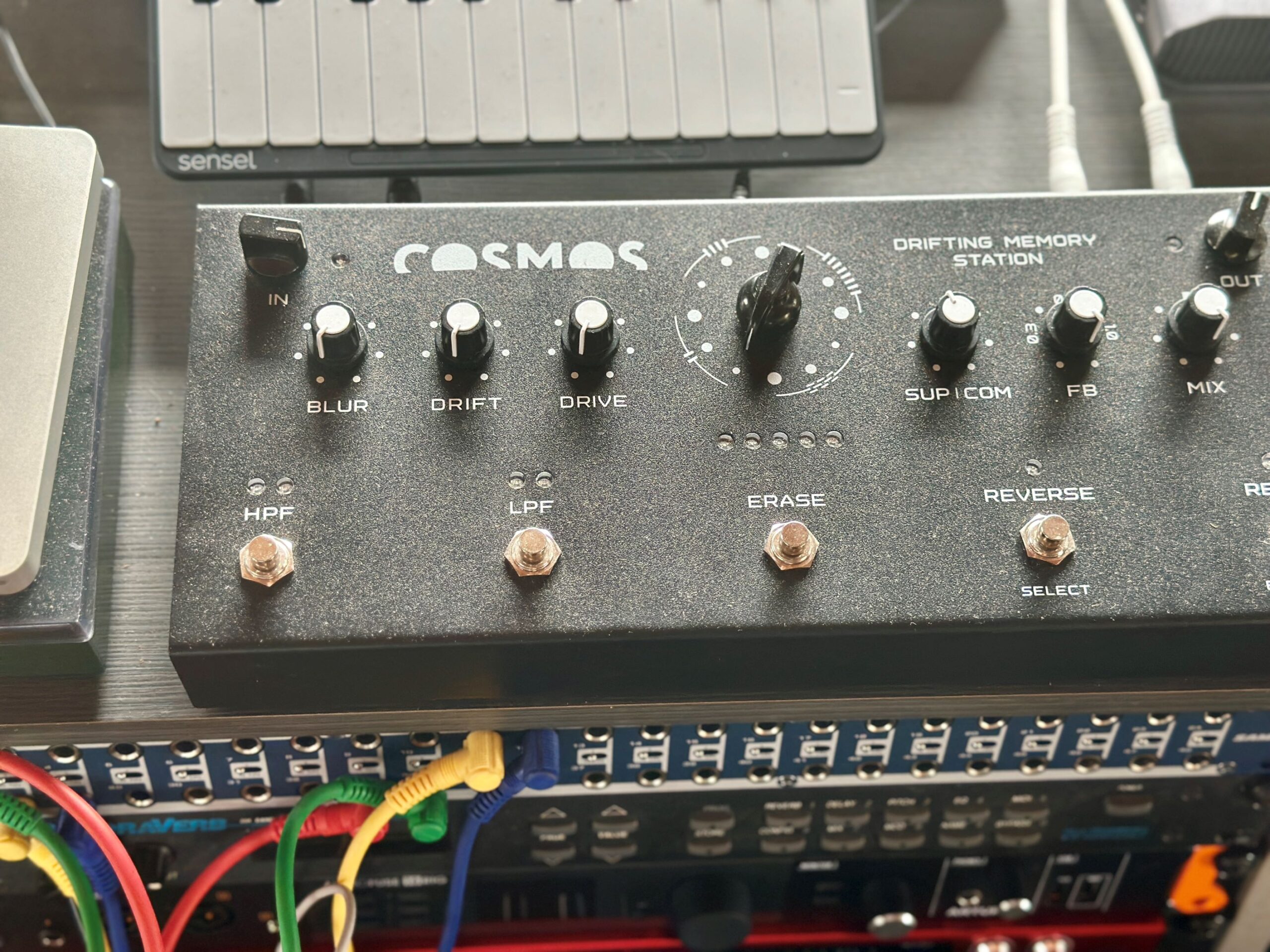
Soma Cosmos

8. What’s the most annoying piece of gear you have, that you just can’t live without?

Probably the computer ironically. I’m constantly astounded at how companies worth billions can fail users sometimes in the most banal ways. I certainly can’t live without the computer at the hub of my studio, but it’s often painfully frustrating. If only software companies communicated with one another!

Ciat Lon Barde

9. Most surprising tip or trick or technique that you’ve discovered about a bit of kit?

Make Noise Maths

I am constantly learning personally. I watch music tutorials on gear almost every
day. Just this very morning I learnt new things about the Make Noise Maths
module that I never realised it could do before.


Artist or Band name?

Scanner

Genre?

Electronic / Flaneur Electronique

Selfie?

Robin Rimbaud aka. Scanner

Where are you from?

Southfields in London

How did you get into music?

There was no ‘getting into’ it. It was ever present from my earliest memory and I was
recording with tape recorders from the age of 11. I still have all the cassettes too (not
necessarily for public consumption).

Fostex 280 Portastudio

What still drives you to make music?

I met with my bank manager recently who asked me as to my plans for retirement and I looked at him with a blank stare. Is ’this,’ the very stuff of creative life, something I want to retire from? Never. When I fired the question back at him, he said he’d like to retire as soon as possible, though he was only about 35 years, and would play golf every day he said. I honestly could not think of a more boring life plan than that! So, music is my life.

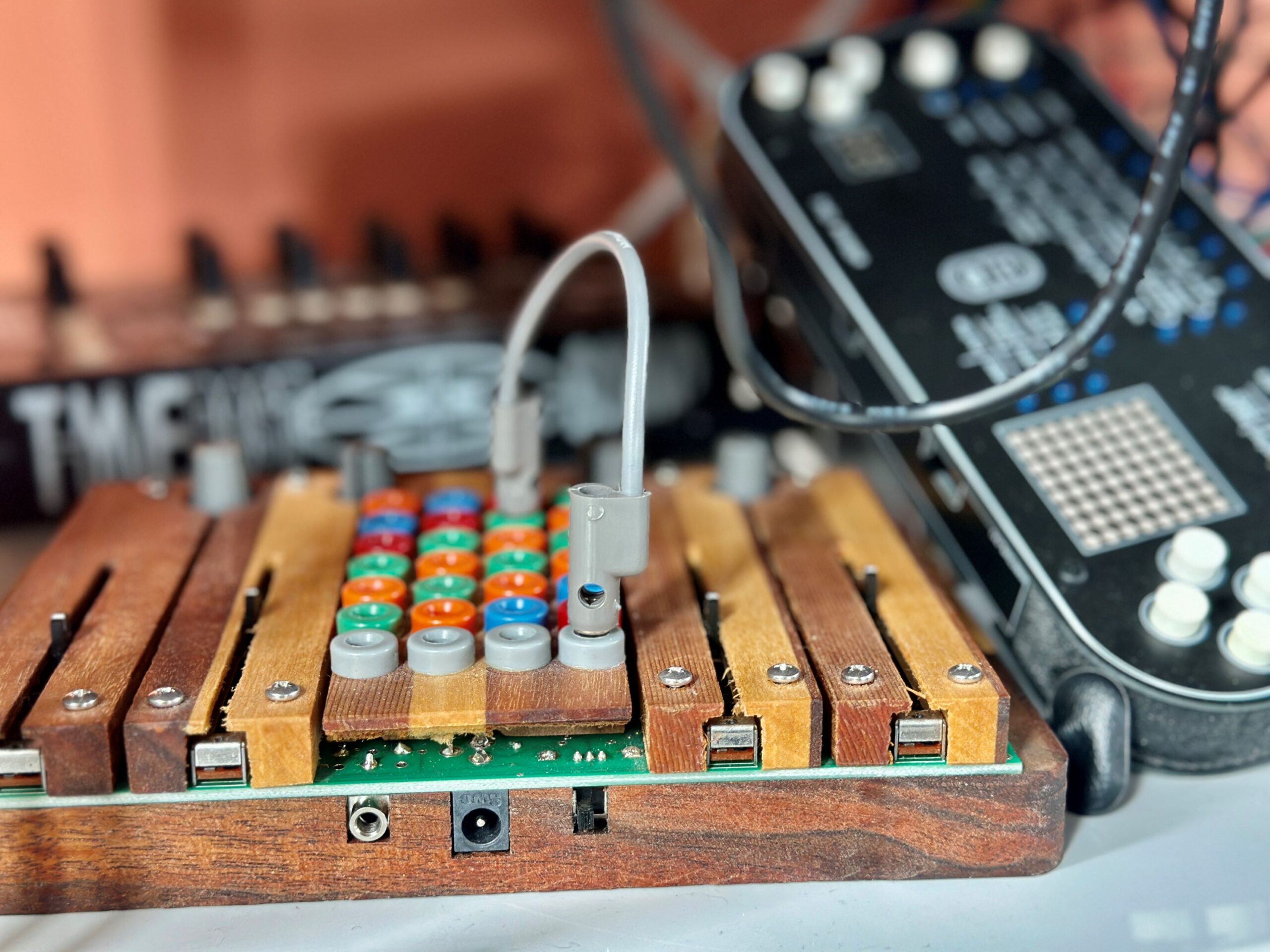
Folktek

How do you most often start a new track?

I press that nice power switch on the Furman, the machines come alive and I simply begin with some sounds, quite often with a random choice and see what follows. Unless I’m working on commissioned work then there’s more of a structure, with a film or choreography to consider and respond to.

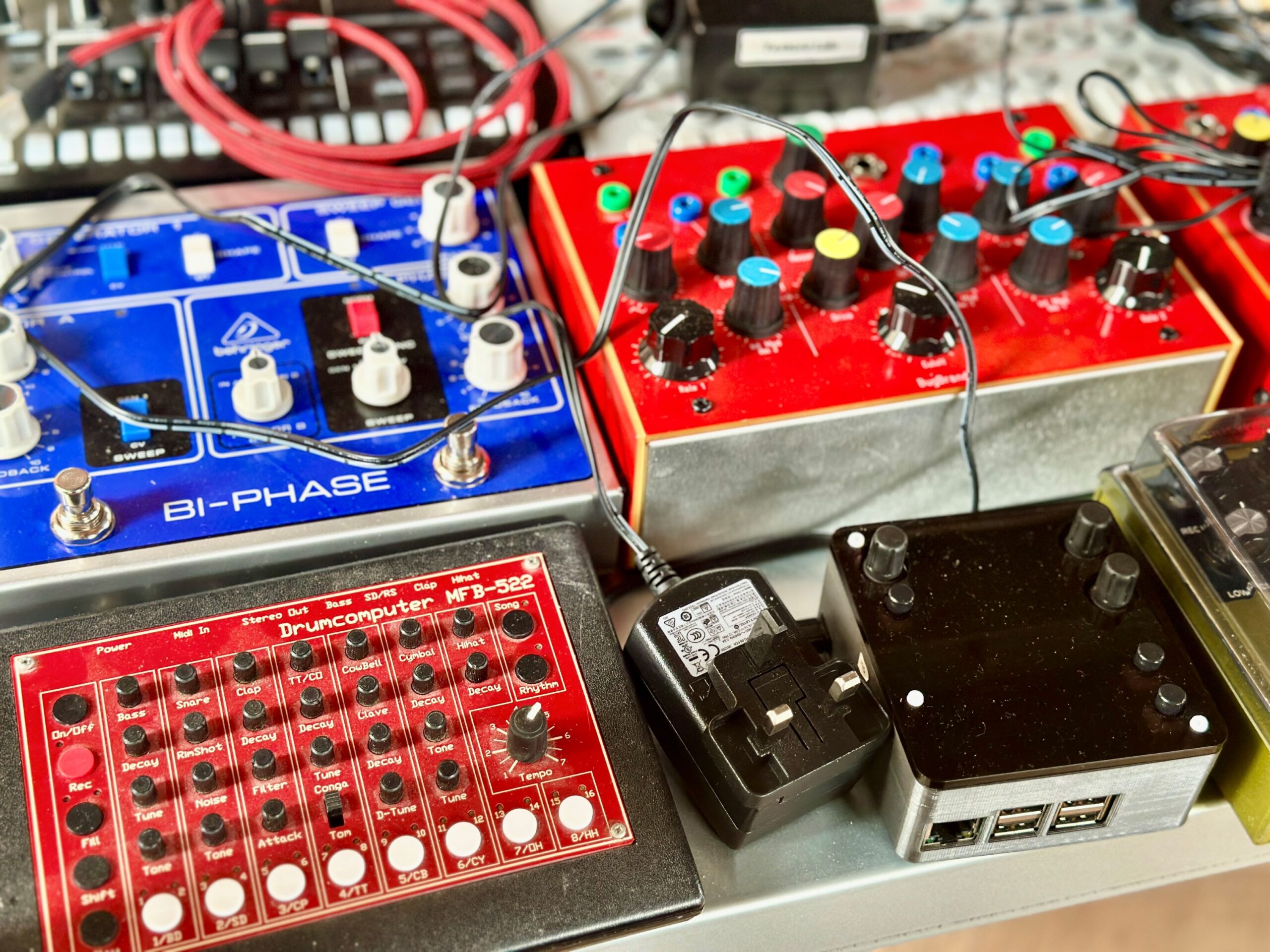
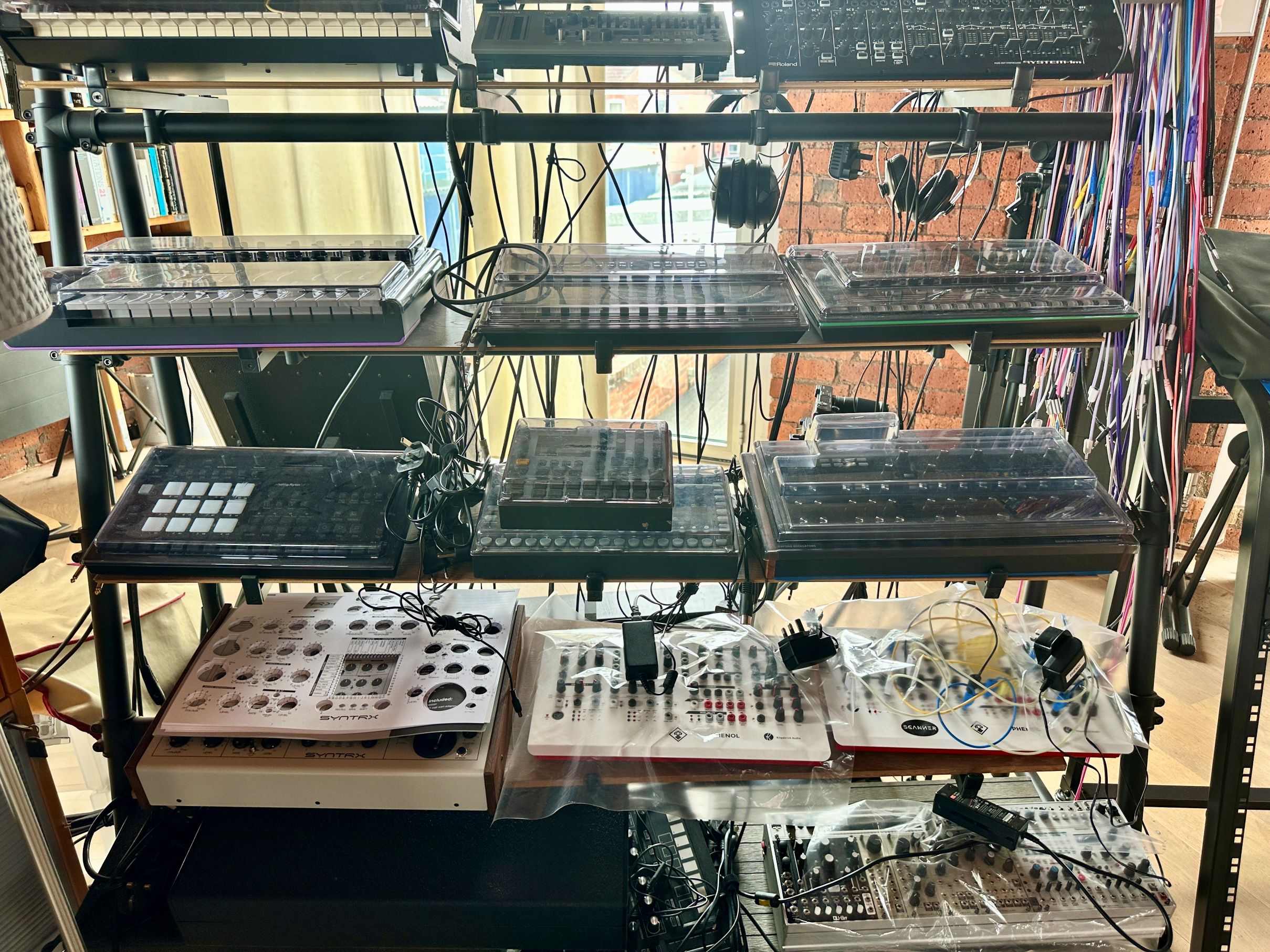
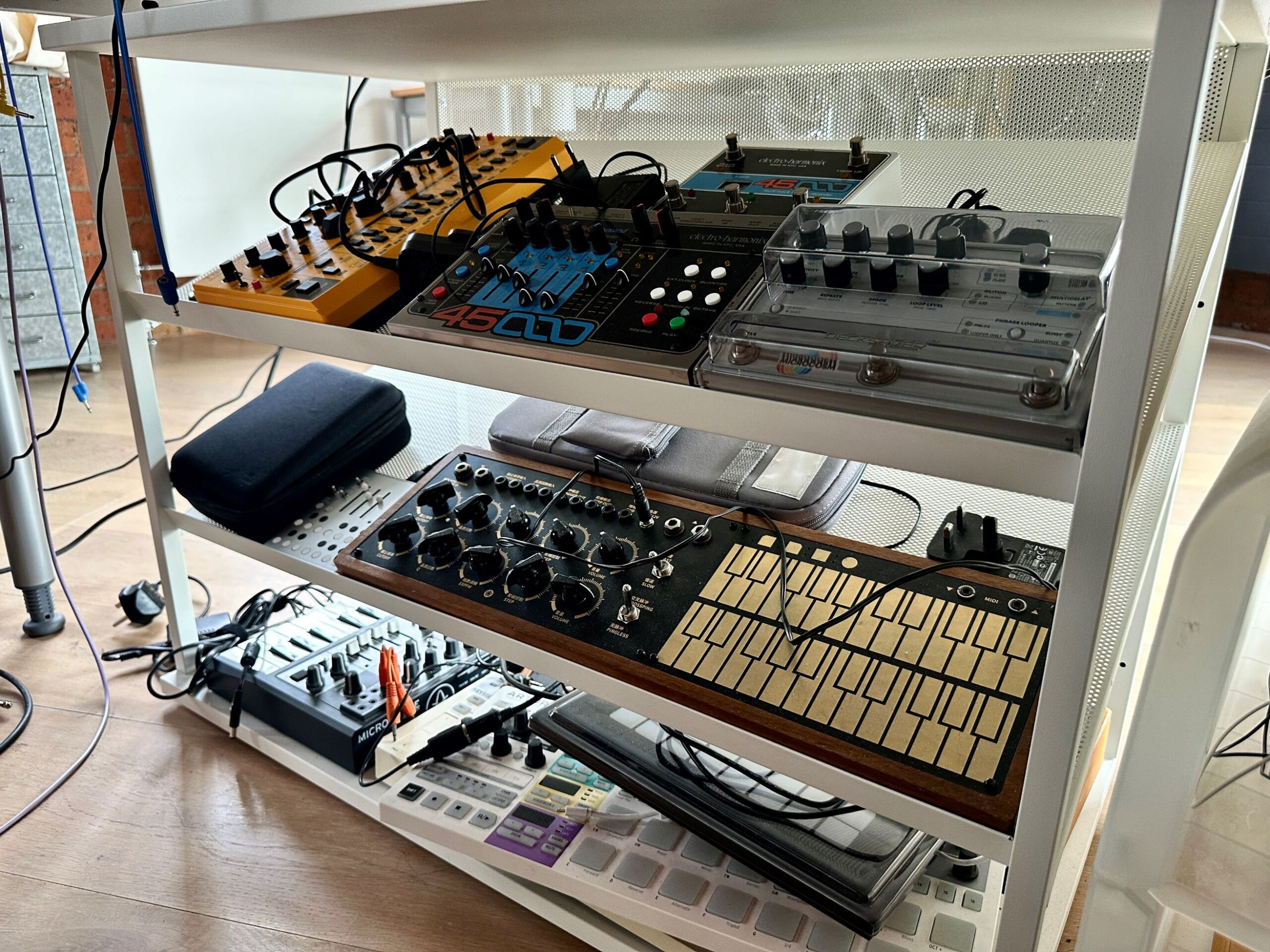
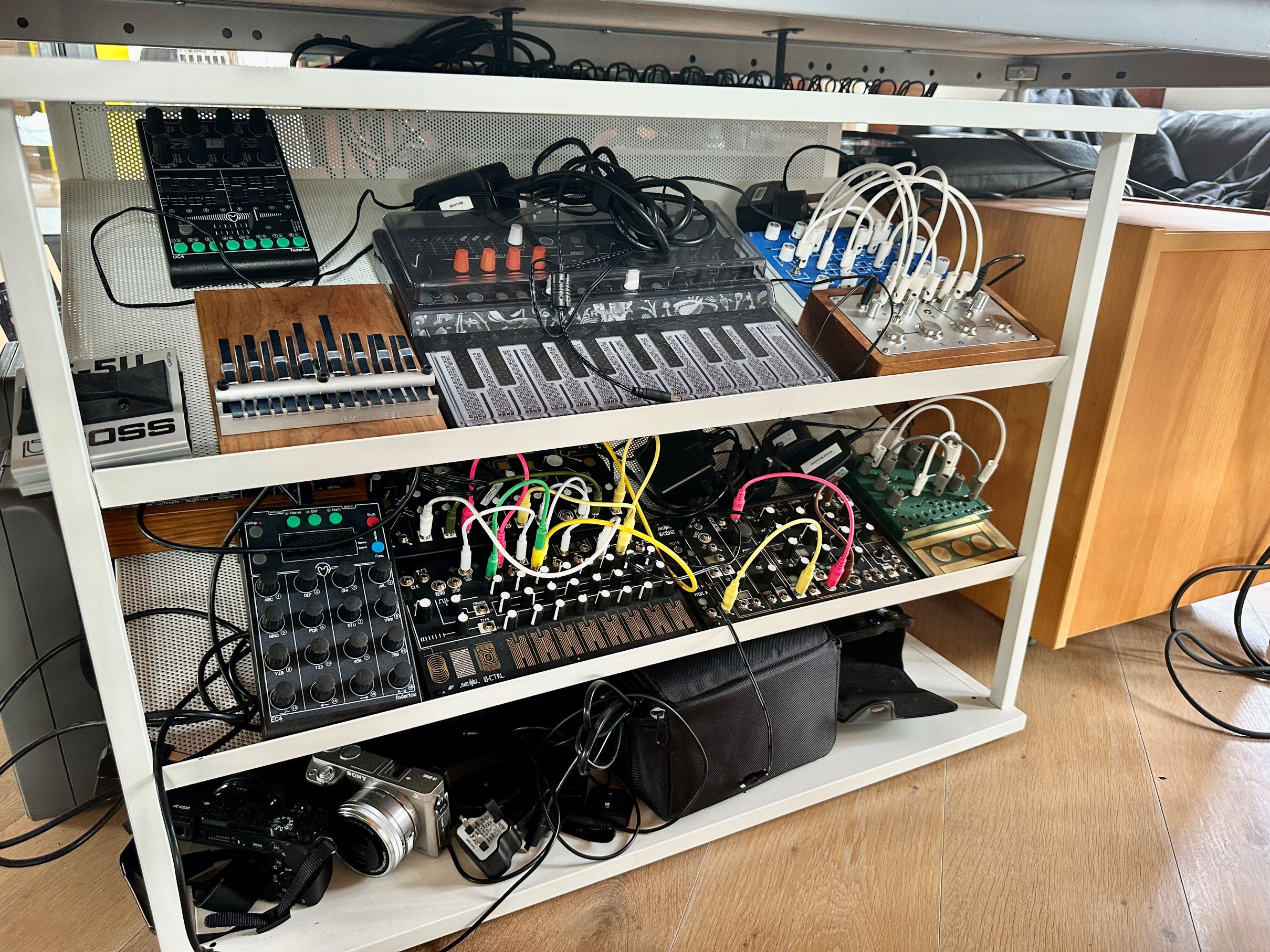
Racks of gear 1
Racks of gear 2
Racks of gear 3

How do you know when a track is finished?

I’m rather a minimalist so many of my productions have very few stems in them. For me, a track is finished when I feel there is little more needed to tell the sonic story it’s telling.

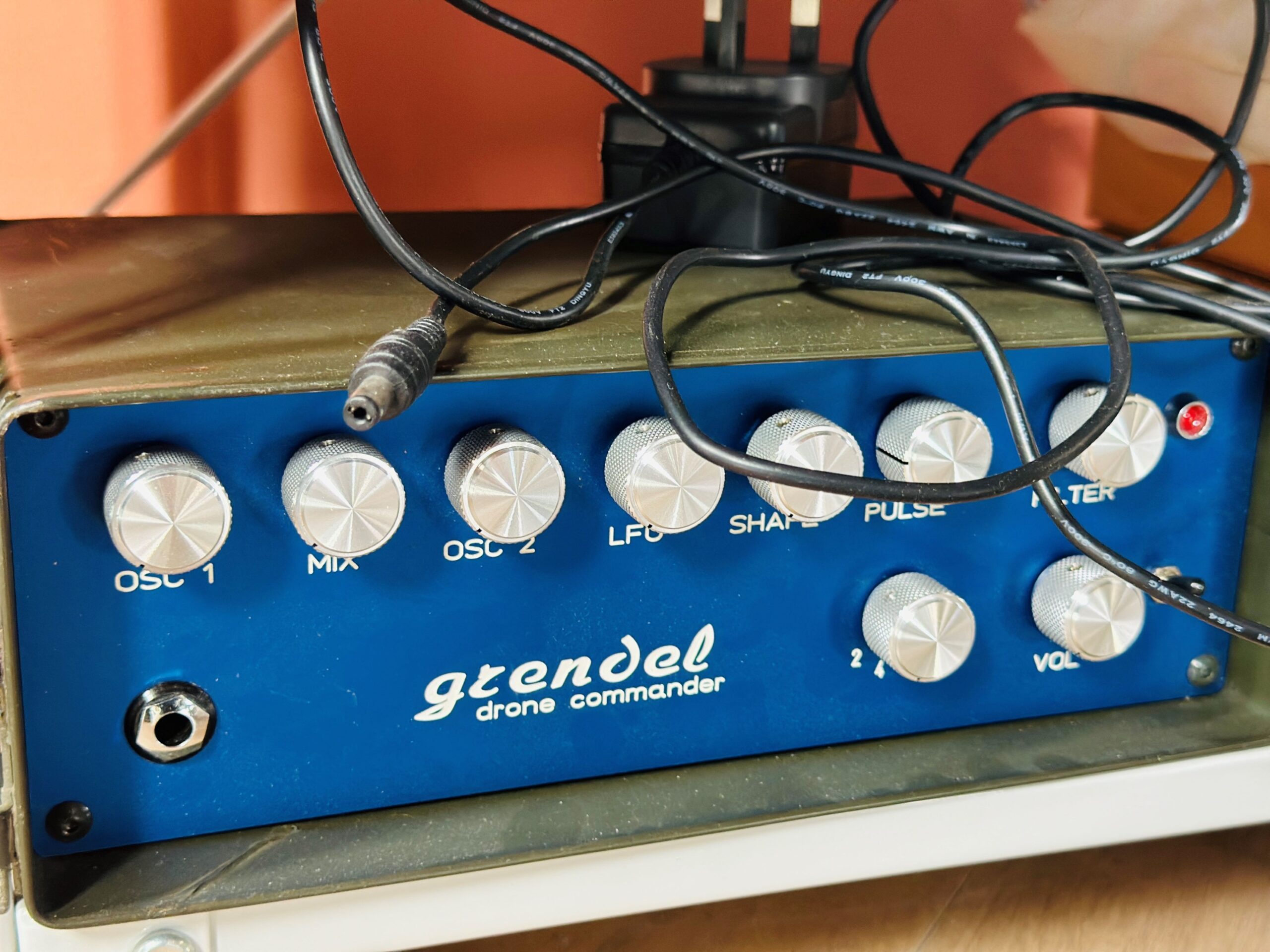
Grendel Drone Commander

Show us your current studio

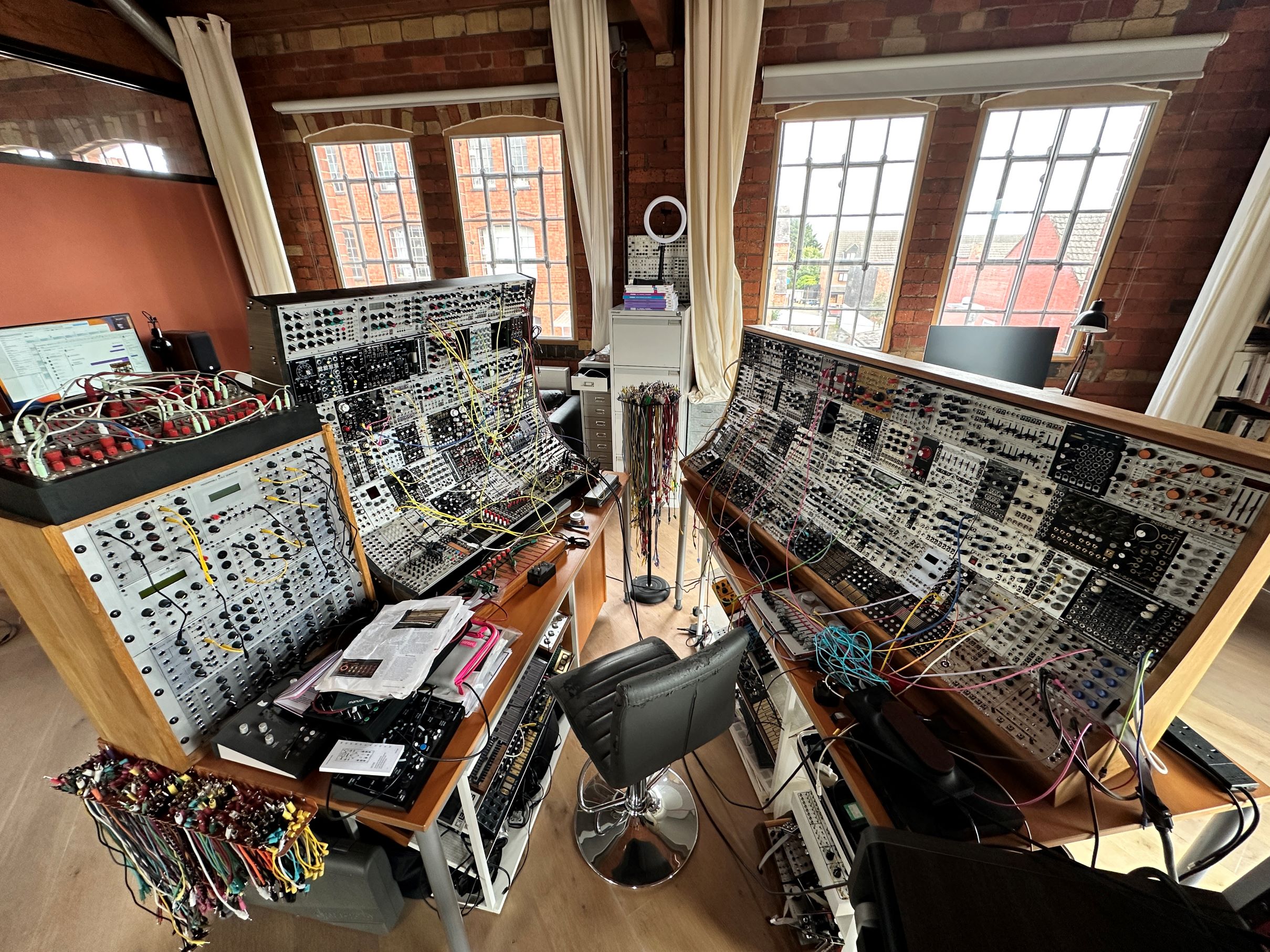
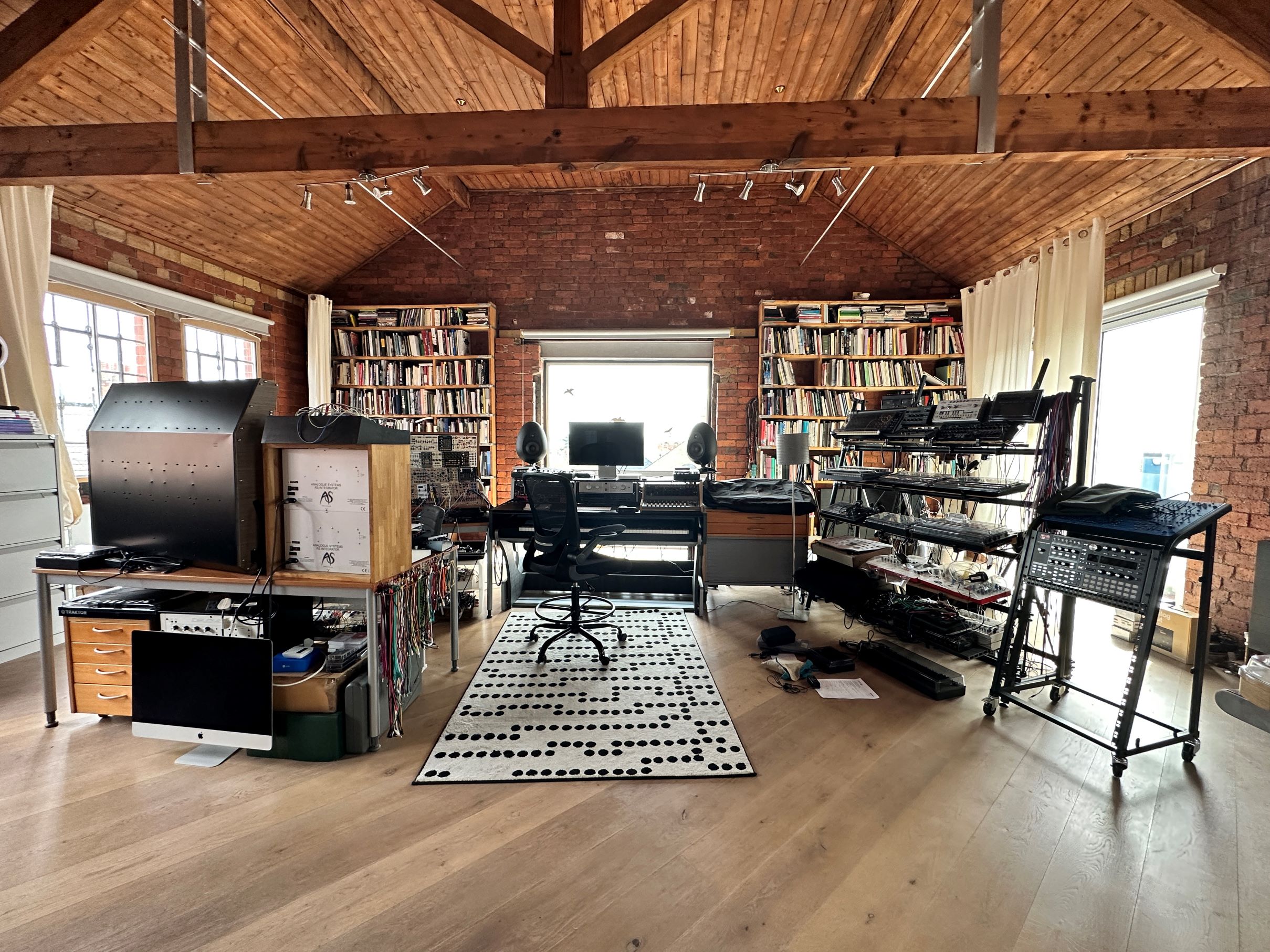
I live in an old textile factory so lots of space, with 5 metre ceilings in the studio and windows all around. It’s a great space.

Studio 1
Studio 2
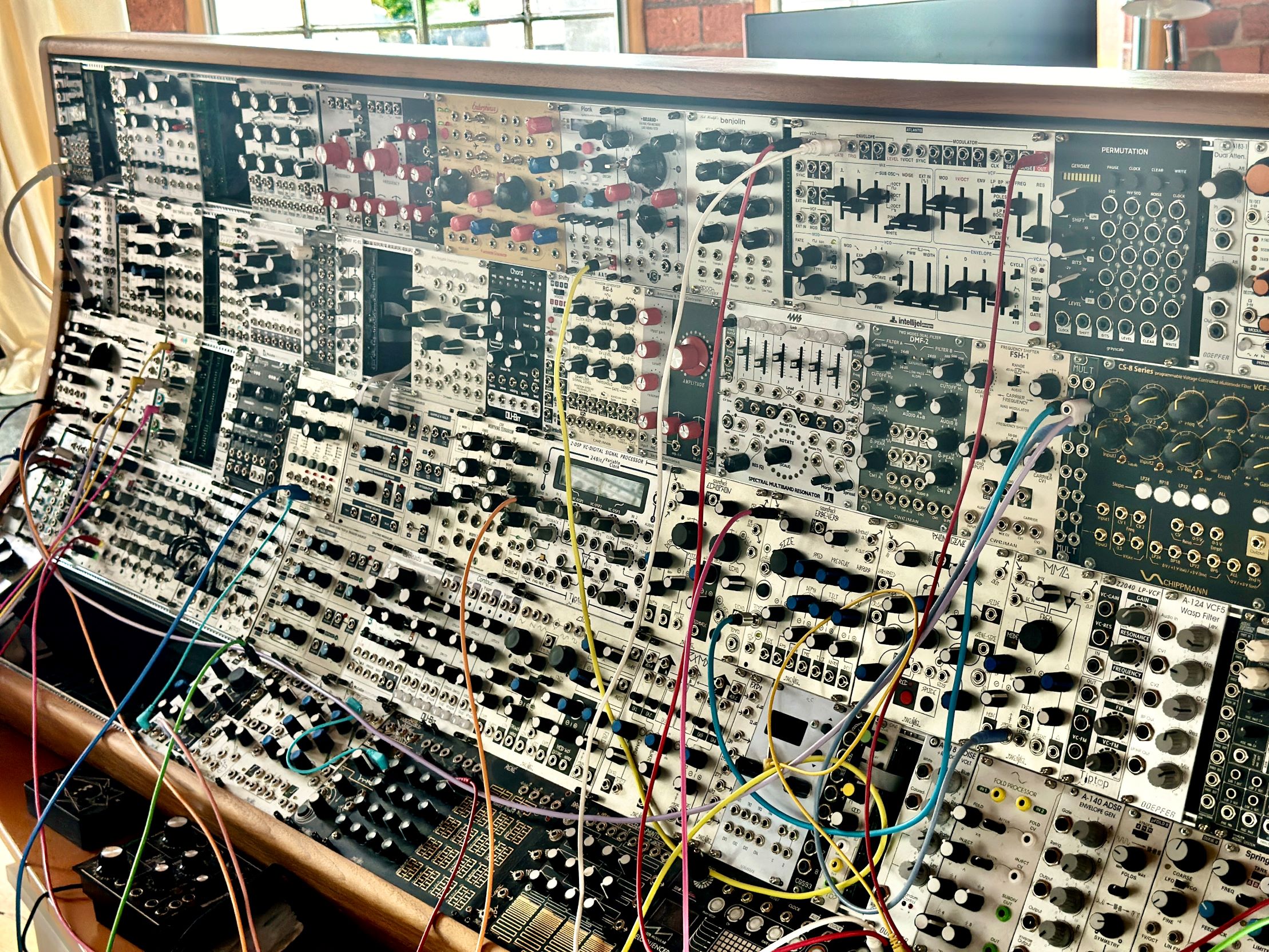
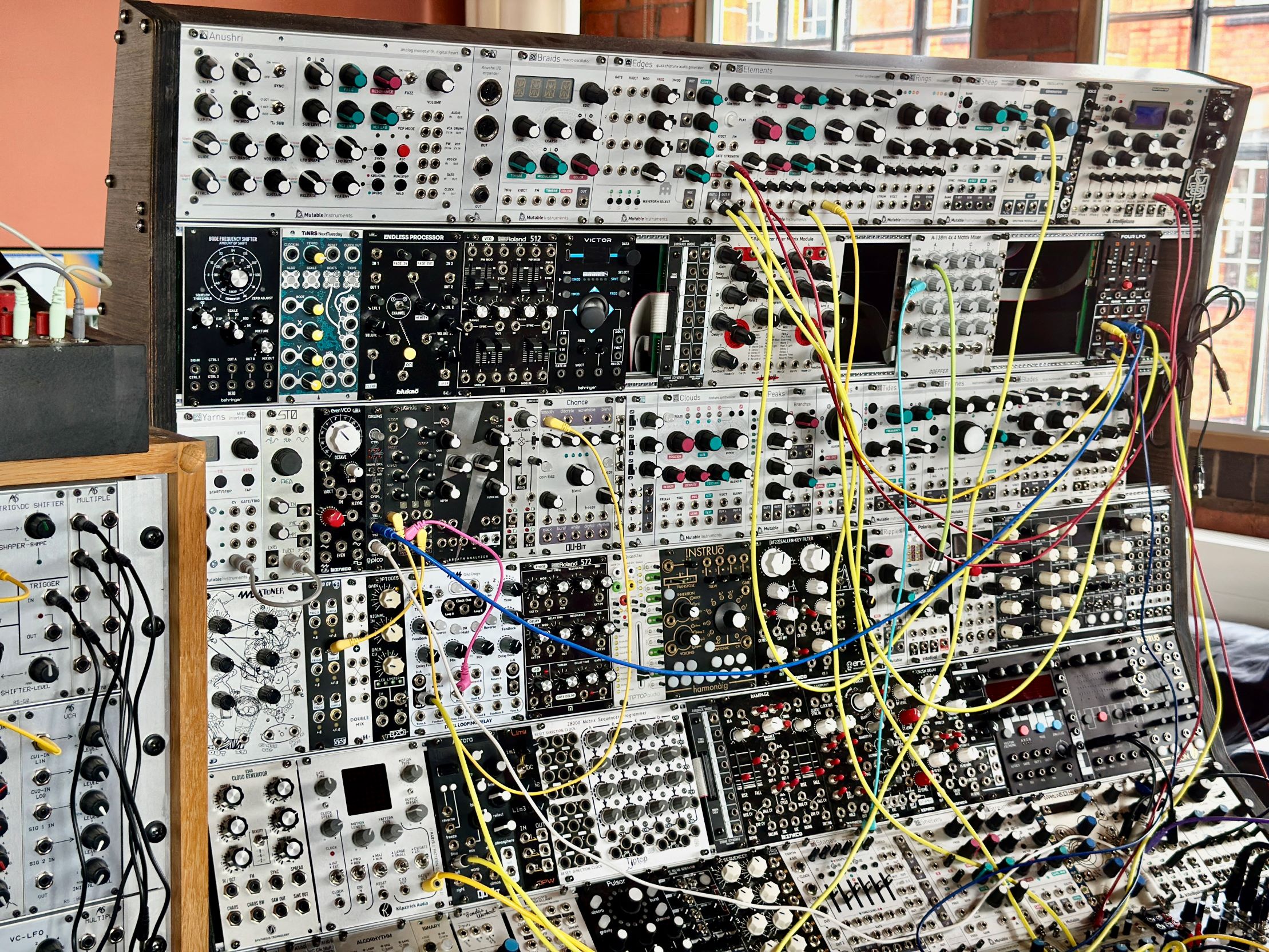
Eurorack racks 1
Eurorack racks 2

Best creative advice that you’ve ever heard?

Lemmy of Motörheard always advised to travel with a spare pair of trousers, which, believe me, is invaluable insider knowledge. Otherwise, John Cage has long been my inspiration in terms of creative thought. ‘Everything we do is music’ says everything it needs to!

Promote your latest thing… Go ahead, throw us a link.

How about my new album, The Berklee Sessions, which offers up a very fresh new look at where electronics and live players can combine

https://scanner.bandcamp.com/album/the-berklee-sessions