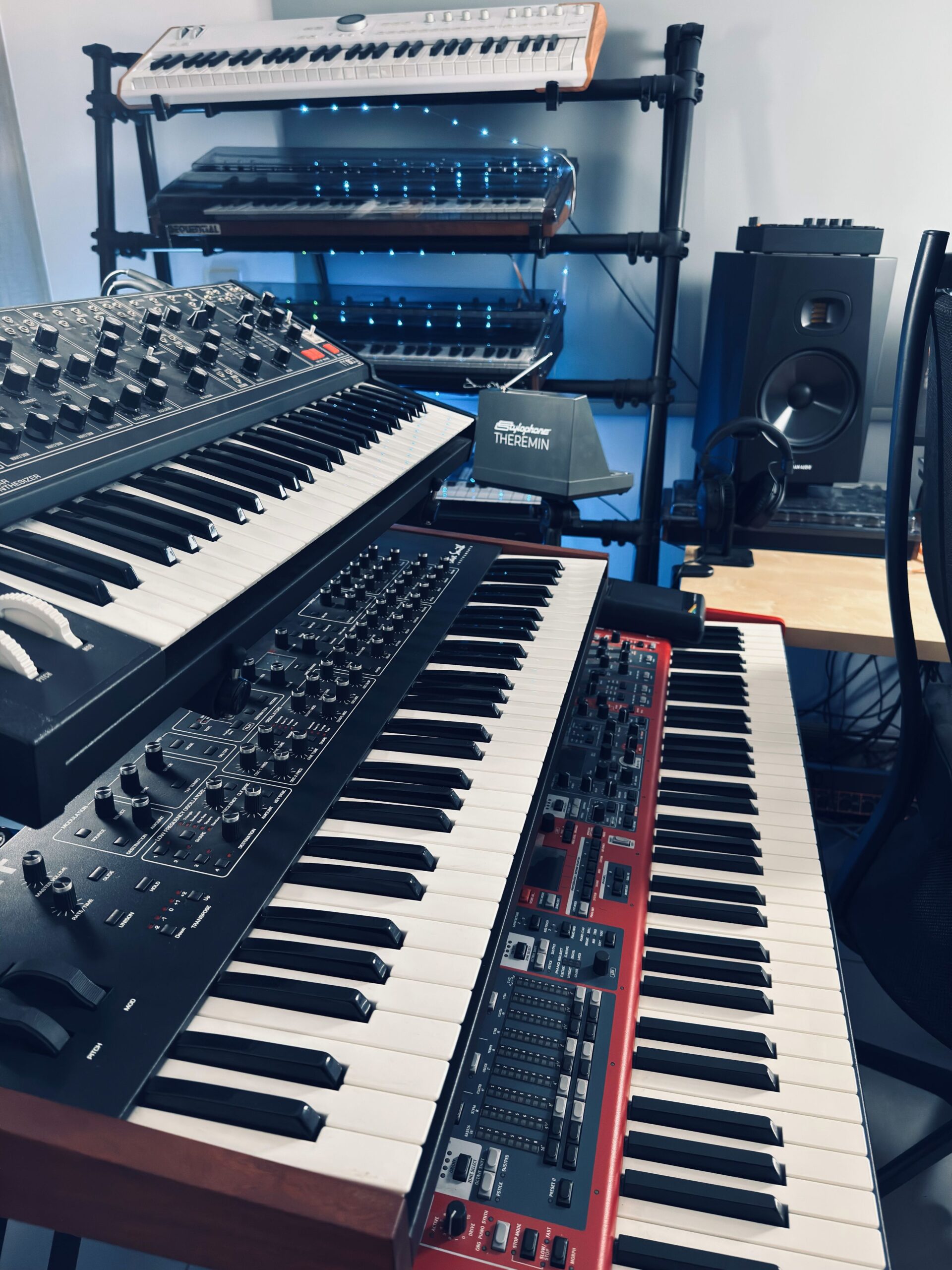
[Editor: Mike Sheridan is a Copenhagen based artist who has been a big influence on the electronic scene here, since his first album which he released at the tender age of 16. He’s the type of musician who always seems at the forefront of the next thing! This interview is in fact from 2023 and his setup has already evolved quite a bit, but his thoughts on creativity remains as fascinating as ever]
1. Favourite knob or fader or switch on a piece of gear and why?
My favorite knobs at the moment are the knobs on my Korg SDD-1000 digital delay!
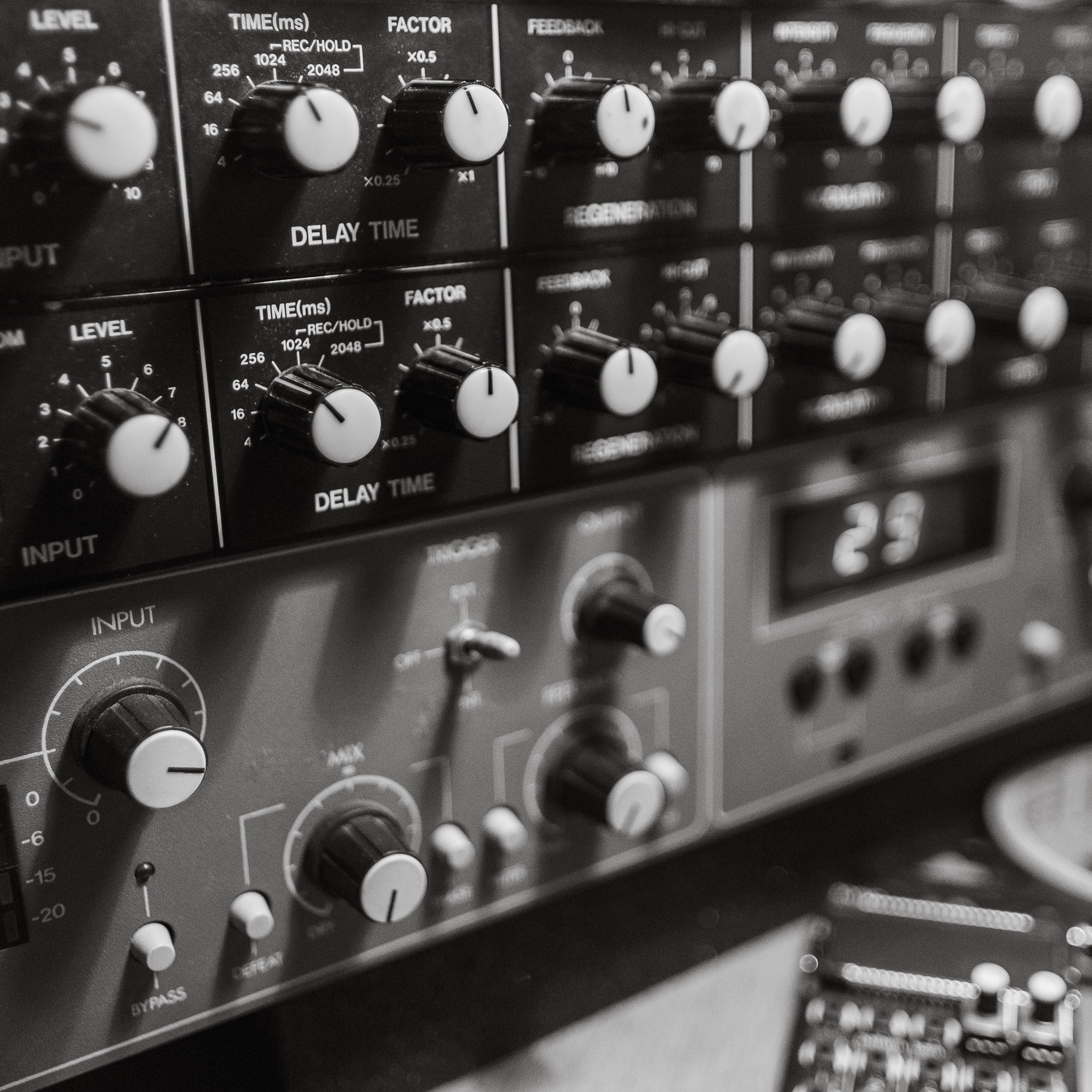
They’re black and sort of frilled around the edges and they have these yellow top caps. This black & yellow color scheme just makes them look like an awesome piece of industrial equipment. And I’m really a big fan of that. Also they remind me a little bit, feel wise, of my Oto Biscuit which also has this industrial quality!
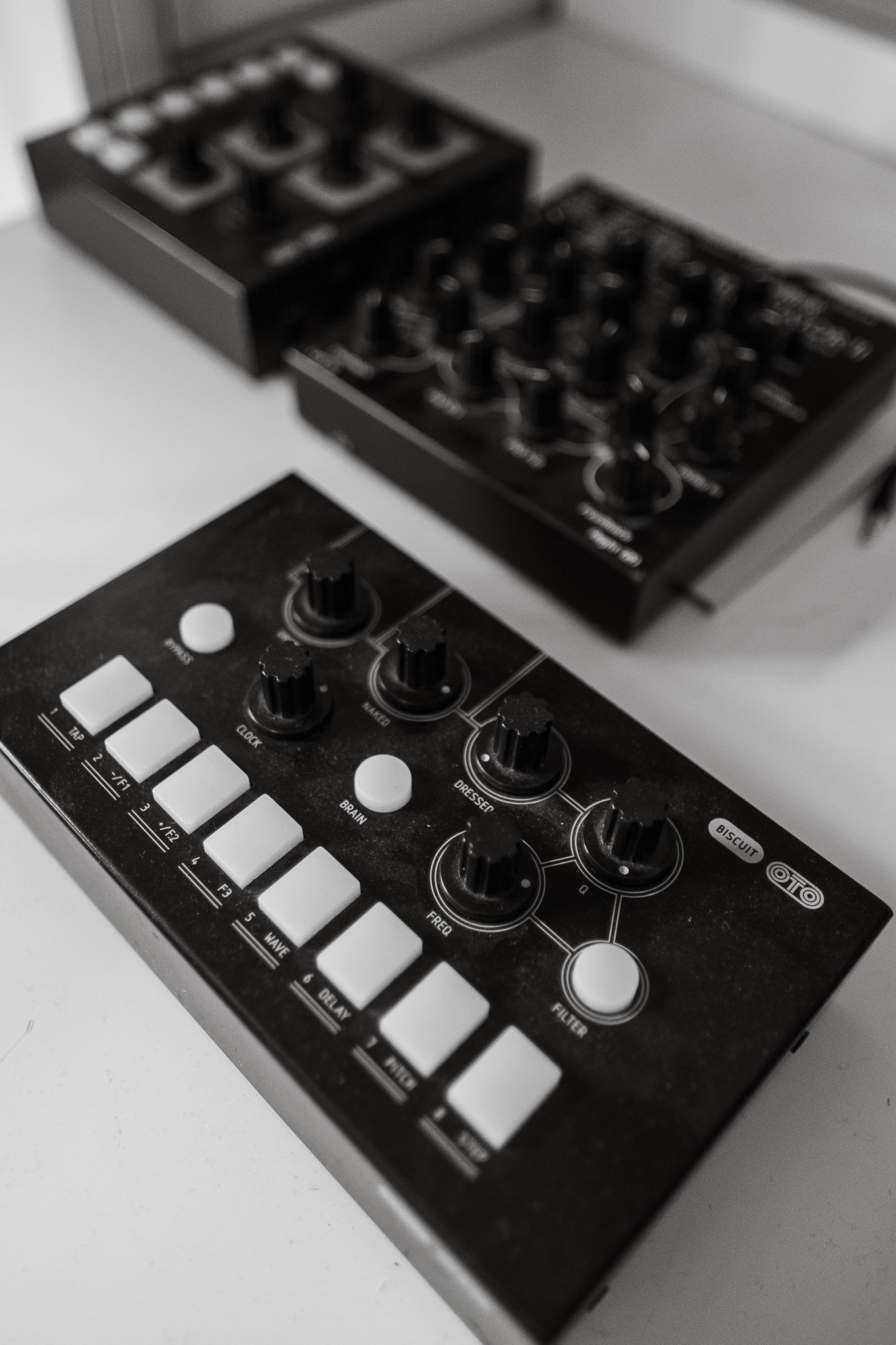
I think it’s a fantastically beautiful and well-built box. Its a disgusting bitcrusher and pitch shifter that you can f#ck around with quite a bit. It also has a delay, LP/BP/HP filter, and a complete internal synth. I really do think it’s excellent!
2. Do you have an ‘almost’ perfect bit of kit? What would you change?
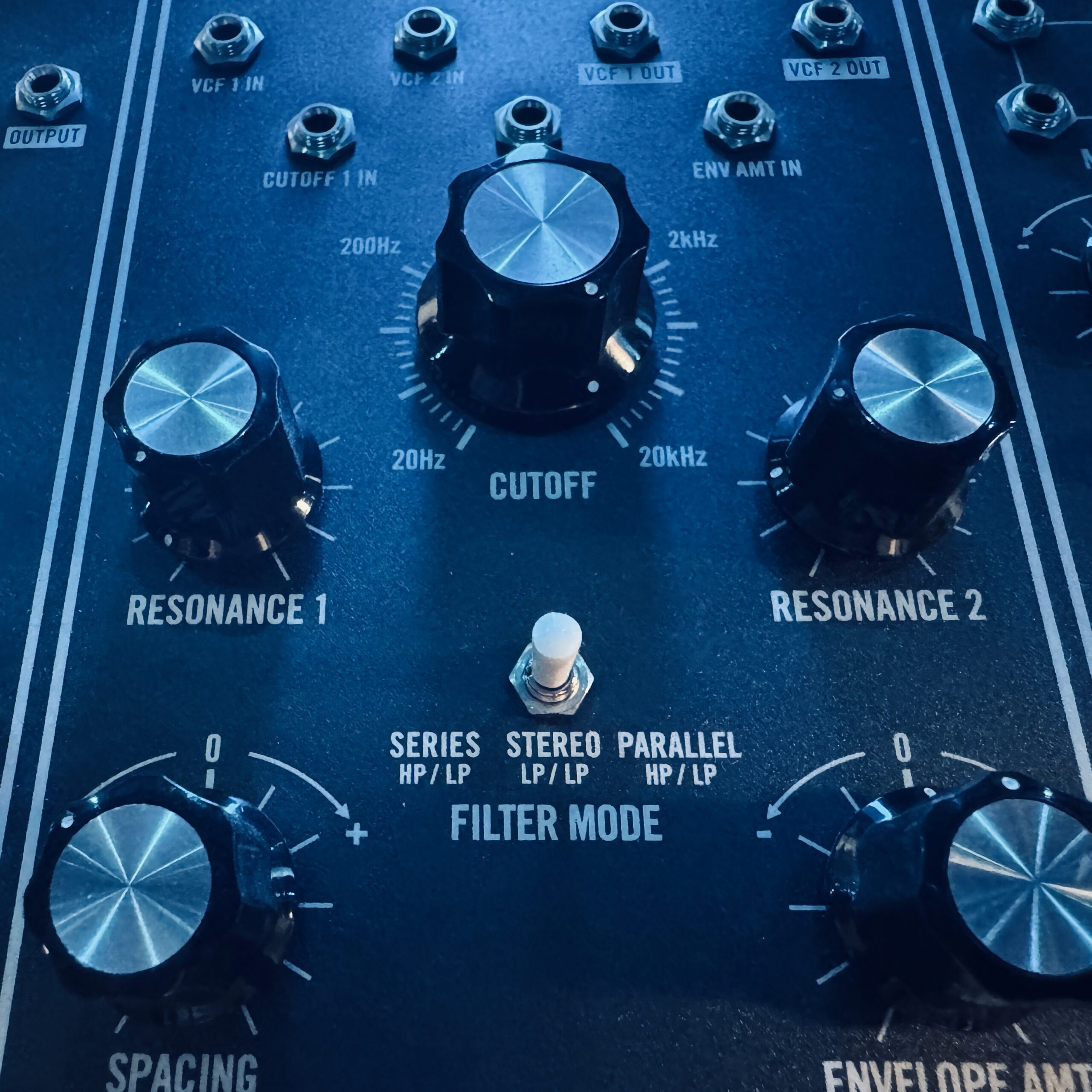
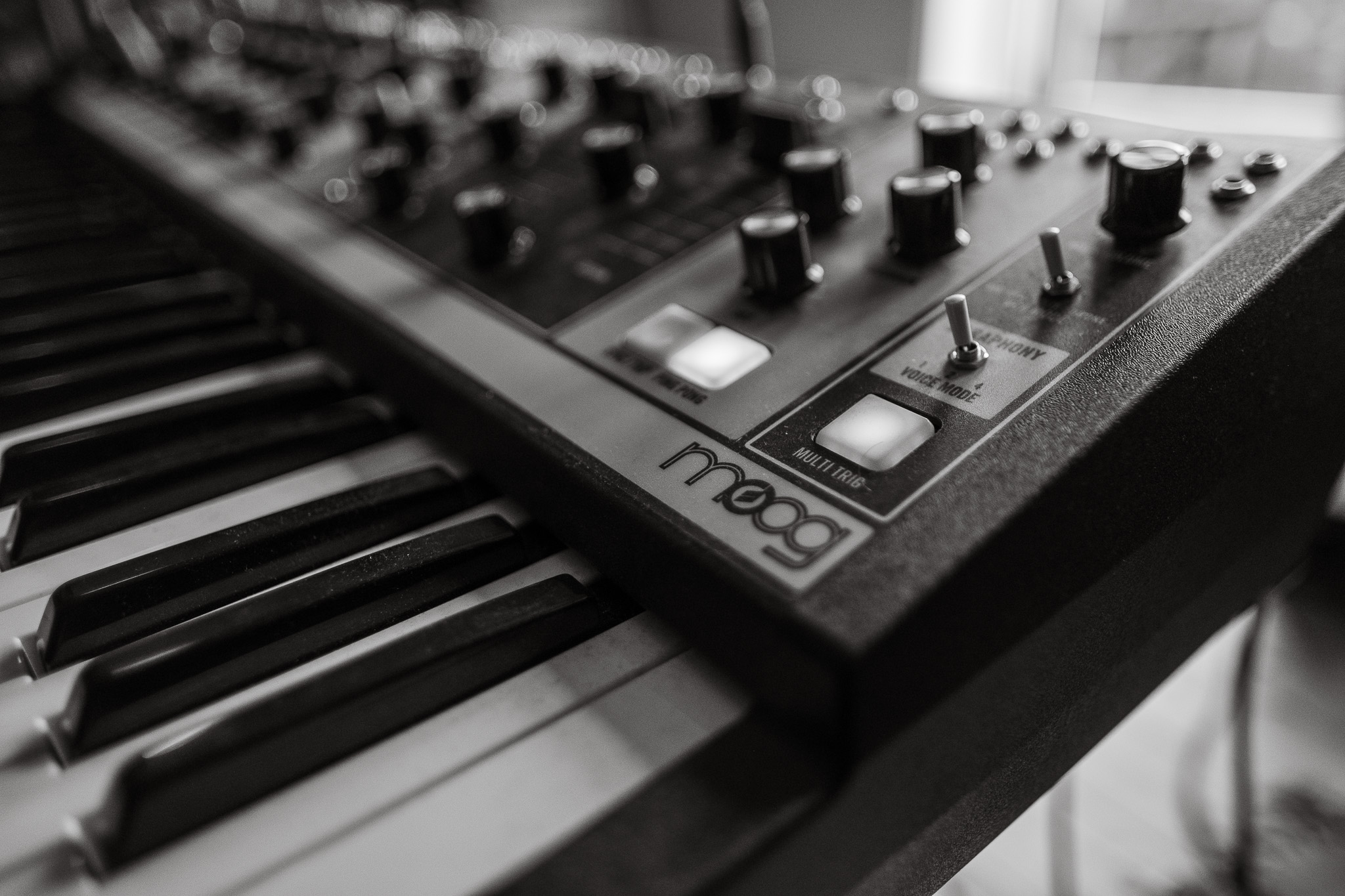
Oh, the Moog Matriarch. Which is probably one of the most incredible synths that I have ever had. I think of it as an extended Model 15 – Its normalled signal-path is how i patched my Model 15 reissue (that I had at one point) but then because its already patched the Matriarch just appeals you to take this basic functionality even further. It’s like a whole music-concrete-era sound studio in one synth. The BBD delay in it, alone is worth the entire machine. It’s near perfect. (I secretly hope that Moog makes a 6 voice polysynth in the same form factor)
3. What setup do you bring on holiday or tour or commute etc.?
Your question lands right in a transitory phase of mine! When I was a teenager, my dad gave me his then-super-laptop, a PC Dell with 4 GB of ram and a 7200 RPM drive – Remember this is really early 2000’s! I brought that everywhere with Fruity Loops, Acid Pro, Reason and an early version of Ableton. It was just the most creative time for me, just making hundreds of little sketches anywhere anytime! These past few years of COVID lockdowns made me remember those years and so I have just recently thought about migrating my setup on to a new Apple M1 laptop system.
I now feel that I just need a few select pieces and a laptop instead of a dedicated laboratory to do what I do; I’m just more sure of my craft – thinking and technique is now more settled and there’s increasingly shorter timespan from idea to execution. In short: I found that it’s not the studio that facilitates concentration – It’s purely a mental thing for me.
4. What software do you wish was hardware and vice versa?
I think it would be a great idea to make a completely digital version of the Buchla 200e. When I’m saying this, I’m thinking about the underlying design of its particular form of synthesis.
I had a large 200e system at one point and the structure that the Buchla system brings makes it a wonderful thinking-man’s instruments. A composer’s tool extraordinaire! I think a really well executed software version of the 200e system would be an incredible way to bring Don Buchla’s designs to more people!
5. Is there anything you regret selling… or regret buying?
Well, I’m not really nostalgic for instruments. Everything in this life is on loan – especially musical instruments!
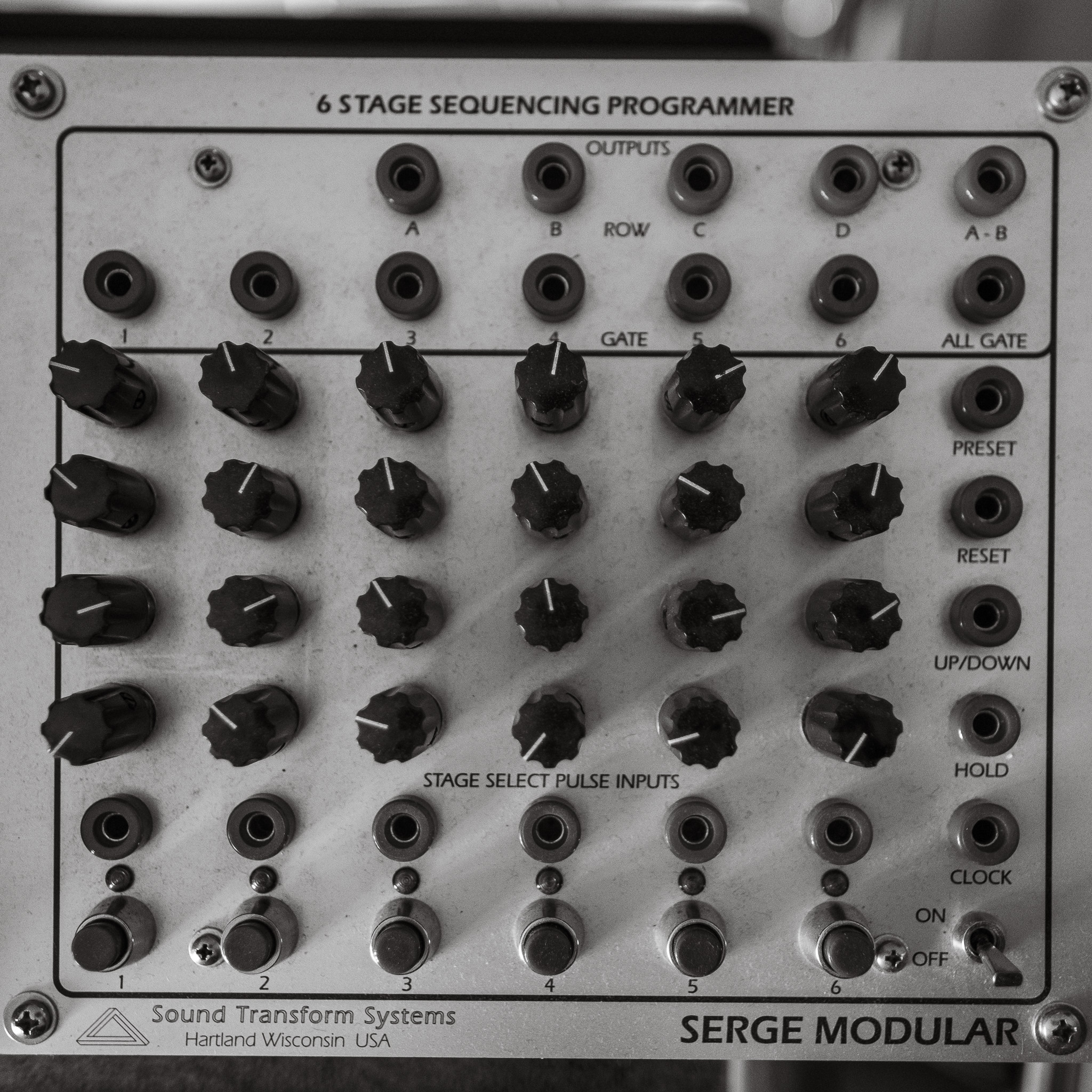
I’ve just decided to part with my Serge. I know it extremely well and it’s like second nature to me. It took me years to unlock it! To sell it will be like an amputation, but I do feel that I’ve cracked the code of it so it’s just different now. There is a reason for stuff to pop up in your life and this instrument held it’s importance for ten years and was an amazing experience to grasp! The music I do now demands other tools and concepts; That’s the wave that I’m surfing, which I’m on after all! I see it as a gift that I’m given; that I get to progress to different complexities, to hunt for sounds that will be completely new to me.
6. What gear has inspired you to produce the most music?
The first white MacBook computer that I got when I was young, and then a MacBook Pro that had that great keyboard and the backlit Apple symbol. Having a 17-inch Macbook Pro during that era of my life was fantastic. I did my first album with it. My dad worked with computers so we’ve always had that kind of tech-fuelled epiphanies in common. I purchased a cheesegrater Mac Pro when I was 16 and me and my dad opened it up and just went “WAUV”. We thought it was so beautiful.
Another obsession for me was the Buchla 200e system. I spent years exploring it’s functions.
I ended up using it more to process sounds running through its filters, and I had that beautiful 296e Spectral Processor filter/vocoder module with LED that is commanded by touch or CV. The 250e sequencer is also just fantastic (250e Dual Arbitrary Function Generator) and the 291e filter was also a favorite. I parted with the system because I was able to create similar sonics digitally, as the secret of the Buchla (for me) was about accessing a way of thinking, a set of methods that I could use to manifest my sonic visions. It proved a great education for me.
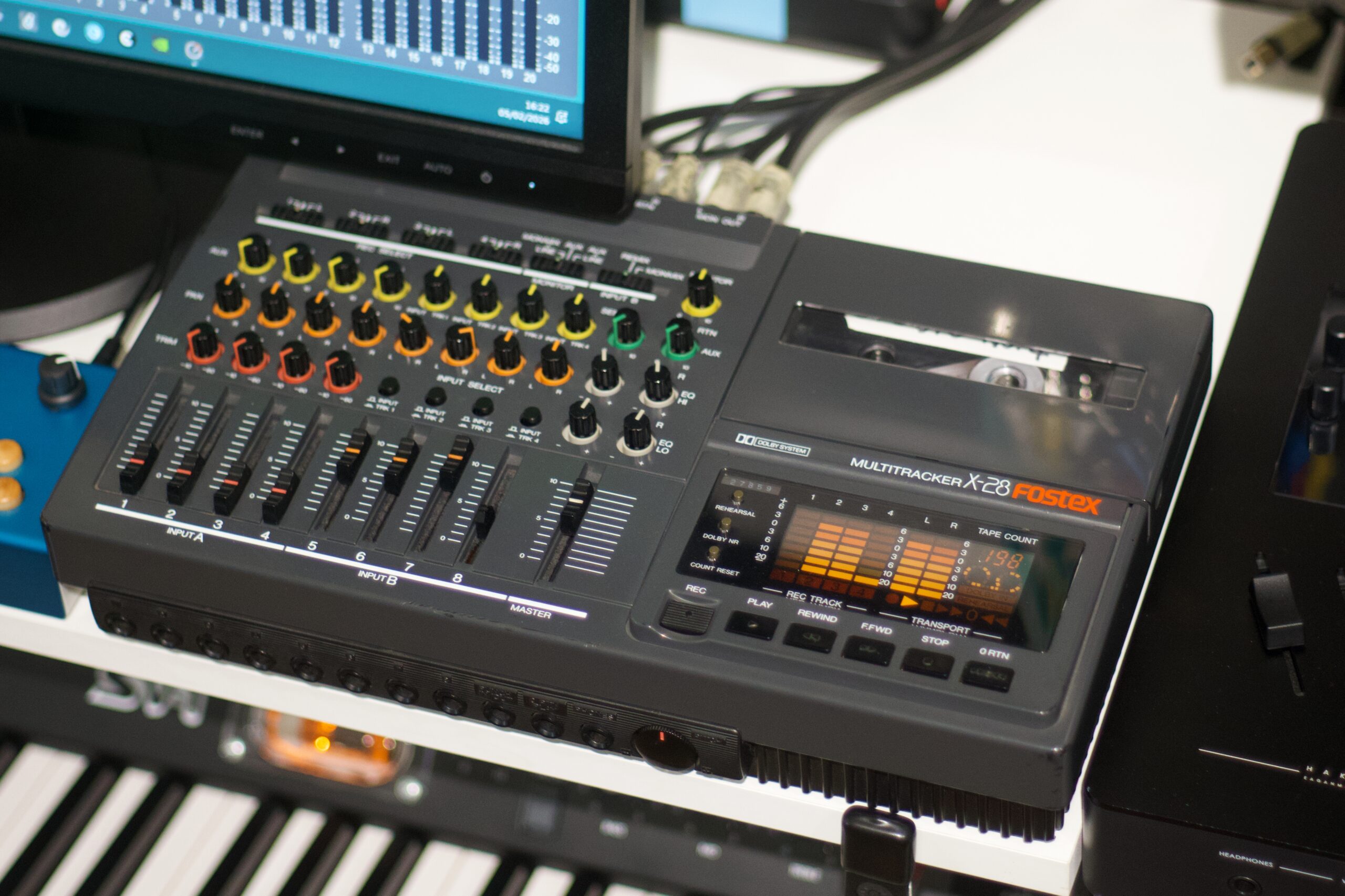
Lastly I once put together an analog setup that consisted of an Otari MX-5050 8-track machine that I used in conjunction with a Studer 962 mixer. For effects I had a Klark reverb with sampling capabilities, a Bricasti, Lexicon PrimeTime 93 and a Eventide DSP 4000. It was such a poetic workflow – layering things to tape, sampling it into the machines! I did a lot of sounds that had that authentic vintage sound, simply because the setup itself had limitations and was in itself a time machine. I would have loved to keep this recording setup, but in terms of cost vs. efficiency; tape is expensive, service of old equipment is as well, and so it becomes like owning an old car. I took what I learned and this provided me with even more techniques that I could project digitally or when visiting other studios; I honestly loved this lab and workflow. I find it somewhat sad that vintage equipment just gets more and more expensive. On the bright side I’m now sure that I won’t be facing a severe case of man-cave-ism any time soon!
7. If you had to start over, what would you get first?
I think that computers were the right place for me to start.
8. What’s the most annoying piece of gear you have, that you just can’t live without?
I am one of a few musicians who performs with the mysterious French Cristal Baschet. It is an esoteric sound-sculpture that consists of 3 1/5 octave of glassrods attached to metaltones which you bow with wet fingers. It has a fantastic acoustic metallic amplifier that provides for glorious distortions of the sinusoid glass tones. It’s an instrument that requires a lot of attention and care.
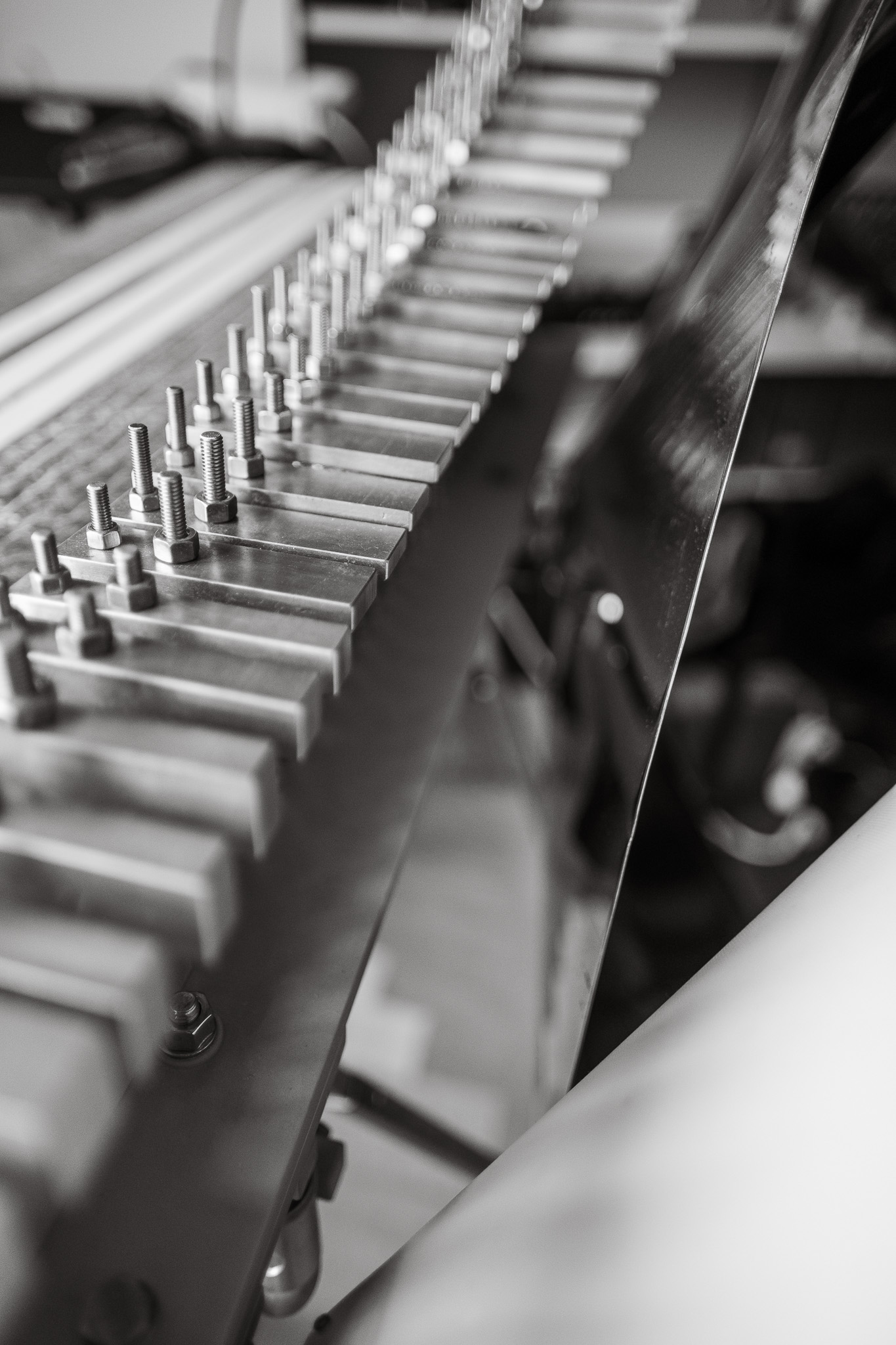
The most annoying thing I own is the enormous flight case that I had built for it to take extra care of it when traveling! It’s a job for two persons and it’s really quite heavy to carry around.
I can’t live without my instrument – It’s my companion. I grow with it and I have a life with it. When it’s all set up after long days of hauling it around, when I’ve taken care to create a great environment on stage and I feel good about performing, it’s really worth the effort and ultimately very gratifying!
9. Most surprising tip or trick or technique that you’ve discovered about a bit of kit?
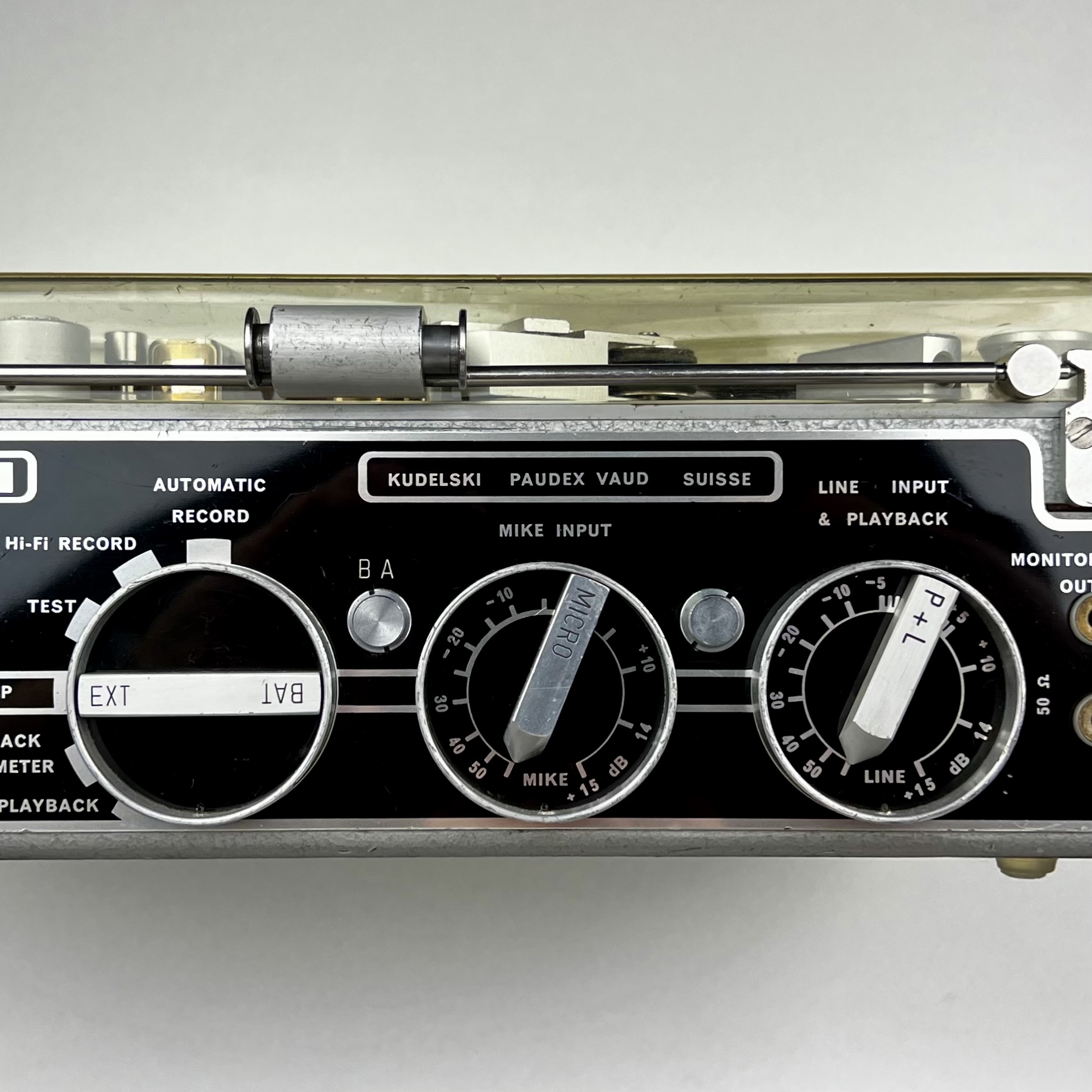
I had made this tape of Cristal improvisations; I just played when feeling like it, filling up a whole reel during the course of a day or two. Then by accident I found out that I could hear the sound from the tape while rewinding as it was bleeding through the playback heads while rewinding.
It would create this really eerie reproduction of a whole day’s work or even a week’s work in maybe 45 seconds or so.
I recorded it directly into my converters at high gain, and you know as something is pitched up really high, frequencies relocate to a different spectrum; this recording of 45 seconds contained an hours worth of sound, suddenly rushing through the conversion to digital, created all these crazy artifacts, I mean the speakers acted really unnatural, hurtling these high energy whistling chirps at me!
In the computer, I pitched it back down, to sort-of match its normal speed, and it was completely transformed through the process! I then put it into Ableton’s Simpler (which is my favorite Ableton device). I set Simpler to auto chop, adjusted the sensitivity a little bit, so it would spread across my midi keyboard.
I would just get these disintegrated fragments of improvisations. I did many tapes like this that i keep in my archive – I call them my ‘tape rewinds’, and I use them a lot. You never know what sound is played from pressing a key. It’s pure discovery.
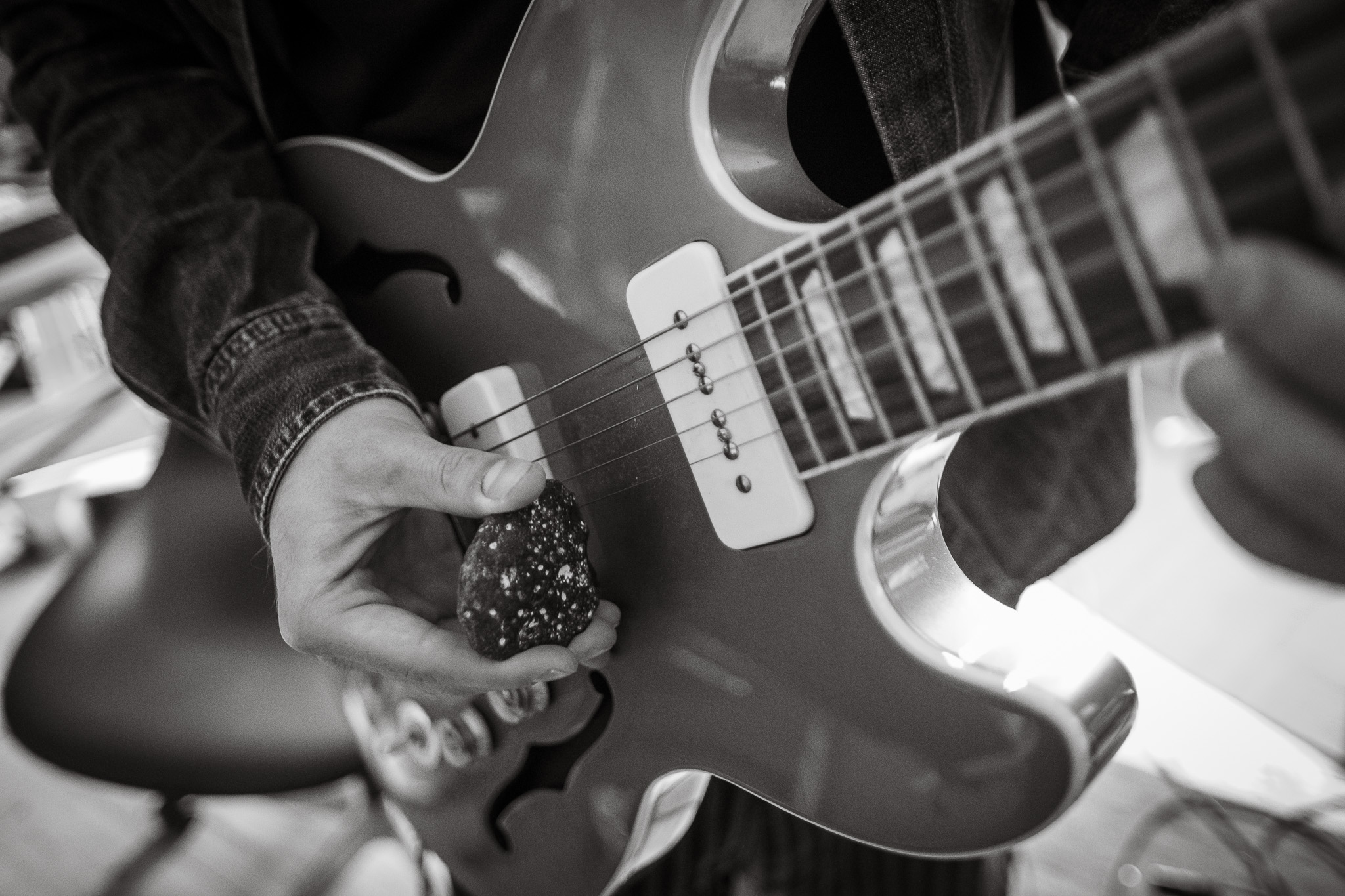
Another little thing I found (that is much simpler than the “tape-rewinds”) is this rock with sharp edges, a rugged side and a smooth side. I started using it with my electric guitar and that’s become a returning sound in my music.
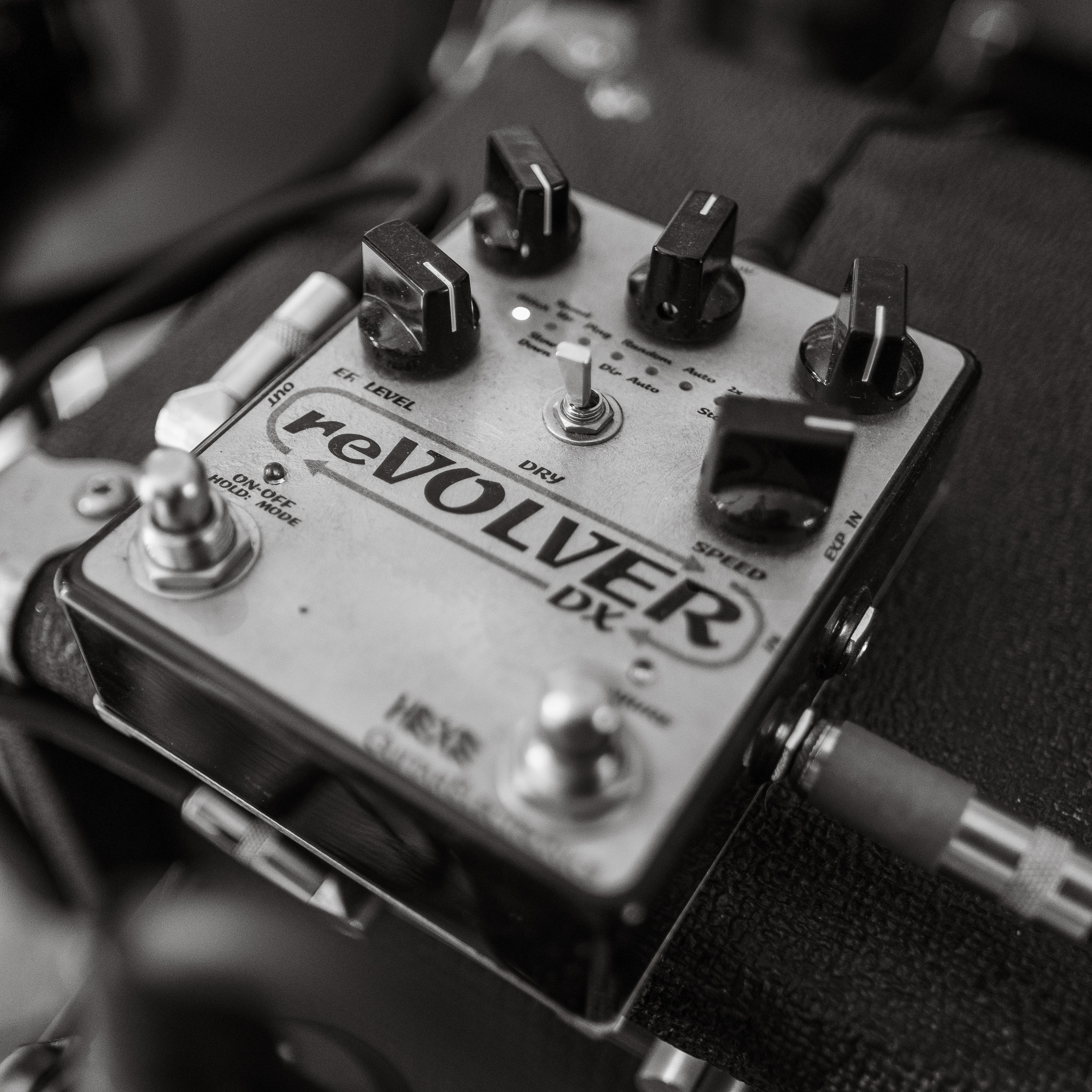
Another great way of getting inspiration is to wire studio FX or pedals and tweak away to see if happy accidents occur. Then I analyze the signal path and mechanism that made the accident possible and try to replicate it in the computer, at least conceptually, to see, what that process might bring.
Artist or Band name?
Mike Sheridan
Genre?
It’s fair to say electronic music!
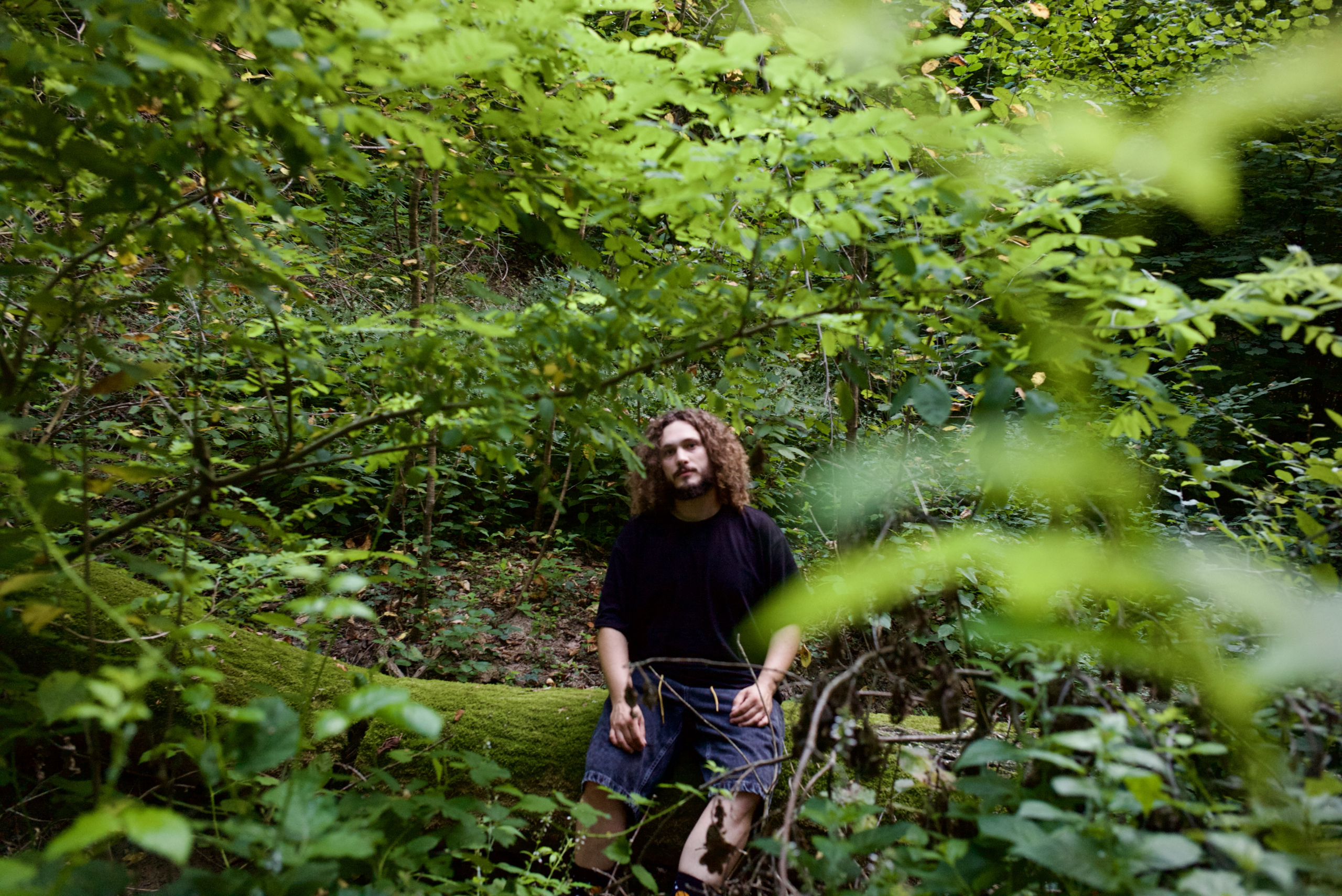
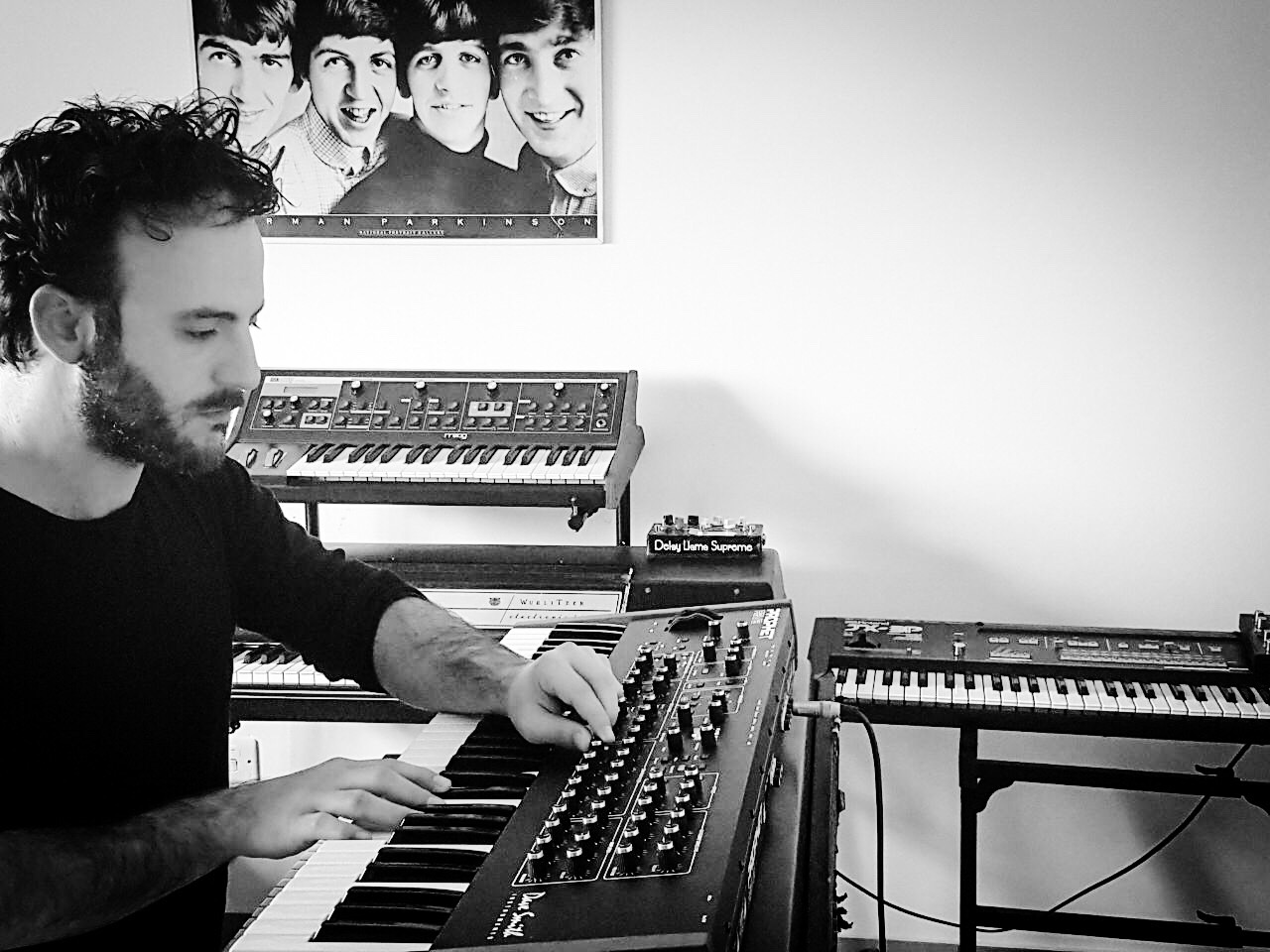
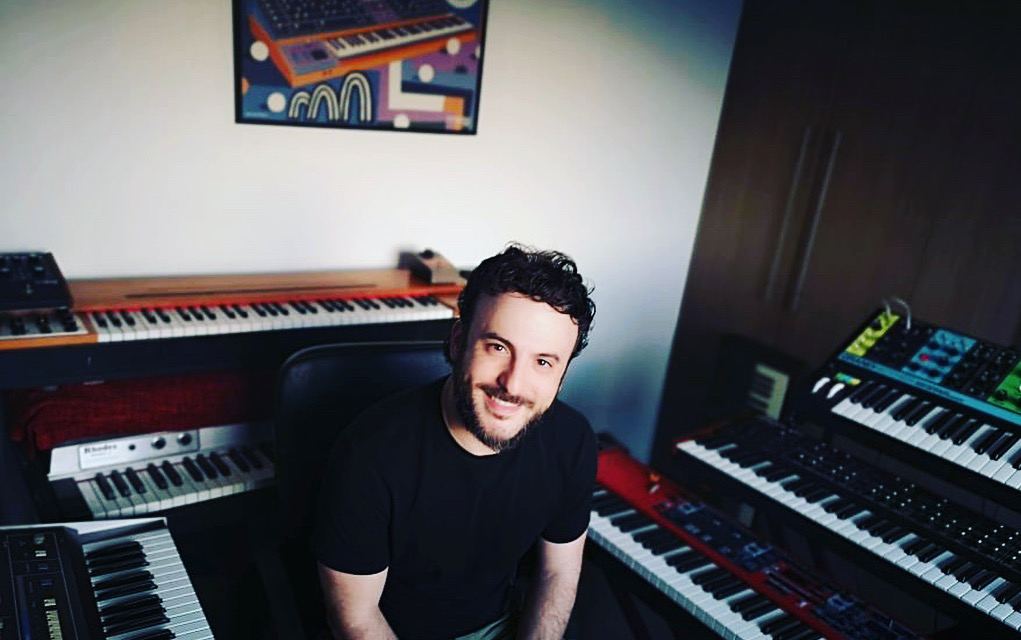
Selfie?
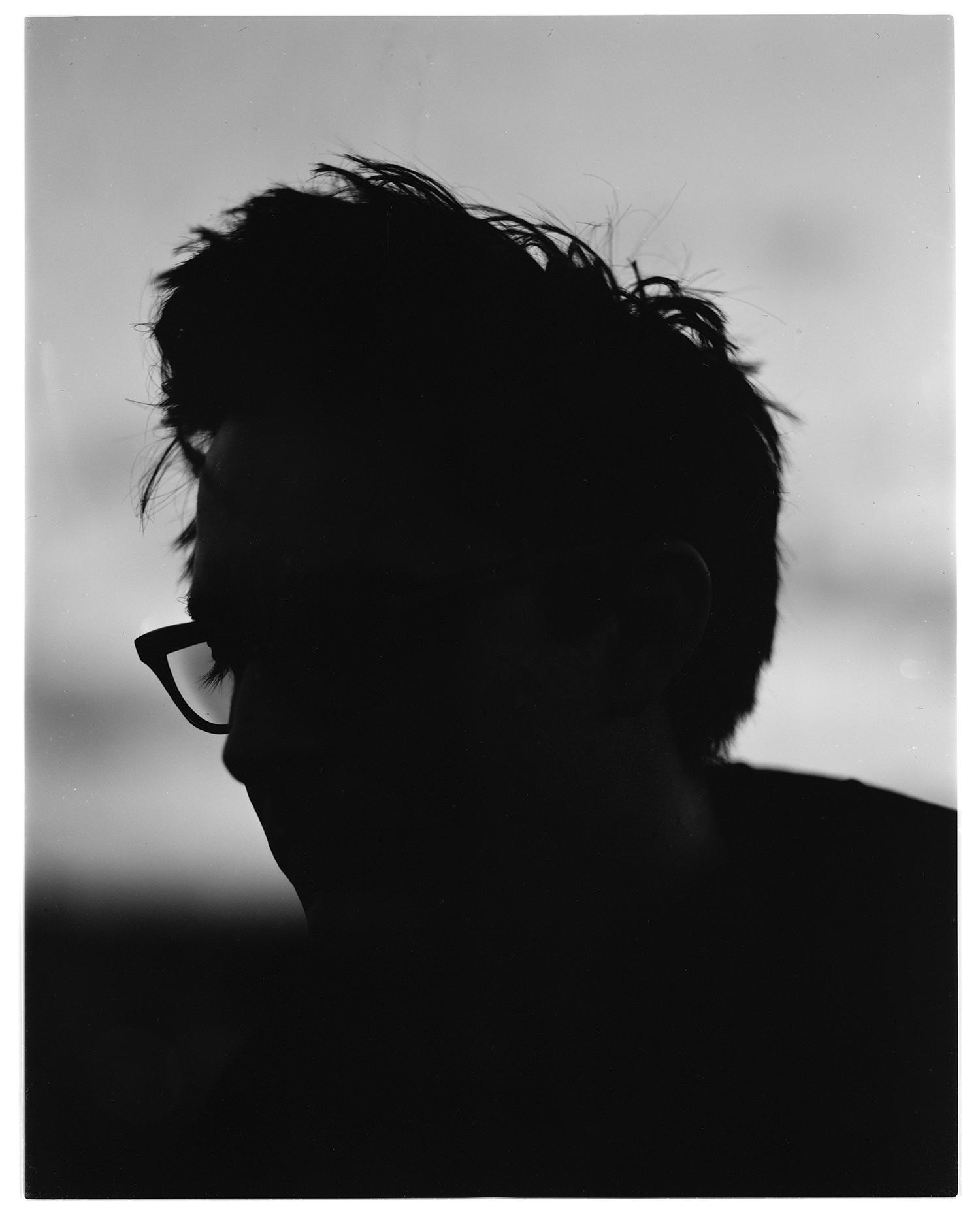
Where are you from?
Denmark, Copenhagen
How did you get into music?
My Dad gave me a home built computer with a demo/trial version of Sony Acid Pro. I might have just turned 8 years old and it was Christmas, and that was my first experience with making music, just re-arranging the demo songs, it completely blew my mind.
What still drives you to make music?
I wake up and hear sounds for my inner ear. I simply feel the emotional impact of the imagined sounds and try to recreate that emotion in my work.
How do you most often start a new track?
I will record something with whatever instruments and software I have available, and then export a WAV into my iTunes and archive the project. And I’ll just do that over and over again, like a pattern of reactions that turn into a playlist.
Eventually these snapshots might work as a sequence or find each other.
It’s like little snippets of emotion that happened at that time of recording or programming, like snapshot photographs of the process! It’s a great way to start any project or commission and it becomes a disciplinary thing to lean into.
When deeply engaged in larger projects my computer becomes the equivalent of a teenage dorm; all this crap, just piling up in random folders named eclectically! I sort of jump into this exquisite entropic mess and then Frankenstein things together; connecting all the fragments into large structures that I bring to life!
It’s nice to spend some time archiving and organizing it all after a big project; I can see my folder structures develop over time when looking back. It’s become a lot nicer over the years!
How do you know when a track is finished?
When you attend the premiere or when a song is released. Then I realize it’s done.
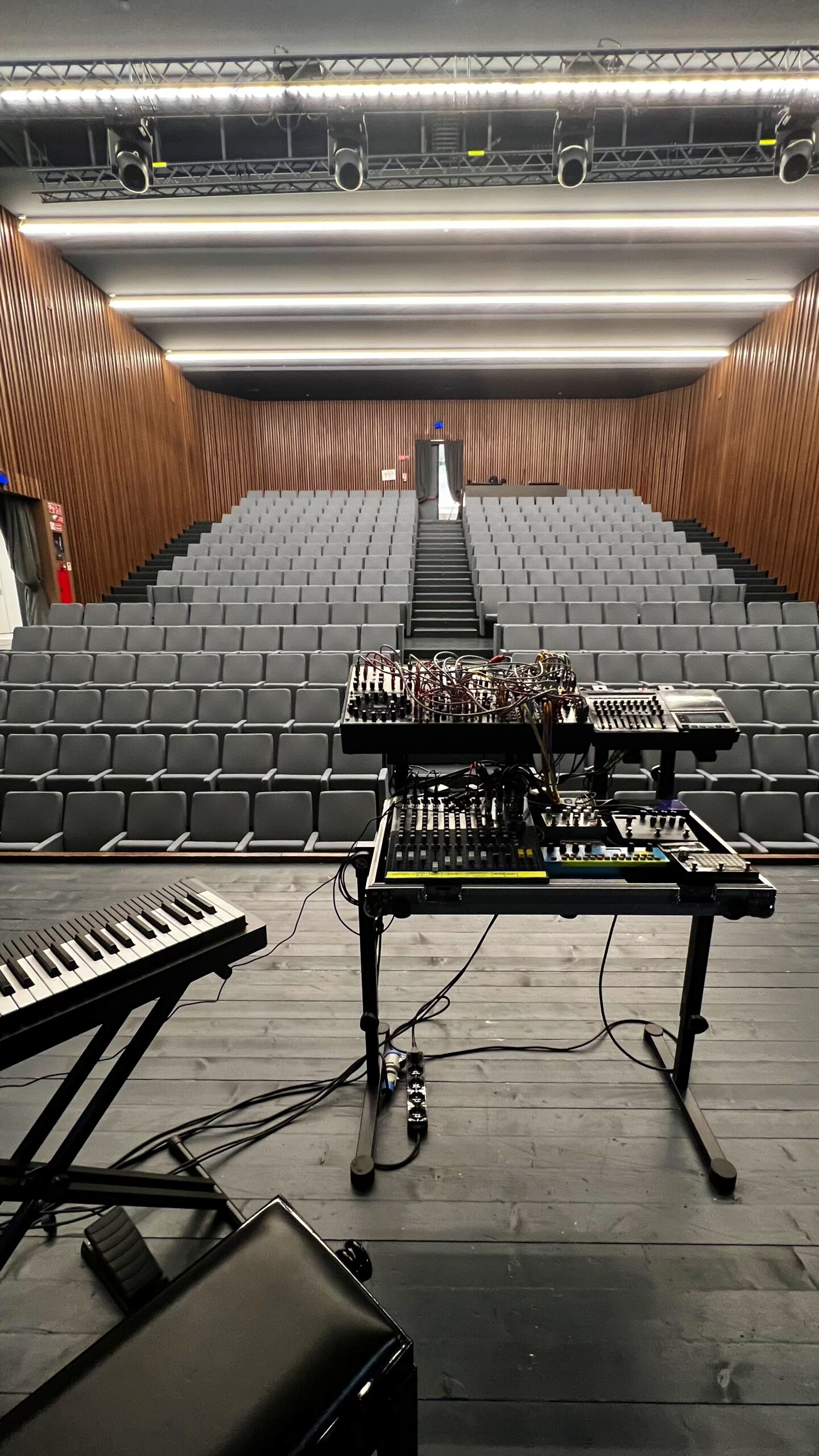
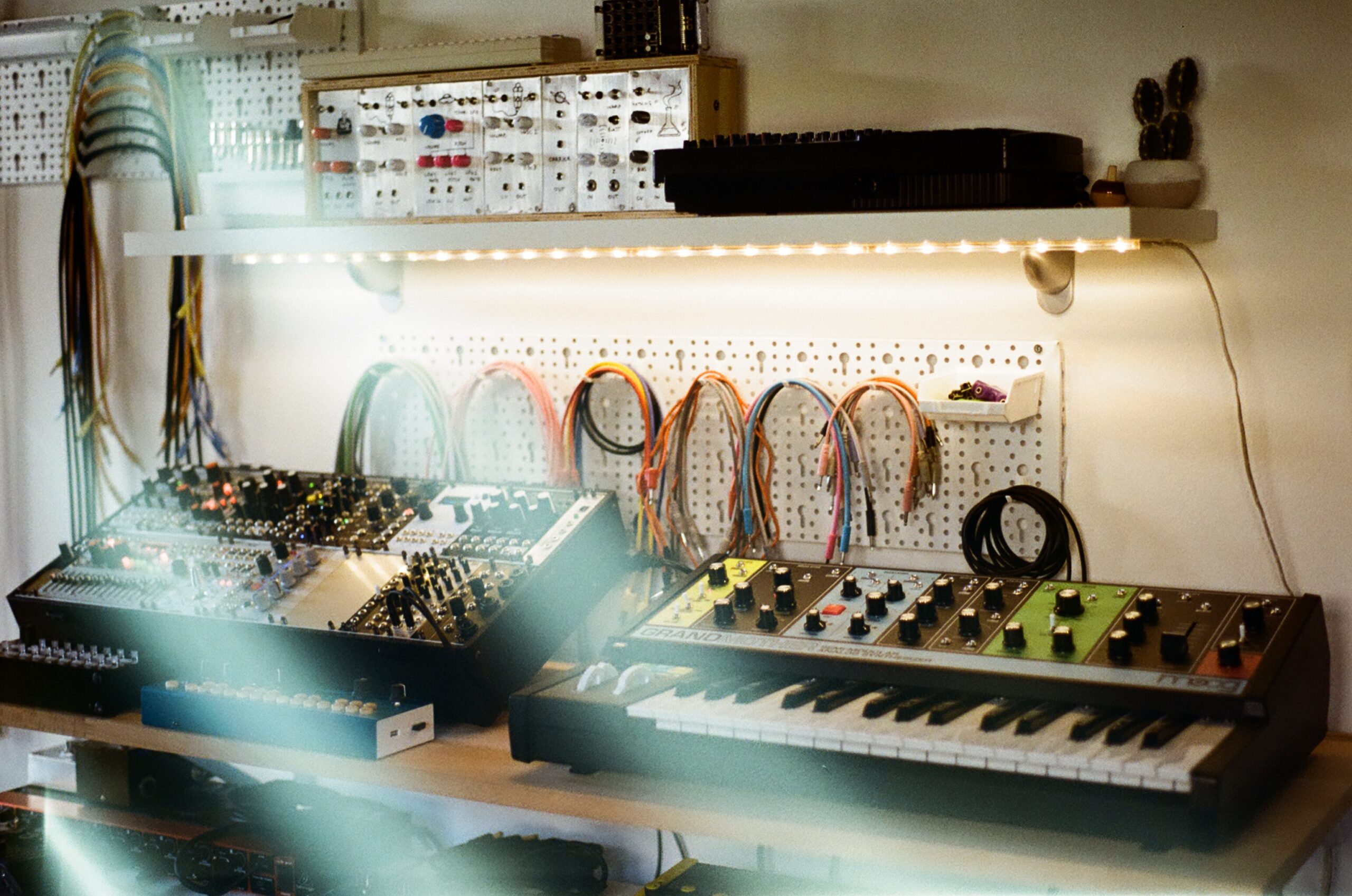
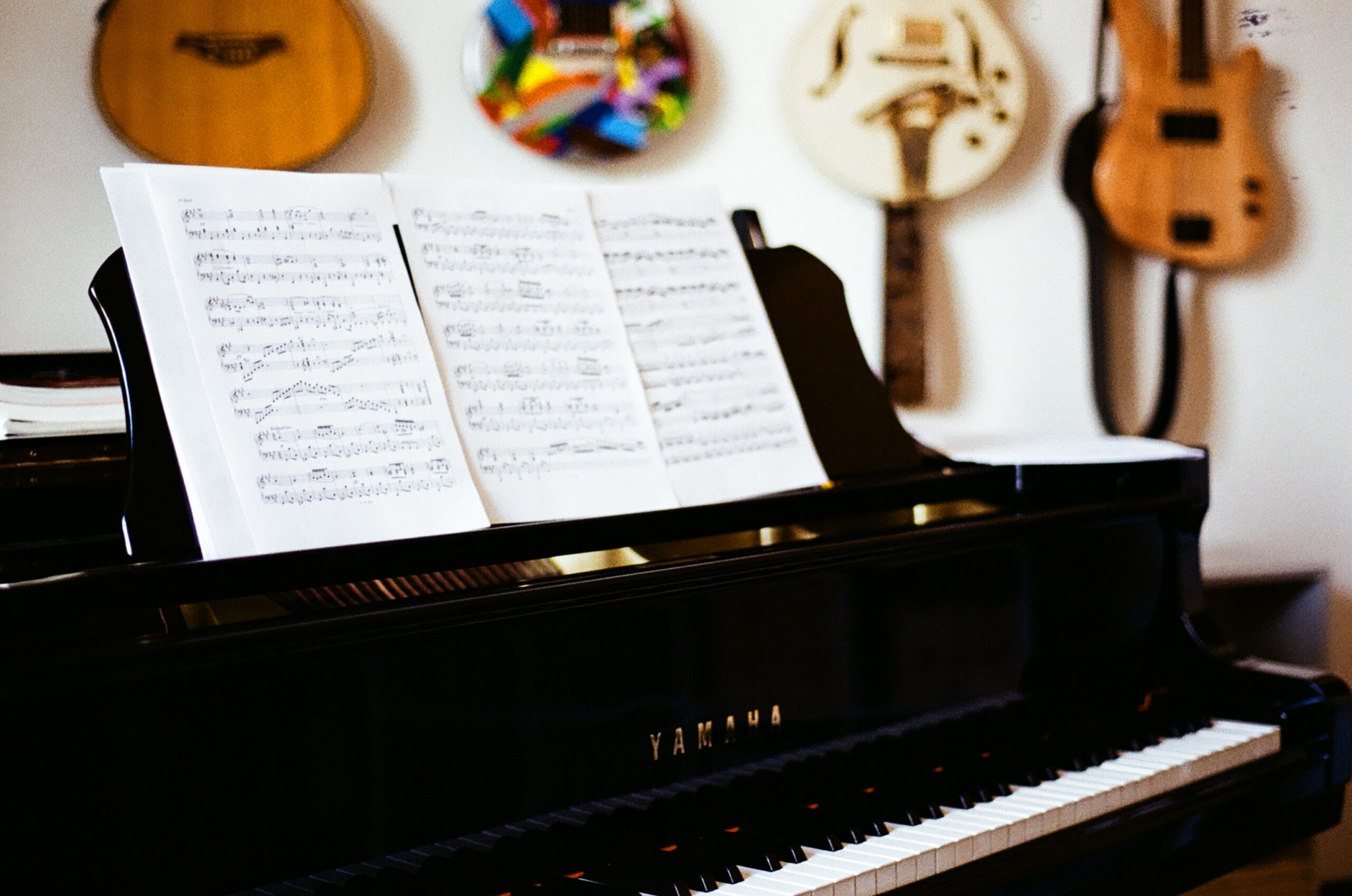
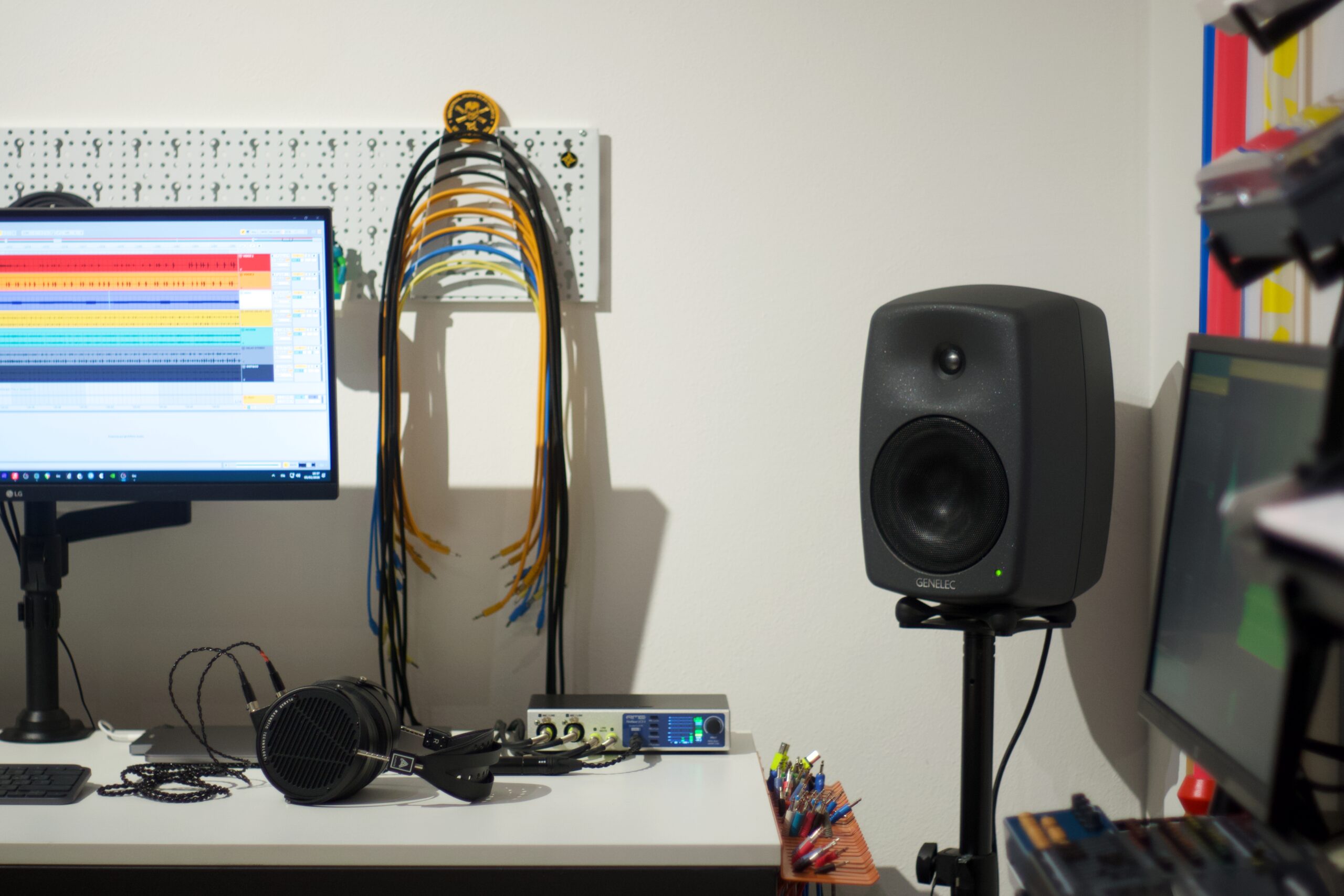
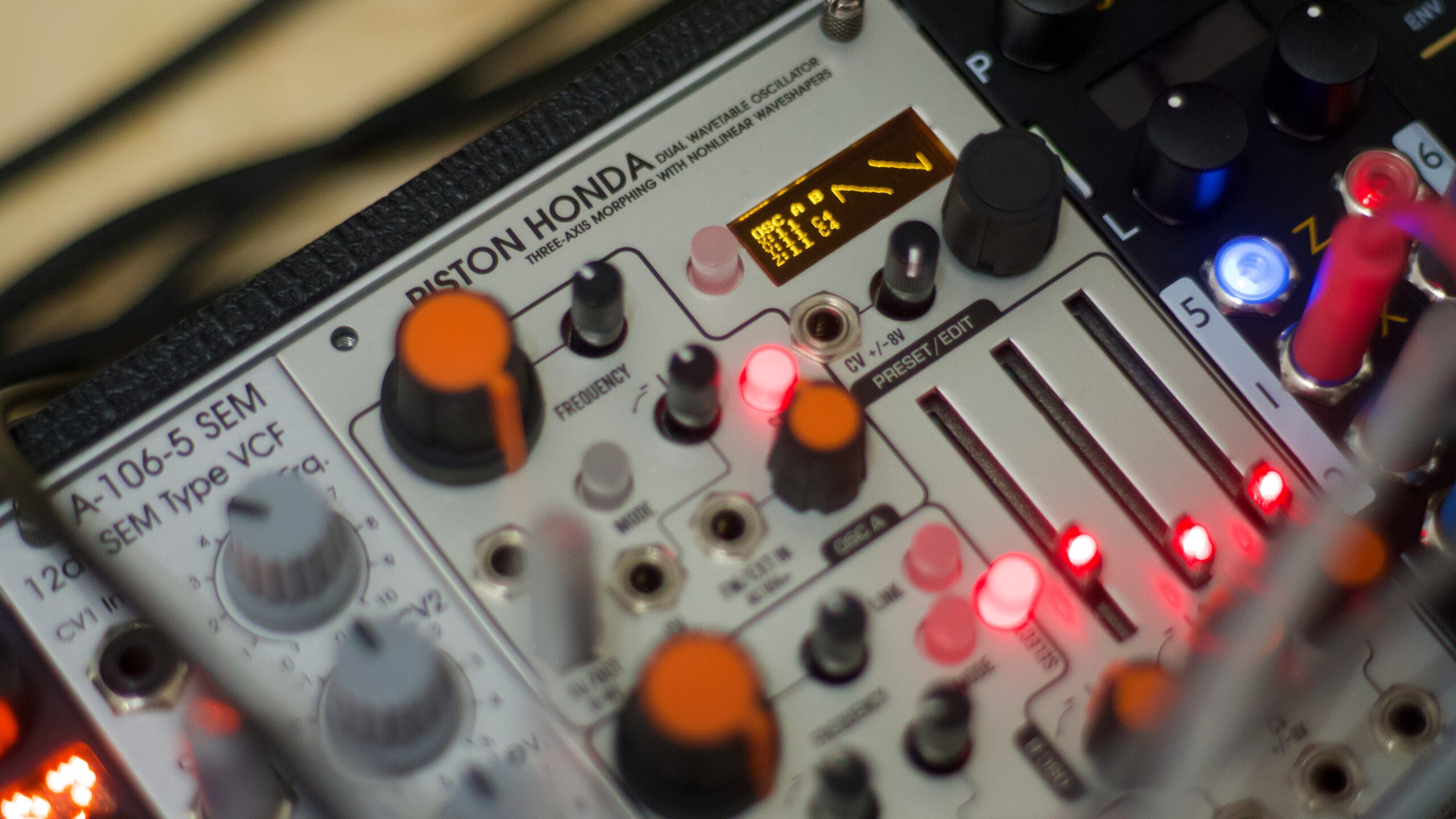
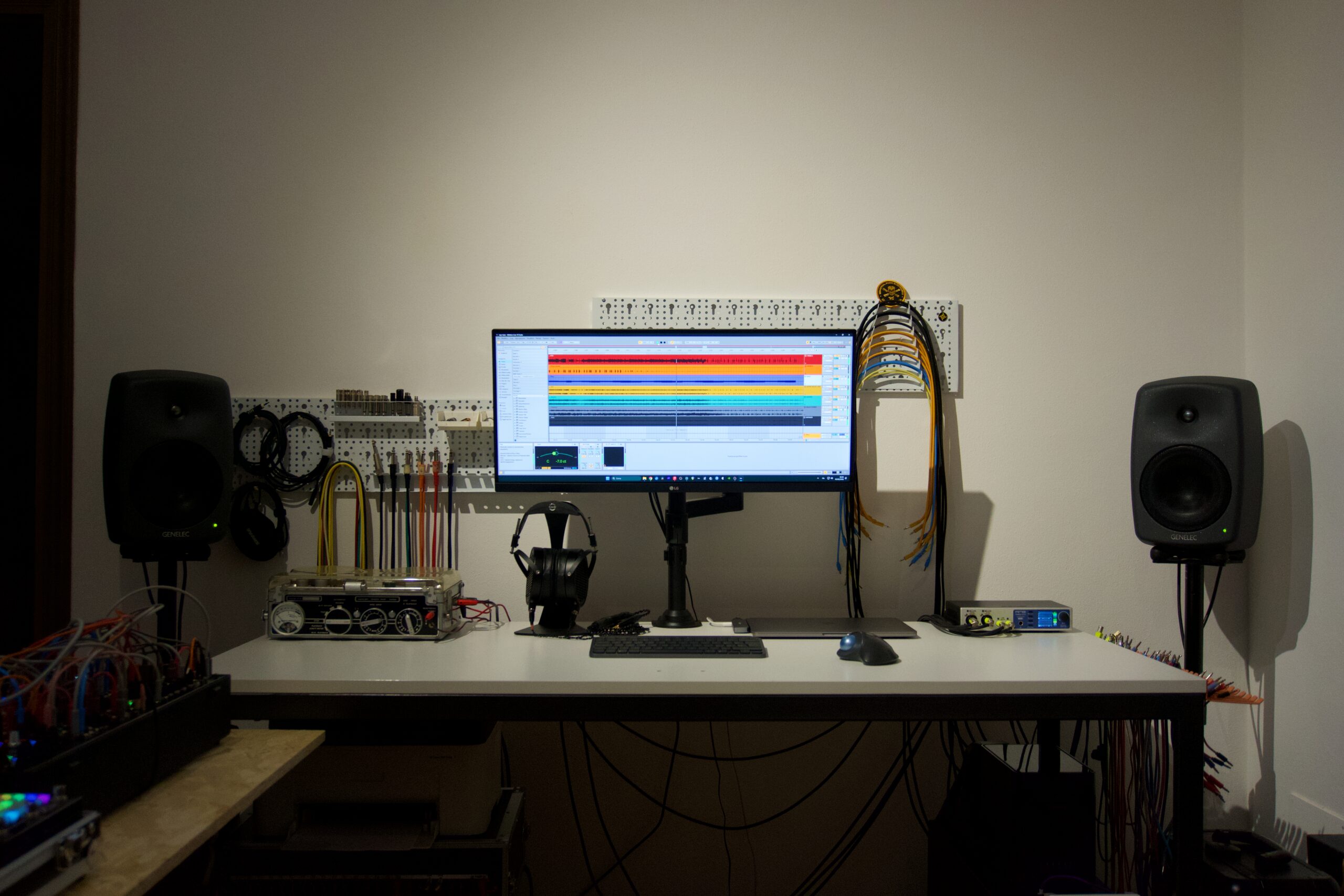
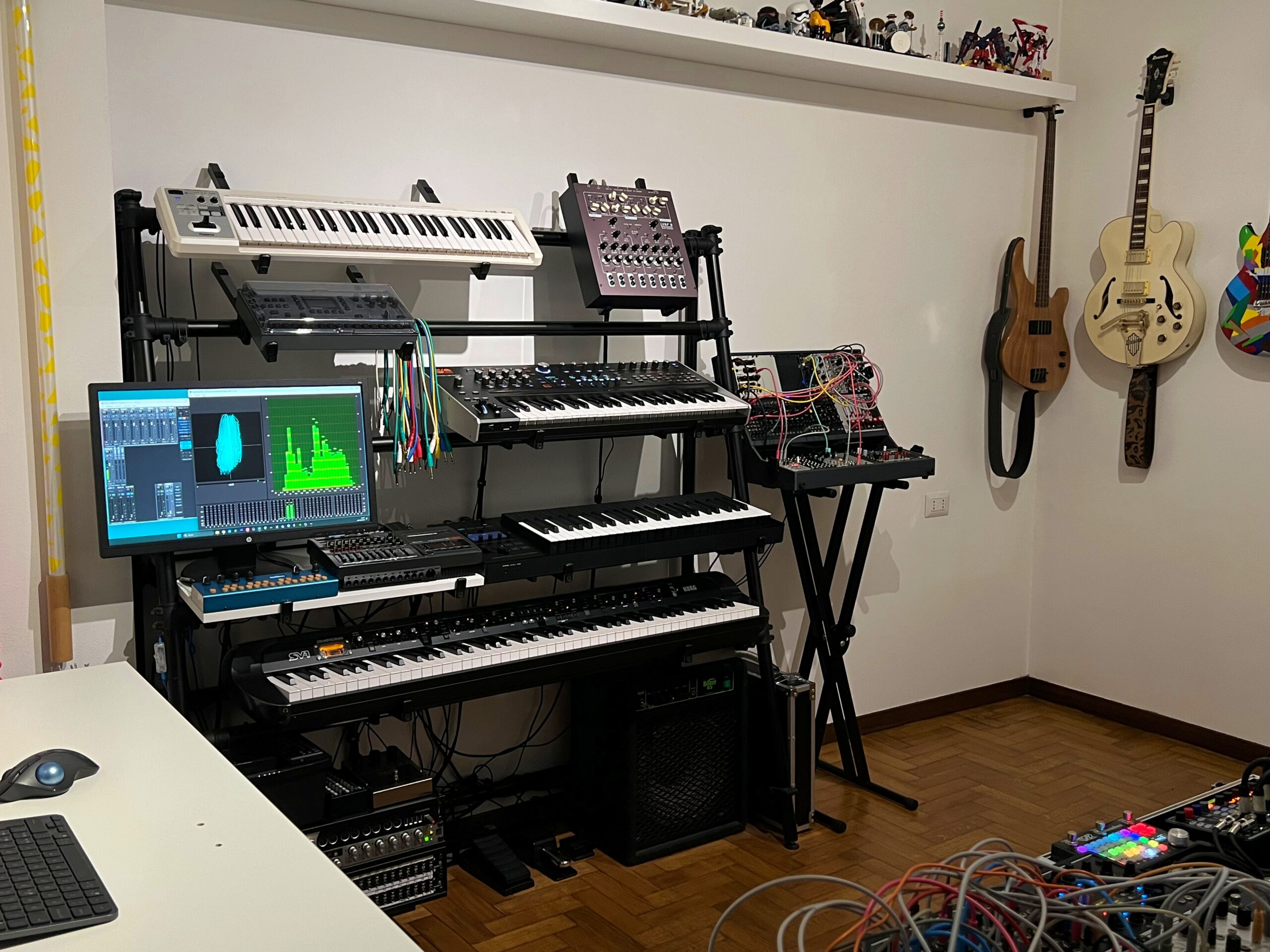
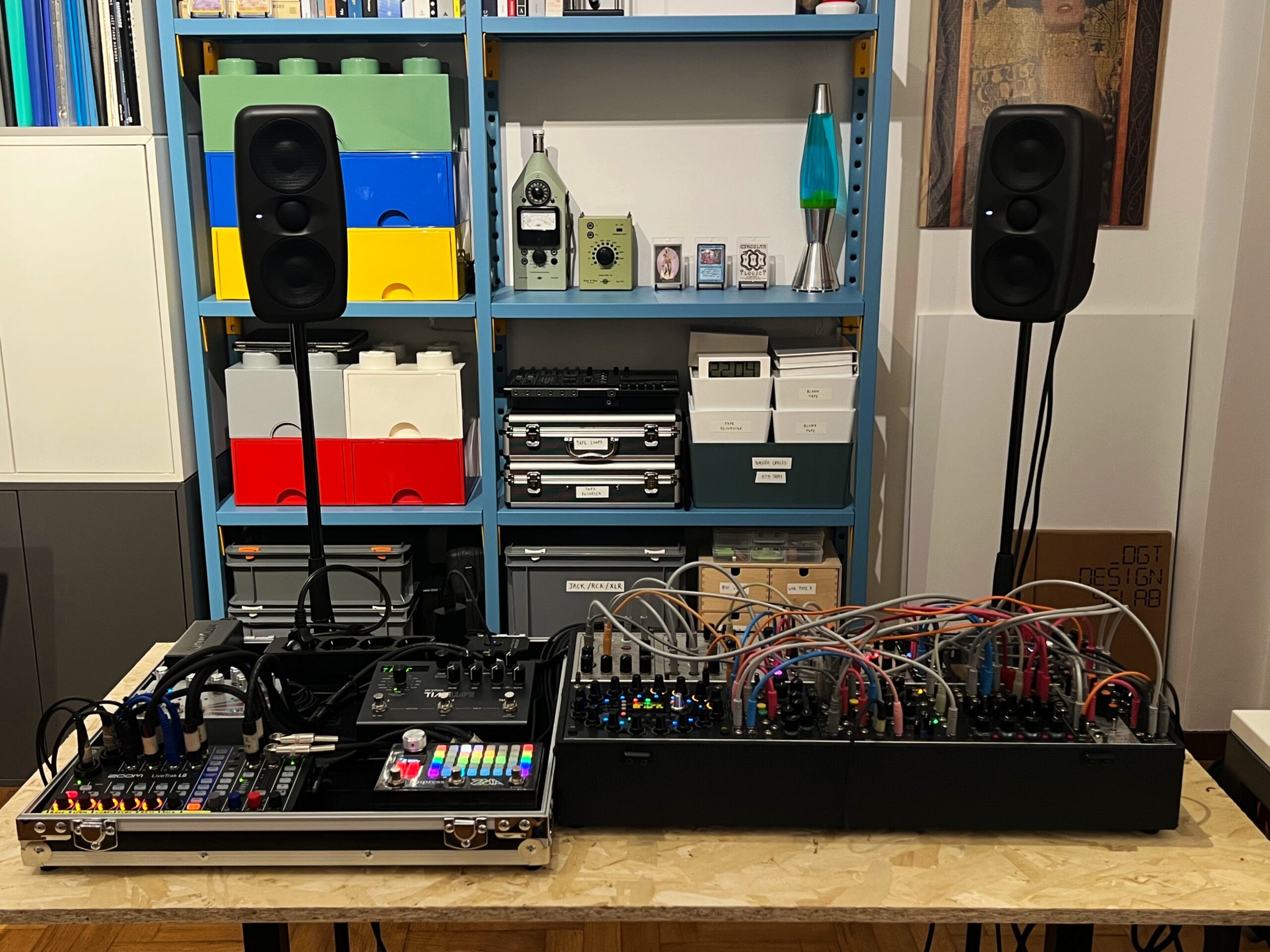
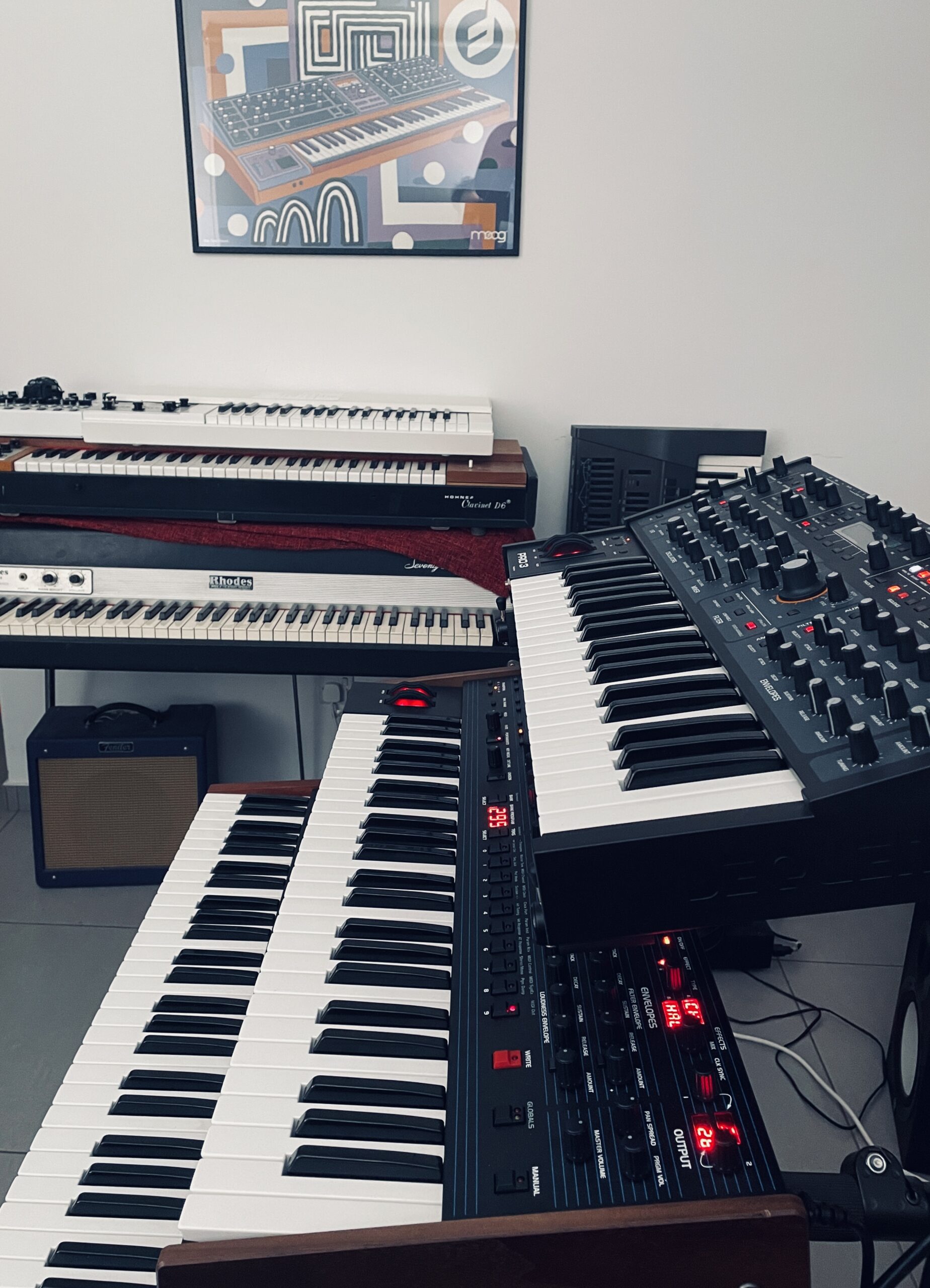
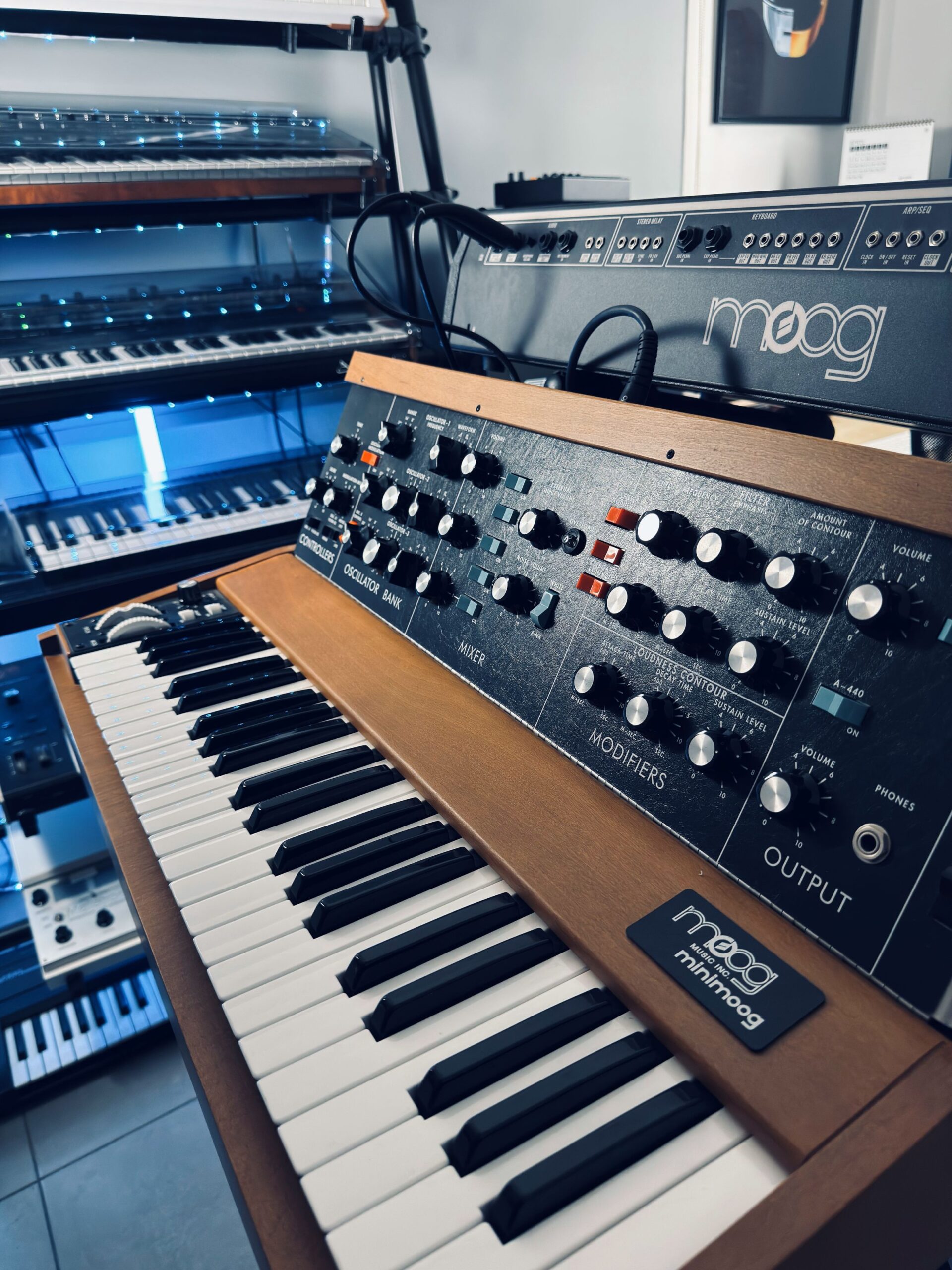
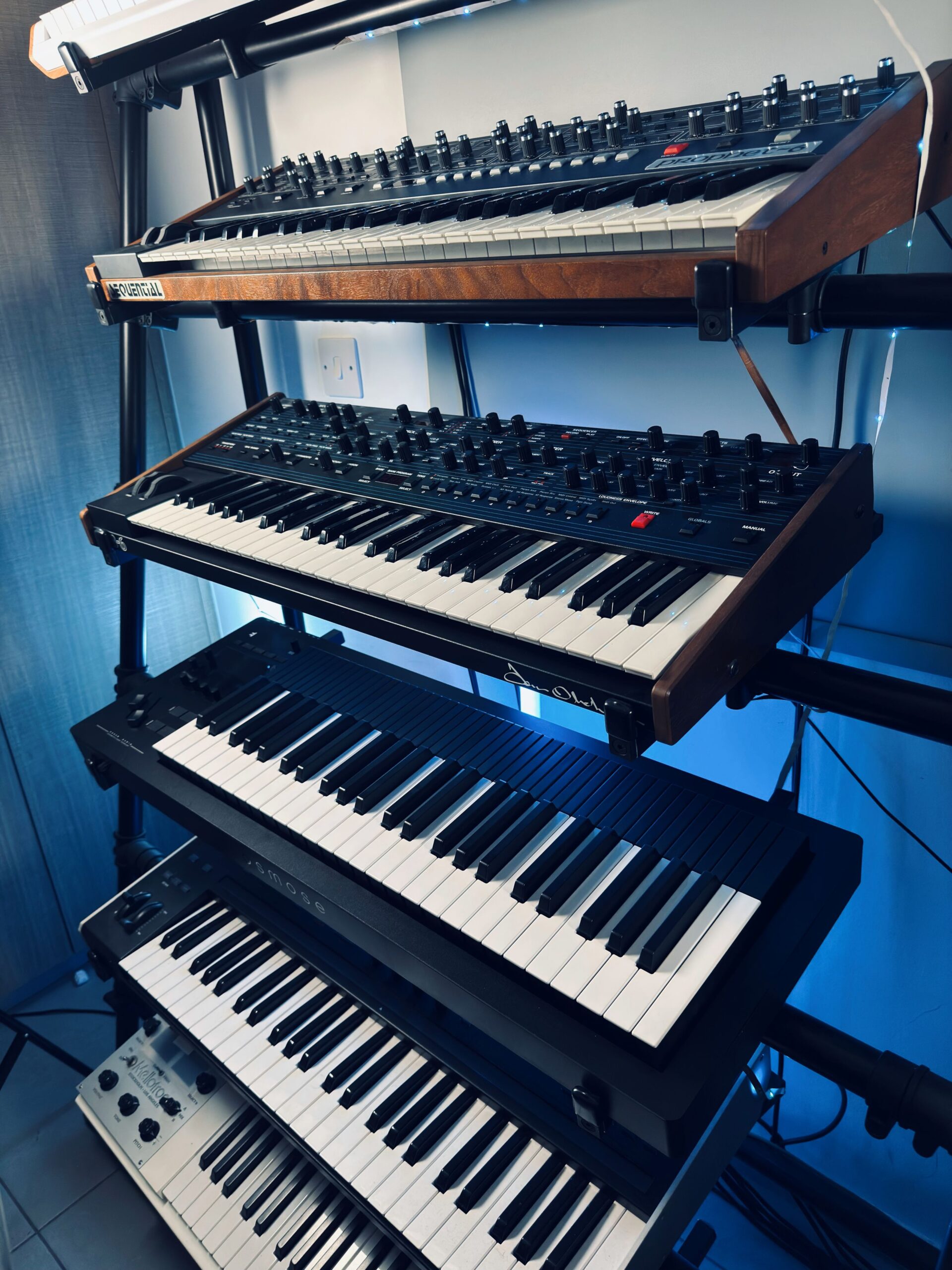
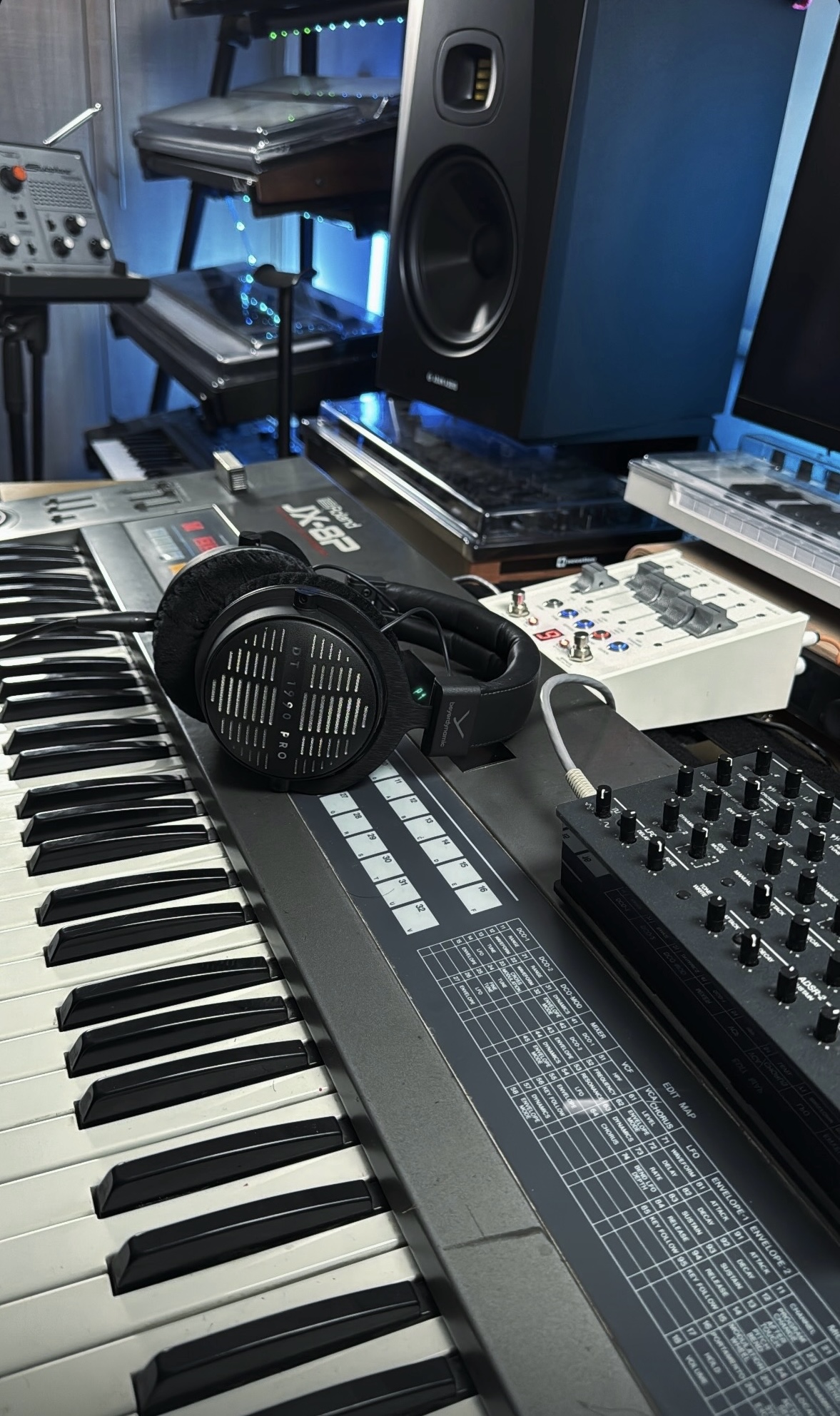
Show us your current studio
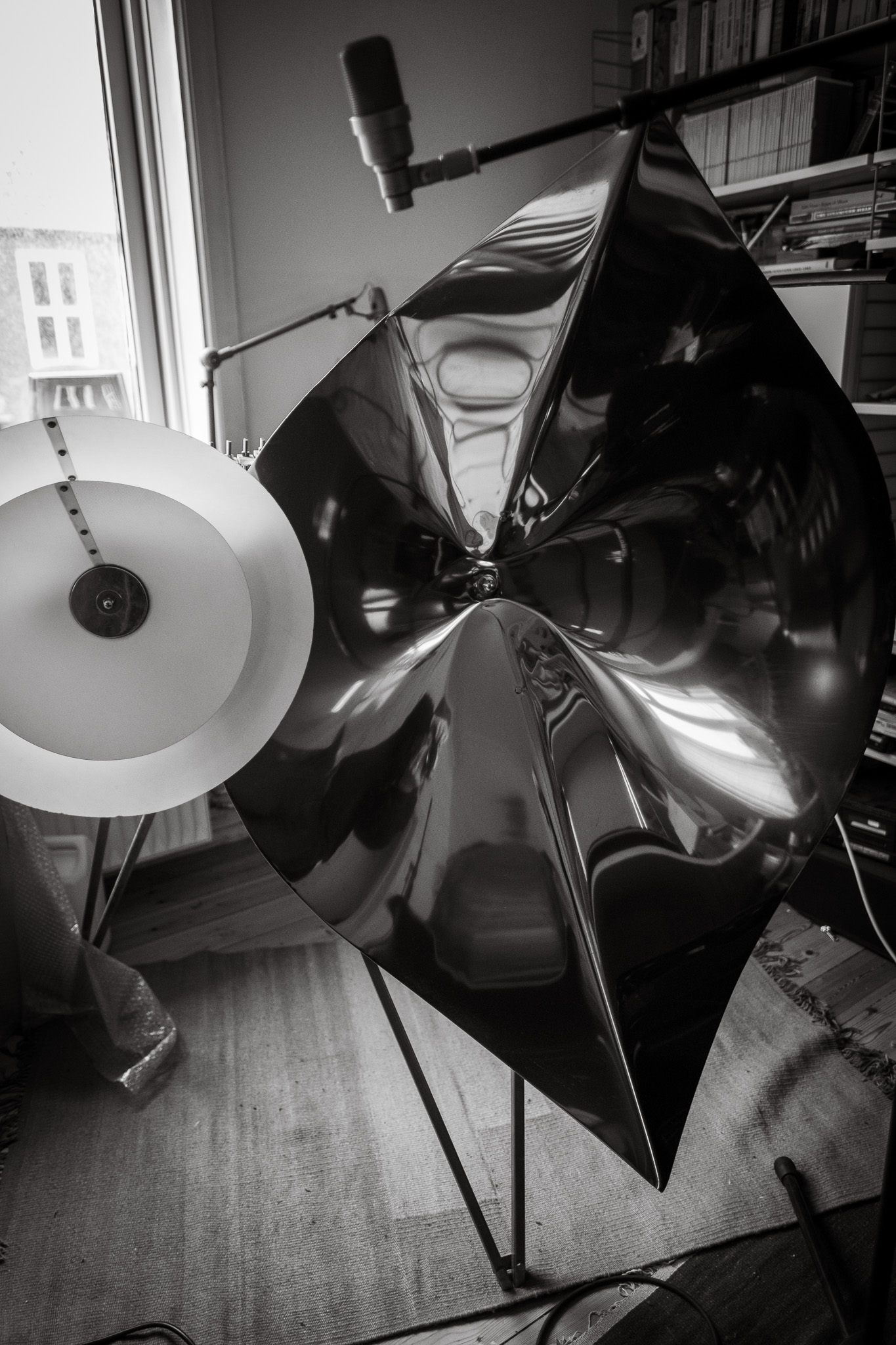
Best creative advice that you’ve ever heard?
Music is a way of being present in the world, it’s banal to just call it work. All artists are participating in a conversation that spans more than just the contemporary. You’re putting yourself out there with your emotions. It’s one of the most daunting things I can think of.
To live a life in music is about keeping symmetry between being generous with one’s voice while keeping confident in oneself. It’s a marathon! The best advice I’ve heard is that you’re never alone. All of your colleagues are experiencing similar feelings and challenges. Relations are possibly the most formative and important thing for a person in life and as life can be overwhelming at times, what you lean into besides music is crucial – And you can forget that when you’re on top of the world!
I will go as far as to say, that music, in the end, is never really about music. It’s about everything else. The conversations we have, the films and books that inspire us, dinners, politics, travels, curiosity about other people, friends and family, a good feeling of self and epiphanies late at night; That’s the stuff!
… and that’s a beautiful thing.
Promote your latest thing… Go ahead, throw us a link.
Listen to Mike Sheridan’s work here on Spotify and his latest album Touch here on Bandcamp