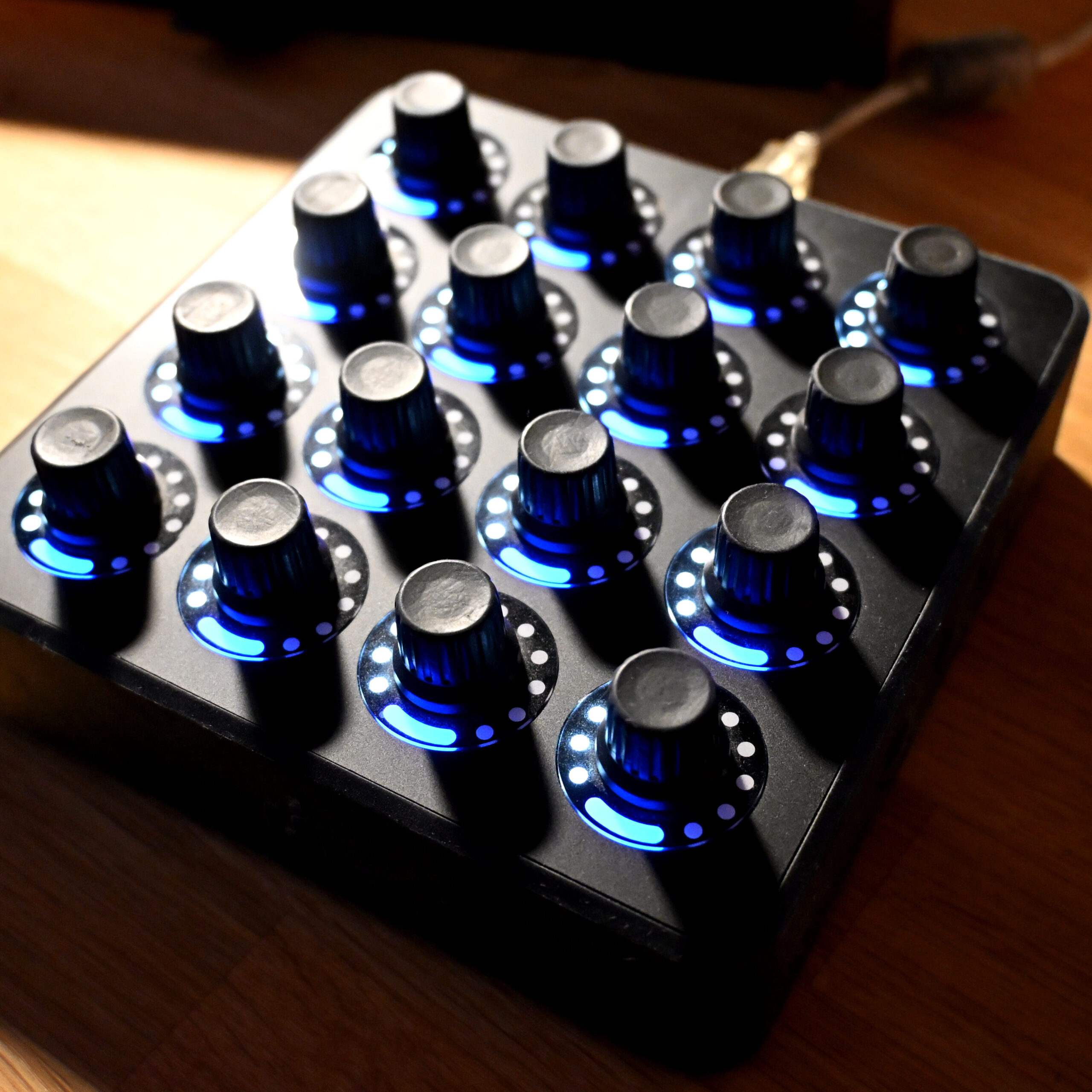
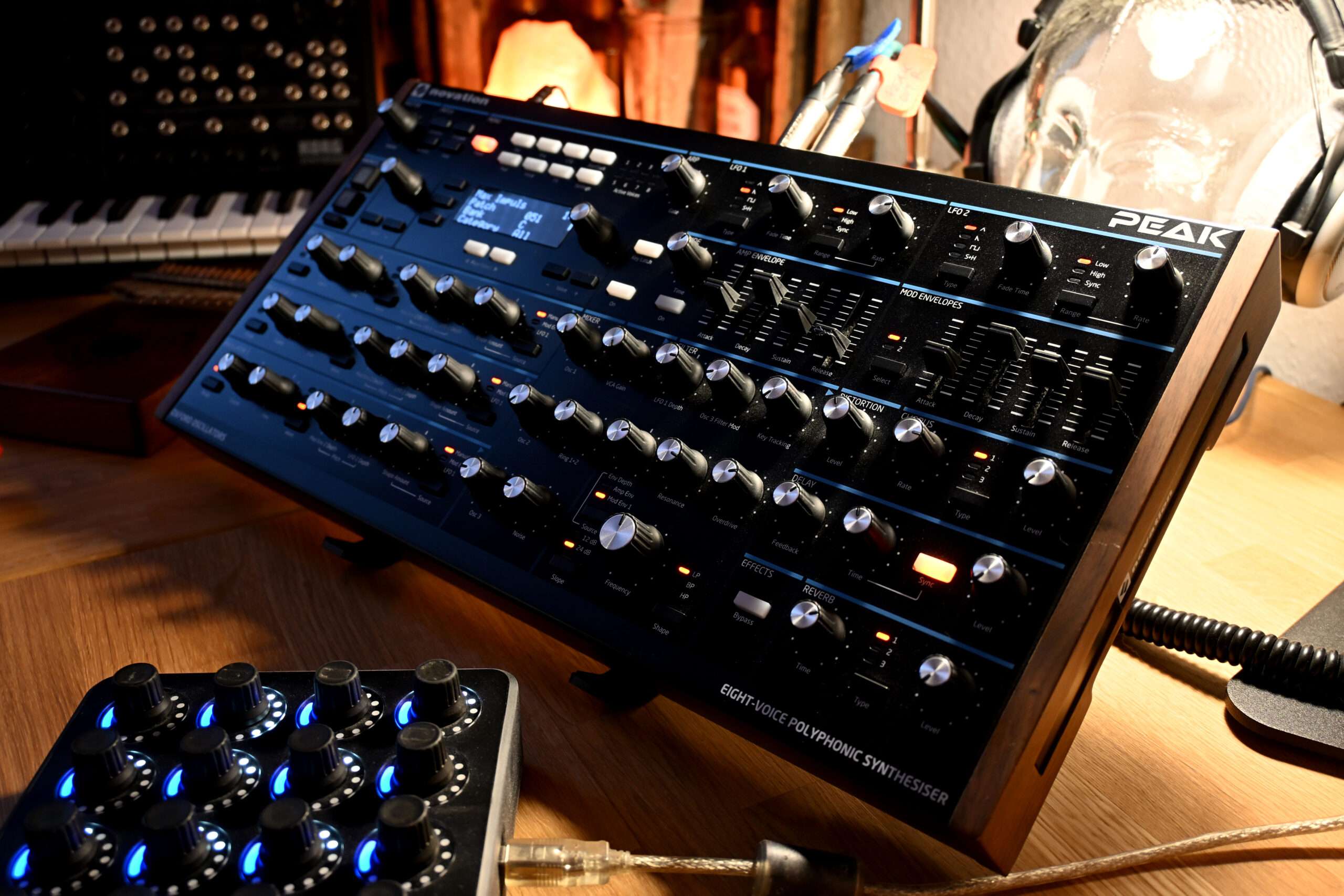
1. Favourite knob or fader or switch on a piece of gear and why?
At the moment, it is the morph knob on the NINA by Melbourne Instruments. I love being able to move between two different synth sounds with one control. I can go from a wide, spacious pad to a lead sound just by turning that knob.
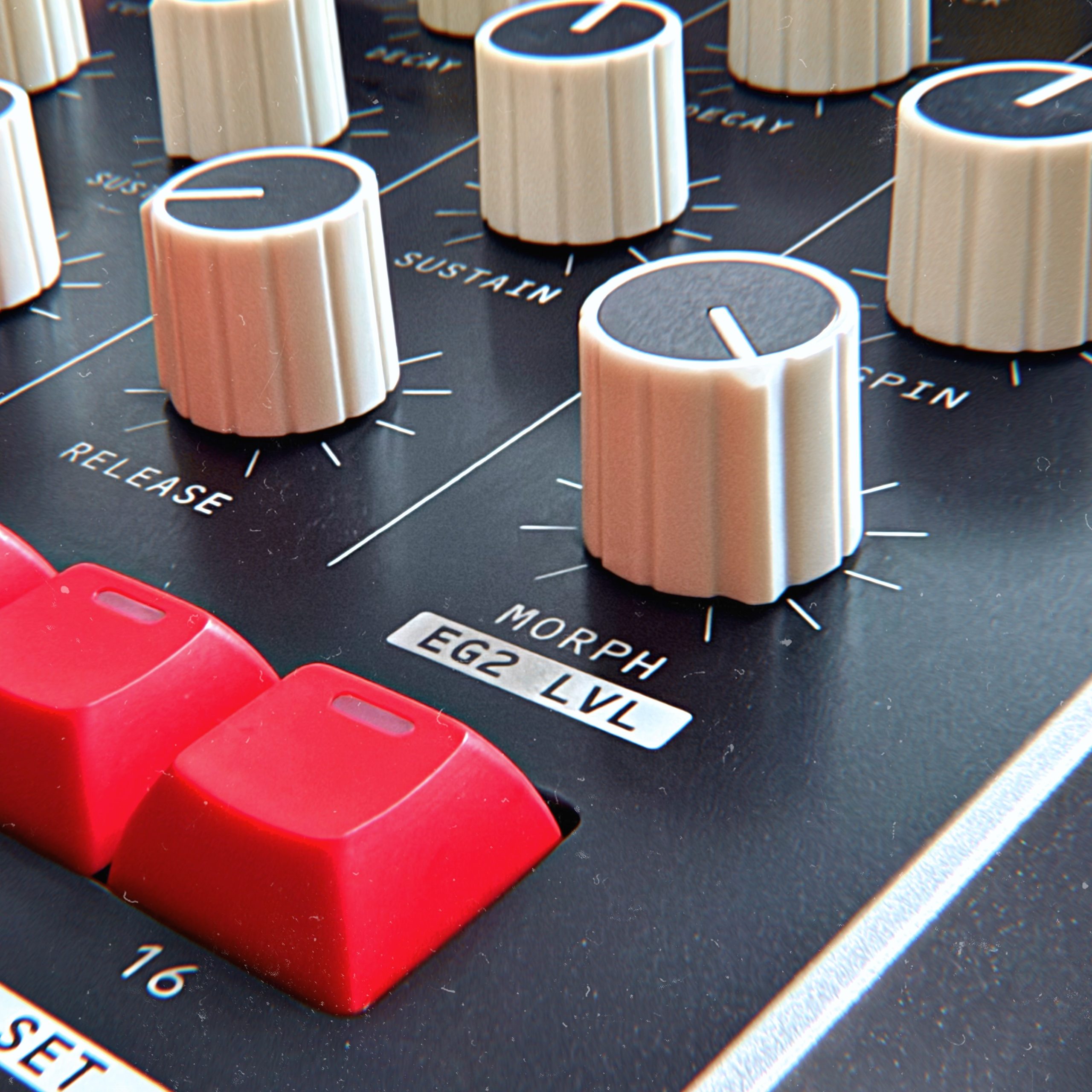
It is useful for sound design, but it is also fun to play. Sometimes the most interesting sound is somewhere between the two settings, and I would probably never find it, if I were programming everything one parameter at a time.
2. Do you have an ‘almost’ perfect bit of kit? What would you change?
My lunchbox setup is probably the closest thing I have to an almost-perfect sound recipe. I use it on the kick and bass in all my tracks to get that punchy, saturated low end I like.
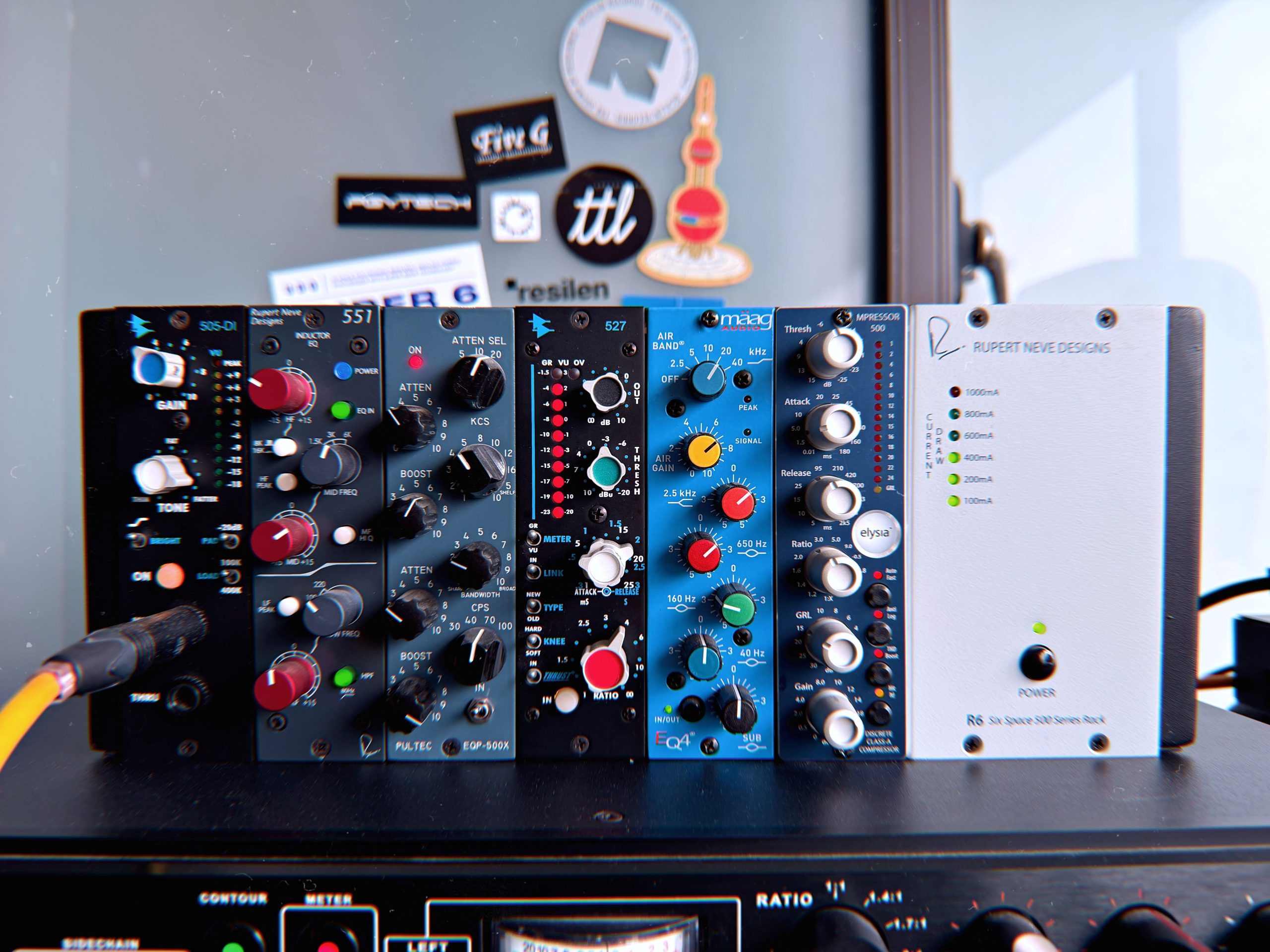
For the sound I am after at the moment, it does pretty much everything I need. I cannot point to something I urgently want to change, although that does not stop me from lusting after an original rackmount Pultec. There is always something else on the wish list.
3. What setup do you bring on holiday or tour or commute etc.?
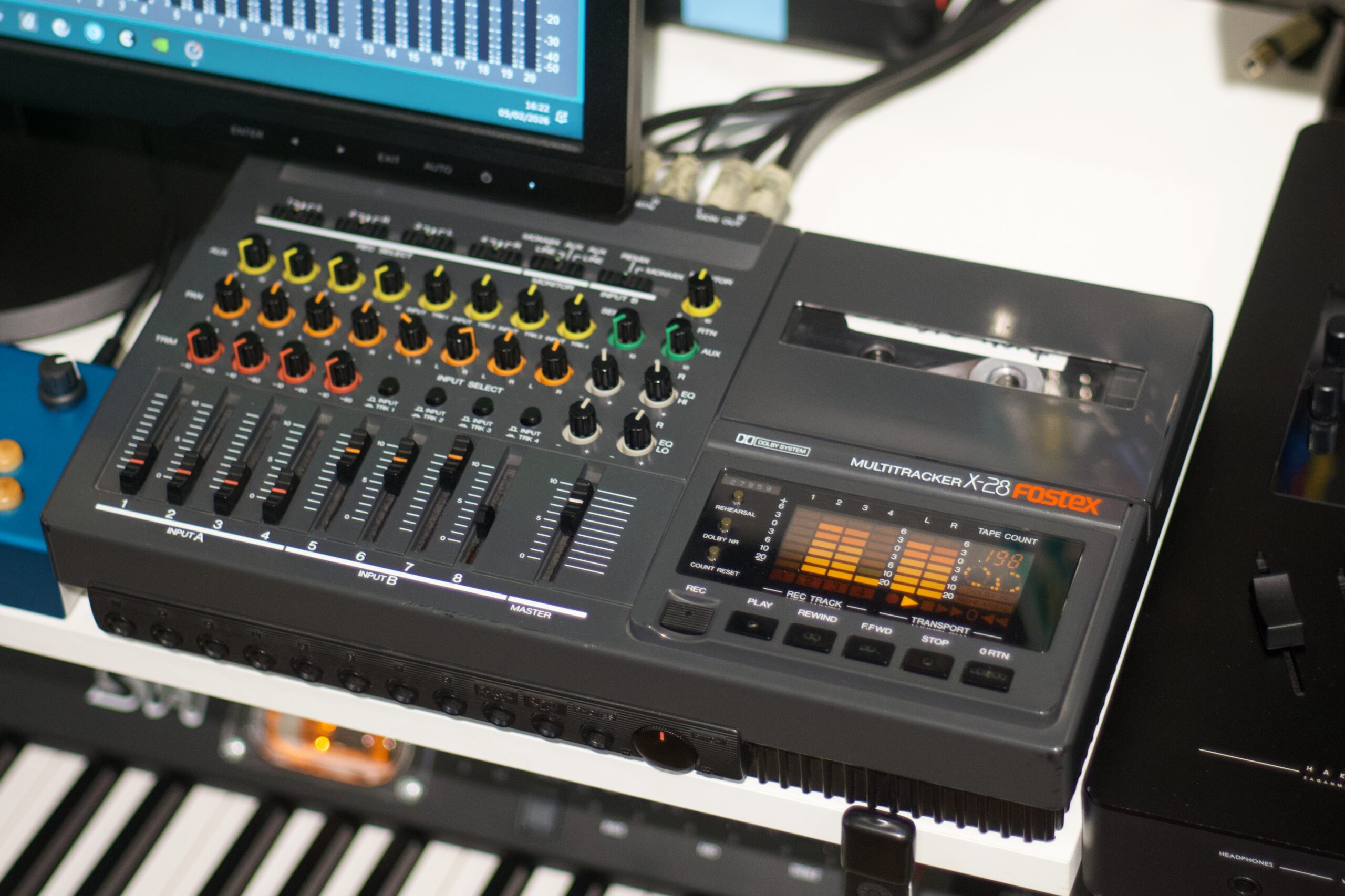
If I am trying to travel light, I bring my standalone Push 3 and a cassette recorder. That is usually enough to capture an idea without taking half the studio with me.
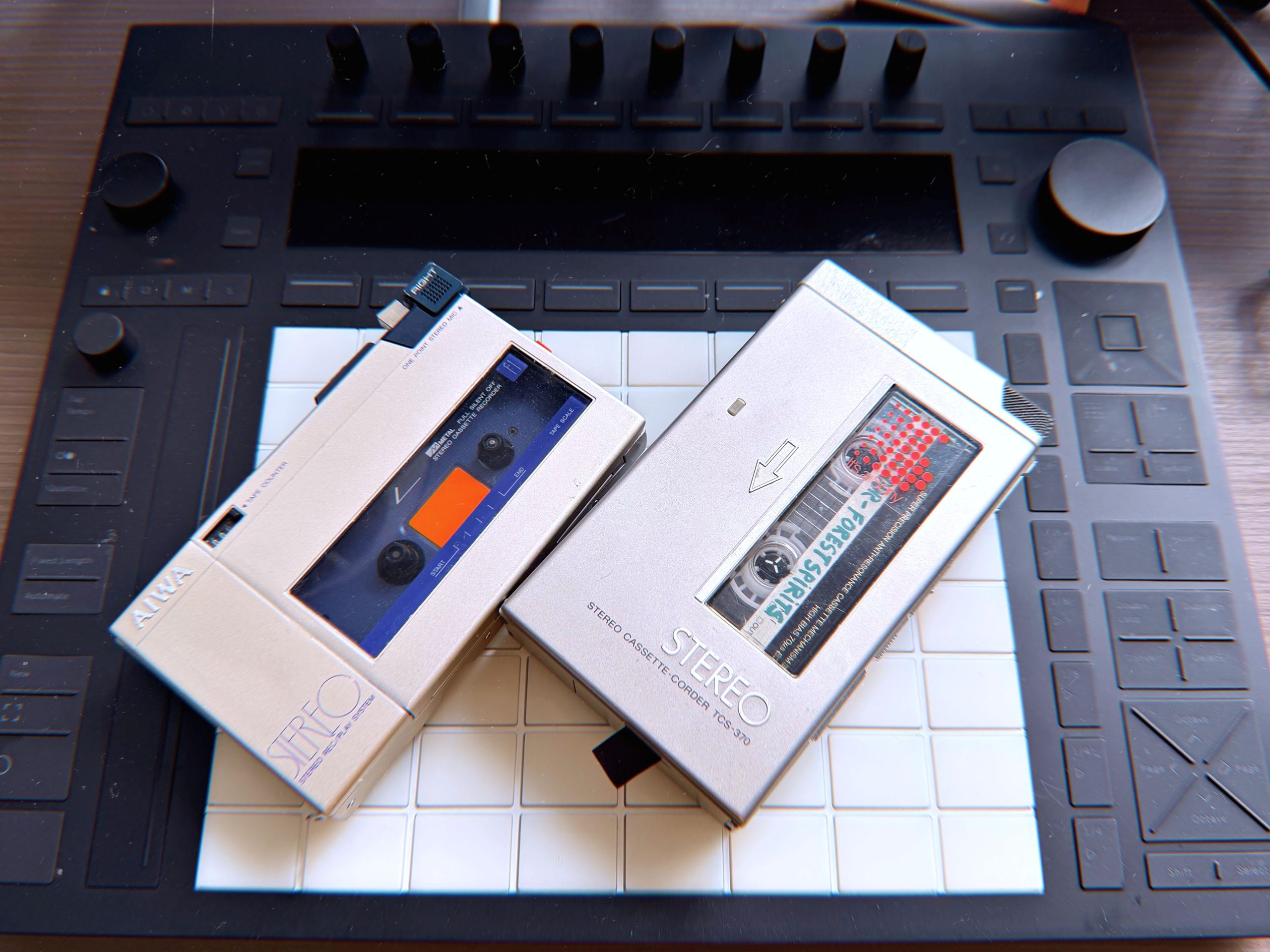
I record sounds that catch my attention or capture the mood of a place, then bring them into the Push and start layering, chopping and sketching. I do not necessarily try to finish anything while I am away. I just want to catch the feeling while it is still fresh and give myself something to develop later.
4. What software do you wish was hardware and vice versa?
That is a tough one because I do not use much software or many VSTs in my current workflow. Rather than turning one particular plug-in into hardware, I would wish for my ideal granular synthesizer and sampler combined in one very compact machine.
I would want something I could take anywhere, record straight into and use to turn a small sound into the beginning of a track. Basically, a little box that lets me get lost in sound without needing to open a laptop.
5. Is there anything you regret selling… or regret buying?
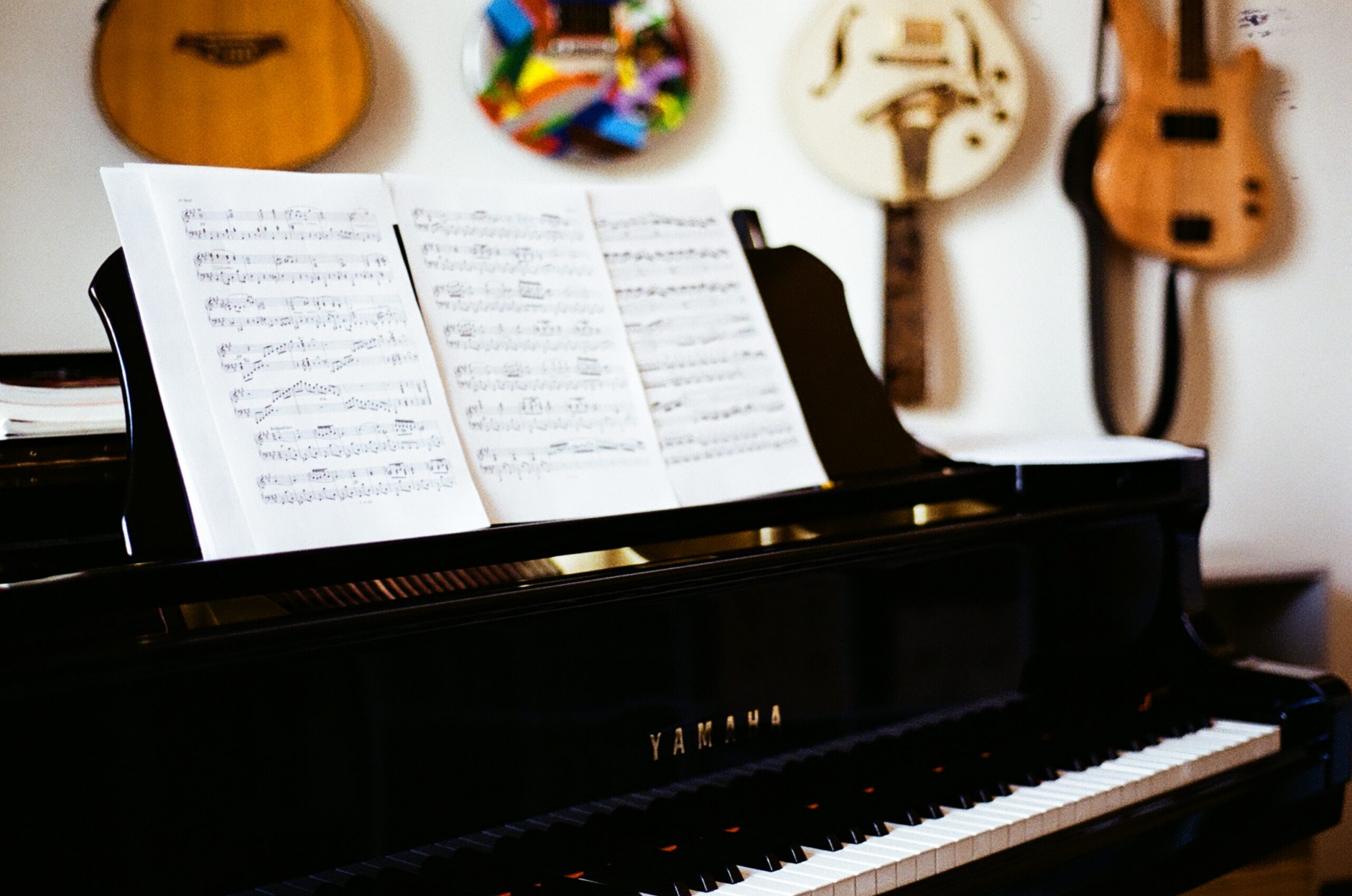
I regret selling my Yamaha NS-10s. I spent quite a while finding a pair in good working condition, but I was still early in my production journey and struggled to make anything sound good on them. Eventually, I sold them.
Looking back, one of my best mixes was made with their help. I think I appreciate what they were doing for me much more now than I did at the time.
As for things I regret buying, we probably should not open that conversation. There are far too many.
6. What gear has inspired you to produce the most music?
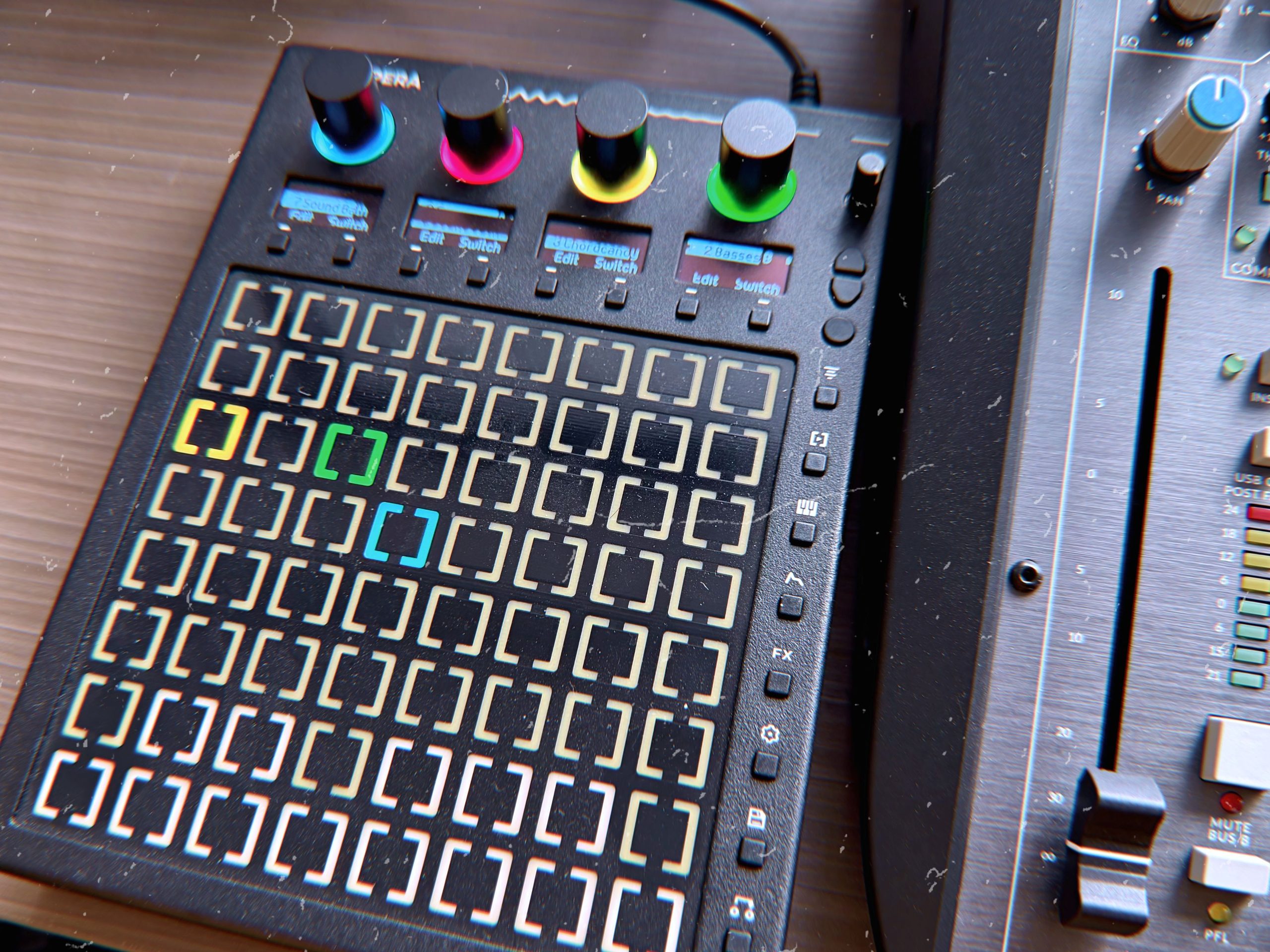
Lately, it has been the Tempera by Beetlecrab Audio. It is one of those devices that helps me find an atmosphere, before I have even decided what kind of track I am making
Once I have that initial texture or mood, it becomes much easier to hear where a melody or drum pattern might go. I like equipment that gives me a starting point rather than making me feel I need a fully formed idea before I switch it on.
7. If you had to start over, what would you get first?
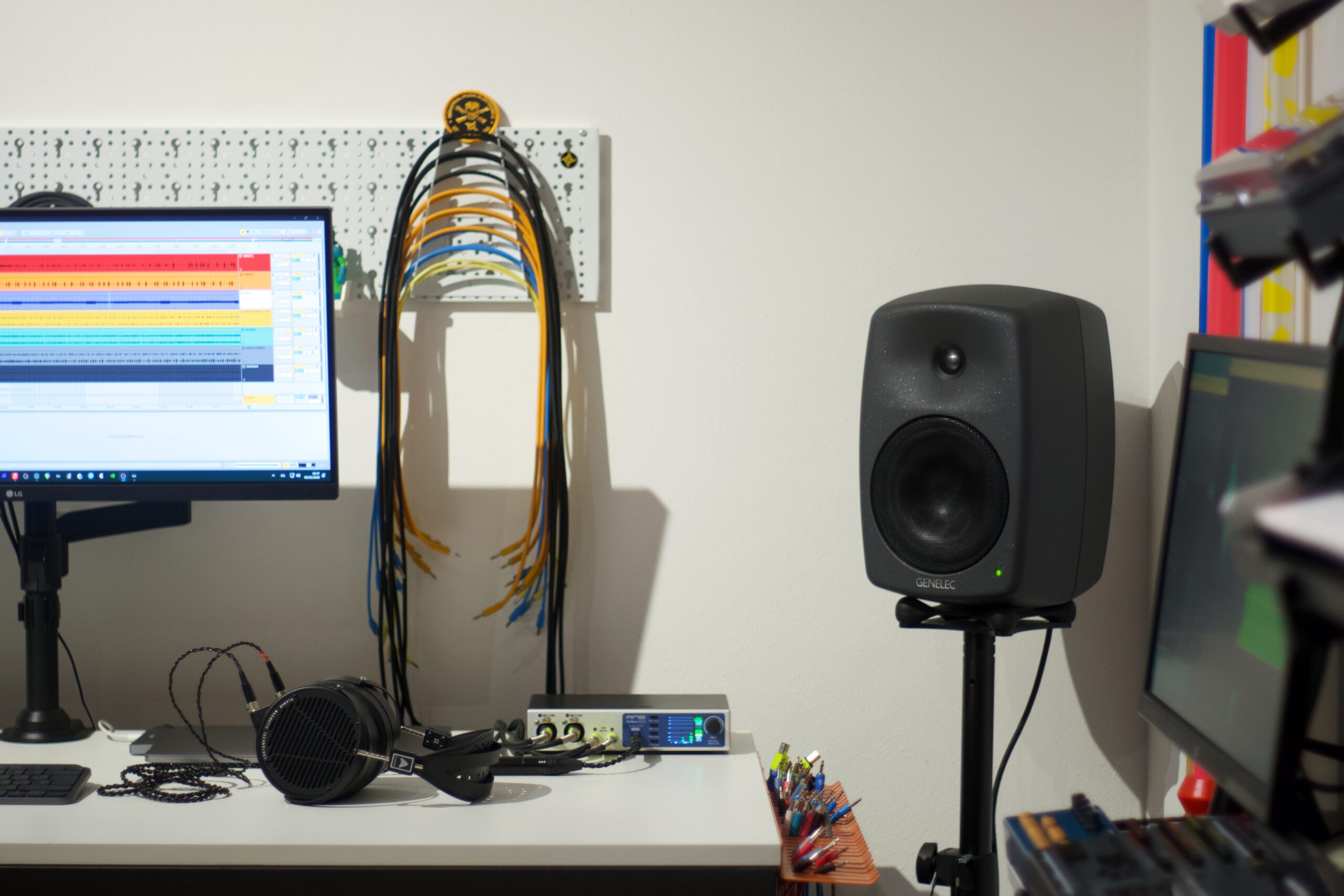
I would invest in a really good audio interface, something like an RME Fireface, and the best pair of Audeze headphones I could afford.
I would put more money into being able to hear what I am doing before buying lots of instruments and processors. Knowing what I know now, I think that would have saved me a lot of time, money and second-guessing.
8. What’s the most annoying piece of gear you have, that you just
can’t live without?
Patchbays! I suspect quite a few people with hardware-heavy studios will understand that answer.
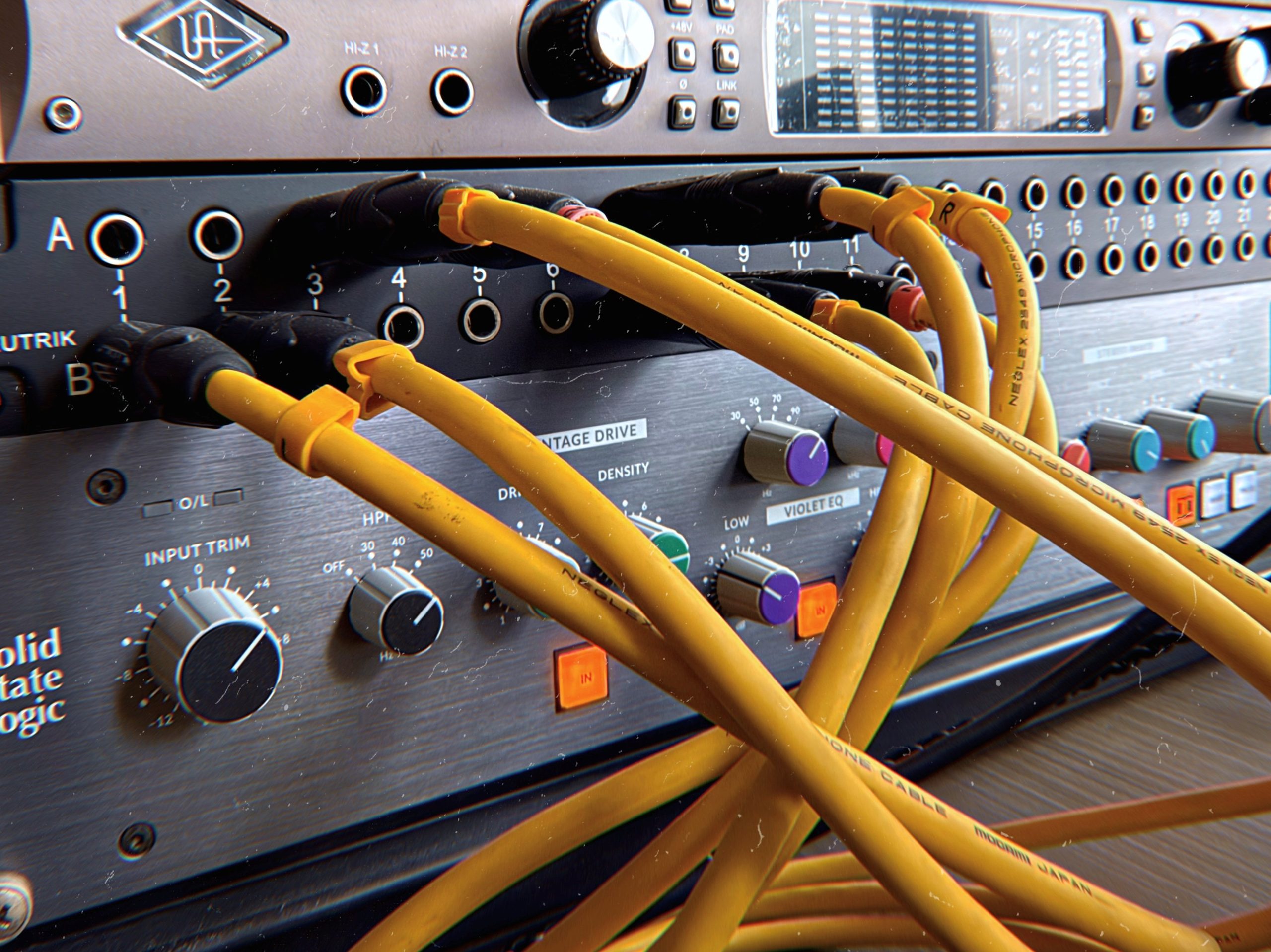
I love the flexibility they give me, but keeping track of the routing and working out why something is not coming through can test my patience. They make life easier right up until the moment they make it more complicated.
I have been curious about the newer computer-controlled patchbay systems, but I have not had a chance to try one yet. For now, I am still doing it the hands-on way.
9. Most surprising tip or trick or technique that you’ve discovered
about a bit of kit?
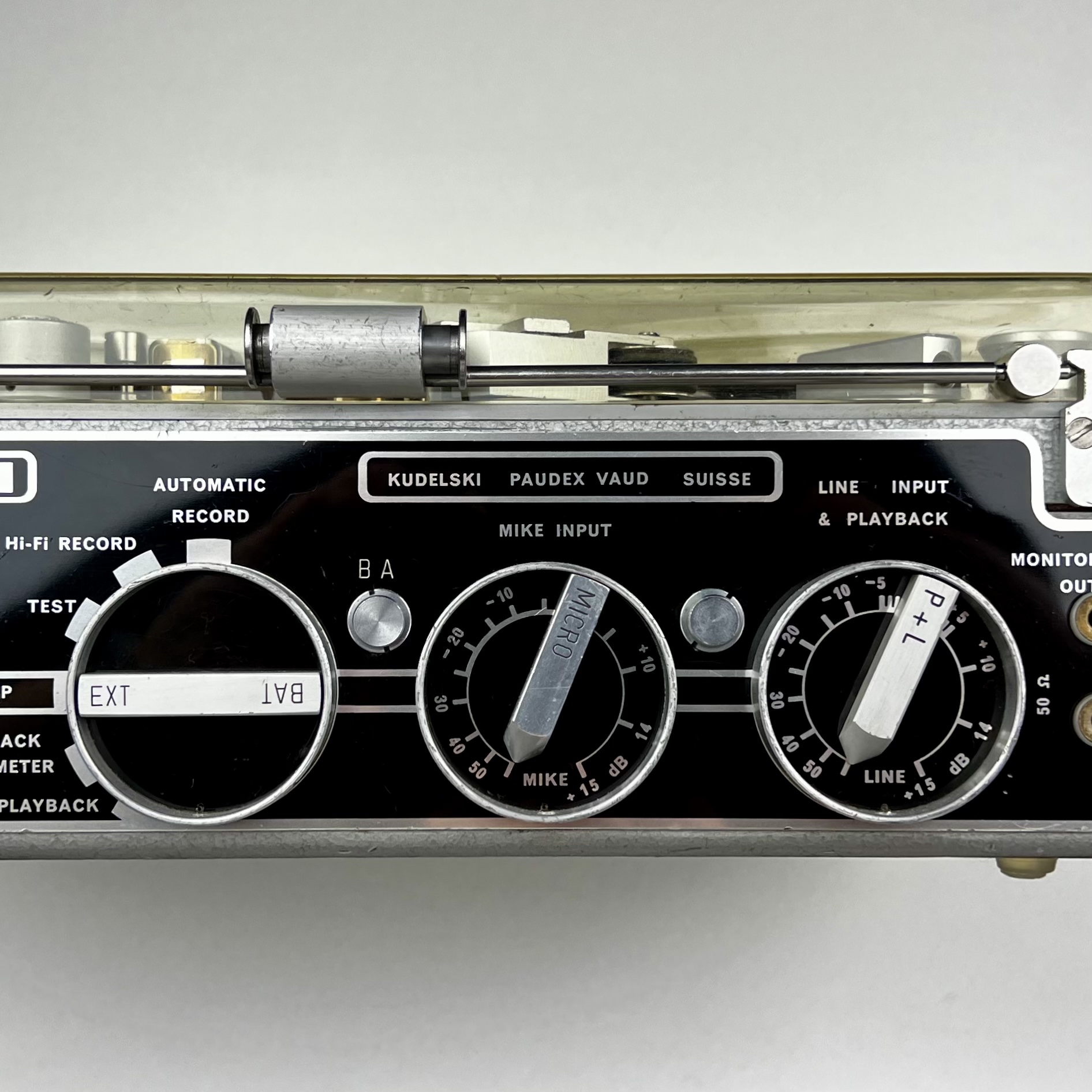
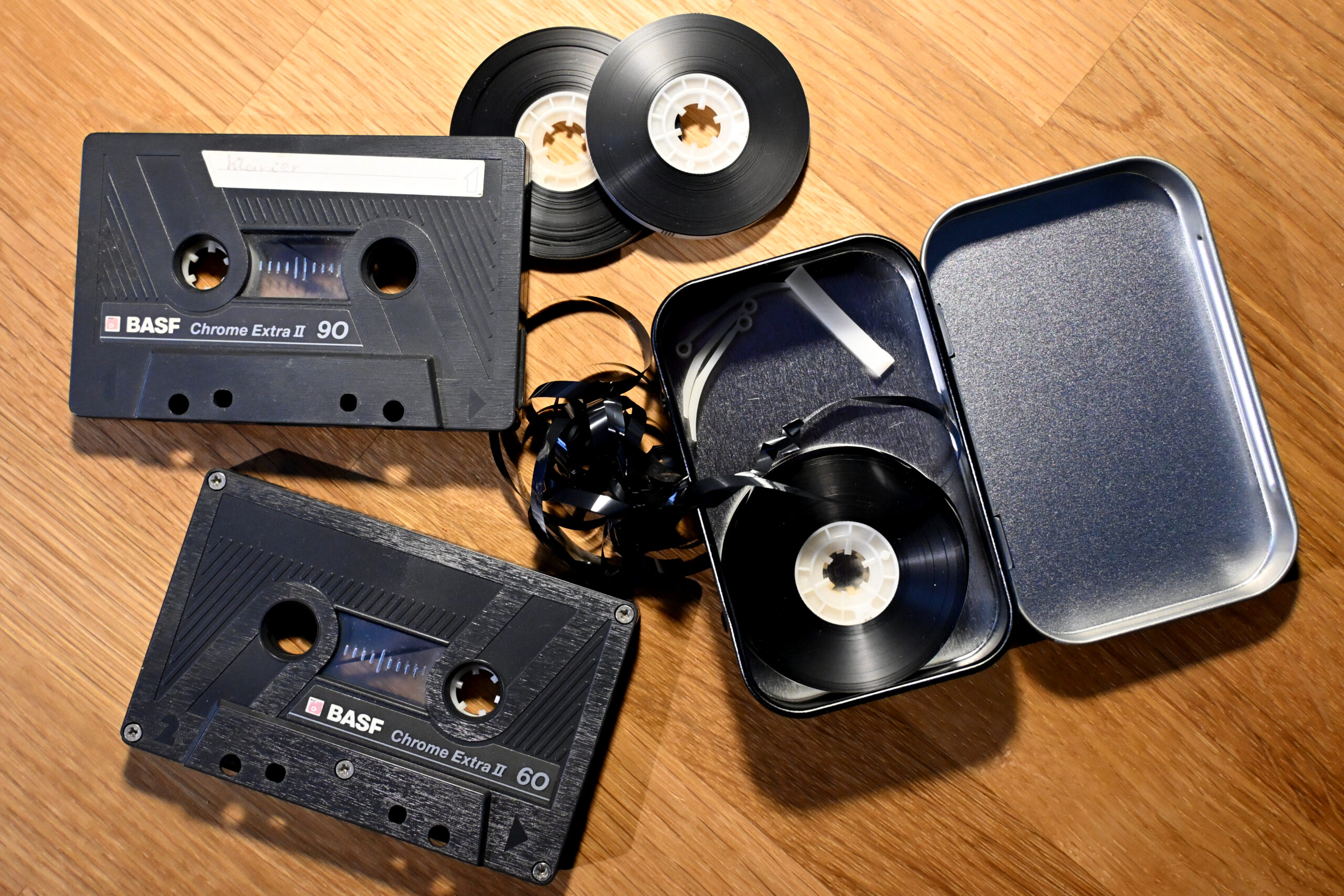
One of my favourite little discoveries came from experimenting with kicks on cassette.
Some of my older Sony cassette machines have a speed control, so I record a kick fairly hot to tape and then slow it down slightly on playback.
I like the combination of that lower, stretched-out sound and the saturation from the recording. I then layer it underneath the original kick rather than replacing it entirely. The original keeps the attack, while the tape version adds weight and a rougher texture.
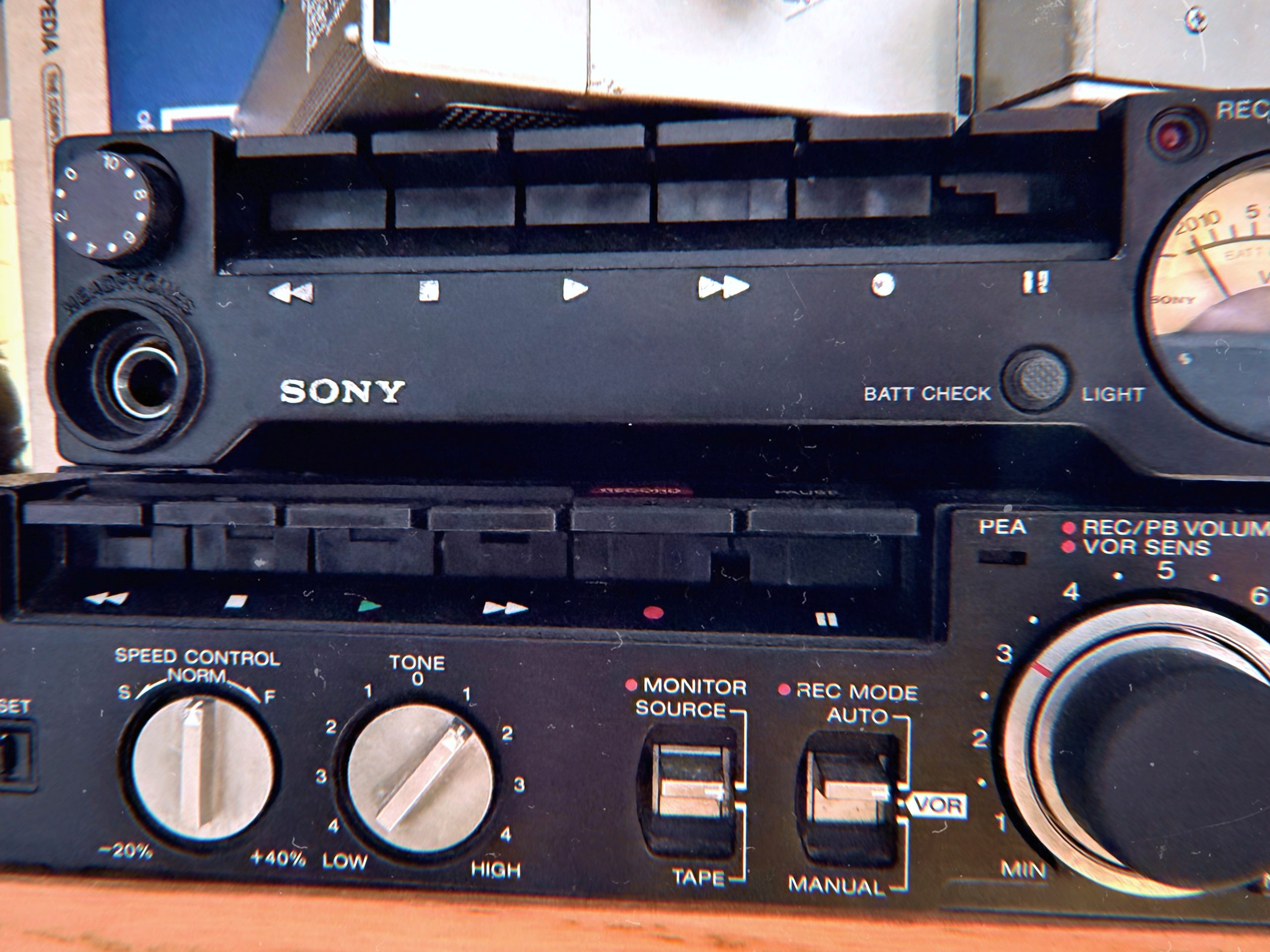
In my own experiments, I have particularly liked the results from older Type I and Type II cassettes. Different tapes and machines give me different results, so part of the fun is finding the combination that works for that particular kick.
Artist or Band name
Wandour
Genre
Ambient, Downtempo, Breakbeat, Melodic Techno
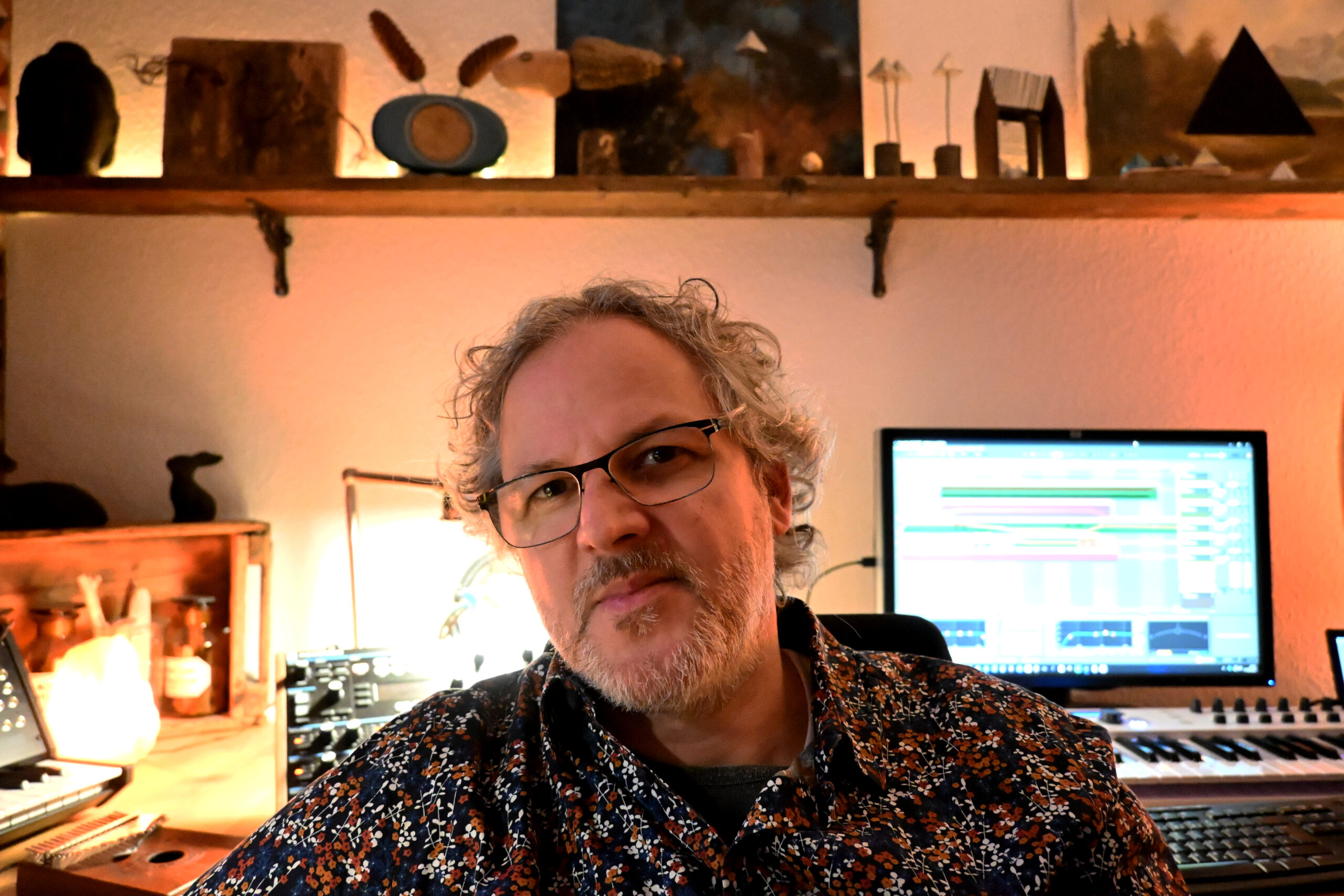
Selfie?
Where are you from?
Jakarta, Indonesia
How did you get into music?
I used to work in advertising as a producer, putting together the visual and audio elements behind the scenes. Initially, I was more focused on the visual side, but gradually I became increasingly interested in what the music was doing.
I started learning to make soundtracks to accompany the visuals rather than only choosing existing music. From there, I became curious about what would happen if the music did not have to serve an advert or fit someone else’s brief. That eventually led me to making full tracks of my own.
What still drives you to make music?
For me, making music is a way to step away from everyday life. Some people find that escape through travelling or going out. I find it by sitting down with sounds and building a world I can spend some time in.
I hope the music can offer something similar to other people. It does not have to take them to the same place it takes me. If it gives someone a little breathing room or lets them disappear into their own thoughts for a while, that means a lot.
How do you most often start a new track?
I usually start with a field recording that captures the feeling I want to explore. It gives me somewhere to begin, rather than staring at an empty project and trying to invent an atmosphere from nothing.
Then I might add a synth drone or a few layers of texture and listen to what feels right against it. Once that little environment starts to make sense, I build the rest of the track around it.
How do you know when a track is finished?
When I stop listening for mistakes and start enjoying the music. There is usually a point where I realise I have listened to the whole track without reaching for a control or making a mental list of changes. That is a good sign I should leave it alone. Otherwise, I can keep adjusting things long after I have stopped making them better.
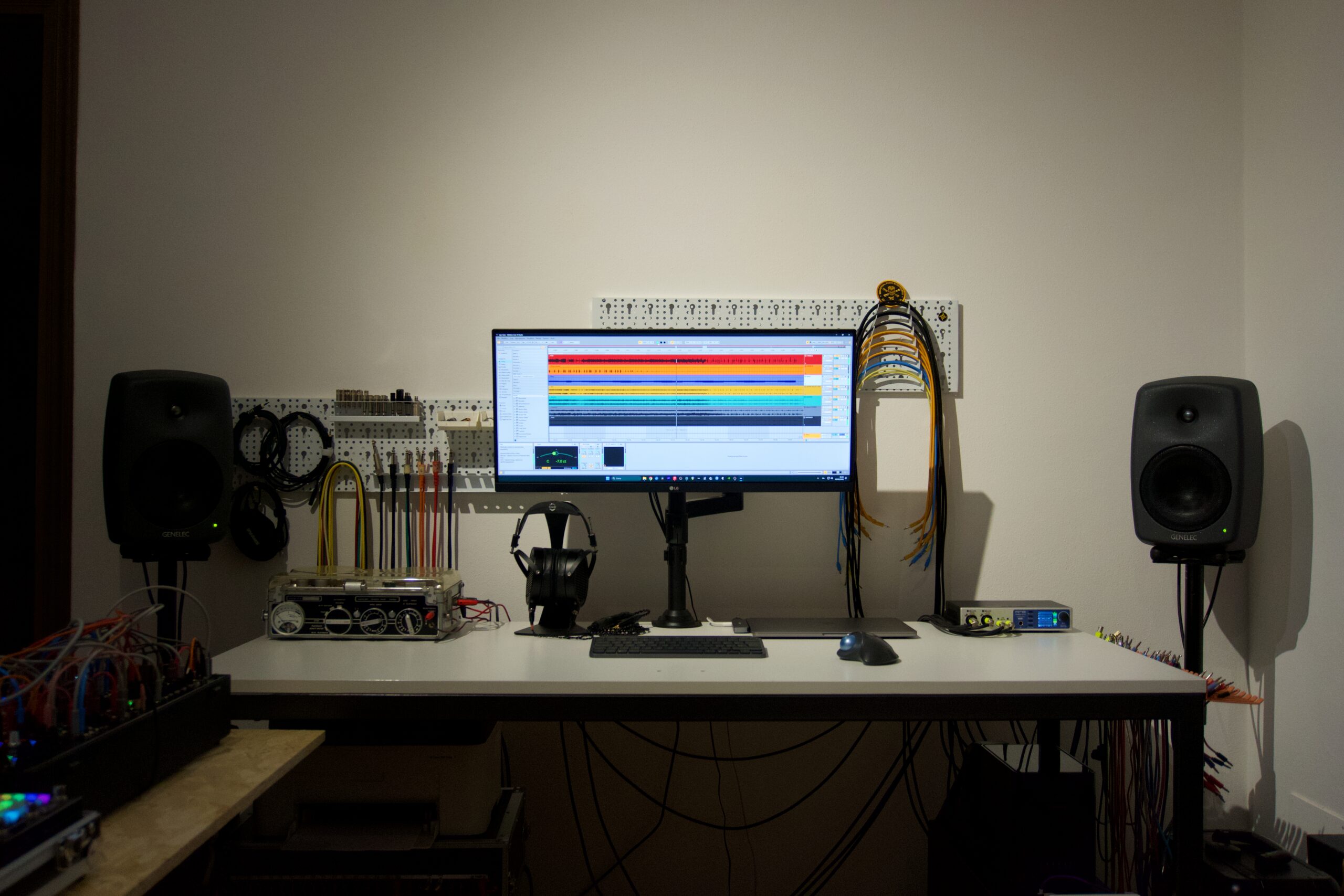
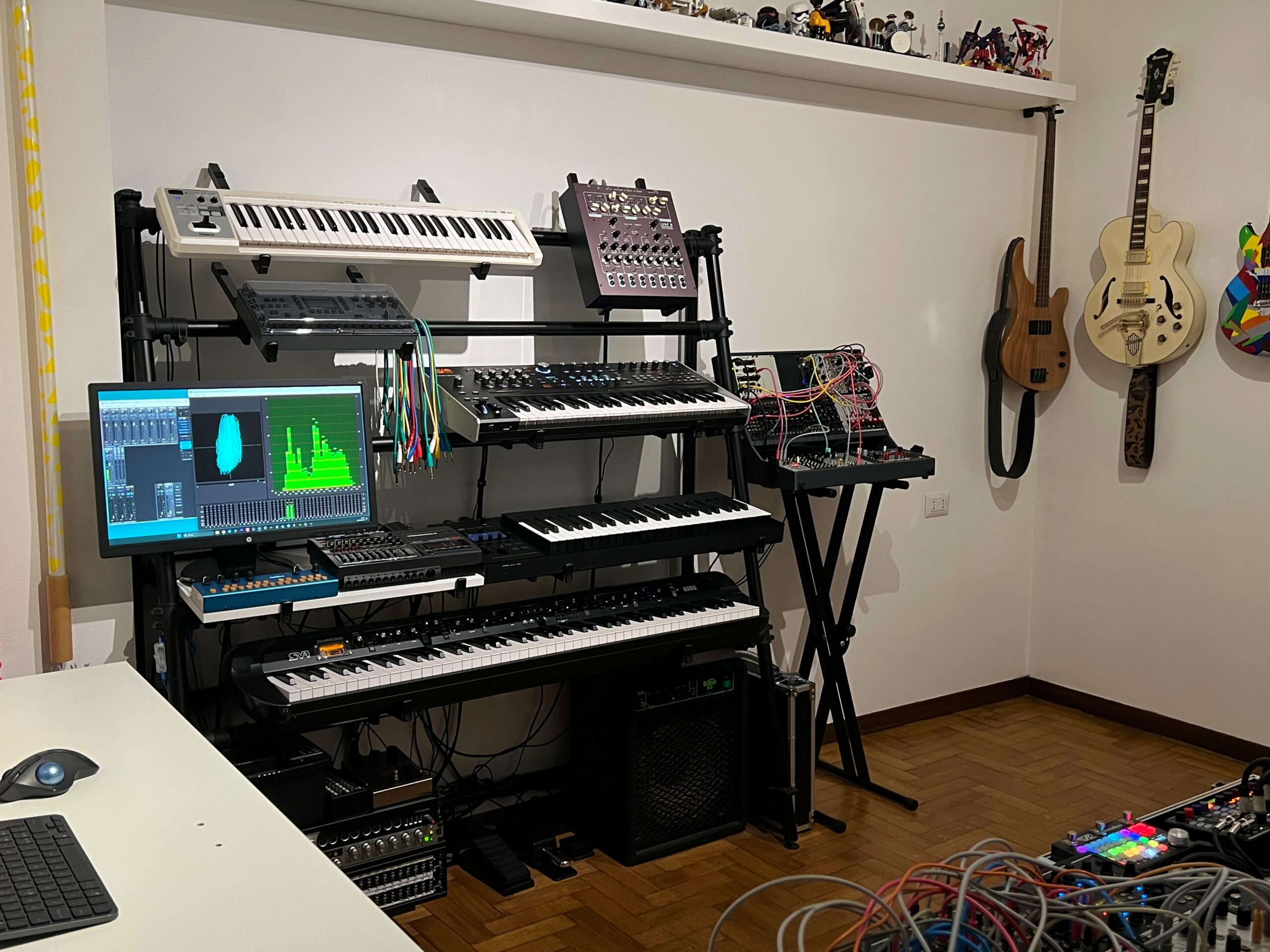
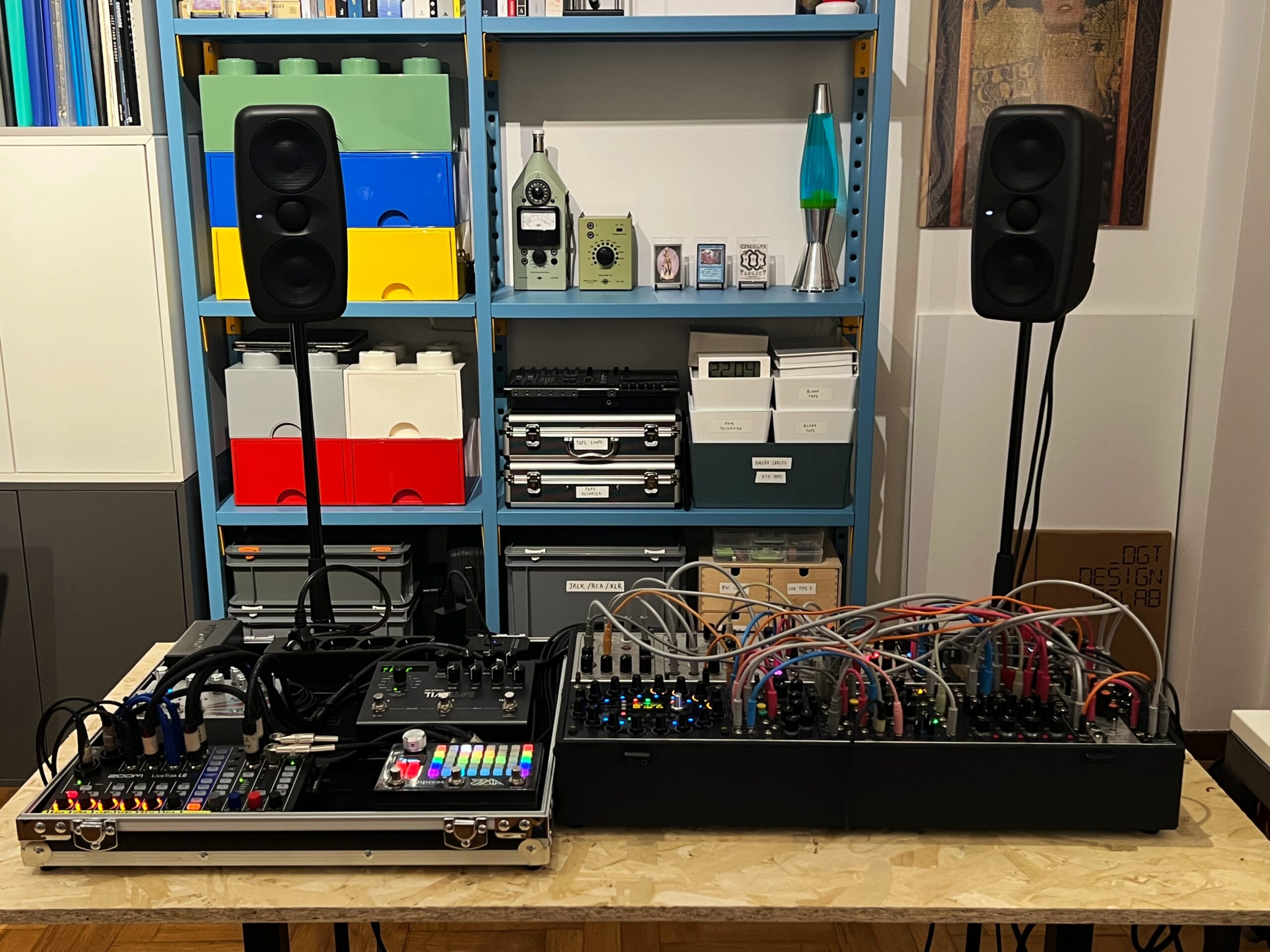
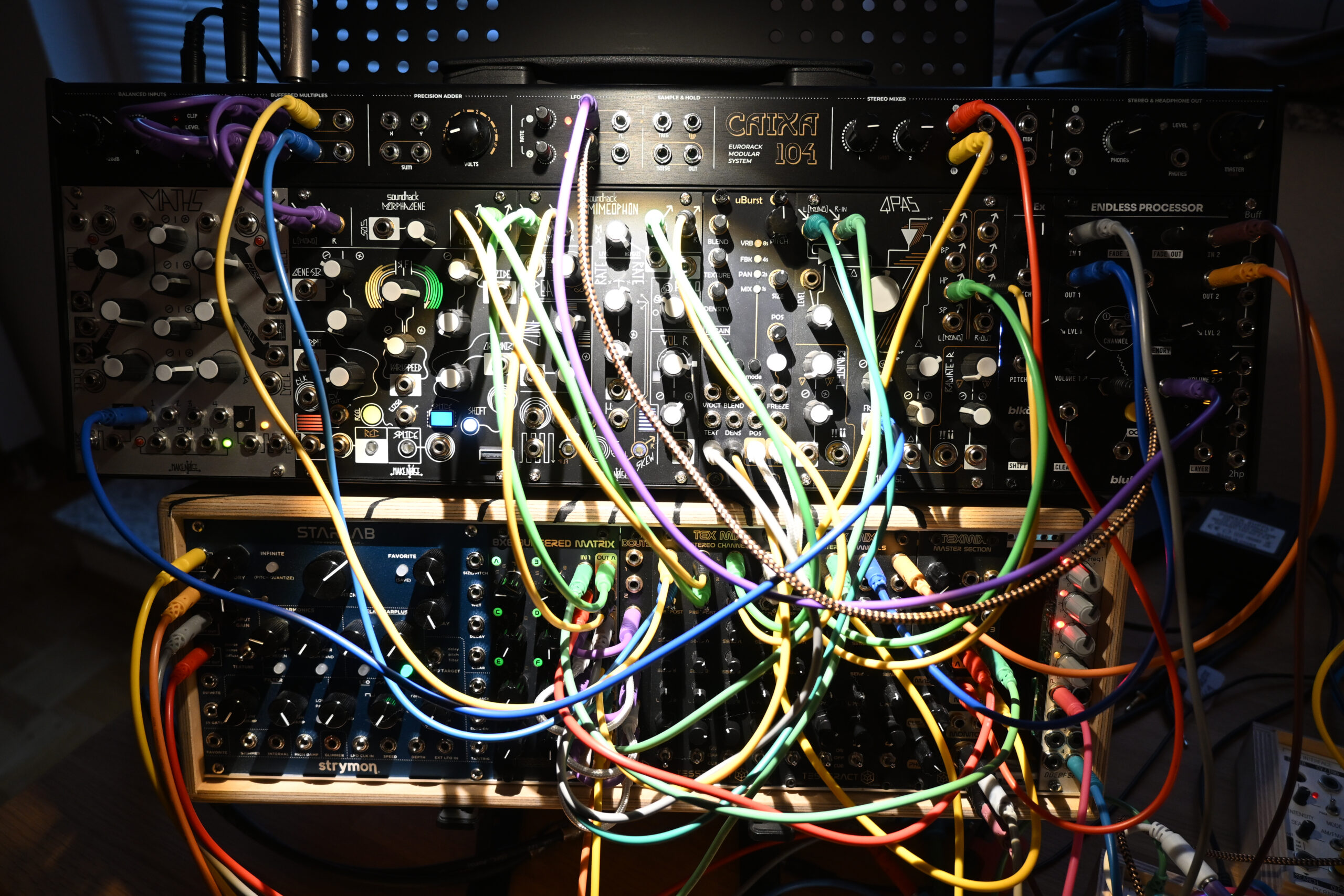
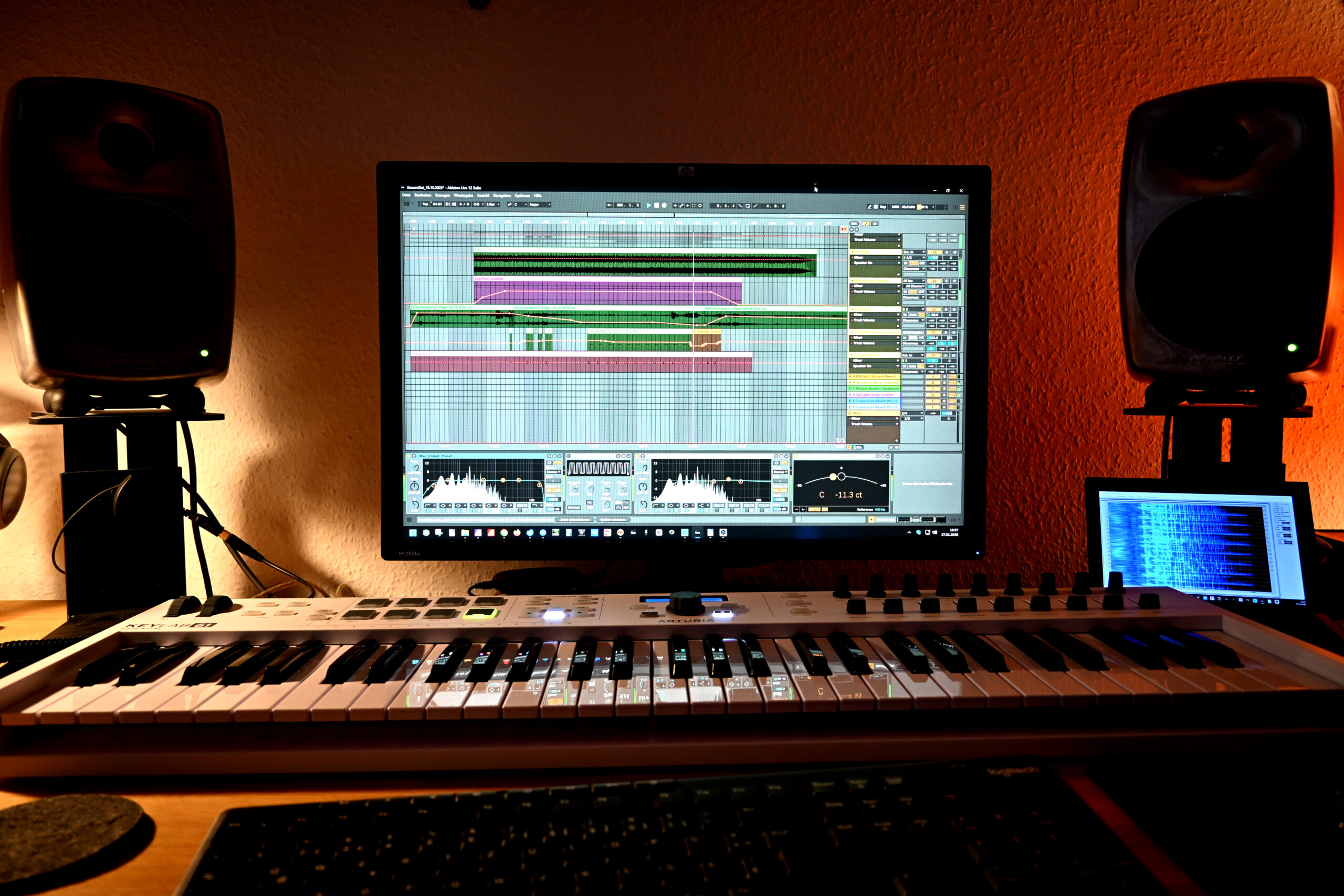
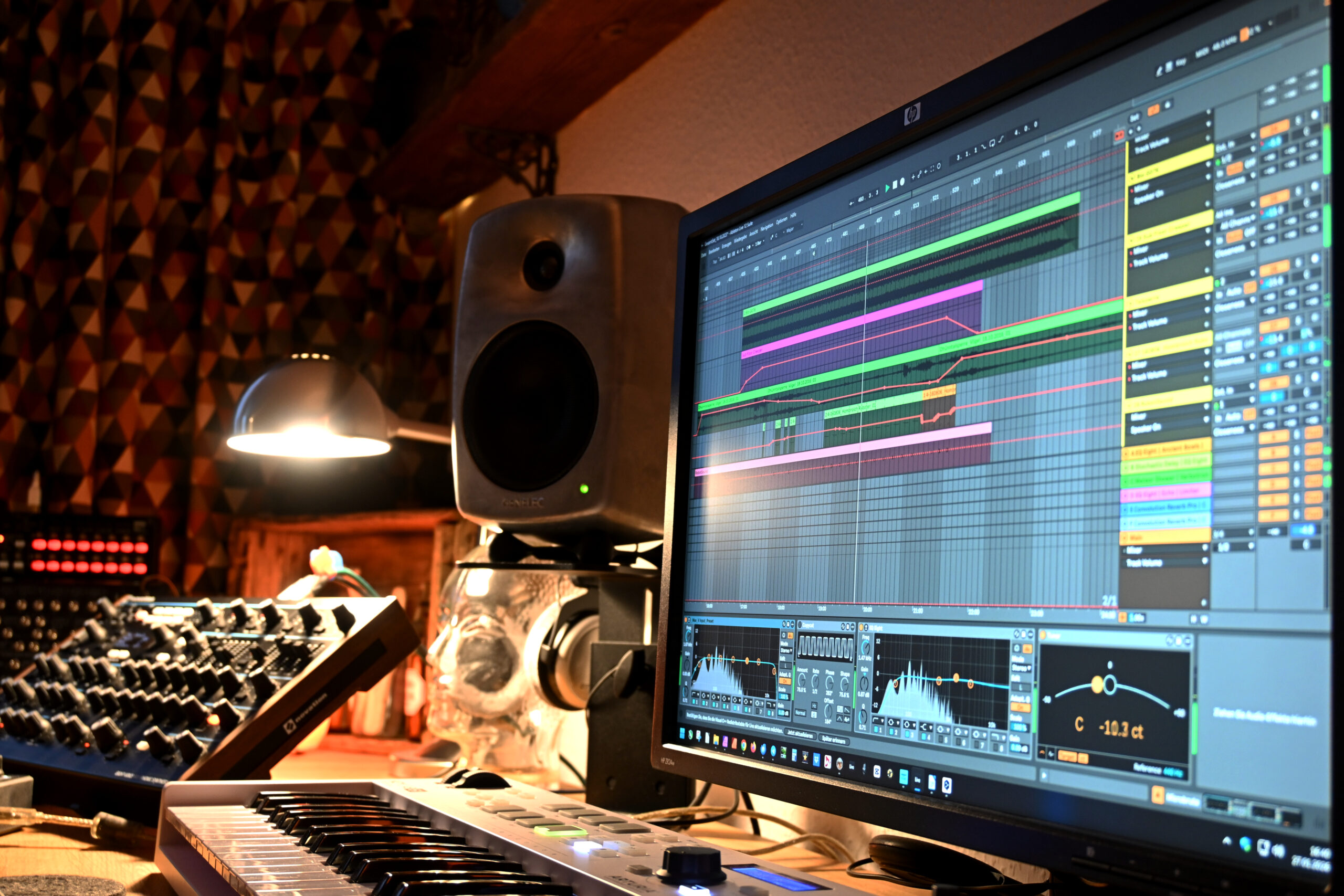
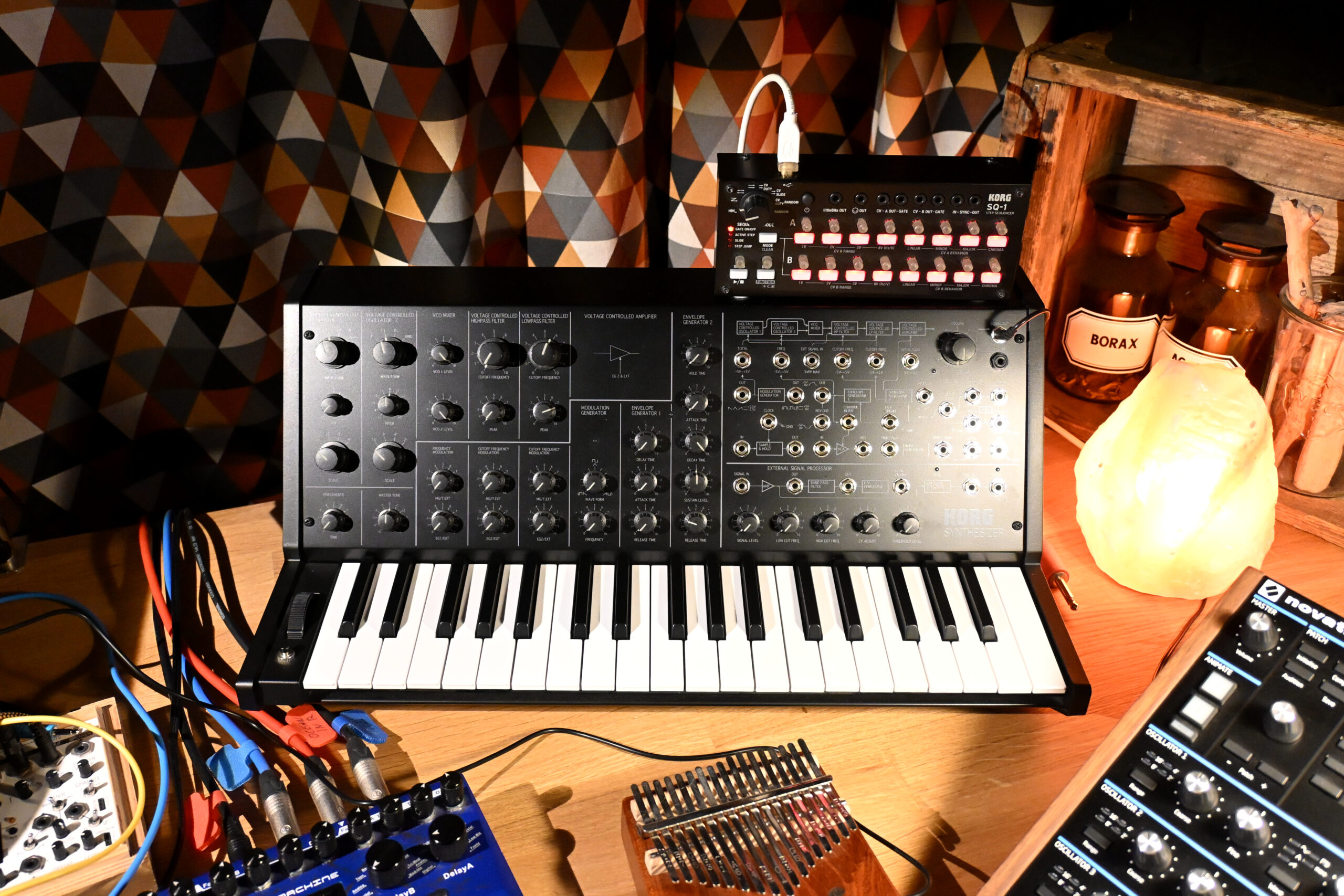
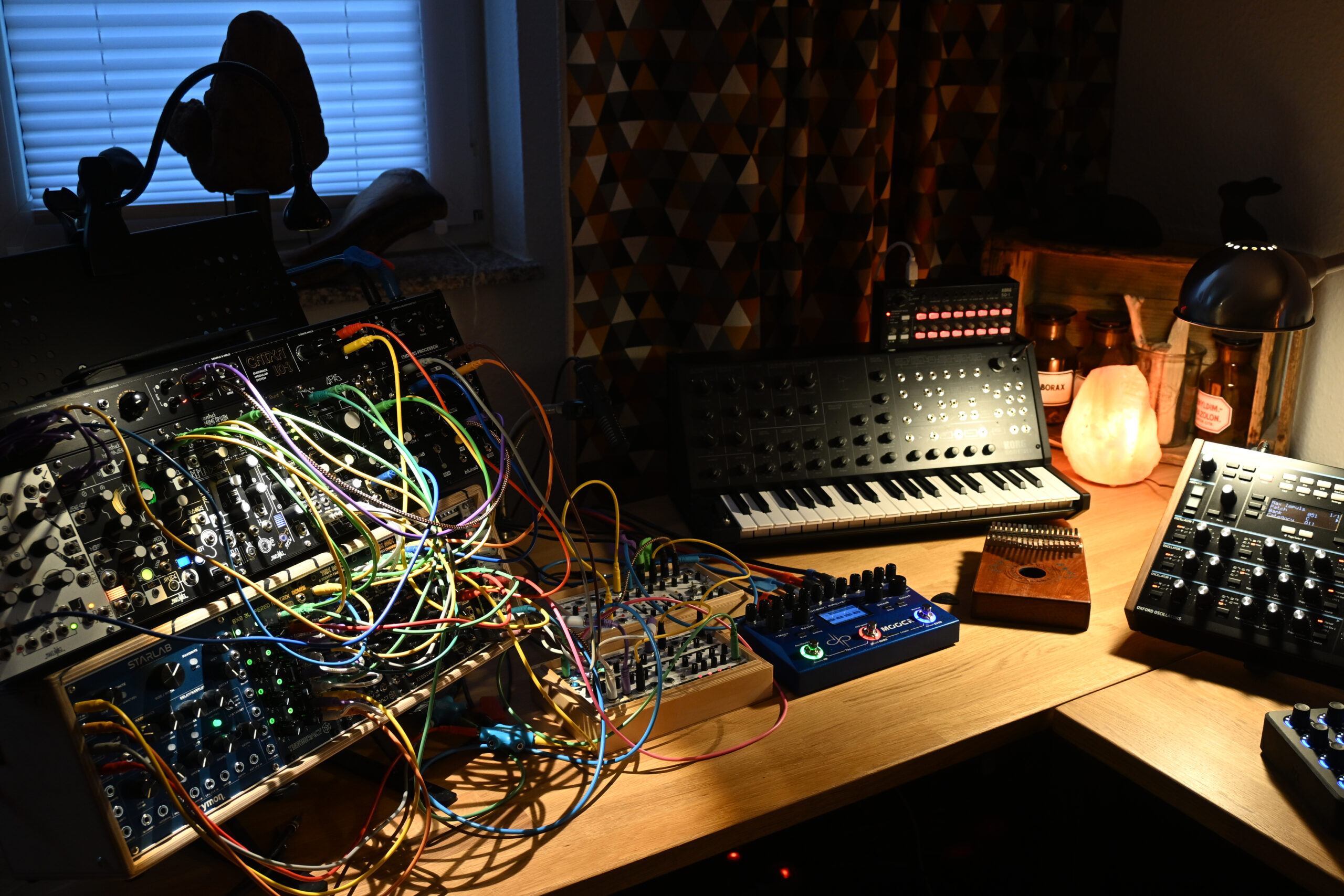
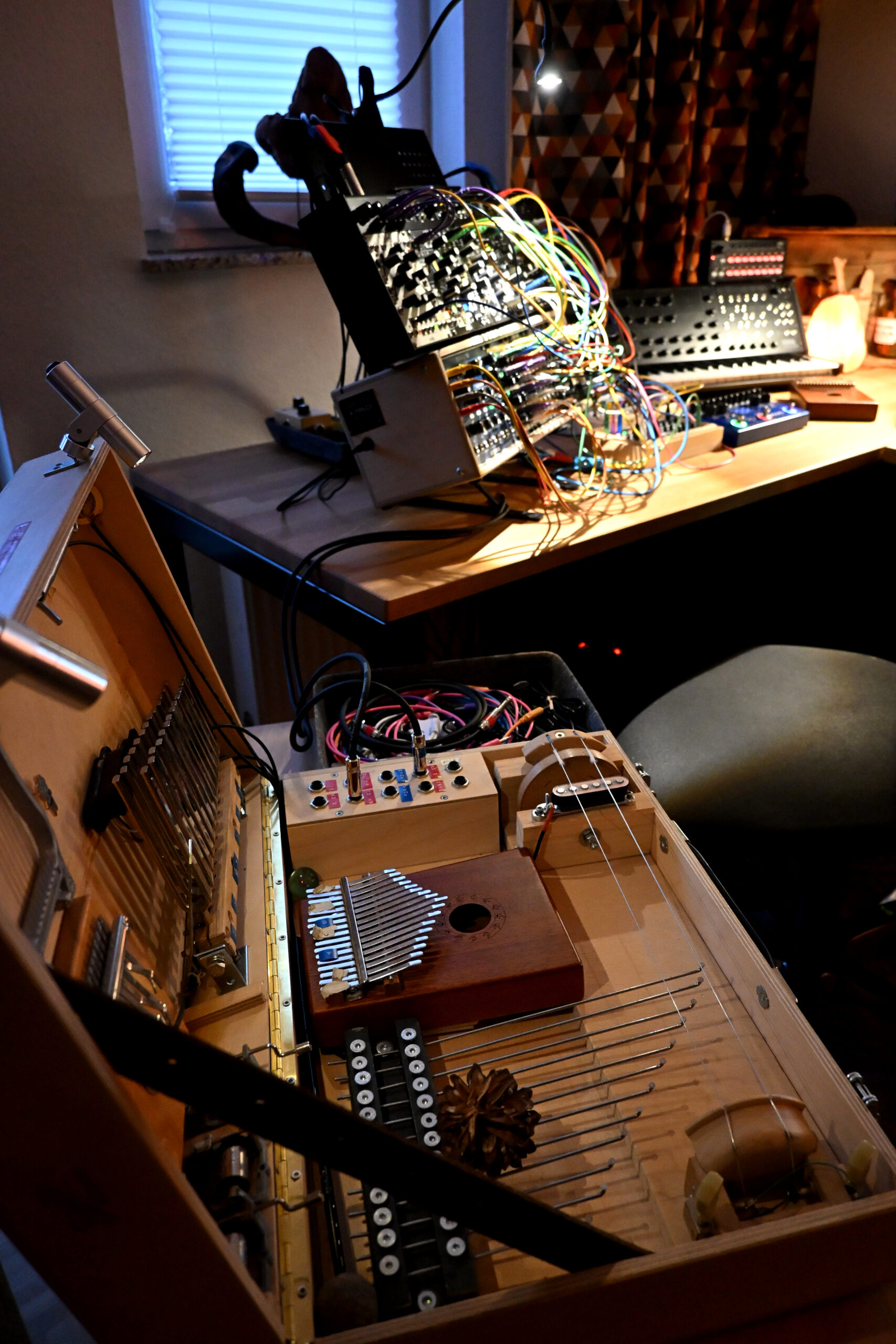
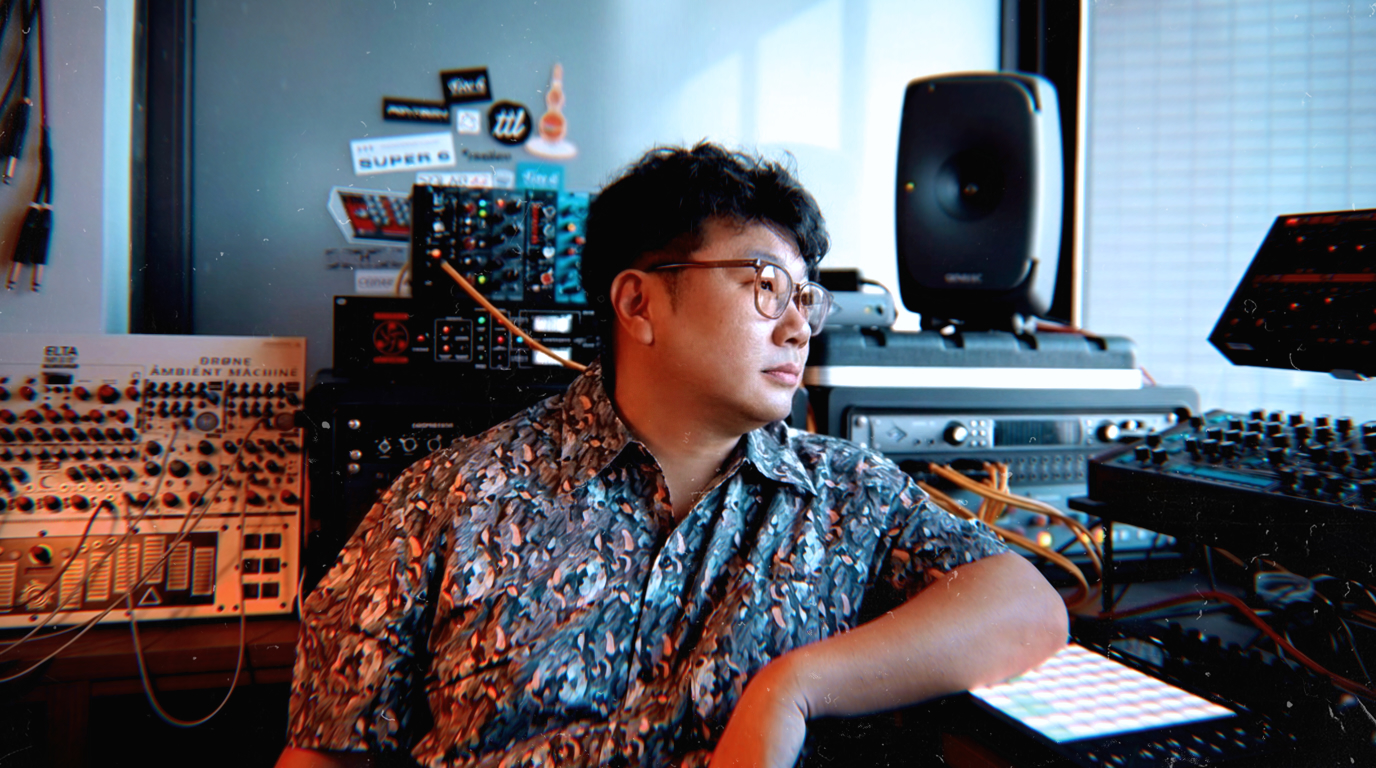
Show us your current studio
Best creative advice
“KISS: Keep it simple, stupid.” It is something I try to apply to everything I do. For me, it means knowing what you want to make and keeping your decisions focused on that goal.
It is easy to get distracted by what else you could add, especially when you have a room full of equipment and endless ways to process a sound. In music, I try to ask myself whether another layer or another effect is actually helping the track say what I want it to say.
Sometimes a field recording and a simple melody already carry the feeling perfectly. Adding more might make the production more complicated without making the music more meaningful.
I do not think keeping things simple means avoiding detail or ambition. It means knowing what matters and not getting in its way. Once something achieves what I wanted it to, I try to recognise that and stop, rather than keep adding things just because I can.
Promote your latest thing… Go ahead, throw us a link.
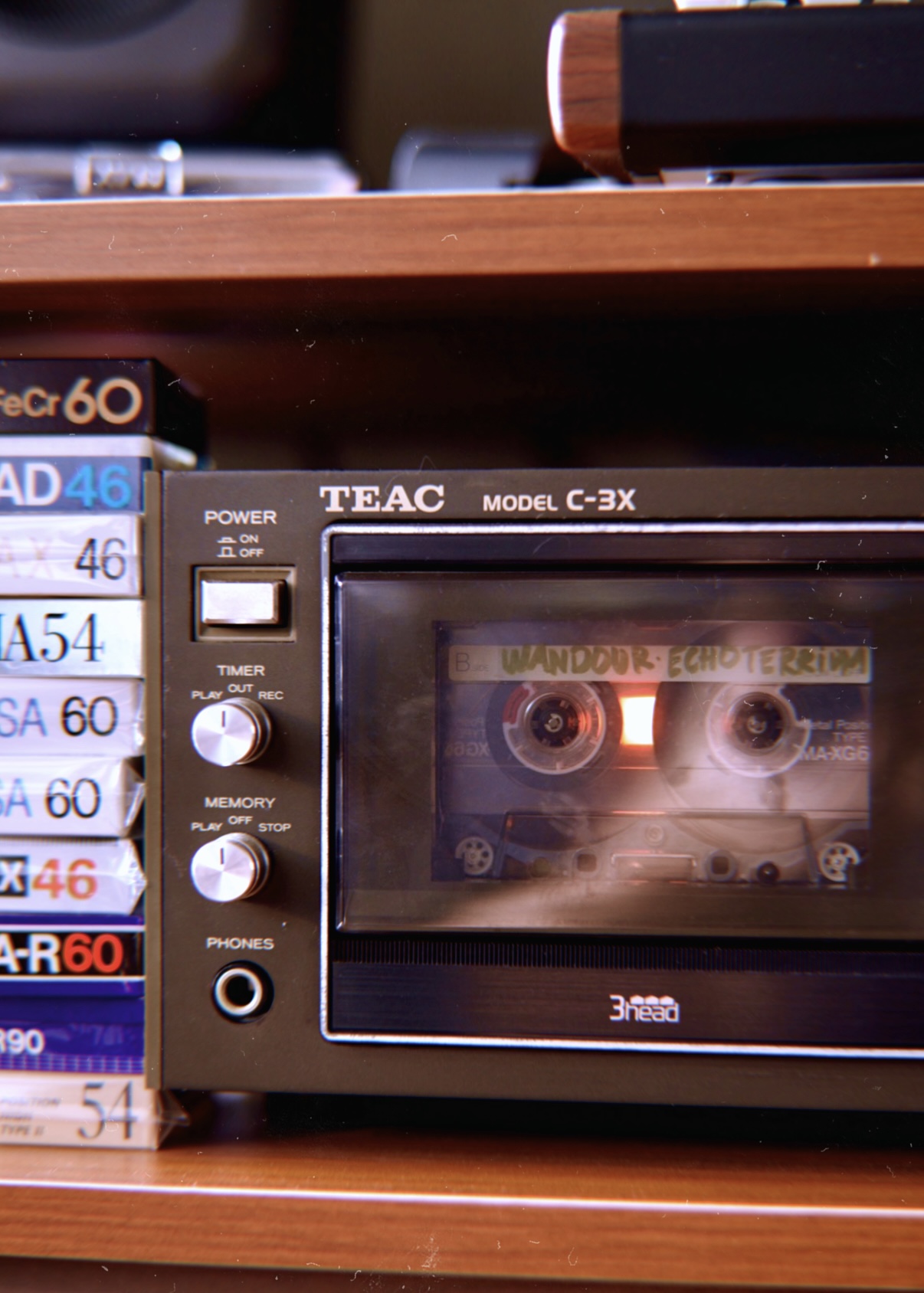
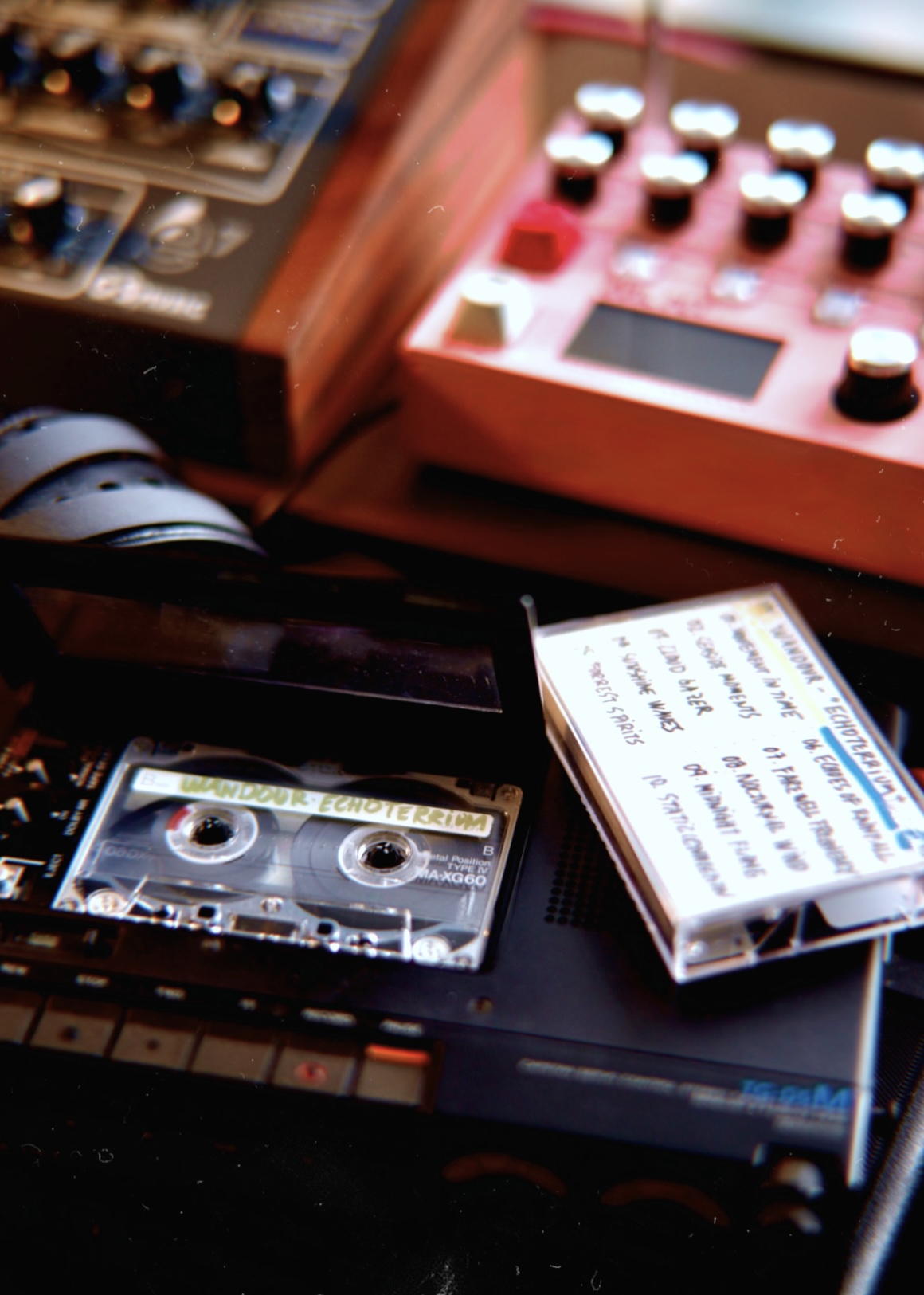
My new album, Echoterrium, drops on 28 October through Resilen Records. It is a ten- track journey through ambient textures, downtempo grooves, breakbeats and live strings, built around field recordings I collected while travelling and sounds processed through vintage cassette equipment.
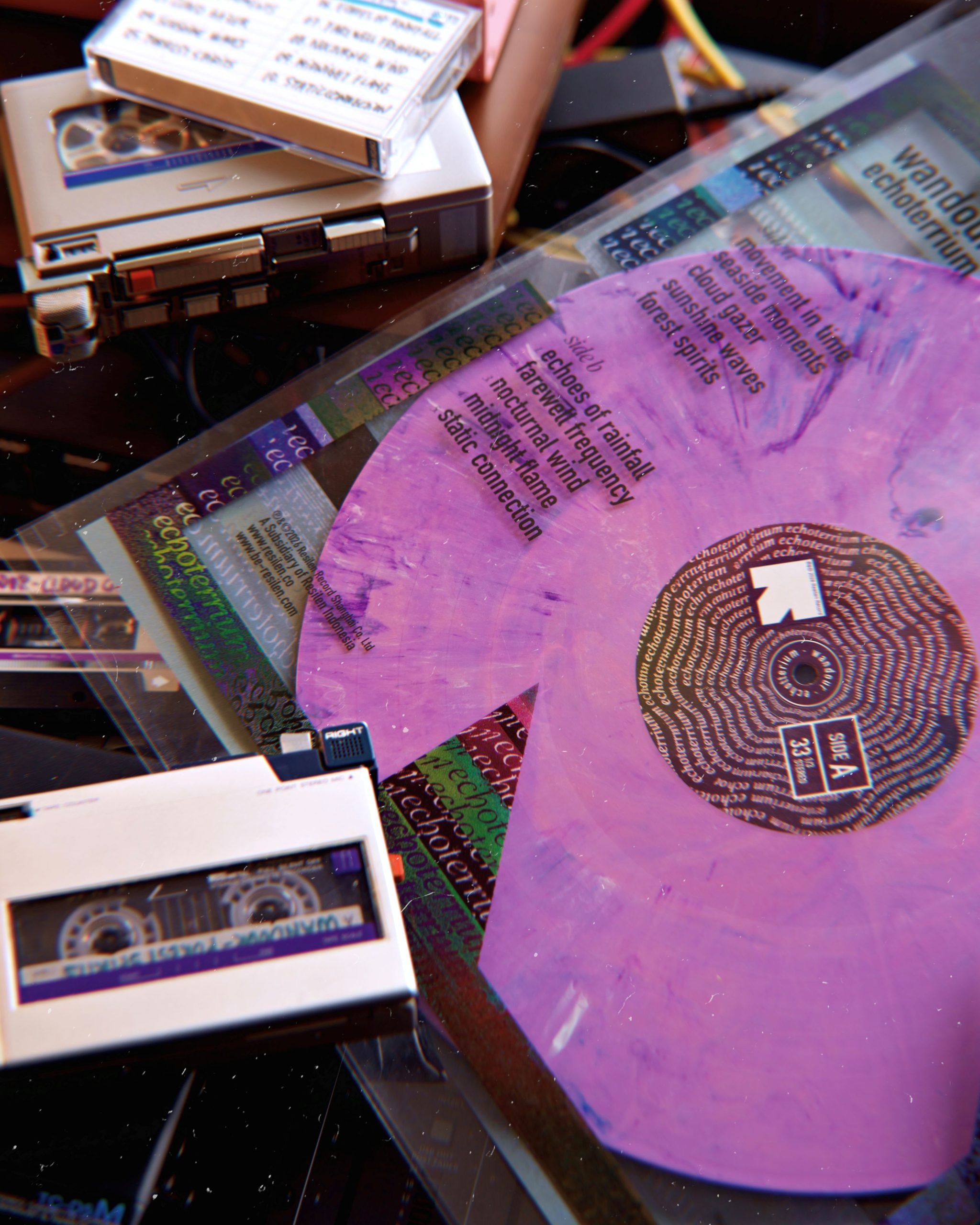
The idea is that a familiar sound can unexpectedly bring back a place, a person or a moment you thought you had forgotten. These tracks started with my own experiences, but I hope listeners can find their own memories inside them.
If that sounds like your kind of escape, I would love for you to give it a listen.
You can also support the release by buying the album on Bandcamp, including the limited-edition 180-gram vinyl, with just 200 copies available in the first pressing.
For more of the sounds, places and stories behind the music, come and find me on Instagram and YouTube.
Instagram: @lets.wandour
YouTube: @Wandour
Buy the album on Bandcamp: https://wandour.bandcamp.com/album/echoterrium