Paul Talos – Signal Soundlabs

1. Favourite knob/fader/switch on a piece of gear and why?
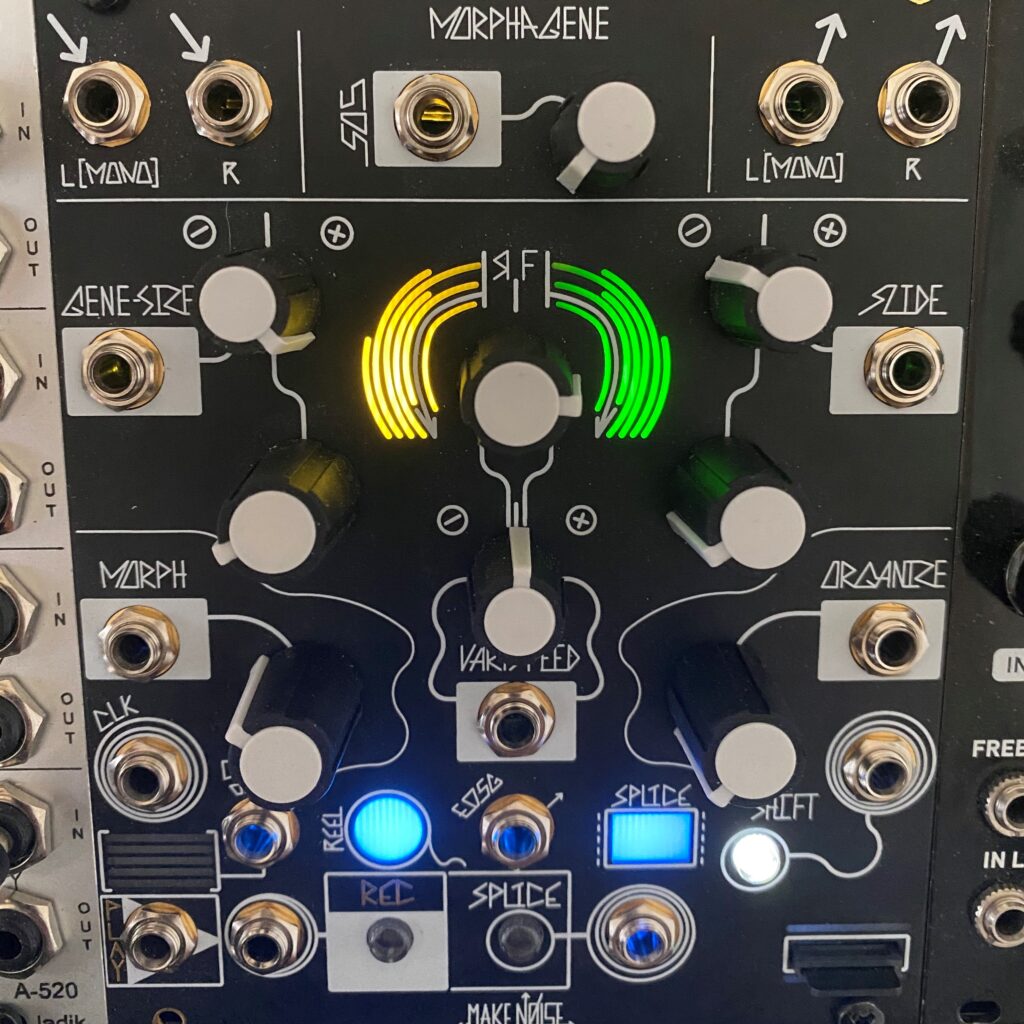
Make Noise Morphagene

Lately, it’s been the Vari-Speed knob on the Morphagene. It’s really incredible how something as simple as changing the speed and pitch of a sound can turn it into something completely unrecognizable. Things get even more interesting when you start reversing things too. You really end up discovering all kinds of sounds within sounds that you never really would have thought were there, especially when slowing samples down. Gotta love the wonderful world of microsound.

2. Do you have an ‘almost’ perfect bit of kit? What would you change?
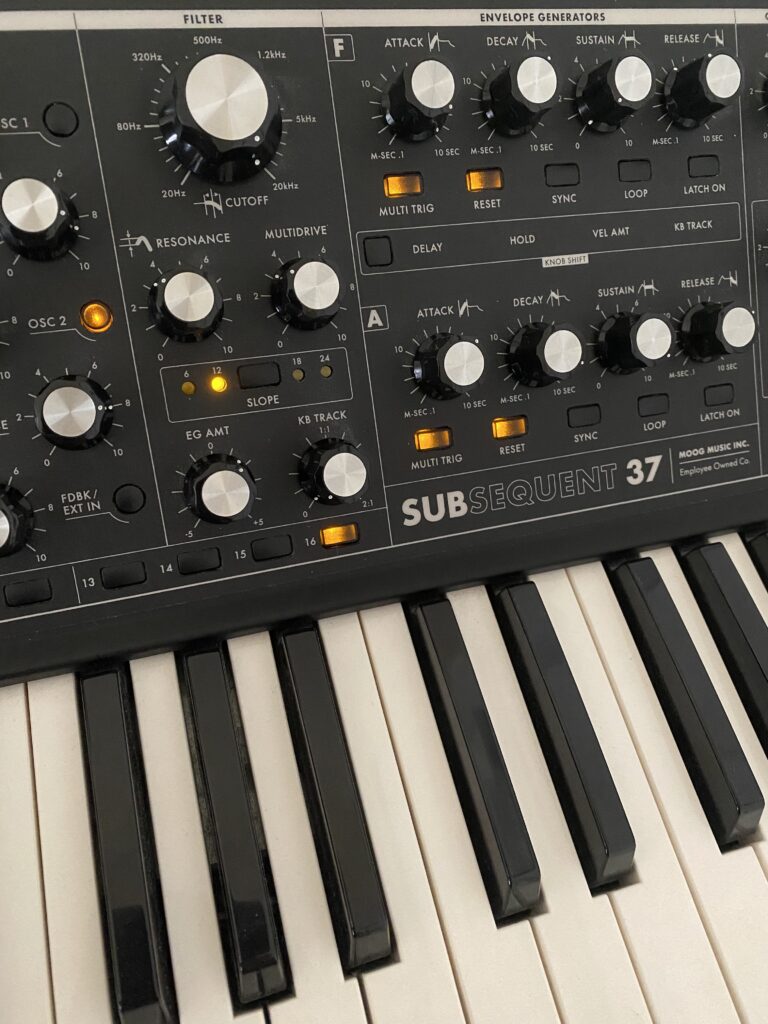
Moog Subsequent 37

The closest thing for me would be my Moog Subsequent 37. It just puts so much sound design power at your fingertips, you almost don’t need anything else. Between having one of my favorite filters, two different kinds of distortion, and plenty of modulation options, there’s enough in there to make a lifetime’s worth of music. It may not be as infinitely versatile as my eurorack setup, but there’s a certain immediacy about it that allows me to get what I need out of it very quickly. The only thing that could possibly make it even better is if it had voltage control over more of the parameters. I actually really regret not jumping on the CV version while they were still making those, as that would have been as close to perfect as you can get.

3. What setup do you bring on holiday/tour/commute etc.?
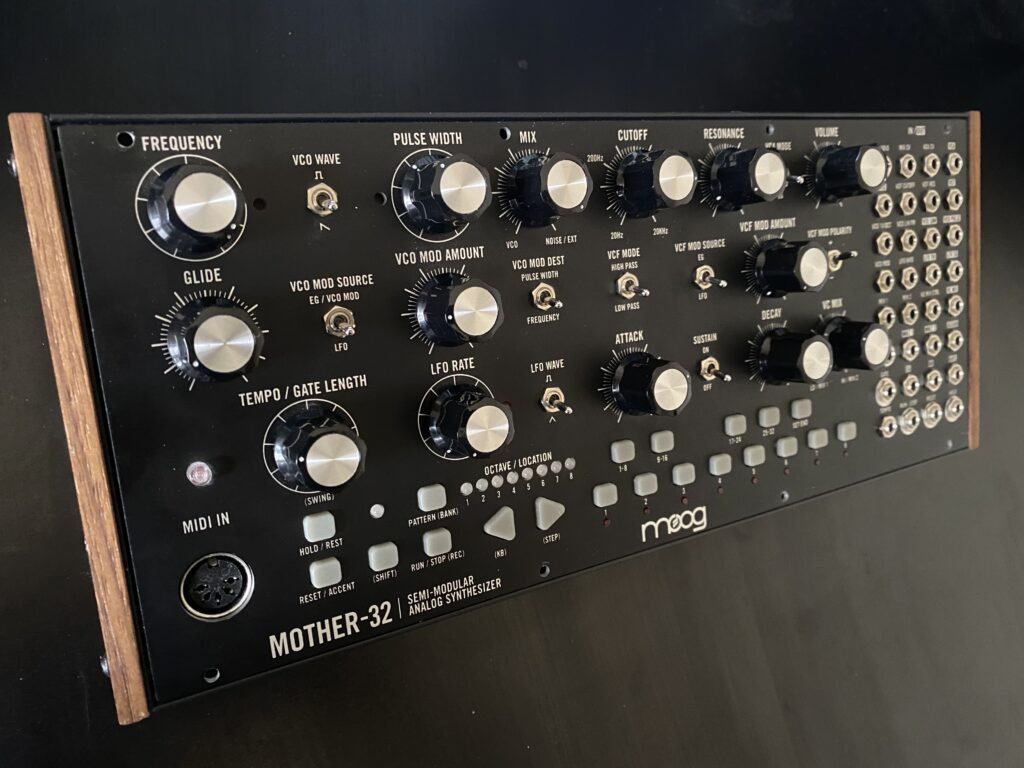
Moog Mother-32

I can’t say I do much traveling with my gear, as my setup wasn’t exactly designed with mobility in mind. But I guess if I were to bring anything, it would be my Moog Mother-32. Not only is it one of my more compact instruments, but I find its limitations to be pretty inspiring. It’s a surprisingly deep instrument and can yield some very unexpected results with a bit of clever patching. I often feel like I’m just scratching the surface of what it can do, so I suppose traveling with it would really force me to get everything I can out of it.

4. What software do you wish was hardware and vice versa?
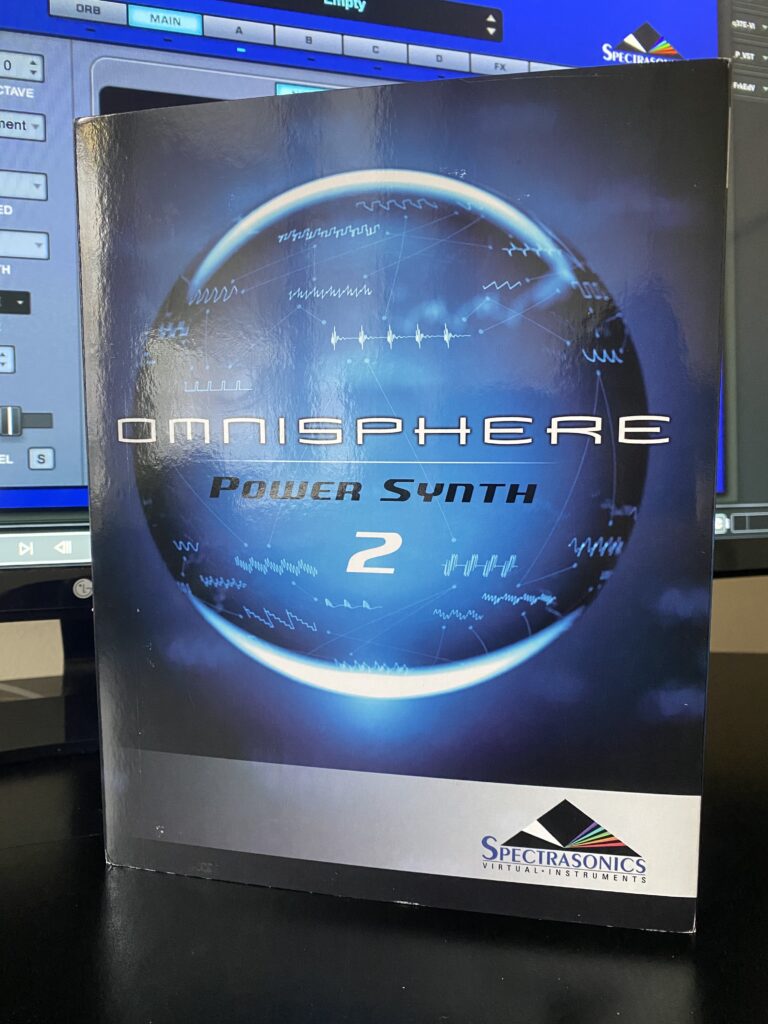
Spectrasonics Omnisphere

I really wish there was some kind of hardware version of Spectrasonics Omnisphere. It’s such a useful instrument when scoring for a film, especially for creating cinematic soundscapes. It’s one of the few VST instruments I find myself going back to time and time again. If they made a hardware version with some CV control over the parameters, I’d buy one in a heartbeat. Of course, with the size of the library being what it is, I’m sure it would be incredibly impractical to actually implement in hardware form, much less in eurorack format.
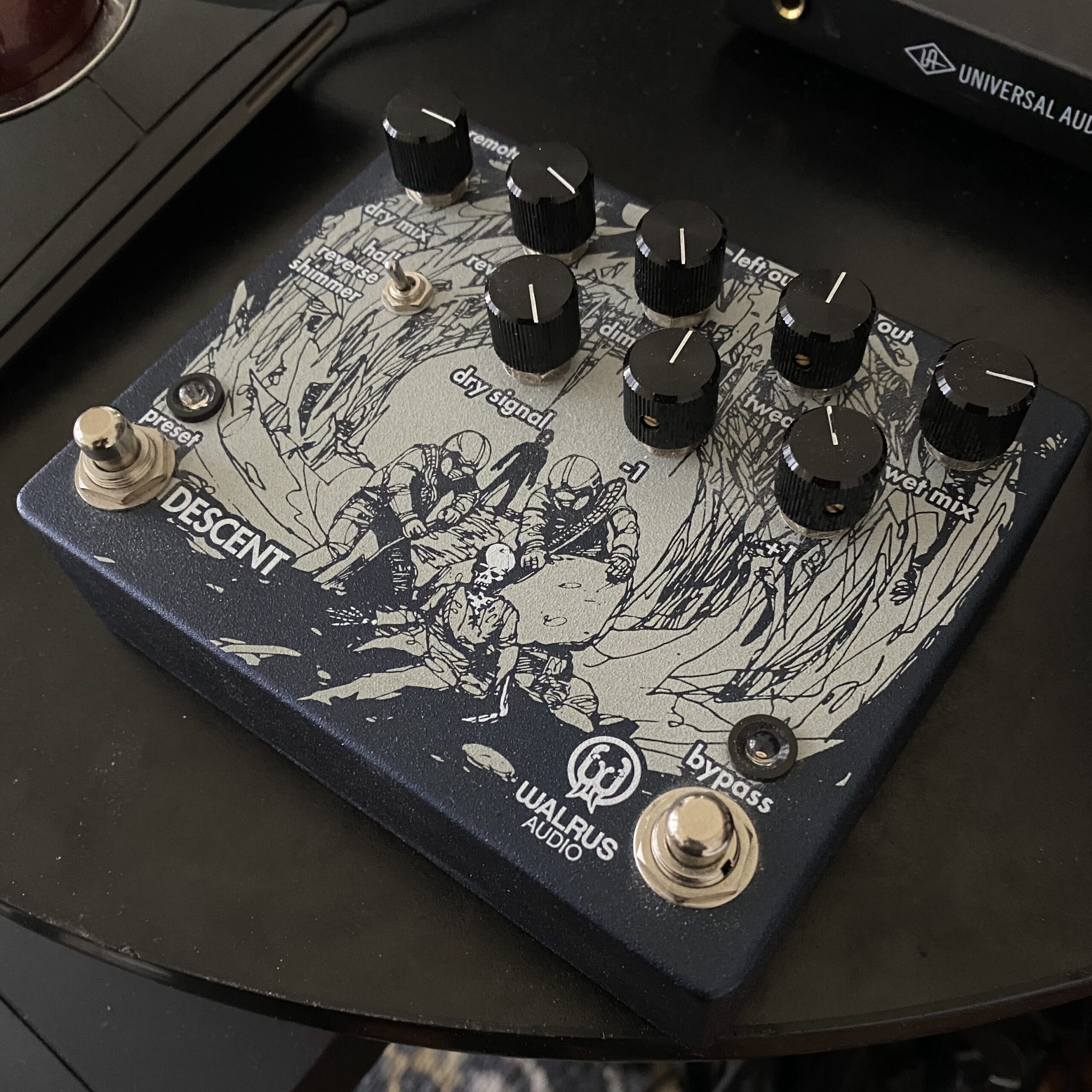
Walrus Audio Descent

On the flip side, I’d love a plugin version of my Walrus Audio Descent reverb pedal. I use the shimmer mode on that pedal quite a bit to add an almost choir-like quality to synths, and would love to have multiple software instances to use throughout a mix. Sure, there are ways of creating a similar sound using other software (the Descent is digital after all) but the pitch shifting on this pedal has a very particular, kind of unnatural sound to it. Hard to describe, but it definitely has a tone and I haven’t really come across anything else that sounds quite like it.

5. Is there anything you regret selling… or regret buying?
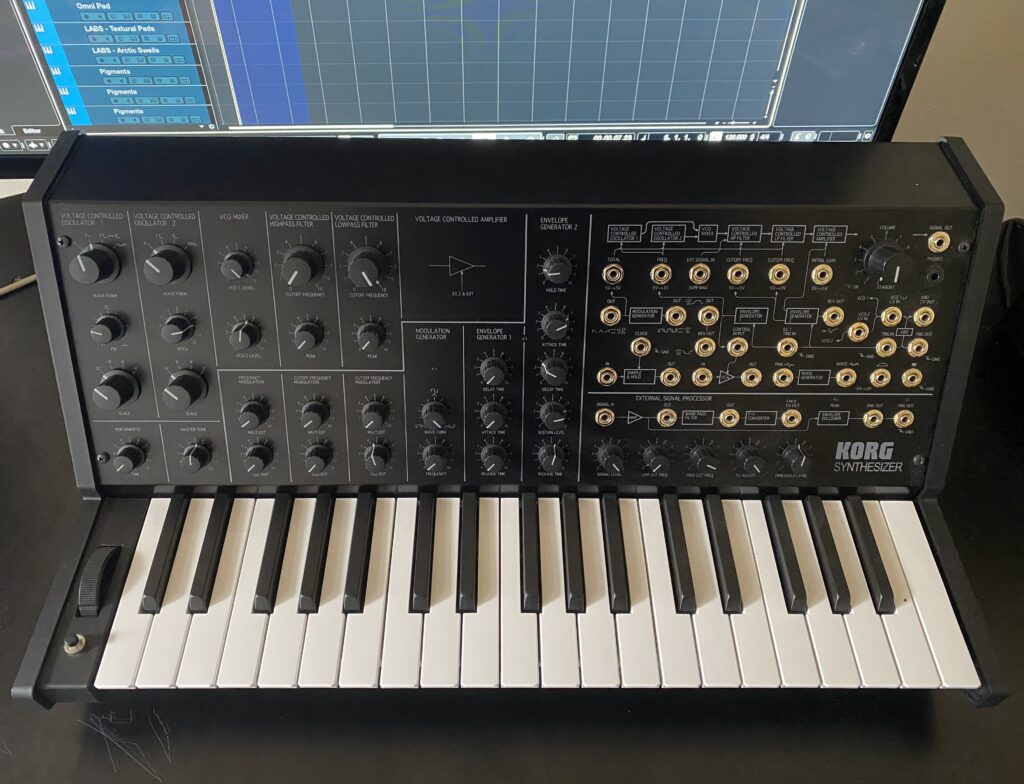
Korg MS-20 mini

I sold my Korg MS-20 mini when I first started diving into eurorack. At the time, I figured it didn’t make sense to have a semi-modular synth that didn’t speak Volt per Octave and was looking to get some cash to finance the beginnings of my modular (I believe I ended up buying a Maths with the money I made). But over time I realized just how much I missed those oscillators and filters. It’s such a unique instrument, and much like the Mother-32, it just has a very inspiring set of limitations. So last year, I actually ended up buying it again and will never repeat the mistake of selling it.
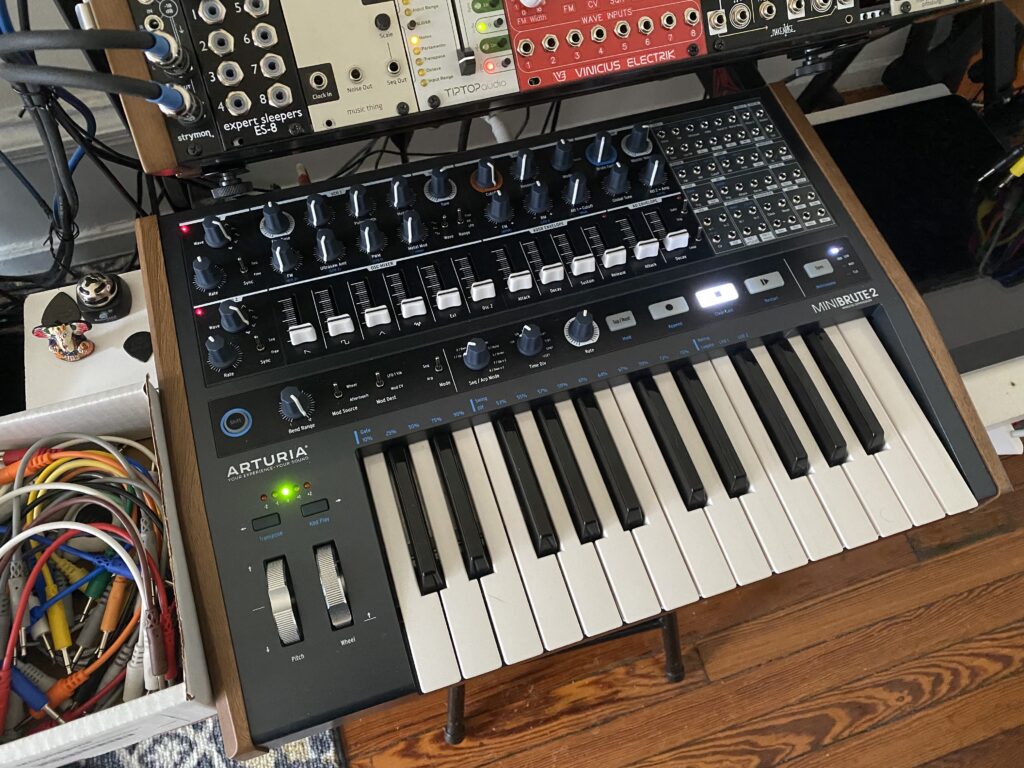
Arturia Minibrute 2S

As far as buyer’s remorse on a piece of gear, I bought an Arturia Minibrute 2S when they first came out and had some regrets on that one. The synth voice itself is phenomenal, and the ability to integrate it with eurorack really enhanced the functionality of my existing modular system. But I never got into a good flow with the sequencer. As someone with a background in music theory, I found it really difficult to visualize musical intervals due to its lack of a traditional keyboard. So I eventually ended up selling it and getting the keyboard version instead. Been loving it ever since.

6. What gear has inspired you to produce the most music?
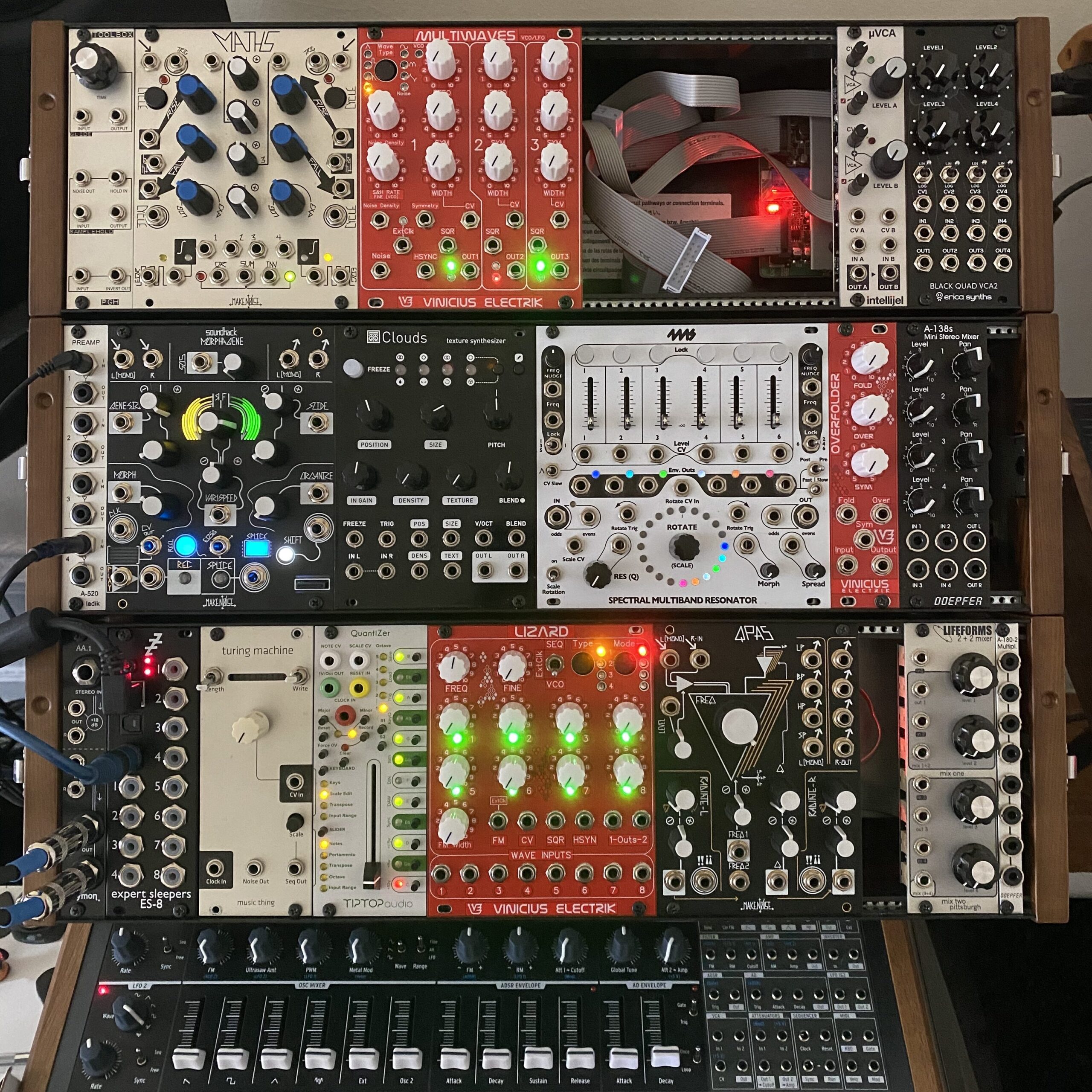
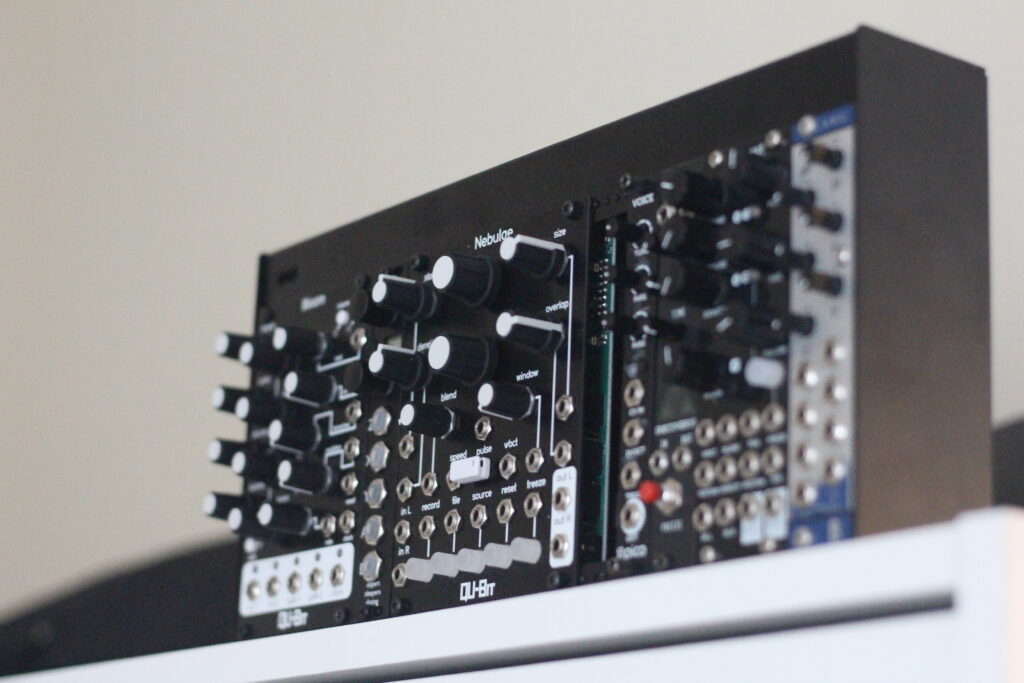
Signal SoundLabs Eurorack

Lately, my eurorack rig has been the most consistent source of inspiration. I made some upgrades to it recently, and after about three years of buying and selling modules, I finally feel like I have most of the puzzle pieces in place. Modular synthesis definitely has an element of unpredictability, feels like these modules have a will of their own sometimes and I’m just along for the ride.
It really is a happy accident machine. The downside is it can be a bit difficult to tame, especially when working on music that is synced to visuals. But lately I’ve managed to find a workflow that has been very effective for film music. The key was to start recording everything I did on the modular and then spending some time editing to pick out all the best parts. The editing can be time consuming, but I find myself getting faster and faster with patching so it all evens out. Overall, I just find it more inspiring to capture a bunch of audio from the modular and then work by subtraction rather than addition.

7. If you had to start over, what would you get first?

If I had to start again, I’d probably get the most powerful computer I could afford, along with a copy of Cubase, a Universal Audio Apollo Twin, and some kind of semi-modular synth like the Minibrute 2. A basic rig like this would cover pretty much all the essentials, while combining a tactile hardware workflow with plenty of digital flexibility.

8. What’s the most annoying piece of gear you have, that you just can’t live without?
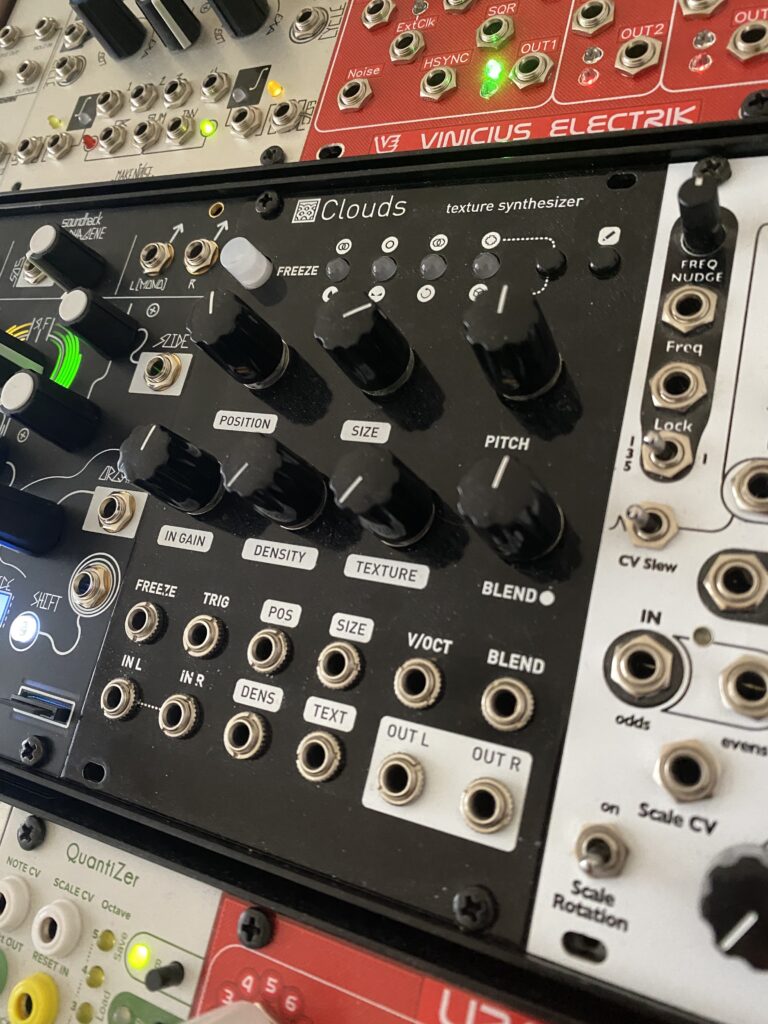
Mutable Instruments Clouds

Hard to say, but I guess I kind of have a love/hate relationship with my Mutable Instruments Clouds module. I rely on it pretty heavily when it comes to making any kind of ambient drone patch, but I find it rather annoying having to remember what all the controls do in its various different modes. Having installed the Parasite firmware really didn’t help with that either. That said, I came across an iOS app called Modes that acts as a nice cheat sheet for some multi-function modules, so I’m definitely not pulling my hair out as much as before. As much as I have a few gripes with Clouds, it really brings a lot to the table and has become pretty much irreplaceable in my rack.

9. Most surprising tip/trick/technique that you’ve discovered about a bit of kit?
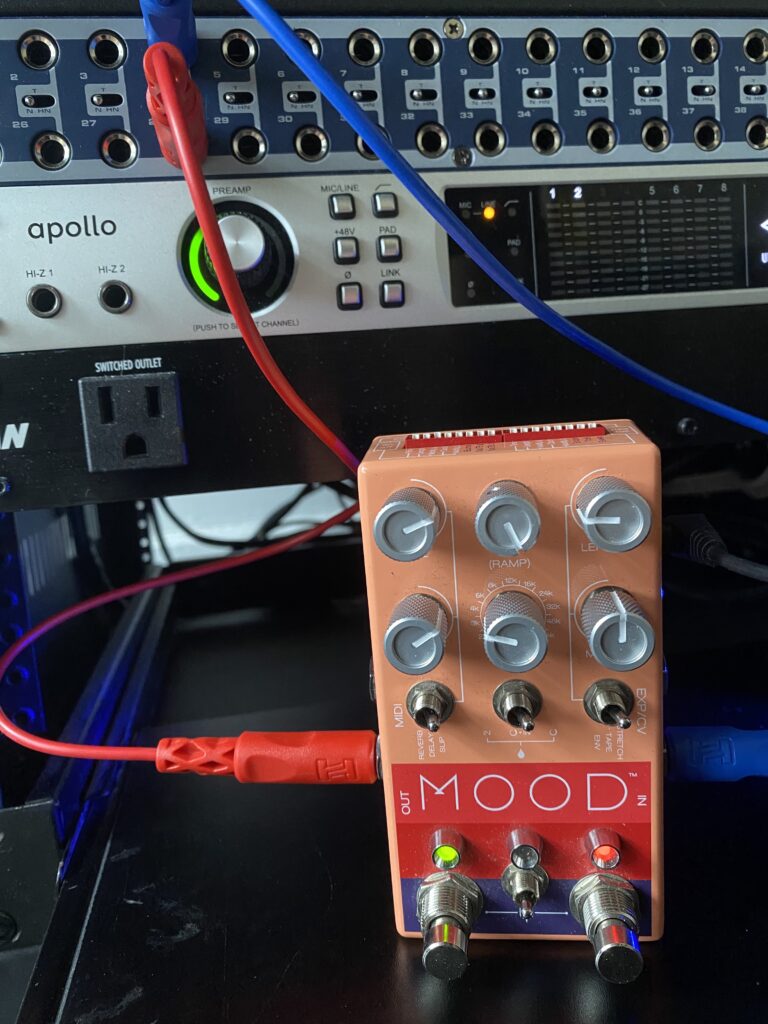
Chase Bliss MOOD

I’ve recently been getting more and more into processing audio from Cubase using effects pedals. Plug-ins can be great, particularly for utility functions like EQ, but nowadays there are so many unique pedals out there, it feels like a shame not to use them to process in-the-box sounds as well. I’ve been doing this a lot with my Chase Bliss MOOD pedal in particular, which lets me grab a short slice of audio from the DAW and transform it in all kinds of quirky and interesting ways. Lately, whenever I get stuck on a track, I’ll start feeding random audio into MOOD (unused takes from the modular work particularly well) just to see what happens. It’s a great way to get myself out of a creative rut.


Artist or Band name?

Paul Talos

Genre?

Cinematic Electronica. I’ve never been sure how to categorize my music exactly, so eventually I just made something up. I think it sums things up pretty nicely.

Selfie?
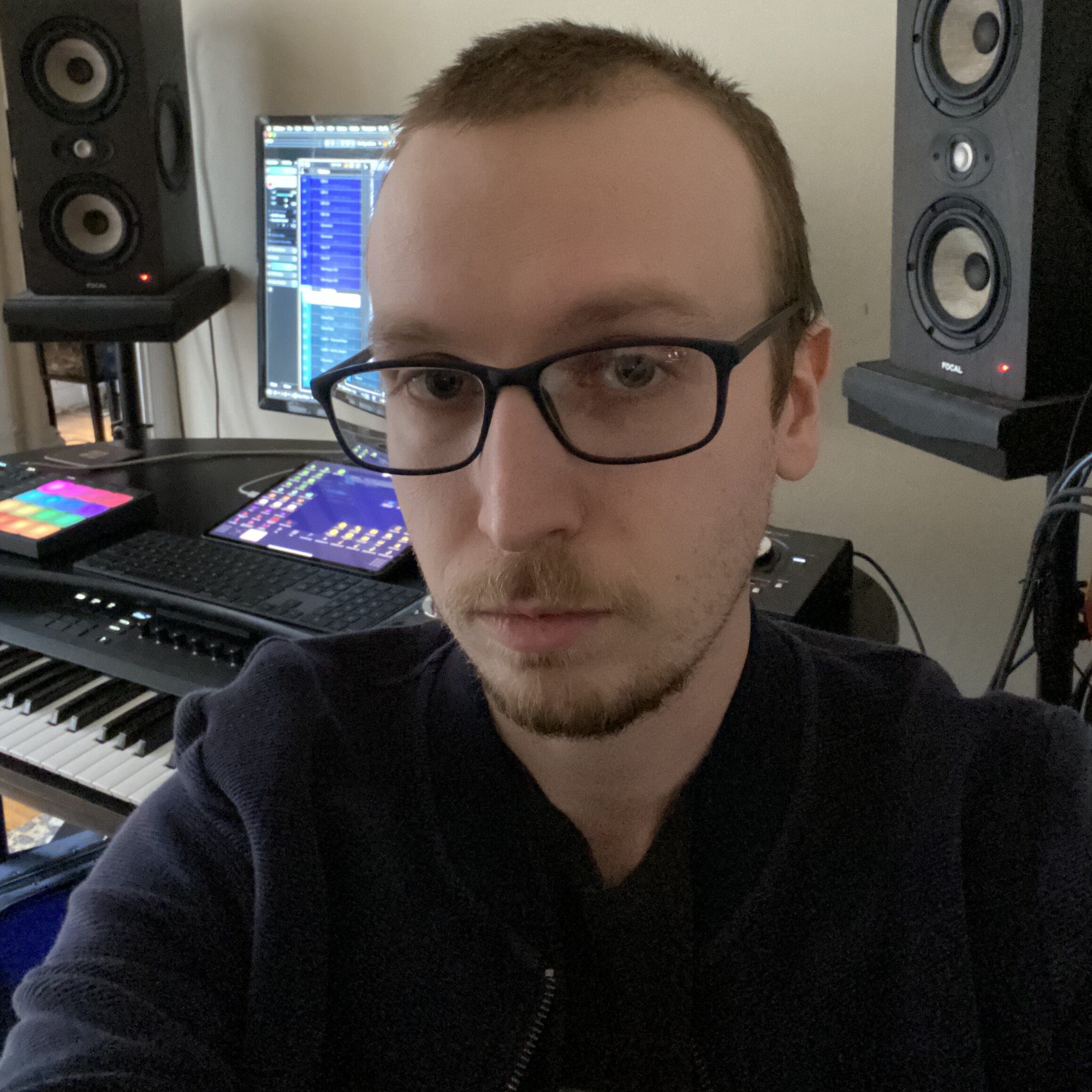
Paul Talos

Where are you from?

Born in Germany, grew up in Boston, MA. Currently living in Philadelphia, PA.

How did you get into music?

I started playing electric guitar around the age of ten and started experimenting with home recording on a laptop when I was a teenager. After high school, I spent some time at Berklee College of Music studying guitar and discovered a love of synthesis and all things electronic music shortly after that.

What still drives you to make music?

Music’s become my job over the last few years, so a paycheck is definitely one thing that drives me. But more importantly, I constantly find myself inspired by just listening to other people’s music and trying to deconstruct what I’m hearing. I’ve come across some very interesting synthesis and production techniques just by trying (and usually failing) to emulate something I heard somewhere else.

How do you most often start a new track?

As a film composer, the answer to that question really varies from project to project. Production timelines and deadlines can be vastly different from one film to the next, so sometimes it might be starting a new track every day, other times I’ll write two or three a week. I do try to spend some time every day just to make some kind of noise though, usually on the modular. I find that synthesis is a skill that really needs to be maintained, otherwise it just gets harder the longer you are away from it. So regardless of what I’m working on, I try to squeeze in some synth time at least once a day, so I don’t get too rusty.

How do you know when a track is finished?

It really never is, but once the deadline hits it’s usually good enough. Honestly, if I didn’t have deadlines of some sort, I’m not sure I would ever finish anything. 

Show us your current studio
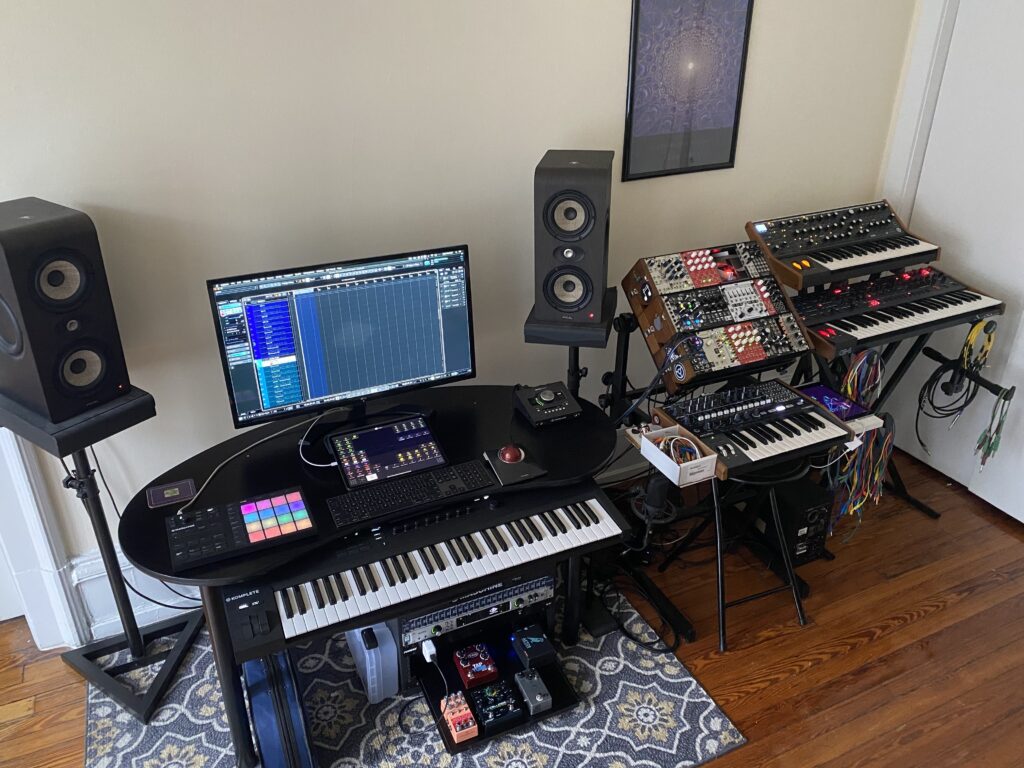
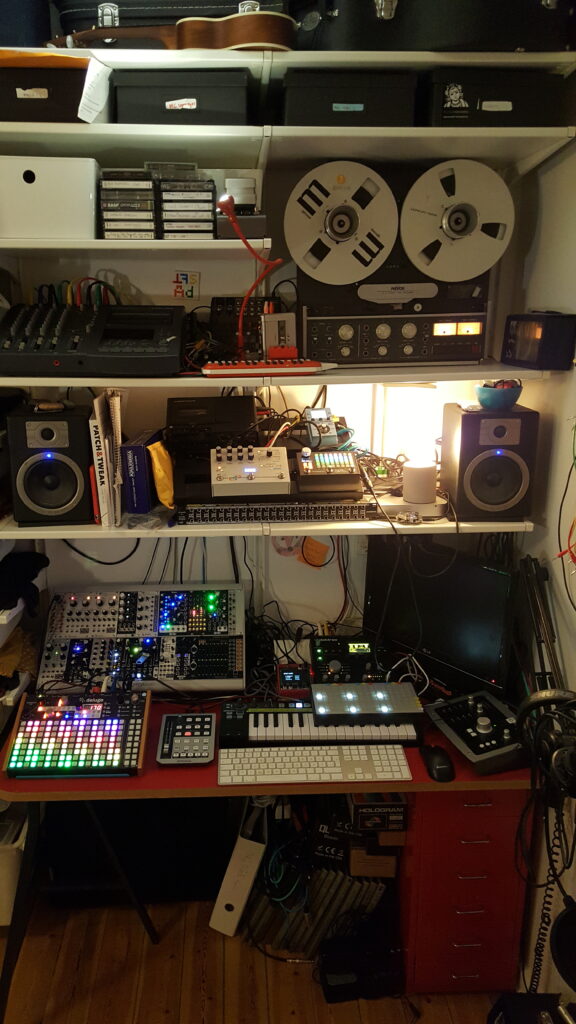
Signal SoundLabs studio

Best creative advice that you’ve ever heard?

This one kind of relates to one of the other questions about finishing tracks. I took this music production class in college, and the professor said something one day that really stuck with me. I’m paraphrasing, but it was something along the lines of this: A mix is never done, you just stop working on it eventually. To hear that from a professional in the industry was incredibly reassuring at the time. I think it’s something that applies not only to a mix, but to music making in general. Nothing is ever truly finished and that’s okay.

Promote your latest thing… Go ahead, throw us a link.

Back in July, I released my score for a short thriller film called ‘Just Like You.’ The score is available on all streaming platforms. Links below.

Just Like You (Spotify)

https://music.apple.com/us/album/just-like-you-original-score-ep/1521324795

https://paultalos.bandcamp.com/releases


[Editor: Do you have a favorite tip, trick or way of working with any of the gear from this interview?
Then throw us a comment below…
]


Northern Lighthouse – Travel Moods

1. Favourite knob or fader or switch on a piece of gear and why?

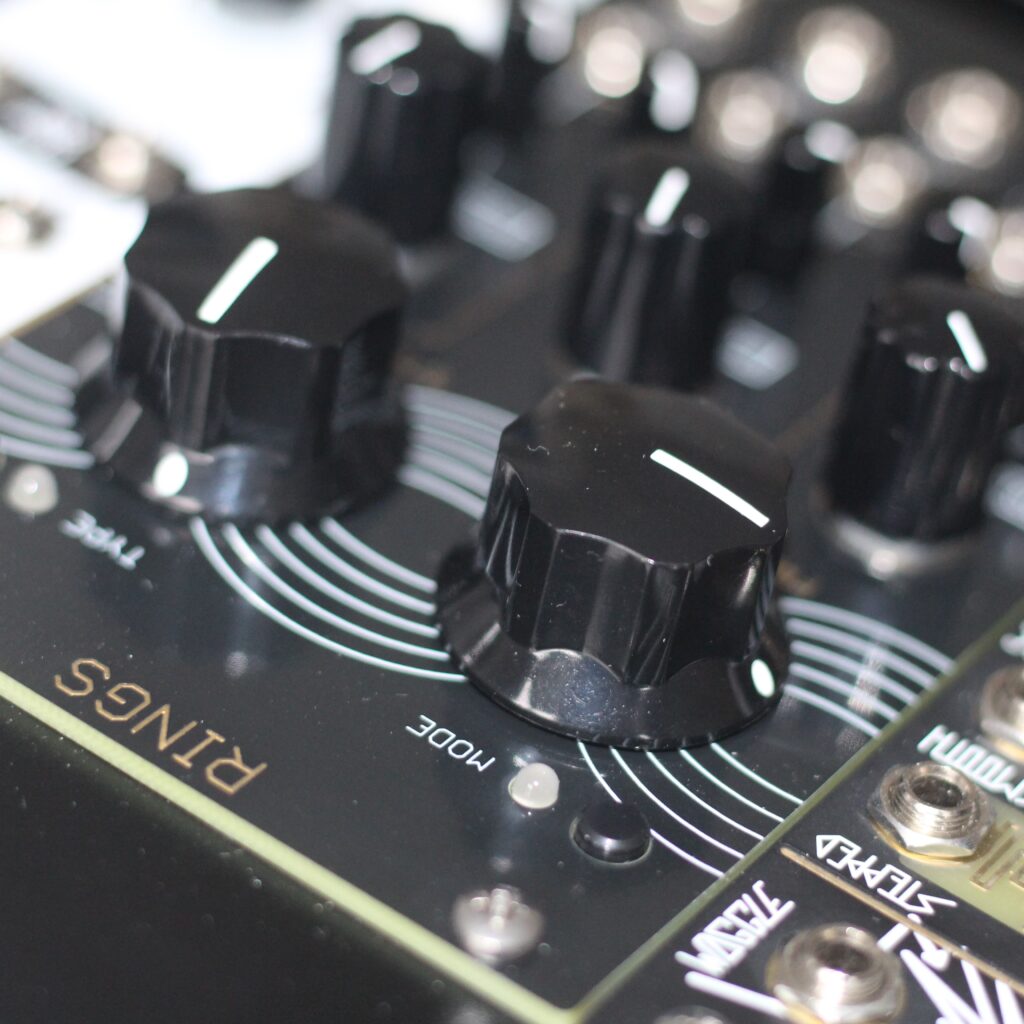
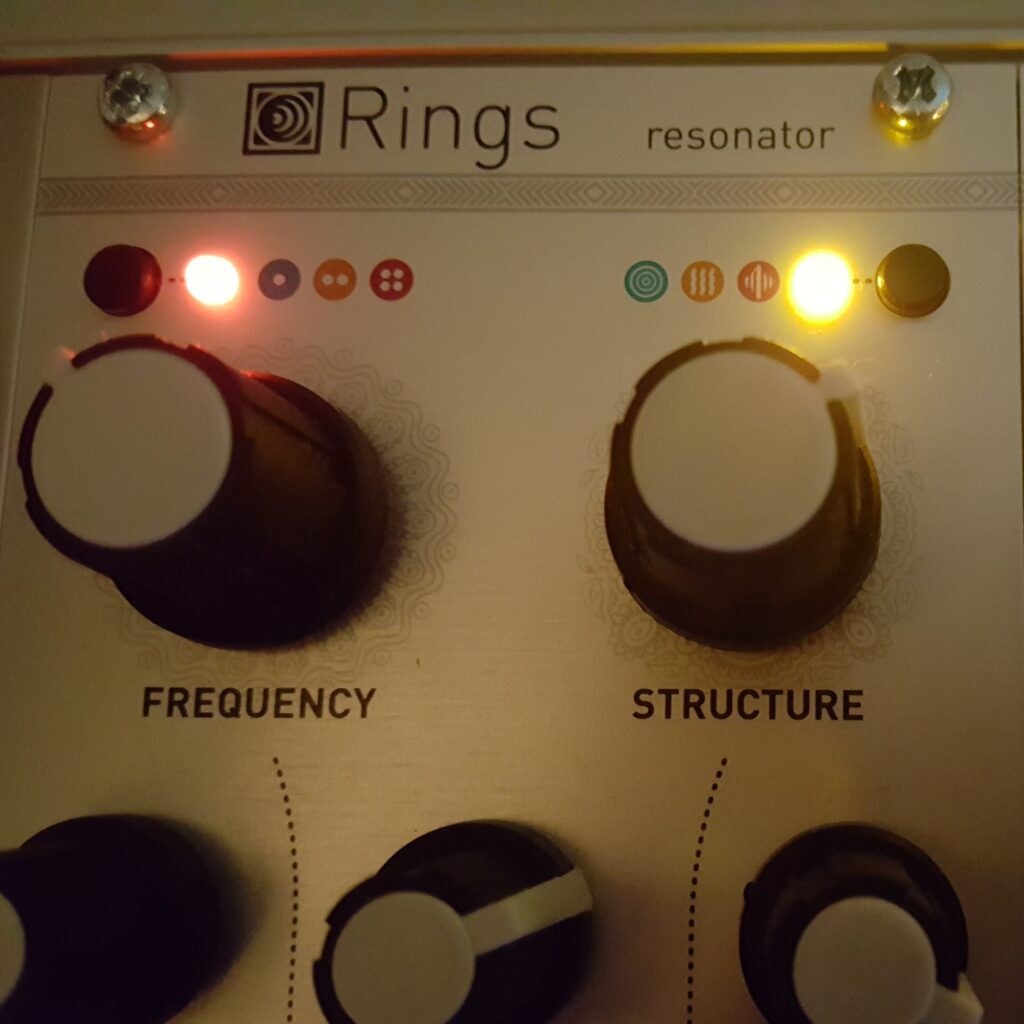
From an aesthetic point of view I like the big old-looking knobs on Momo Modular’s version of Mutable Instruments Rings. I like having small sets and portable instruments but I admit small devices are sometimes difficult to use, especially live. Big knobs = big satisfaction.

Momo Modular’s Mutable Instruments Rings

2. Do you have an ‘almost’ perfect bit of kit? What would you change?

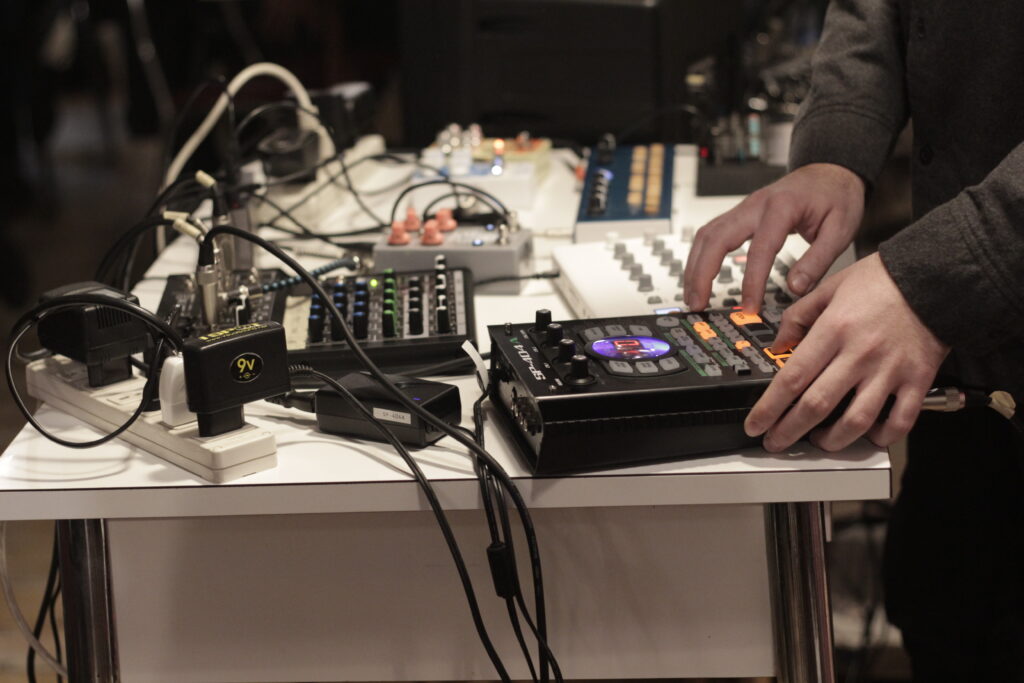
I don´t, but for gigs I usually have a drum machine, a sampler and two keyboard synths for live improvisations. No midi sync for the clock, just a mixer. I am now exploring all the features of every instrument I have and try to end the Gear Acquisition Syndrome fuelled by Instagram and YouTube! The synth world is so different from the rock scene I entered during the MySpace era. There is too much attention on social media, gear and design than music. Myspace was used to sell merch and organise gigs, the rest was pure fun on stage. No need for 4K videos on your page showing your new shiny pedal. I bought my drum set more than 15 years ago and I basically never changed it. Instead with synths, I keep on checking modulargrid for new modules…

Northern Lighthouse gig setup

3. What setup do you bring on holiday or tour or commute etc.?

During my last summer holiday I brought with me some Eurorack modules in a small . It wasn’t easy to decide what to bring with me and I’m always afraid that something could break or not pass airport security. I once was stopped by an Italian officer who wanted to know more about my Arturia Keystep! One day I might buy the OP-Z because it’s as big as a TV remote controller.

4ms eurorack pod

4. What software do you wish was hardware and vice versa?

One of the things I like the most about Ableton is the ability to slowly launch several clips and use separate faders on a midi controller to control the volume of each one, and that is something that I looked for for ages in samplers. The tiny Blackbox sampler by 1010 music seems to tick this box. Regarding software although they give me endless possibilities they do not inspire me enough when making music. I use my laptop a lot at work already and I do not want to stare at a screen in my free time.

Akai kidi controller

5. Is there anything you regret selling… or regret buying?

I regret having bought the Ableton push 1 controller. It is huge, really heavy and not standalone. I bought it in a second hand shop but I‘ve almost never used it and when I play live I don’t like using my laptop on stage. I prefer launching loops with the SP404 and playing with other synths on top of it.

Live setup based around the Roland SP404

6. What gear has inspired you to produce the most music?

Critters and Guitaris’ organelle is my favourite instrument, I use it in every jam because it has so many sounds and it is portable. It’s in every song I have recorded so far because some of the patches created by the users are incredibly versatile, warm and close to real older hardware synths. Who wouldn’t like to have a free Juno or theremin patch in their tiny synth?

7. If you had to start over, what would you get first?

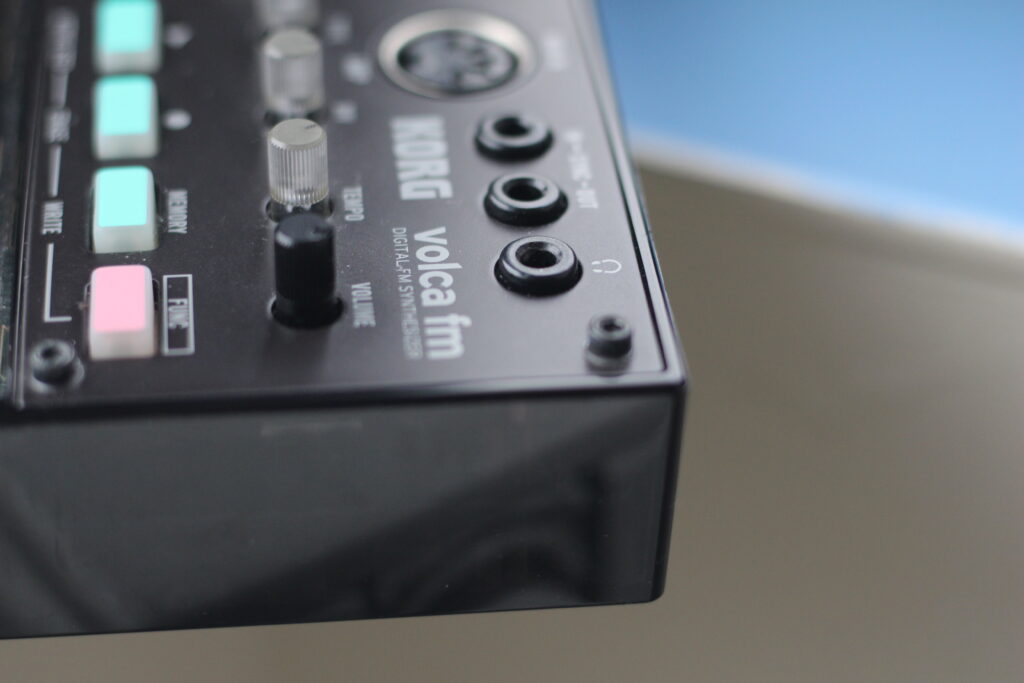
I would still start with the Volca FM which was my first hardware synth. Cheap and portable and not scary to use at the beginning. I confess, at the beginning I didn’t even know what attack or LFO meant!

Korg Volca FM

8. What’s the most annoying piece of gear you have, that you just can’t live without?

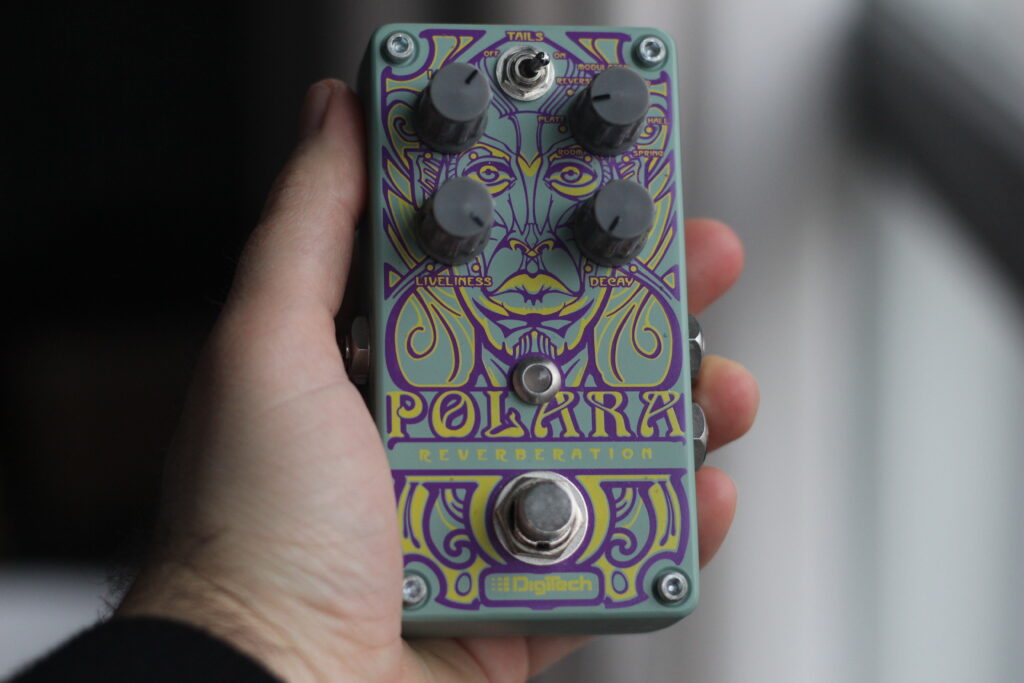
Reverb. It is not annoying, it is essential in my music. I use it on almost every synth because I rarely like harsh and metallic sounds. That’s why I have a love-hate relationship with FM synthesis. Even when distorted my songs need to sound like they come from the past or from a far away land. When I create music I focus less on melody (although I find long drones a bit boring) and dedicate more time on creating a melancholic atmosphere, usually made of different layers talking to each other. Guitar pedals help me create new sounds. The downside of it it’s that 90% of these sounds cannot be reproduced again. I listen to a lot of posthardcore and post-rock and compared to those, ambient is much more ephemeral.

Digitech Polera

9. Most surprising tip or trick or technique that you’ve discovered about a bit of kit?

Using pink noise to quickly mix all the tracks in a song. I know professional sound engineers might disagree…

Artist or Band name?

Northern Lighthouse

Genre?

Electronic/Ambient

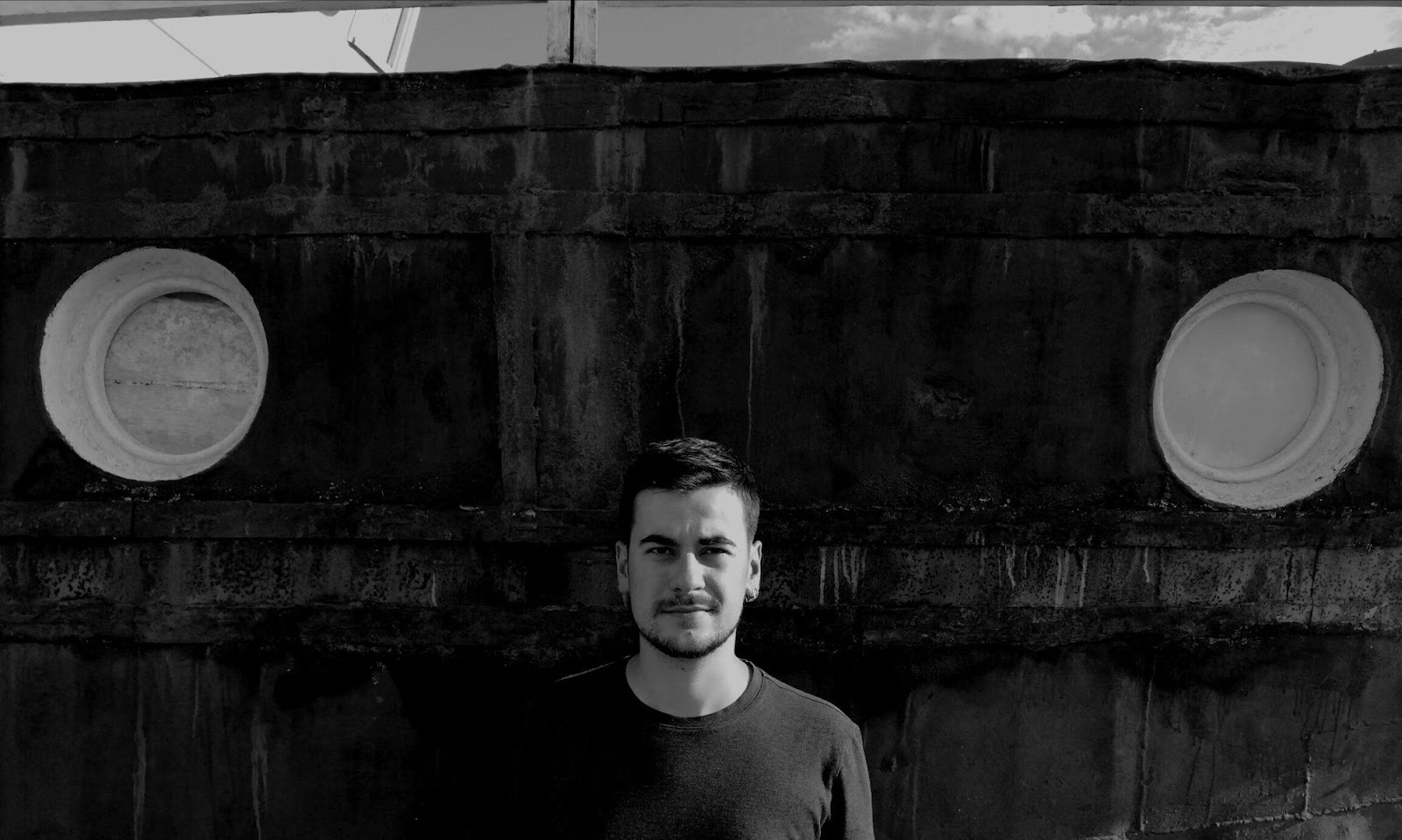
Northern Lighthouse

Where are you from?

Bologna, Italy. A town full of students and music, with its many squats, art cinemas, festivals and bars for alternative music it somehow made me who I am and feeded my interests in films and music. I later moved to Newcastle, UK where I started this electronic music project. I’m now based in Brussels, Belgium. This is where I started jamming with other people and moved from daw to actual instruments and even modular synths in 2019.

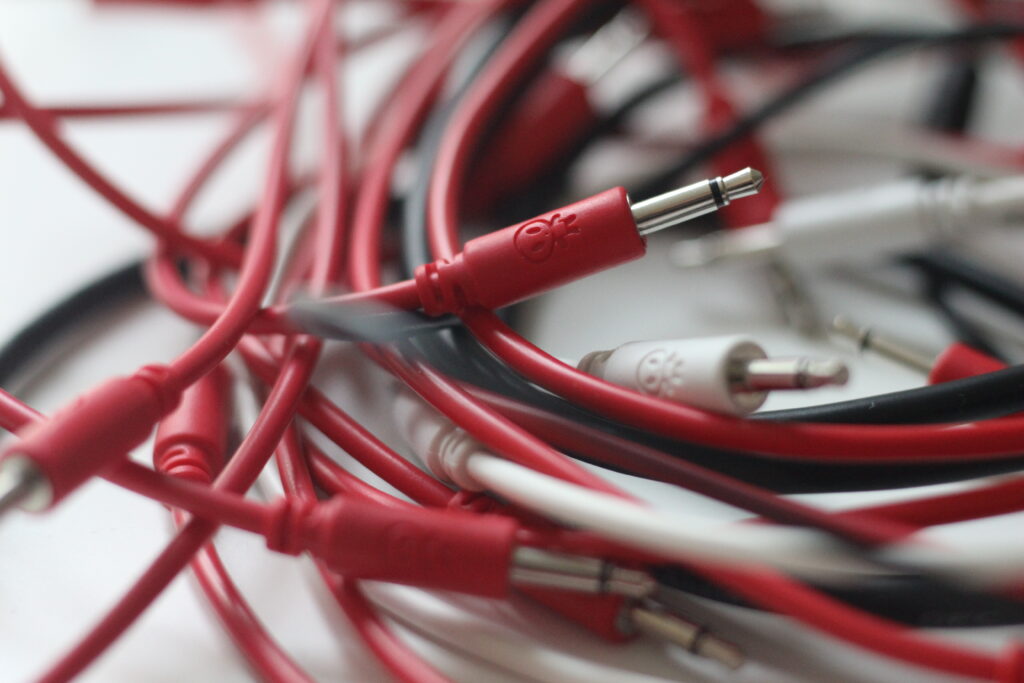
Erica synths Cables

How did you get into music?

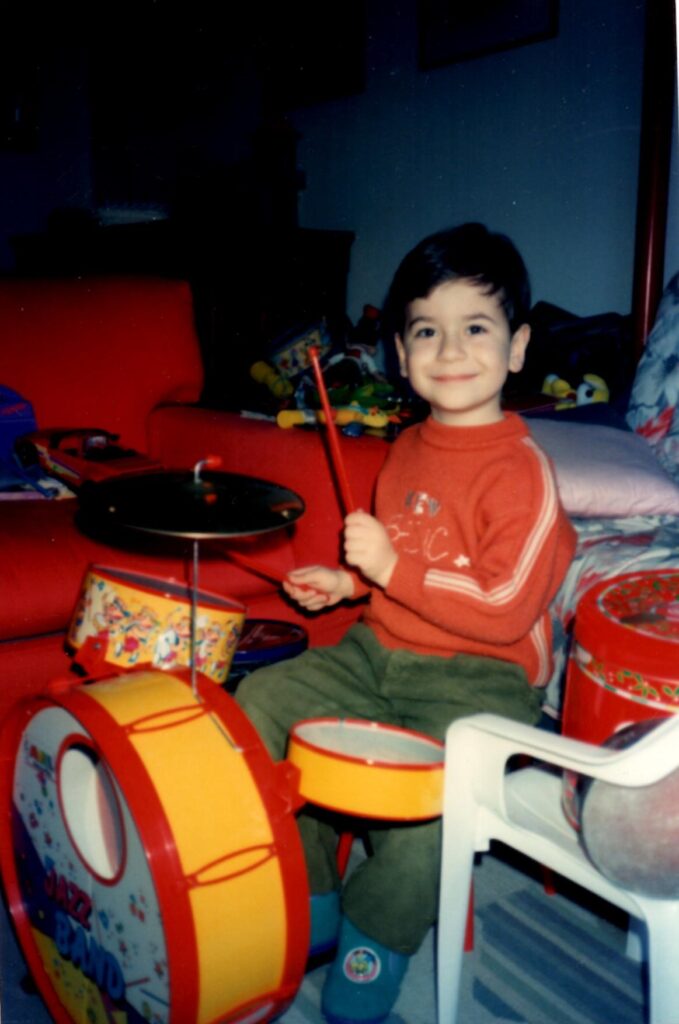
I always liked percussions. When I was in kindergarten my parents gave me a drum kit for children as a present.

Northern Lighthouse and first drumkit

Years later, during high school a club near my family house went bankrupt and I managed to bring home an old Pearl drum set for free. I was into punk and metal and I started playing music with a guitarist friend of mine. After a while we founded a metalcore band called Rising Hate. There was a big hardcore scene in the early 2000s, we played around Italy for 5 years until I went abroad. It was so fun, I miss that life!

The way I approached electronic music is really different though. I remember as a kid I had an old music software called Music Maker which was my first daw. Years later, in Newcastle, a small town in northern England surrounded by beautiful cliffs and touched by the northern sea, I saw Loscil live and it blew my mind. I was without my drums  and I was so curious about this genre called Ambient that was new to me. I decided to look for a new tool to make music and I started using Ableton. The following year I moved to London looking for a job, but it was a really sad and lonely time, so music was my escape!

What still drives you to make music?

Making music is like a trip from your daily routine to an exotic destination that you choose and create. It affects my mood, it gives me energy and it makes me imagine new landscapes and allows me to meet like-minded people. This project in particular was born from the need to create soundscapes and stories with a deeply nostalgic atmosphere which also includes field recordings, videos and photography. I like curating every aspect of it.

Having lived abroad since 2010, travelling, exploring and missing my Heimat became part of my life. This mix of nostalgia and excitement affects and inspires my music a lot. I also listen to a lot of posthardcore music which I find the most cathartic music ever and I try to transfer this feeling into my songs as well. Besides electronic music, I keep on playing the drums in a post-rock band called Yakhchal. I need this dualism of sadness-happiness, delicateness-anger in my life. Unfortunately COVID put on hold every live gig and opportunity…

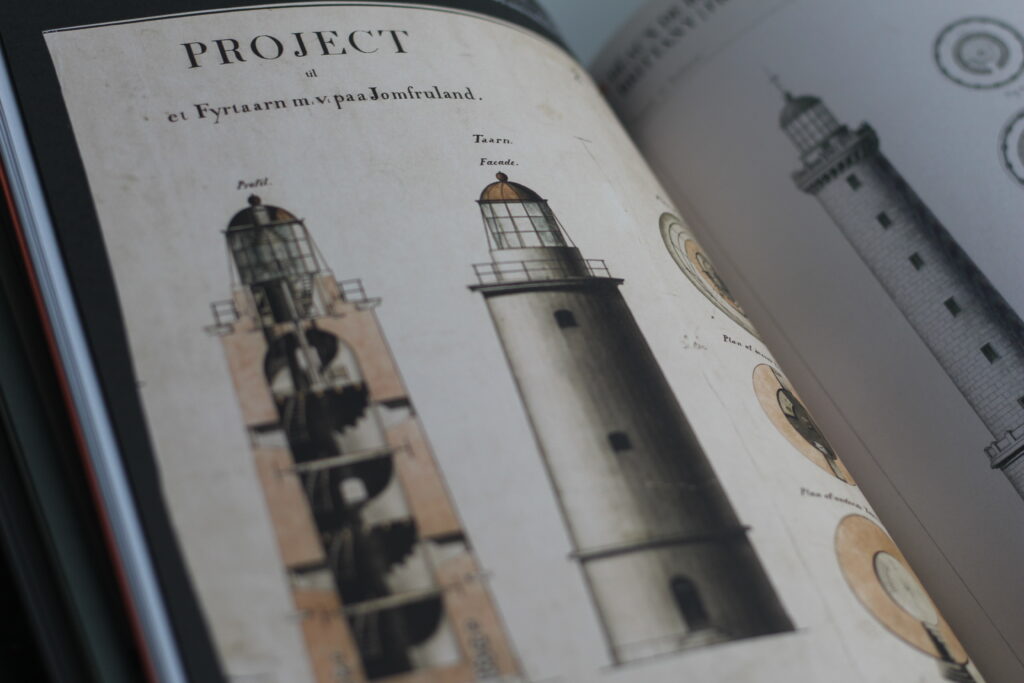
‘Fyrtaarn’ is Lighthouse in danish

How do you most often start a new track?

I simply improvise with my gear and if there is a sound or melody that I really like I recorded it as a loop. I then add more parts like bass, rhythms, field recordings and other drones or melodies on top of that. Everything should help recreate a specific image I have in mind. It is usually something coming from a book, documentary or film I saw. But this happens from time to time, without rush. It can take days or months. This also helps me understand what I want to keep or modify from that track because I listen to it with a “fresh” ear every time.

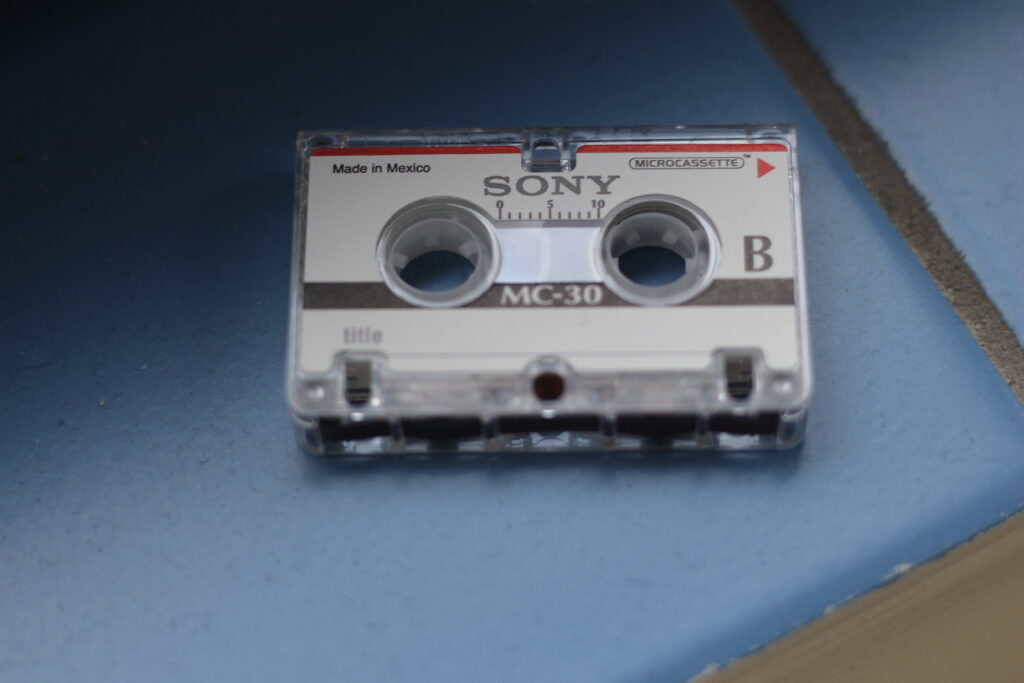
Microcassette

How do you know when a track is finished?

When it sounds full and when modifying it doesn’t improve the song, but actually makes it worse!

Show us your current studio

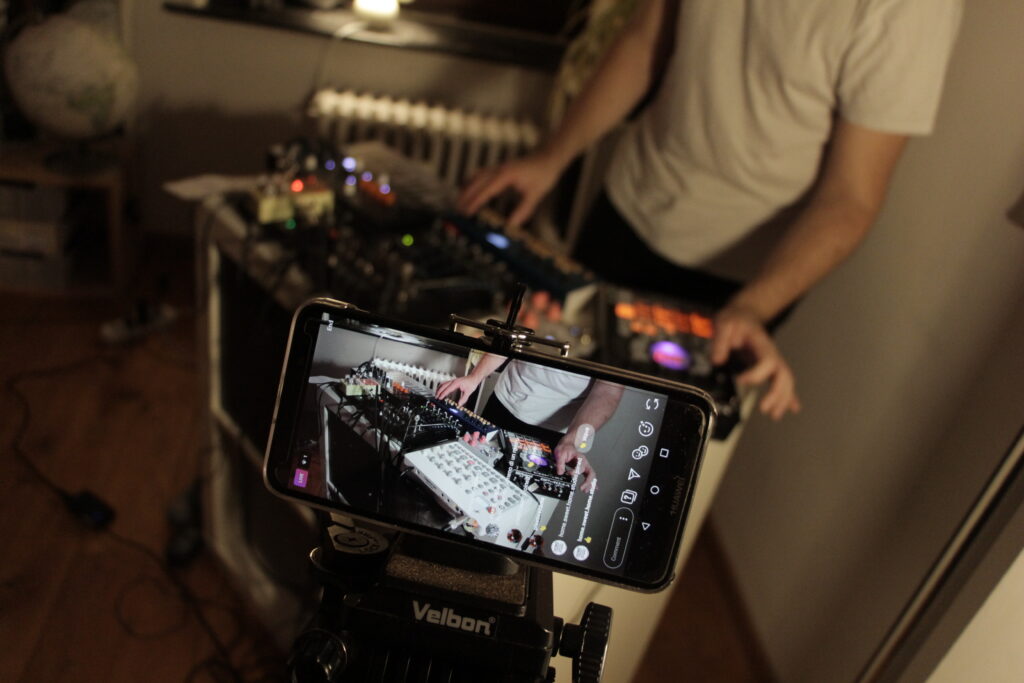
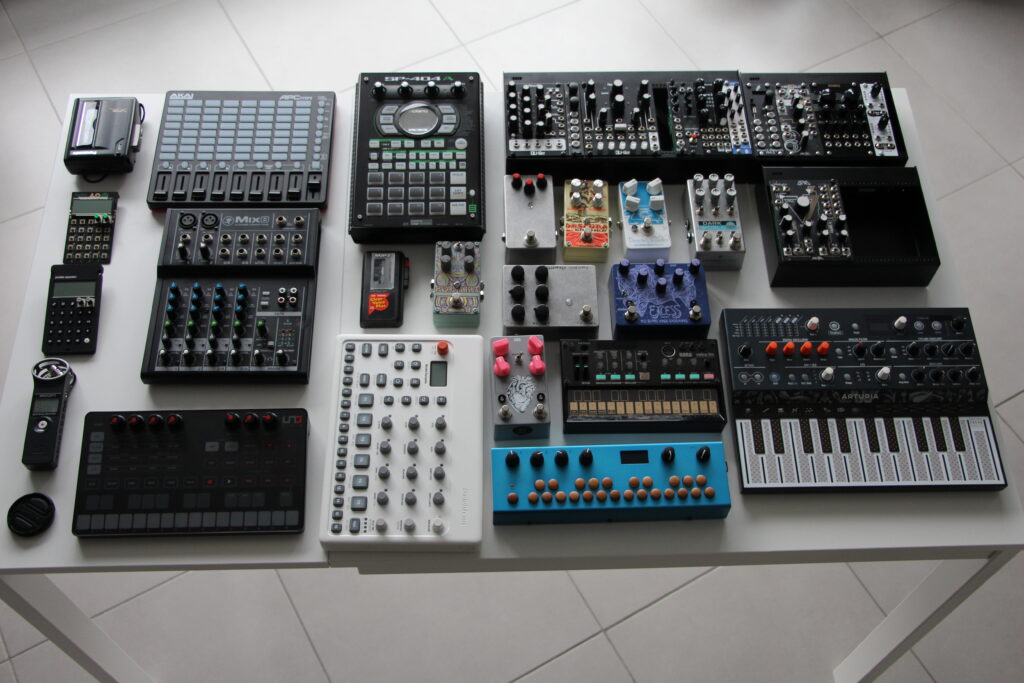
I live in a 2-room apartment, so I don’t have space for a proper studio. I have a lot of IKEA pieces of furniture where I keep my gear and I dissemble everything after every jam. I’m a tidy person, so when there are too many cables around I get nervous. 

A tidy desk of fun

Best creative advice that you’ve ever heard?

A friend once told me that he liked the story behind my project. I think it’s important that bands and artists develop a strong and personal identity, do research and explore a specific idea or theme. Many people just copy themselves, follow trends. In this case I feel content and branding should be intertwined and support each other. People need to recognise you and your style.

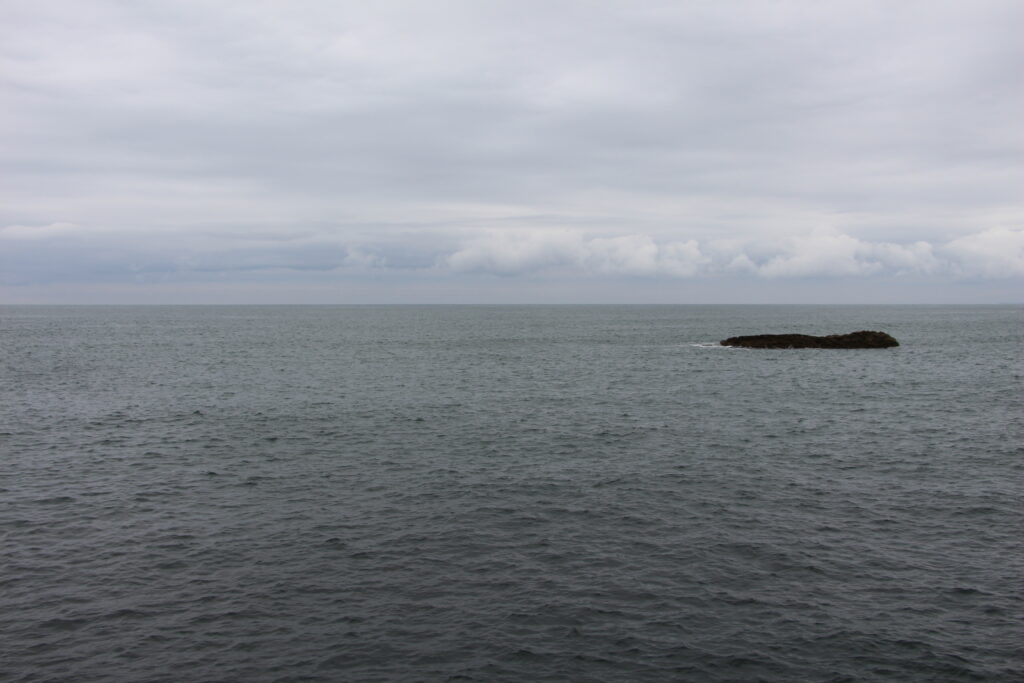
The Sardinian coast

Promote your latest thing… 

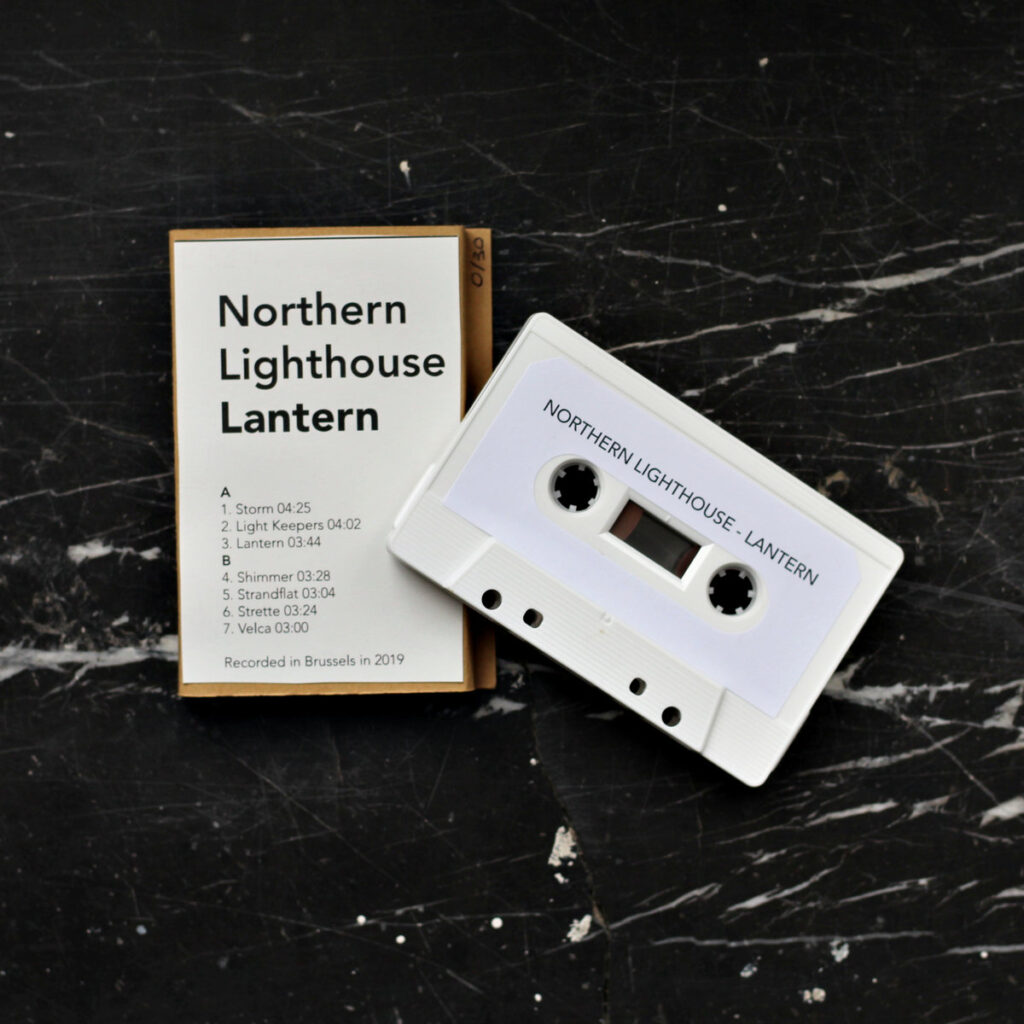
My latest self-released tape is called Lantern, and it is composed of layers upon layers of loops of recorded sounds, synthesizers and guitar pedals that pay tribute to distant landscapes, sailors and lighthouse keepers. I am now working on two projects: a split album with a fellow italian drummer and synth lover and a multi-disciplinary project (music, videos, field recordings and analog photos) on an abandoned miners’ village on the Sardinian coast.

Bandcamp: https://northernlighthouse.bandcamp.com/

Northern Lighthouse Lantern cassette release

[Editor: Do you have a favorite tip, trick or way of working with any of the gear from this interview?
Then throw us a comment below…
]


Per Hansen – SongsFromTinPanAlley

1. Favourite knob/fader/switch on a piece of gear and why?

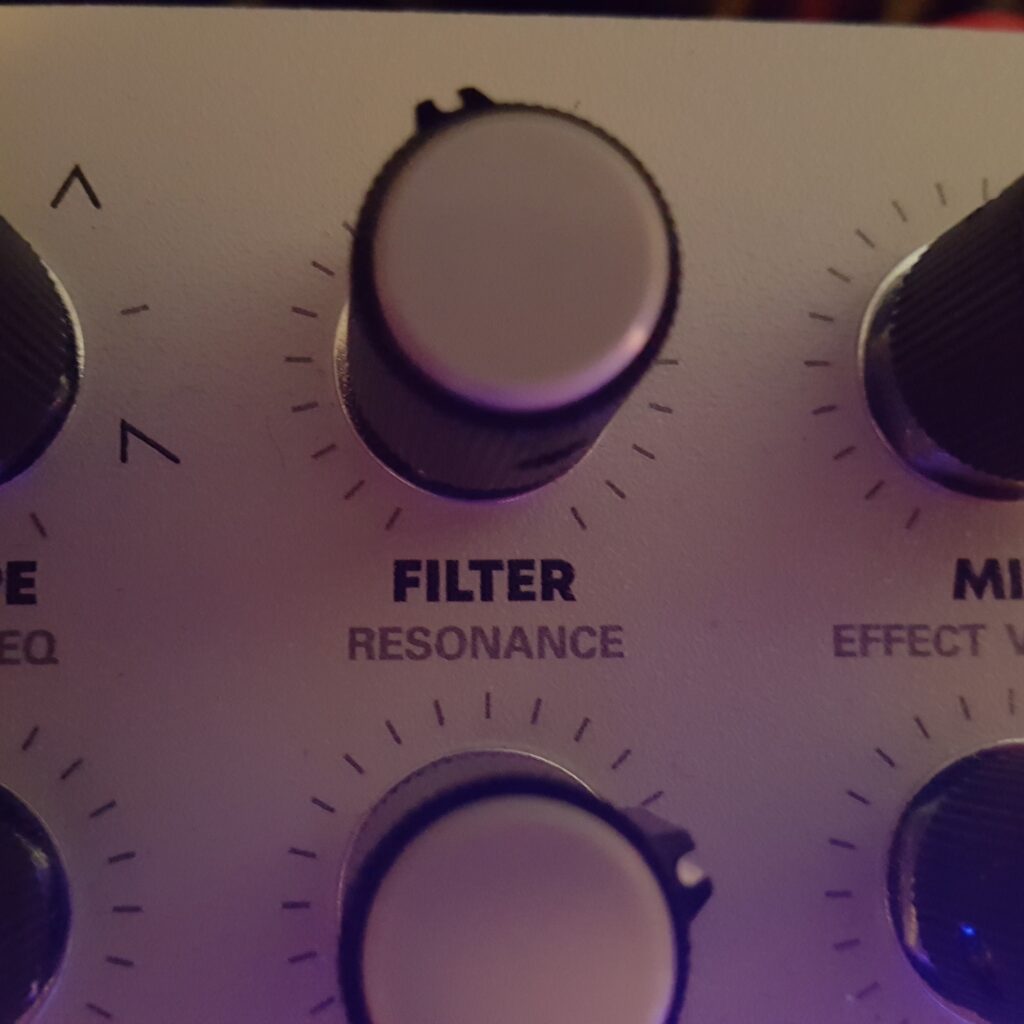
Definitely the structure-knob on the Rings-module in Sympathetic strings-mode. I just love turning it and hear the subtle changes of harmonics! And it’s bigger than any of the other modular knobs I have.

Mutable Instruments Rings-module Structure knob

I also recently got the Microcosm from Hologram and the filter knob is turning out to be a favorite too. Turning it all the way clockwise and the reverb cranked nearly all the way up results in such beautiful and musical textures.

Microcosm from Hologram Electronics

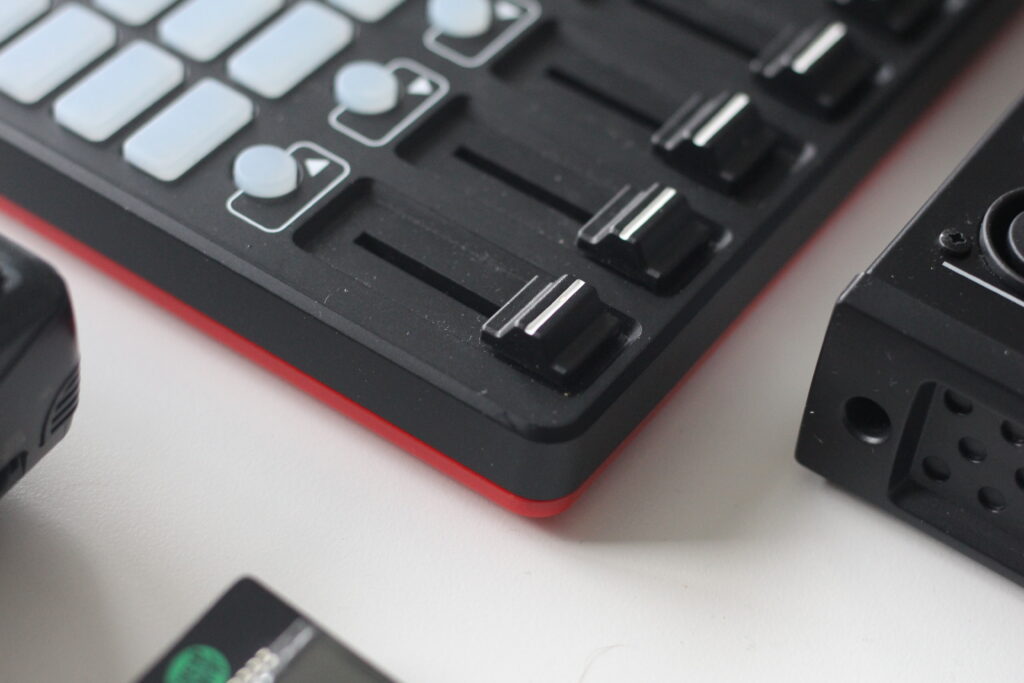
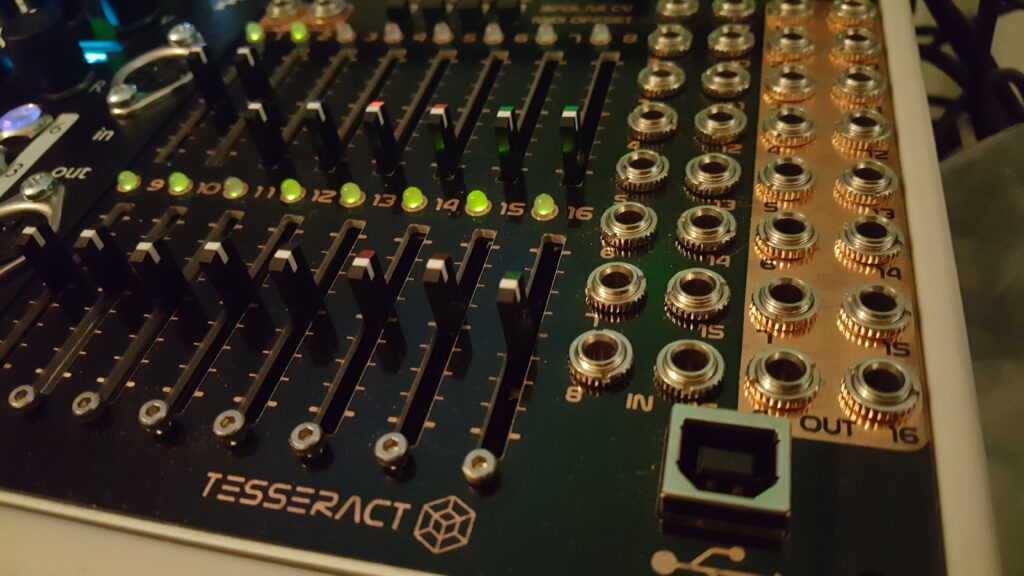
But to be totally honest, then I’m more of a fader-man. I actually think knobs tend to be tedious and not so expressive and musical as faders. Just purchased the Sweet 16 from Tesseract Modular and I love being able to control my Disting ex and especially parameters on my Norns with it. I feel more focused and in control with faders.

Tesseract Modular

2. Do you have an ‘almost’ perfect bit of kit? What would you change?

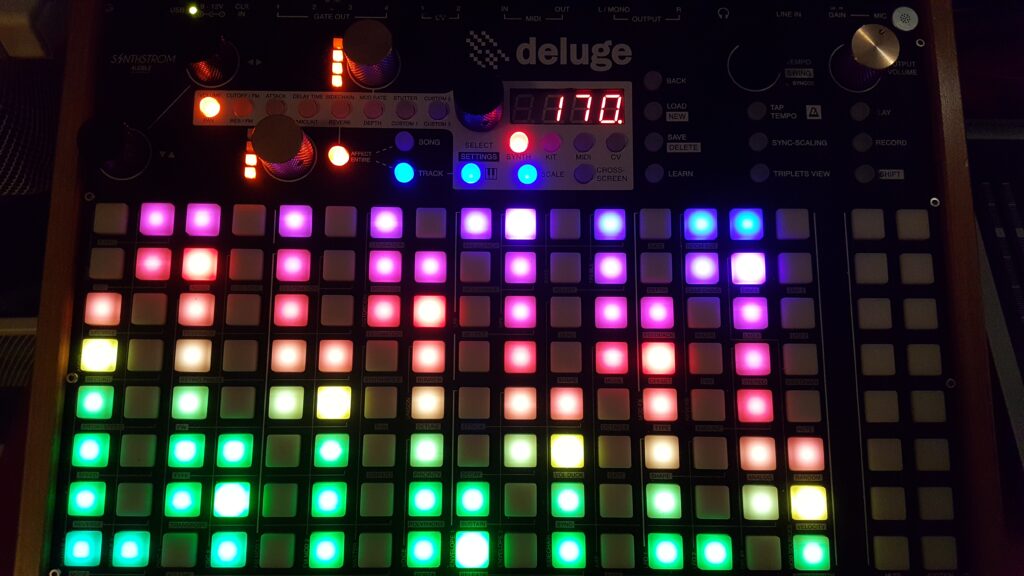
The Deluge is the mothership of my setup. Even though it has some flaws, like its lack of a decent file structure where you have to scroll through all the synths till you find the one you need, killing the flow, I cannot live without it. In an almost dawless environment, it is essential!

Synthstrom Deluge

And of course, I cannot live without my feelings. I consider feelings my main instrument and 100% my most perfect kit. All compositions start and flourish from the state of mind I’m in and it’s important for me to embrace it and let it unfold without any dogmas and restrictions.

3. What setup do you bring on holiday/tour/commute etc.?

My Oscar Teller guitar and the Deluge! Used to own the OP-Z, but unfortunately had to let it go to finance other gear. The Zed has a more handy size compared to the Deluge, but the Deluge has some other aces up its sleeve, like the fact that you are able to record very long samples on it and its ability to create an endless amount of tracks.

4. What software do you wish was hardware and vice versa?

I’m actually trying to spend the least time possible with software. I get impatient behind a computer screen. What I love about making music is the tactile experience. Tuning “knobs” and “faders” with a mouse doesn’t give me that 😉

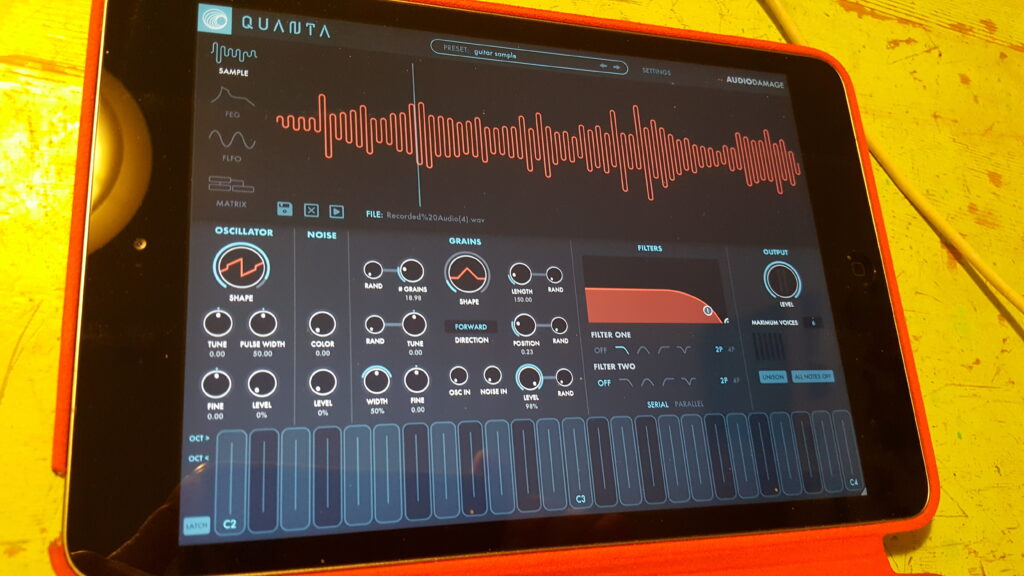
Audio Damage Quanta

It could be cool, though, to have the Qaunta by Audio Damage in a hardware eurorack- or synth version, with all the matrix possibilities.

5. Is there anything you regret selling… or regret buying?

Went down the eurorack-rabbit-hole and had to let go of my OP-1. I miss it every day, but they’re too expensive compared to what they can do!

I also sold my two polysynths – Digitone and Novation Peak. Miss them dearly every day. Maybe I have to buy a new secondhand Peak in the near future.

I usually don’t regret buying anything. Cause every purchase is a new adventure for me.

6. What gear has inspired you to produce the most music?

Definitely the Rings module. Whenever I send a sequence to it, it turns out to be a keeper.

I also get very inspired when looping random objects and instruments using the Cheat Codes script on my Norns.

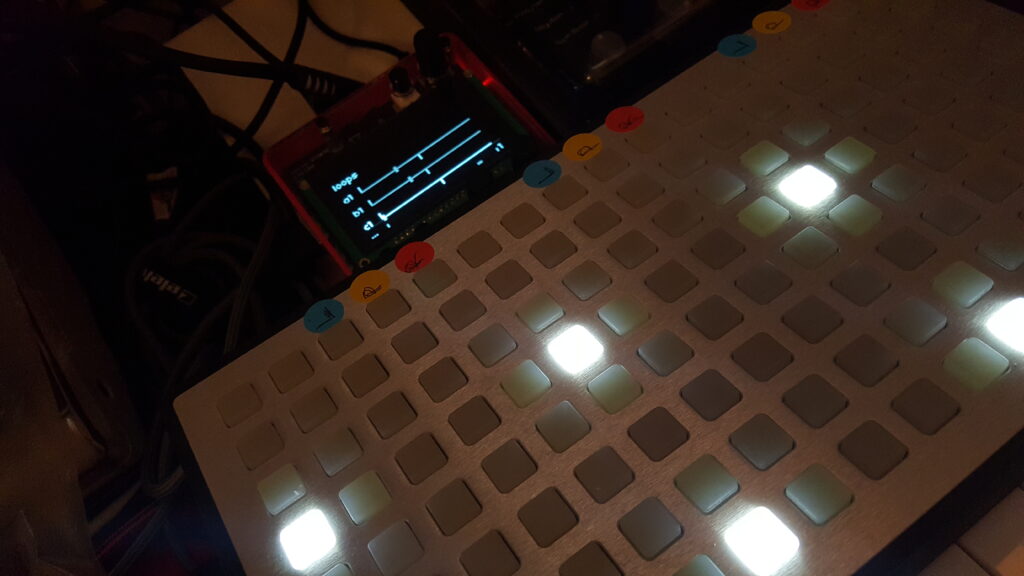
Norns and Grid

7. If you had to start over, what would you get first?

A Grand piano in my own giant palace. Joke. It’s just a dreamers mind speaking, living with four kids in a relative small apartment.

8. What’s the most annoying piece of gear you have, that you just can’t live without?

My mini Mac!

9. Most surprising tip/trick/technique that you’ve discovered about a bit of kit?

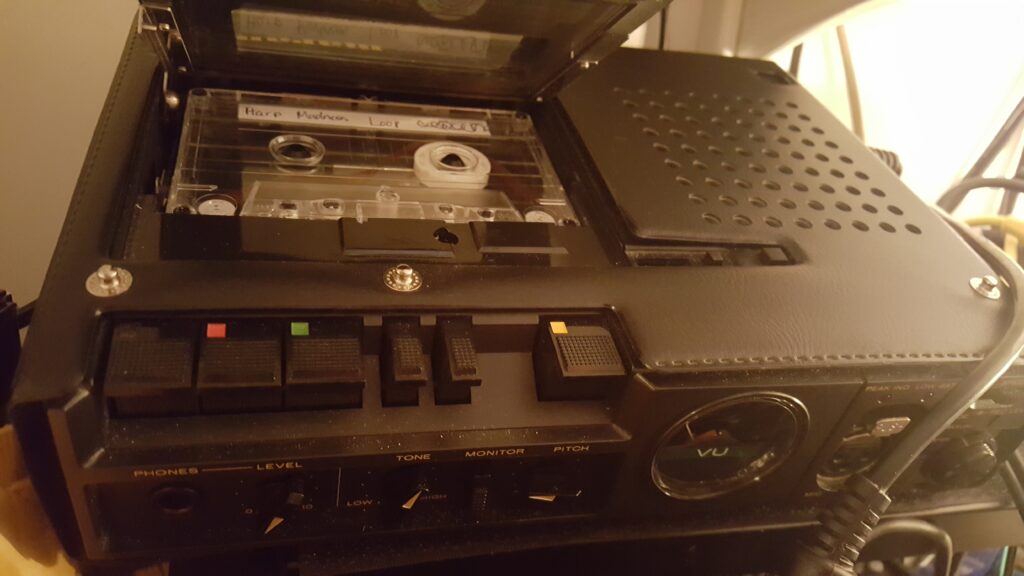
Marantz PMD 222

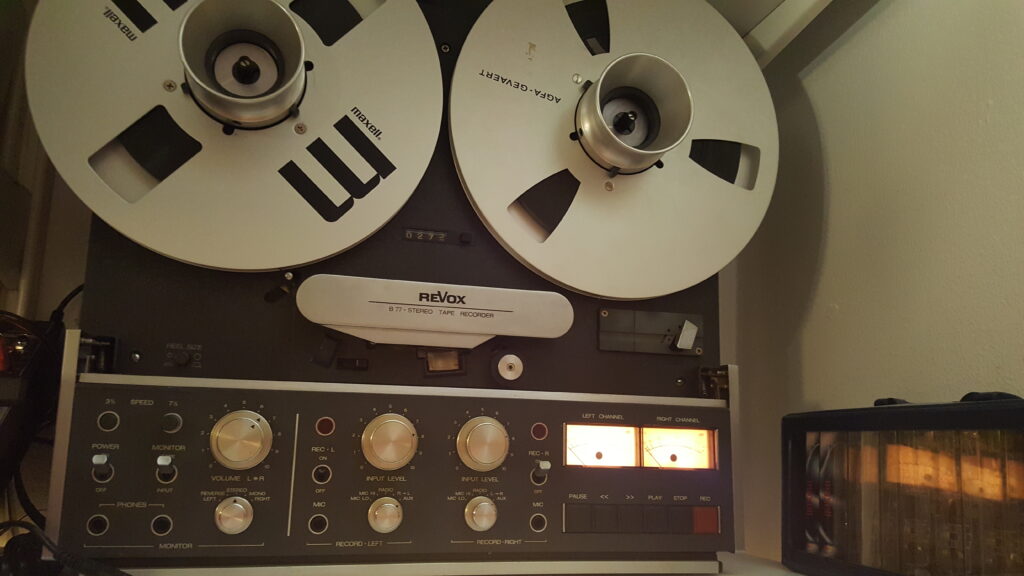
Thanks to @perbarfot I discovered how cool it is to run an instrument through the Marantz PMD 222, while giving the loop tape a good scratching massage. Love the wow and flutter effect it gives. Also tried it on my Revox B77 using the tension arm with very good results.

ReVox B77

Artist or Band name?

Songs From Tin Pan Ally

Genre?

Ambient

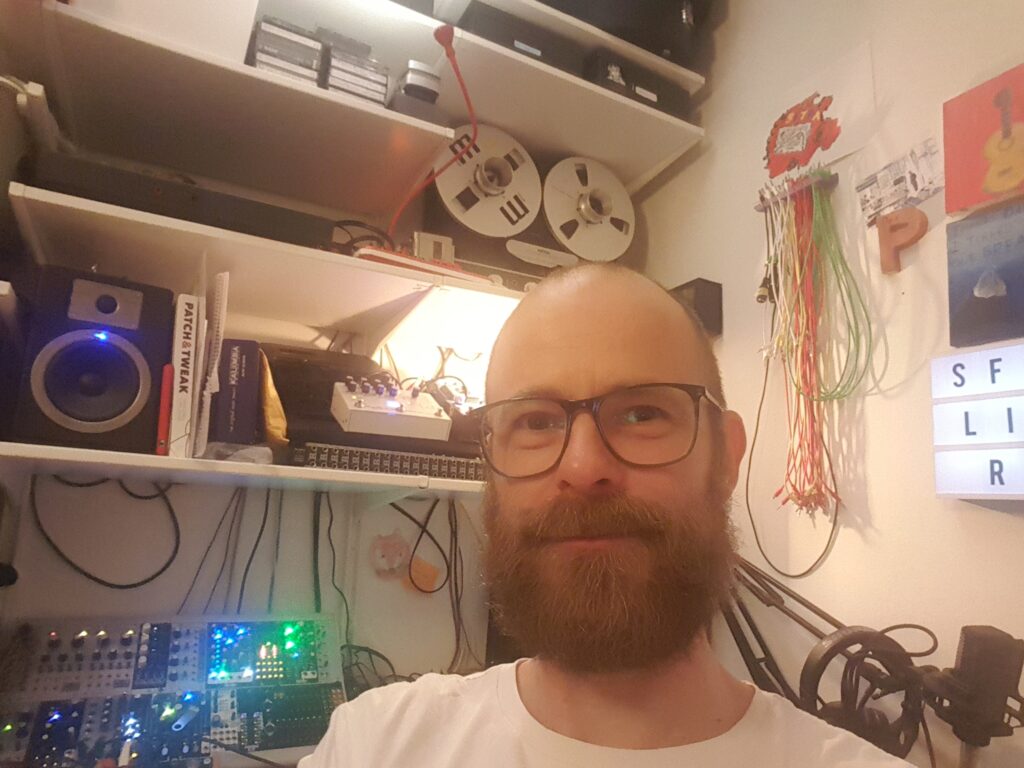
Selfie?

Per Hansen

Where are you from?

Denmark, Copenhagen

How did you get into music?

When I was 15, I got a worn-out classical guitar from my grandmother and my first step was to learn every GNR song from a tabs book! Must have sounded pretty bad because I didn’t know how to tune a guitar 😉

But I really loved it and after learning the basics a friend of mine and I started a band and from there I began writing my own songs.

What still drives you to make music?

I’m always striving for music of chance. That’s my drive. Love the way a simple melody or a sound of any kind of music instrument can turn into something totally mind-blowing! And you end up asking yourself… Did I really do this?

How do you most often start a new track?

I often start a new track while patching my modular stuff and turning knobs. It can be a sound, a melody or just a drone-kind-of-sound that express a feeling or a mood. That’s the foundation. From there, I just try to add different layers to that foundation.

How do you know when a track is finished?

When I press stop rec 😉

I listen to it many times the following days and if it still blows my mind, it’s a keeper.

Show us your current studio

Per Hansen’s Home Studio

Best creative advice that you’ve ever heard?

Don’t think too much. Just play and make a lot of mistakes!

Promote your latest thing… Go ahead, throw us a link.

I’ve just released ‘tænkeRUM’ on bandcamp and not long before that ‘Time’, which is also available on any streaming platform. In a couple of months, my first physical release is a reality. I’m planning on releasing it on cassette. At the moment, I’m calling it ‘autumn lullabies’

https://songsfromtinpanalley.bandcamp.com/album/t-nkerum

https://songsfromtinpanalley.bandcamp.com/album/time


[Editor: Do you have a favorite tip, trick or way of working with any of the gear from this interview?
Then throw a comment below…
]