Paul Talos – Signal Soundlabs

1. Favourite knob/fader/switch on a piece of gear and why?
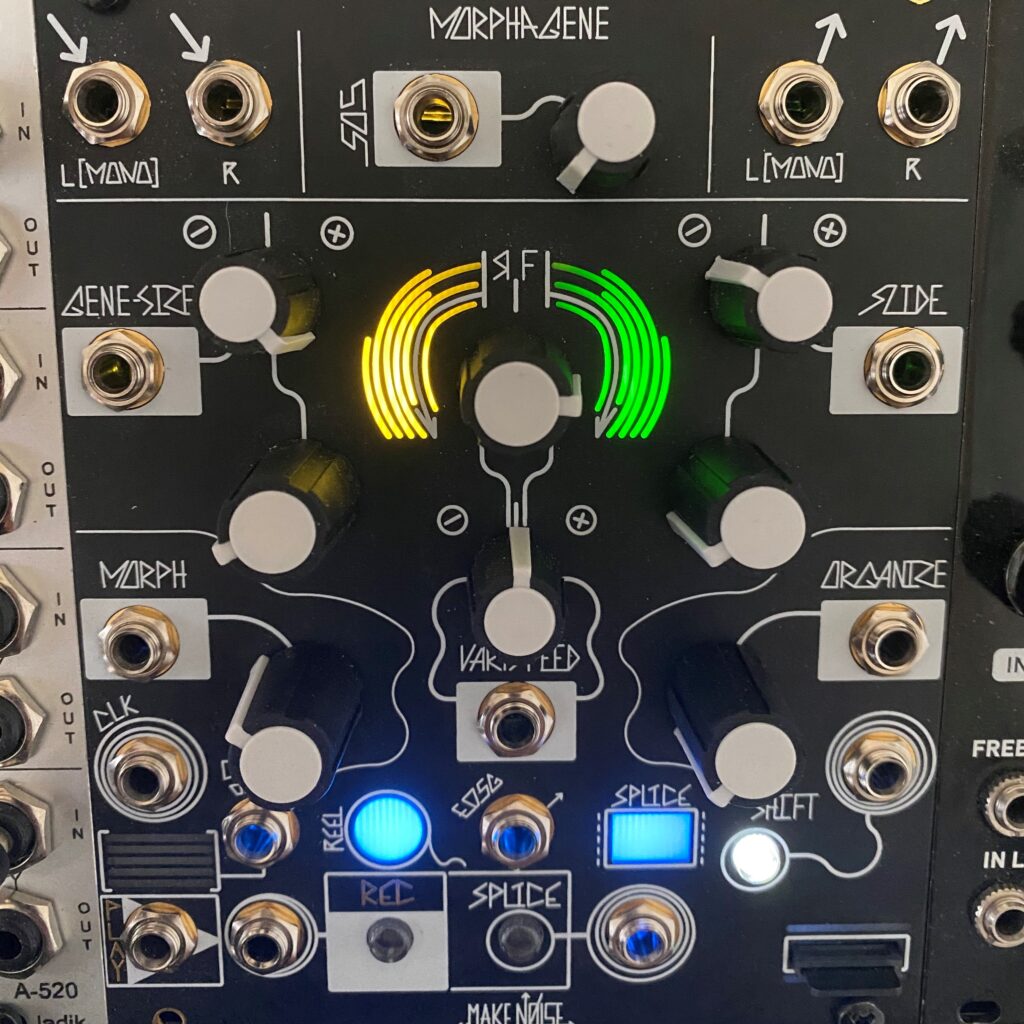
Make Noise Morphagene

Lately, it’s been the Vari-Speed knob on the Morphagene. It’s really incredible how something as simple as changing the speed and pitch of a sound can turn it into something completely unrecognizable. Things get even more interesting when you start reversing things too. You really end up discovering all kinds of sounds within sounds that you never really would have thought were there, especially when slowing samples down. Gotta love the wonderful world of microsound.

2. Do you have an ‘almost’ perfect bit of kit? What would you change?
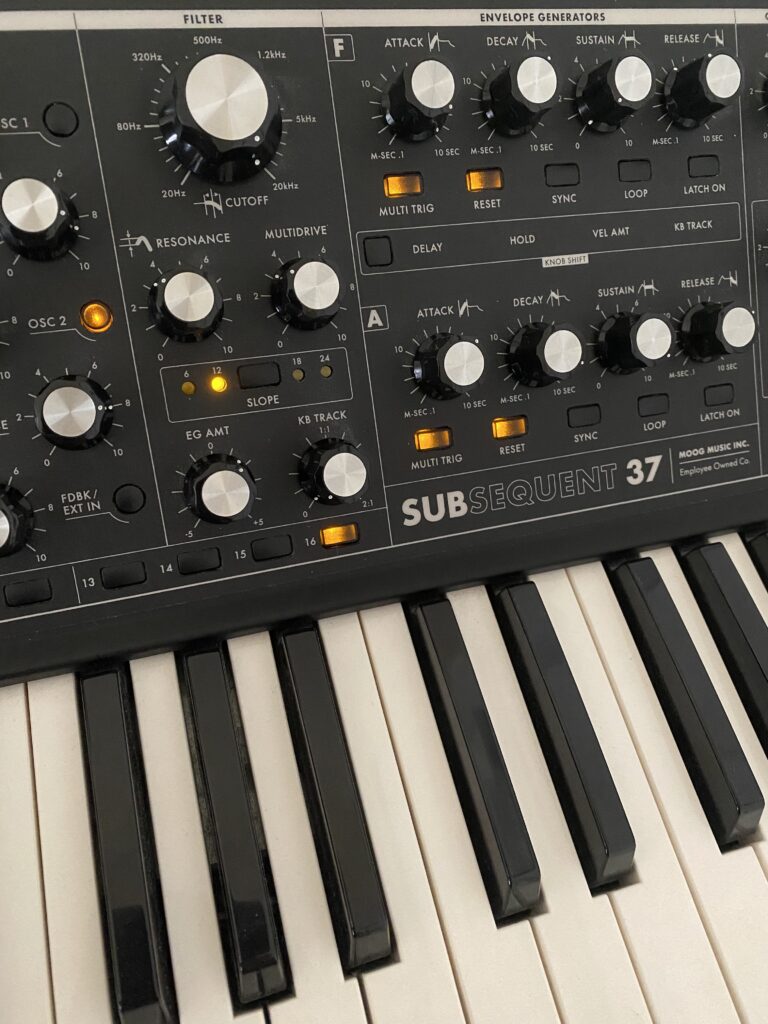
Moog Subsequent 37

The closest thing for me would be my Moog Subsequent 37. It just puts so much sound design power at your fingertips, you almost don’t need anything else. Between having one of my favorite filters, two different kinds of distortion, and plenty of modulation options, there’s enough in there to make a lifetime’s worth of music. It may not be as infinitely versatile as my eurorack setup, but there’s a certain immediacy about it that allows me to get what I need out of it very quickly. The only thing that could possibly make it even better is if it had voltage control over more of the parameters. I actually really regret not jumping on the CV version while they were still making those, as that would have been as close to perfect as you can get.

3. What setup do you bring on holiday/tour/commute etc.?
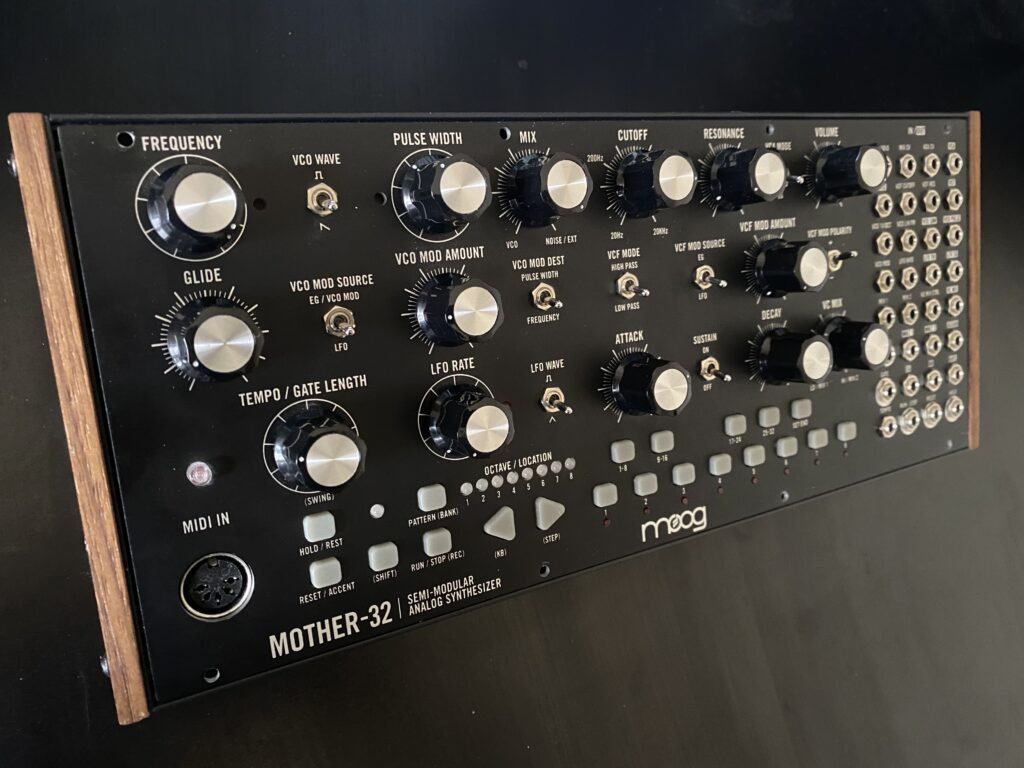
Moog Mother-32

I can’t say I do much traveling with my gear, as my setup wasn’t exactly designed with mobility in mind. But I guess if I were to bring anything, it would be my Moog Mother-32. Not only is it one of my more compact instruments, but I find its limitations to be pretty inspiring. It’s a surprisingly deep instrument and can yield some very unexpected results with a bit of clever patching. I often feel like I’m just scratching the surface of what it can do, so I suppose traveling with it would really force me to get everything I can out of it.

4. What software do you wish was hardware and vice versa?
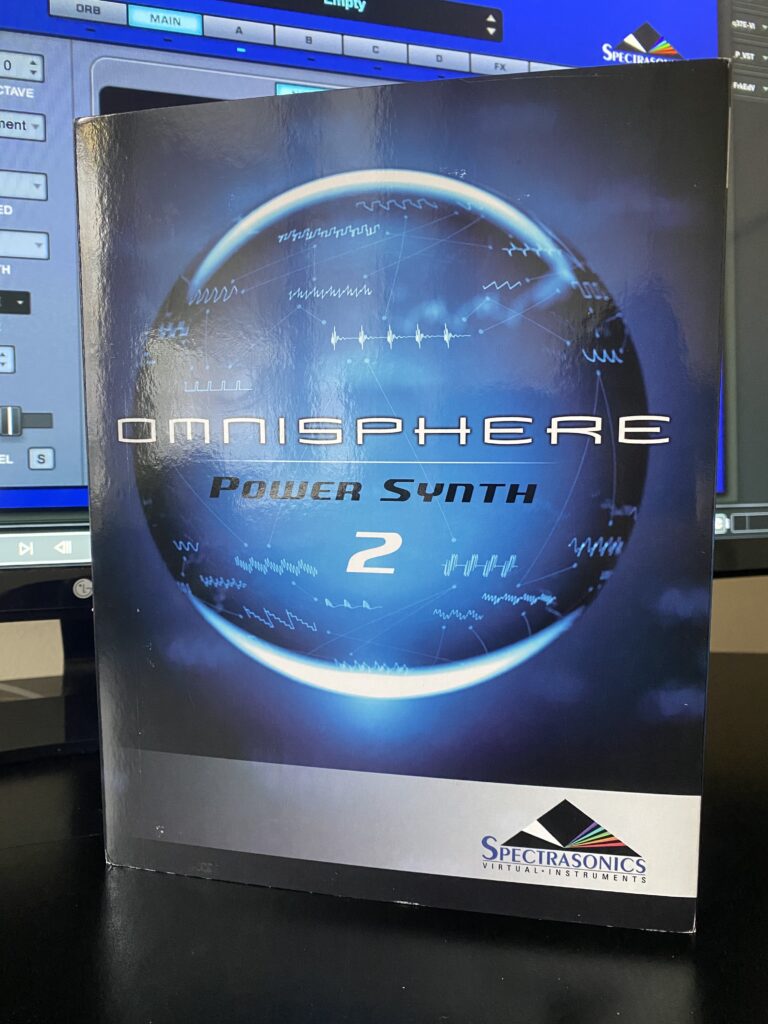
Spectrasonics Omnisphere

I really wish there was some kind of hardware version of Spectrasonics Omnisphere. It’s such a useful instrument when scoring for a film, especially for creating cinematic soundscapes. It’s one of the few VST instruments I find myself going back to time and time again. If they made a hardware version with some CV control over the parameters, I’d buy one in a heartbeat. Of course, with the size of the library being what it is, I’m sure it would be incredibly impractical to actually implement in hardware form, much less in eurorack format.
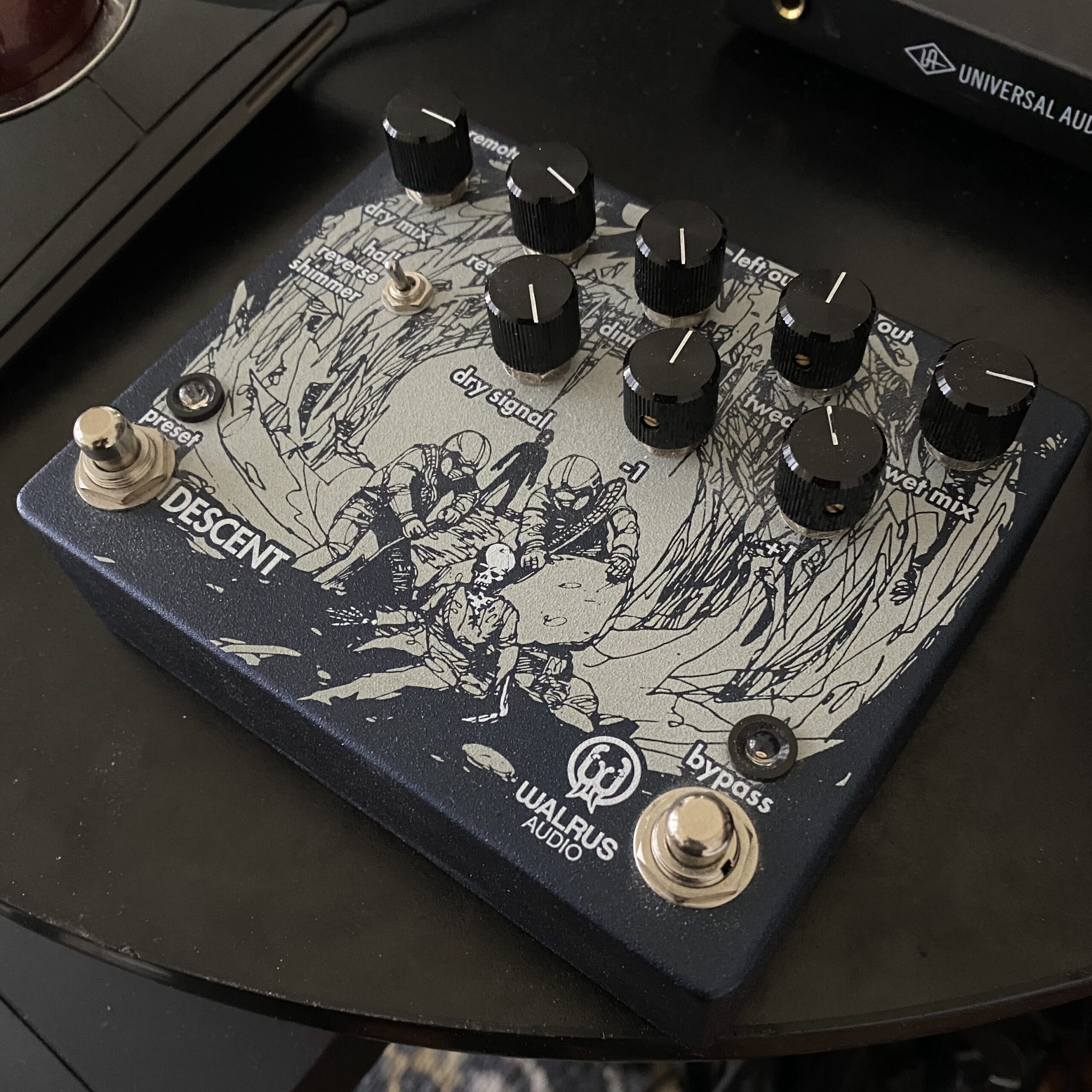
Walrus Audio Descent

On the flip side, I’d love a plugin version of my Walrus Audio Descent reverb pedal. I use the shimmer mode on that pedal quite a bit to add an almost choir-like quality to synths, and would love to have multiple software instances to use throughout a mix. Sure, there are ways of creating a similar sound using other software (the Descent is digital after all) but the pitch shifting on this pedal has a very particular, kind of unnatural sound to it. Hard to describe, but it definitely has a tone and I haven’t really come across anything else that sounds quite like it.

5. Is there anything you regret selling… or regret buying?
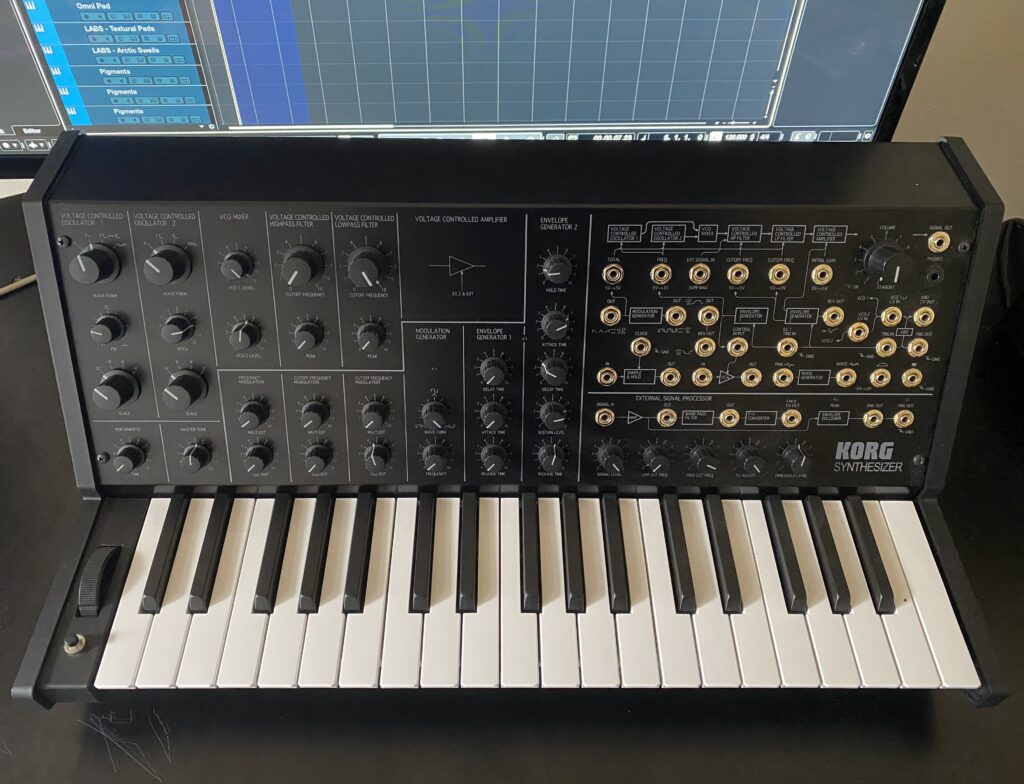
Korg MS-20 mini

I sold my Korg MS-20 mini when I first started diving into eurorack. At the time, I figured it didn’t make sense to have a semi-modular synth that didn’t speak Volt per Octave and was looking to get some cash to finance the beginnings of my modular (I believe I ended up buying a Maths with the money I made). But over time I realized just how much I missed those oscillators and filters. It’s such a unique instrument, and much like the Mother-32, it just has a very inspiring set of limitations. So last year, I actually ended up buying it again and will never repeat the mistake of selling it.
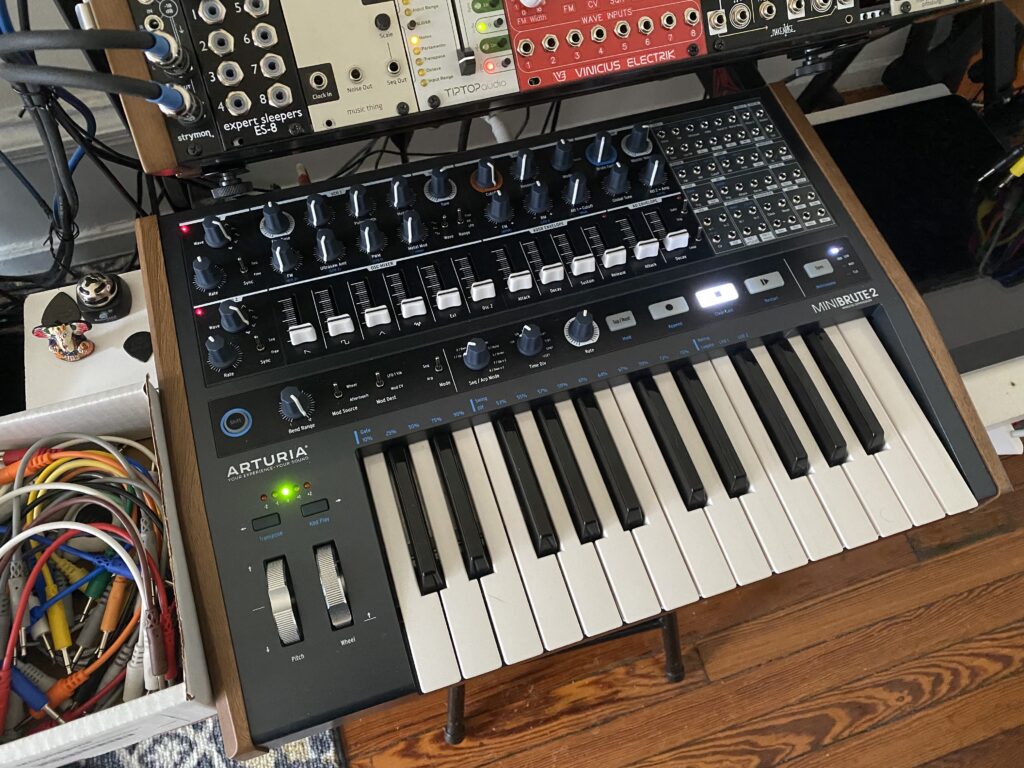
Arturia Minibrute 2S

As far as buyer’s remorse on a piece of gear, I bought an Arturia Minibrute 2S when they first came out and had some regrets on that one. The synth voice itself is phenomenal, and the ability to integrate it with eurorack really enhanced the functionality of my existing modular system. But I never got into a good flow with the sequencer. As someone with a background in music theory, I found it really difficult to visualize musical intervals due to its lack of a traditional keyboard. So I eventually ended up selling it and getting the keyboard version instead. Been loving it ever since.

6. What gear has inspired you to produce the most music?
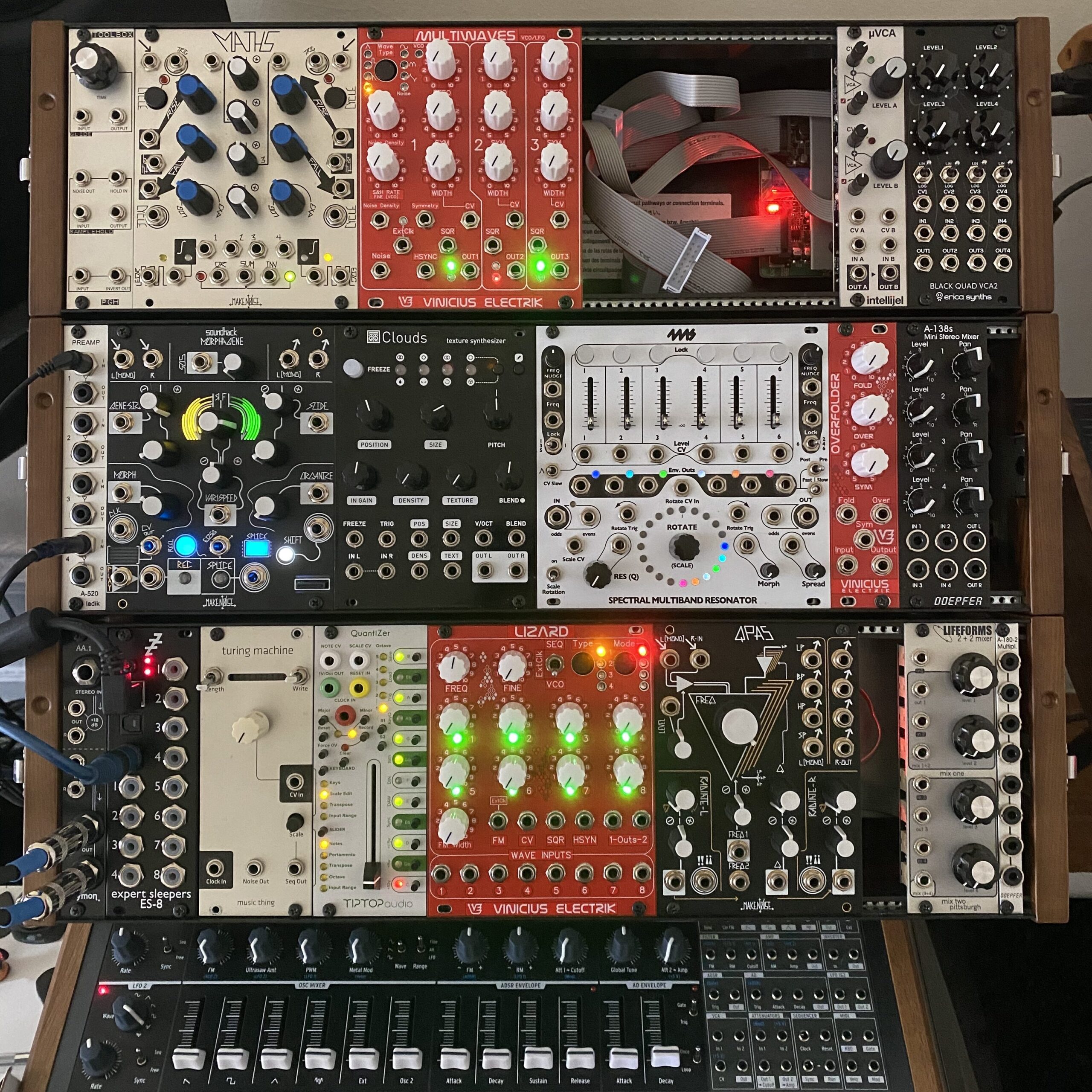
Signal SoundLabs Eurorack

Lately, my eurorack rig has been the most consistent source of inspiration. I made some upgrades to it recently, and after about three years of buying and selling modules, I finally feel like I have most of the puzzle pieces in place. Modular synthesis definitely has an element of unpredictability, feels like these modules have a will of their own sometimes and I’m just along for the ride.
It really is a happy accident machine. The downside is it can be a bit difficult to tame, especially when working on music that is synced to visuals. But lately I’ve managed to find a workflow that has been very effective for film music. The key was to start recording everything I did on the modular and then spending some time editing to pick out all the best parts. The editing can be time consuming, but I find myself getting faster and faster with patching so it all evens out. Overall, I just find it more inspiring to capture a bunch of audio from the modular and then work by subtraction rather than addition.

7. If you had to start over, what would you get first?

If I had to start again, I’d probably get the most powerful computer I could afford, along with a copy of Cubase, a Universal Audio Apollo Twin, and some kind of semi-modular synth like the Minibrute 2. A basic rig like this would cover pretty much all the essentials, while combining a tactile hardware workflow with plenty of digital flexibility.

8. What’s the most annoying piece of gear you have, that you just can’t live without?
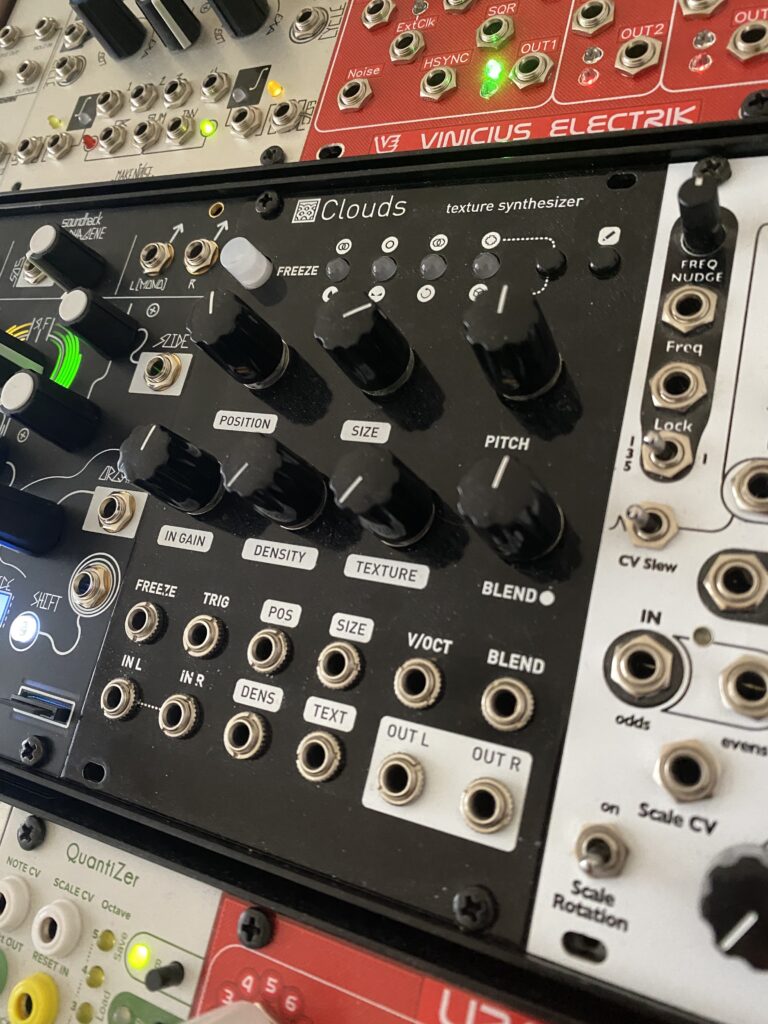
Mutable Instruments Clouds

Hard to say, but I guess I kind of have a love/hate relationship with my Mutable Instruments Clouds module. I rely on it pretty heavily when it comes to making any kind of ambient drone patch, but I find it rather annoying having to remember what all the controls do in its various different modes. Having installed the Parasite firmware really didn’t help with that either. That said, I came across an iOS app called Modes that acts as a nice cheat sheet for some multi-function modules, so I’m definitely not pulling my hair out as much as before. As much as I have a few gripes with Clouds, it really brings a lot to the table and has become pretty much irreplaceable in my rack.

9. Most surprising tip/trick/technique that you’ve discovered about a bit of kit?
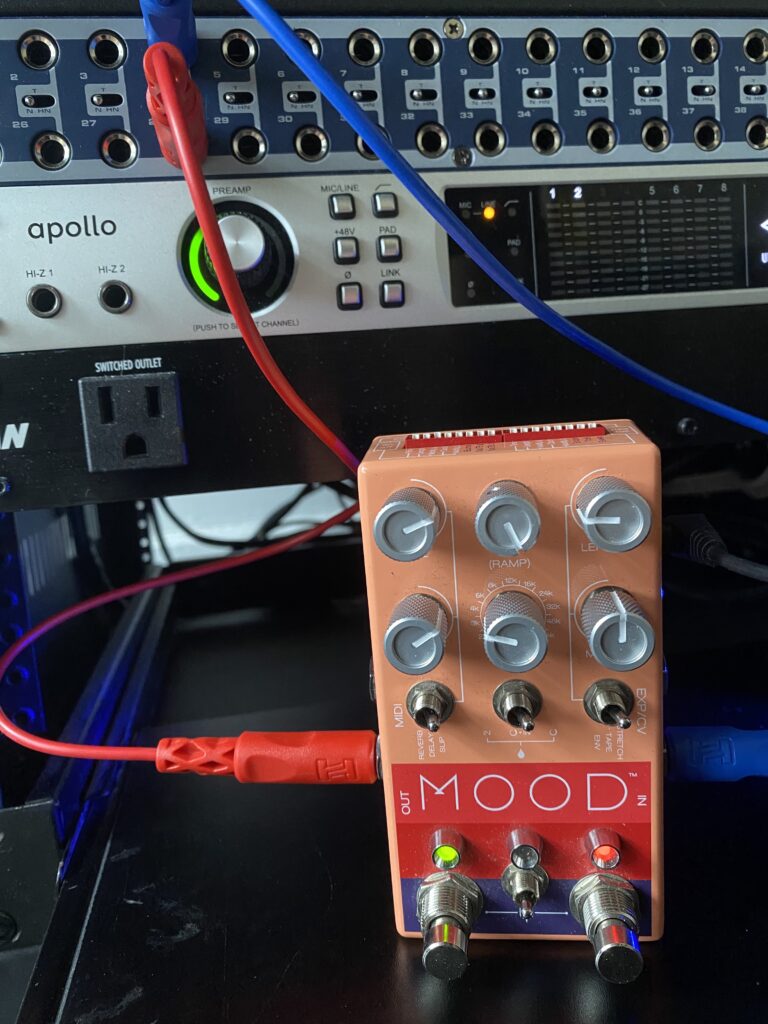
Chase Bliss MOOD

I’ve recently been getting more and more into processing audio from Cubase using effects pedals. Plug-ins can be great, particularly for utility functions like EQ, but nowadays there are so many unique pedals out there, it feels like a shame not to use them to process in-the-box sounds as well. I’ve been doing this a lot with my Chase Bliss MOOD pedal in particular, which lets me grab a short slice of audio from the DAW and transform it in all kinds of quirky and interesting ways. Lately, whenever I get stuck on a track, I’ll start feeding random audio into MOOD (unused takes from the modular work particularly well) just to see what happens. It’s a great way to get myself out of a creative rut.


Artist or Band name?

Paul Talos

Genre?

Cinematic Electronica. I’ve never been sure how to categorize my music exactly, so eventually I just made something up. I think it sums things up pretty nicely.

Selfie?
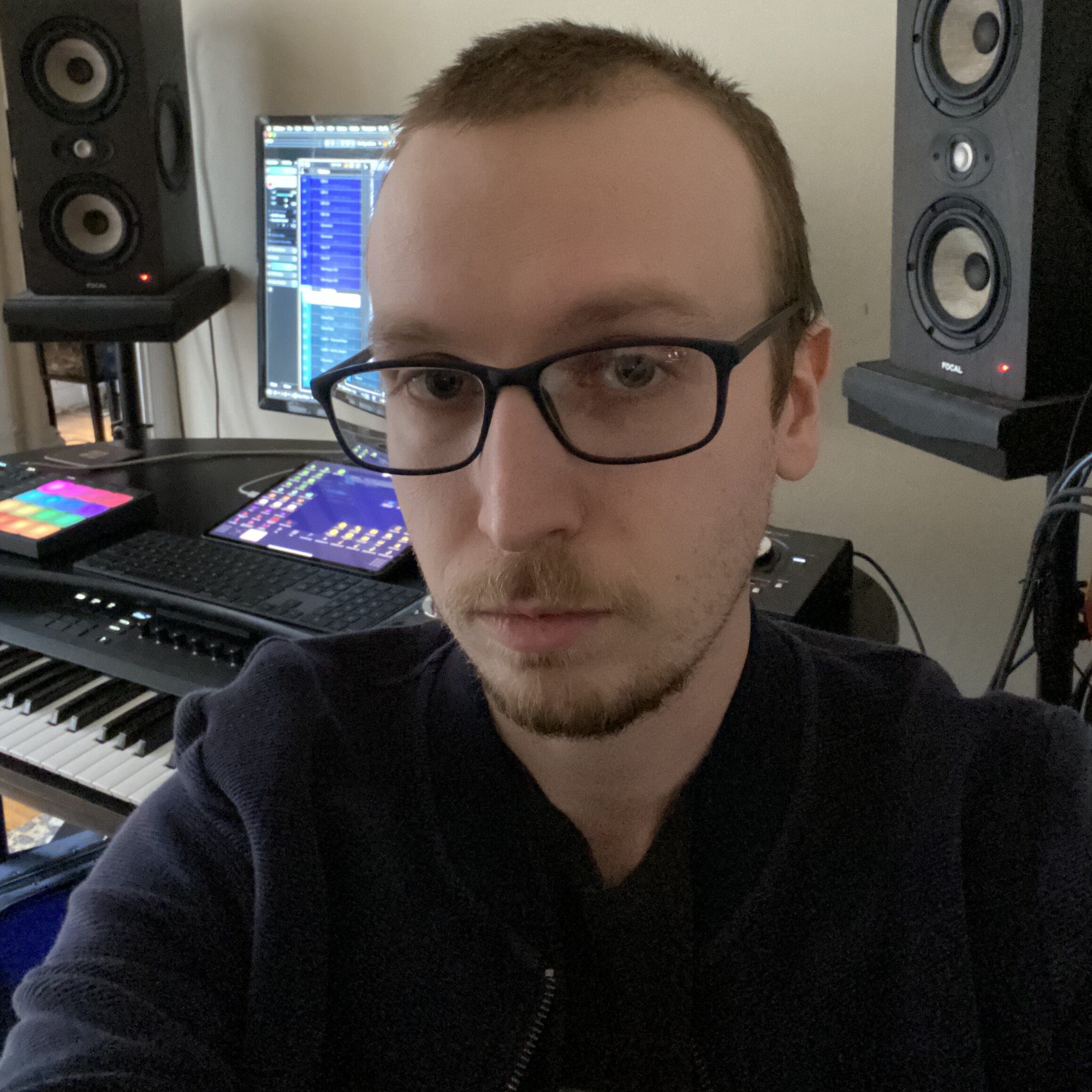
Paul Talos

Where are you from?

Born in Germany, grew up in Boston, MA. Currently living in Philadelphia, PA.

How did you get into music?

I started playing electric guitar around the age of ten and started experimenting with home recording on a laptop when I was a teenager. After high school, I spent some time at Berklee College of Music studying guitar and discovered a love of synthesis and all things electronic music shortly after that.

What still drives you to make music?

Music’s become my job over the last few years, so a paycheck is definitely one thing that drives me. But more importantly, I constantly find myself inspired by just listening to other people’s music and trying to deconstruct what I’m hearing. I’ve come across some very interesting synthesis and production techniques just by trying (and usually failing) to emulate something I heard somewhere else.

How do you most often start a new track?

As a film composer, the answer to that question really varies from project to project. Production timelines and deadlines can be vastly different from one film to the next, so sometimes it might be starting a new track every day, other times I’ll write two or three a week. I do try to spend some time every day just to make some kind of noise though, usually on the modular. I find that synthesis is a skill that really needs to be maintained, otherwise it just gets harder the longer you are away from it. So regardless of what I’m working on, I try to squeeze in some synth time at least once a day, so I don’t get too rusty.

How do you know when a track is finished?

It really never is, but once the deadline hits it’s usually good enough. Honestly, if I didn’t have deadlines of some sort, I’m not sure I would ever finish anything. 

Show us your current studio
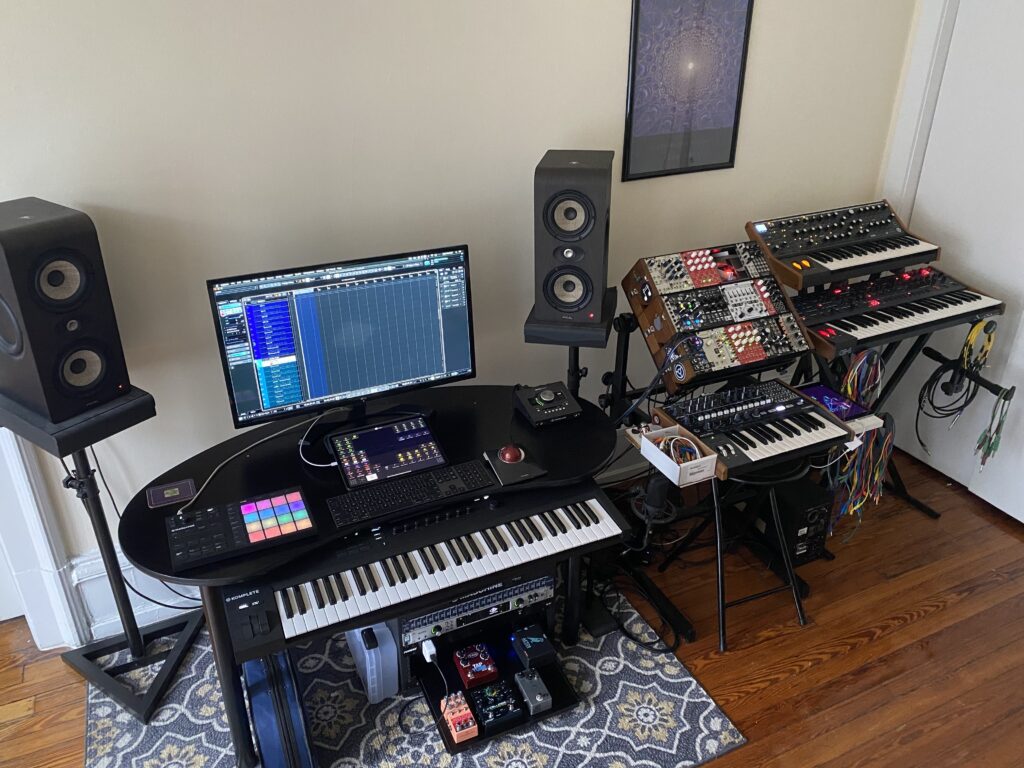
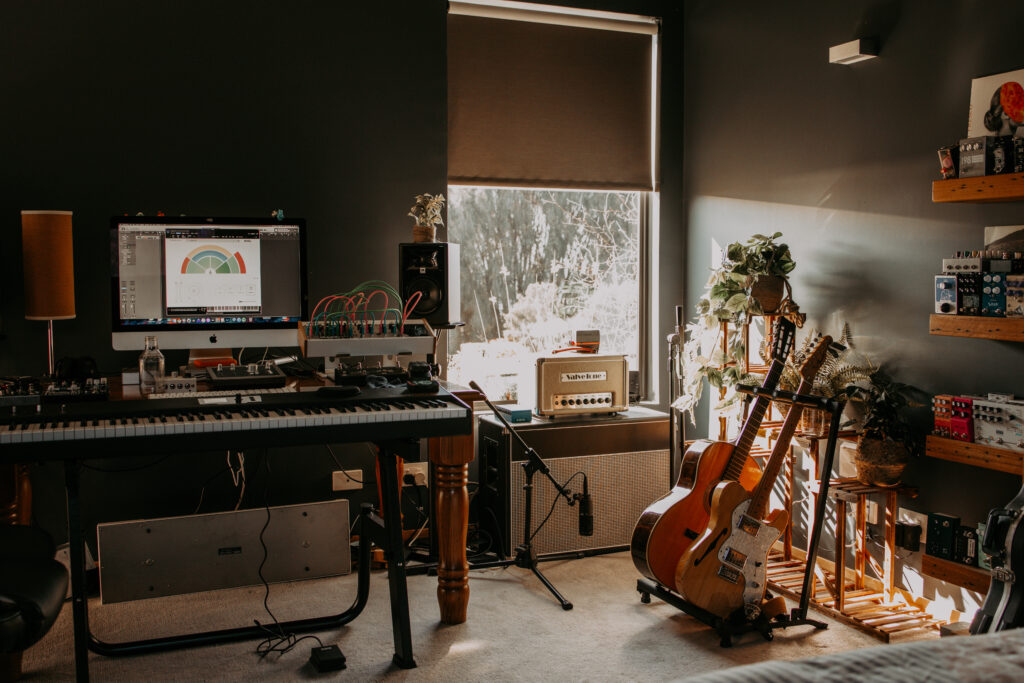
Signal SoundLabs studio

Best creative advice that you’ve ever heard?

This one kind of relates to one of the other questions about finishing tracks. I took this music production class in college, and the professor said something one day that really stuck with me. I’m paraphrasing, but it was something along the lines of this: A mix is never done, you just stop working on it eventually. To hear that from a professional in the industry was incredibly reassuring at the time. I think it’s something that applies not only to a mix, but to music making in general. Nothing is ever truly finished and that’s okay.

Promote your latest thing… Go ahead, throw us a link.

Back in July, I released my score for a short thriller film called ‘Just Like You.’ The score is available on all streaming platforms. Links below.

Just Like You (Spotify)

https://music.apple.com/us/album/just-like-you-original-score-ep/1521324795

https://paultalos.bandcamp.com/releases


[Editor: Do you have a favorite tip, trick or way of working with any of the gear from this interview?
Then throw us a comment below…
]


Benjamin Shaw – Ponderer Sounds

1. Favourite knob/fader/switch on a piece of gear and why?

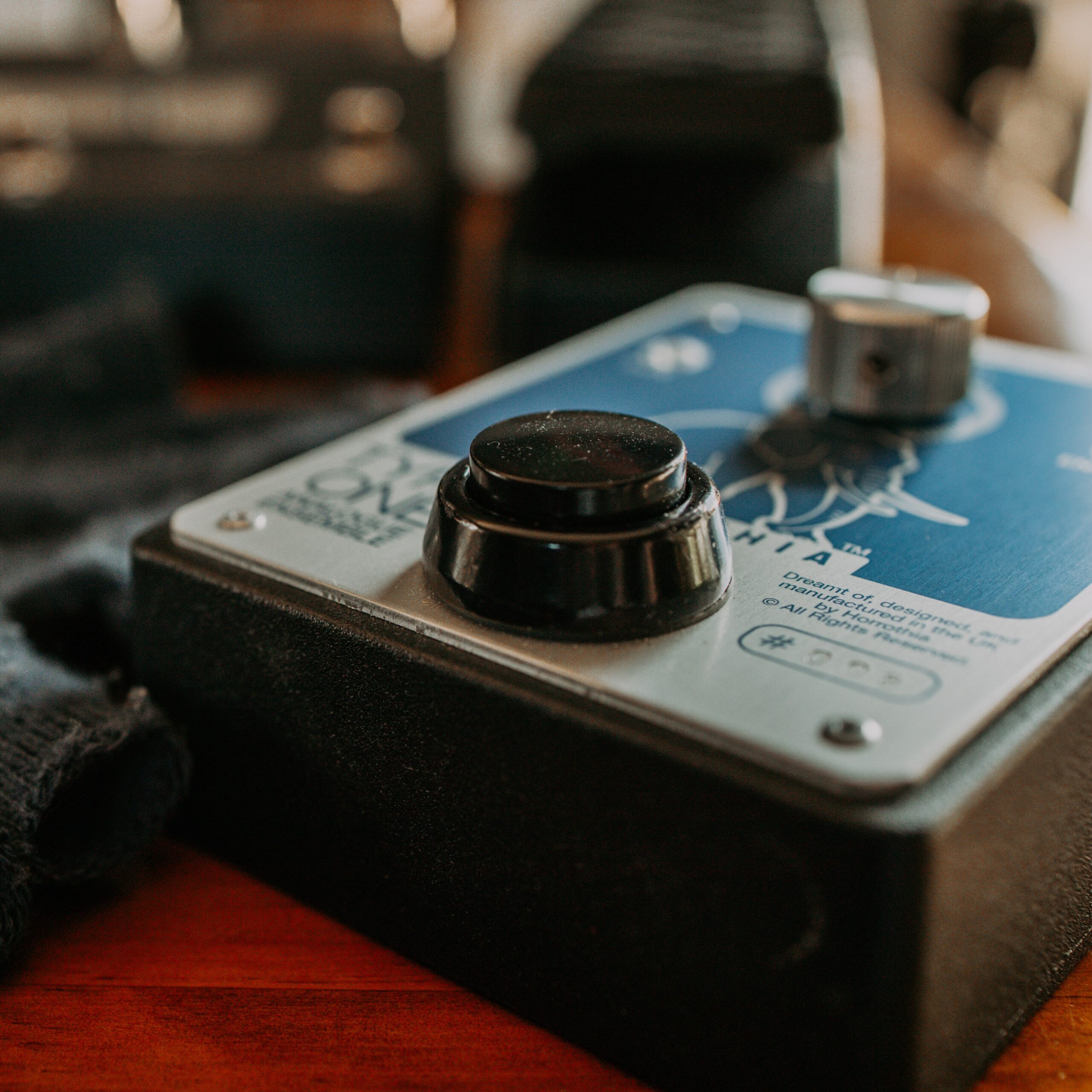
Recently I got the Type One Analog Ensemble by Tom Oakes of Horrothia FX who just
happens to live in my town of birth, Cornwall in the UK. Asides from being an absolutely gorgeous chorus the Type One has this excellent arcade style button for the footswitch and it is so satisfying to click.

Type One Analog Ensemble

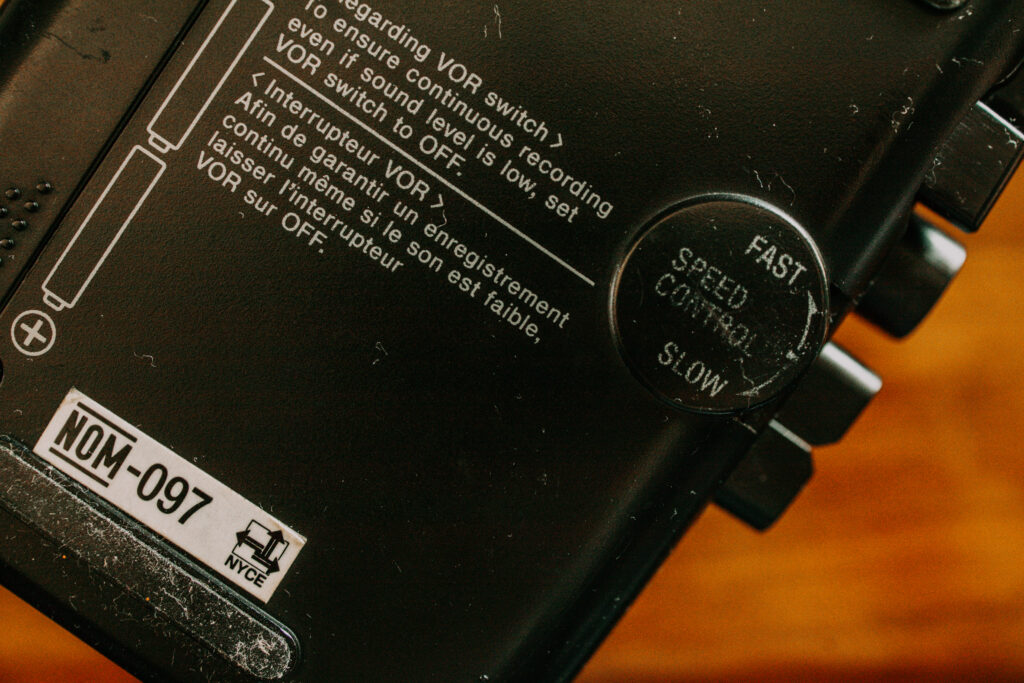
I also really love the Speed Control dial on my Sony Clear Voice Walkman, it’s old, plastic and the dial is knurled and recessed almost past the point of being able to turn it but the tactile experience mixed with the sonic result is awesome.

Sony Walkman varispeed

Lastly I don’t own one yet but I’m really looking forward to getting a Nakedboards MC-8 MIDI controller, the faders are a little larger and spaced nicely for using with orchestral software libraries to add that ‘human’ feel.

2. Do you have an ‘almost’ perfect bit of kit? What would you change?

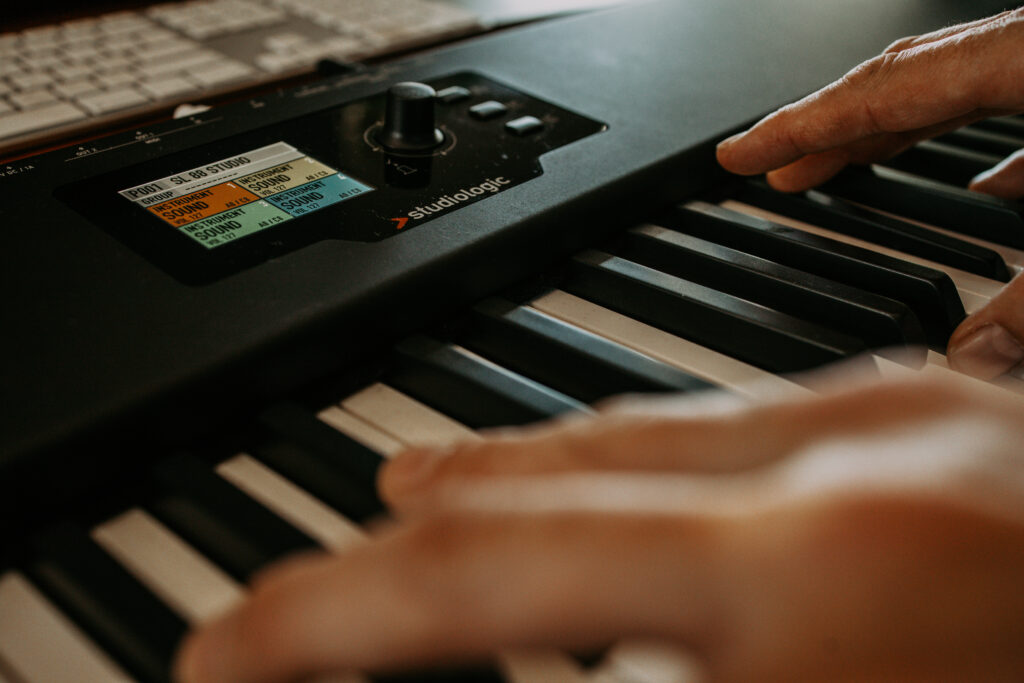
A recent addition for me is my StudioLogic SL88 Studio MIDI keyboard. I have an old family heirloom upright piano that is gorgeous but I haven’t been able to relocate it to our current residence, so getting a properly weighted, natural feeling, full size key bed has made writing with software instruments way more enjoyable and inspiring, so far I wouldn’t change a thing on it.

StudioLogic SL88 Studio MIDI keyboard

I used to manage a mates boutique shop, Pedal Empire, in Brisbane and build pedalboards professionally, so I have played hundreds, if not thousands of individual pedals, my ethos from that experience is that ‘perfect’ is a relative term and every pedal, if you allow it the time, can yield some ‘perfect’ results in the right context. I think it’s up to the player to find the gold and follow where it leads. Even something as amazingly engineered as the Chase Bliss Blooper for example, is full of quirks, artifacts and limitations of sorts, but if you ironed all those out to be ‘perfect’ it probably wouldn’t be half as fun.

3. What setup do you bring on holiday/tour/commute etc.?

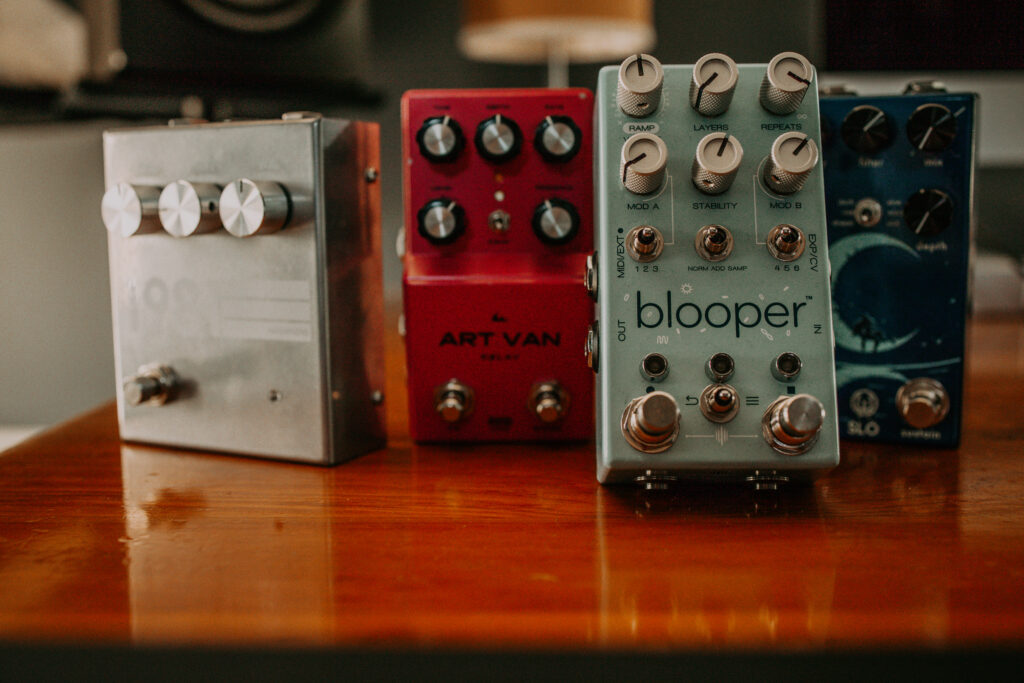
Since moving to a rural, coastal location in Tasmania in recent years I haven’t had need to take a rig on the road much, however if we do go away for longer than a few days and I need to film a demo or make some music I’ll usually take the Walrus Audio Slö, Bondi Art Van Delay, 1981 DRV & CBA Blooper. Those with a guitar, laptop and little interface is all I need for guitar inspiration.

Walrus Audio Slö, Bondi Art Van Delay, 1981 DRV & CBA Blooper

I’m also building a small modular system that is easy to take out and make generative ambient music.
If I don’t have need for anything and just want to make some music in the moment I love using the Fugue Machine app, it’s great for coming up with a simple melody and layering in different speeds and directions… too much fun.

4. What software do you wish was hardware and vice versa?

I use PaulStretch a lot, something about taking a 1 minute piece and making it 15 minutes long is so fascinating to me and PaulStretch does that in it’s own special way, I’d love that in a pedal. I’m pretty new to modular synth but perhaps there’s a module that does that.

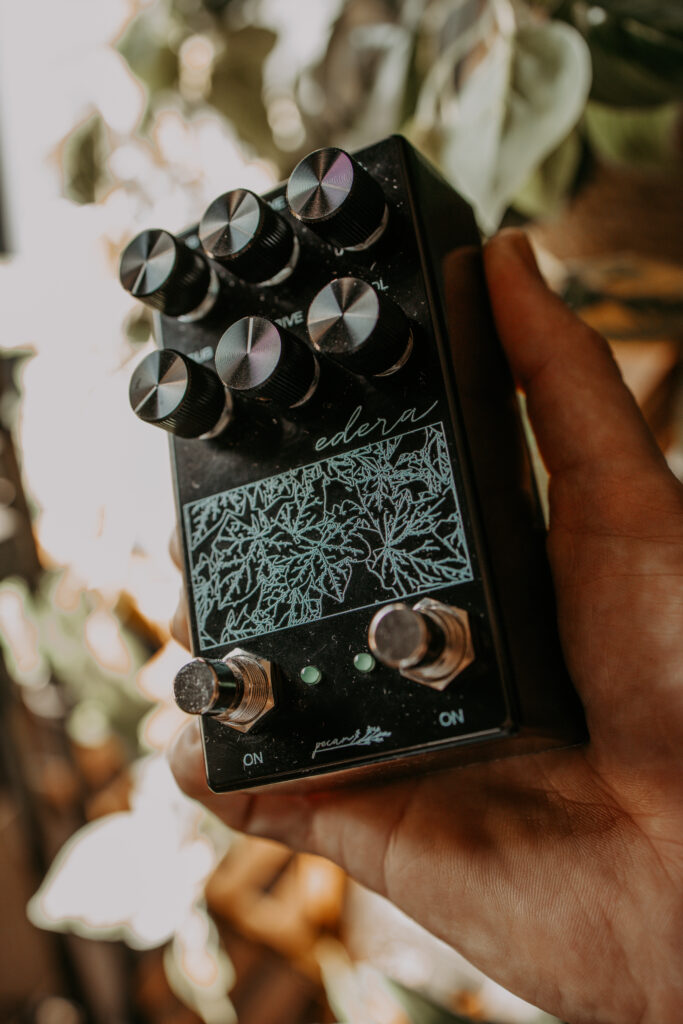
I recently got hold of a Pecan Audio Edera which is a stereo warming unit in a small simple pedal format. Previously I would use some plugin distortion on the fx bus to warm up tracks while wishing I had something like the Analog Heat, but way less complicated, so the Edera has fulfilled that wish.

Pecan Audio Edera

Back the other way, hardware I wish was software, I still haven’t found a plugin or process that yields the same result as recording to cassette or tape and slowing down. 80’s and 90’s tape/cassette equipment all have their own oddities that they impart to a recording. They sounds so good to me and even the best tape emulation can’t quite nail it just yet. They’re getting closer and closer though.

5. Is there anything you regret selling… or regret buying?

Years ago I made my mind up that I wouldn’t have any extra pedals/gear laying around that weren’t in constant use or on my pedalboard so I used to sell everything surplus to my needs and made my mind up not to regret any of it. I don’t follow that mantra anymore and have heaps of gear in corners and on shelves. I have bought and sold an El Capistan about 4 times now, currently don’t have one, that’ll probably change again. I did have an original Bondi Del Mar that I let go right before the prices got exorbitantly high which is a bit of a bummer, but I kinda despise that part of the gear community anyway, I like to sell knowing people are getting a good deal.
Working at PE for years made it easy not to miss things I’d personally sold when it’s always there in store if you need a fix. I would get way too sad if I let myself think too much about what I’ve let go, safe to say I’ve moved through hundreds of pedals on my board in the last 10 years. I don’t think I’ve regretted a purchase ever because it’s all a learning experience finding out what works and what doesn’t.

6. What gear has inspired you to produce the most music?

My process for making pedal demos has always been to let the subject pedal guide my noodling and musing so mostly when you watch one of my videos you’re hearing snippets of how the said pedal has inspired me.
I always get inspired easily by Spitfire Audio orchestral samples, they just capture so much realism and are emotive to play, same goes for Fracture Sounds, The Phonoloop and Felt Instruments.
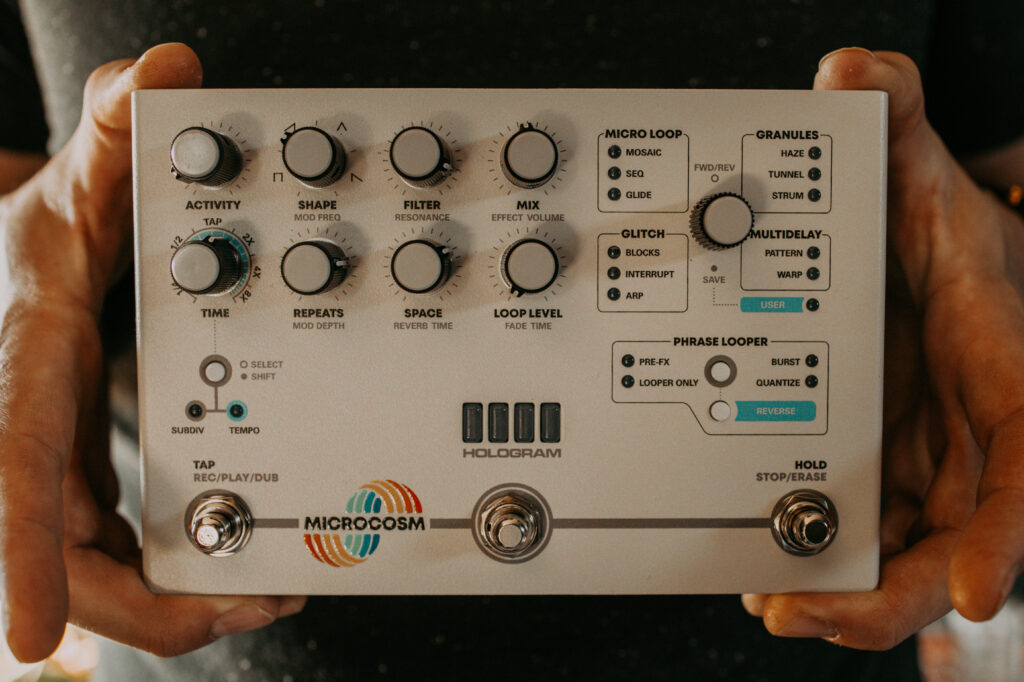
Pedal wise the Hologram Electronics Microcosm is pretty much the most inspiring analog thing I’ve owned and I can rest assured that plugging into it will spark something if I’m ever drawing a blank.

Hologram Electronics Microcosm

7. If you had to start over, what would you get first?

I started playing guitar in the ‘Big Amp Heavy Guitar’ era, if I could go back and tell myself to get a Telecaster and a Princeton it would make a world of difference. My first pedals were a Line-6 DL4 and a Crowther Hot Cake which I still think now for the way I like to write and play are great pedals to start with.

8. What’s the most annoying piece of gear you have, that you just can’t live without?

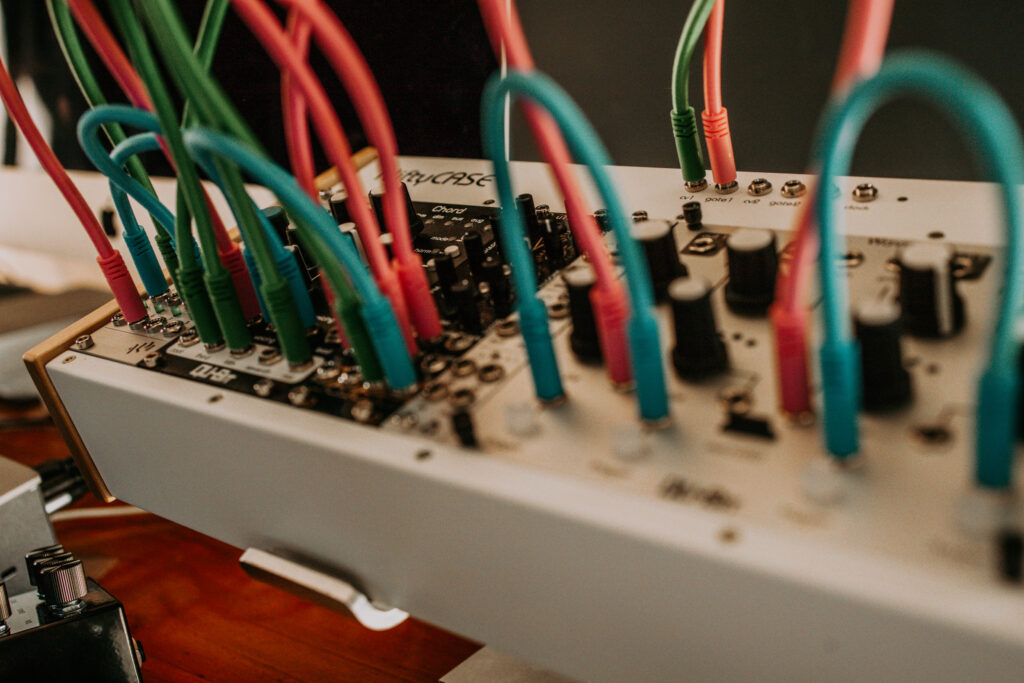
I feel like maybe I’m in a sweet spot where I’ve narrowed down my choices to equipment that largely improves my work flow. That said, I recently dived headlong into modular synthesis after a few years of deliberating, and though I have a clear vision for what my desired sounds from Modular are, the learning curve is pretty dramatic. The Patch & Tweak book from Kim Bjorn Bjooks is helping a lot though.

Ponderer Sounds eurorack

9. Most surprising tip/trick/technique that you’ve discovered about a bit of gear?

In the box I love to duplicate tracks, hard pan them, and then zoom in and move one of them just a few milliseconds ahead for a massively wide sound. Also a fun trick is recording something to tape, physically speeding it up and recording it again and then slowing it down and stretching it out to overlay with the original recording. This adds textures that I absolutely adore the heck out of.

Hardware wise the Horrothia Type One I mentioned earlier is a terrific widening tool with the chorusing effect dialed at it’s slowest where you can’t actually discern the movement. I nearly always record guitars for stuff other than demos through the Type One in stereo even if I later end up panning or summing to mono, it just sounds so good and I leave it on constantly. The only downside is I don’t get to smash that arcade button as much as I’d like!


Artist or Band name?

Ponderer Sounds – My Youtube Channel for gear demos and music creation

Genre?

Ambient/Post Rock/Dream Pop/Orchestral

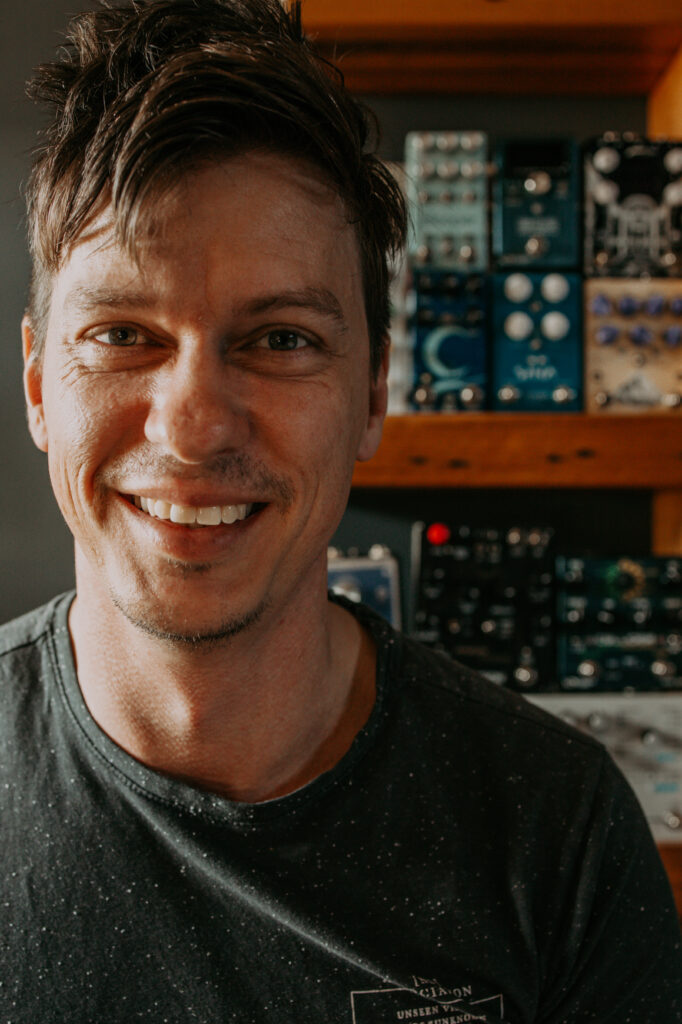
Benjamin Shaw

Where are you from?

Originally Cornwall UK – Live in Tasmania Australia (but probably not for too long)

How did you get into music?

I played piano under my grandmothers supervision from about 4 or 5 years old. Music was always encouraged in our home. I have fond memories of crawling under the dining room table with a small cassette radio and a cushion and listening to George Harrison’s Cloud Nine album till I fell asleep. I would have been 6 or so. And I grew up with a nice collection of records from the Beatles, Bee Gees and Creedence Clear Water that I played to death, plus when someone else wasn’t playing music my mum always had Beethoven or Tchaikovsky on. My childhood had a constant soundtrack.

I think I started guitar when I was 17, I’d steal my sister’s boyfriend’s sparkly silver Ibanez and teach myself how to play punk rock like Rancid & Bracket. I remember discovering the power chord and then it was all full steam ahead. Later I got into Pearl Jam, Stone Temple Pilots and Foo Fighters before getting into less mainstream and more indie/emo stuff in the late 90’s.

What still drives you to make music?

It’s my life blood, being creative is the way of the future and I believe it will only become more and more important to us the more automated the rest of our lifestyle becomes. It amazes me that there’s only a handful of notes, limited combinations of them to create chords and melody, but somehow the human element of interpreting them constantly yields fruit that didn’t exist previously, and an individual can move so many strangers with mere vibration.

How do you most often start a new track?

I’ve never been one for learning other peoples music, when I sit at the piano/keyboard or pick up my guitar I gravitate towards making something myself. I’m in the process now of adapting small musical ideas from pedal demos and turning them into full tracks so typically that’s where a new idea spawns.

How do you know when a track is finished?

I don’t really know, but when I’ve added everything in my head and find myself getting lost in it, when I’m supposed to be listening back subjectively, I know it’s pretty much ready to go.

Show us your current studio

Ponderer Sounds Studio

Best creative advice that you’ve ever heard?

‘Inspiration exists, but it has to find you working.’ Pablo Picasso.

Always start, move yourself till something moves you and then chase that down.

Promote your latest thing… Go ahead, throw us a link.

Head over to my youtube channel (Ponderer Sounds) to watch weekly demos on great pedals and gear, and stay tuned for a new song creation series I’m working on.

https://www.youtube.com/channel/UCgHpuhheoXRxZVKONOOFE_g/

[Editor: All photos in this interview are by Tiarne Shaw]


[Editor: Do you have a favorite tip, trick or way of working with any of the gear from this interview?
Then throw a comment below…
]