[Editor: This is an updated interview. CPH Mush was one of the very early artists on this blog, and his setup and studio have evolved so much that we both thought it would be interesting to do an update with new questions. Enjoy!]
1. Has your favourite knob/fader/switch changed since last time? Why do you think it grabbed you now?
I think quite a lot has changed since the last time (it was five years ago). Back then I had some really clever answer of a very technical note. I think that goes with how I have been changing my approach to making music in the last five years. Nowadays I enjoy playing instruments and sounds a lot more than I did in the past (those 15-min a day on the piano have really paid off).
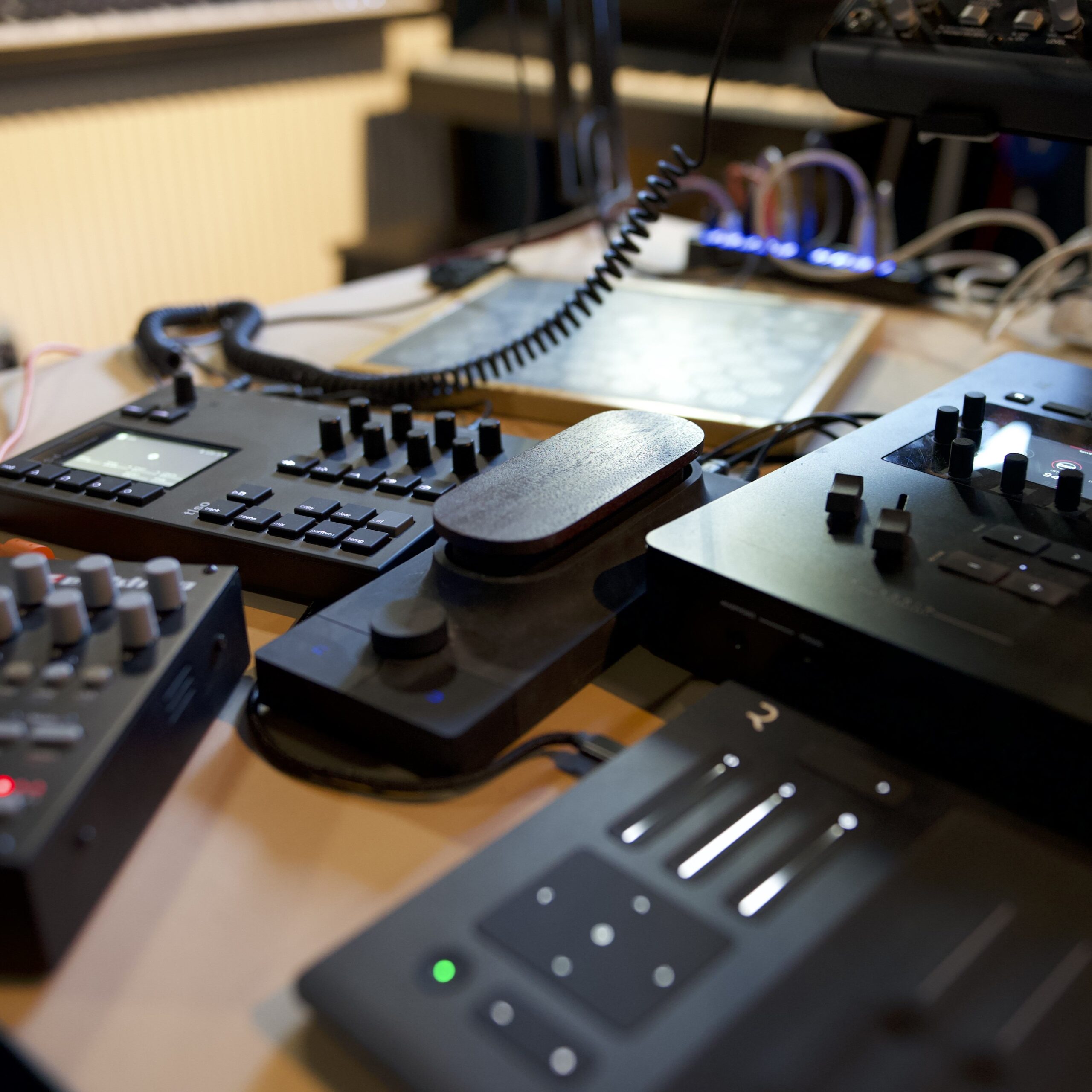
So I see my studio as a balance on approachable and direct instruments vs. more complex and deep ones. There is of course time spent on both sides, but I am enjoying the playability more and more. So to answer the question about my favourite knob/fader/switch – I would go for the Touché by Expressive E.
I didn’t do much research before buying it, so I thought it would be something like the morphee on the Arturia Polybrute – but it is not. I keep it beside my Expressive E Osmose – and I find it both intuitive and expressive in the sense that I can tap rhythmical changes or just sweep the surface and change the color of the sound I’m currently playing.
2. What’s a piece of gear you didn’t expect to love, but now you rely on constantly?
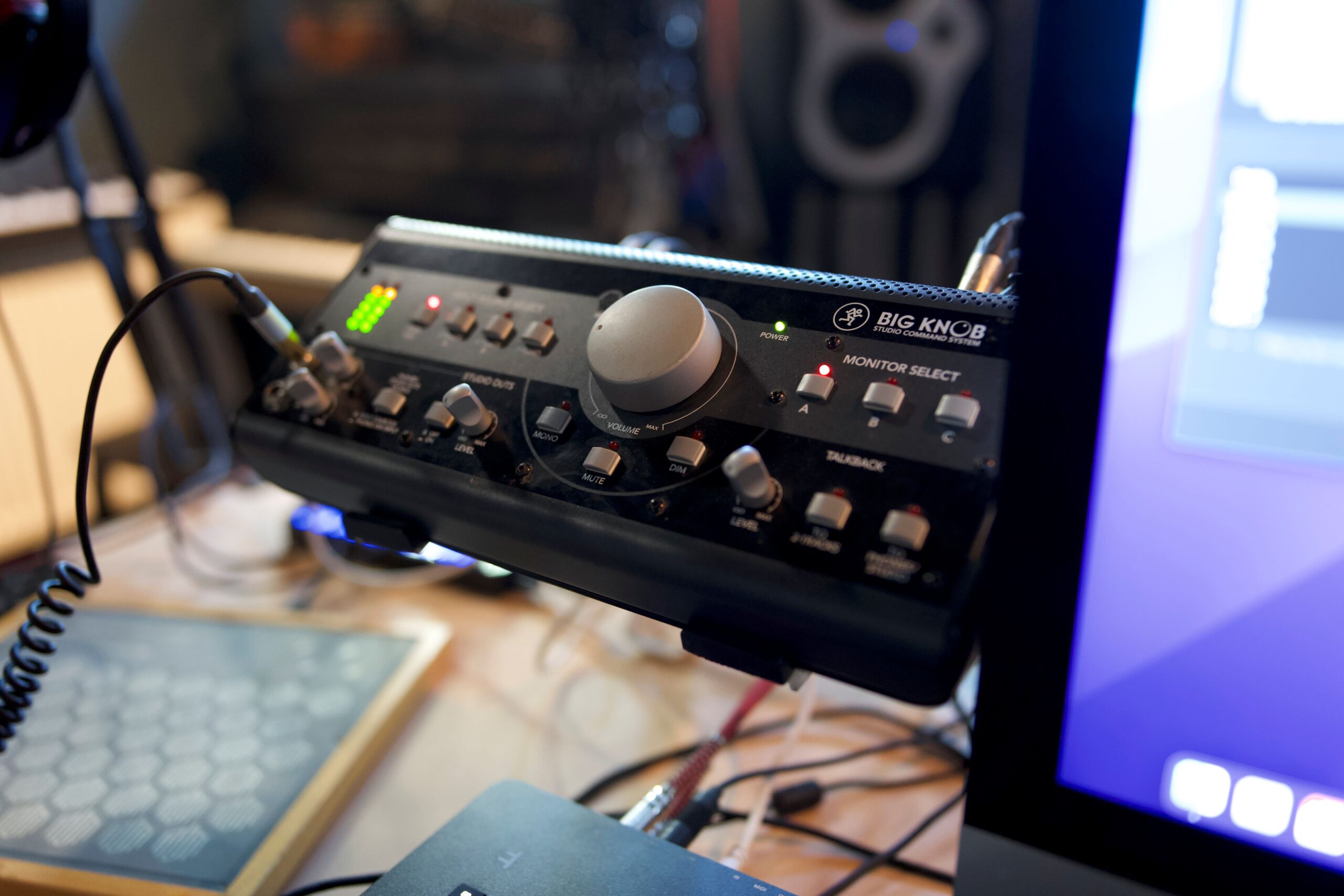
This might be the most boring piece of equipment ever, the old Mackie Big Knob. It is just a monitor controller (I bought it as I have the idea to add some old hifi speakers as well as some other listening to the studio. But as it has both dual phone amplifiers and lots of connectivity it has made life a lot easier, especially as my new studio is much bigger than what I have had in the past. The Big Knob just makes it quick and easy to mute speakers for recording acoustic stuff simple and having the phone jacks in an accessible position, means that it is much easier moving around compared to using the soundcards jack in the rack.
3. Which piece of gear in your setup has aged the best — and which feels the most dated?
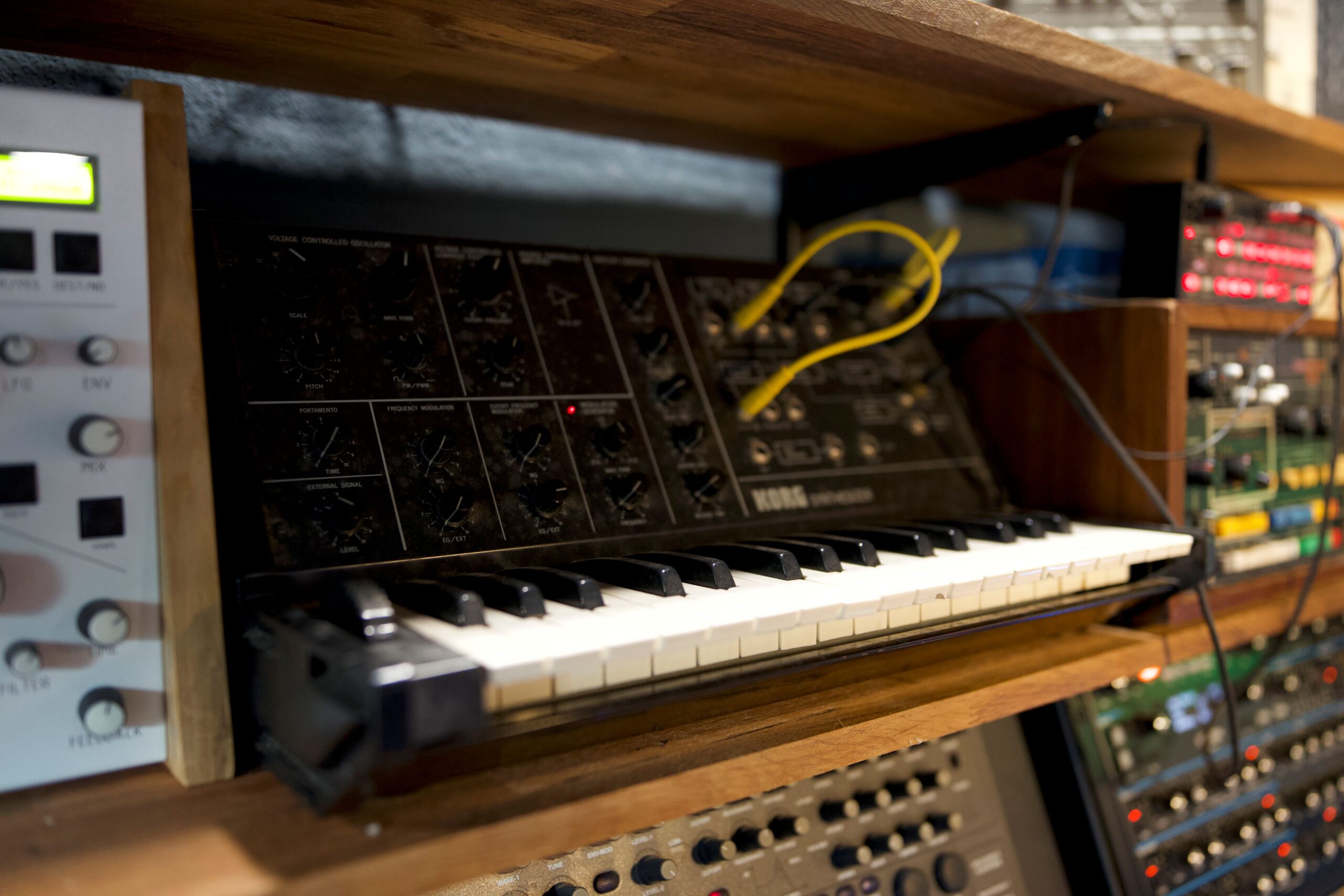
The best – my first purchase, back in 1993 when I had just turned 13. My Korg MS10. It is a very simple synth, but it is extremely playable and has a unique character that just seems to fit with whatever I am doing. My personal move towards more playing vs. sequencing has made it shine brighter than ever.
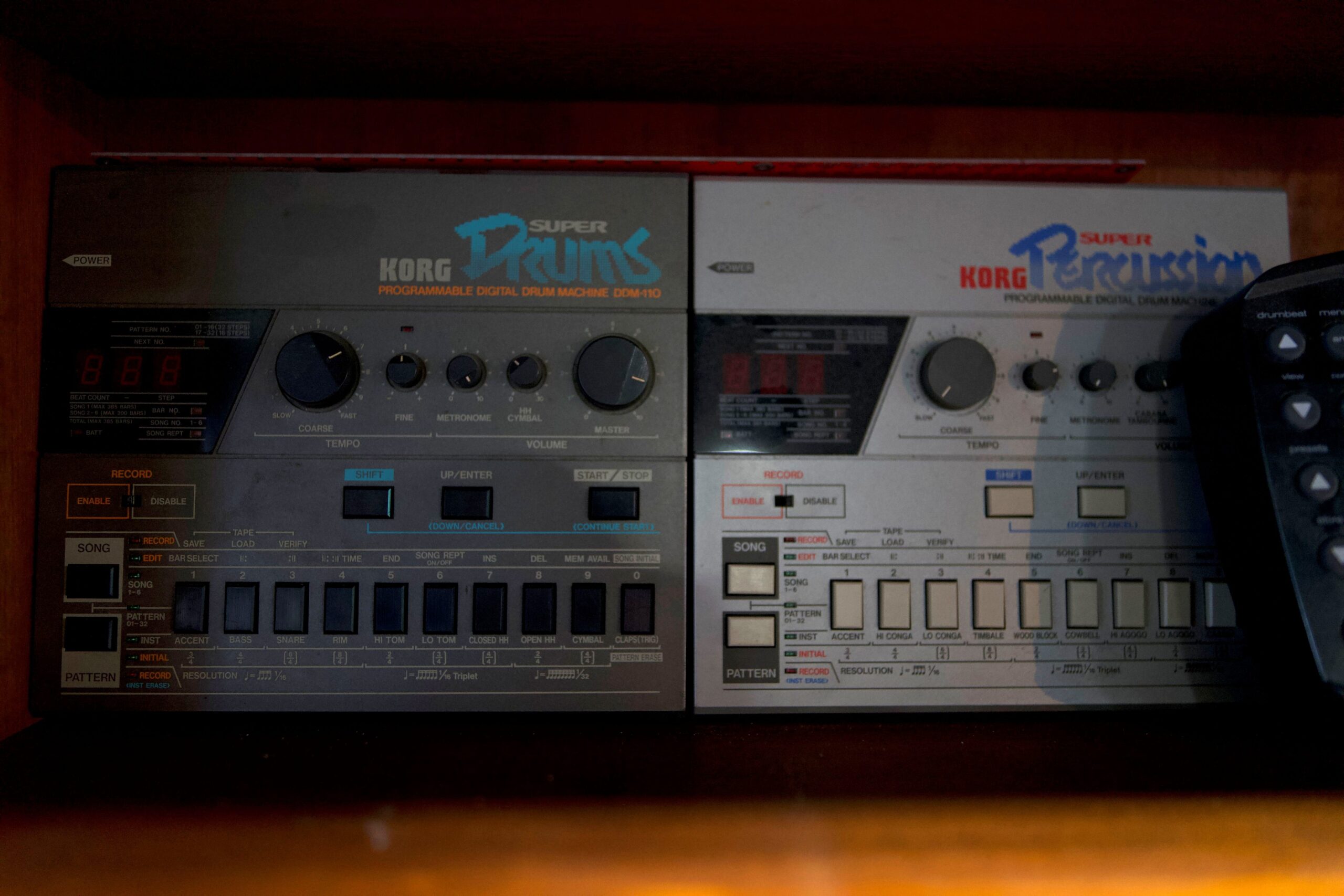
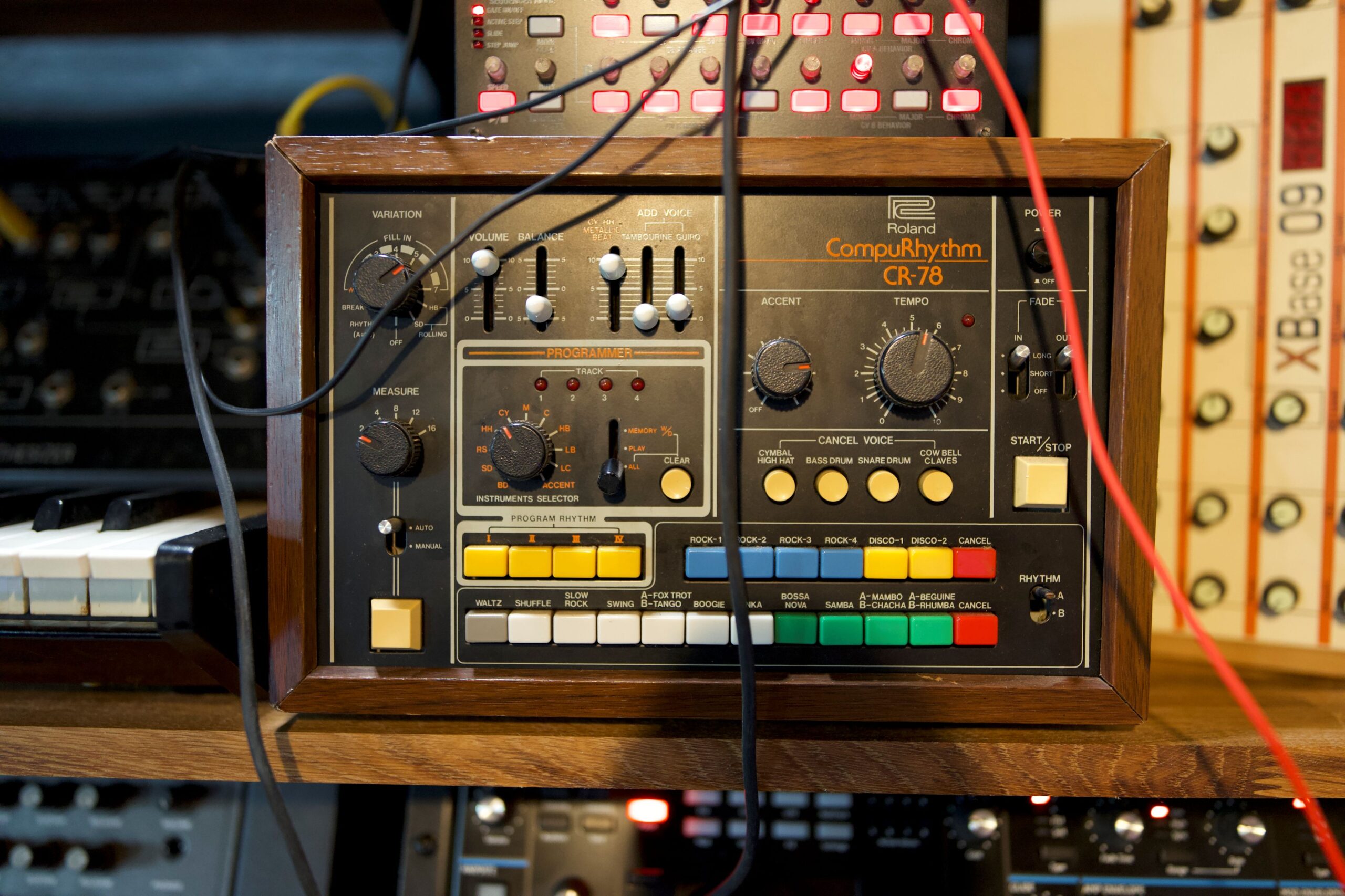
For the most dated it leads me to drummachines as a category, and the older ones specifically. I have tons of drummachines and drum modules, and I think I like the idea of them, more than I actually use them. To be sincere I don’t use them much at all, as I prefer to build rhythms by other means. So the answer here is a tie between the old 8bit digital Korg machines and the Roland CR78. If you record these unprocessed it will sound like a time capsule to the years straight after their releases.
4. What’s the last “happy accident” that happened in your studio?
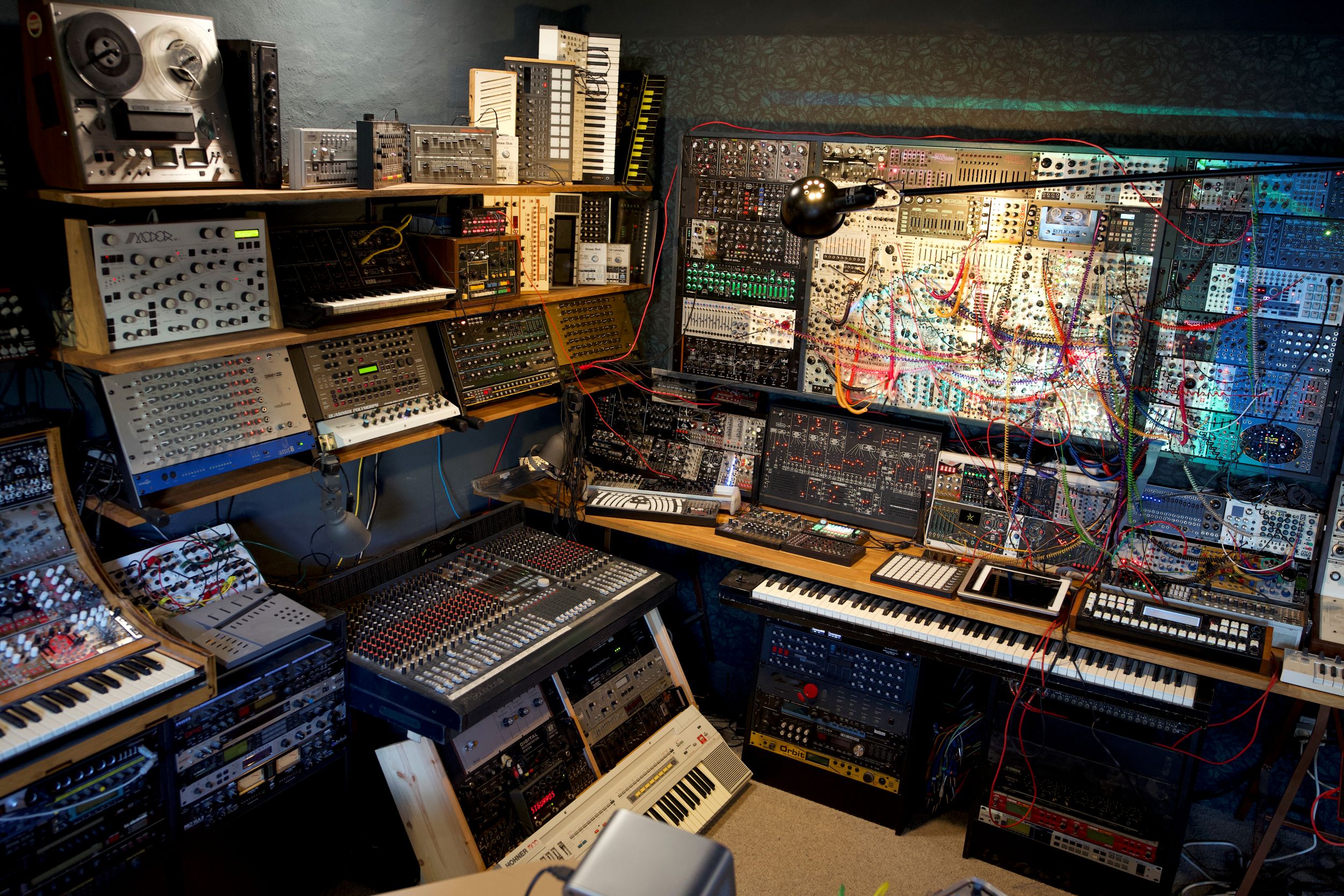
I think my synths in general and the modular ones in particular is “happy accident” machines. When I turn on a modular synth, I usually have an idea of something I want to explore, but 10 minutes in, I am somewhere completely different. I know that there are a lot of people working their modulars into playable live instruments – I admire that patience. For me it is just a luxurious idea generator – I am operating it, but it is also operating me and we end up in interesting places all the time. For regular synths, I am taking a lot of the modular thinking with me and when I make patches I like to work with modulation busses as much as I can.
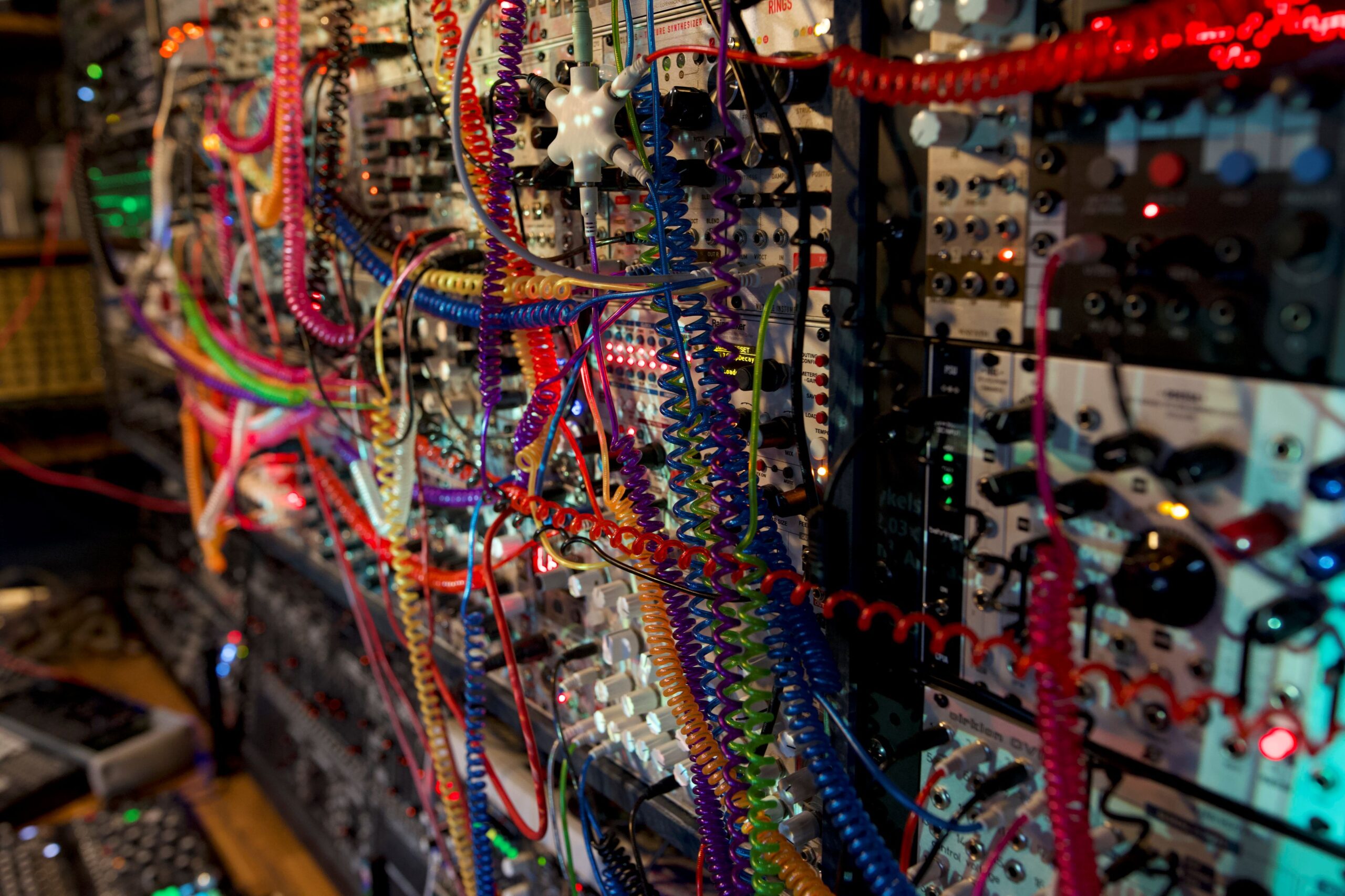
Making patches is usually something I make when I am not making music – the goal is to explore a synth and save as many interesting patches as possible on the way. (I have a video or two on youtube exploring this).
Example – Moog Muse: https://www.youtube.com/watch?v=njJGOoCizfI
5. If you had to banish one category of gear from your studio (pedals, drum machines, plugins, etc.), which would hurt the most?
Well, the drummachines would hurt the least, as I mentioned before. I like to play instruments, so banishing all keyboards would be brutal. I don’t think I would spend time in the studio if I only had sequencers, guitars and touch surfaces.
6. Has a new bit of gear changed the way you think about making music, not just how you sound?
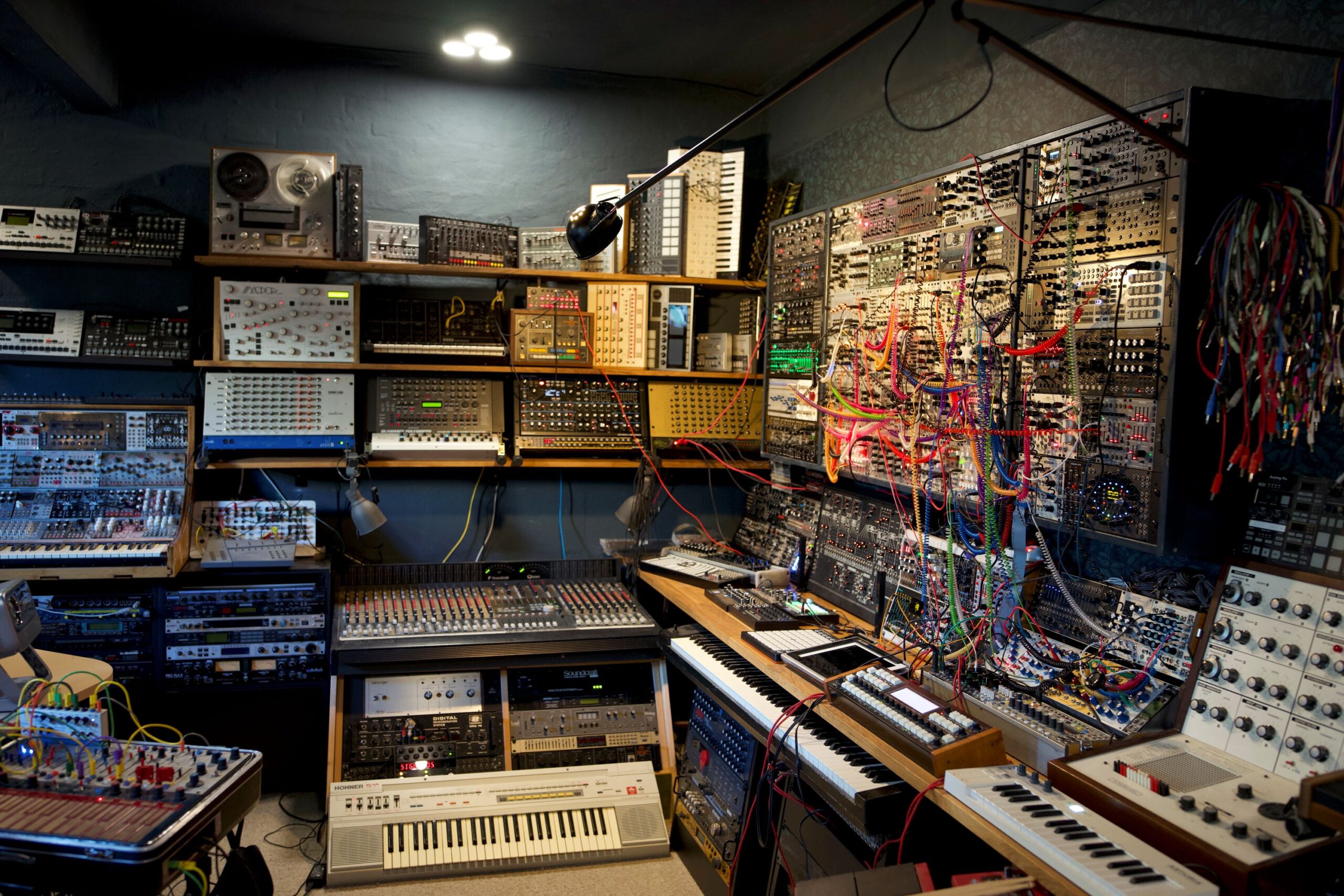
I have just bought an old Hohner keyboard at a flee market – it is an old digital PCM thingy with internal speakers (it is likely a rebranded Casio). It does nothing unique, it lacks velocity on its keyboard, but it is immediate in a sense. Whenever I play with it, on its own or playing around with it over a tune I am working on, it just brings ideas. The internal speakers is creating a nice, soft distortion too, and the sounds have some stereo motion. The limitations makes me much faster, but it also moves my focus to the tonality instead of the sounds. To be honest, I have likely used it more already than I have used my Arturia Polybrute12… so 20 euros well spent.
7. If money and space weren’t an issue, what ridiculous piece of gear would you add to your studio today?
I’d love a Fazoli F308 Grand Piano or an EMS Synthi 100 – likely the first over the second. However, my piano chops or space is inadequate for such a gem of an instrument.
8. What’s the most “you” sound or technique that came directly from your gear choices?
Interesting question – my wife passed the studio a few days ago saying “wow, that does not sound like your usual stuff”. The day after she came in “well, now it does sound like you”… I had added some rhythm elements….
I am not great at programming beats – it has never been my thing (weird that I have so many drummachines…). It has never been the thing I listen to in music either. But rhythms are important to music – so I have found ways to make stuff that I find interesting – and apparently it is the “Rasmus” sound… (I have a video on Youtube showing how I use the Monomachine to create rhythmical textures).
Example – Monomachine: https://www.youtube.com/watch?v=uerNSMSGGcY
9. Looking back at your answers last time — what’s the biggest shift in your relationship with gear since then?
I had some really good answers back then (read it, if you don’t believe me) and I still don’t think the “what gear” is important. The important thing is to be creative and to use whatever is around – having a studio filled with inspiring instruments is a luxury, but being able to move from idea to recording fast is much more important to me. I don’t think there is any pivot here for me, but I thought a lot about how I would build my new studio – and what would be important… So I am going to use this question to write about something else – how to build a space to be inspired and productive in…
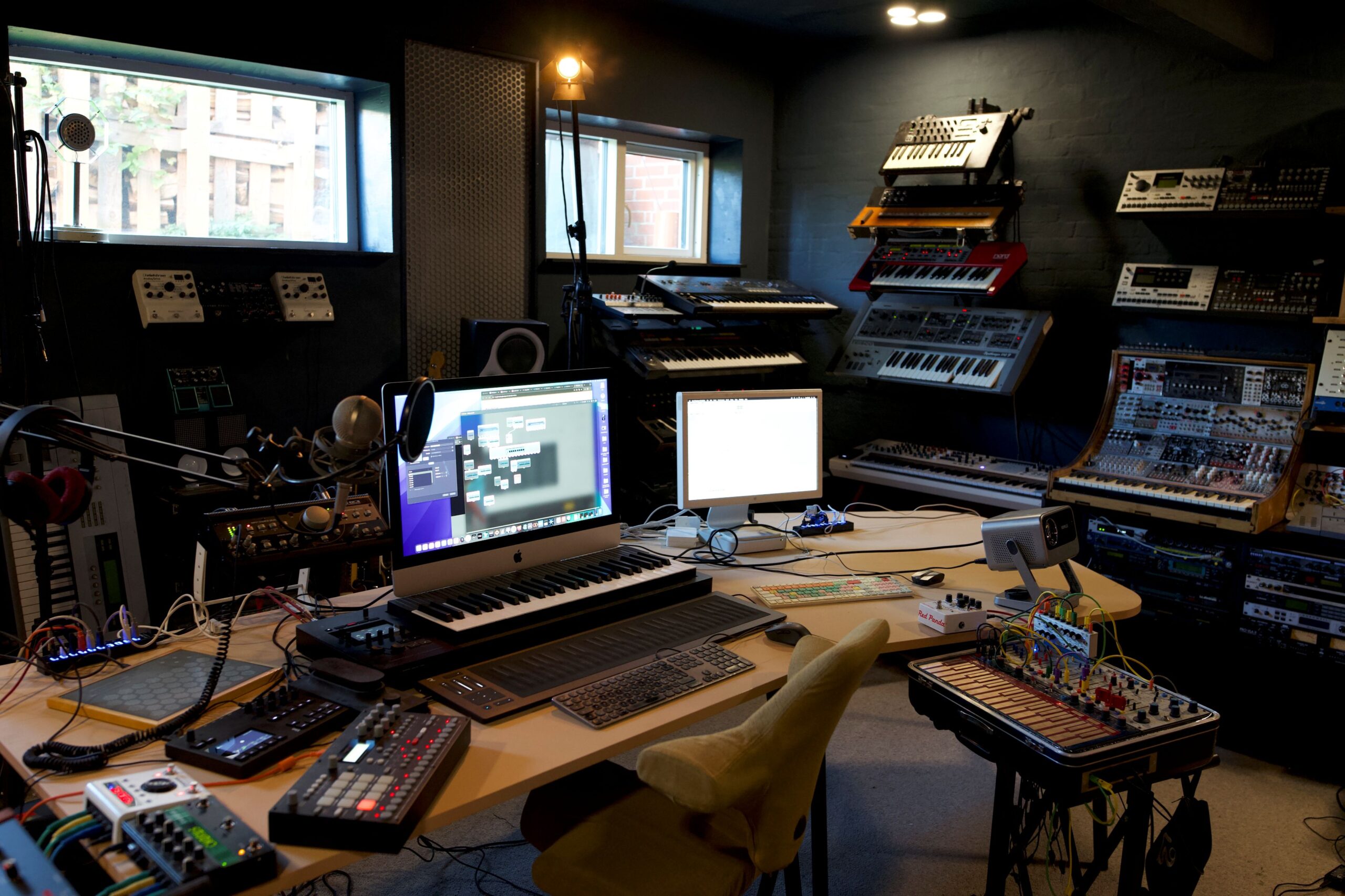
Three year ago I moved from a small apartment with both a basement and a livingroom filled with instruments – to a big house in the remote suburbs of Copenhagen. A semi-old house that used to be both a home and a plumbers workshop. I love DIY for various reasons, so I have been spending lots of time renovating the place and bring out all its character. The last part was the old workshop that I started working on in the beginning of the year – that was to house a dining room, a second livingroom and my music studio. As I was without a studio for like two years, I used my home office (which houses my Kawai piano) as a mini studio. With a growing collection of gear as I kept buying stuff (while most of the old stuff was still packed down).
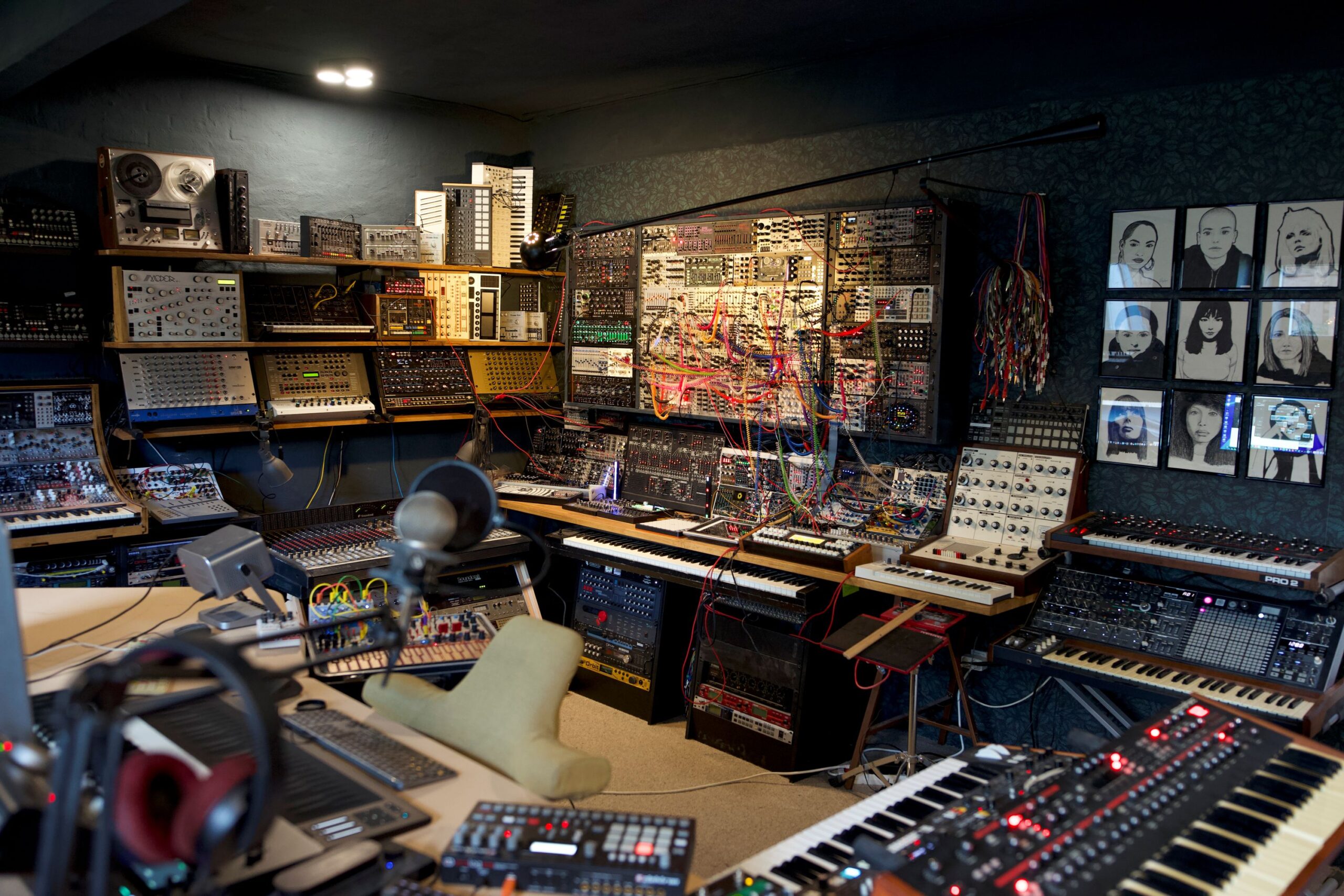
Well. It was not an ideal space in any way, but it made it easier to focus on individual instruments, to get to know them in depth. (I also added a keyboard stand in the livingroom, so I could just make patches and stuff with one machine at a time). This lead me to think about that I might prefer having a different kind of studio than I ever have had before. I started thinking about having just a DAW in the middle of a room with a table to put one or two instruments on – and storage units around the walls, where I could store all my other instruments and boxes. The idea was to take out one at a time to not feel overwhelmed. I explored this path for a long time, until I came to the conclusion that I would likely not fit me that well. Partly because I like to look at instruments (some synths just looks sooo good) – and I remember to use different stuff if I see it…
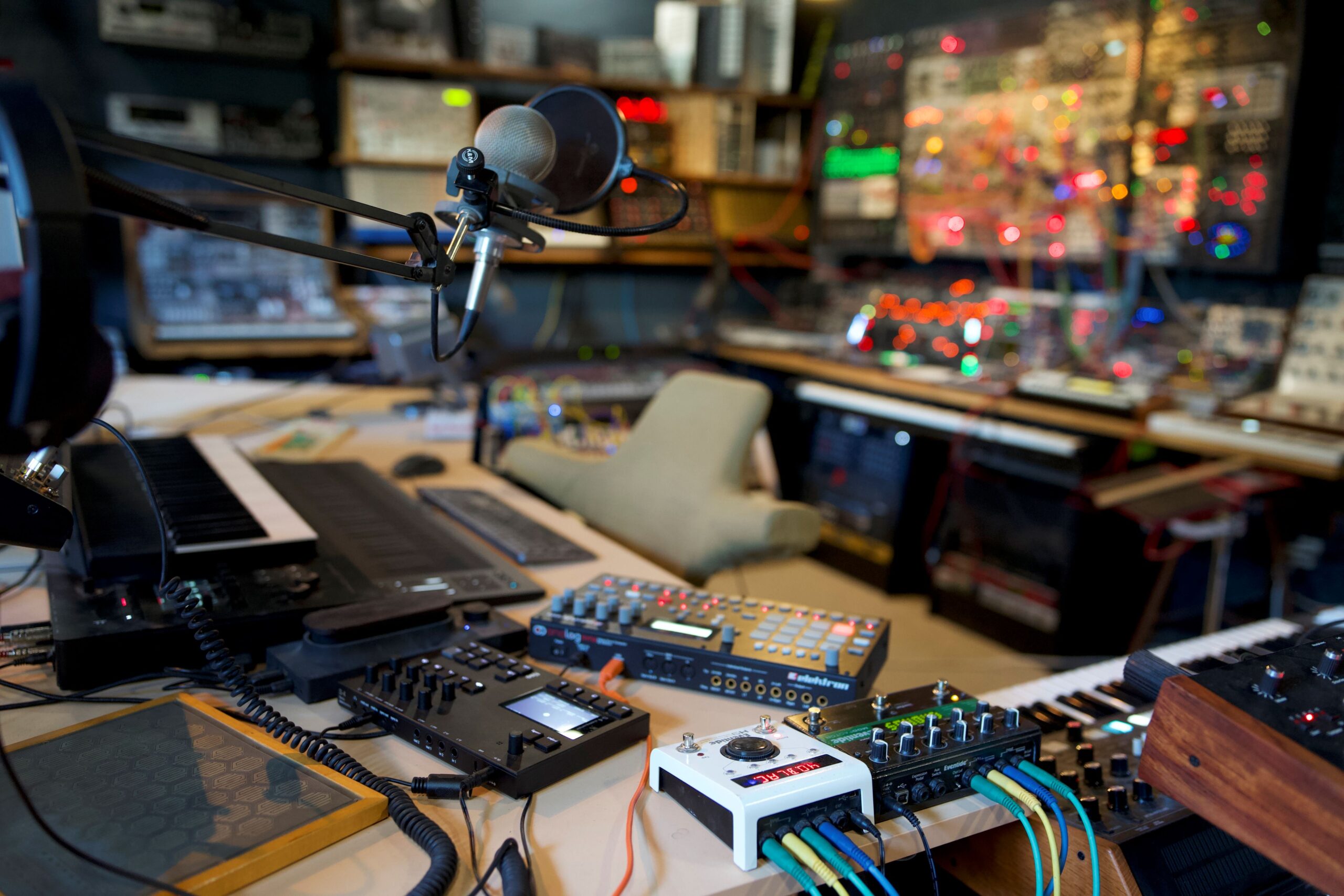
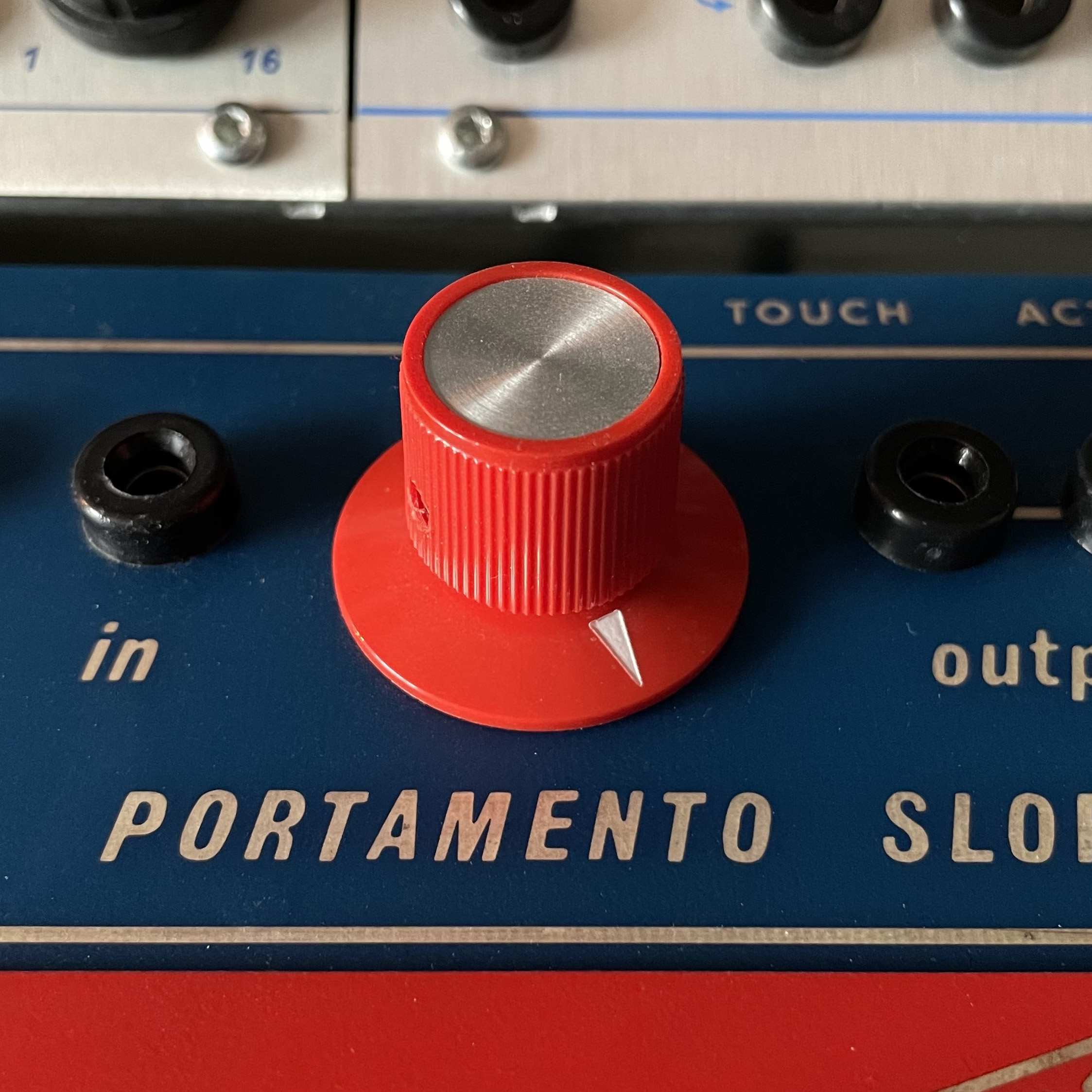
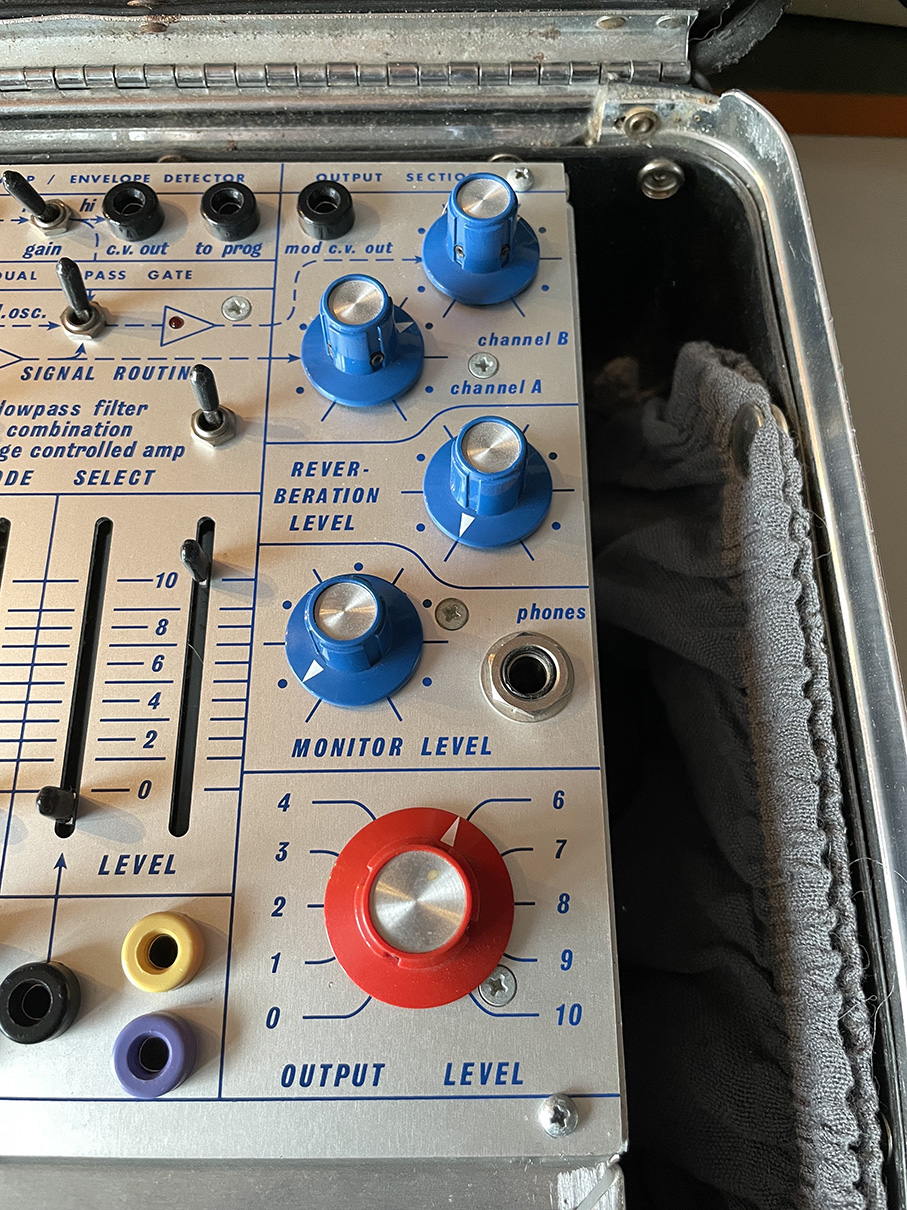
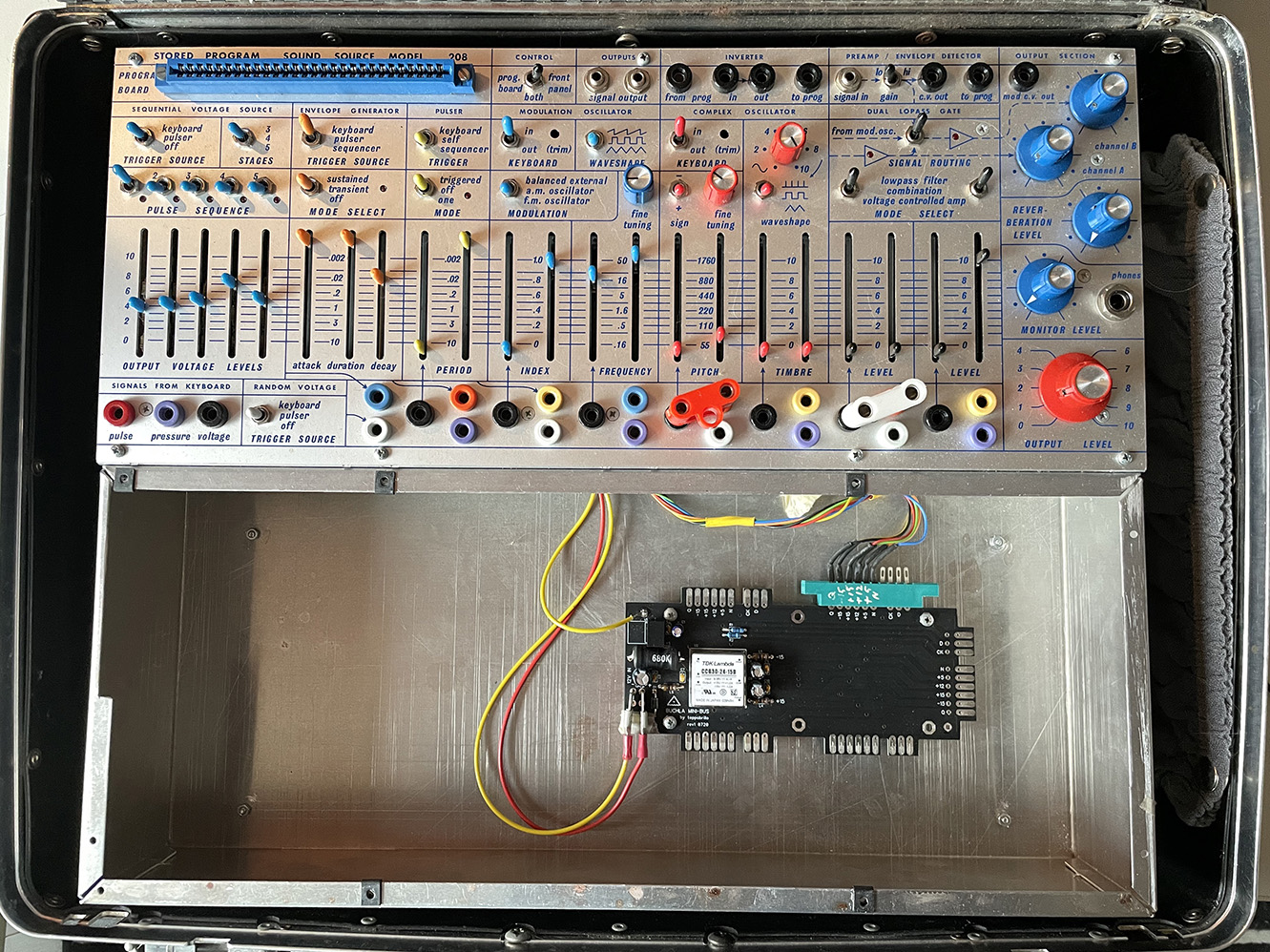
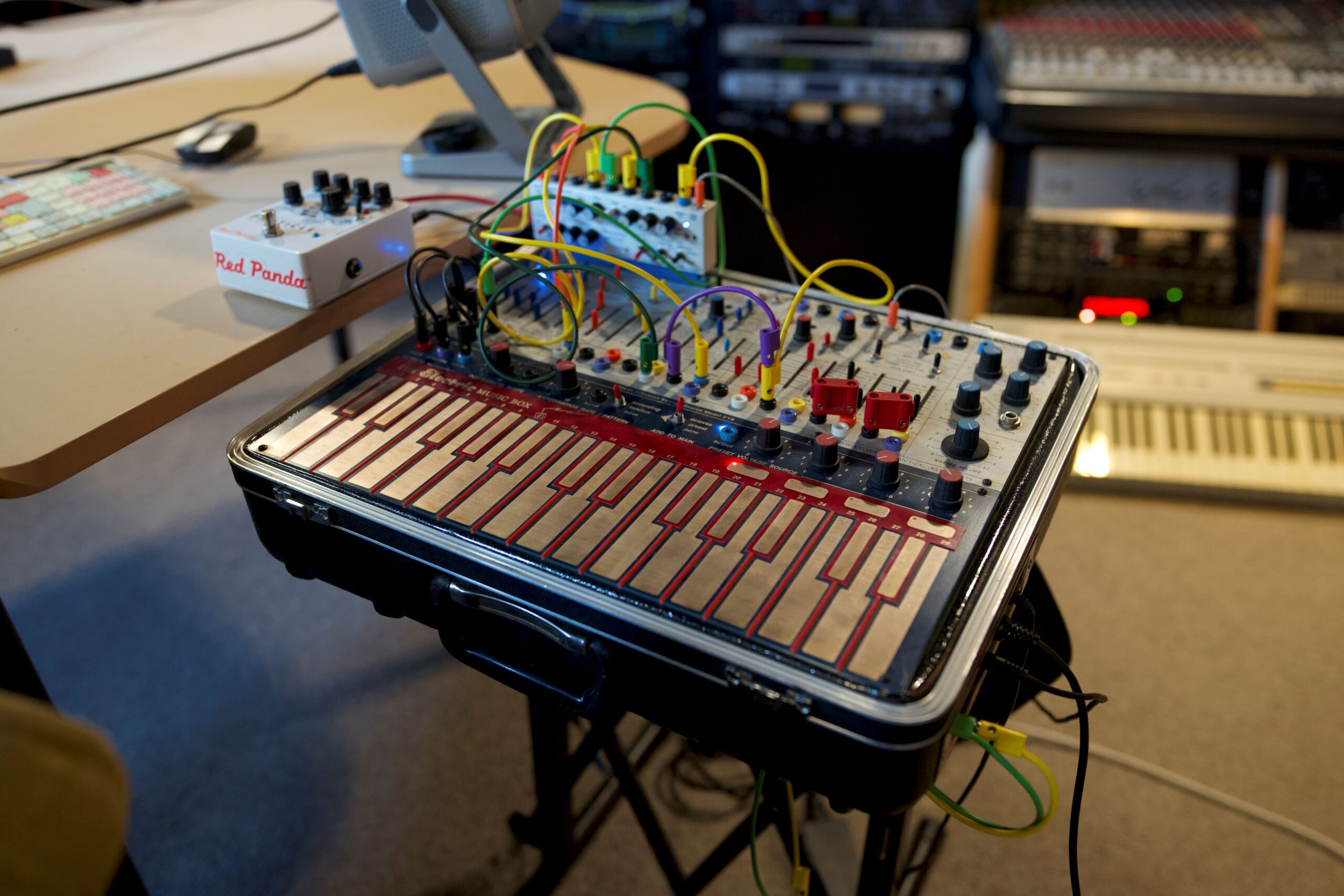
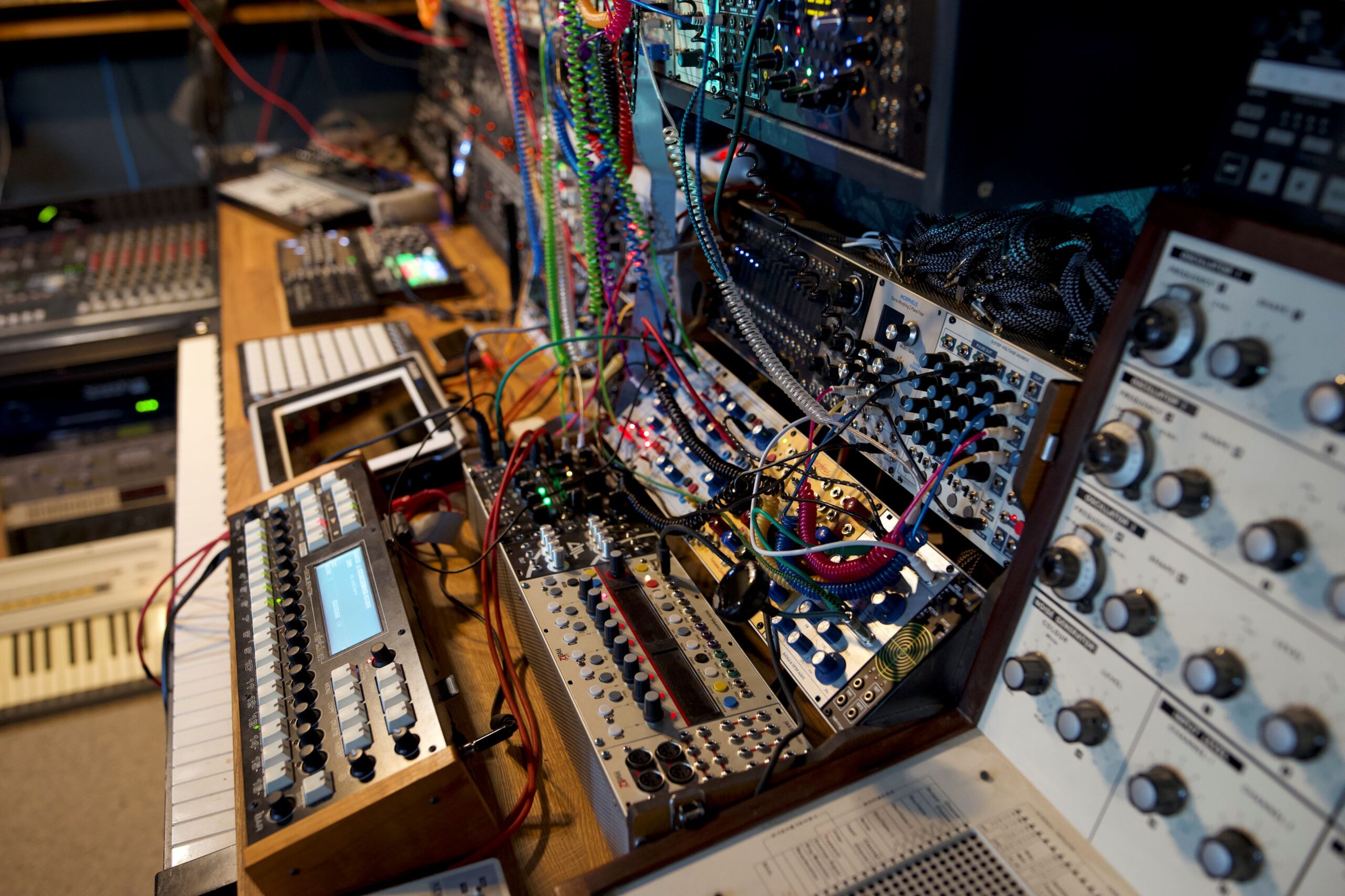
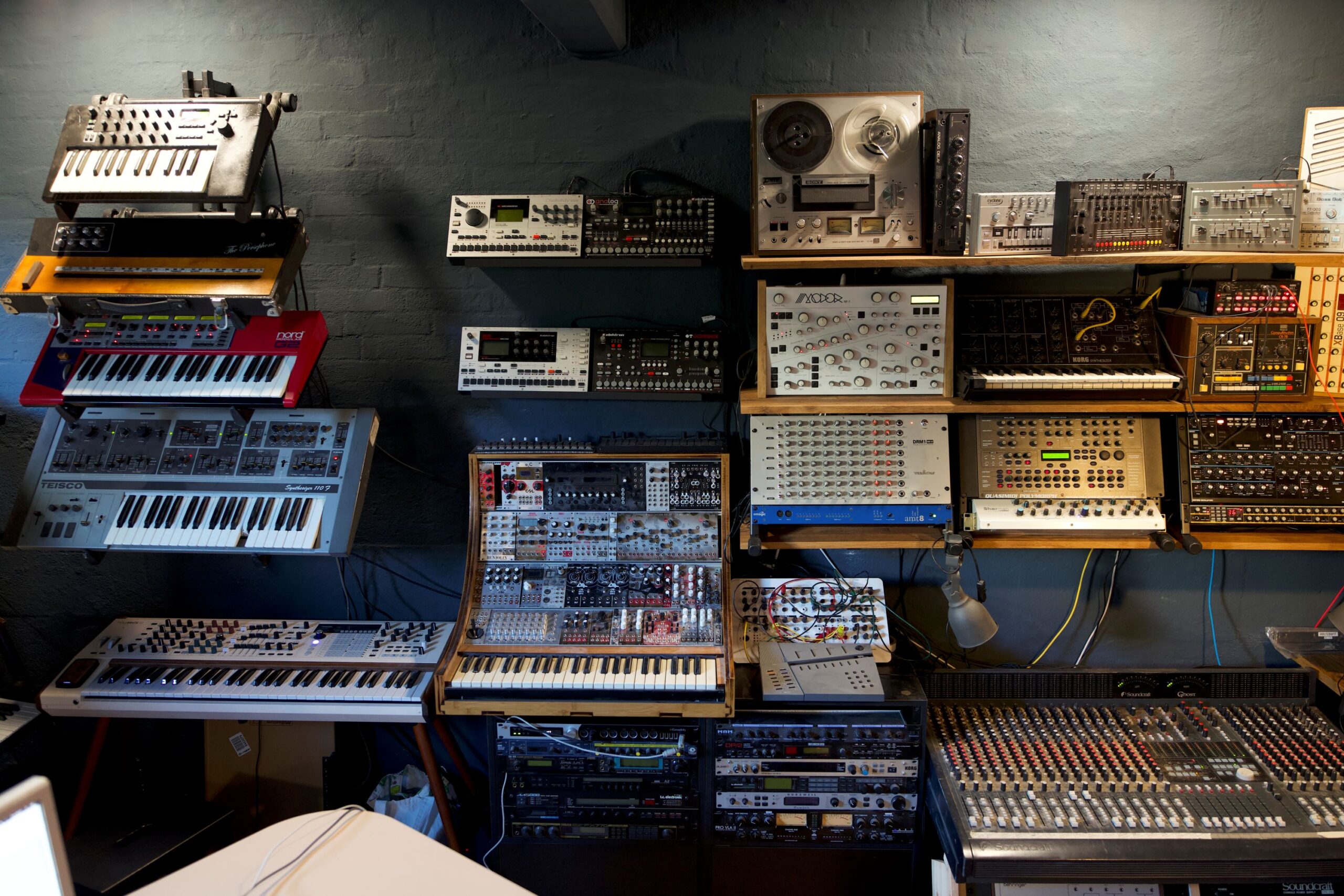
I kept the idea of a table in the middle of the room and kind of building islands or stations for the more stationary instruments around the room. For the more portable stuff I keep the other idea – having desktop stuff, pedals and tape machines available on open shelves, that I bring down to the table and that I can connect to the DAW in a few seconds. This hybrid model seems to work quite well for me. One of the main things I have noticed is that I actually enjoy walking around the studio, moving from one island to the next while the music is playing – trying out different stuff on different instruments… For keyboards that I want to explore deeper – I do have a keyboard stand (with the Buchla Easel in the pictures attached) that I use for synths I want to play more with. At the moment it is the Easel that I haven’t gotten my head around yet. So regarding my change in relation to gear – I want a closer relationship with every unit I have. 😀
Artist or Band name (still the same? any side projects or aliases we should know about?)
I don’t really make music in a serious way, it is more something between a personal diary and creative release. But there is some old projects up on the big streaming platforms. The stuff that shows me off best is probably the songs “A Home” and “MDMA” from an album in my own name “Rasmus Nyåker” as well as the album “Illiterate Poetry” under the moniker “Fejld” . I keep thinking about reviving Fejld, but the music I am working on at the moment has vocals in Danish and a bit of a folk-electronica feel, so I need to get that out of the system first…
Genre (has it shifted, blurred, or deepened since last time?)
I think most of my stuff fits in either neo-classic or ambient-acid-rock. But I don’t know much about genres – it is a bit like the old library sorting system, which is irrelevant if you just like to enjoy a good book every now and then. (That is my relationship to music – I just try to enjoy it)
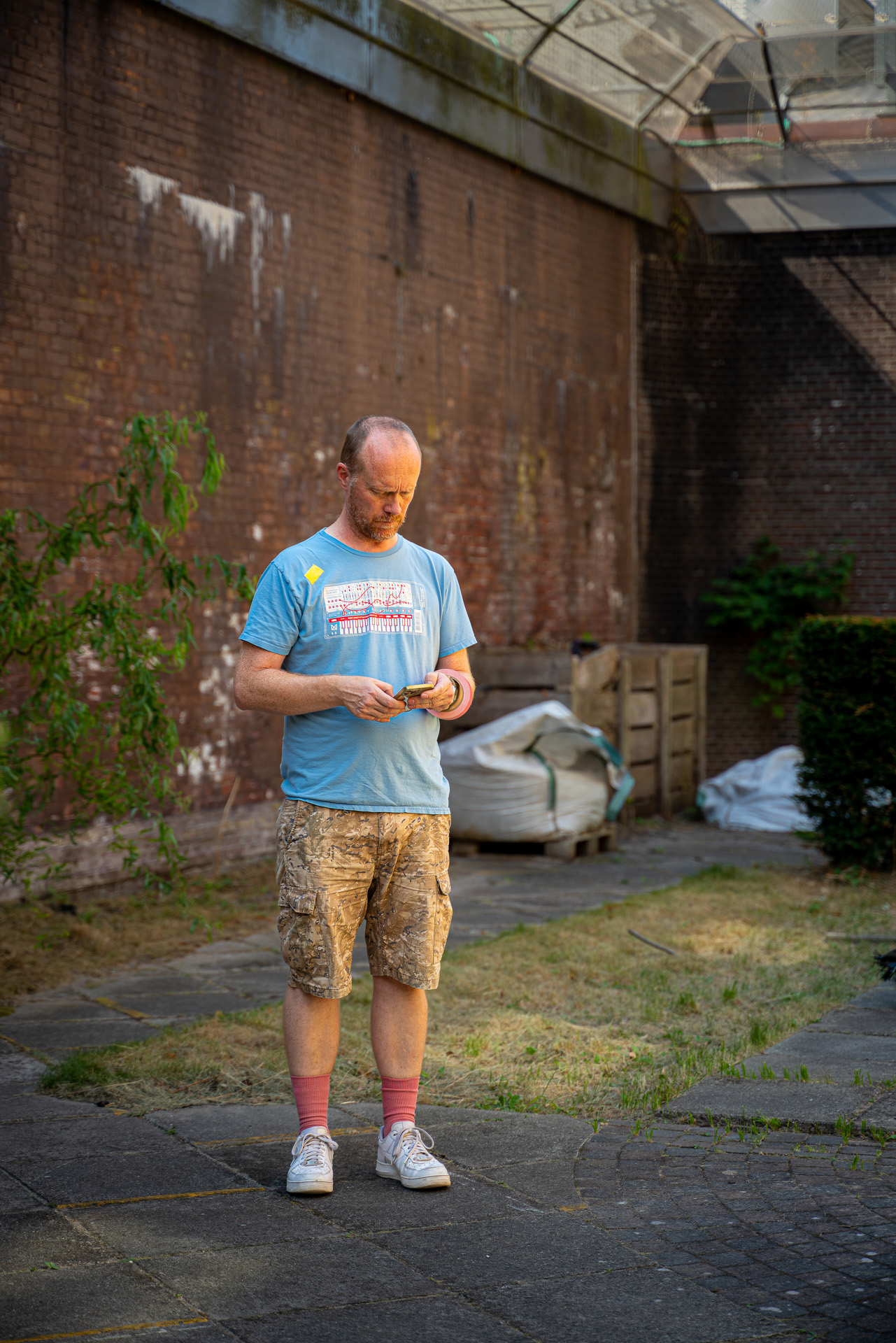
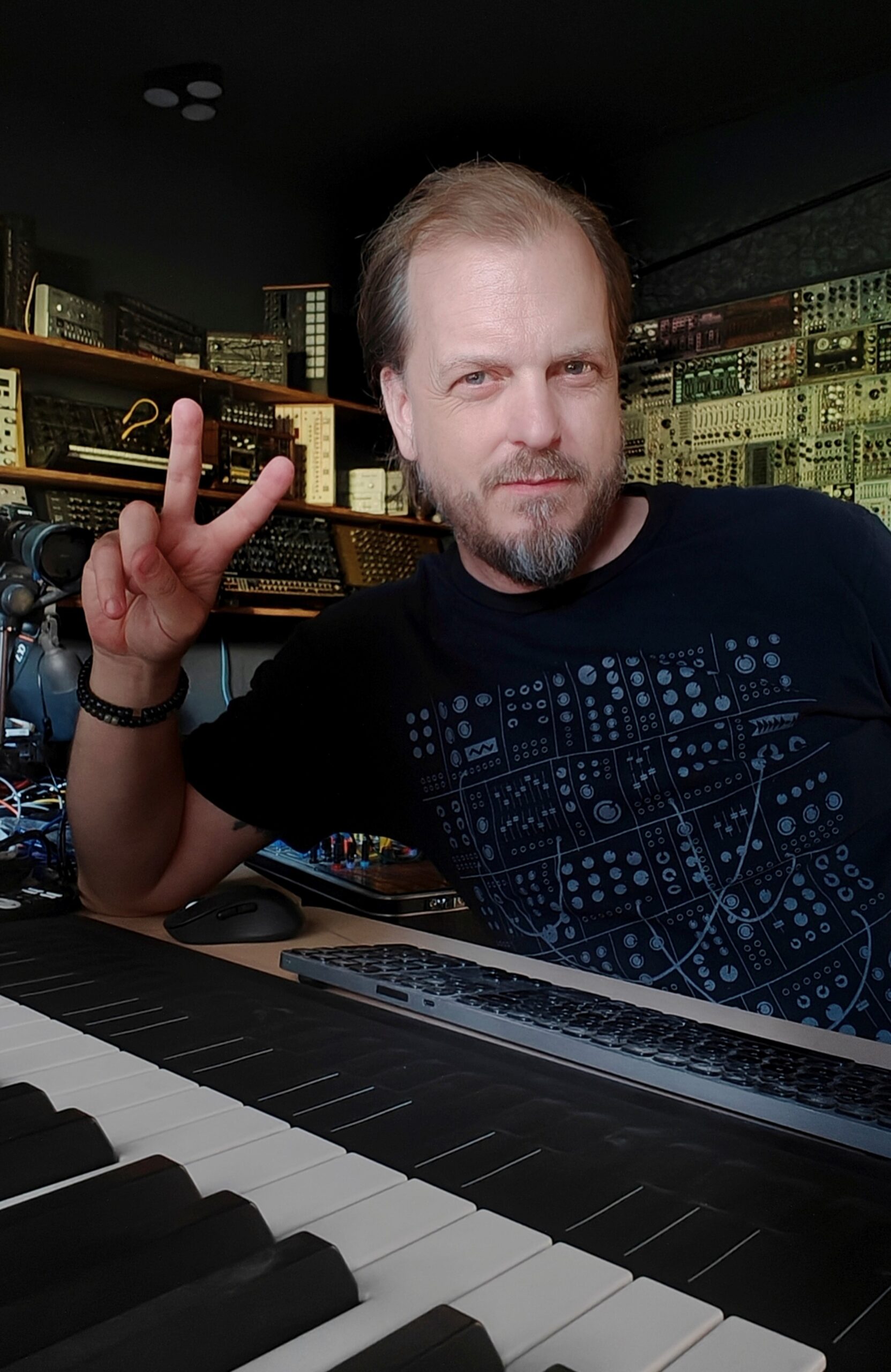
Selfie
Where are you based these days? (and how’s the local scene treating you?)
I moved from the city of Frederiksberg that is located inside Copenhagen, to the absolute outskirts and a sleepy suburb named Hedehusene (very close to Roskilde). I don’t think there is a local scene out here – there is a guy making a yearly “Jarre Experience” thing in a local church on a yearly basis, but I never visited. Basically I am too busy and old to have any musical ambitions and be part of a scene…
What’s changed the most in your creative process since your last interview?
I rely much more on playing stuff, than sequencing – I don’t even use midi anymore for my synths – as I think the process is much more efficient by just recording the audio directly with all of its flaws and character.
What’s the biggest challenge you’ve overcome as a musician recently?
I don’t see myself as a musician, so I can’t answer this. ;)
What continues to push you forward when music gets difficult?
I never feel that music is difficult – when I was younger and had ambitions, I struggled with trying to sound better than any artist I was currently in to, and with maintaining a feeling of getting better. The last part is however one of those things I have realized is often a false observation. As humans we seem to believe that we are constantly progressing, getting more clever, improving our musical skills, etc. But when we start to analyse old recordings or reading old notes – it is quite clear, at least to me, that it is kind of a false narrative. To make an example from something completely different. I planted a Magnolia tree in my front yard like two years ago – and when both me and my wife observe it, we mention to each other that it seems like it is growing in a decent tempo. But when we look back at pictures from when I planted it in the ground – it shows that the growth has actually been tiny (a bit depressing). It seems the wish in us to see it grow in our garden is influencing us to believe it. So, what is the conclusion to this – just trust your skills and make the most of them – art is never a competition – it is a way to let yourself or the listeners come in contact with themselves in new ways.
How do you usually spark ideas now — same methods as before, or new rituals/tools?
I have no problem getting ideas – just grabbing an instrument and play some notes always rewards me with something.
What’s your current marker for saying “this track is finished”? (has that changed?)
I don’t think that is important to me – the joy and almost trance like state that can appear during the jam and recording sessions is what I am after. I rarely finish tracks – if I do, it is usually to have kind of a diary of the time (listening to old recordings of mine has a way of bringing back all the emotions and feelings I had at the time).
Can we get a peek at your current studio — what’s new in the space?
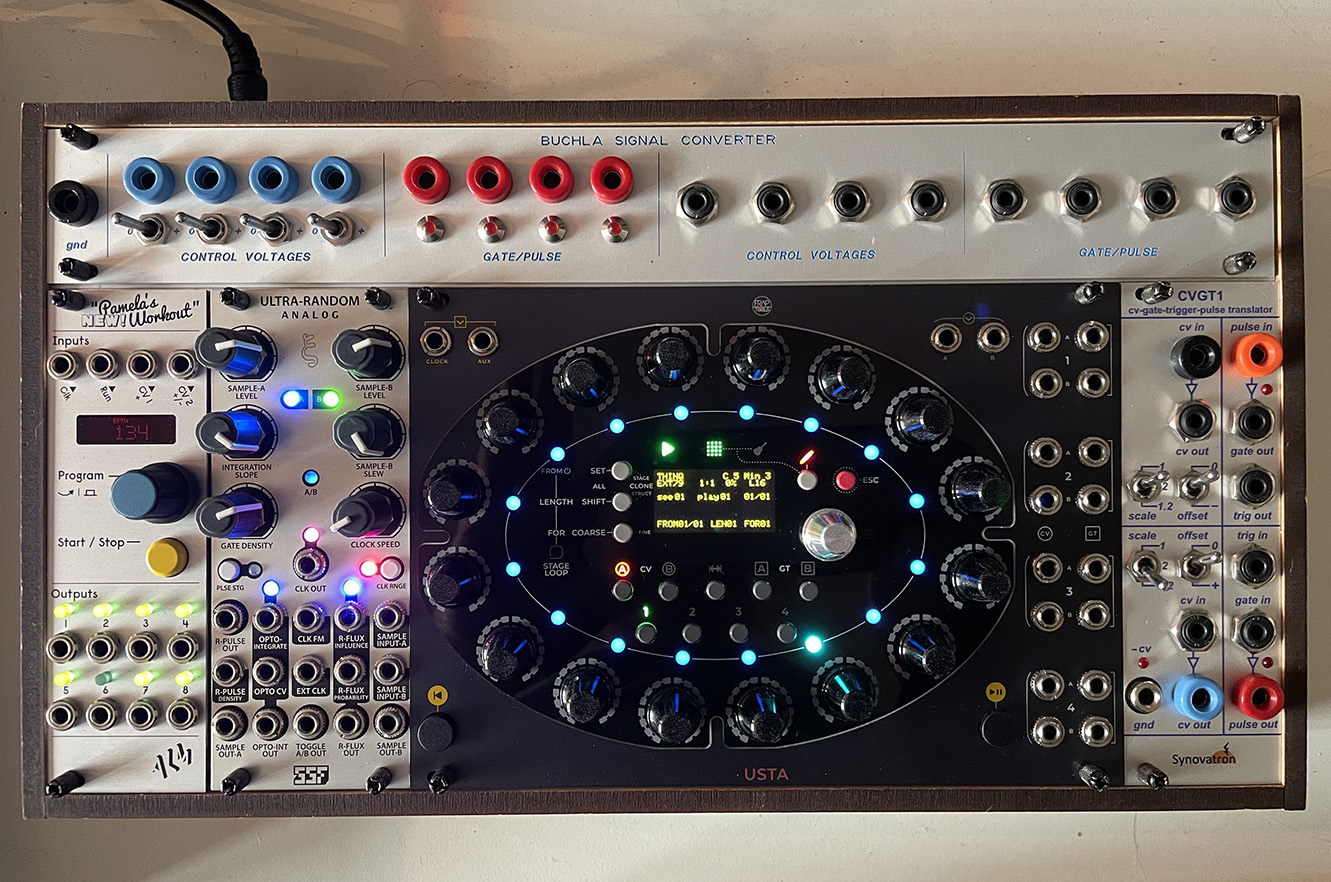
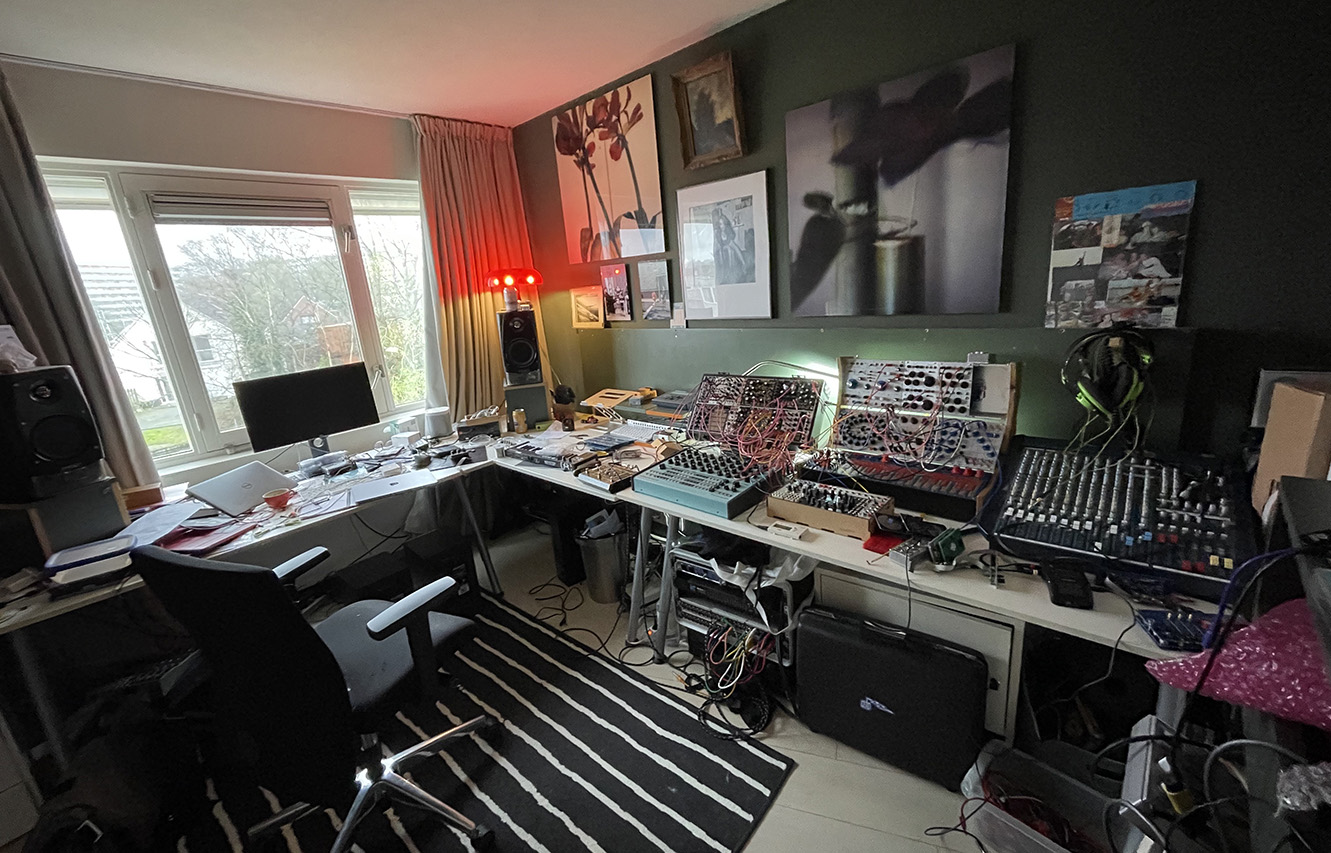
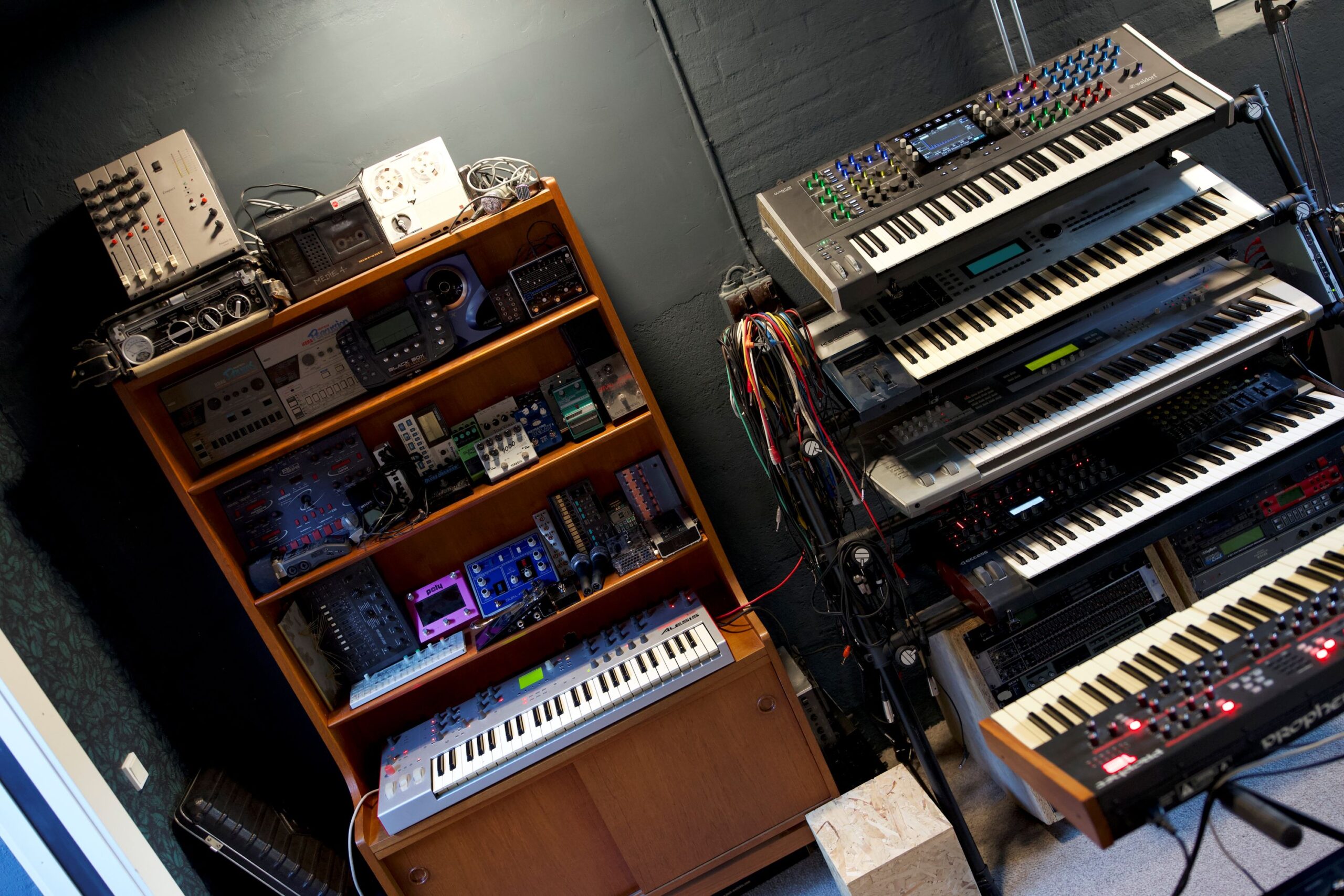
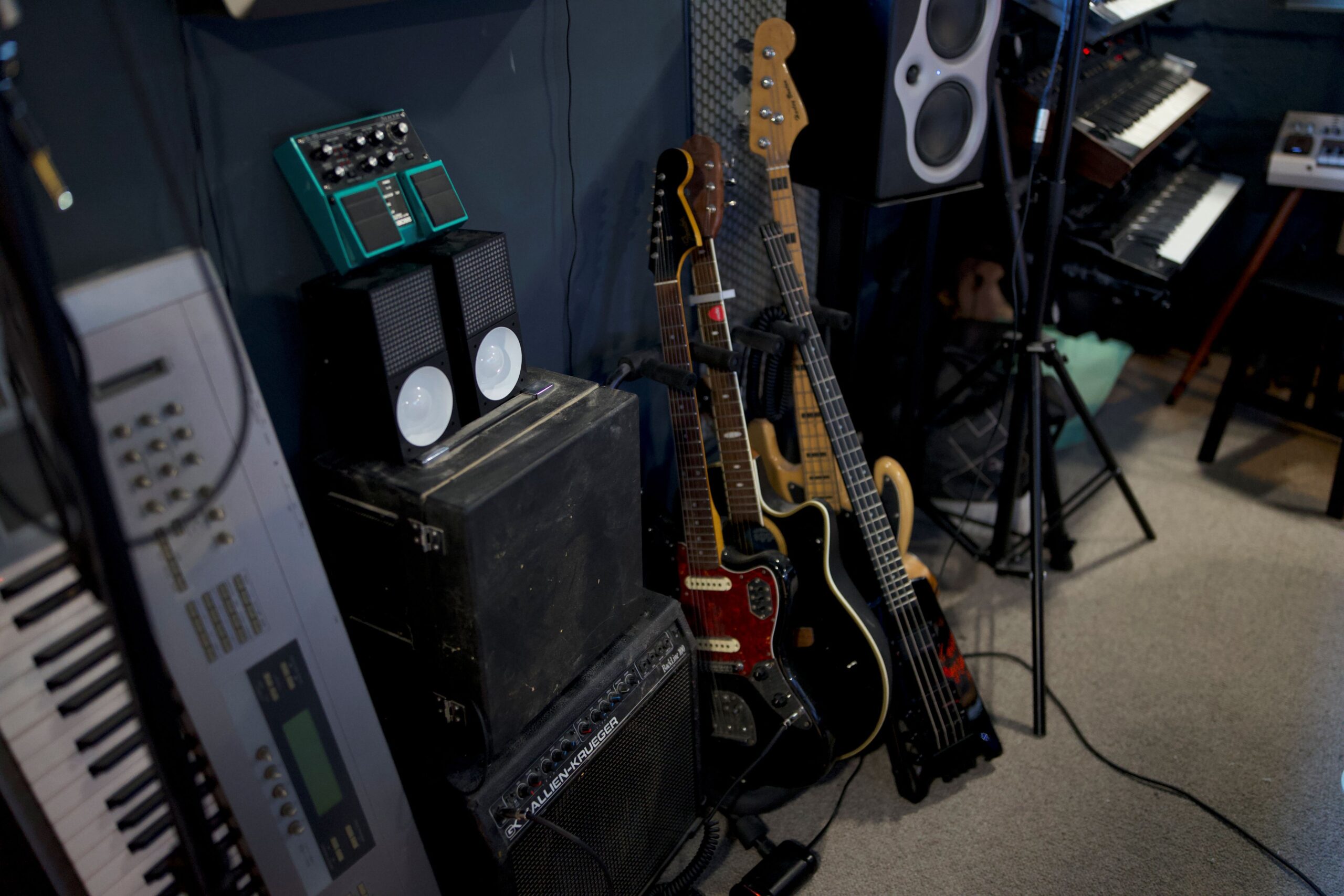
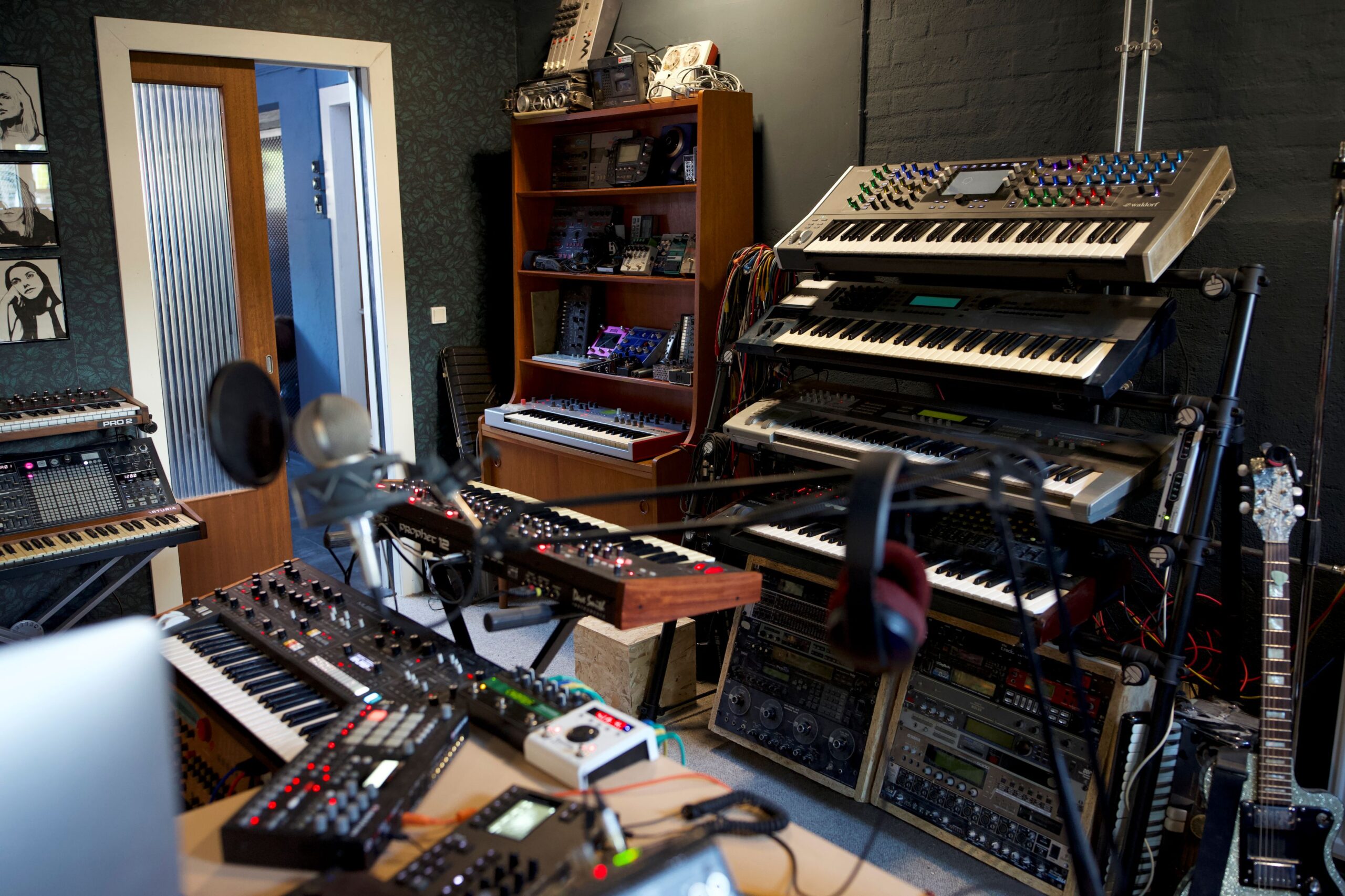
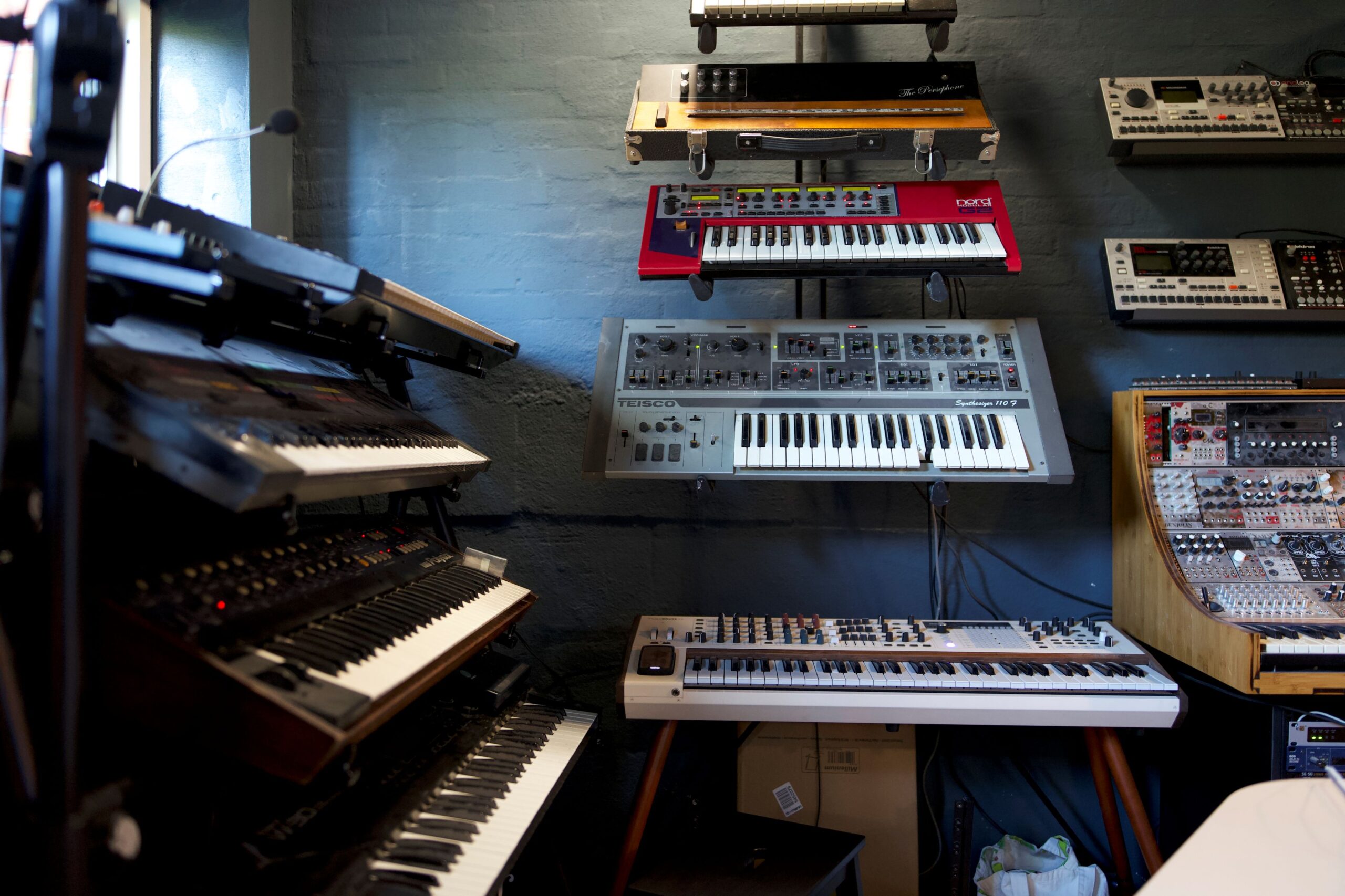
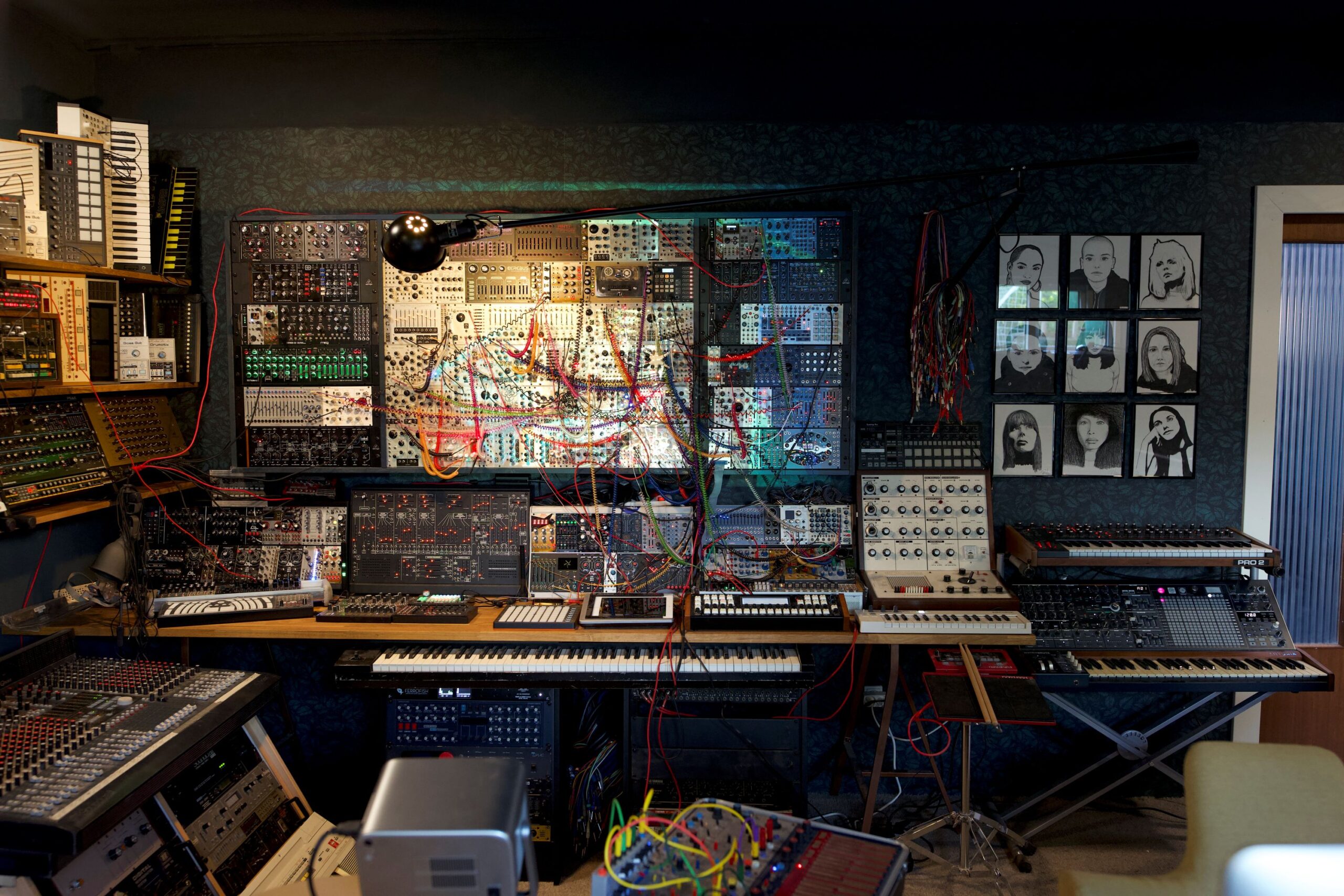
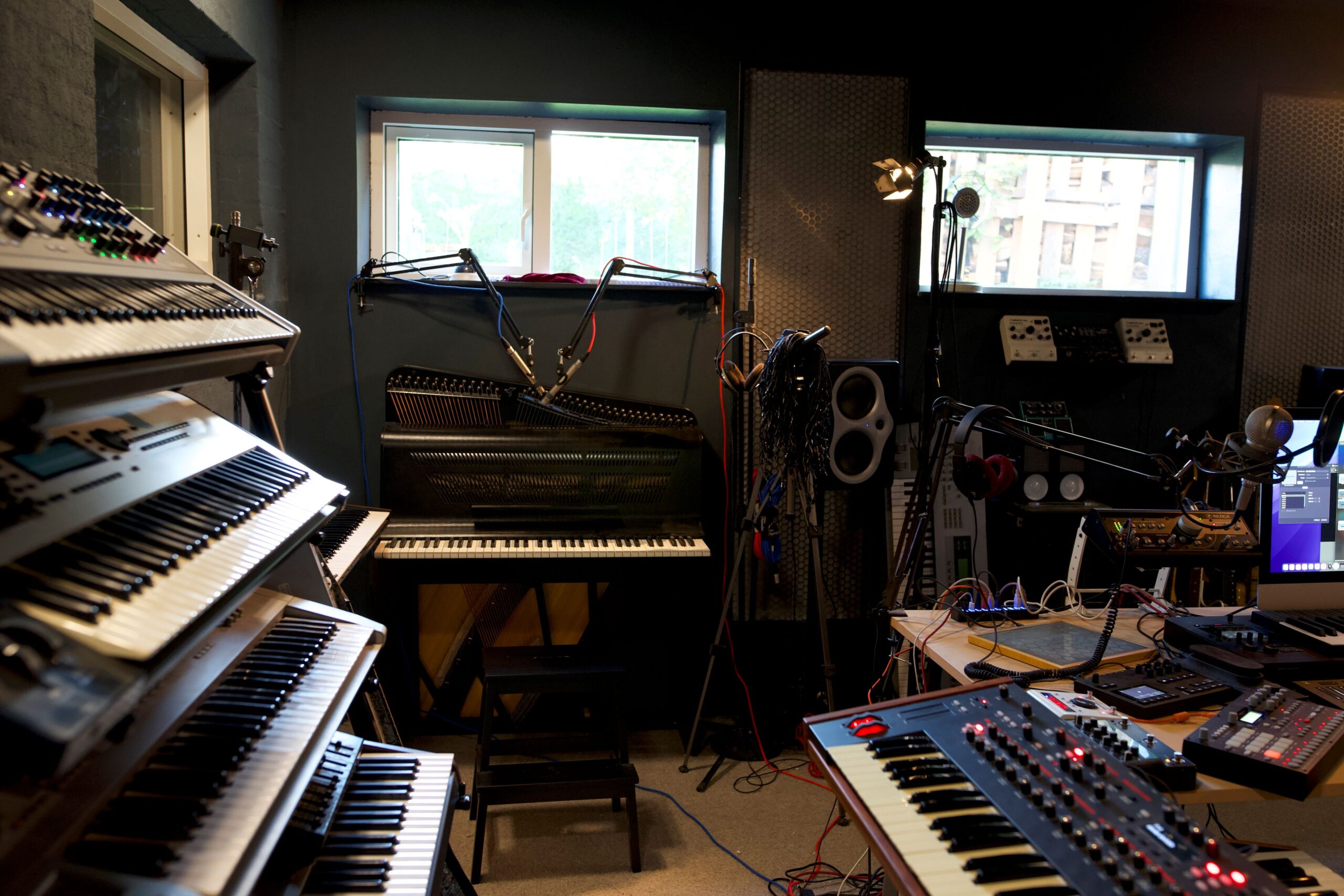
Well, the space is new. It has a nice dark blue hue on the walls and the ceiling. The floor is covered by a nice wool carpet (wool carpets are great at making a basement feel less basement-like). And since last time I did an interview, I have gotten lots of stuff. My eurorack has grown, without me noticing (I made that 2 meter x 1 meter eurorack case that is hanging on the wall, and thought that it would be enough together with my DIY Buchla style folding case and the keyboard case with 4x168hp). It wasn’t enough. So I had to buy a few more cases (and I am still waiting for 2 more cases that’s going up on the wall shelves). But let’s talk about a few of the pieces I have picked up in the last couple of years.
Keybird X1 – a portable budget unacorda piano. It was designed in another suburb of Copenhagen, and I like supporting the locals. It is a different instrument to the Kawai I have in the home office – and it works very well with different effect units.
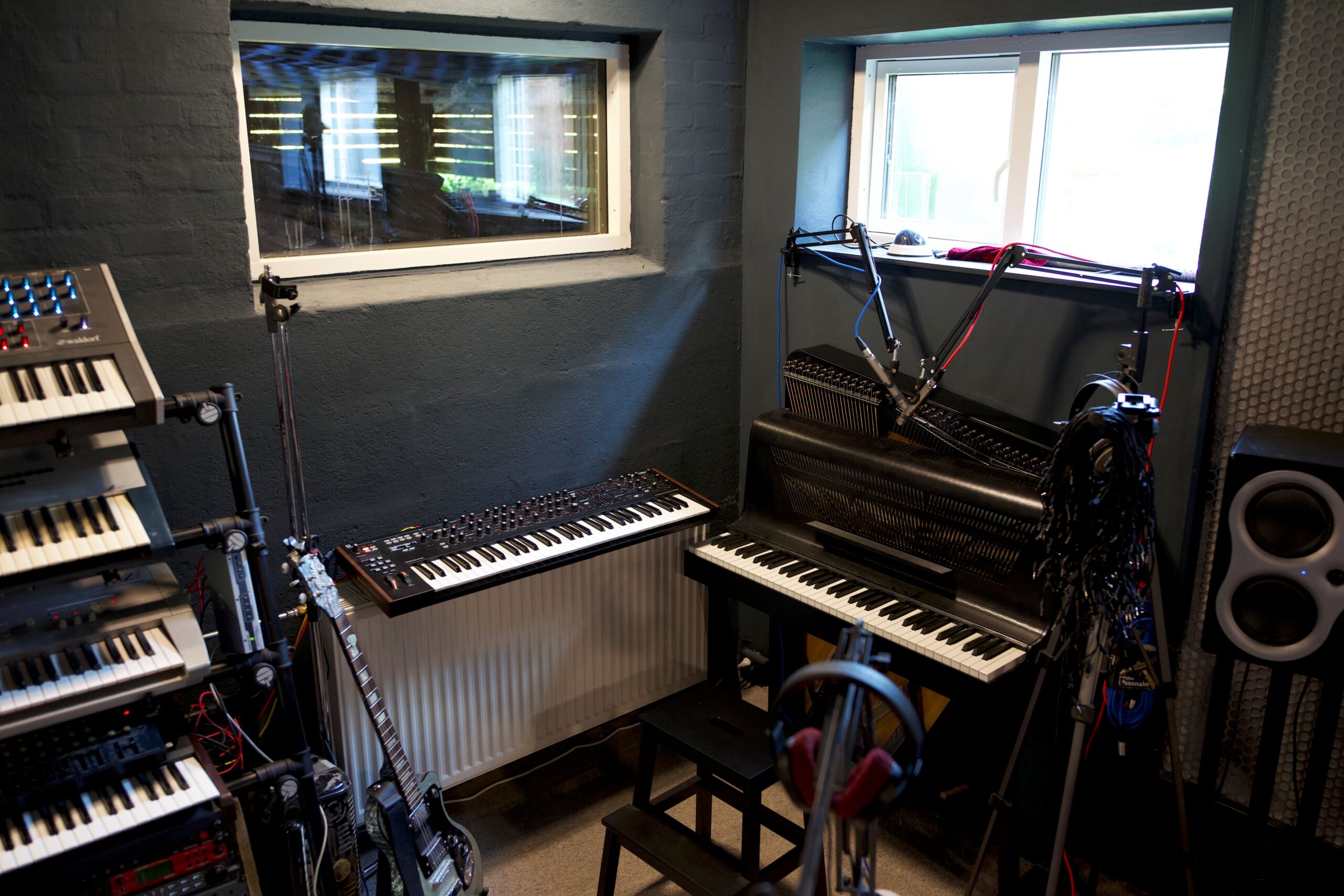
A lot of synths, either bought out of curiosity or because I had them in the past and missed them: Arturia Polybrute12 and Matrixbrute, Korg Polysix, Akai AX60, Waldorf Quantum, Kawai K5000s, Waldorf Microwave 1 and XT, DSI Prophet12, Tempest and Pro2, Moog Muse, Novation Summit, Quasimidi Polymorph, Expressive E Osmose, Buchla Easel, Kilpatrick Phenol, etc. Of these my favourites are:
Moog Muse – I just enjoy playing it, making patches with it, writing music with it. It has a very mellow and dark character and is just great.
Novation Summit – This synth does not have a unique character but makes it up by being both direct and versatile and its sounds just works in almost any musical context. It also has the best arpeggiator in the world. (A tip for some fun with it – setup the same patch on both layers, change the arpeggiator settings on one layer (rhythm for example) and press some keys down)
Best bit of creative or life advice you’ve picked up since your last interview?
I am usually not a fan of inspiring quotes, but I recently had one stuck in my mind “Life shrinks or expands in proportion to one’s courage.” (Supposedly a quote by the late french writer Anaïs Nin).
And finally: what’s the latest thing we should hear from you, watch, or support? Drop a link.
If you find me interesting I would suggest you to follow both my youtube and my instagram. My last post on Youtube (at this moment) was a little nice jam with my Keybird x1 and the Machinedrum (plus some synths) and is a good pointer on what I do in my studio 90% of the time…. Link to mentioned:
Video: https://www.youtube.com/watch?v=euZ2Nc3quZE
My YouTube: https://www.youtube.com/@copenhagennoiselab
My Instagram: https://www.instagram.com/cphmush/