Max Würden – Field Midi

1. Favourite knob or fader or switch on a piece of gear and why?

All 16 knobs on the DJ Techtools Midi Fighter Twister.
They turn control into an instrument and give me an indestructible kind of freedom. I don’t think in parameters anymore, I think in gestures.
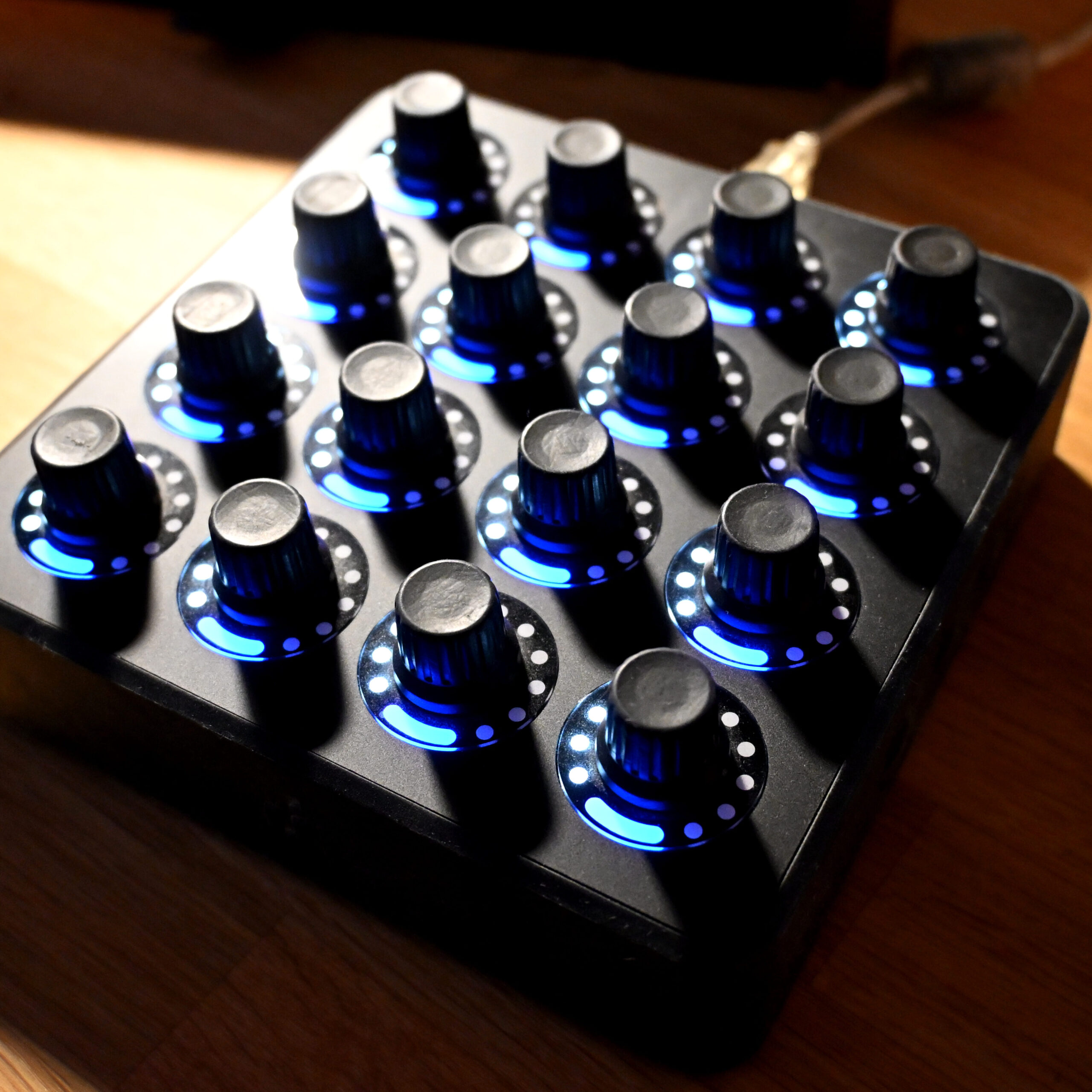
DJ Techtools Midi Fighter Twister

2. Do you have an ‘almost’ perfect bit of kit? What would you change?

Right now my setup feels complete. In most cases, it lets me focus entirely on sound instead of technology.
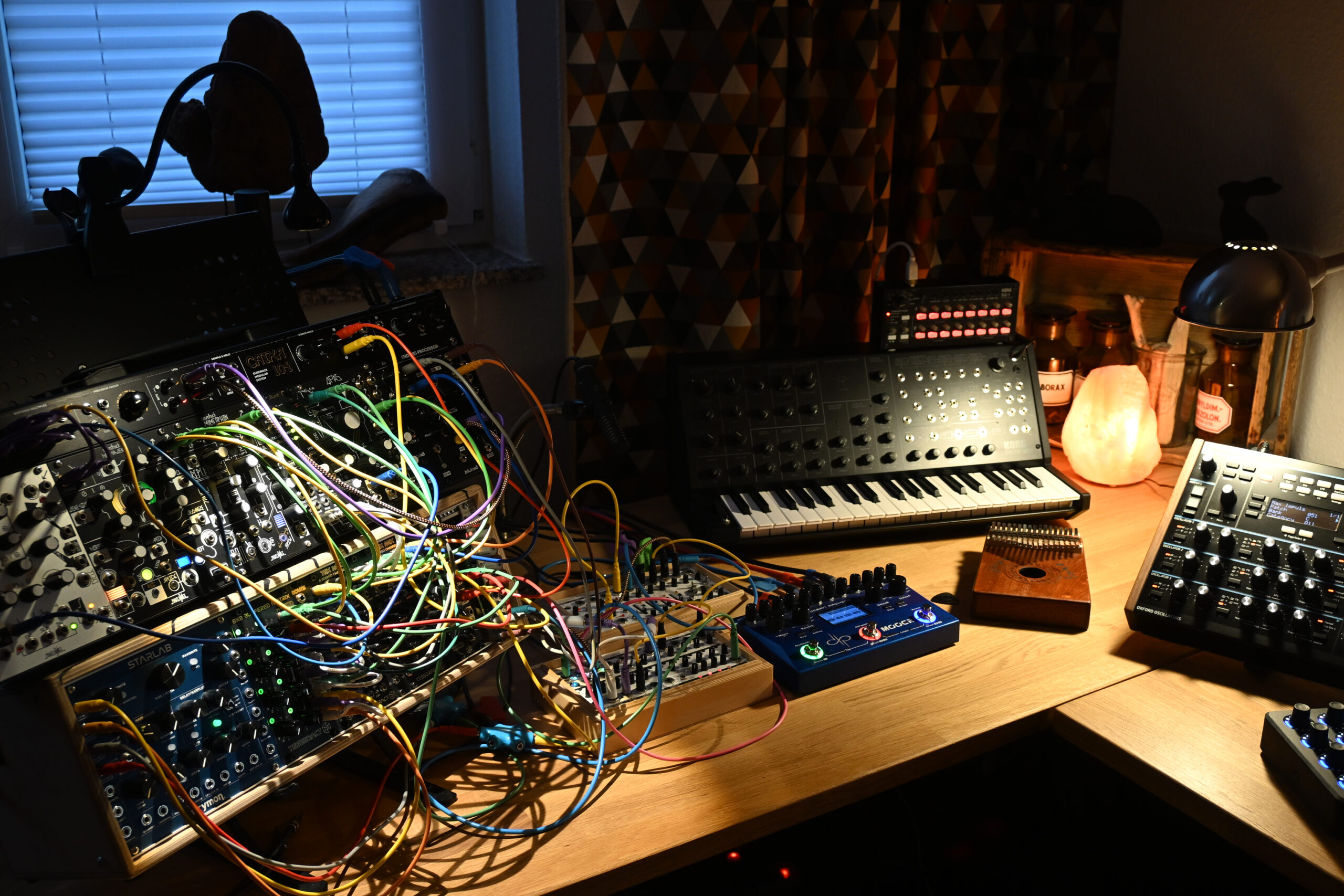
The only thing missing is a new Eurorack case, purely for space reasons. And of course, if there’s more space, there will be more modules. That’s not gear lust, that’s gravity.
If I could wish for one more thing, I’d love to see Nana Modules release a Caixa 208.
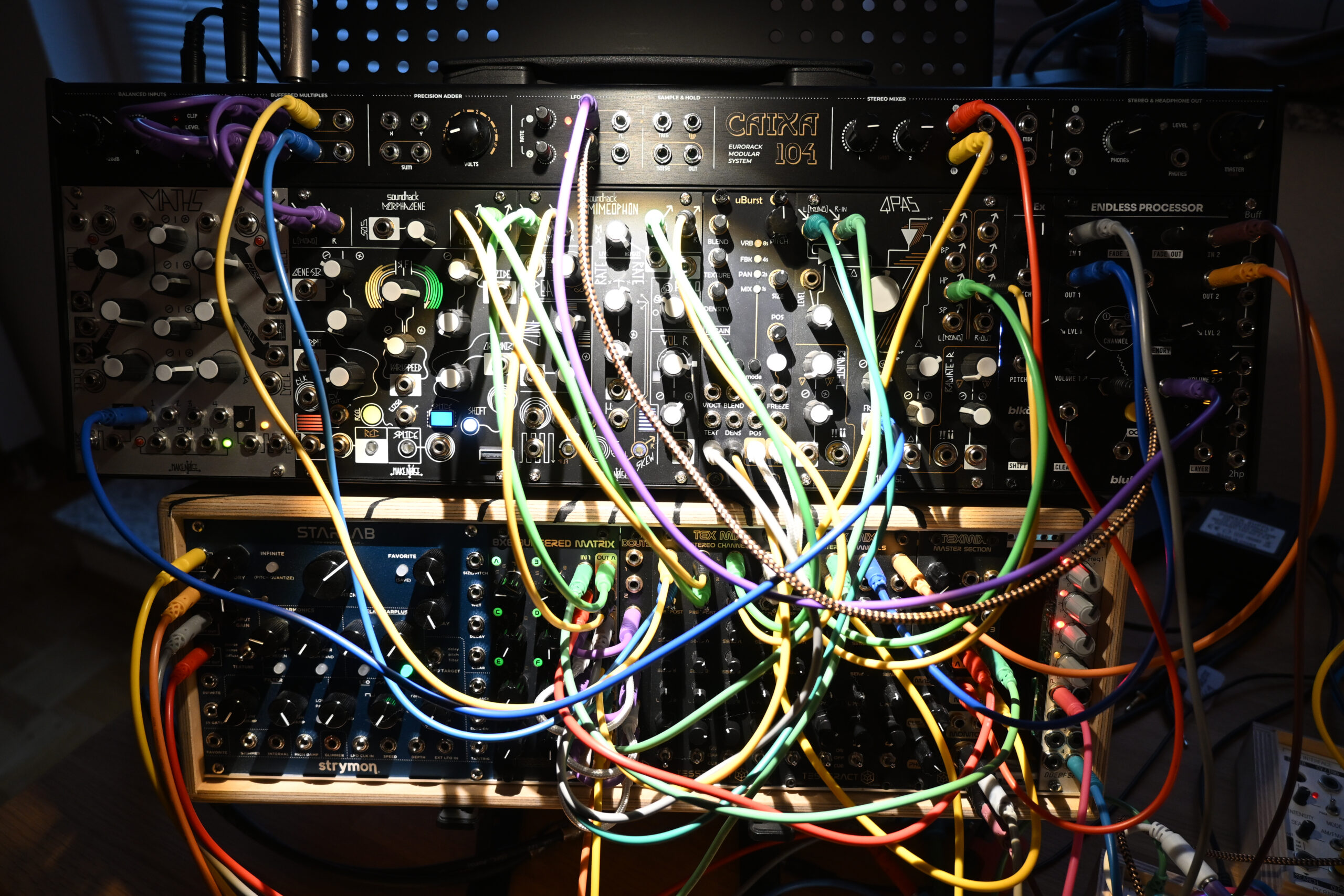
Eurorack modular

3. What setup do you bring on holiday or tour or commute etc.?

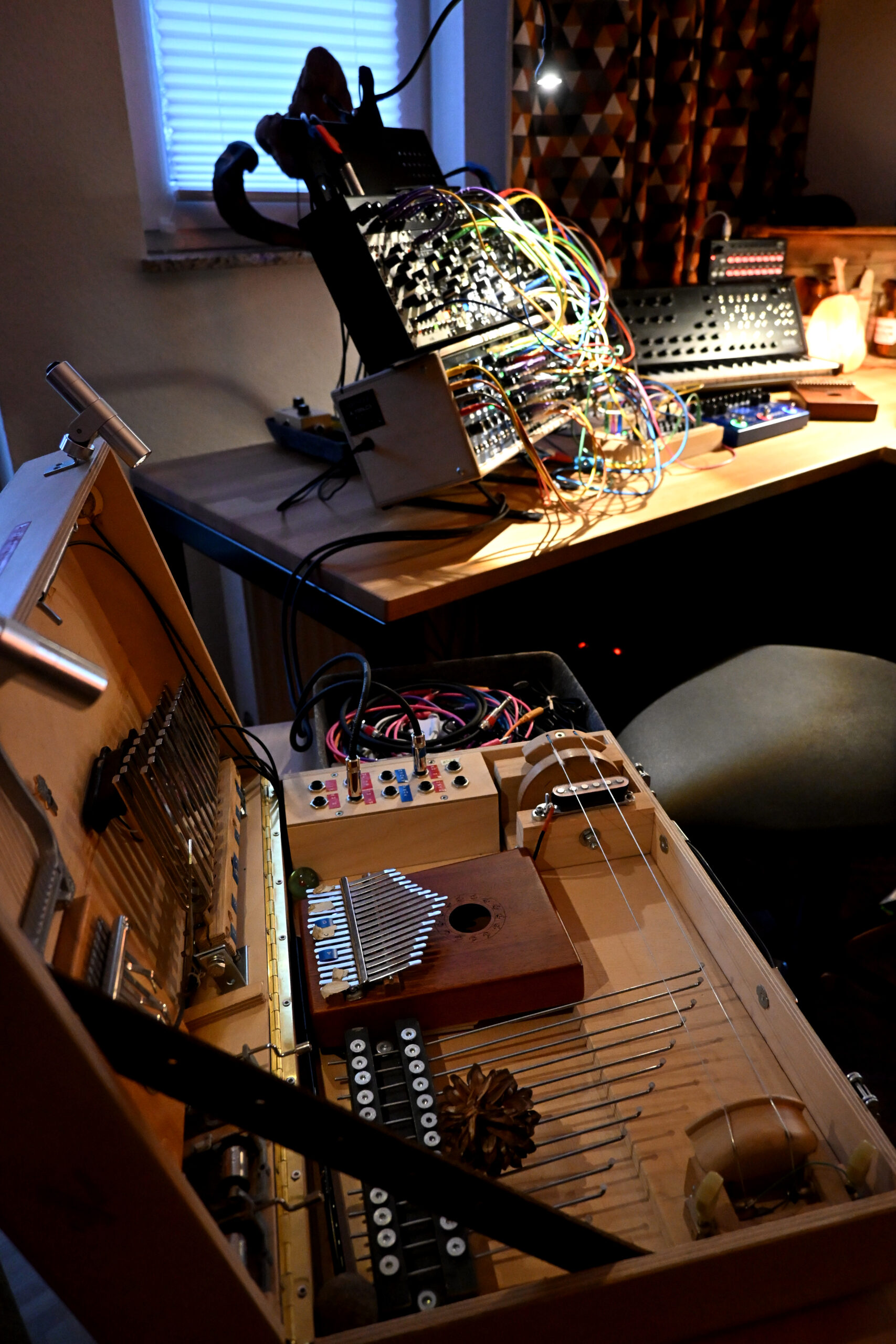
In my last live set, I used my laptop, the Midi Fighter Twister, the Arturia MicroBrute, the KOMA Electronics Field Kit and Field Kit FX, and my DIY soundbox filled with kalimba, an egg slicer, and other objects. The soundbox has become an essential part of my practice, both on stage and in the studio, and I’ve been working with different versions of it for over ten years.
Overall, it’s a small system, but one that still allows me to lose control.

DIY soundbox

4. What software do you wish was hardware and vice versa?

I sometimes wish Ableton itself existed as a physical instrument.
Not a controller, but a real object with resistance, weight, and limits.
I wouldn’t want any of my hardware as software. I chose it as hardware for a reason.
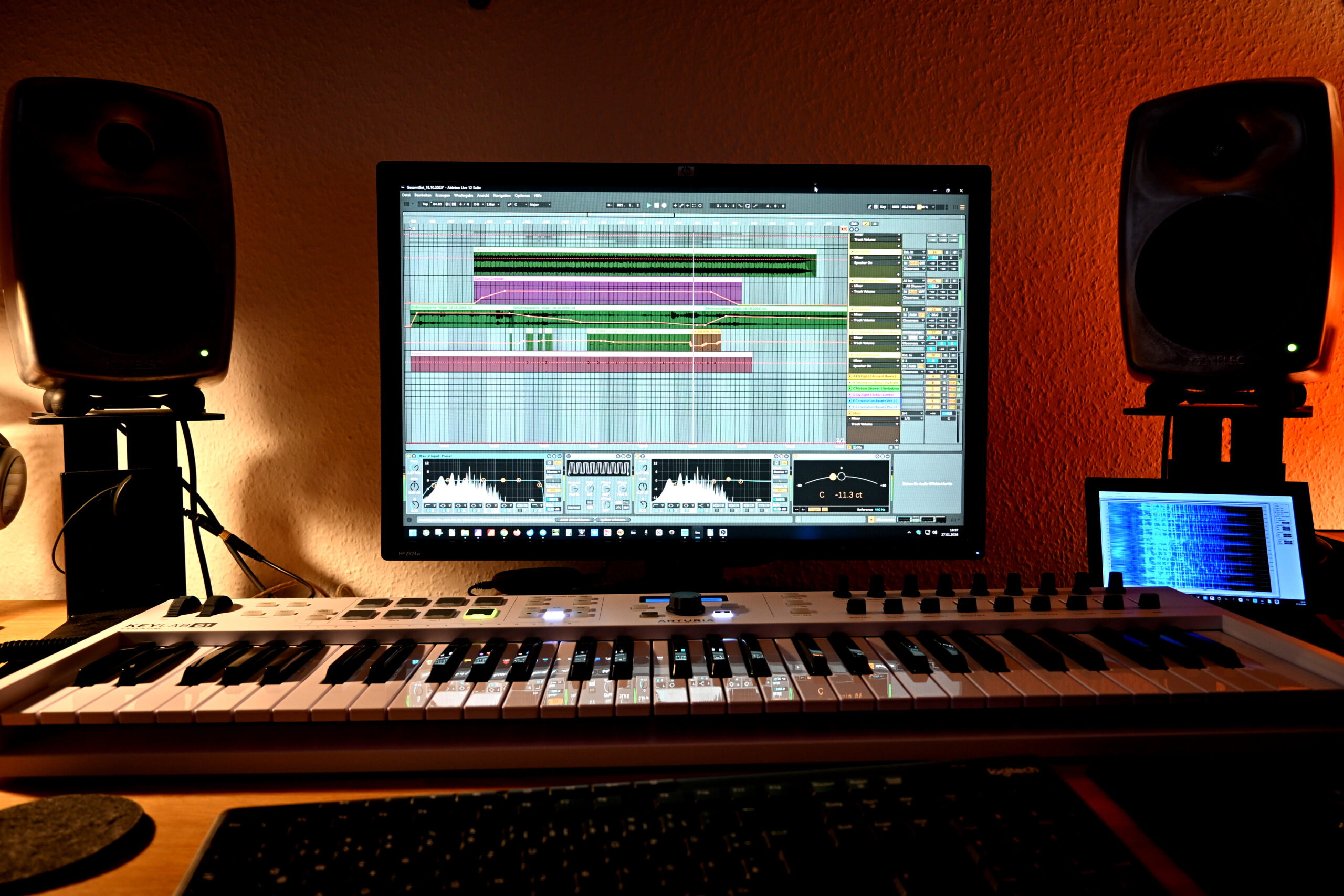
Ableton and DAW setup

5. Is there anything you regret selling… or regret buying?

I try to keep the things I might regret selling.
That makes storage complicated, but it keeps my past intact.
Still, I had to let go of a Korg electric piano once, space won, music lost.

6. What gear has inspired you to produce the most music?

I switched to Ableton more than 17 years ago.
It was the first time the tool stepped out of the way of listening and working.
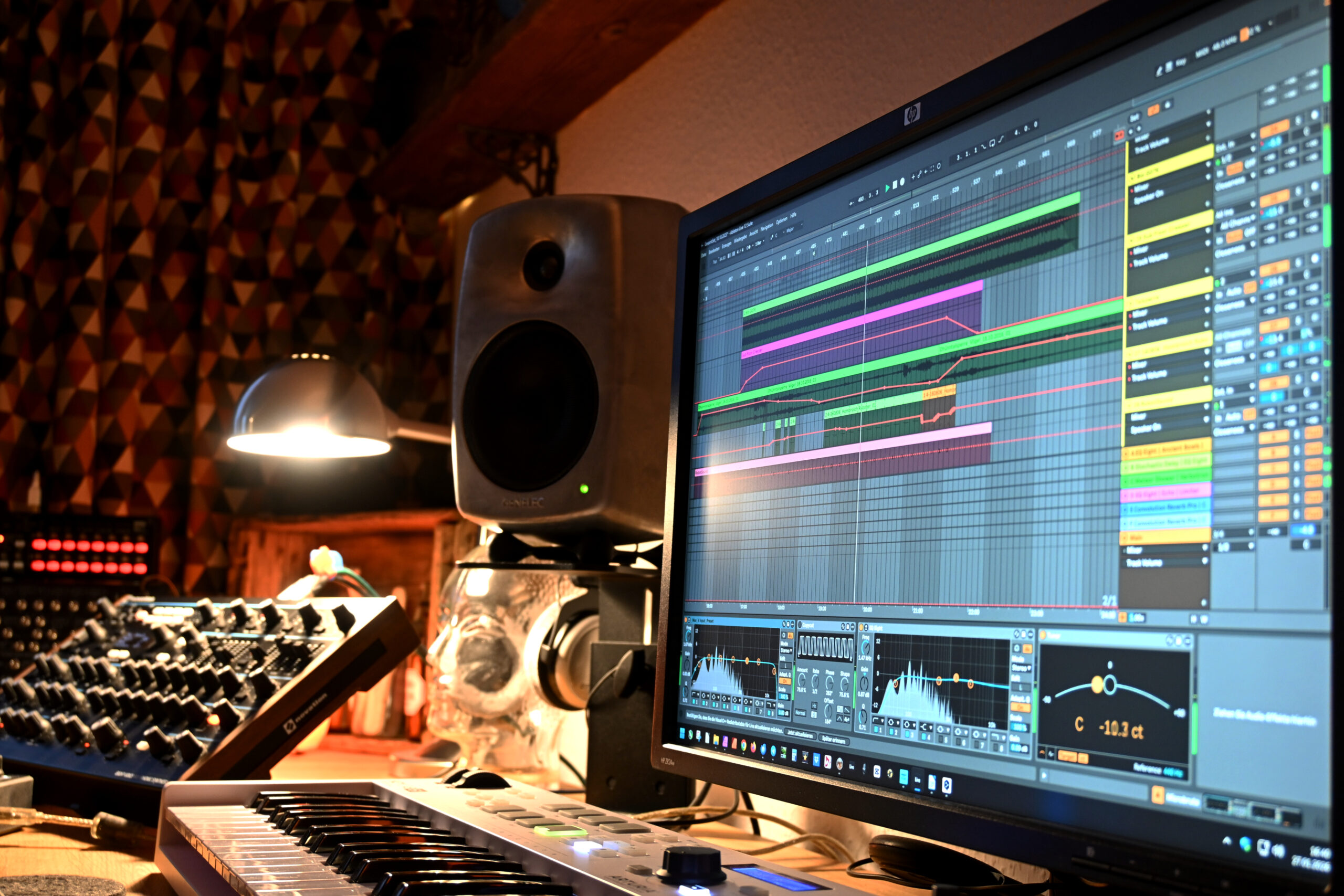
Ableton and Novation Peak

7. If you had to start over, what would you get first?

An analog synthesizer. Any one.
It teaches you signal flow, patience, and listening.
Eventually it teaches you something about the universe and about yourself.
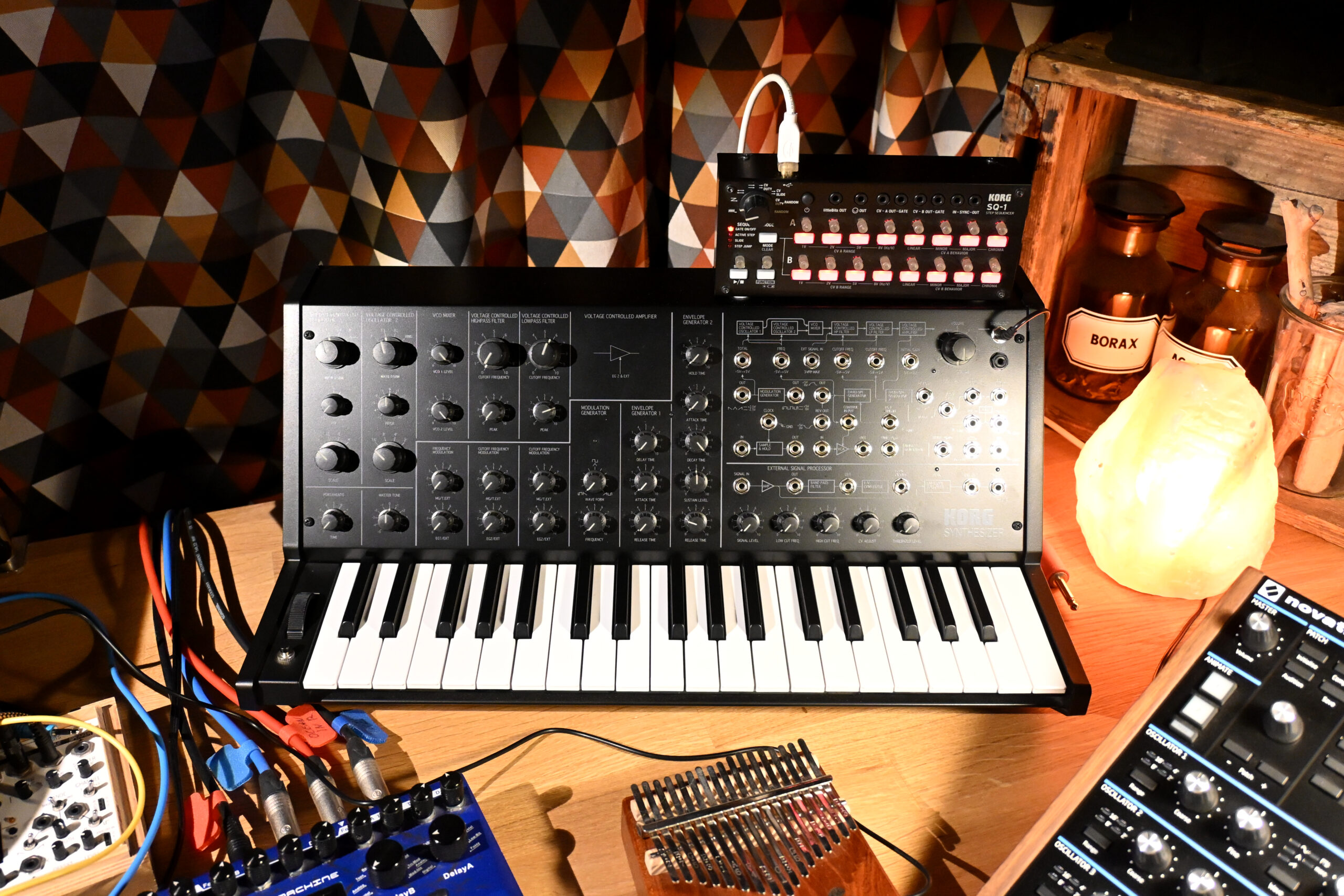
Korg MS-20 and SQ-1

8. What’s the most annoying piece of gear you have, that you just can’t live without?

My headphone cable.
It constantly gets caught under my office chair wheels and pulls me back into the room.
A reminder that sound is physical, and so am I.

Headphone drag

9. Most surprising tip or trick or technique that you’ve discovered about a bit of kit?

The biggest trick was realizing that looping isn’t repetition, it’s a way of listening longer to the same moment.
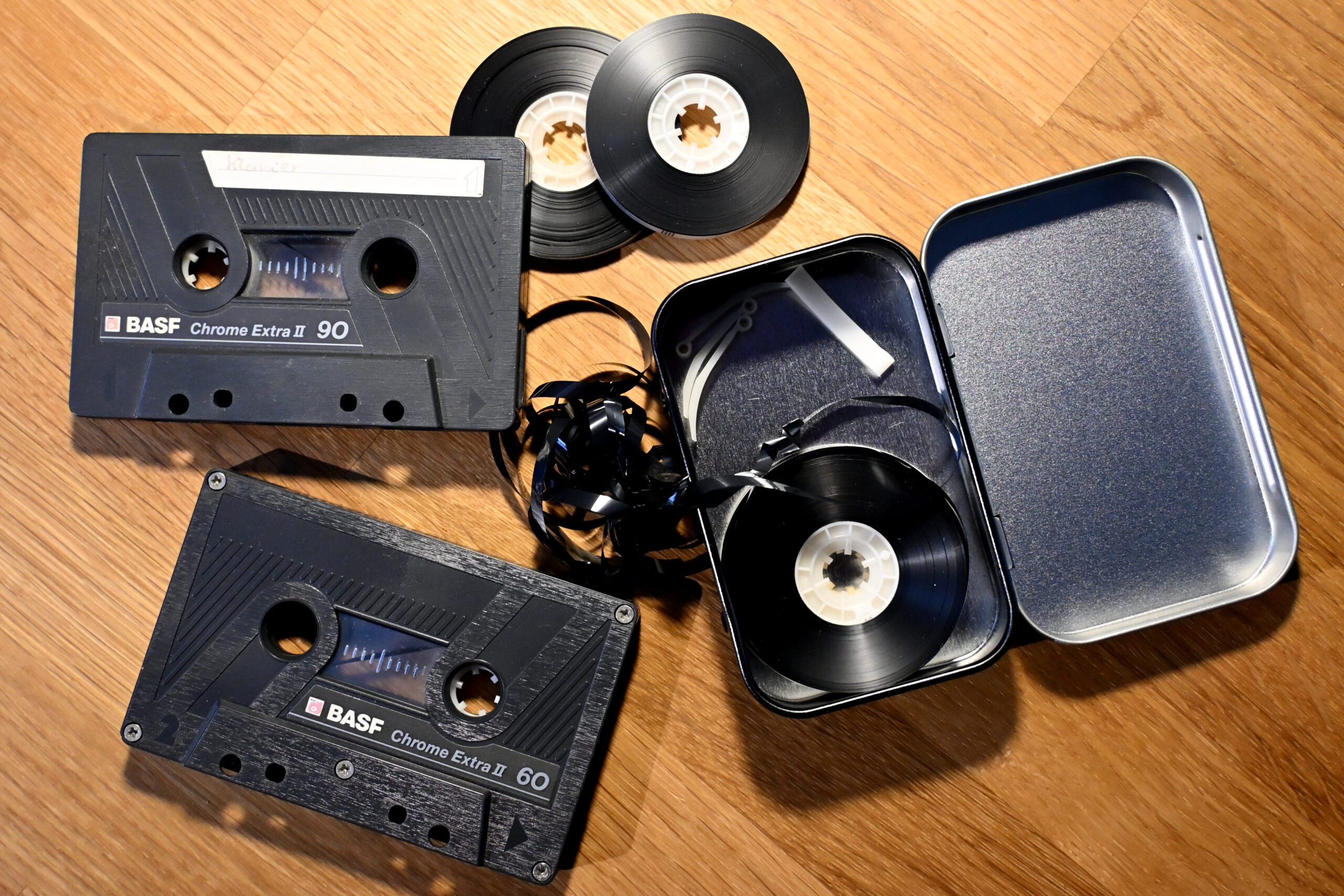
Cassette tape

Artist or Band name?

Max Würden

Genre?

Ambient, Experimental, Sound Art, Field Recording

Selfie?
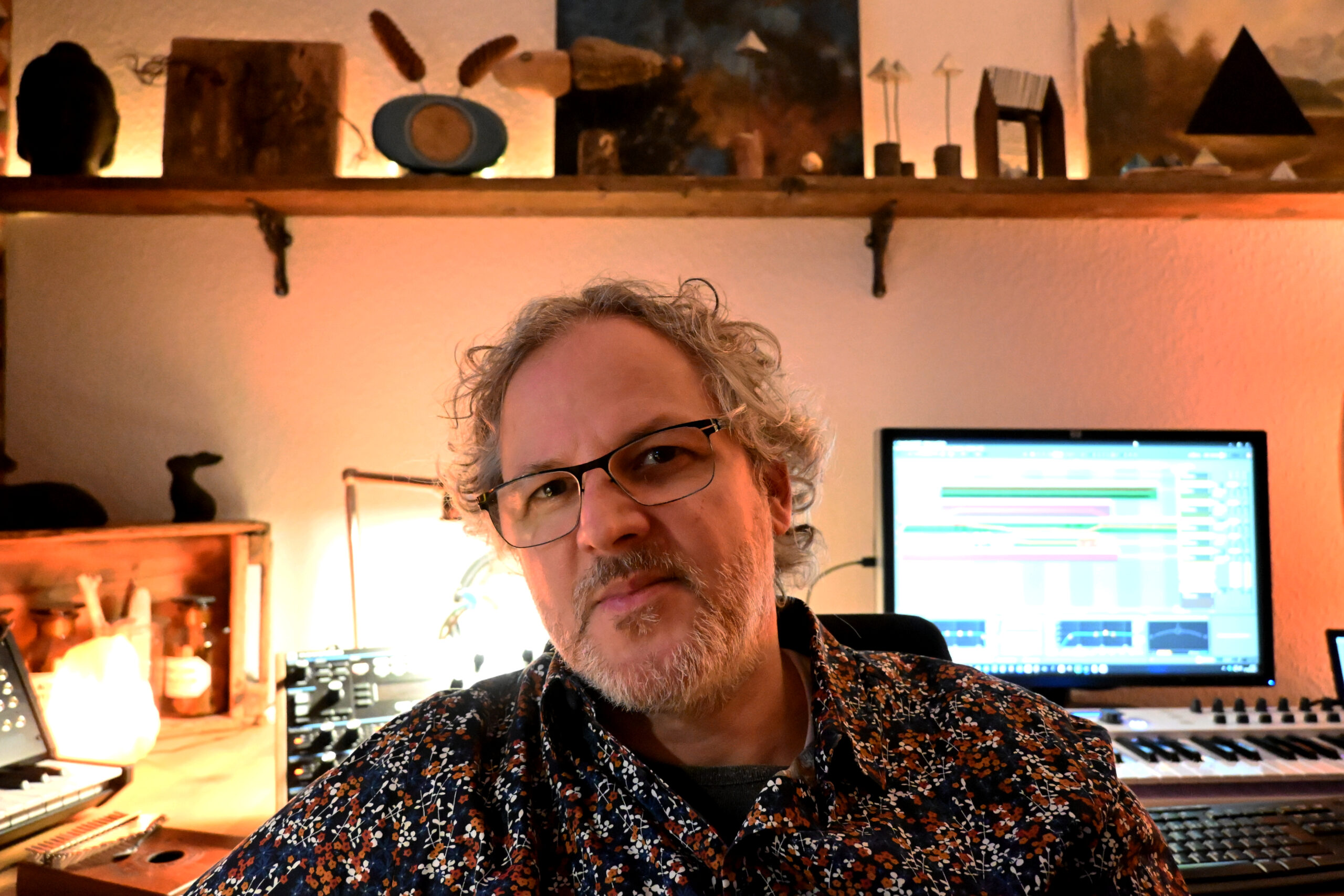
Max Würden

Where are you from?

Cologne, Germany.

How did you get into music?

As far back as I can remember, I was always surrounded by music, from waking up until falling asleep.
When I was very young, I had a key moment: I suddenly understood how a band works, which instruments are played, how they sound, and what their roles are. That realization sparked my desire to learn an instrument and start making music myself. In the 1980s I learned to play drums and spent many years playing in bands, from indie rock to jazz. In the 1990s I began making solo recordings with 4-track recorders, effects and guitars, trying to free myself from the band format. When more powerful computers became available, I chose to move fully into electronic music and work solo. I’m entirely self-taught in this area.
What I carried over from my band years is a love for using all kinds of sound sources, mostly analog ones, often treated as instruments rather than tools.

What still drives you to make music?

What drives me is the search for calm inside sound.
I’m interested in making music from my surroundings rather than for them, a quiet contradiction to the original idea of ambient.
Real sounds have always been essential to my work. Field recordings have been part of my music from the beginning.

How do you most often start a new track?

I start with the desire to make sound and to become calm.
Anything can be the beginning: a tone, a chord, something in my hands.
The desire is what starts the next project.

How do you know when a track is finished?

I know a track is finished when I fall asleep while listening to it.
Unfinished tracks keep me awake, because I still hear what needs to be changed.

Show us your current studio

Studio 1
Studio 2
Studio 3
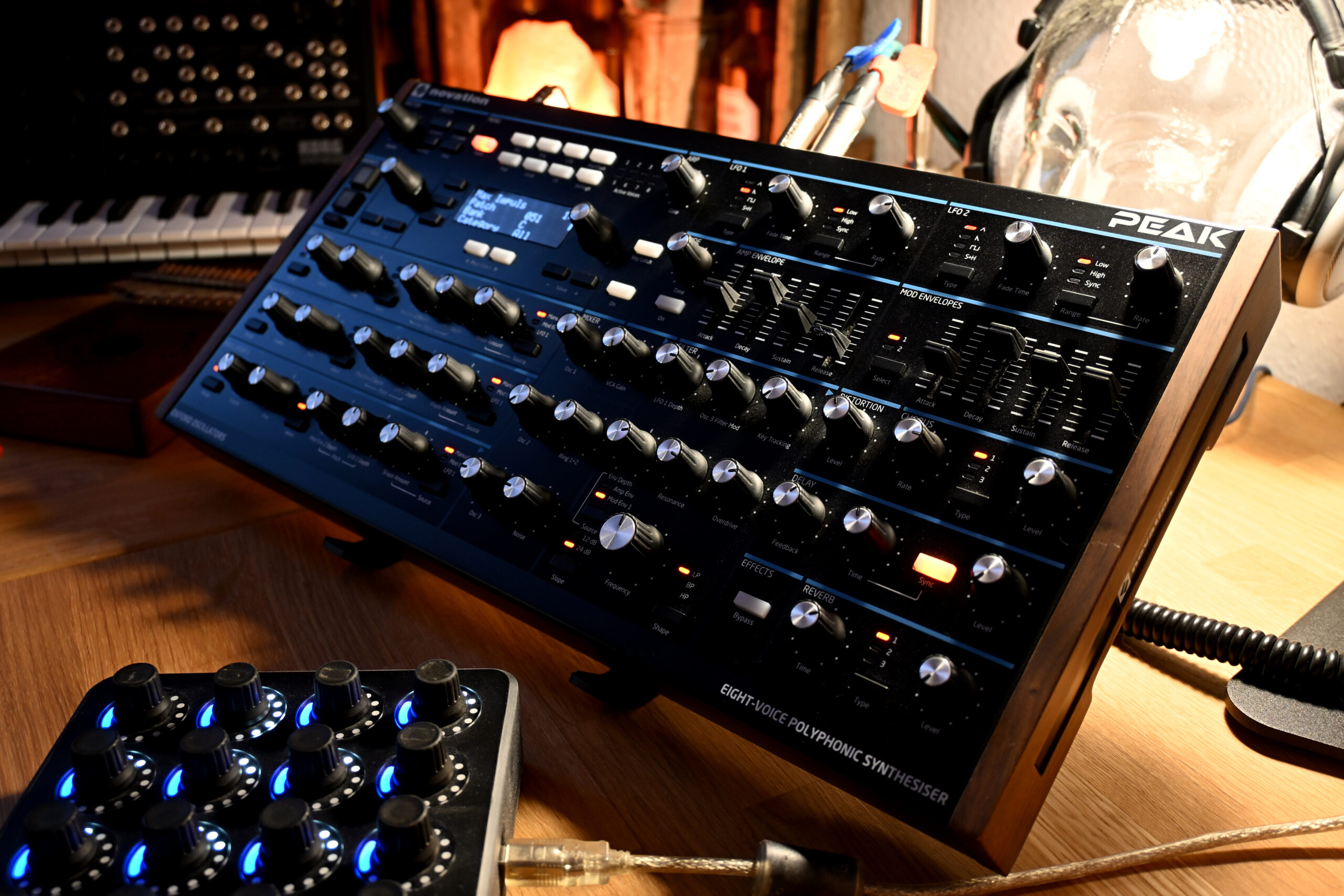
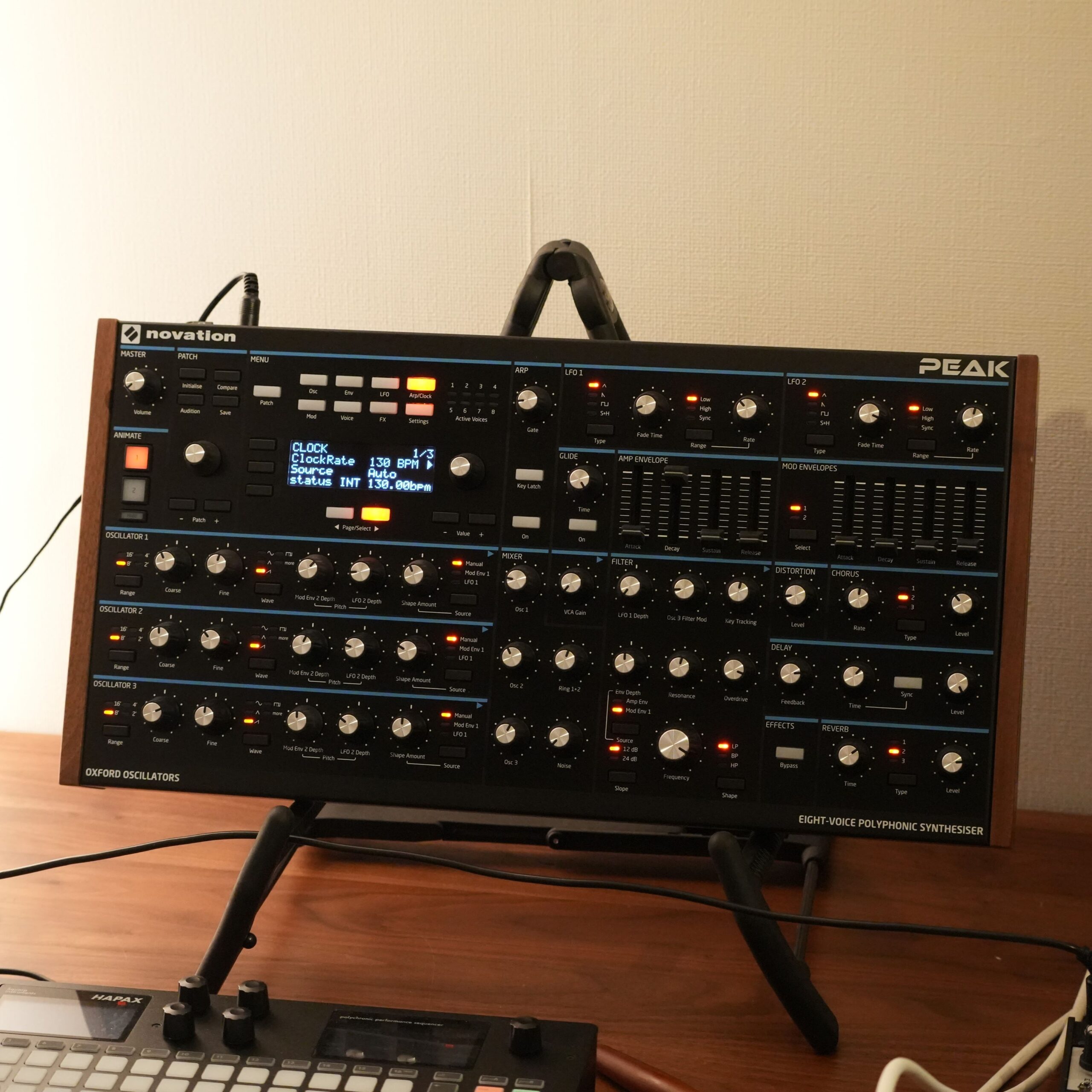
Novation Peak

Best creative advice that you’ve ever heard?

Listen longer than you think you should, and trust what remains.
It’s never the one session, it’s the many sessions.
That’s something I had to learn myself.

Promote your latest thing… Go ahead, throw us a link.

My latest project is RAUSCHKASSETTE, a collaborative cassette release with Ron Schmidt. It treats noise as the main material for a continuous narrative, moving through shifting textures toward a quiet, meditative stillness.
https://wuerden.bandcamp.com/album/rauschkassette
I’m also featured on KOMPAKT’s POP AMBIENT 2026, together with LUKAS SCHÄFER, as part of the long-running, Wolfgang Voigt–curated series dedicated to beatless, elegant ambient music.
https://kompakt.bandcamp.com/album/pop-ambient-2026

Takeyuki Hakozaki – Pollypraha

1. Favorite knob or fader or switch on a piece of gear and why?

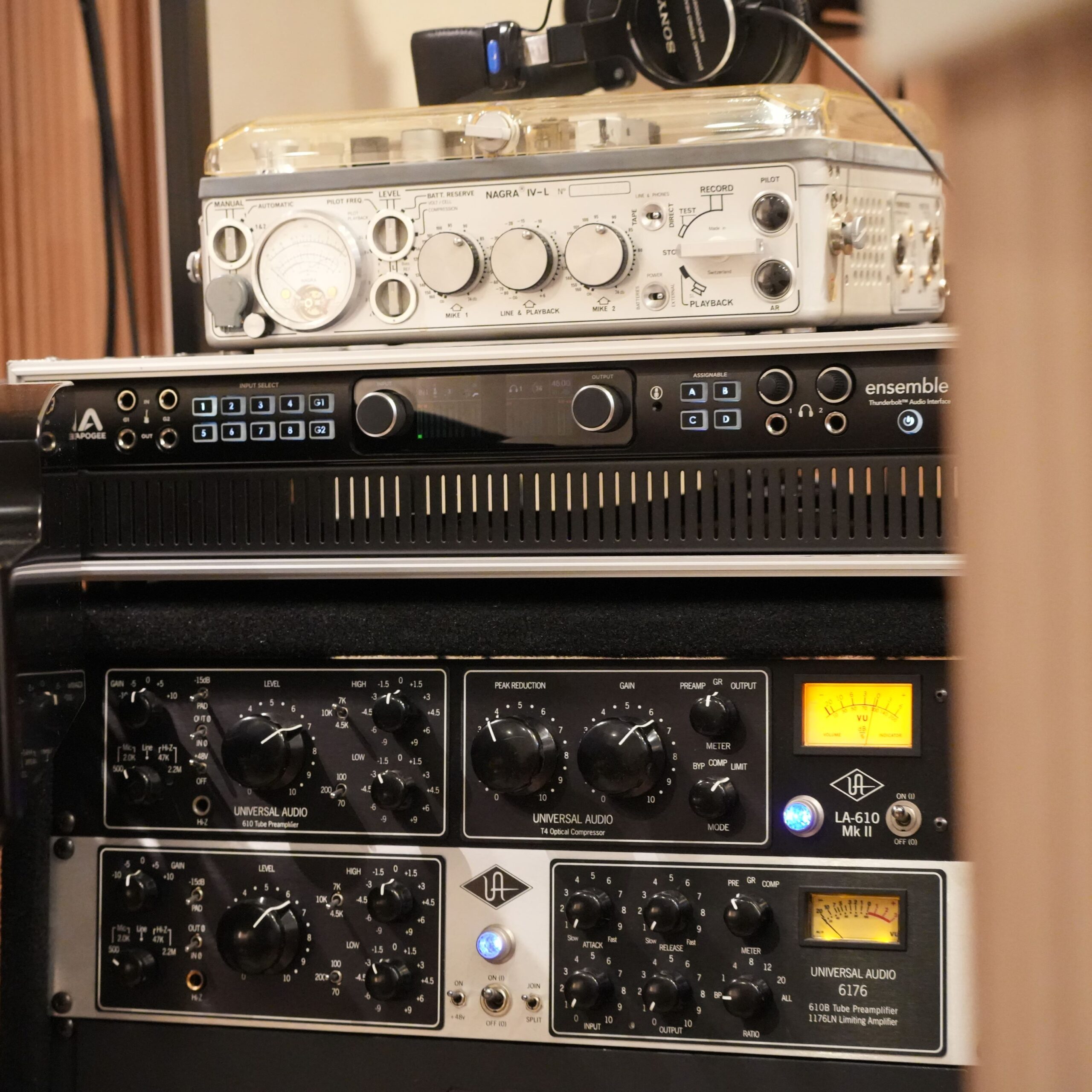
I love the rotary switch that changes between record and playback on the Nagra 4.2. 
The beauty of the shape and the feel when turning it, is the best.

Nagra 4.2

2. Do you have an ‘almost’ perfect bit of kit? What would you change?

Make Noise Morphagene is an almost perfect module. I love the wide range of sample changes and the very clear interface. 

Make Noise Morphagene

I like how easy it is to maneuver something that would be painstaking in software. 

The sound quality of the output is a bit peculiar, so a better preamp or VCA built in would be perfect. 

But currently I generally run ‘Shallow Water’ or ‘Analog Heat’ through it, so that’s not a problem.

3. What setup do you bring on holiday or tour or commute etc.?

I do very few gigs and try not to bring my instruments on holiday. 
However, I always use more than one Nagra for my exhibitions. So no matter where I play, I need a car.

4. What software do you wish was hardware and vice versa?

For software that I wish was hardware, this is definitely ’GRM Tools’!
And vice versa, Ciat-Lonbarde Cocoquantus2.

Ciat-Lonbarde Cocoquantus2

5. Is there anything you regret selling… or regret buying?

I regret selling ‘Qu-Bit Electronix’s Chance and Prism, so much so that I bought Prism back!

6. What gear has inspired you to produce the most music?

The Fairfield Circuitry Shallow Water.

Fairfield Circuitry Shallow Water

I was really impressed when I ran a synth through Shallow Water for the first time.
Even simple, cold digital synth sounds and linear sine waves take on a warm, musical character. I completely fell in love with it.
I’m running two ‘Shallow Waters’ through most of the songs on my album ‘Season of Strangers’ which was released this summer.

7. If you had to start over, what would you get first?

Novation Peak maybe! It’s my favorite synth these days.
Peak is also used on many of the tracks I have released this year.

Novation Peak

8. What’s the most annoying piece of gear you have, that you just can’t live without?

Nagra reel to reel recorders. I use Nagras not only in my music, but also in exhibitions and art, and they are inseparable from my current expressive activities.

Nagra reel to reel

9.Most surprising tip or trick or technique that you’ve discovered about a bit of kit?

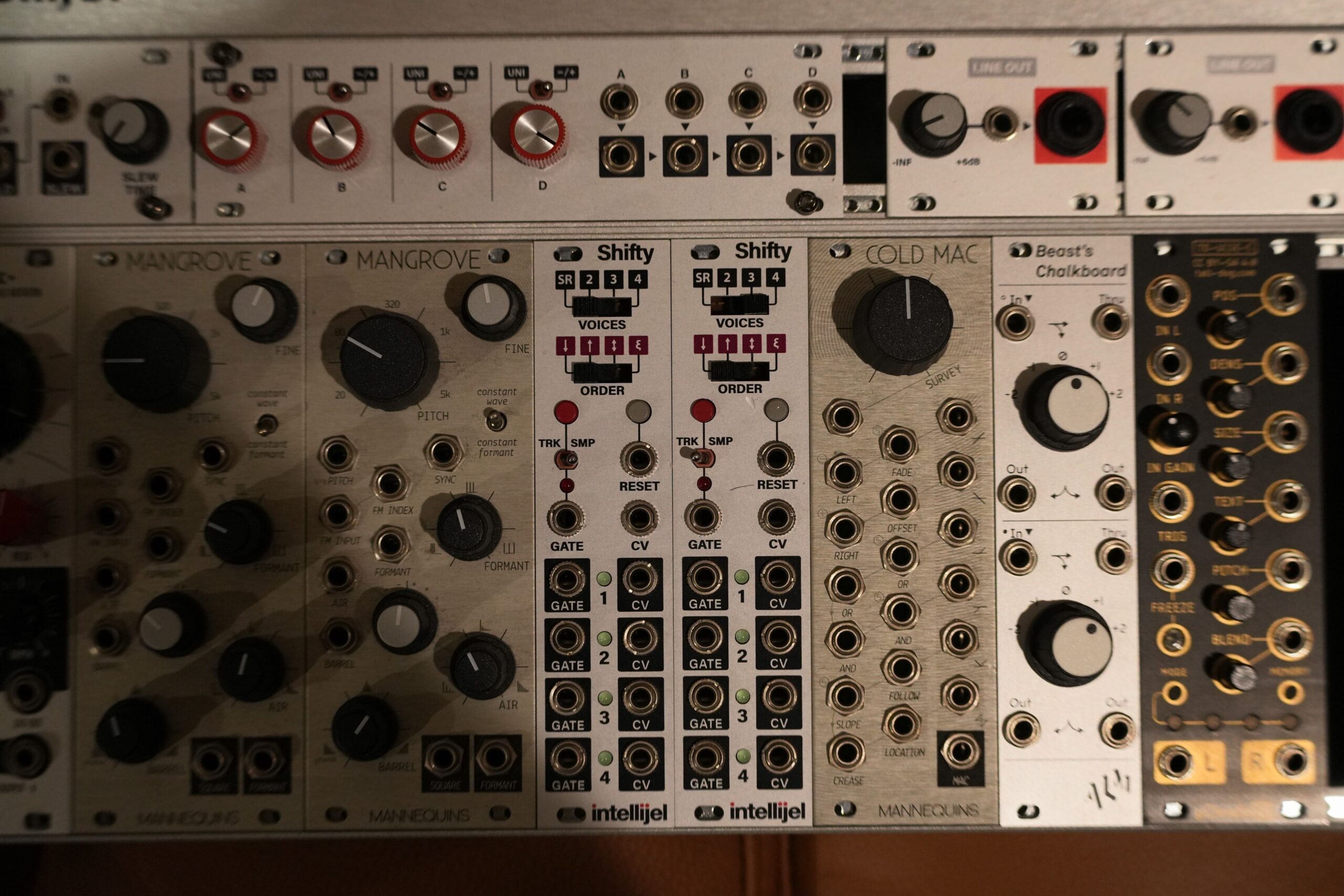
I guess I was experimenting with the Intellijel Shifty a lot, and was able to generate a canon.
By purchasing another Shifty, I was able to create complex canons from a single 1V/oct signal.

Intellijel Shifty

This is a huge digression, but bear with me (lol.)

As a teenager, I was struck by Steve Reich’s many musical techniques.
I didn’t hear his work in chronological order, but probably the first things I heard were “Eight Lines” and “Music for a Large Ensemble.”
These pieces are characterized by a technique in which a single note is found, and then the number of notes increases and increases until it finally becomes a melody.
I still think that this technique is one of the coolest expressions of music, as it combines beauty and perceptual pleasure.
I can’t use that technique in my own work though, because it would really be a rip-off of Reich’s work….
I was also amazed by his other famous techniques such as “phase shifting process” and “augmentation technique.”
I found it difficult to perceive the Serialism music that was popular in the 1960s, but all of Reich’s techniques are perfect for me, combining musical beauty and enjoyment.


Artist or Band name?

Pollypraha and Takeyuki Hakozaki

Genre?

Ambient, Minimal, Contemporary Classical.

Selfie?

Takeyuki Hakozaki in the studio

Where are you from?

Born in Kobe, Japan. Now living in Chiba, Japan.

How did you get into music?

I learned to play the trumpet in elementary school. After that, I guess I majored in classical guitar and clarinet. Later, I bought an electric guitar in high school and started composing music.

What still drives you to make music?

Making music has been a habit for over 20 years, just like eating and sleeping, and my body needs it.

How do you most often start a new track?

I often start by coming up with a melody line.

How do you know when a track is finished?

When I think that it’s good enough. I never feel that there is nothing more that could be done with a track, even once it’s been released.

Show us your current studio

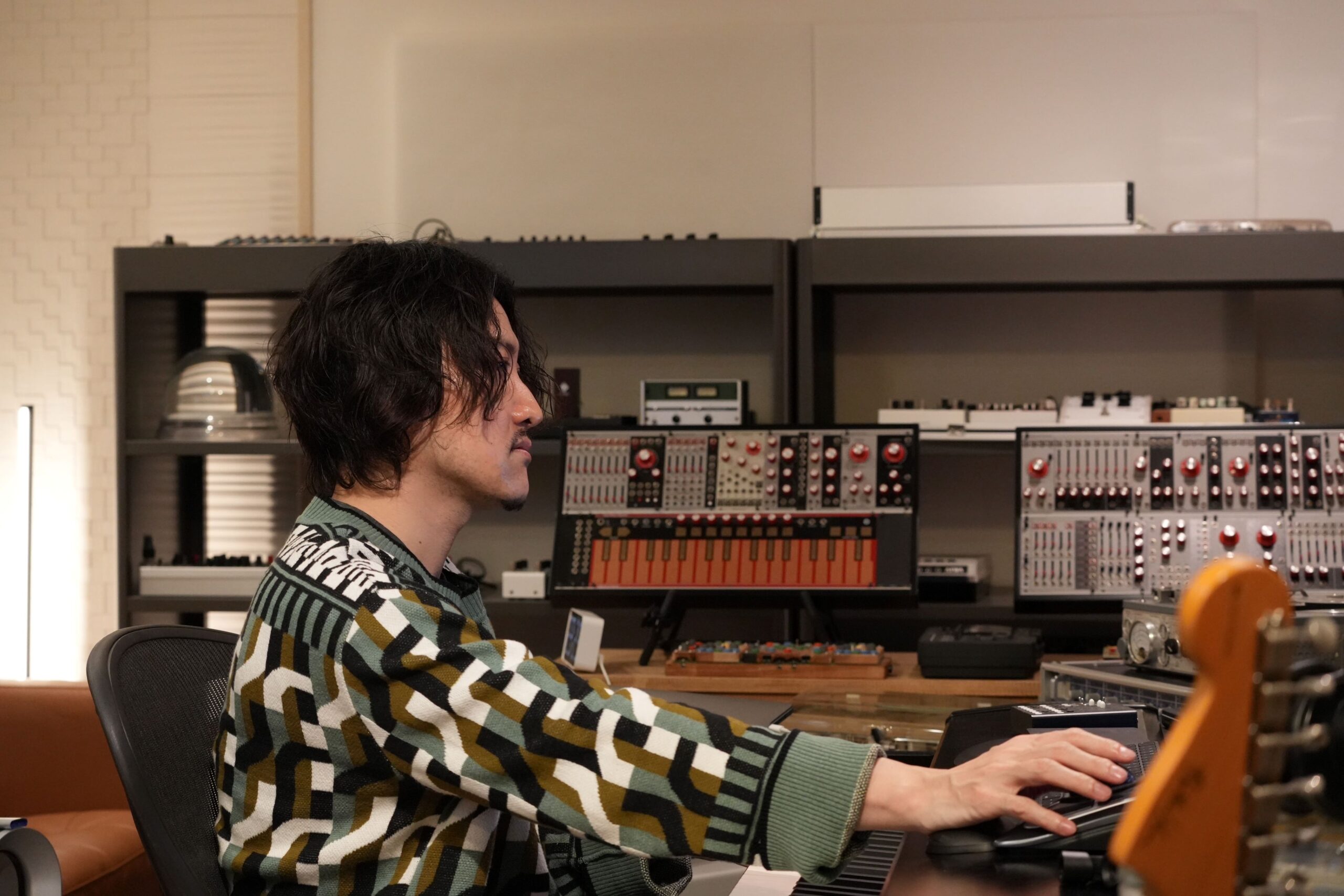
Studio with a view
View of the studio
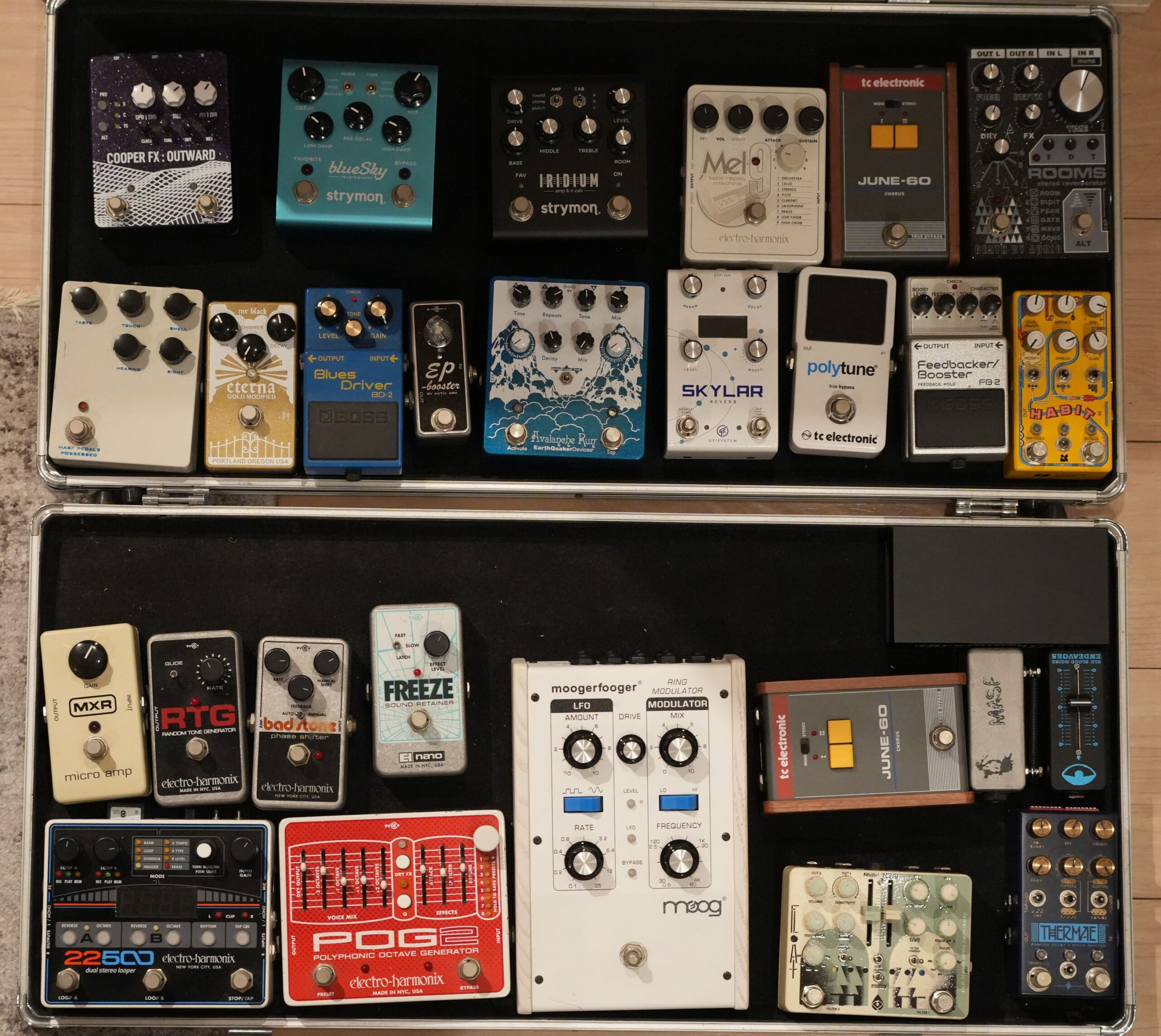
Pedals galore
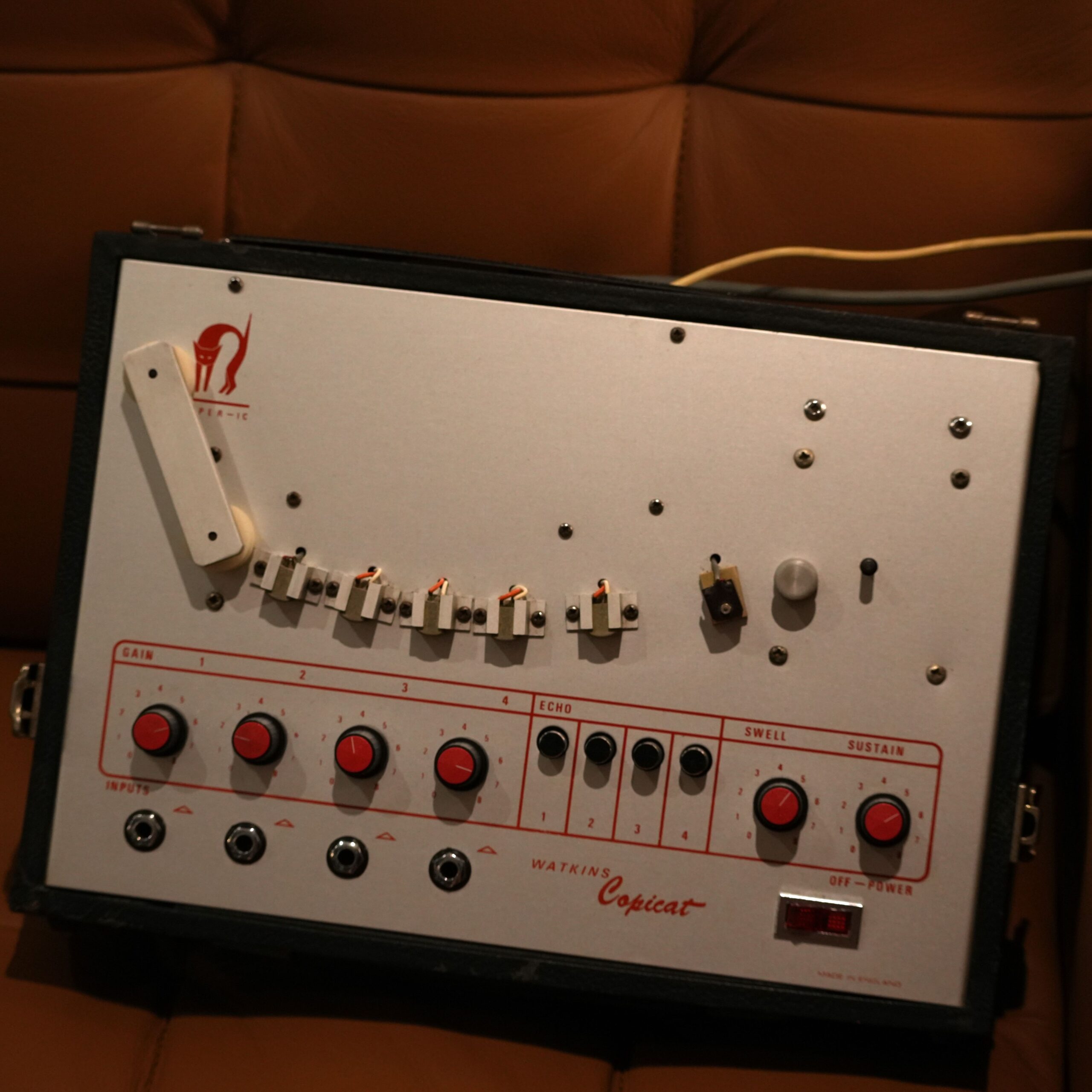
Watkins Copycat Tape Delay
Studio at night

Best creative advice that you’ve ever heard?

I don’t think I have ever received advice on composing music in my life.
In the sense that existence itself is advice, these are the artists I was passionate about as a teenager.
For painters, I was influenced by Sam Francis, for visual artists, Stan Brakhage, for designers, Martin Margiela, and so on.
Through these influences, I learned that expression has no boundaries or limitations. I also learned how to intentionally frame the absence of boundaries and restrictions.

Promote your latest thing… Go ahead, throw us a link.

Trope/Pollypraha

https://pollypraha.bandcamp.com/album/trope

It’s a recently released EP.