1. Favourite knob or fader or switch on a piece of gear and why?

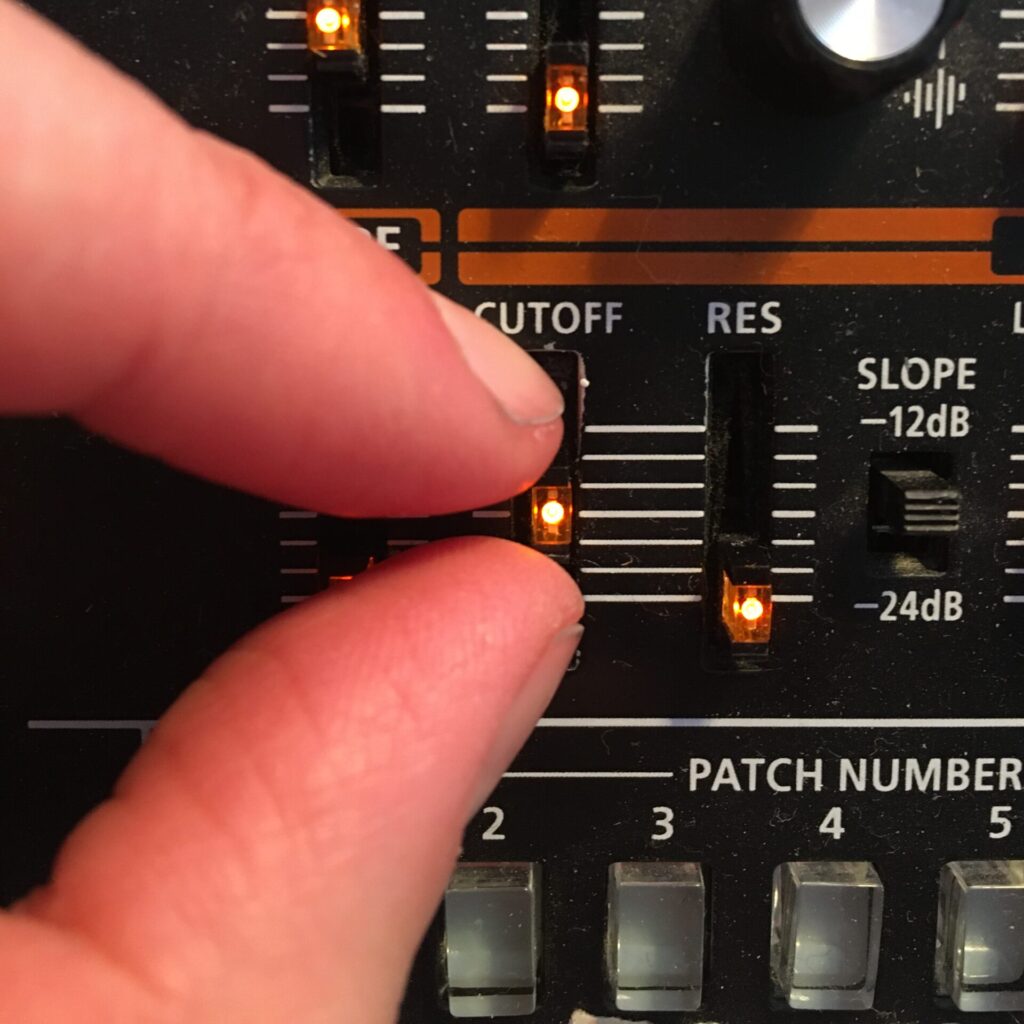
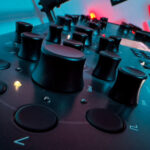
I would have to say the filter cutoff on any synth. Having spent quite a bit of my life as a musician—initially as a bass player and vocalist— but beside singing, I’ve spent the last ten years playing synths more than anything else. The filter knob is just beautiful for controlling dynamics and emotion; you can make “orgasmic emotional expressions” with just a single note if you get the movement right. I often spend more time perfecting the filter motions than the actual notes themselves. You can even see on my Prophet-6 that while the other knobs are still tight, the filter knob is super worn out from so much use. And if you wanna see me sweep some knobs I’ll be playing at Store Vega in Copenhagen on the 27. May 2027.
2. Do you have an ‘almost’ perfect bit of kit? What would you change?
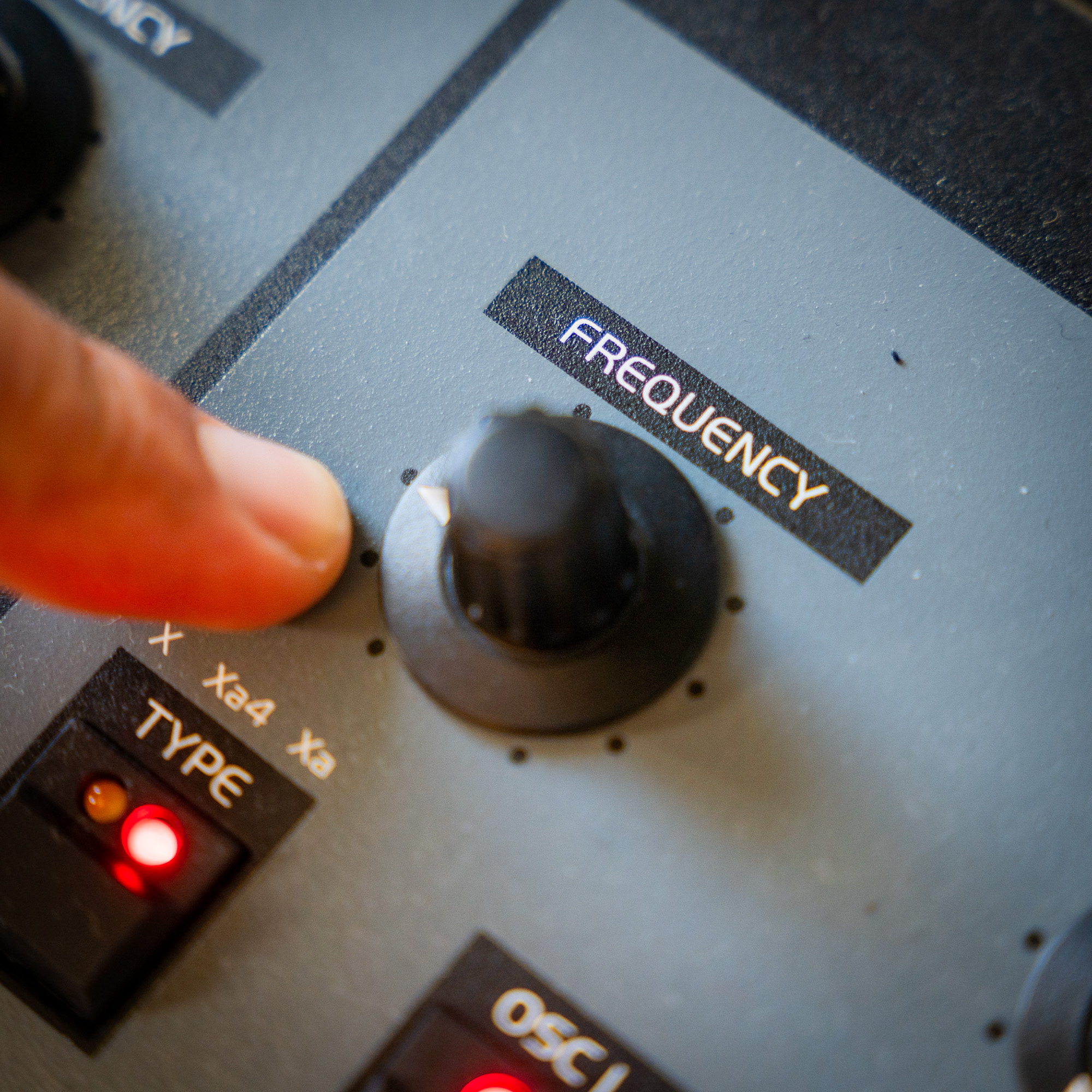
My Sequential Prophet-6 is very close to being perfect. It sounds fucking amazing, and I’ve used it for three solo albums and a lot of WhoMadeWho records. It is definitely my most beloved synth ever. However, the cutoff button is wobbly and tiny. It’s not a good knob for monkey-ing around with, especially in a live setting where it has now started to feel quite frail. If I could change one thing, I’d give it a much sturdier knob so I could really work it. Like the frequency knob on my Oberheim OB-X8. Now that’s a big, bold knob!

3. What setup do you bring on holiday or tour or commute etc.?
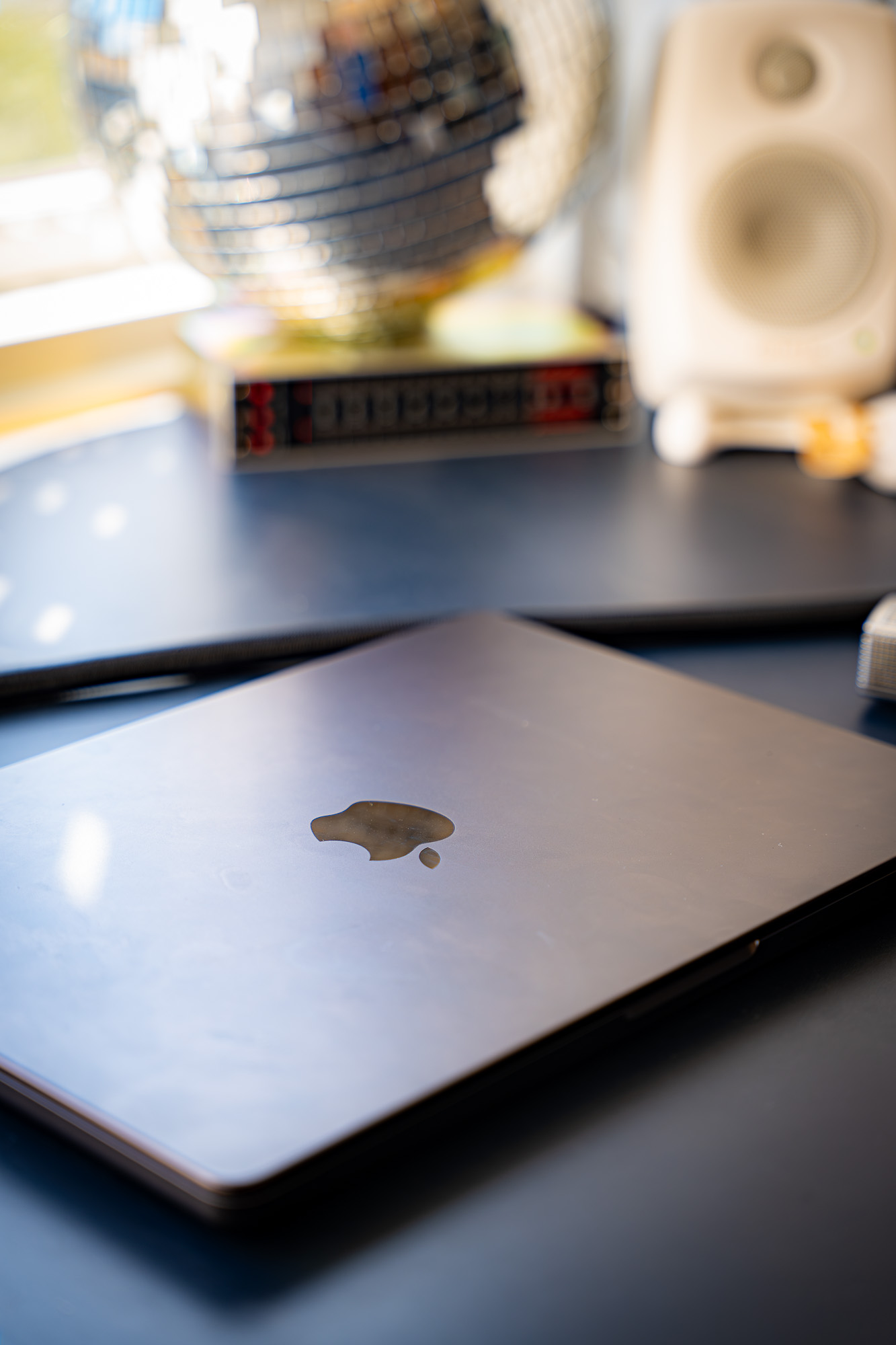
Holiday and tours are two very different things for me. On holiday, I bring nothing if possible. On tour, my MacBook is the most important thing because that’s where I produce my music. Travel gives me “slow time”—long stretches on planes or in cars where I can work in a deeper way and really get into the details.
In the studio, I deliberately stick to a schedule of 6 to 8 hours per day, and often I have a lot to get done, so I don’t have the patience or time for slow puzzles. But on tour with a long transatlantic flight for example, I can sit for hours and puzzle over just three lines of lyrics to get them perfect.
4. What software do you wish was hardware and vice versa?
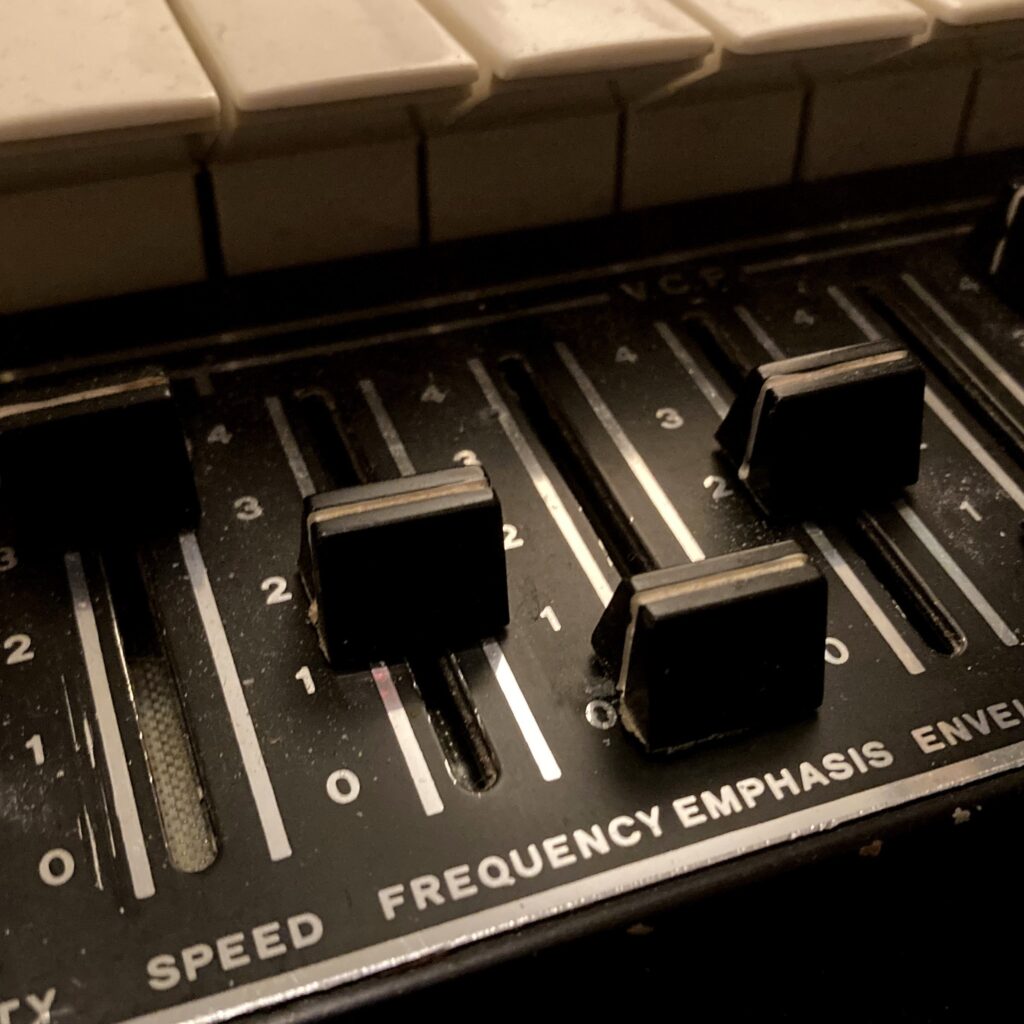
I love hardware, but I use plenty of software. I’d love for the Roland Jupiter-4 I’ve been borrowing to be software because it is so tactile and ‘clumsy-in-a-good-way’. It’s old-school, hunky, and very random compared to modern, sleek gear.
On the flip side, I rely heavily on the UAD Apollo ecosystem for its Unison preamps. The difference between their software Neve 1073 and the real thing is so small it’s basically just down to the tiny variations between units, which is a total game-changer for getting high-quality input without the hassle of vintage hardware.

5. Is there anything you regret selling… or regret buying?
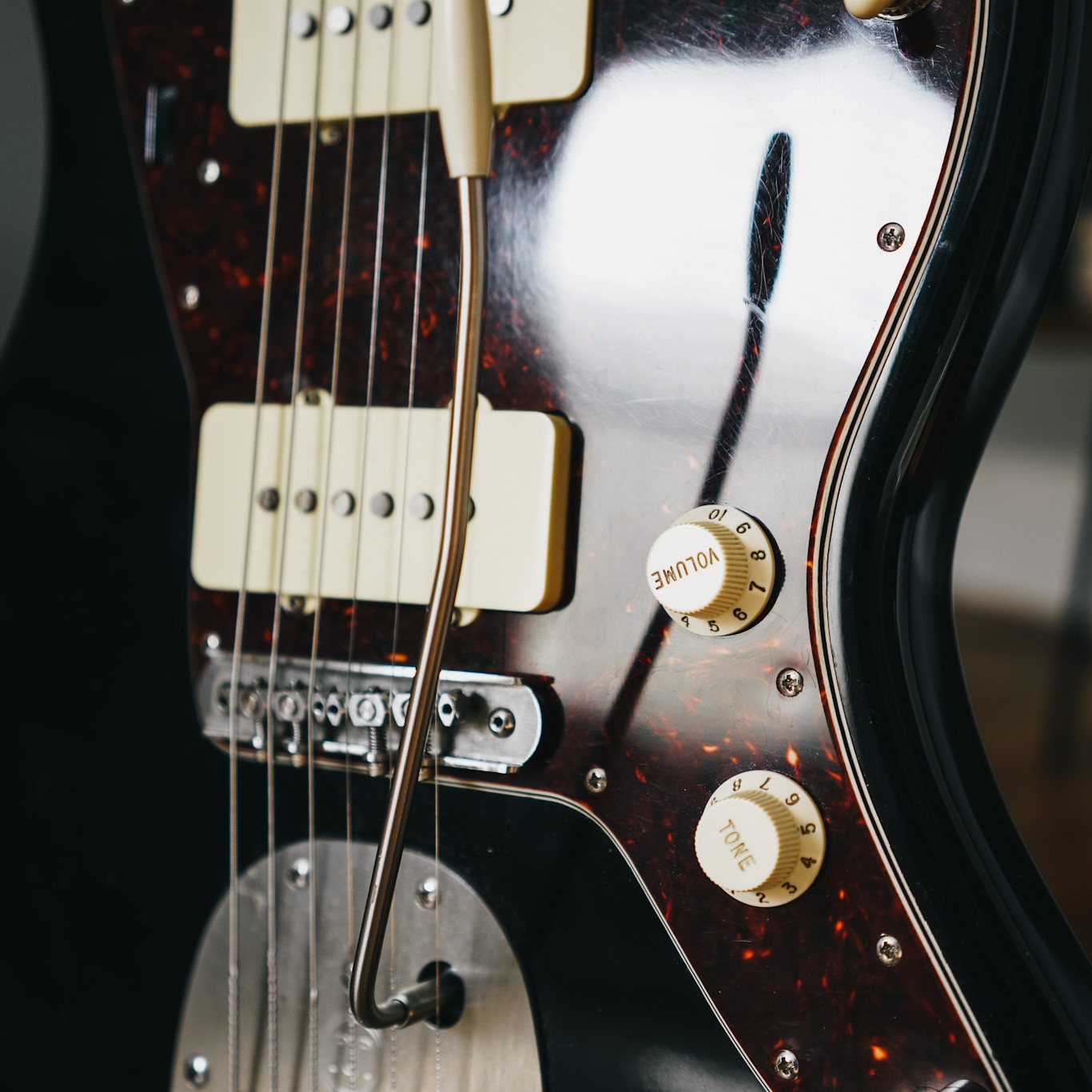
I regret selling my very first amp and electric guitar from when I was 14. It was a smallish Orange amp with that hessian front, with a spring reverb, combined with a brownish guitar by Vantage. That combo would look incredibly cool, if it were in my studio now.
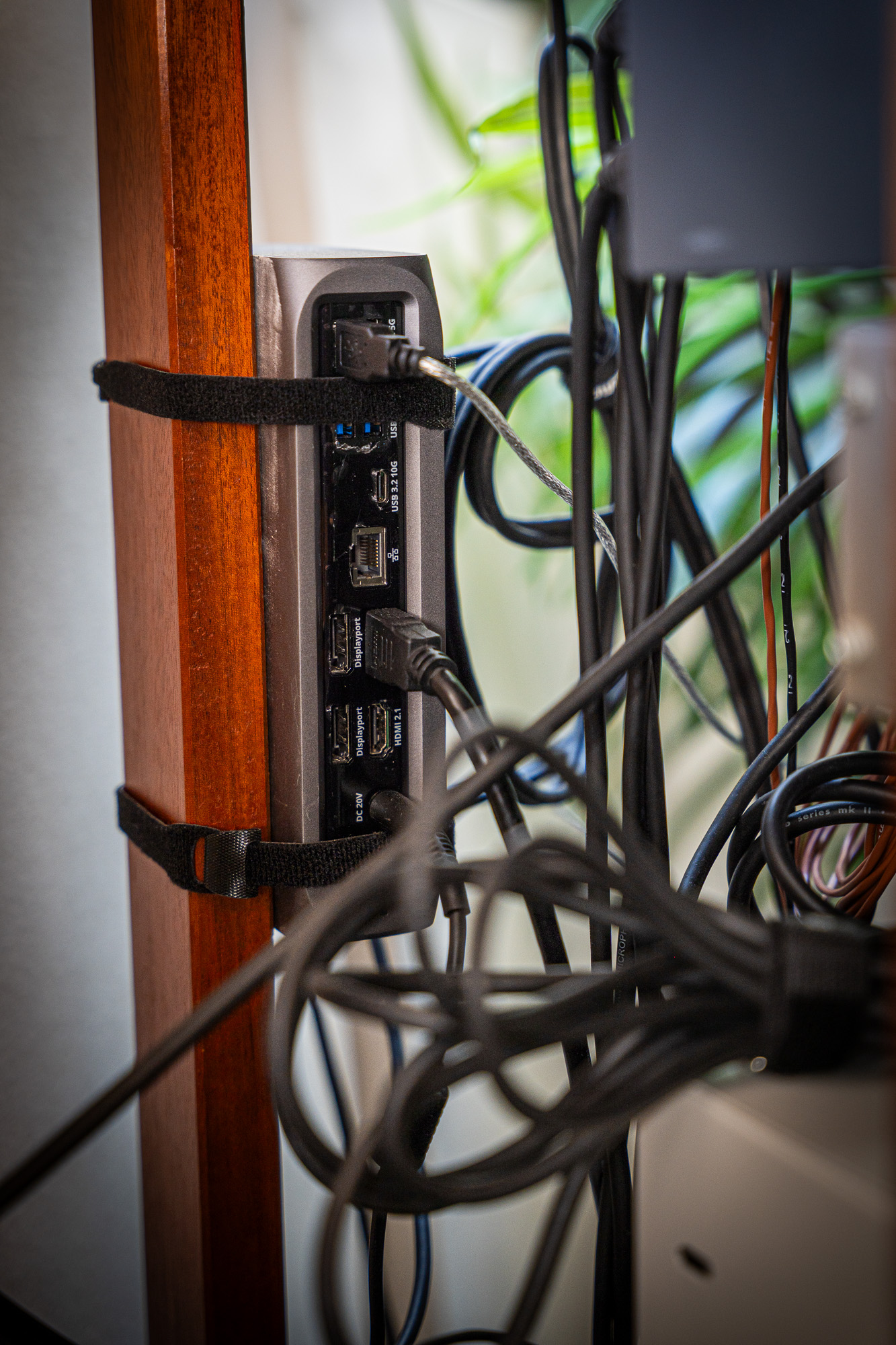
My biggest regret buying is a USB hub for 3000 danish kroner that was supposed to be the “best”, but it creates an annoying electrical noise that messes up my workflow. It’s a shitty piece of crap gear that I’m currently just stuck with. It is hidden away behind my outboard rack, so at least I don’t have to look at it.
6. What gear has inspired you to produce the most music?
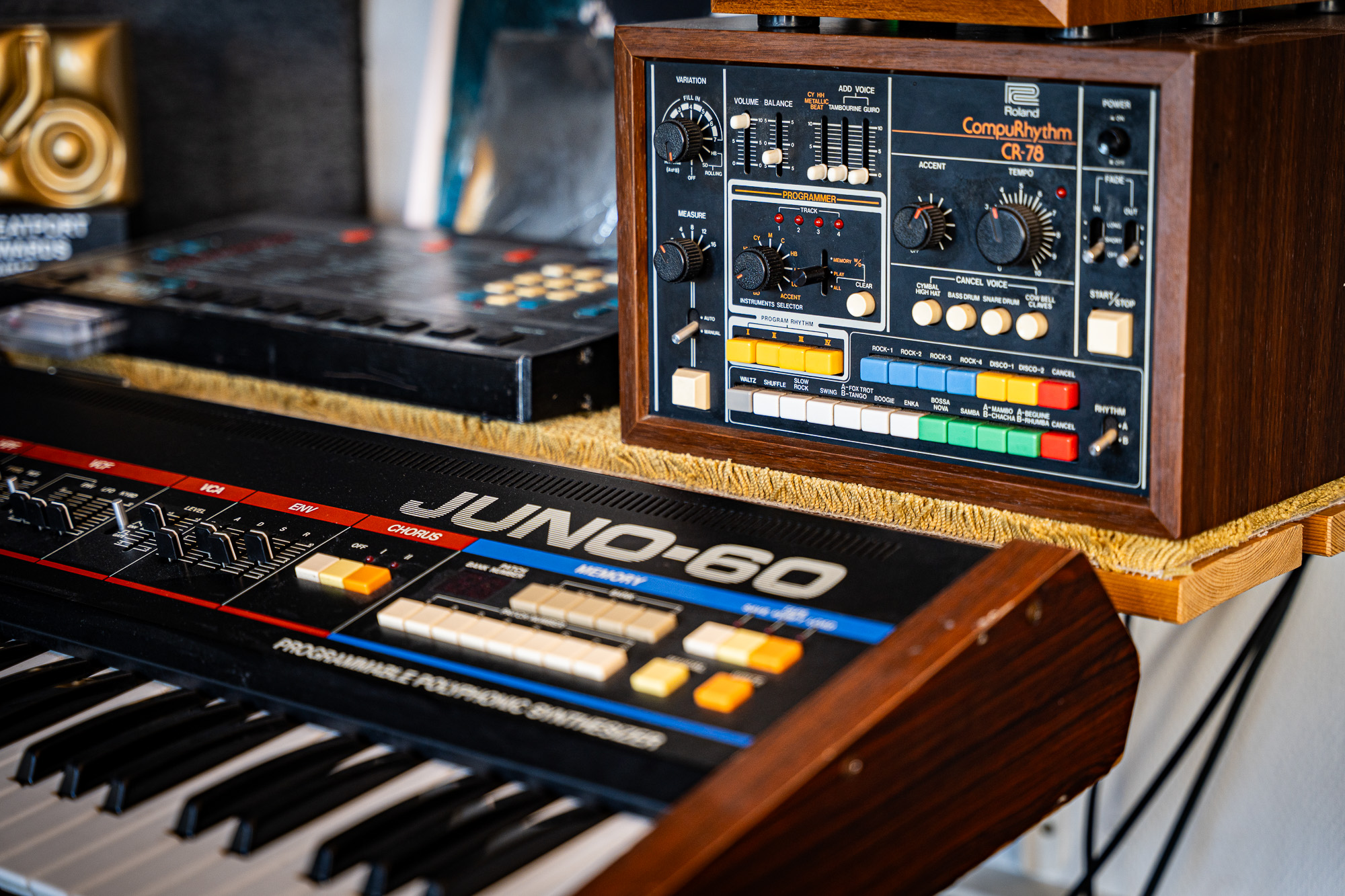
Definitely the Prophet-6… again. It just became a central part of my sound as a solo artist. I got it right before I made my first solo album in Danish. I tried a friend’s for five minutes and immediately knew I had to get one. It feels “extra analog”—dusty, woody, and smoky. While I also have a Jupiter-4 and two Juno-60s, the Prophet is my desert island synth.

7. If you had to start over, what would you get first?
Well, if I can’t keep answering “Prophet-6”! Then I’d say a computer and a good sound card, specifically from the Apollo ecosystem. Being able to plug a mic directly into the card and know you’re getting professional, high-quality audio without fighting old, noisy cables or temperamental vintage outboard, is essential for focusing on the music, rather than technical issues.
8. What’s the most annoying piece of gear you have, that you just can’t live without?
The computer and Logic DAW. It’s the backbone of everything I do, but it’s also the thing that can suck you into technical troubleshooting for an entire day instead of actually making music.
Also I would say my voice is also kind of a piece of gear that is ‘annoying’ to me, because I spend the bulk of my time in the studio singing, so I can’t live without it. But I have had 4 surgeries to fix my vocal chords, and through so much use, I have damaged my voice and I have to be very deliberate and careful with it now.
9. Most surprising tip or trick or technique that you’ve discovered about a bit of kit?
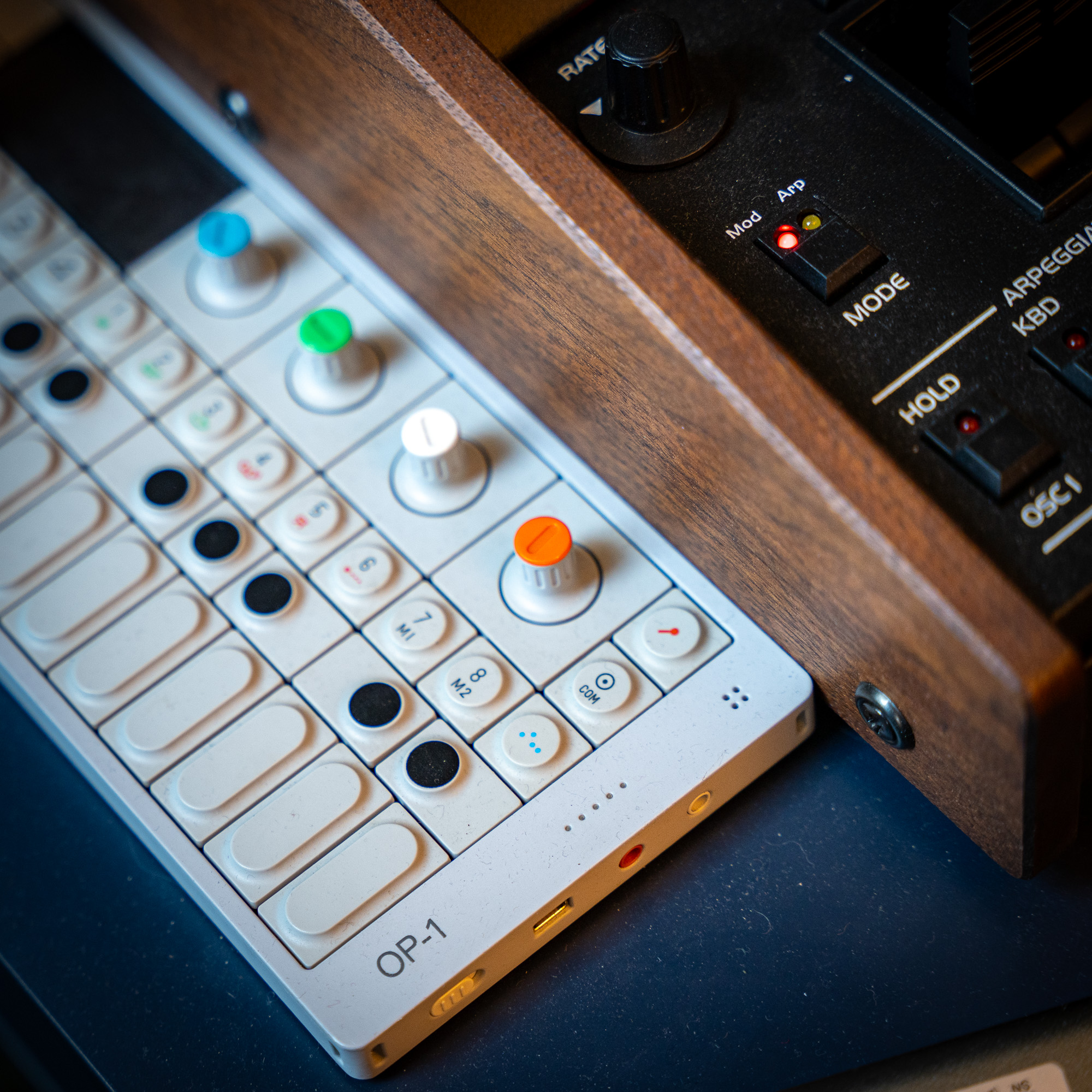
The “Village” method of gear. I’ve been borrowing a friend’s Jupiter-4 for ten years, while he’s been borrowing my double bass for the same amount of time. Borrowing and swapping gear keeps things fresh; after 20 years with a synth, it’s nice for it to “go other places” while you try something new. It’s a beautiful way to keep the creative cycle moving through your musical community and network.

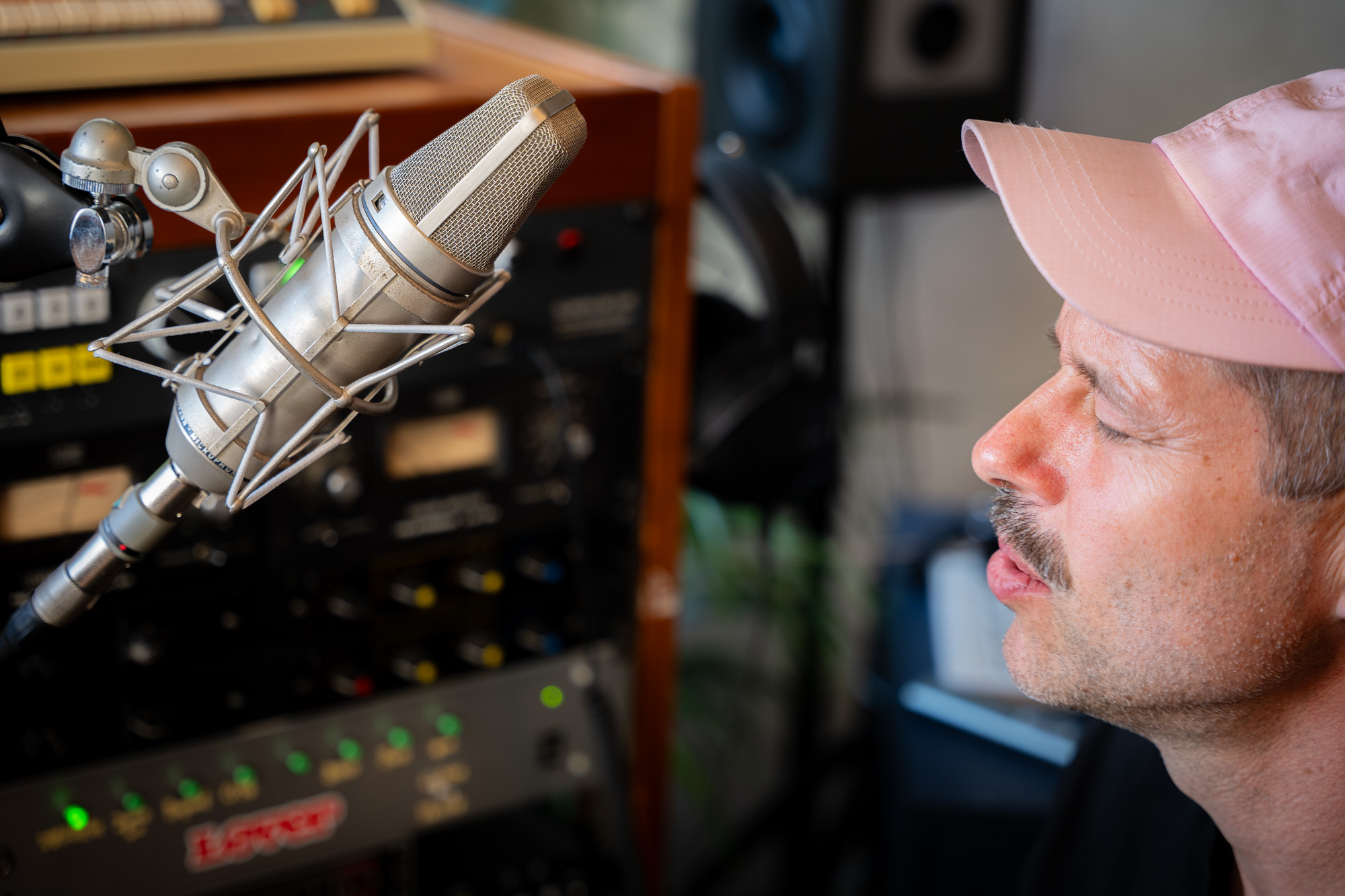
I also hate using pop filters on a microphone. So I use the old Frank Sinatra trick of angling the mic down 45 degrees above my mouth, so that the plosives and air go ‘under’ the diaphragm of the mic. Then you can really emote and get into all the feelin’ of it… Like so:
Artist or Band name?
Tomas Høffding (solo project) and WhoMadeWho (band).
Genre?
Indie / Electronic / Alternative… Dance-able yet sad.
Selfie?
Where are you from?
Roskilde, Denmark. In fact, when I was very young, I lived in a house under a bridge, which was a little iconic/infamous in that area. The address became the title of a song “Darupvej 109” which I wrote about that time and place.
How did you get into music?
Oh, I’ve been doing this a long while, started around age 14 when I bought my first amp and electric guitar. I eventually became a conservatory educated bass player and singer. Been in a rock band where we released 3 albums, then electronic dance-punk music with WhoMadeWho, where we’ve done 7 albums together and continue touring the club scene all over the world. Now I’m also 3 albums deep with my solo project.
Honestly I feel there was no other way for me, but to do music. It was the most natural thing for me to do, and it just kinda came easy for me.
What still drives you to make music?
The need for emotional expression and the constant drive to finish albums and songs. Balancing two full musical careers keeps me moving forward. About 7 years ago I started getting into writing songs with danish lyrics, and it has really renewed my energy, as well as motivated me, and given me a new burst of creative output.


How do you most often start a new track?
There are many way into a song for me. Could be a melody or lyric, a riff, a beat, a thought or even simply a certain feeling. But I’d say that I am very process-oriented. I often focus on the physical “motions” of the gear, like the sweep of a filter, to find the right dynamic and emotional starting point.
How do you know when a track is finished?
I have a huge library of songs and ideas and I’m forever able to bounce from one thing to the next, so I’m never lacking for something to do. And I work in bursts of energy. I get super excited to build a studio or a track, but once that initial burst is over, I prefer to be finished because my patience for the “puzzle” of it ends with that first momentum. The exception to that is the ‘slow time’ on tour, and even then it’s the deadline of arrival that focusses the mind.
But I know I have a work ethic that keeps me grinding away until its done… or I take the idea and go in a different direction with it, and find a use for it in a different context.
Show us your current studio

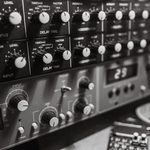
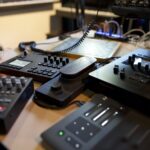
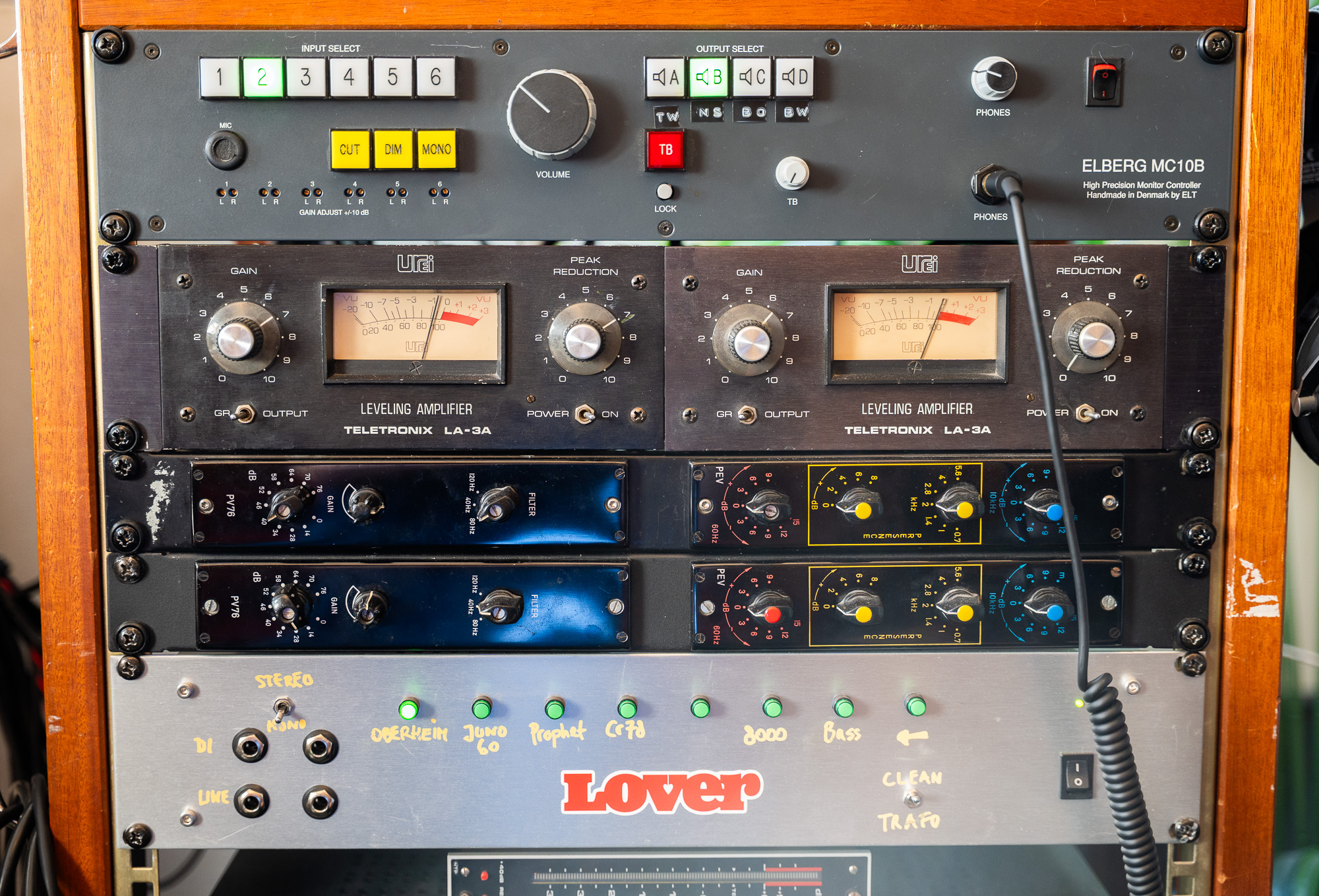
The studio features gear like the Prophet-6 and Juno-60, alongside vintage preamps like the Urei Teletronix LA-3A units that have a lot of history—some were even used on Michael Bundesen’s vocals (legendary danish singer in Shu-Bi-Dua) and Kim Daugaard bass! (another legendary musician).
I designed and built the interior of the studio myself. It is a curated selection of gear, furniture, pieces of art and acoustic regulation. And it has got 3 large windows angled upwards to the sky with great view of a surprisingly industrial part of Copenhagen. It’s a creative space, that isn’t sterile, and is setup for a good vibe. One of the best studio spaces I’ve had.


Best creative advice that you’ve ever heard?
Don’t disappear into not making music. It’s easy to spend an entire day on technical problems like a faulty USB hub or A/B testing gear, but the goal is always the song.
Promote your latest thing… Go ahead, throw us a link
Check out my latest release under my name Tomas Høffding Følelser and my band WhoMadeWho’s latest album UUUU
And find me on Instagram or sign up for my newsletter. If you’re in Scandinavia, come check out my concert in Store Vega 27.05.27