1. Favourite knob or fader or switch on a piece of gear and why?
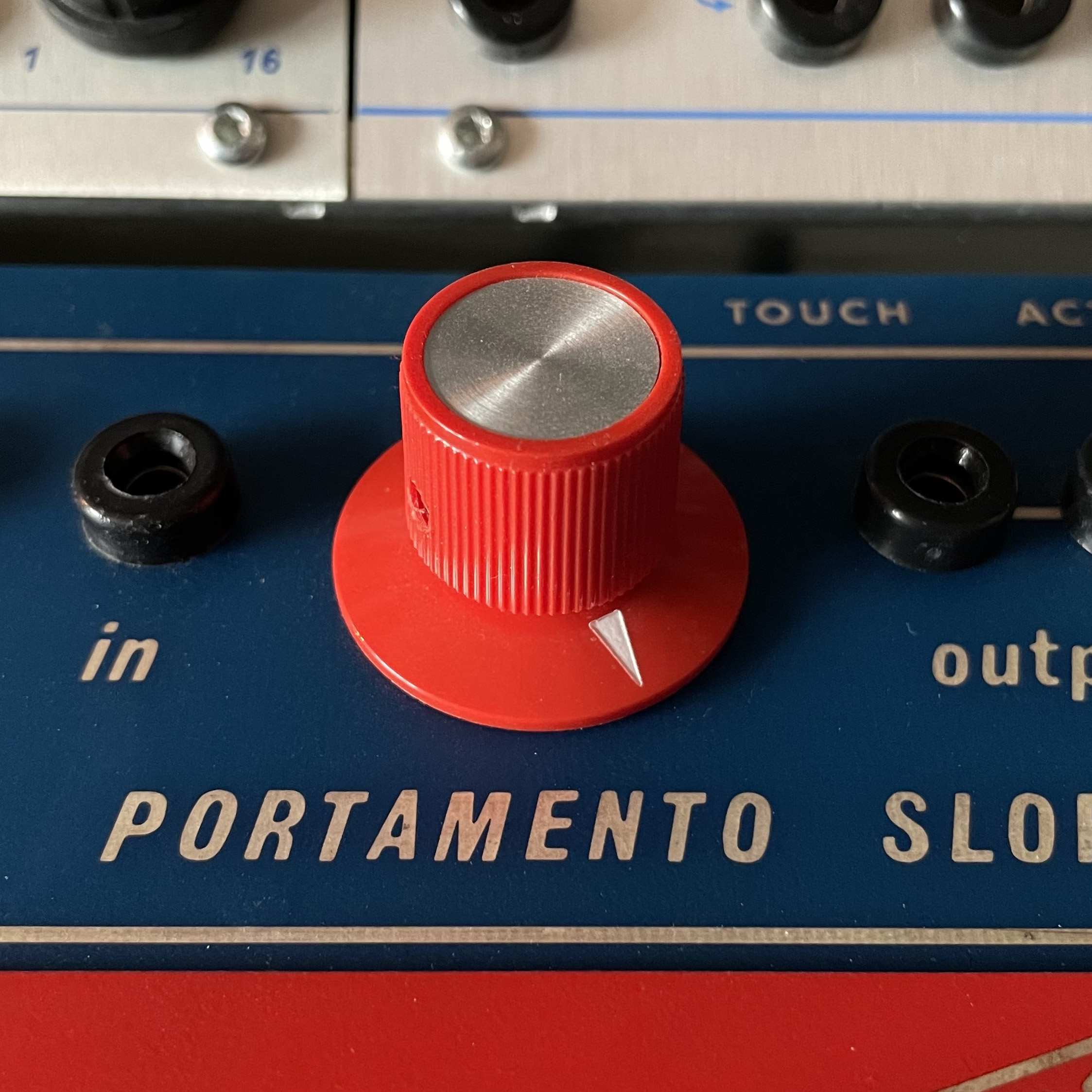
Buchla Portamento Knob
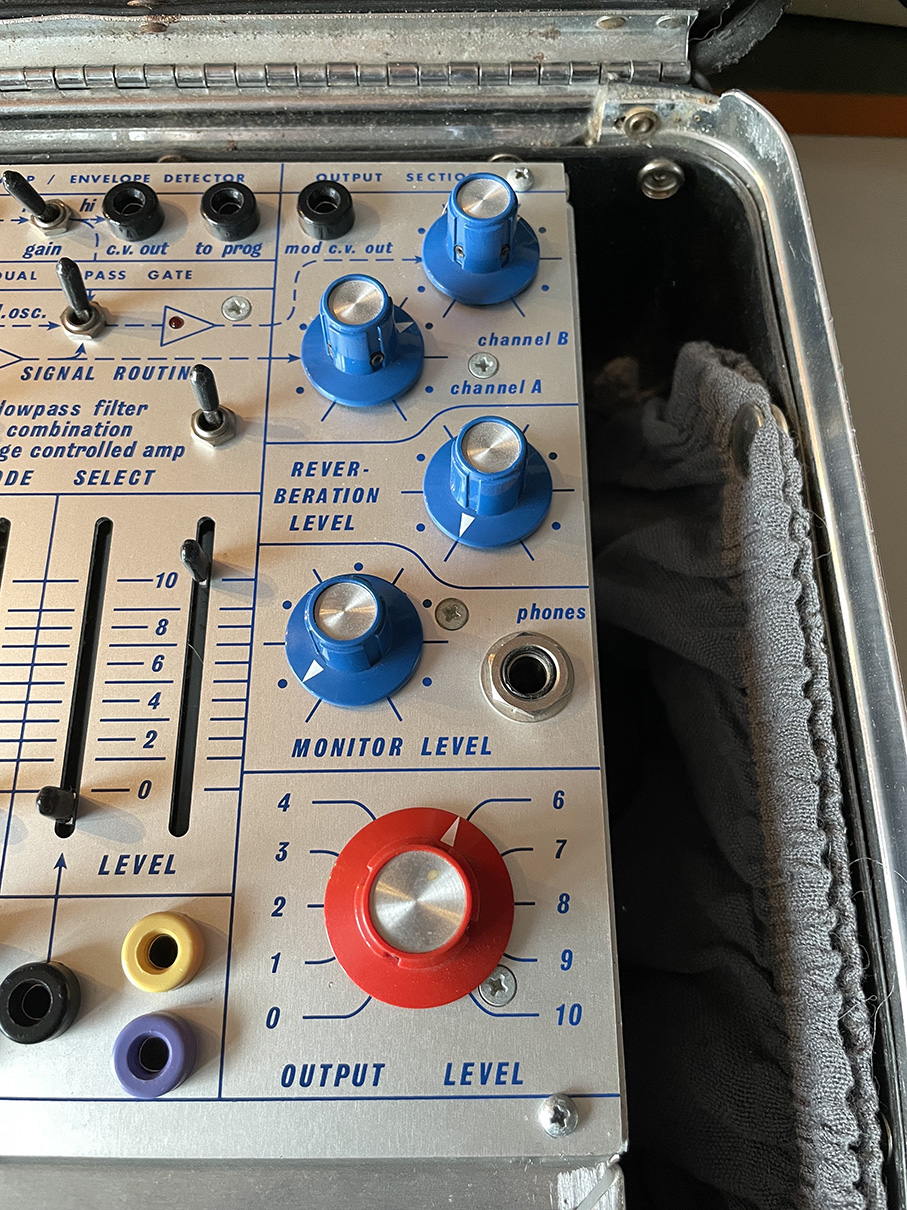
I think the Rogan knob on my Music Easel is kind of iconic. It’s also very much a “thing” for the old Buchla modules.
Buchla Rogan Knobs
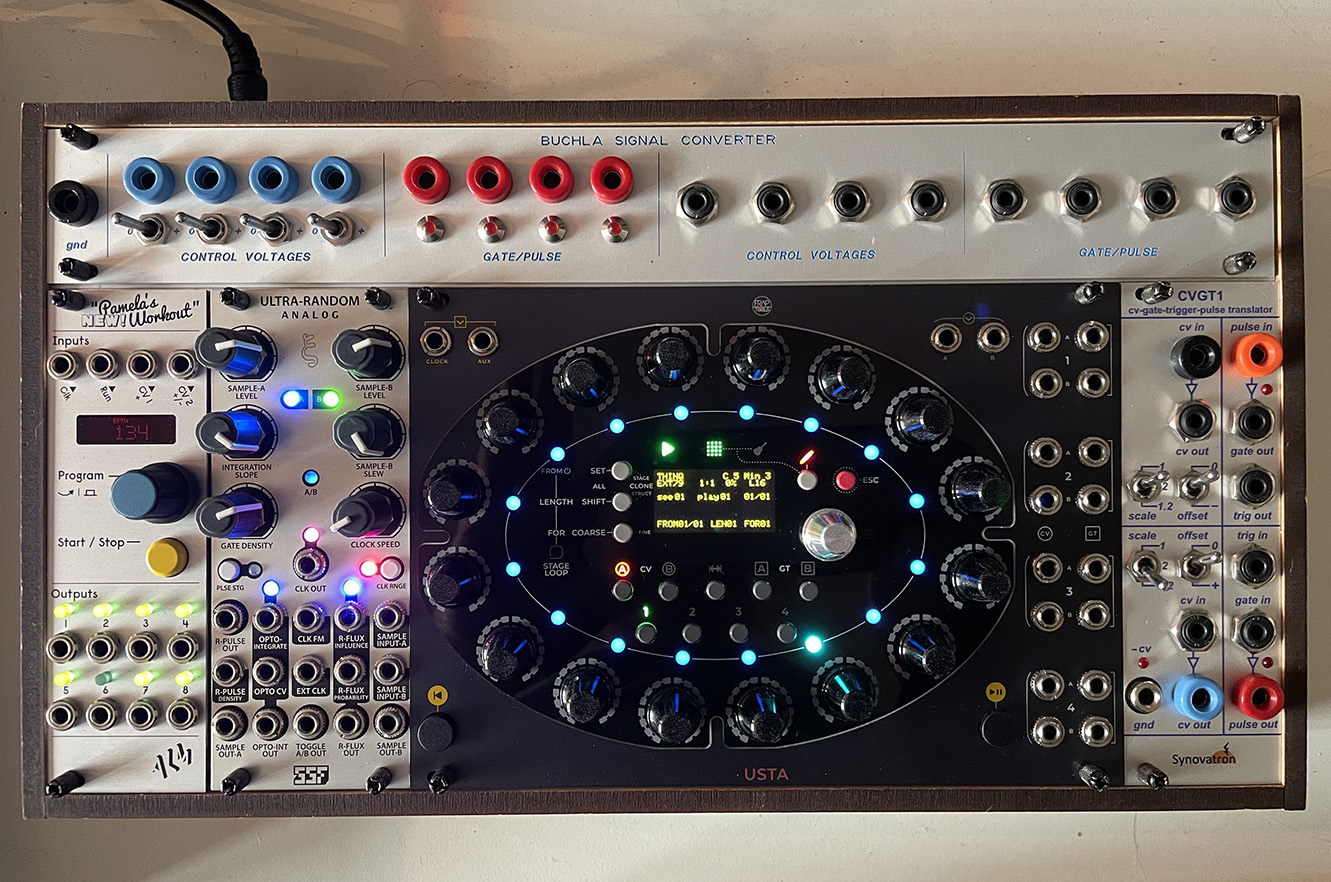
Besides the easel i have a few pieces that are inspiring or important for me. First is the “Buchla signal converter” that i have build. It converts euro cv and gates to Buchla format (1v to 1,2v). It uses Cynovatron element pcb’s. It enables me to use the fantastic Frap Tools USTA as sequencer for my Buchla system.
Buchla signal converter
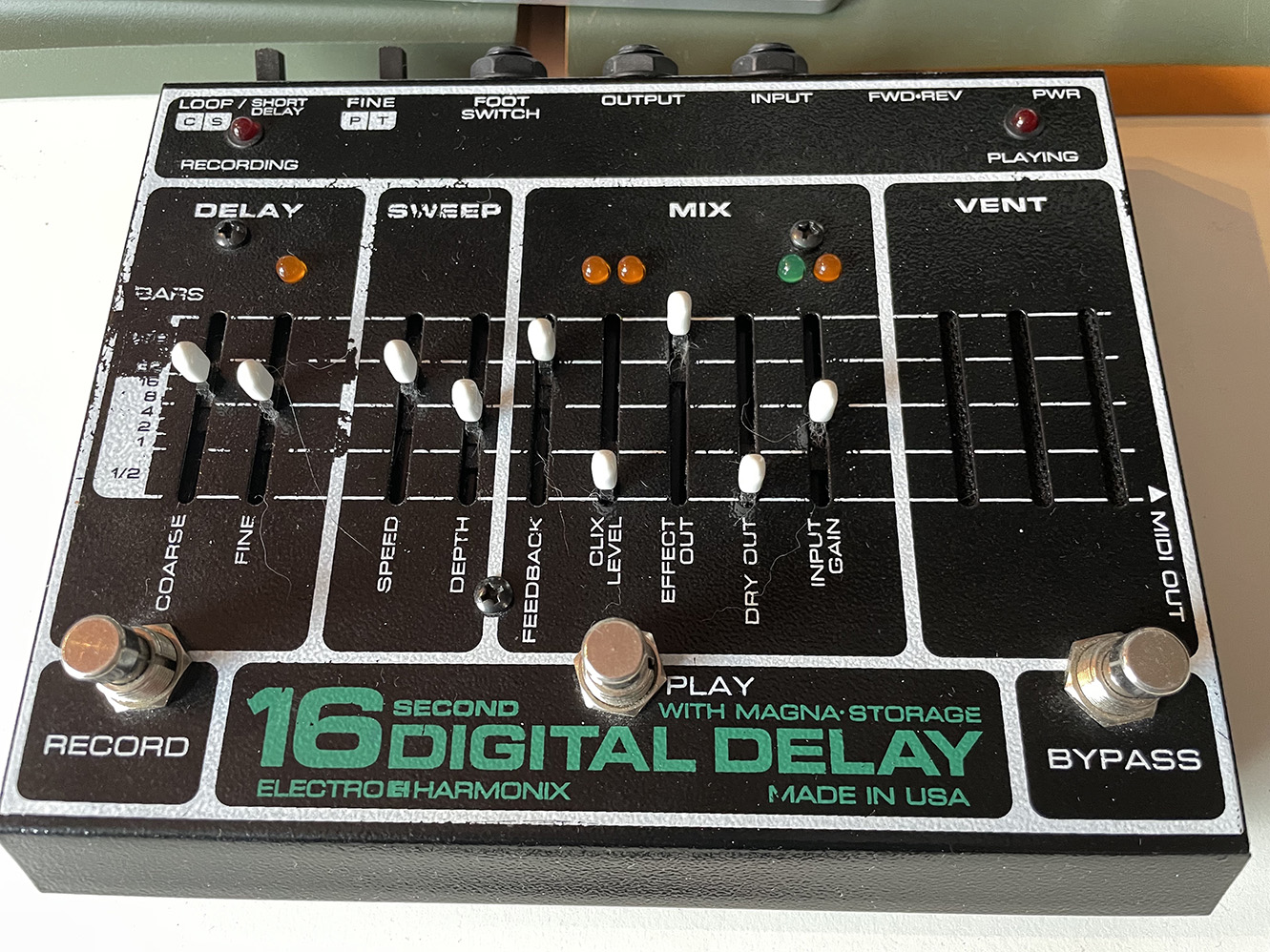
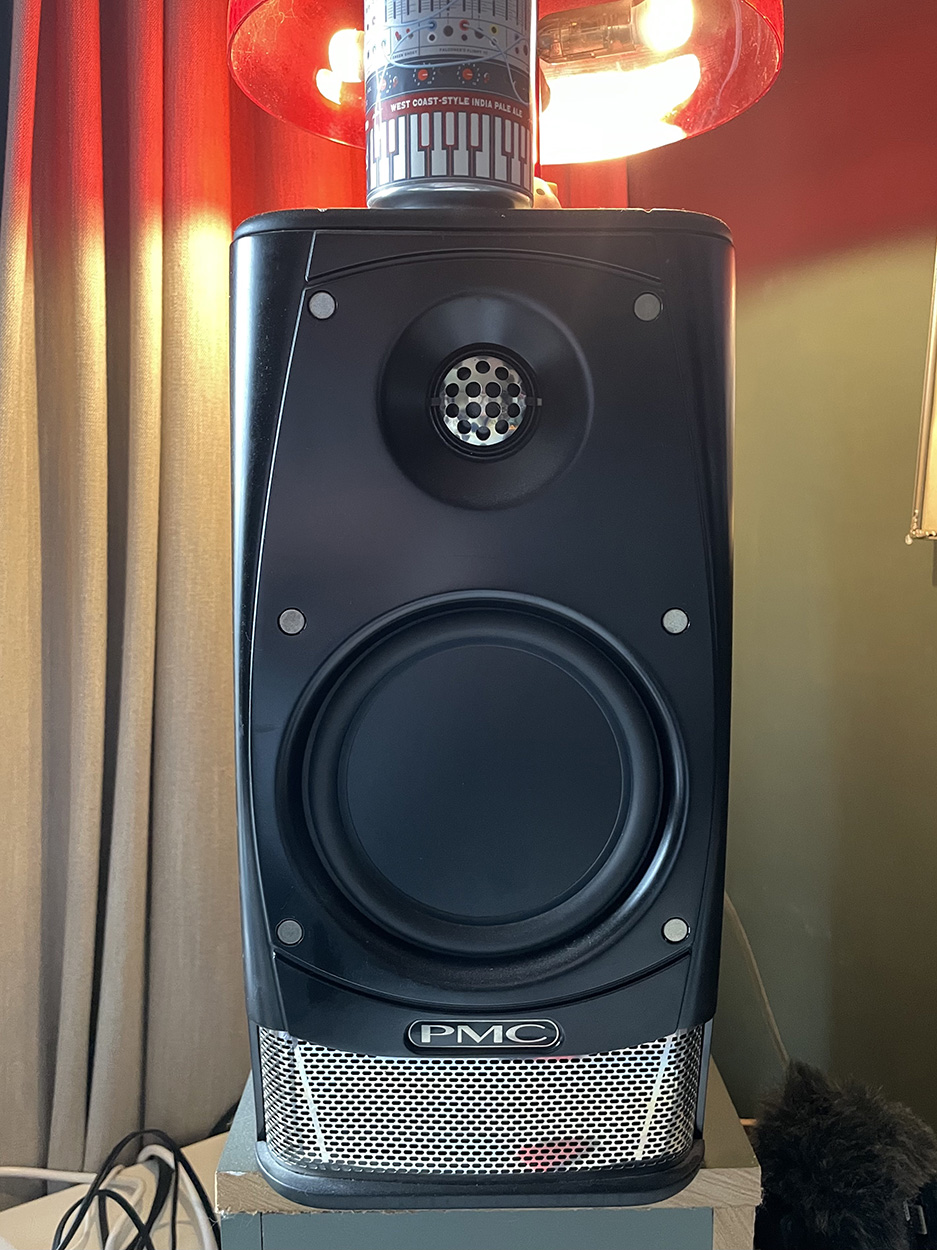
Another pride possession is thge EHX 16 seconds looper / delay. Its just a fantastic delay and looper. And my my PMC monitors are also very dear to my. Normally unobtainable considering the price, but i got them insanely cheap :-). best bang for the buck, so to say hahaha. And my 200 system of course…
EHX 16 seconds looper / delay
2. Do you have an ‘almost’ perfect bit of kit? What would you change?
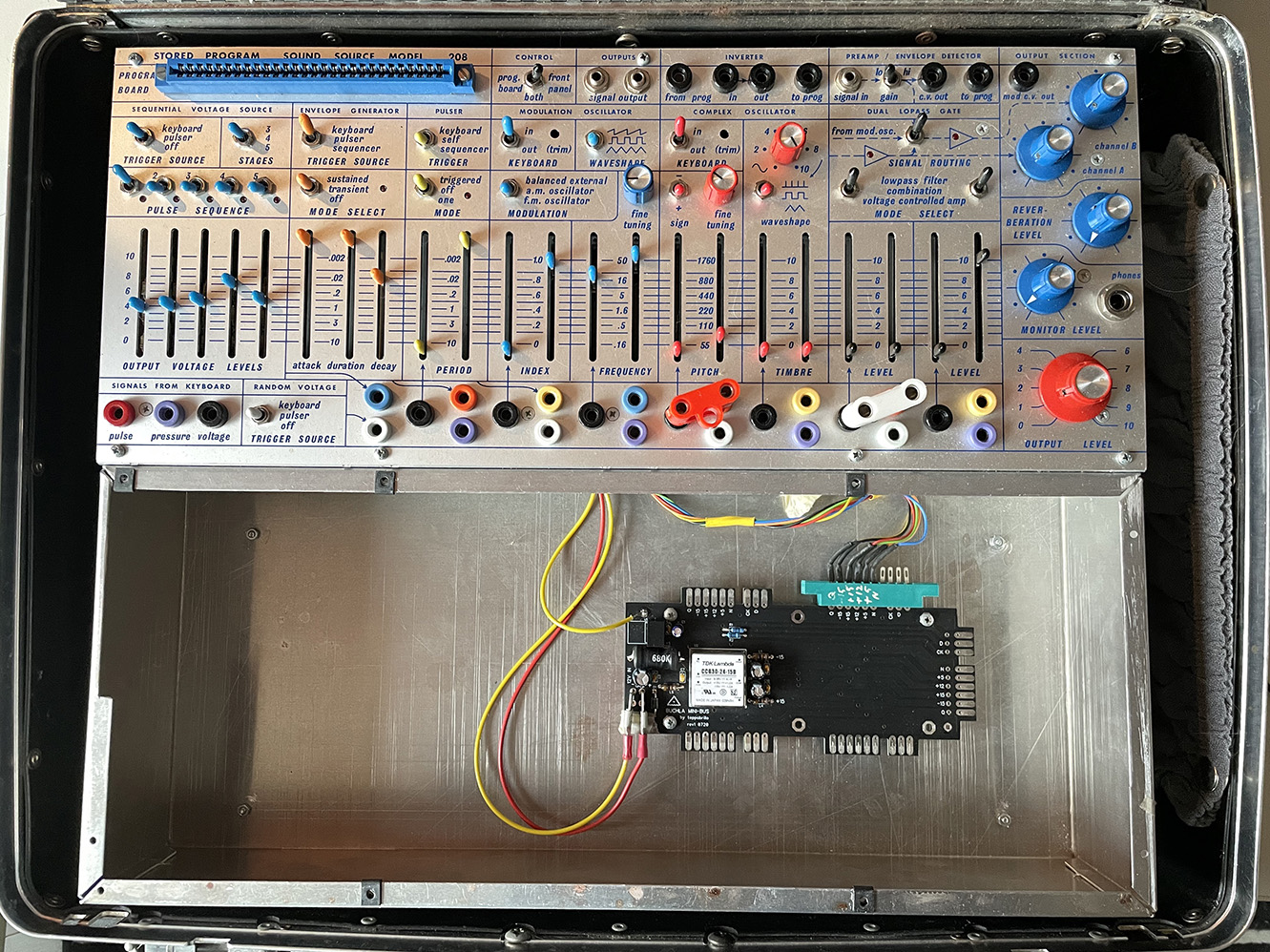
Top half of a Buchla Music Easel
My perfect piece of gear is the Buchla Music Easel. I have built my Music Easel myself and it was my starting point for getting into Buchla. I love this thing. The picture shows only the 208 module because I have my 218 keyboard currently put in my 200 system set up. The Music Easel is a self contained musical system. It has boundaries and it is in a certain way, maybe even limited in its possibilities. But I love to explore and make music within these boundaries. It is in my opinion also very important to have with the 218 module. It needs tactile input.
3. What setup do you bring on holiday or tour or commute etc.?
I commute by bike so I only use a headphones and listen to music. On holiday: during family vacations it’s not really the moment to bring music gear. I get lost… My family members don’t really like that.
4. What software do you wish was hardware and vice versa?
No idea. I only use Ableton, mostly to record.
5. Is there anything you regret selling… or regret buying?
Yeah enough: I regret selling my TR-909, TR-808, SH-101, Juno-106, Nord Lead, Nord Rack, Nord Modular. Basically everything I had when I had a hardware studio during my studies…. [Editor: Ouch!]
PMC Monitor
6. What gear has inspired you to produce the most music?
I think the moment I started with eurorack. I’m not very good at making tracks / finishing tracks. But I am getting music on youtube, instagram or a bandcamp I manage.
7. If you had to start over, what would you get first?
I don’t know. I think this is the way / was the way for me. Everything has a reason. And I try not to think too much about the things I sold in the previous question 😉 [Editor: Yes, indeed… This is the way]
8. What’s the most annoying piece of gear you have, that you just can’t live without?
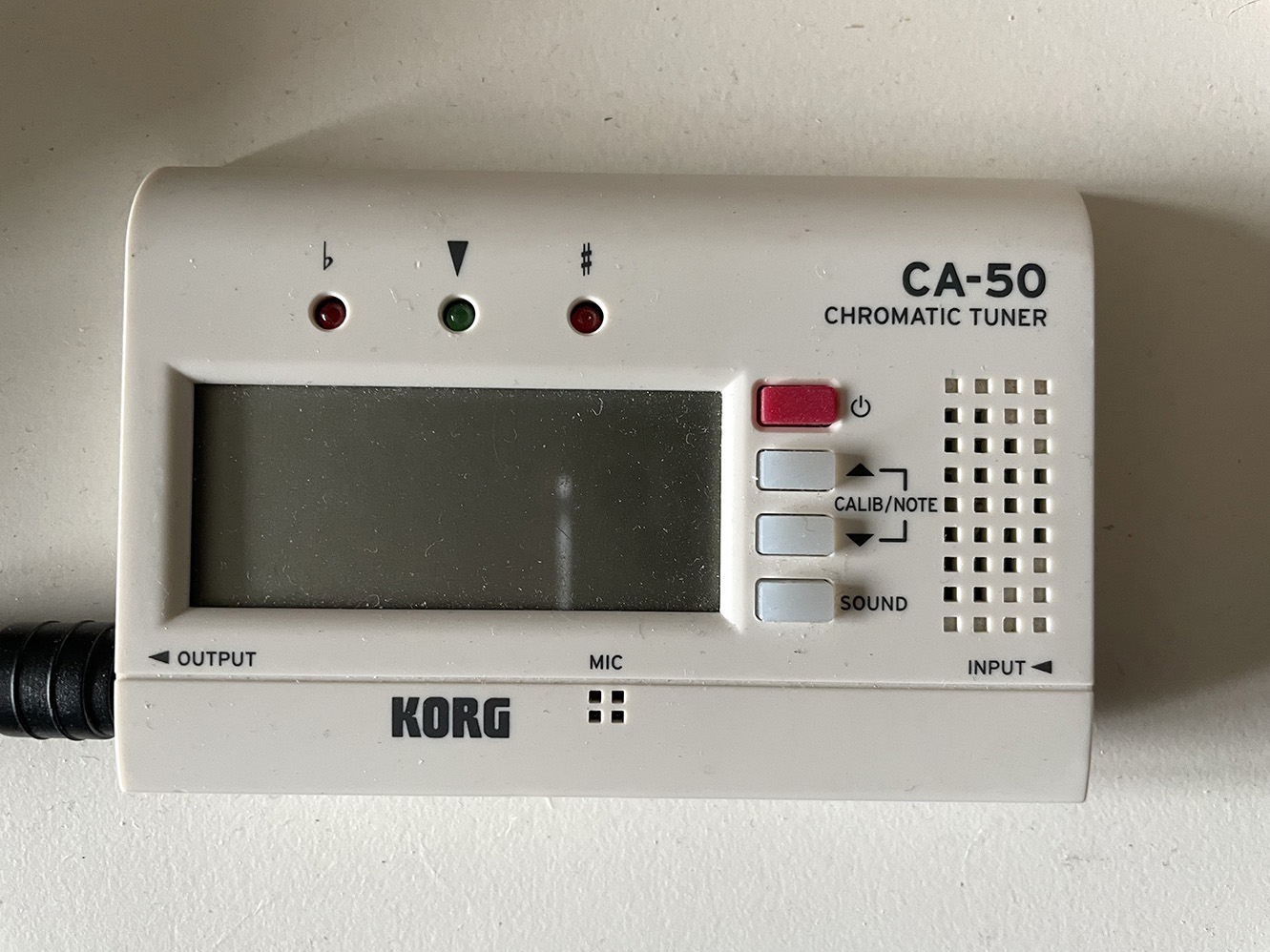
Not really annoying but I think my Korg tuner is very important. Tune your VCO’s folks! Everything will start to sound better.
Korg Tuner
9. The Most surprising tip or trick or technique that you’ve discovered about a bit of kit?
Not a trick or technique I guess: I’m not a trained musician. Never learned to play an instrument or learned how to read music. It is one of my frustrations, because I like to make “good” music. So reading a bit about music theory helps me make my tunes sound better.
Artist or Band name?
Sendepause
Genre?
Melodic Buchla stuff, techno, beats and modular
Selfie?
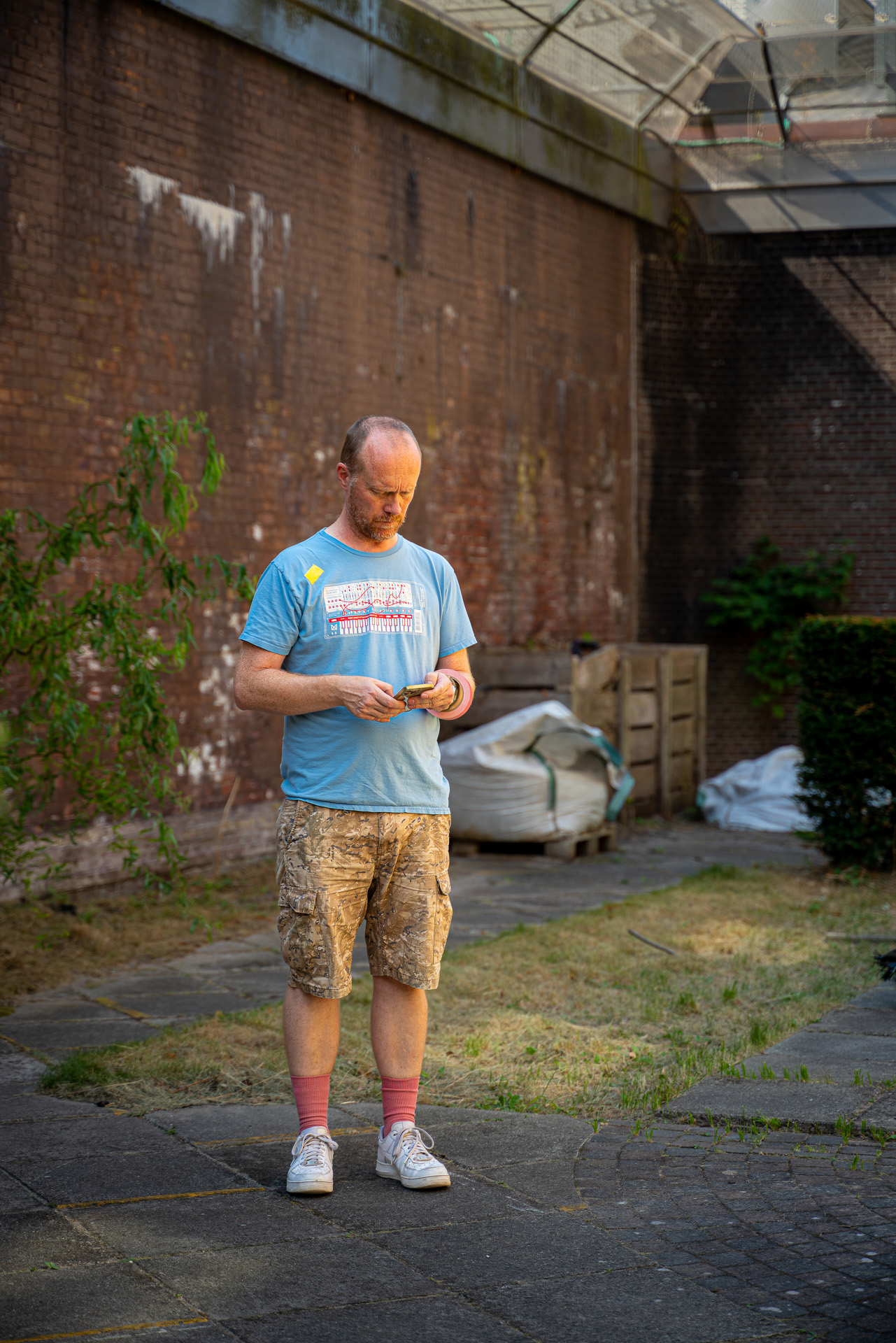
Sendepause sent a pause
Where are you from?
Amsterdam The Netherlands
How did you get into music?
No idea! When I studied in Berlin in the mid 90-ties, I got hooked on techno. Coming back I started collecting gear and built a small home studio to make dance music. Never recorded anything (it was pre audio interface, DAT tape era so to say). Got kids, sold everything. 10 years later I was thinking about a career change. Did a part-time education for sound engineer. Wanted to make music again, started in the box, got frustrated. Did a workshop modular synthesizers and that’s where it started.
Now I make music, i organize modular music events in Amsterdam under the name Voltage Control Amsterdam. I’m one of the organizers of Dutch Modular Fest. The modular music scene has become my family. I made fantastic friends from all over the world. Modular syths has become a very important part of my life. And i’m not talking about GAS / buying stuff. It’s the community for me…
What still drives you to make music?
All the above
How do you most often start a new track?
Sometimes with a structured idea. Maybe I have read something about some music theory I want to try. Or I have some melodies in my head. Or I just set the drum machine to 138bpm, put a kick on, tweak my stuff till I get a tune…
How do you know when a track is finished?
I can make great one minute instagram tracks ;-). Doing real tracks is hard for me!
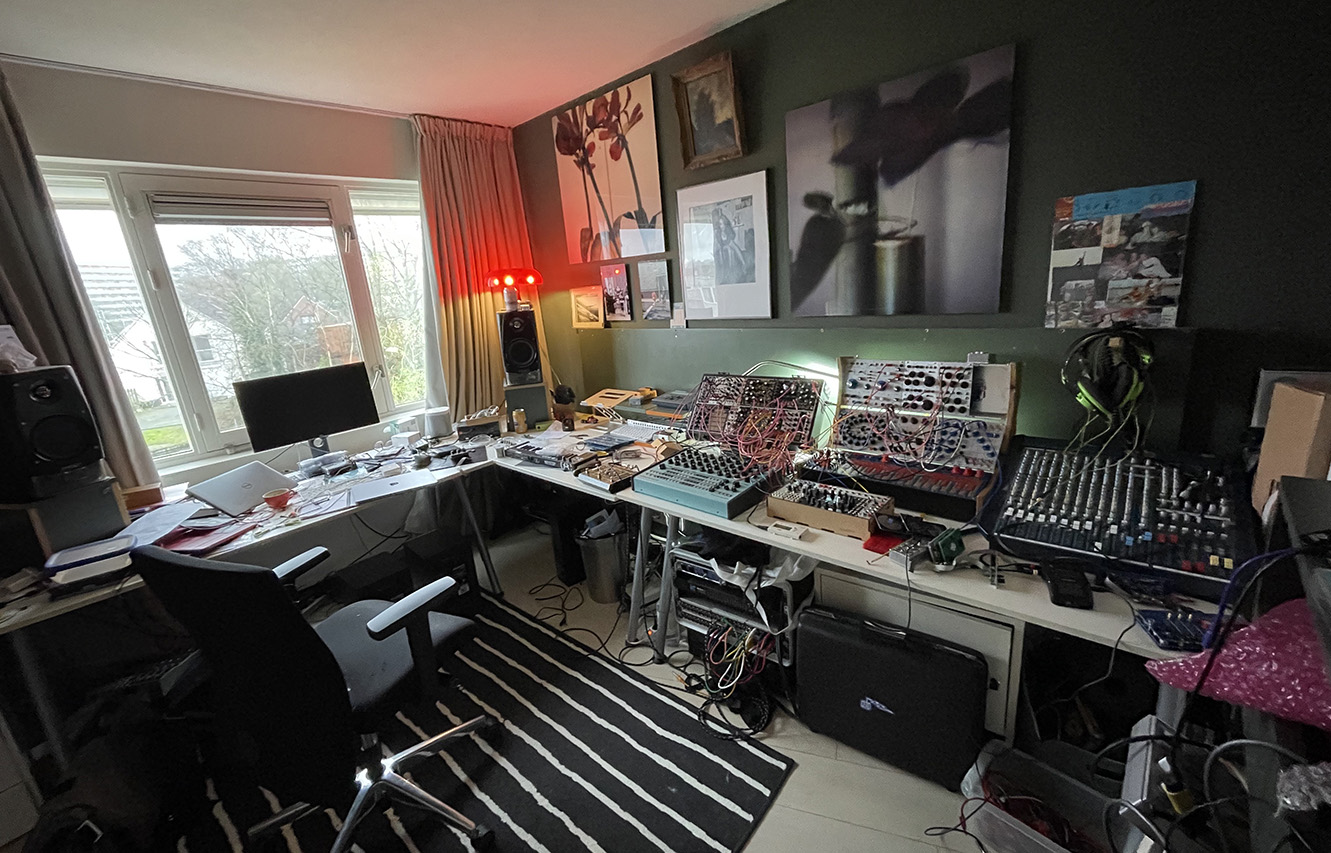
Show us your current studio
Sendepause Studio
Best creative advice that you’ve ever heard?
Always do your own thing.
Promote your latest thing… Go ahead, throw us a link.
I think the last couple of things i have uploaded sounds like what I had in my head…
[Editor: There are affiliate links to the relevant gear throughout the articles. It helps to support this blog. In fact, should you be needing some patch cables or guitar strings. Then clicking on one of the above links and buying any product that you prefer, will help the blog… doesn’t even have to be the ones in the link. Thx]
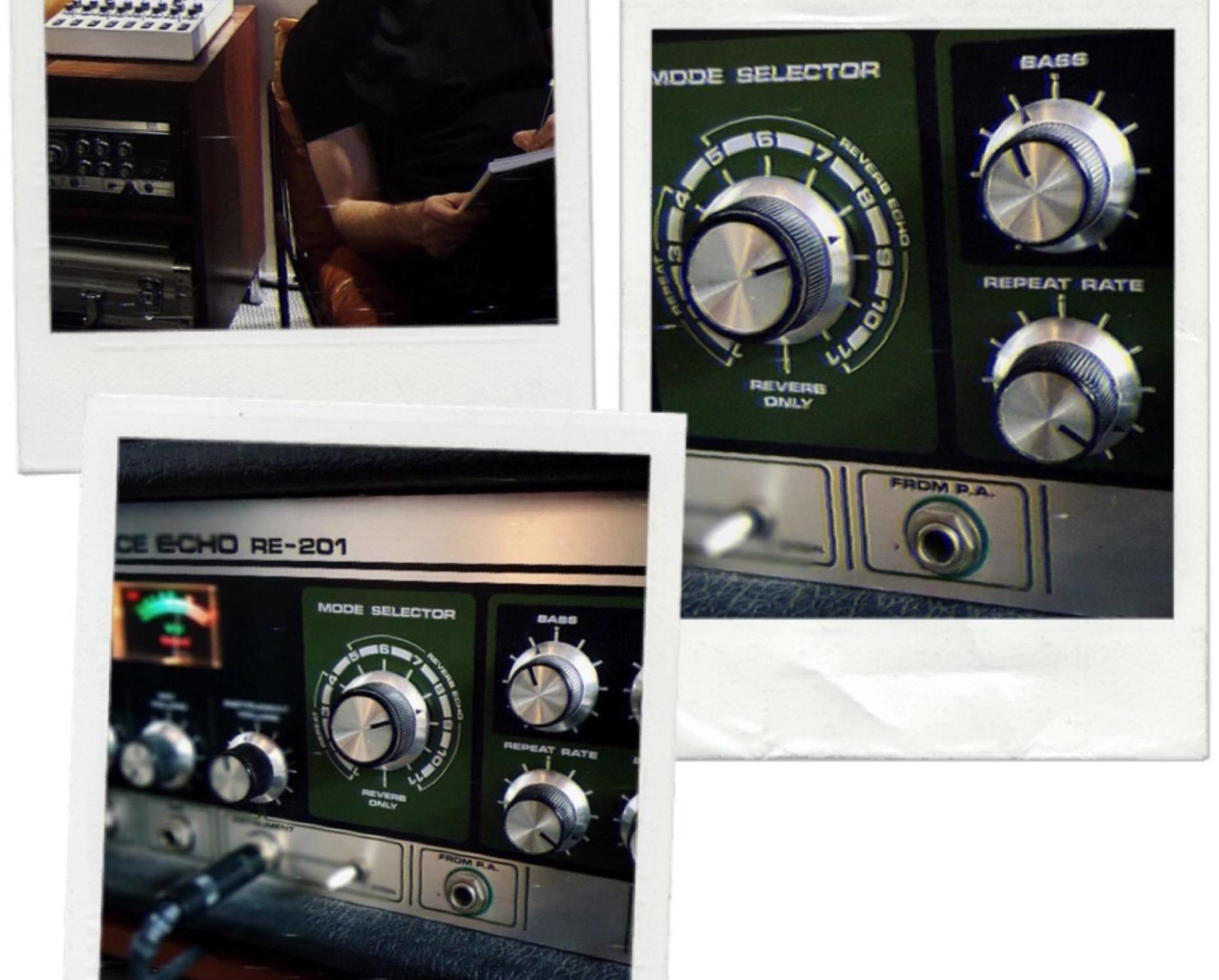
1. Favorite knob or fader or switch on a piece of gear and why?
Space Echo RE-201 Mode Selector knob. Do you really need an explanation… Just look at it:)
Space Echo RE-201 Mode Selector knob
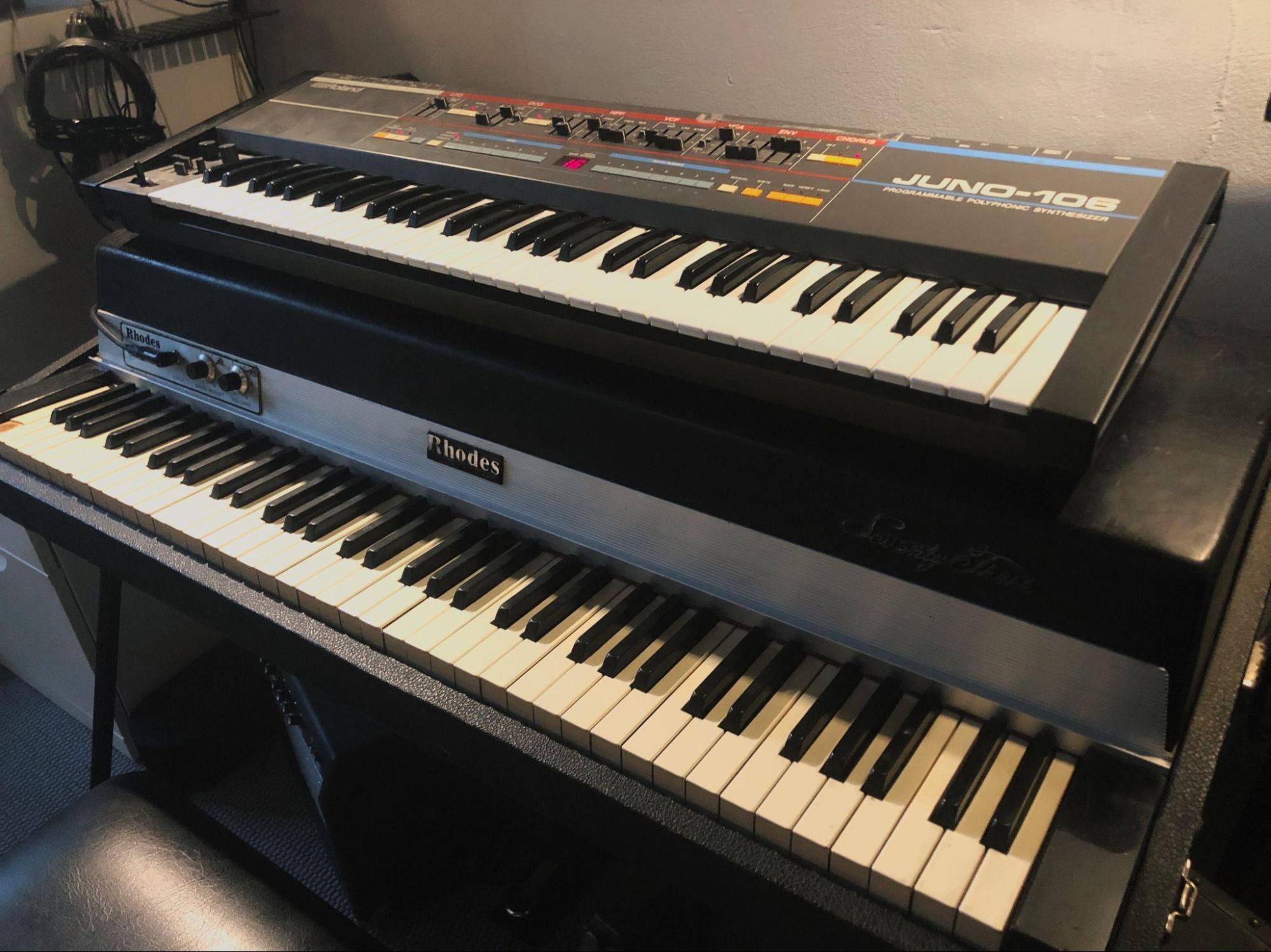
2. Do you have an ‘almost’ perfect bit of kit? What would you change?
Maybe my Juno 106. Great for bass, synth stabs, arps, pads.
Roland Juno 106 and Rhodes
3. What setup do you bring on holiday or tour or commute etc.?
Macbook Pro, 2 Samsung T2 SD’s (1 with samples and libraries. 1 with projects), Beyer Dynamics DT headphones, iRig midi keyboard with sustain. A laptop. Ableton / Cubase. Headphones. Soft synths – Omnisphere, Zebra, Diva. NI Kontakt and some libraries. If you’re into strings – Some of the Spitfire Audio sample libraries are pretty good. Small midi-keyboard (with sustain). And oh, just a quick tip about that… If you play piano sounds on a small crappy non-weighted midi-keyboard, remember to use the velocity midi effect (in Ableton) on the track for playing with smoother velocities. Without it, it maxes out the vel. CCs real quick. Or a least that’s what it sounds like to me.
4. What software do you wish was hardware and vice versa?
Actually none I think. Every piece of hard- or software I have, is in the studio for a reason. After working almost exclusively in the box with soft synths and samples and FX in Ableton and Logic, for almost 15 years, I began to buy more physical gear. Mostly synths with analog circuits and my Space Echo RE-201. But with every piece of gear (hardware or software) in mind to cover different requirements. Not because of better sound quality, since a lot of the “soft stuff” sounds amazing. But because of the tactile and more experimental experience of turning knobs and pushing faders. I fucking love to put on the lab coat and just dive in and forget everything around me and just see where it takes me. If I pull up a soft synth, I get often inspired to make something, but I almost never get surprised. If I work on my Arp Odyssey, Lyra-8 or run stuff through my Clouds from Mutable Instruments, I get stuff I would never have dreamed of. It’s all the dirt, irregularities and happy accidents that I find interesting. It’s kind of more relatable on a both a mental and physical level. Specially as colours opposite to the more “clean” and “regular” stuff.
5. Is there anything you regret selling… or regret buying?
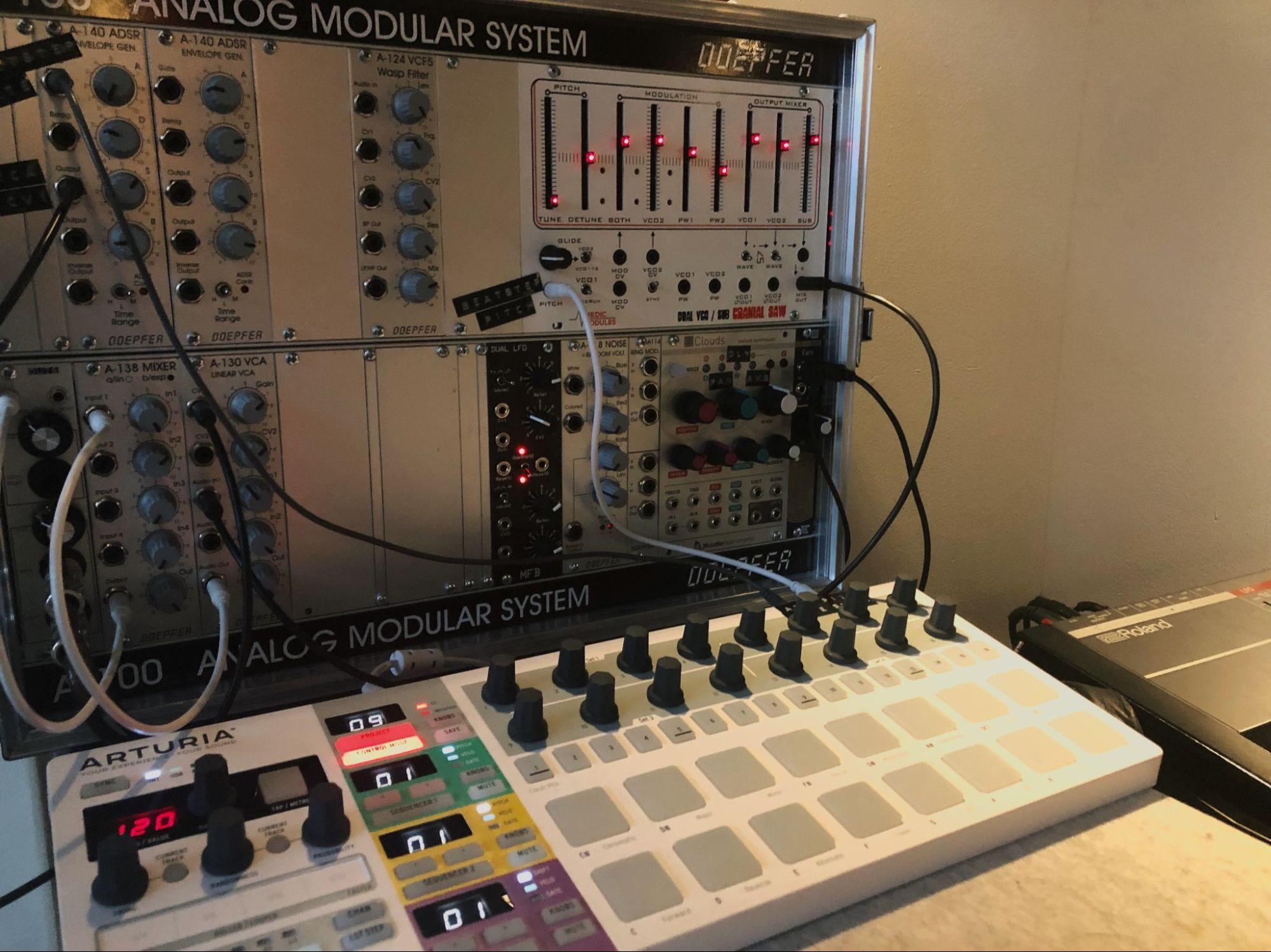
Eurorack and Arturia Beatstep
Can’t really justify how much I spend on my eurorack setup. It just doesn’t get used enough. Same goes for my Moog Sub37. Sometimes I cheat and use a plug-in… Sorry.
Moog Sub37 and Lyra
But every time I do use it, specially for more distinct bass, its amazing with the live recorded filter modulation. Then the sound comes alive.
6. What gear has inspired you to produce the most music?’
On the “soft” side – Omnisphere, some Kontakt synths, Spitfire string libraries. Hardware – My Juno 106, the Arp Odyssey.
7. If you had to start over, what would you get first?
A wealthy girlfriend, cause this GAS is a sure way to be broke forever 🙂
8. What’s the most annoying piece of gear you have, that you just can’t live without?
My brain Other than that… Can’t really think of one.
9. Most surprising tip or trick or technique that you’ve discovered about a bit of kit?
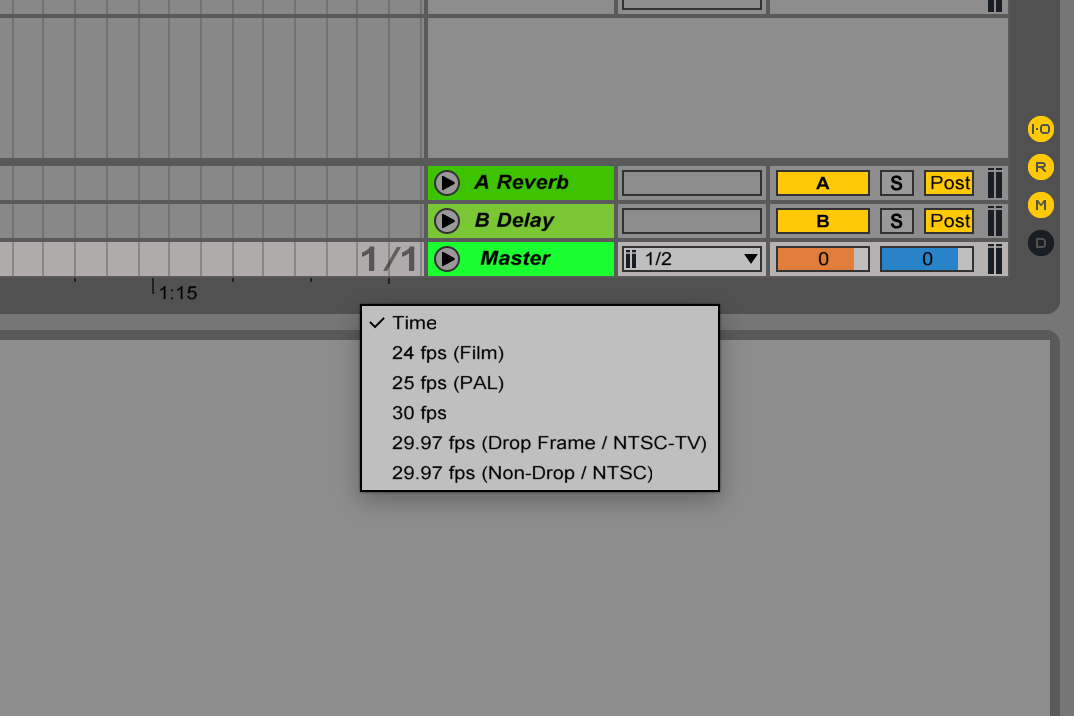
For those of you working to picture in Ableton. It’s actually possible to change the framerate. So the film and project are in sync.
Did my first feature film without knowing this and it fucked up the sync. After several YouTube deep dives, several years later (and after switching to Logic) I found a way.
Crtl and (left mouse click) in the timeline with min/ sec. = Choose framerate
Pro Tip: Ableton can change frame rate of timeline for sync to film
Artist or Band name?
Martin Pedersen
Genre?
Electronic or hybrid film music – Meaning a blend of electronic and acoustic instruments, and organic elements.
Selfie?
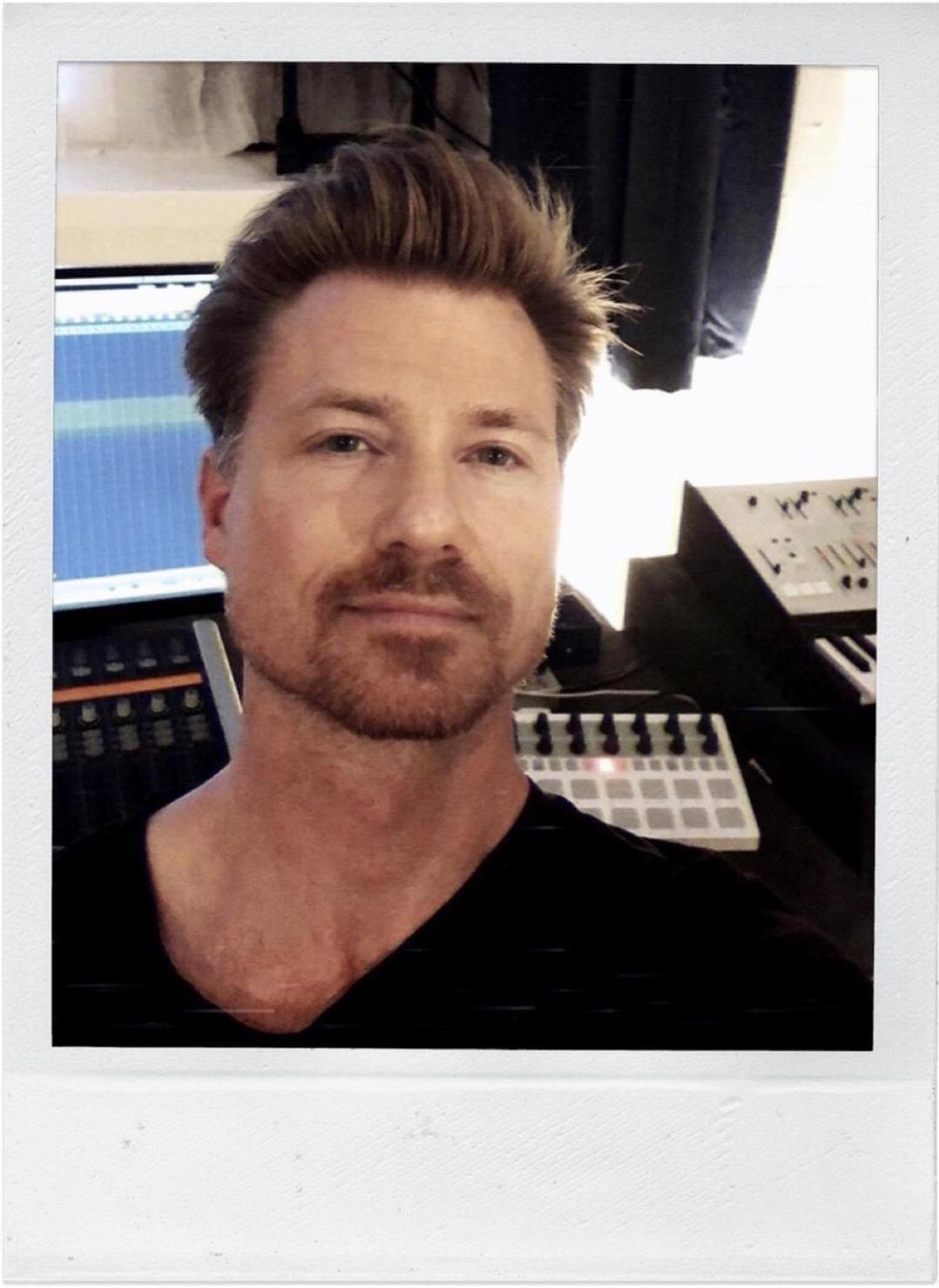
Martin Pedersen
Where are you from?
Copenhagen. But grew up in the south of Zealand. Moved back just before attending the Rhythmic Conservatory in CPH.
How did you get into music?
My parents doesn’t play music, but the radio was always on. I started playing saxophone at the age of 12 after watching a badass norwegian jazz quartet by chance on tv in my room.
Started making electronic music at 14 – SONY Acid Music Studio was the bomb back in the 90s. For me at least.
What still drives you to make music?
If I focus on my work in film. What drives me is, I just love storytelling SO much. Co-storytelling as a composer or just watching a film or a good show. Or just listening to a piece of music that can be a story on it’s own. It’s all about the emotional responds. To be totally immersed, letting everything else fade away around you. It all inspires my creative work and drives me to be a better storyteller. Film music or, the score, is a vital part of most film. I love amplifying the spirit of the film and storytelling with my music. Music can reveal a films inner life in a way that can’t be fully articulated in any other way. It can have a telling effect on how the characters in the story come across – on how we perceive what they are feeling or thinking. The more engaging the drama – The truer the story becomes. Ok… I totally stole those lines from somebody. Can’t remember who… But I agree.
How do you most often start a new track?
Maybe a cool place to start is – How and when in the production phase I start composing the music for a new film or show.
Because it also relates to how I start a new track – Or “cue” – as it’s called in film.
When – It always starts with initial talks with the director. What is the heart of the story.
Are there musical references to draw from or is that up to me. And how do I translate that into what the DNA of the music will be. The earliest in the productions phase was composing after reading the script.
Working on the score for the first season of the tv-show “HOOLIGAN” I worked from the script and from dailies (unedited footage shot that day). That gives me an idea of the mood and tempo in the scene. How the camera is worked, the lighting and how the actors express themselves and interact with eachother.
Working on the score for the feature film “What Will People Say” I started working from scenes and a fully edited, but not picture locked film (Not locked meaning – most of the scenes are pretty much lined up, but not cut to the final length or order.)
How– I typically start with talks with the director about the story and the initial overall vibe.
Maybe also guided by musical references / tracks / cues. Parts of my score for the feature film “What We Become” was initially used as temp music in “What Will People Say”, before I was contacted to do the score. Temp (temporary) music is what the editor / director uses under scenes to “colour” the scene and drive it along. Temp can also help the composer to make a cue for a specific scene, that have a similar mood / function. Some composers love it. Others fucking hate it. I really don’t mind it. The hardest for me has been composing a new cue, from my own cues from other films used as temp. Making the cue kind of like it, but still sounding original for that specific project.
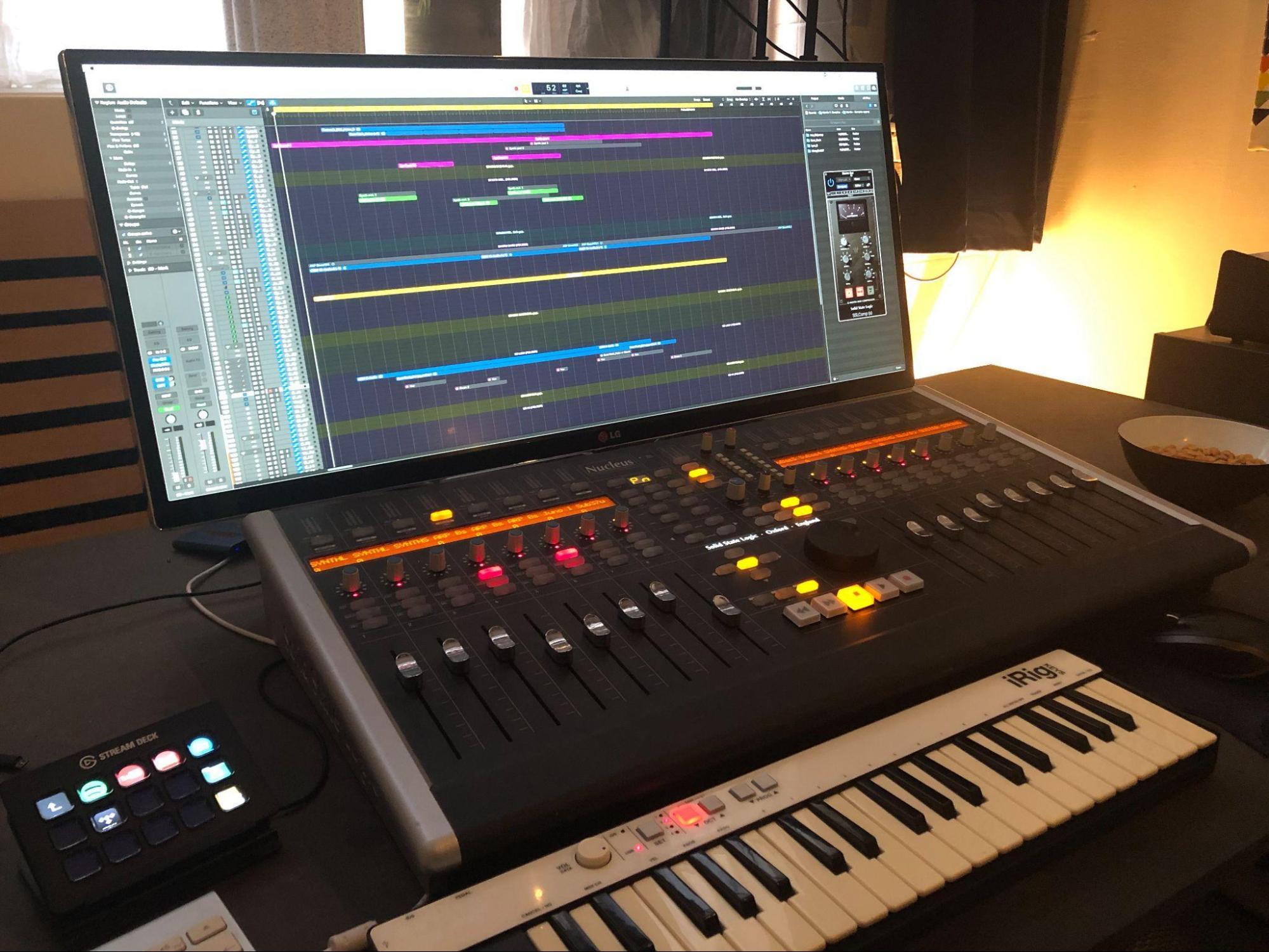
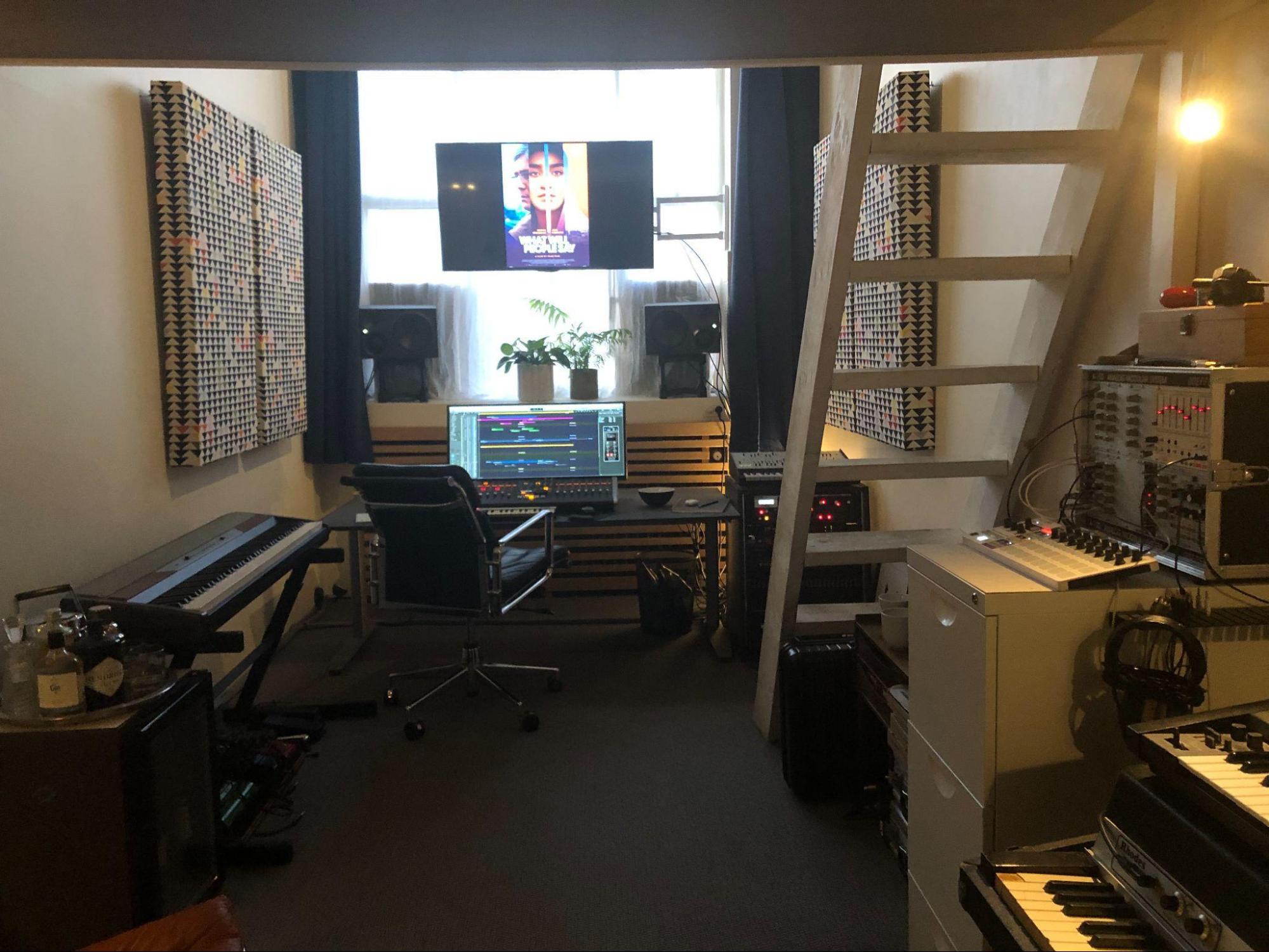
Hands on– I work in template in Logic. With everything set up with instrument groups, subgroups and fx groups.
Logic and Controller
If it’s the first piece of music made for the film or show, I almost always open Logic. Look at the blank template. And go “Oh fuck, how do I do this? Maybe I should just find a job cutting grass or something more tangible. Normally that goes away quite fast.
I like to think about instrumentation and make sound palettes used in the specific project, before a single note is “written”.
During the process of working on the score, instruments and elements get cut out or added, defined by what the cues is made for if an instrument just doesn’t fit the overall vibe.
I do write themes. Sometimes from the beginning of the project. Just on a piano.
But often I’ll start with giving characters or elements in the film, specific individual soundpalettes. Or maybe a single instrument per character as a point of departure.
On a lot of scenes with underscoring, I start with a pad, evolving atmosphere or bass sound. “droney stuff” used as a bed for others elements.
Sometimes you need tempo driven elements to start it off. Arps or percussive elements. Sometimes a theme. I can start out with a massive sound in one scene. An almost do nothing in another. It’s all up to what serves the storytelling. And the film overall.
So the answer is… It depends. But I usually start every new track / cue with two questions – “What purpose does the music have in this scene? What is the feeling of the music in this scene?” And musically go from there.
I’m pretty heavy on the synth and electronic side. I use Omnisphere, Arturia Analog Lab and NI Kontakt libraries a lot.
So often I’ll set up interesting sounds within that. Some sounds from libraries. Other sounds are based on samples I’ve found, put into Omnisphere’s sampler and processed in different ways..
If a cue calls for something weirder like pitch-modulating or microtonal stuff, I usually start with using my analog synth’s – The Arp Odyssey or Lyra-8. If a scene calls for a more melancholic mood, I love using my Juno 106, for softer pads with a bit of modulating drift.
Fun fact – I often get inspired by working together with the sound designer on a film. Maybe they use some auditive elements – buzzing light fixtures or aircon sounds I dig. I then use that sound or something like it processed, as musical elements. When I did the score for the feature film “What We Become”, Peter Albrechtsen – the sound designer on the film, inspired me a lot.
I incorporated some of his sounds used as musical components. It glues the music and sound design well together.
I especially dig the primary sound in the musical palette of the SWAT team. That sound was initially made out of a metal chair being dragged over a concrete floor in an very large room. So sometimes my cues starts with a “real” sound that’s been processed.
How do you know when a track is finished?
When nothing weird sticks out, the scene moves along and you are engaged all the way. On a more overall view. A film is never finished. It premieres. Meaning you have until your deadline… Then it’s finished no matter what.
Show us your current studio
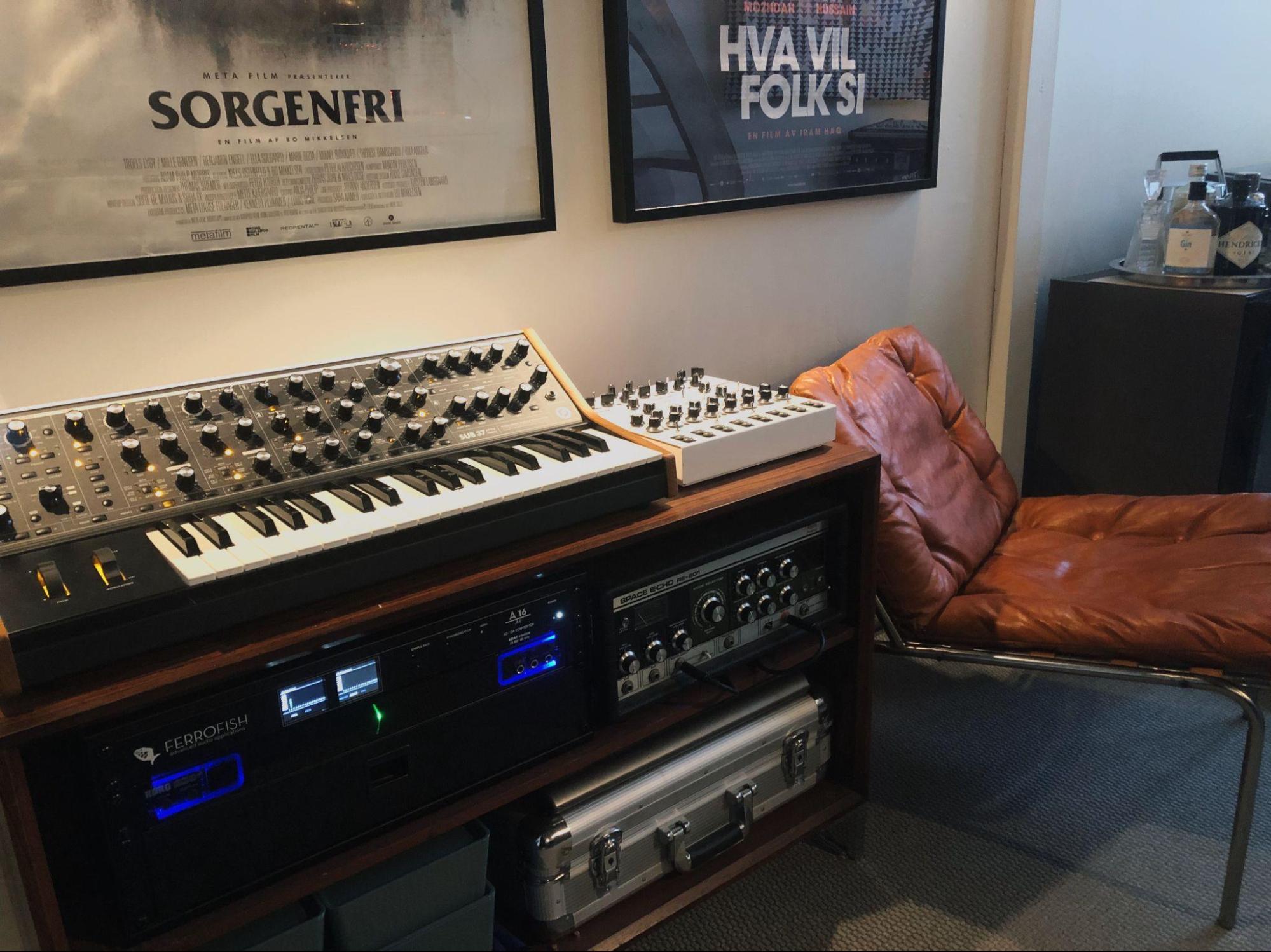
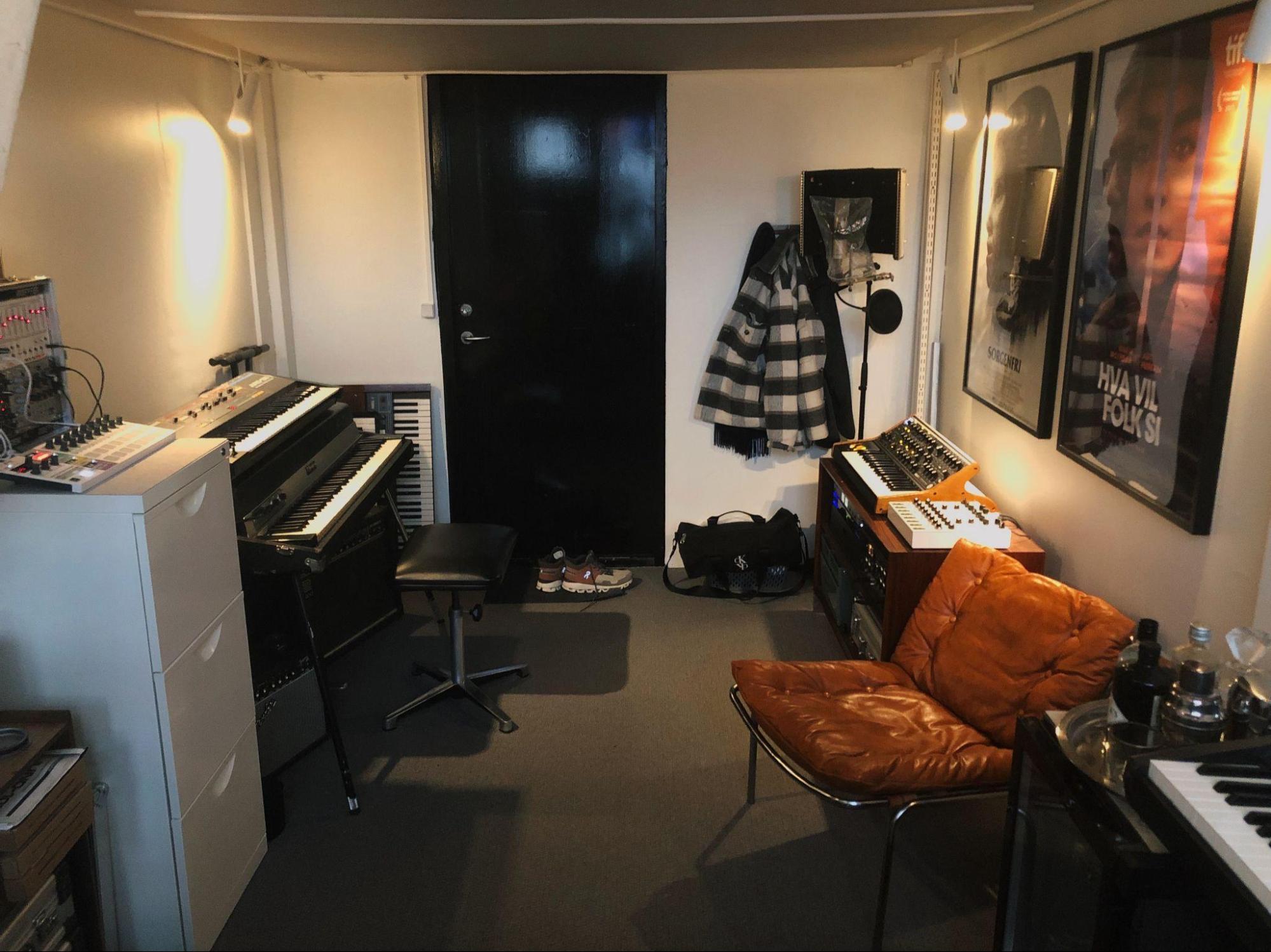
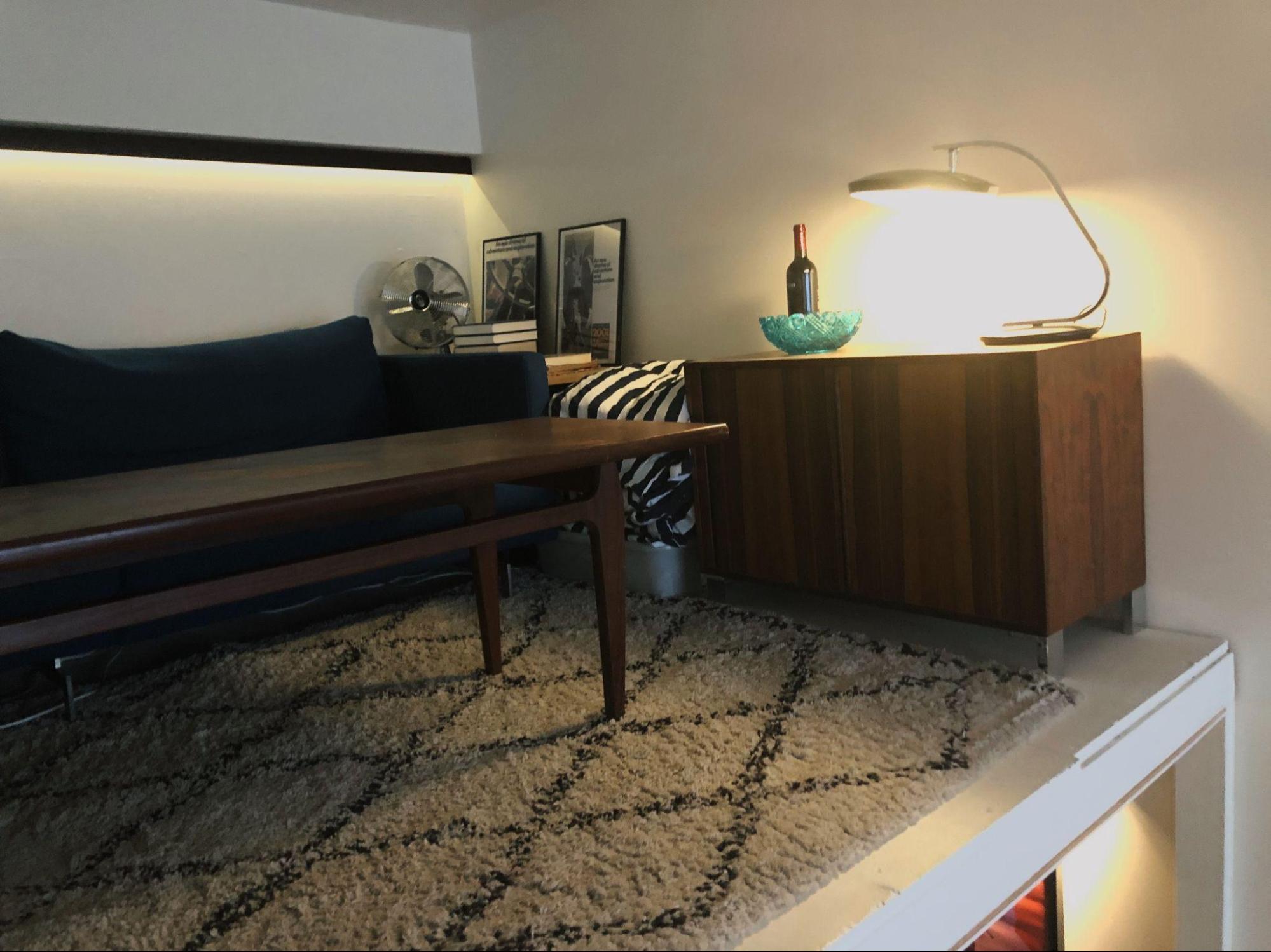
Martin Pedersen’s StudioMartin Pedersen’s EntranceMartin Pedersen’s Studio Lounge
Best creative advice that you’ve ever heard?
Love what you do. And try out new stuff.
A new approach to the material – Like working with certain dogmas, new gear, a new instrument. Listen to genres you normally don’t do. Things that pushes you out of your typical musical comfort zone. The more I learn, the more I keep re-falling in love with music.
Promote your latest thing… Go ahead, throw us a link.
One of the bigger recent things I’ve done is the tv-show “HOOLIGAN” season 1.
These days I’m working on my second album titled “COCOON”. Release later this year. Spotify
[Editor: There are affiliate links to the relevant gear throughout the articles. It helps to support this blog. In fact, should you be needing some patch cables or guitar strings. Then clicking on one of the above links and buying any product that you prefer, will help the blog… doesn’t even have to be the ones in the link. Thx]
1. Favourite knob or fader or switch on a piece of gear and why?
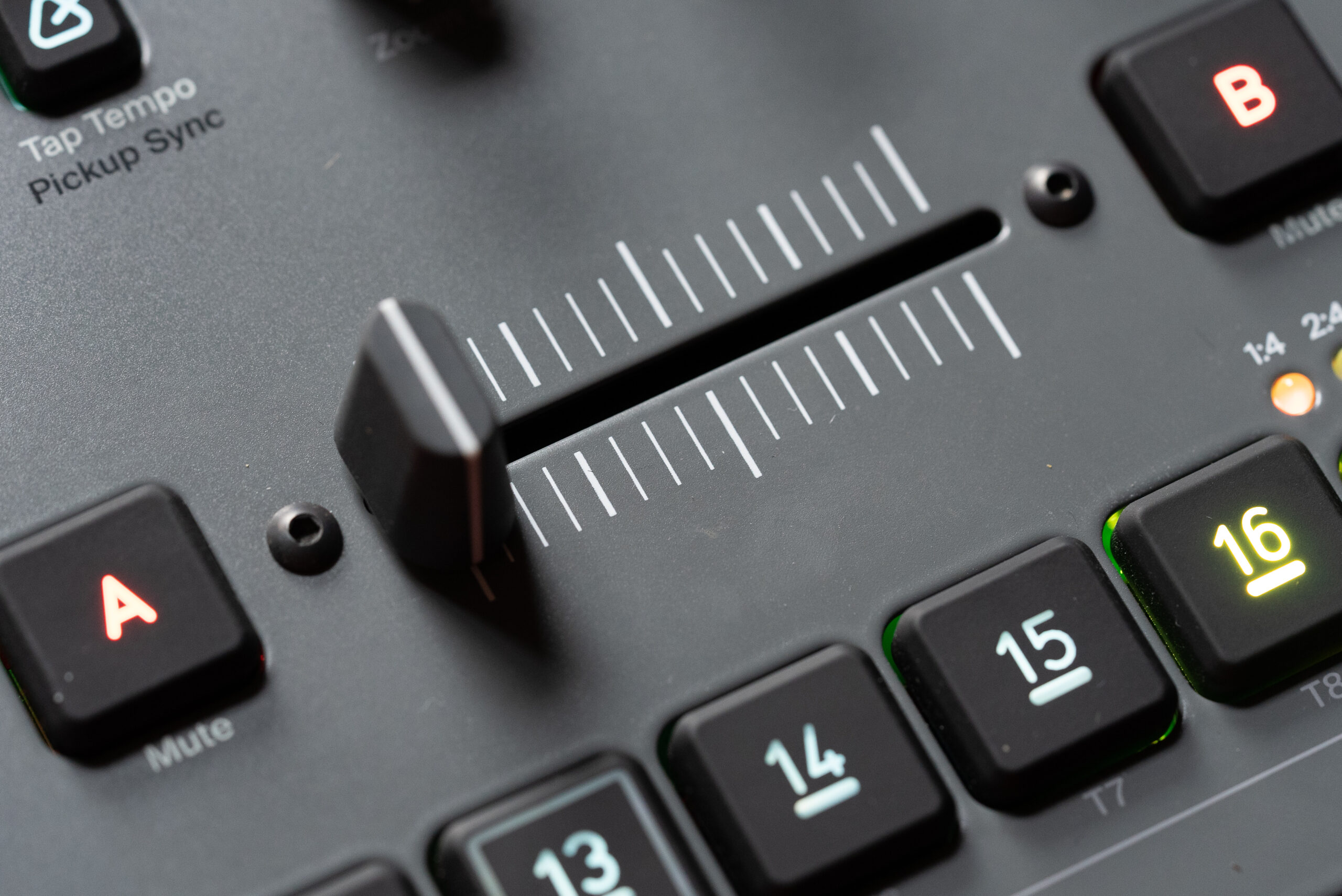
Octatrack scene fader
My absolute favorite is the Octatrack scene fader. It ́s the heart and soul of the performance aspect of the machine. What’s mind blowing is how sensitive it is, how smooth the transitions are between the scenes and how it can really take a lot of punishment when in the heat of the moment and (after about 5 years of owning one) it ́s never given me any issues. It ́s just one of a kind to me.
2. Do you have an ‘almost’ perfect bit of kit? What would you change?
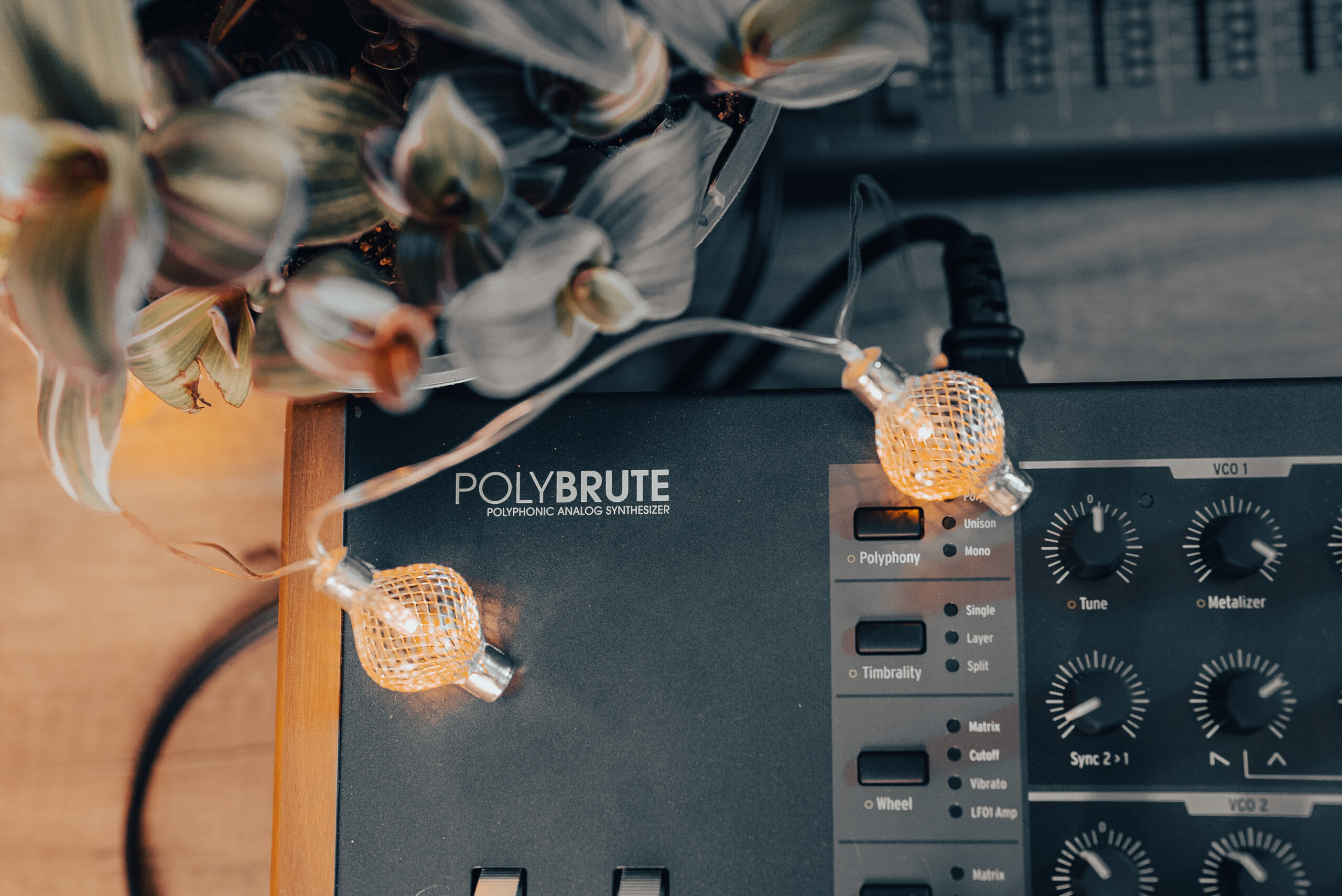
Arturia Polybrute
The Polybrute is pretty much my idea of a perfect synth. Absolutely stunning sound combined with one of the most user friendly interfaces out there that make for easy sound design as well as innovative performance controls. The only thing I wish it had was a stereo audio input for processing external audio through it ́s filters and audio fx. Aside from that, being able to expand it ́s voice count like on the Sequential Rev2 would be awesome.
3. What setup do you bring on holiday or tour or commute etc.?
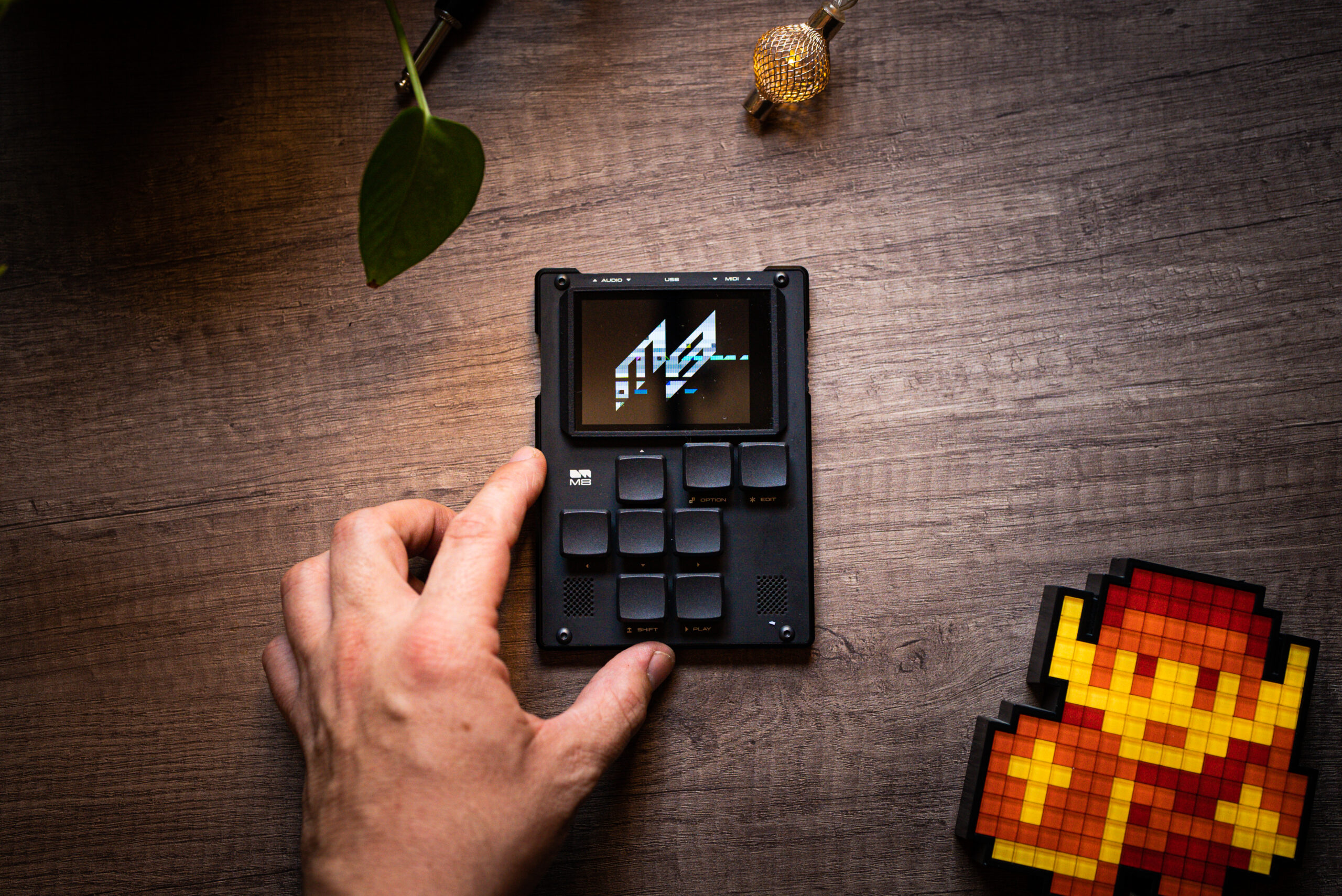
Dirtywave M8 Tracker
I always sneak in a little musical mischief into my everyday backpack. The OP-1 and M8 practically live in there and there’s always a third piece that rotates. Sometimes it is the Polyend Play, others the Octatrack. Nothing too big. Lately I ́ve been experimenting with a more hybrid setup and my Macbook with the Erae Touch have found their way into portable setup quite nicely.
4. What software do you wish was hardware and vice versa?
I wish there was a hardware version of Arturia Pigments. It ́s just such a beautiful sounding synth with so much depth to it. I can’t even imagine what it would look like in hardware form though lol. I’d imagine something huge, with loads of buttons and a massive screen like on the Waldorf Iridium.
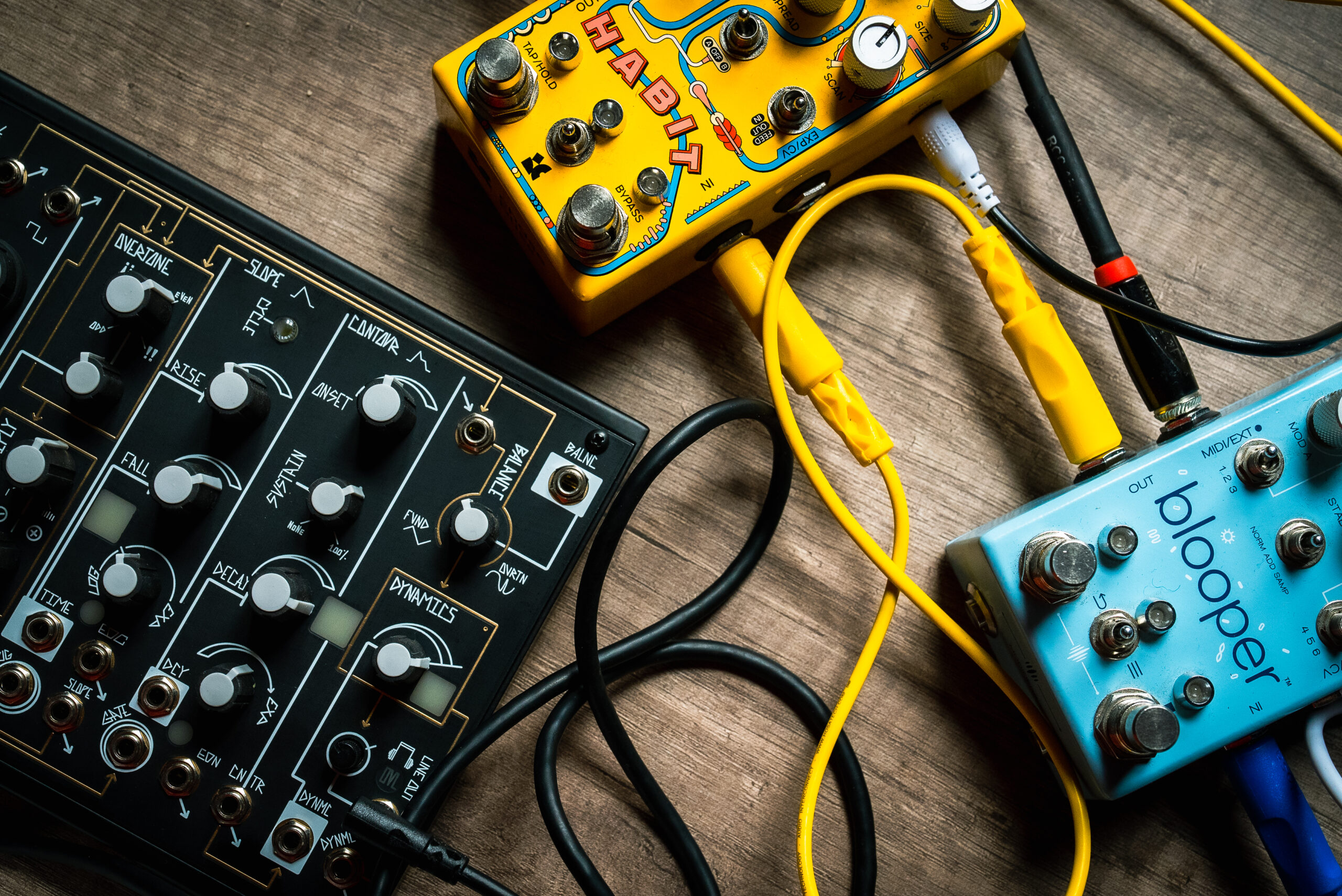
Chase Bliss Blooper and Habit with Make Noise 0-Coast
As for hardware that I wish was software, pretty much all of my FX pedals. In particular, it would be a dream to have multiple instances of the Chase Bliss Habit pedal to mess around with in VST format, though I have to admit that half the appeal is the looks and feel of the knobs on that thing.
5. Is there anything you regret selling… or regret buying?
Ouch, this hit home haha. My biggest regret is selling the Synthstrom Deluge. I sold it a few months back because even though I loved it, I was pretty sure a version 2.0 was bound to show up in 2023. Probably with an updated screen. Well, I was right about the screen haha. However, I was wrong in assuming that all companies are out to get your money. Turns out Synthstrom did come up with a new screen, but it is compatible with the original Deluge, so you can send your unit to them and they will fit in the new screen for a small fee. Mindblowing. Anyway, now I just have to hope I can grab a new one in 2023. As for gear I regret buying, I don’t really regret buying anything, especially since I’m constantly flipping my setup and selling off the gear that I don’t use. Everything I ́ve experimented on has given me some new insight into sound design or music. Though I don’t gel with everything or even understand everything I buy, I try to learn as much as I can and if it just doesn’t click after a considerable amount of effort, I sell it. I think of my gear addiction as more of a “catch and release” thing than hanging on to everything I ever buy. The world is full of amazing things to try out, so why not let go of the things you don’t need and keep moving forward?
6. What gear has inspired you to produce the most music?
Ironically, I think I ́ve made most of my music on a wooden guitar and a piano haha. As for gear that changed the way I make music and really got me doing new things, there are four that come to mind. First is the OP-1. Sounds great, doesn’t give you overwhelming options so you can really focus on writing music and you can take it anywhere with you. Also the tape recorder forces you to make very deliberate choices when editing, and I found that limitation helped me avoid getting stuck in unimportant details that I can waste hours on in a DAW. Second, the M8. Just as with the OP-1, it ́s portable and battery powered, which means you get a ton of more access and play time on a day to day basis. A huge plus is that you can use it standing up like a gameboy and don’t need to set it up on a surface (say hi to subway beatmaking). Absolutely different feel and experience than the OP-1. Sounds absolutely amazing, the FX are out of this world and it gives you surgical precision to make your melodies and sounds as intricate as you want them to be. It ́s workflow is very particular and it makes using it a bit more cerebral, which I appreciate because it has made me produce music I would have never thought of if I was just playing stuff on keys or pads. Third place, the Octatrack. To me it is the quintessential performance sampler. The way you can mangle and slice and morph your sounds is inspired, and it was the first machine that really made me want to use my FX as part of songwriting and performance and not just set and forget like in traditional guitar pedal boards.
Moog Subsequent 37
Finally, the Subsequent 37. It is to this day one of my favorite synths, just because the sound alone is enough to bring the house down. Whether it’s leads or bass, it cuts through a mix like a hot knife through butter. It has inspired me to let loose with improvisation, not only musically, but to use sound design as part of the performance, tweaking the patch as a play for great effect.
7. If you had to start over, what would you get first?
If I was just starting, I think I ́d pick a lane and try to get really good at it. Doesn’t matter what piece of gear or instrument, but really double down on getting as good as I can before moving on
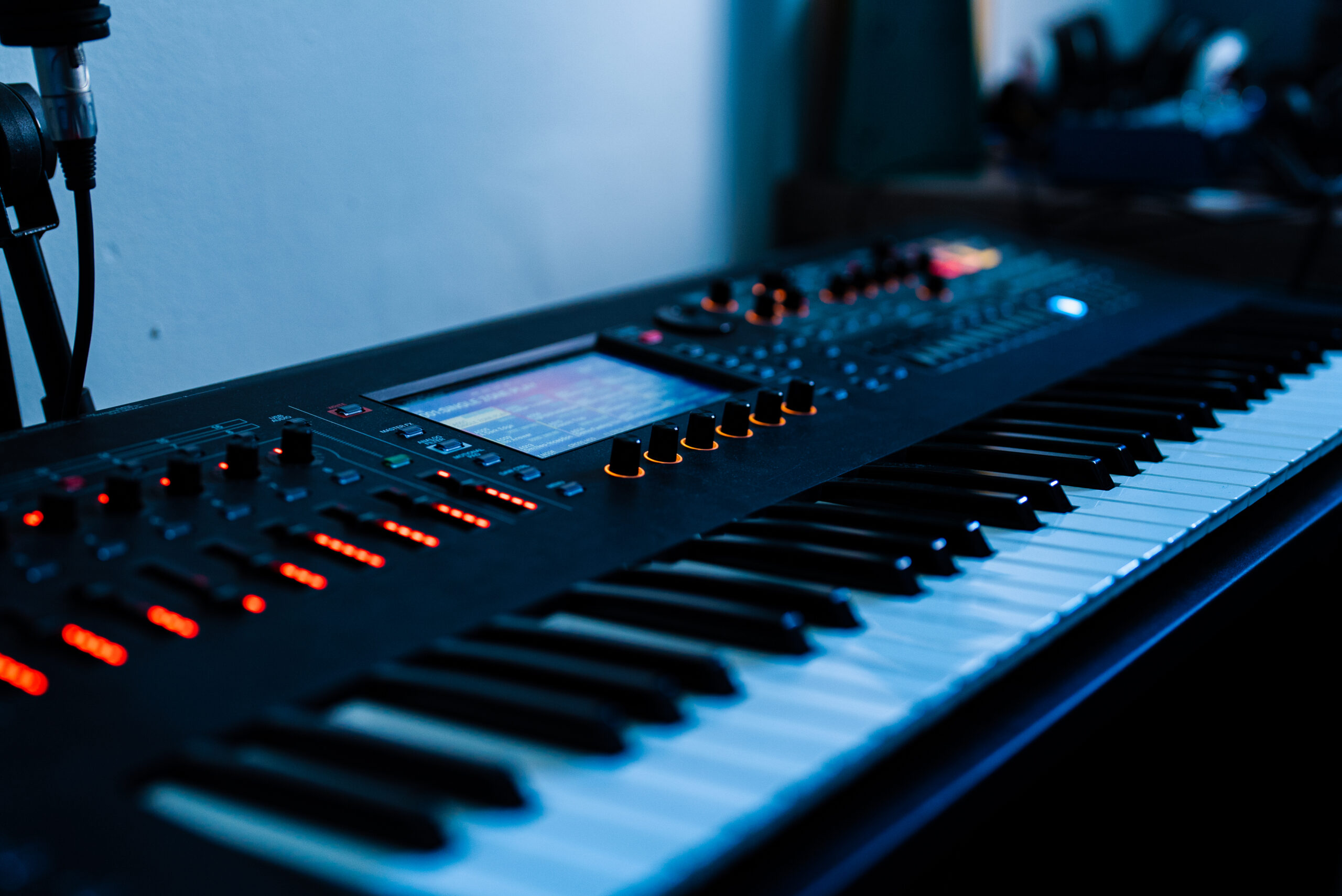
Roland Fantom 6
to something new. If I could only keep one thing, it would probably be either my Roland Fantom 6 or the OP-1, just because both of them have everything I need to make music till the cows come home and have a blast while doing so.
8. What’s the most annoying piece of gear you have, that you just can’t live without?
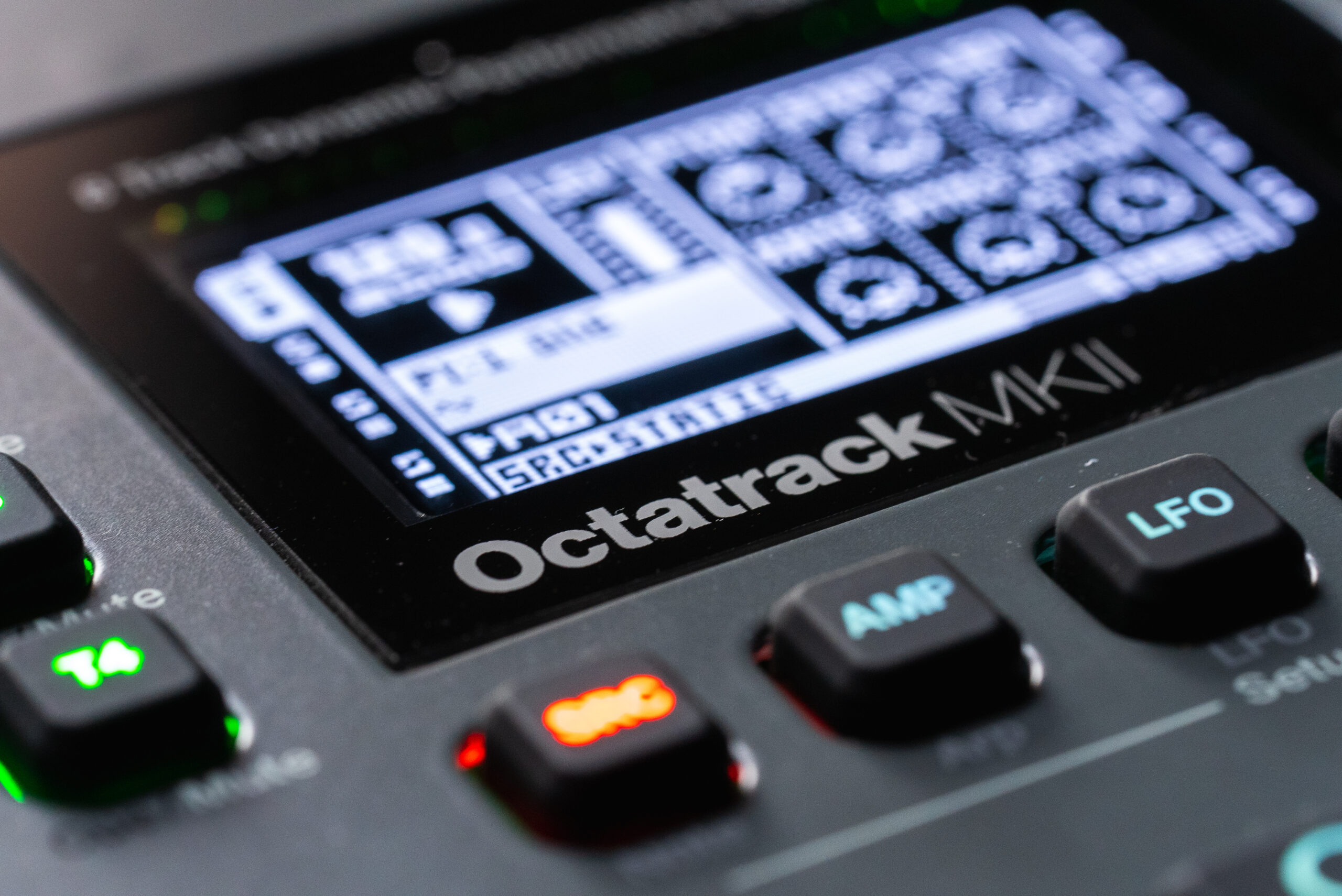
Octatrack MKii
Once again, the Octatrack. Most of the time it ́s awesome to make music and party with it, except when you need it to do something more speciific that you know it can do, but you either don’t know or can’t remember how to get it to do the thing. Then it’s either diving into the incomprehensible elektron manual or even worse, having to go online and search for the answer among thousands of forums posts with similar questions and ever more solutions. As I said, it ́s one of my favorite devices, but when you hit a wall, it can be really frustrating. (Big Shoutout to Synthdawg for making user friendly Octatrack Manual that’s actually fun to read!)
9. Most surprising tip or trick or technique that you’ve discovered about a bit of kit?
I recently learned how to use the Vocoder on my Roland Fantom 6. I’m still learning but playing around with the frequency response and trying out different synths with it has been an absolute joy. To be honest I didn’t even know it had a Vocoder when I bought it, so it has been a very pleasant “bonus”.
Artist or Band name?
Midlife Synthesist
Genre?
I really wish I knew, I suck at classifying music. Somewhere along the lines of Depeche Mode and Pearl Jam if I had to guess.
Selfie?
Midlife Synthesist
Where are you from?
I was born in Chile, grew up living in the USA, Brazil, Lebanon, South Korea and now I live in Chile again.
How did you get into music?
My older brother had an acoustic guitar and he would often play songs to me. As soon as I could wrap my fingers around the neck (of the guitar btw, I didn’t strangle my brother) I started noodling and never stopped.
What still drives you to make music?
I ́m a very anxious person and music is the closest thing to meditating that I can manage to do. When I let myself really sink into the music, my mind goes blank and I’m not worrying about the future, global warming, ChatGPT becoming Skynet etc. I make music to relax and calm myself down.
How do you most often start a new track?
I try to vary as much as I can, cause I tend get stuck in ruts quite easily. My most common way to start a track is noodling with a chord progression and singing a melody and then I just start adding on to it. I try to change it up by starting with a bassline or drums every so often.
How do you know when a track is finished?
A famous filmmaker once said “A movie is never finished, only abandoned”. I feel the same way about music. You can always add something else, put a little more work in. That doesn’t mean you always should. I used to spend months fussing over a track, and then I realized that when the idea or emotion you where trying to transmit is there, it ́s enough. All the rest is optional. I ́d rather spend my time experimenting with a new track than worrying about my hi hats not being properly compressed.
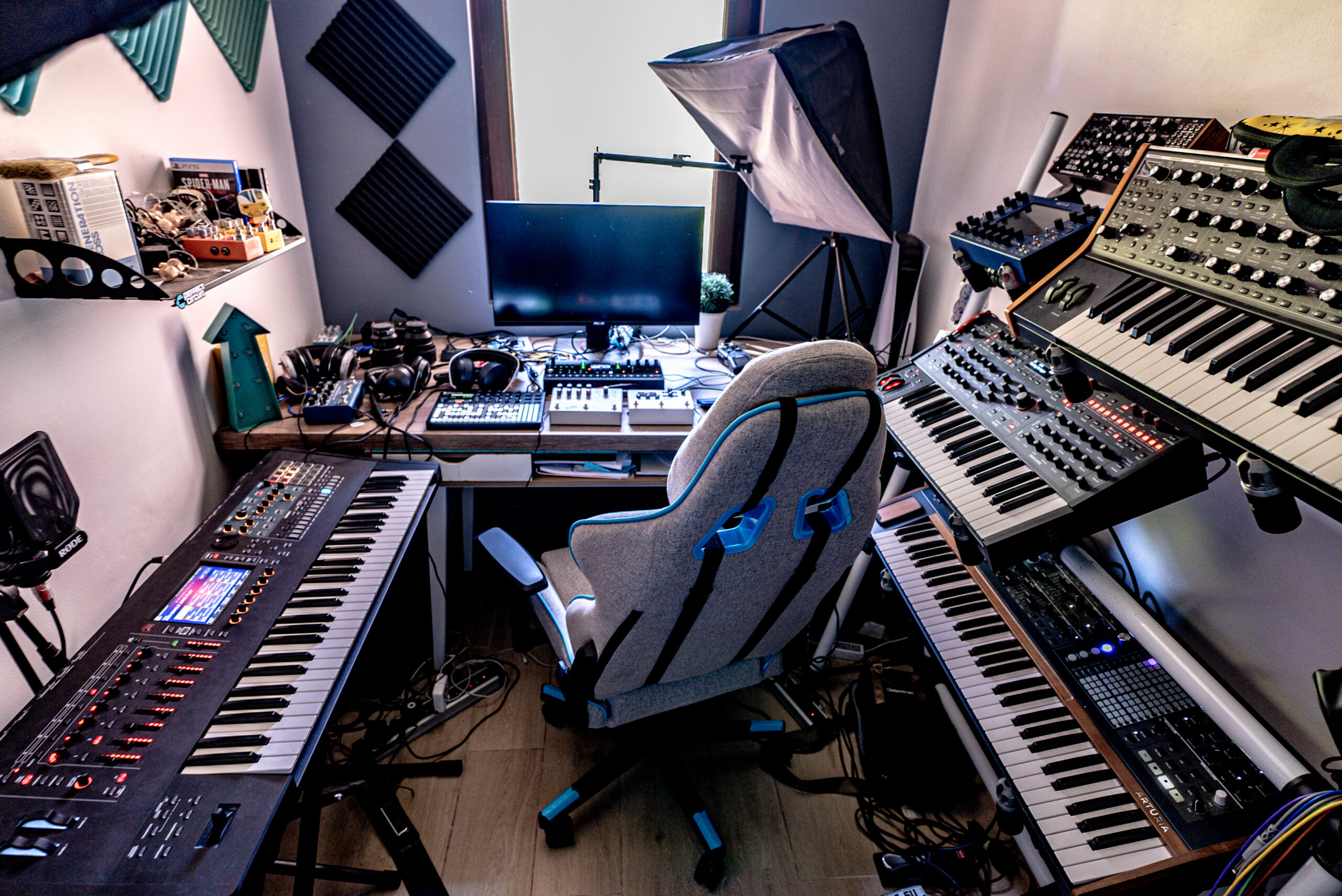
Show us your current studio
Midlife Synthesist studio
Best creative advice that you’ve ever heard?
“All art is derivative. If you think it ́s original, it ́s only because you don’t know the references”. I think I spent way too much time trying to be “unique” or “original” in my music, when in reality, everything you make is a mixture of the things you’ve heard and seen through the course of your life that have left an impact. I ́m not saying you can’t make something new or exciting, but your creations will always have influences, references of things that have moved you in the past. And I find that quite liberating because I used to get really stressed when someone would say things like “hey, your song sounds like this other song”. I would take it as a sign that I was not being original enough, when really it was just my influences shining through in a piece of music that was completely mine. After all, there are only 12 notes. Whatever you make now is most likely going to sound a little similar to something someone else out there has already written in the last couple of hundred years, and that’s fine. Just stay true to yourself and your particular blend of music. That’s as original as you need to be.
Promote your latest thing… Go ahead, throw us a link.
I ́m just trying to figure out this whole digital artist thing and it ́s been a hell of a ride. Though I have a few “traditional” tracks under the name the Midlife Synthesist on Spotify, I have much more music and fun jams on my Youtube channel. I also have a Patreon community with the nicest people you’ve ever seen on a discord server, huge shout out to them for their friendship and support.
[Editor: There are affiliate links to the relevant gear throughout the articles. It helps to support this blog. In fact, should you be needing some patch cables or guitar strings. Then clicking on one of the above links and buying any product that you prefer, will help the blog… doesn’t even have to be the ones in the link. Thx]