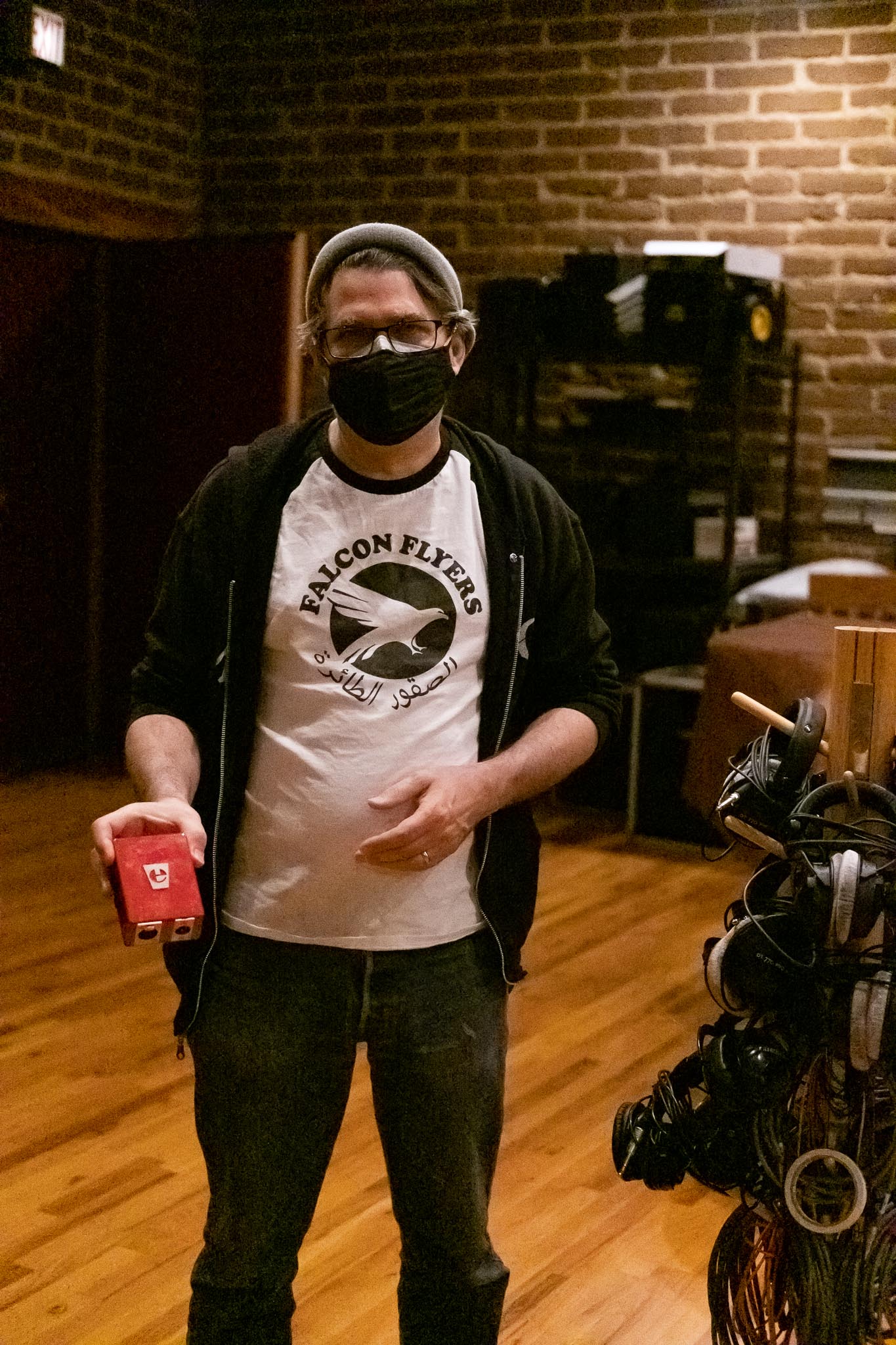
1. Favourite knob or fader or switch on a piece of gear and why?
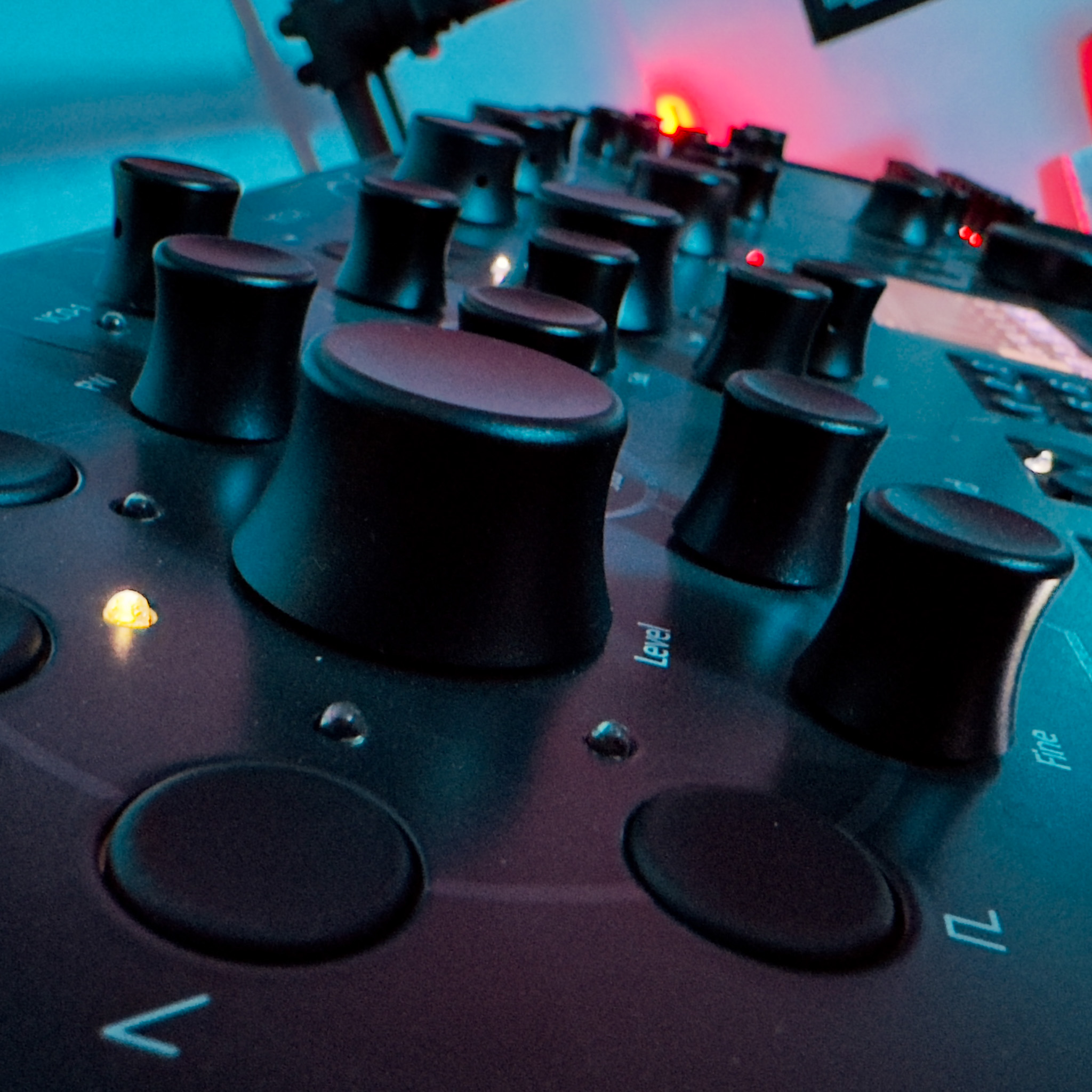
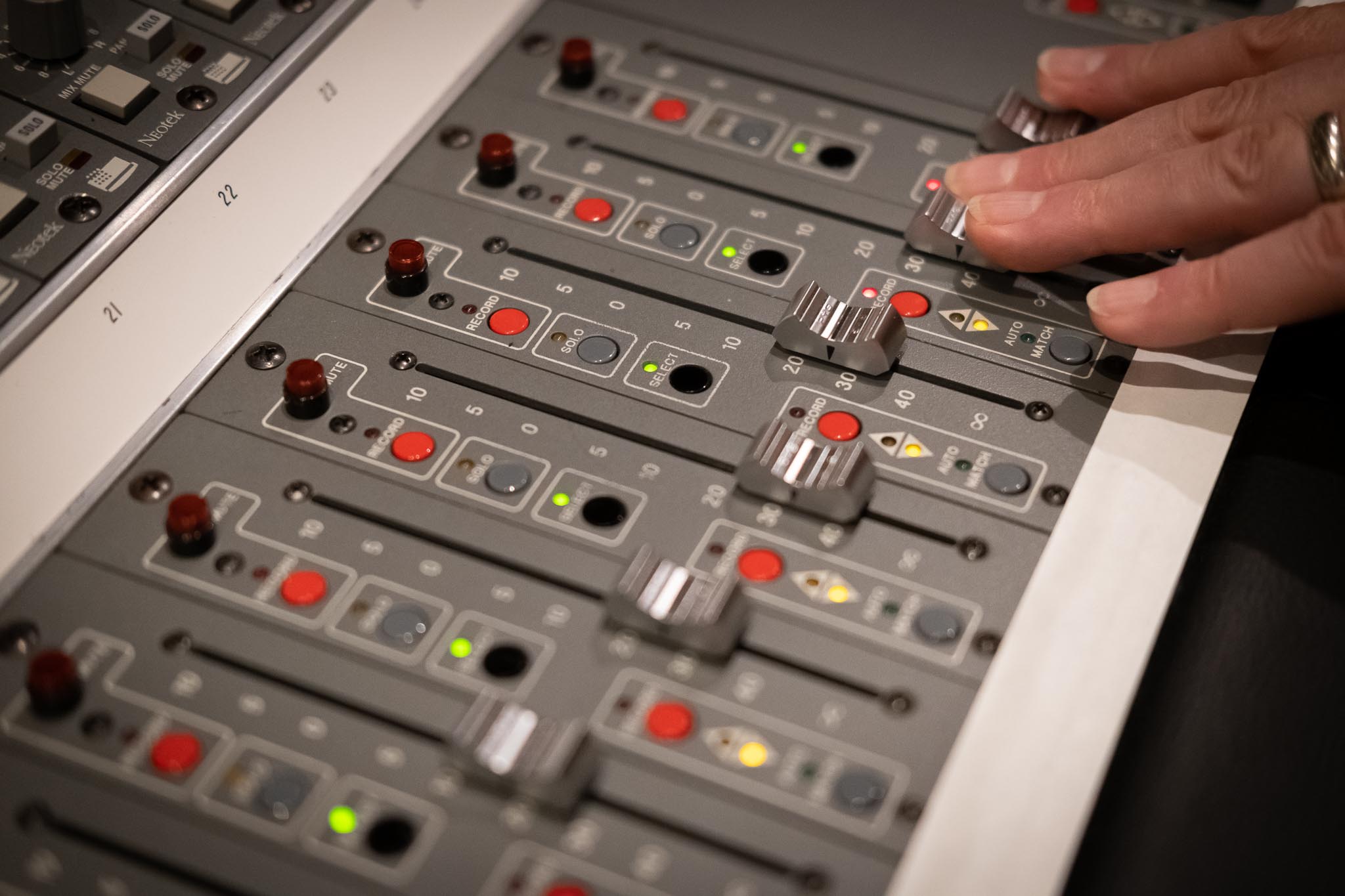
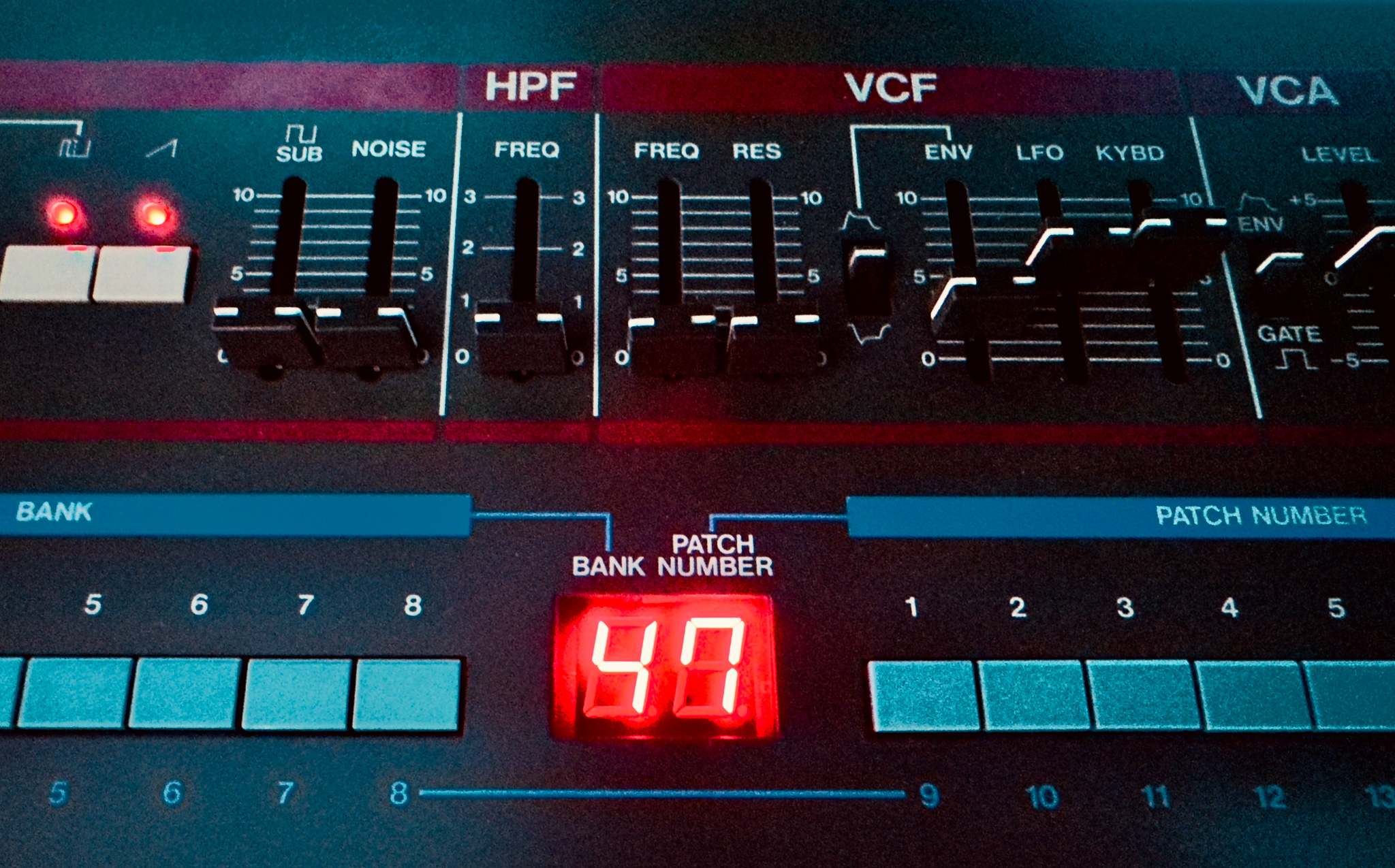
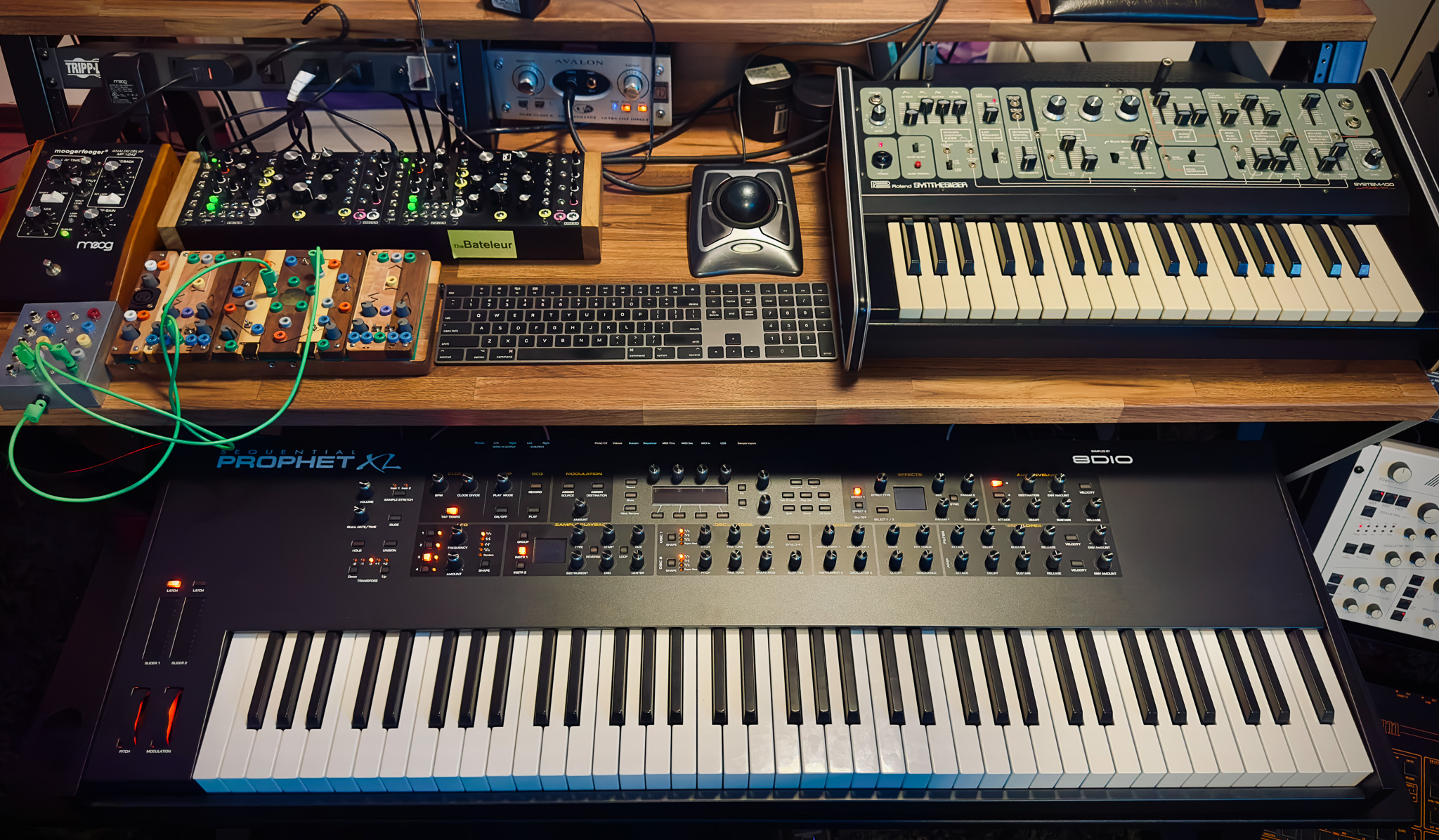
Favorite knobs would have to be the Modal 008. They are metal, round with a dimple on top. Favorite fader would have to be the Juno 106. Just a couple millimeters makes the filter morph into a different sound. I’ve ridden the cutoff fader for miles. I also like the fader on Roland System 100 Model 101. Old, but sturdy and stylish.
For Eurorack, I’d say my fav knobs are on the Rossum Evolution. They’re kind of similar to the pots on the Dave Smith PolyEvolver.
2. Do you have an ‘almost’ perfect bit of kit? What would you change?
Well I guess that would depend on three criteria for me. The character of the sound, depth of synthesis, versatility, intuitiveness of the interface, build quality. I also like a bit of a challenge to learn. But not so complex that it takes forever to get to a sweet spot.
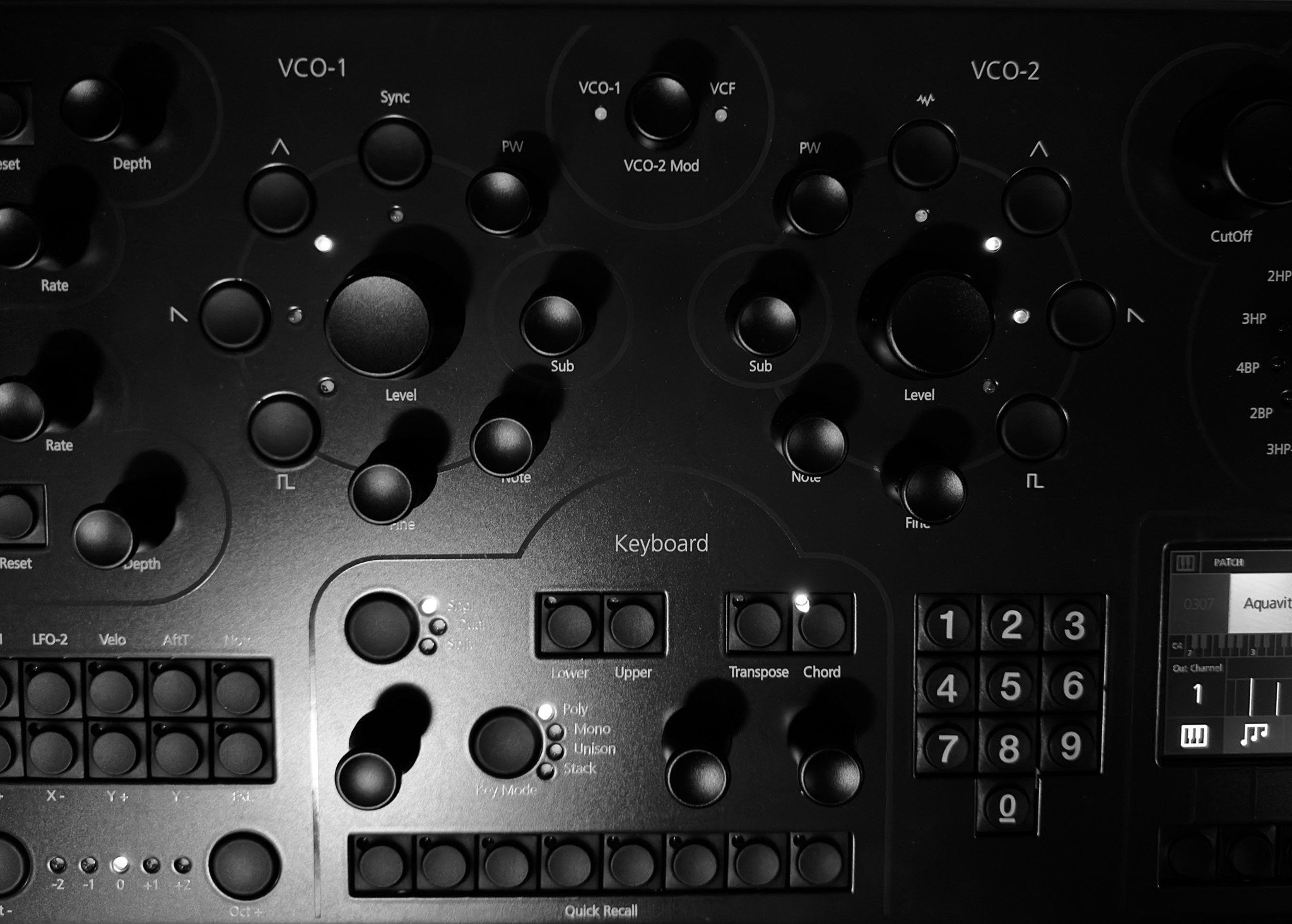
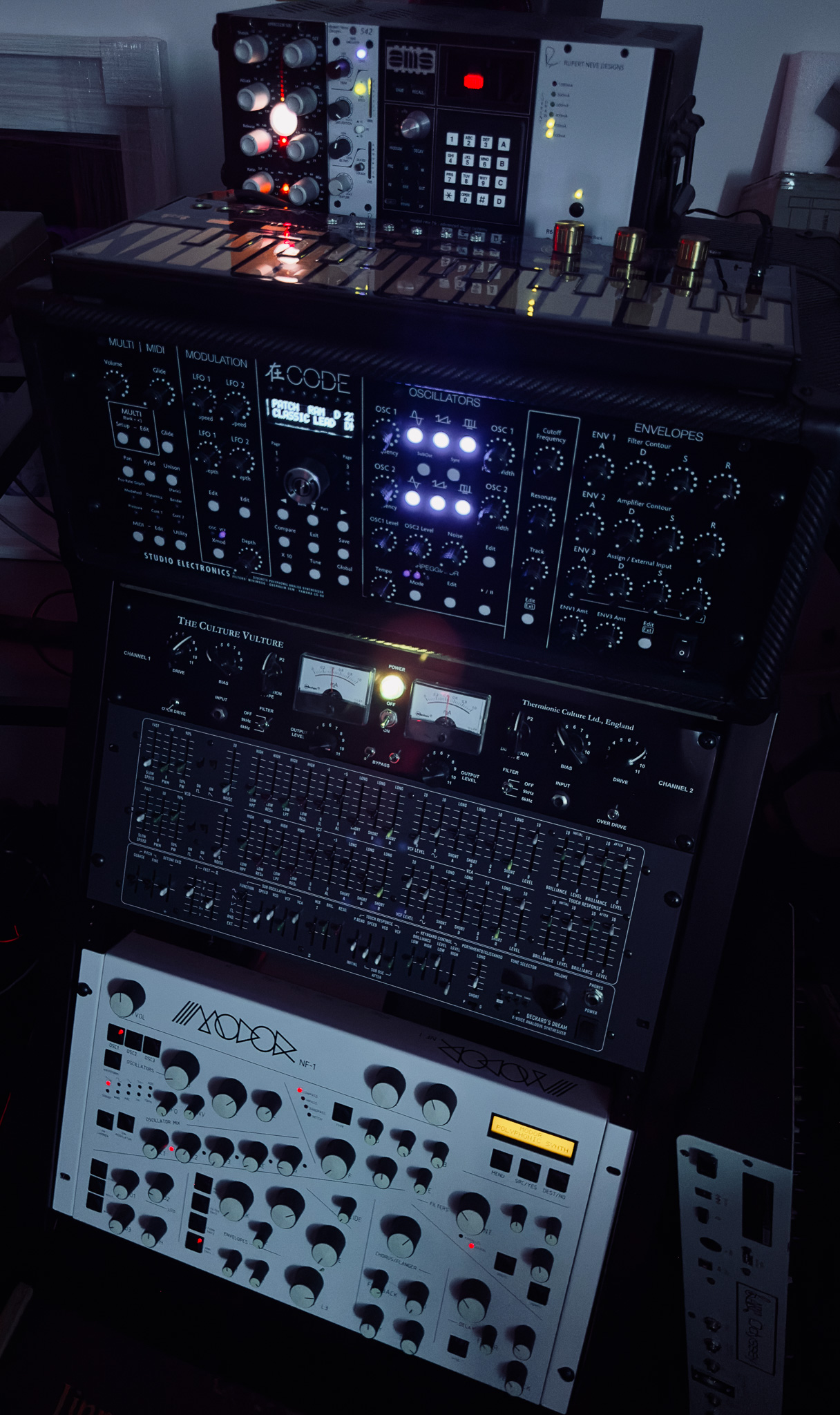
For me, one all-encompassing synth would be the Modal 008. It is the most refined sounding analog poly synth that I’ve played in the past 20 years. It has 15 different filter modes, tons of physical controls at your fingertips. There are no on-board effects but you can dial in some very refined and inspiring sounds without too much difficulty.
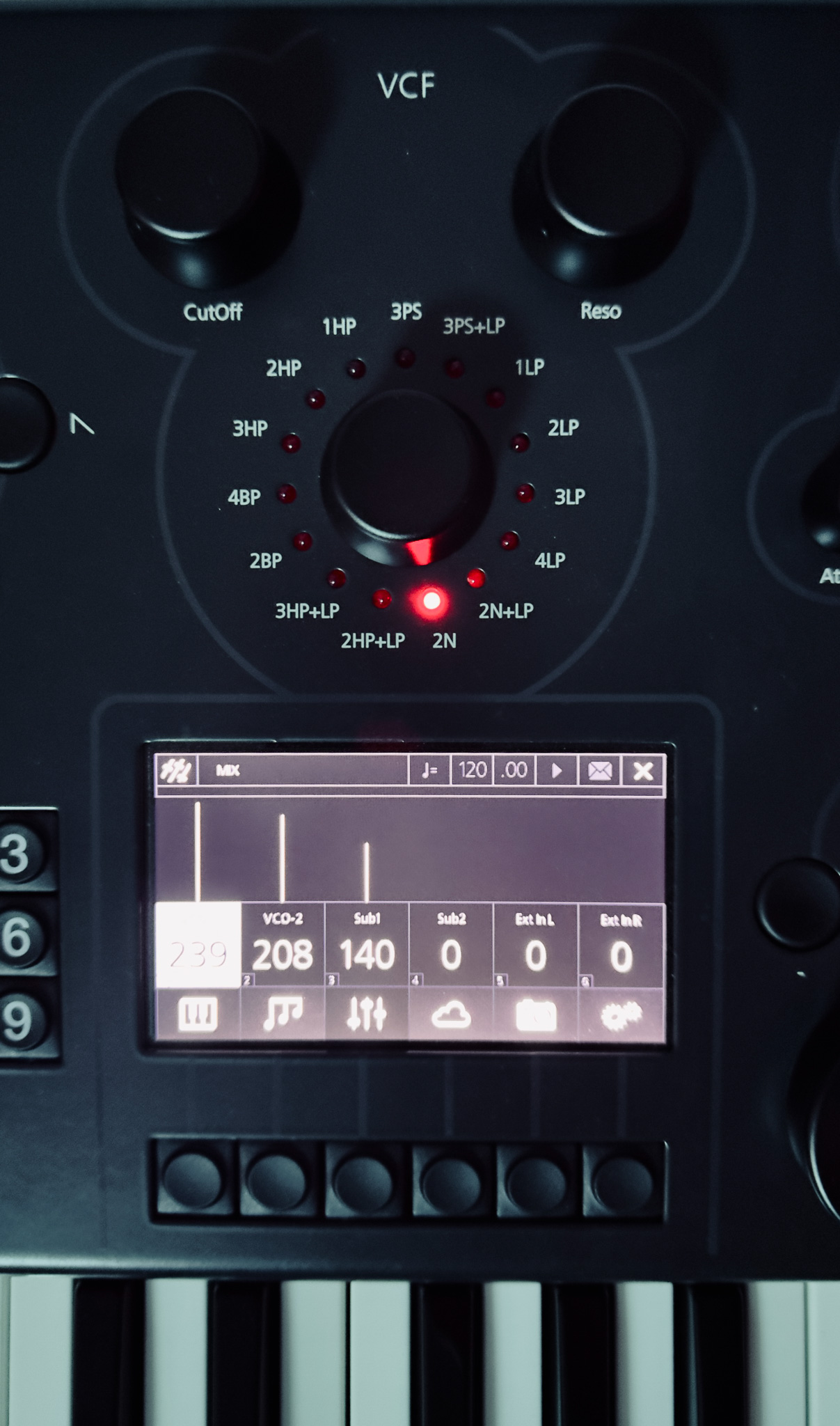
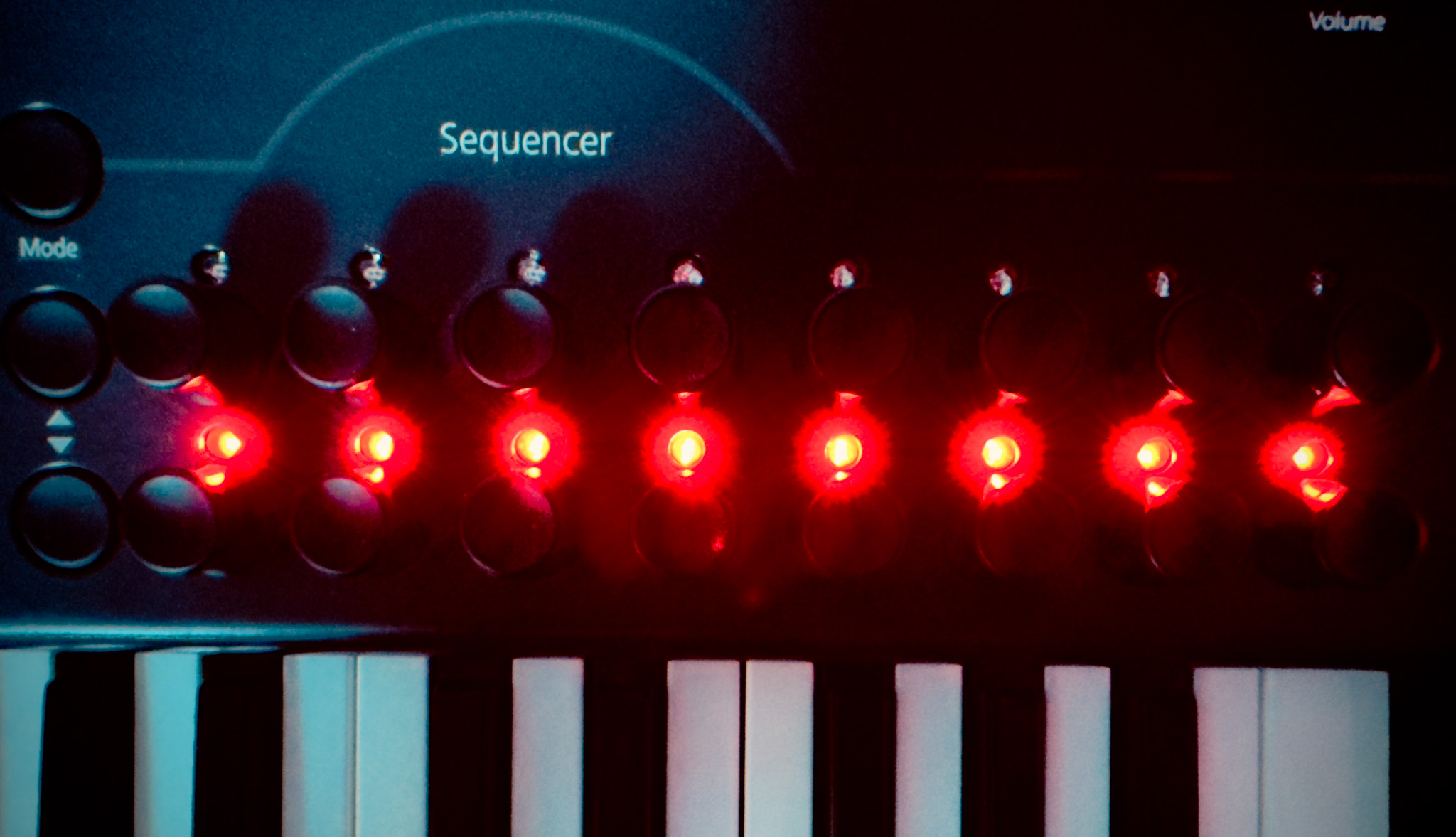
Then you have a great sequencer that can trigger notes or modulate almost any parameter with the “Animator” feature. It does have a bit of a wonky menu, that sometimes freezes on a knob turn. I wish I could update the processor to eliminate some of those glitches and give it an OLED touch screen to improve the navigation but nothing’s perfect.
The designer George Hearn moved on from Modal to found a company called UDO. In late 2020, he released the Super 6 binaural synth. It’s a really cool 12 voice polyphonic synth with high resolution digital oscillators. I’m looking forward to diving deep into it this coming year.
3. What setup do you bring on holiday or tour or commute etc.?
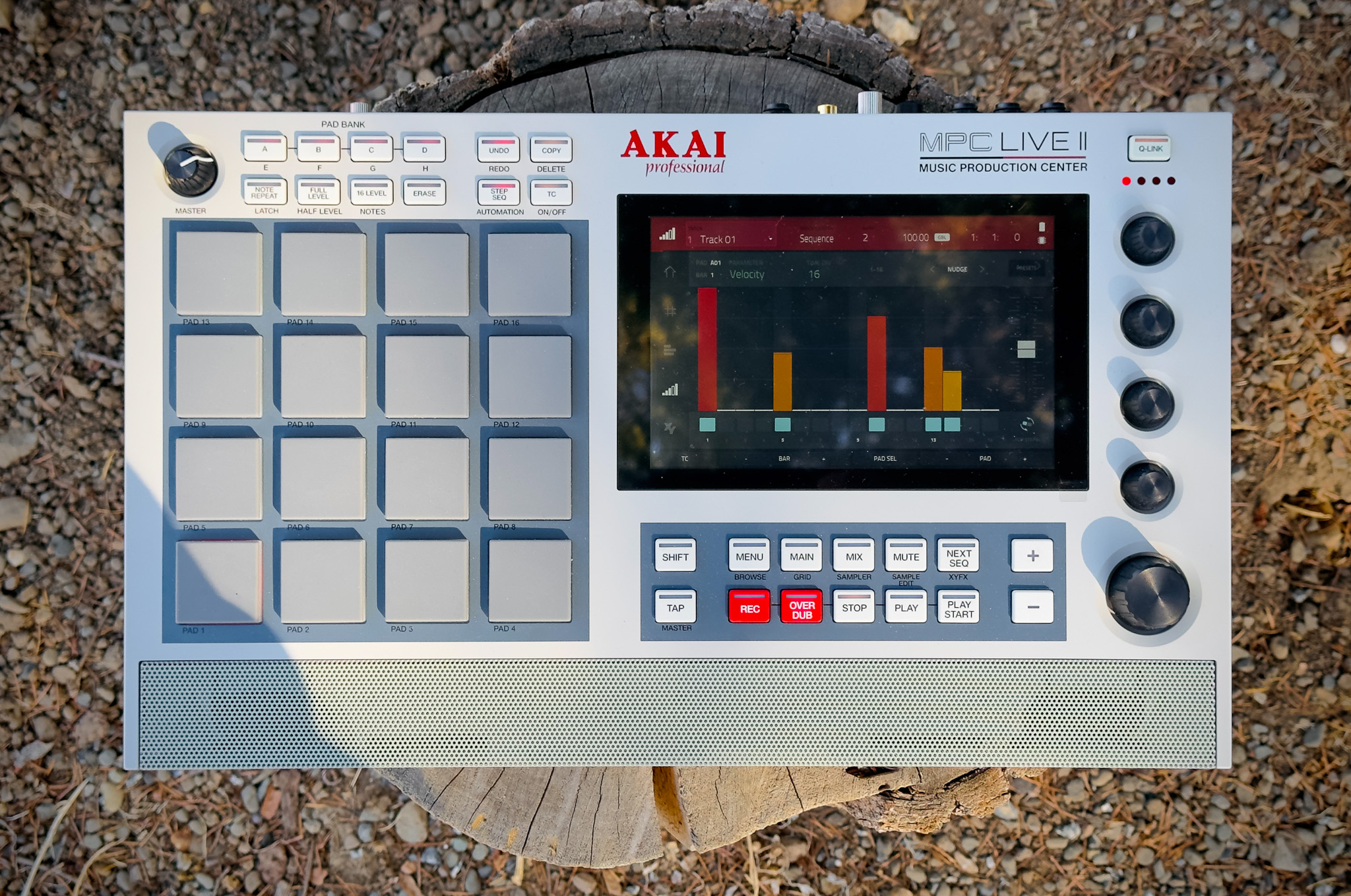
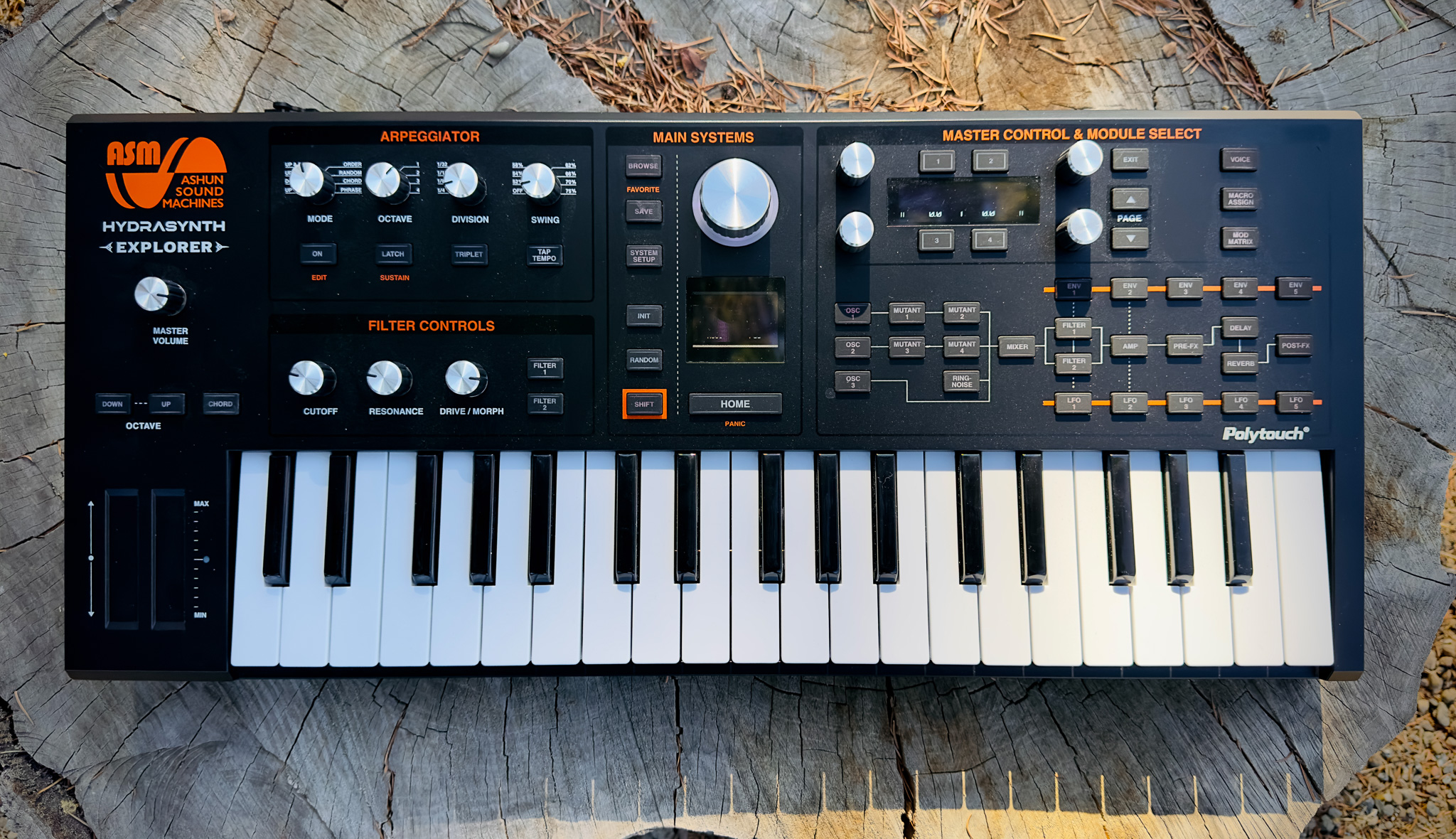
I have a retro MPC Live 2 that is pretty cool because it has a sound bar, is rechargeable and you can produce full tracks on it with some diligence and patience. You can load it up with a ton of samples. It can even be upgraded with an internal SSD drive. I recently got an ASM Hydrasynth Explorer that can take batteries. I think I might bring it next time I travel.
4. What software do you wish was hardware and vice versa?
I wish there was a hardware version of Absynth. It was one of the most unique sounding synths I’ve ever heard. Sadly, it was announced a few months ago that Native Instruments was going to discontinue its inclusion in their collection.
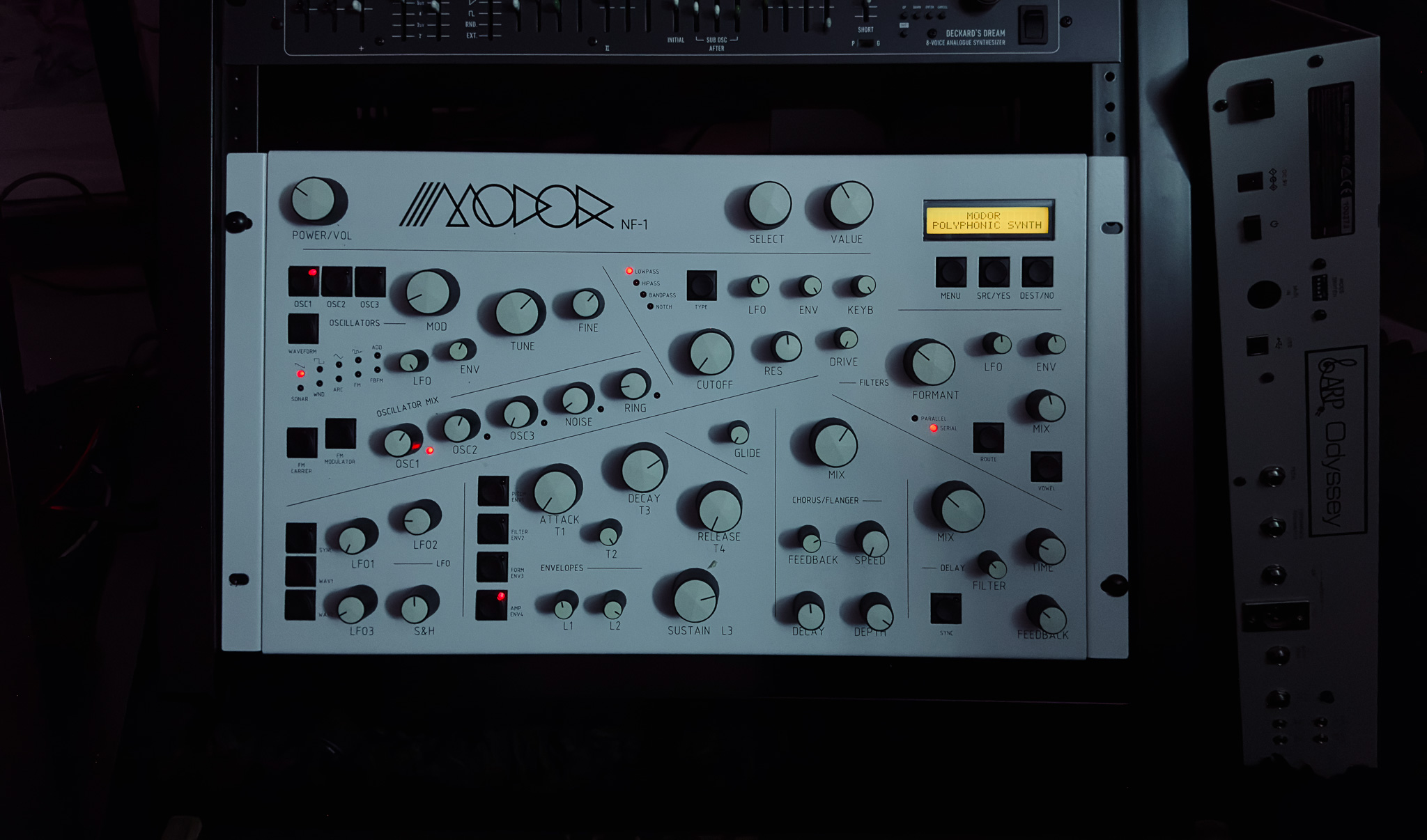
I think it would be cool to get a software version of the underrated Modor NF-1, since it is all digital and there are ten different forms of synthesis. There are a ton of physical controls but due to its complexity, there’s still a lot under the hood that you have to dive into the menu to find such as the FM operators or formant features.
5. Is there anything you regret selling… or regret buying?
I regret selling my big yellow Waldorf Q. I was broke in Hollywood during the actors and writers strikes of 2006. I was a freelance sound editor and had just left the studio I was working at after I had worked on a big feature film called Pathfinder for 20th Century Fox. The strike went on for a long time and eventually I had to let go of one of my first synths. I’ve since owned and sold the Waldorf Microwave XT, original Pulse rack and 2 Pole Filter Pedal.
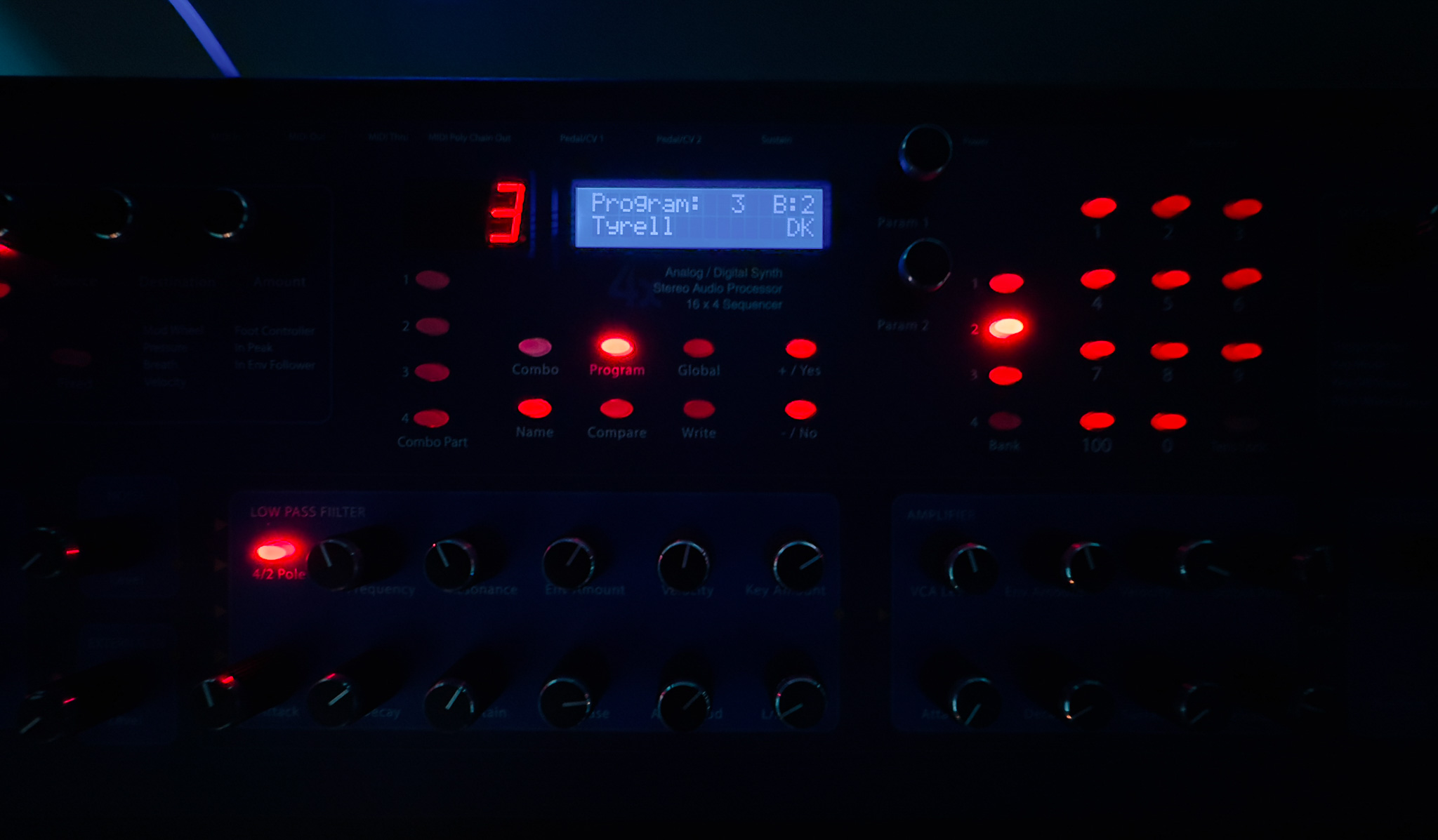
Conversely, I haven’t been as into the Waldorf Quantum. On paper and visually it looked like most amazing synth ever. But it sounds kind of sterile to me, even with the analog filter. I have a friend who likes the Iridium for its sample playback capabilities, but I generally prefer VCO’s and non-sampled realtime sound sources. I get more of my style of sounds out of synths such as the Moog Matriarch or Cwejman S1 MK2. So I may be limiting myself from the Quantum’s best features. I’ve heard other people get cool results from it. I think I would get more out of the PPG Wave tribute from Groove Synthesis, the Third Wave.
6. What gear has inspired you to produce the most music?
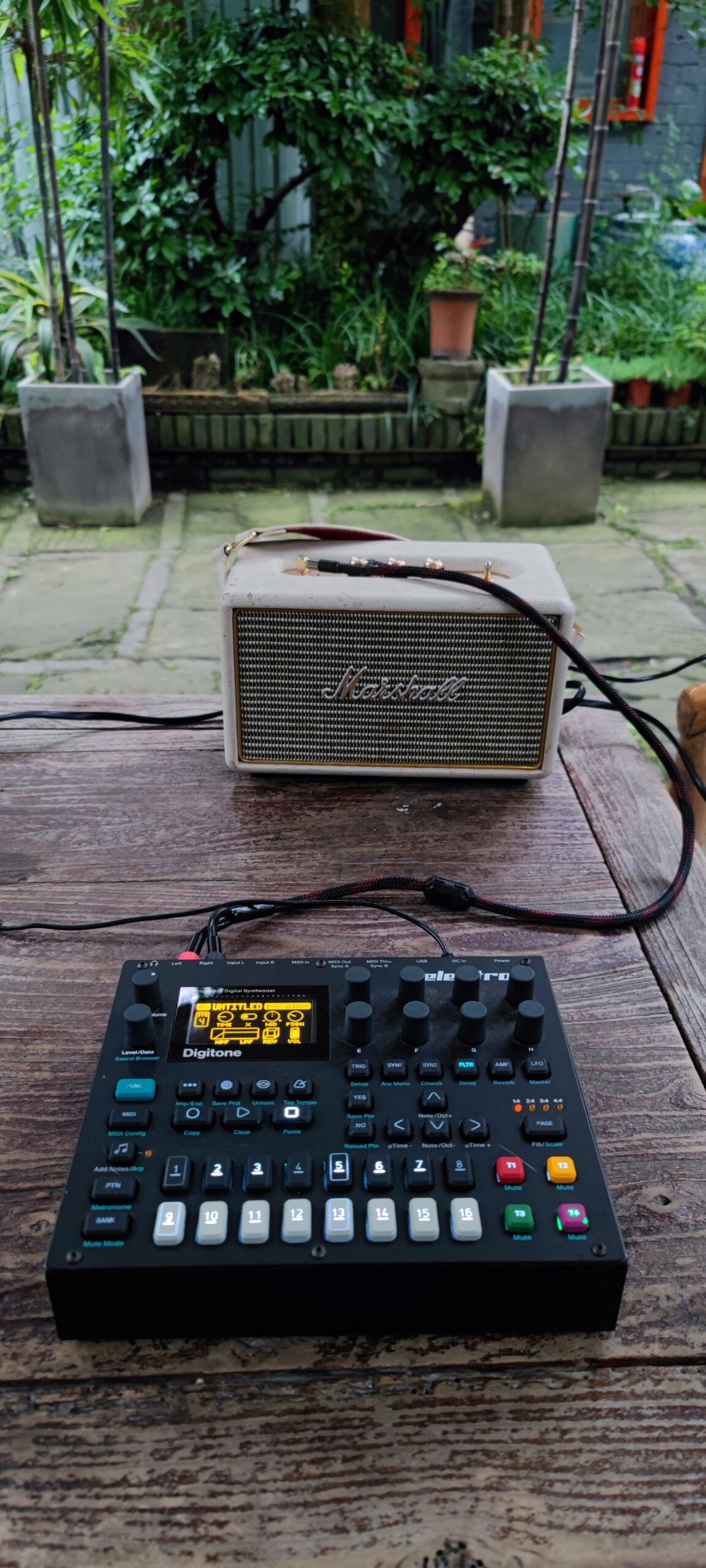
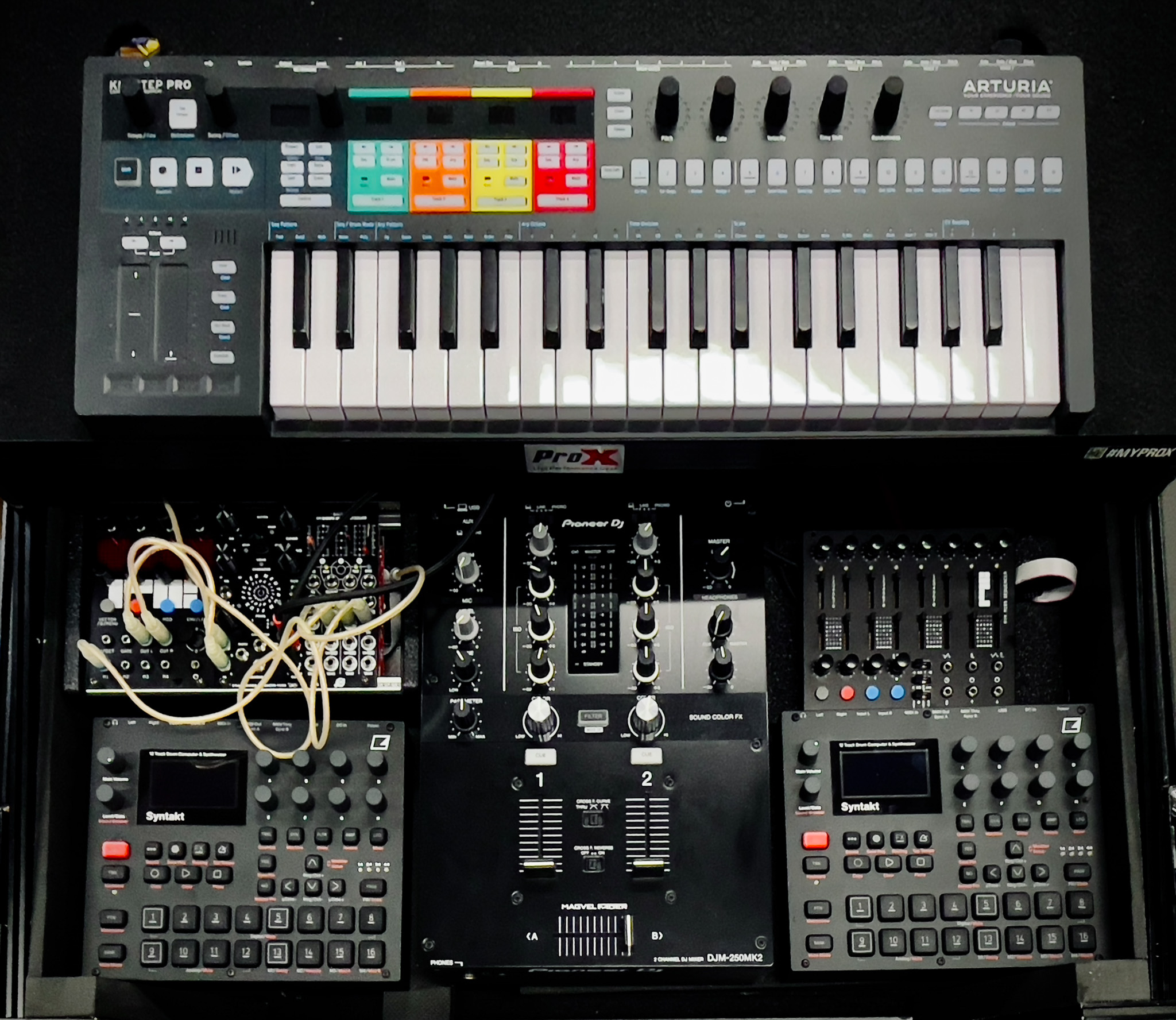
Lately, I’ve been really into the Elektron Syntakt. You’ve got 8 digital and 4 analog tracks. Each track can be configured to a different “machine” that is synthesized around conventions such as bass drums, snares, hats, claps, etc. On the synth side, you’ve got an 8-bit SID type of machine, chord generator that can be quantized to different scales, then an analog two oscillator synth. Unfortunately it’s monophonic, but I hope that it gets firmware to allow the combining of tracks allow for 2 to 4 voice polyphony at some point soon. It certainly has the capability with 12 tracks.
Being confined to a set of 8 unique parameters for each synth or percussion machine did a couple things for me: first, it forced me to fully utilize each machine’s sound design capabilities. Since you can quickly settle on a sound relatively quickly with the limitations, you can focus on the writing of notes and beats. The second thing it did was the polar opposite; the limitations drove me to find external/outboard solutions such as polyphonic sound sources that could be sequenced from the Syntakt’s external MIDI machine. The first candidate was an Erica Synths 42hp Pico case. I put a Supercritical Demon Oscillator and Expander with a Pittsburgh Local Florist and a Supercritical Neutron Flux stereo filter in there. So that skiff essentially became the 8th track on my Syntakt.
One of the things that helped me unlock the Syntakt’s capabilities is the Arturia Keystep 37. The Keystep has a great feature which is that you can hold the function button then instantly change the MIDI channel from the keyboard. So you can jump back and forth between tracks in your sequence while you’re writing melodies and parts. You can quantize your notes as they are being played in.
7. If you had to start over, what would you get first?
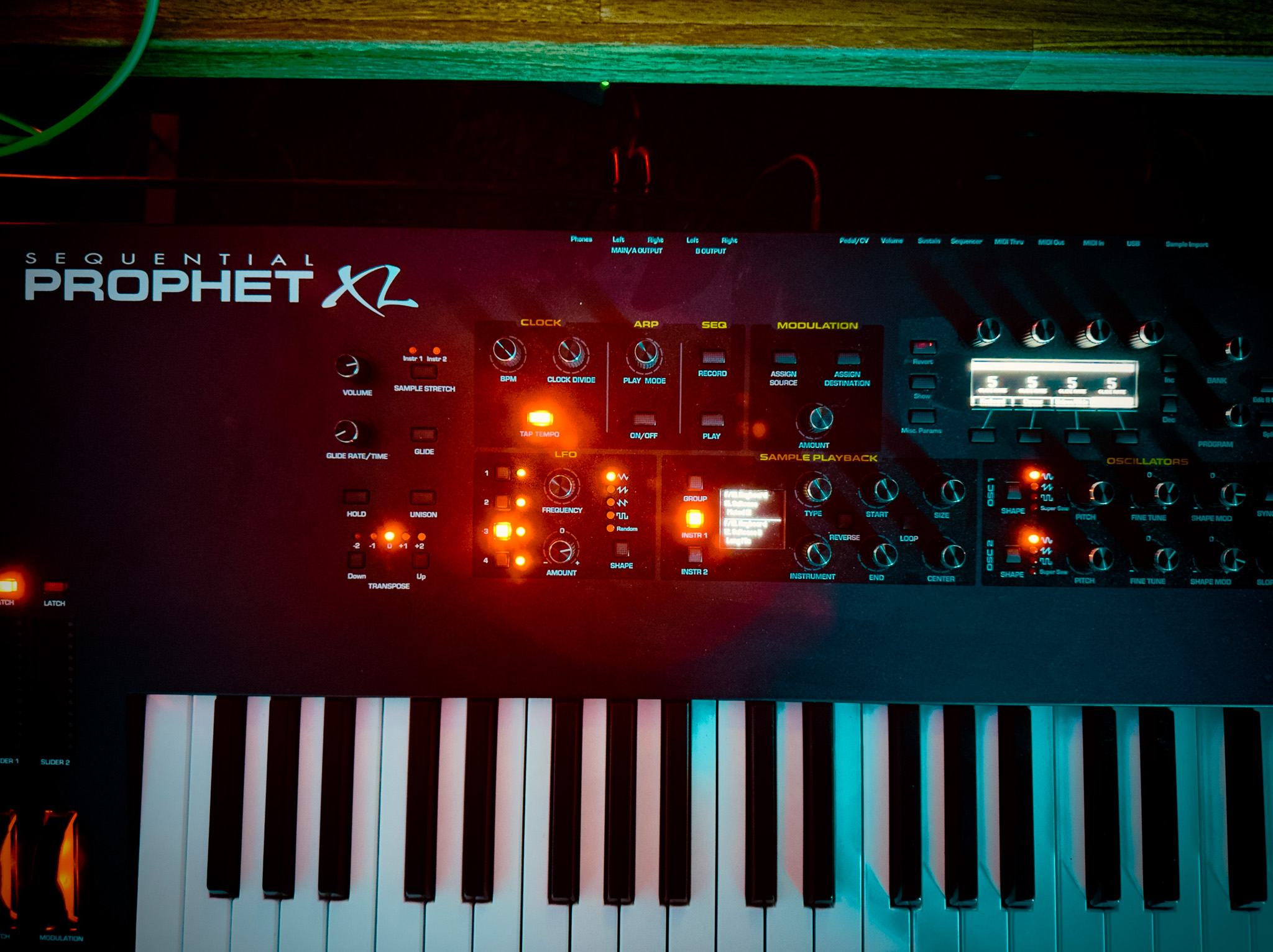
With my existing knowledge and experience? Maybe a Sequential Prophet XL. It covers a lot of different sounds between the virtual analog waveforms and sample oscillators. If I was starting out, I’d probably get a Juno 106, which was actually the 3rd or 4th synth I first bought.
8. What’s the most annoying piece of gear you have, that you just can’t live without?
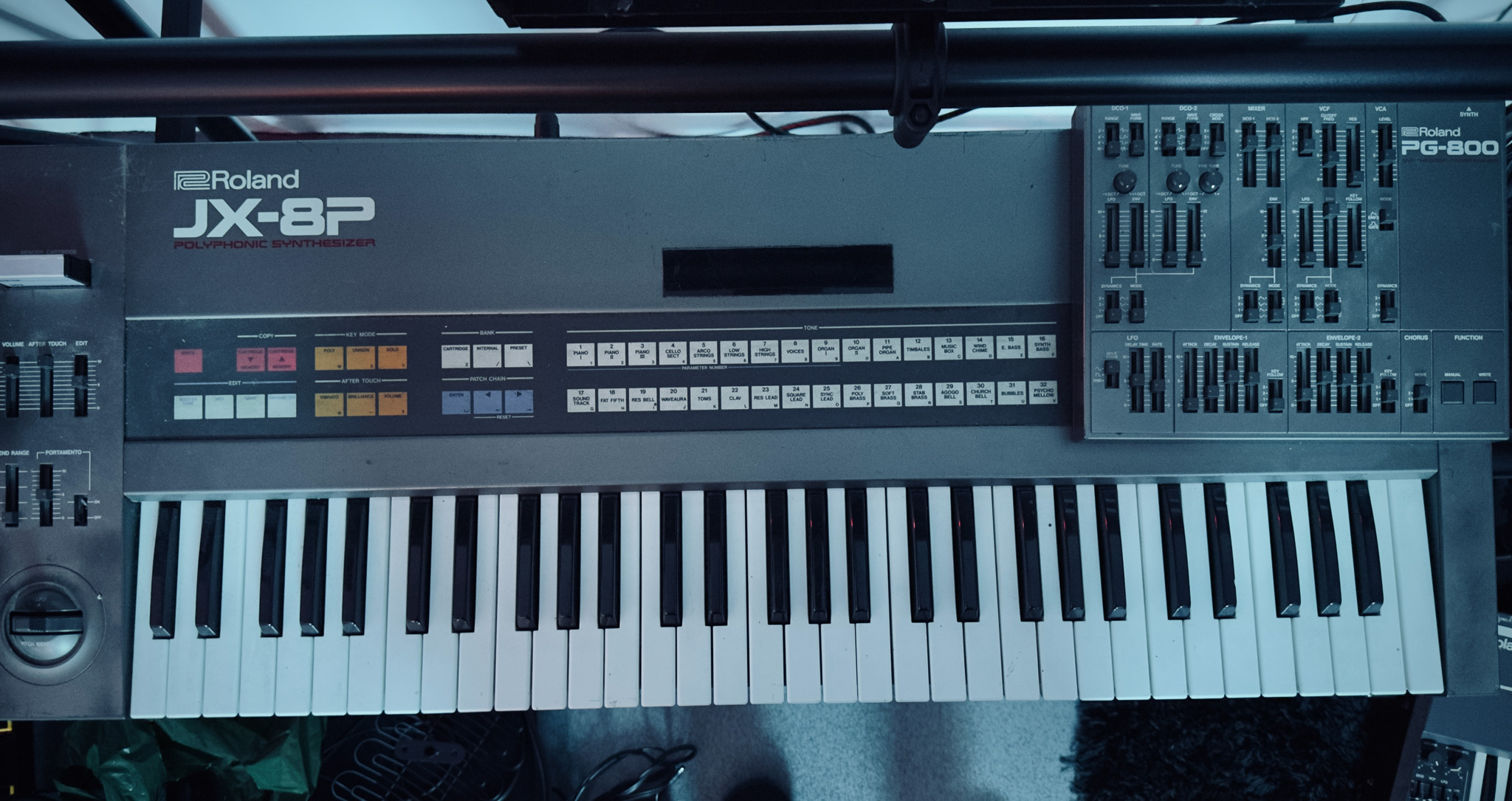
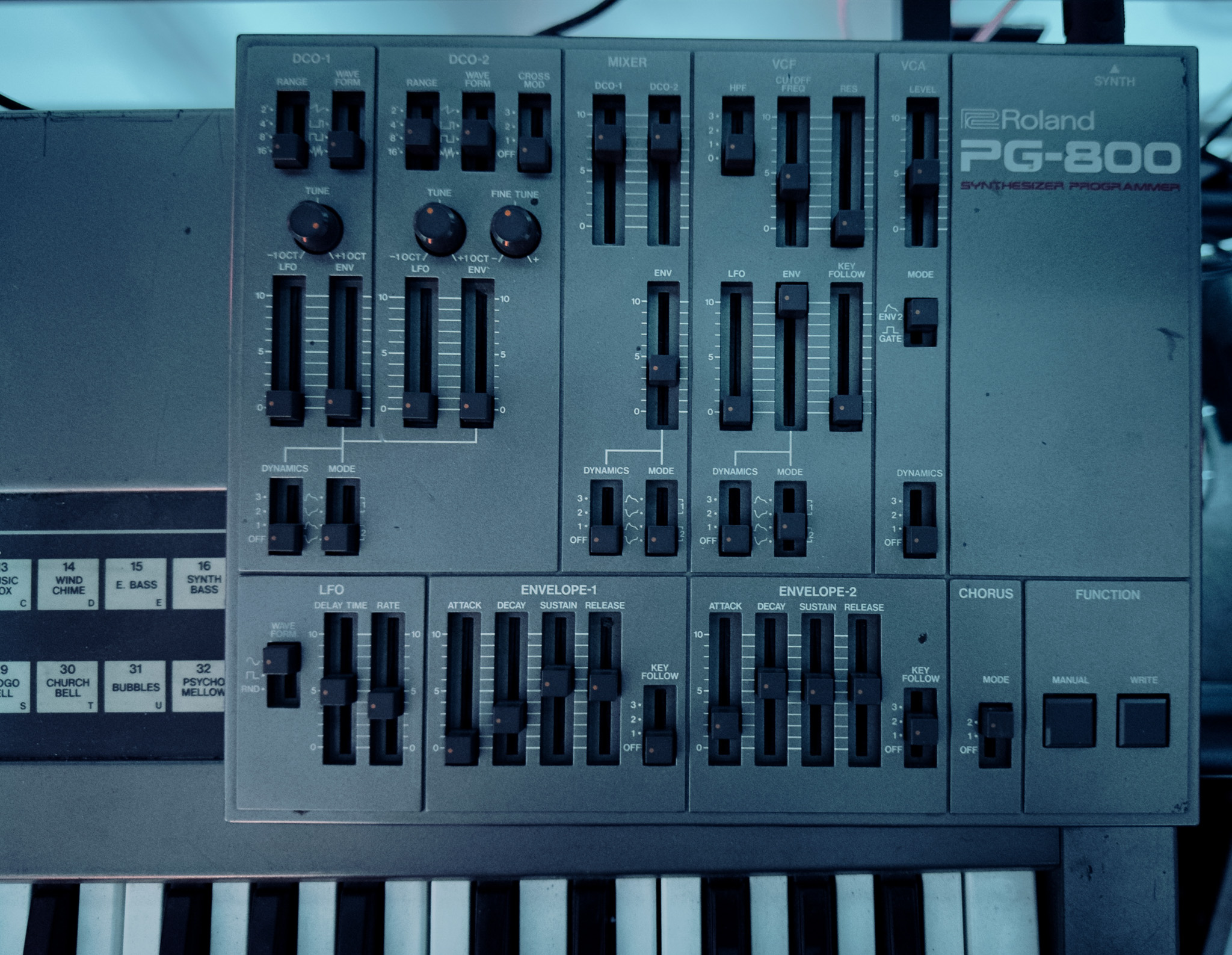
The Roland JX-8P. Big heavy with plywood bottom and plastic ends that have fading metallic paint. Membrane buttons as frustrating as the DX-7. But the pads out of that thing sound beautiful. I was able to get a PG-800 programmer for it, which made it much more useable. The JX-10 is basically two 8P’s and is somewhat strange to program even with a PG-800 since it has two halves. The JX-10 was used by the composer Angelo Badalamenti for the iconic theme song for David Lynch’s Twin Peaks, which was later sampled by Moby for the house track “Go”. I can’t seem to bring myself to sell it, but it’s so bulky that it’s usually sitting upright until I need it for its lush pads.
9. Most surprising tip or trick or technique that you’ve discovered about a bit of kit?
Probably the strangest feature I’ve encountered is the countdown menu in the Modor NF-1. You have to make your selection before it finishes counting down, otherwise it exits on its own.
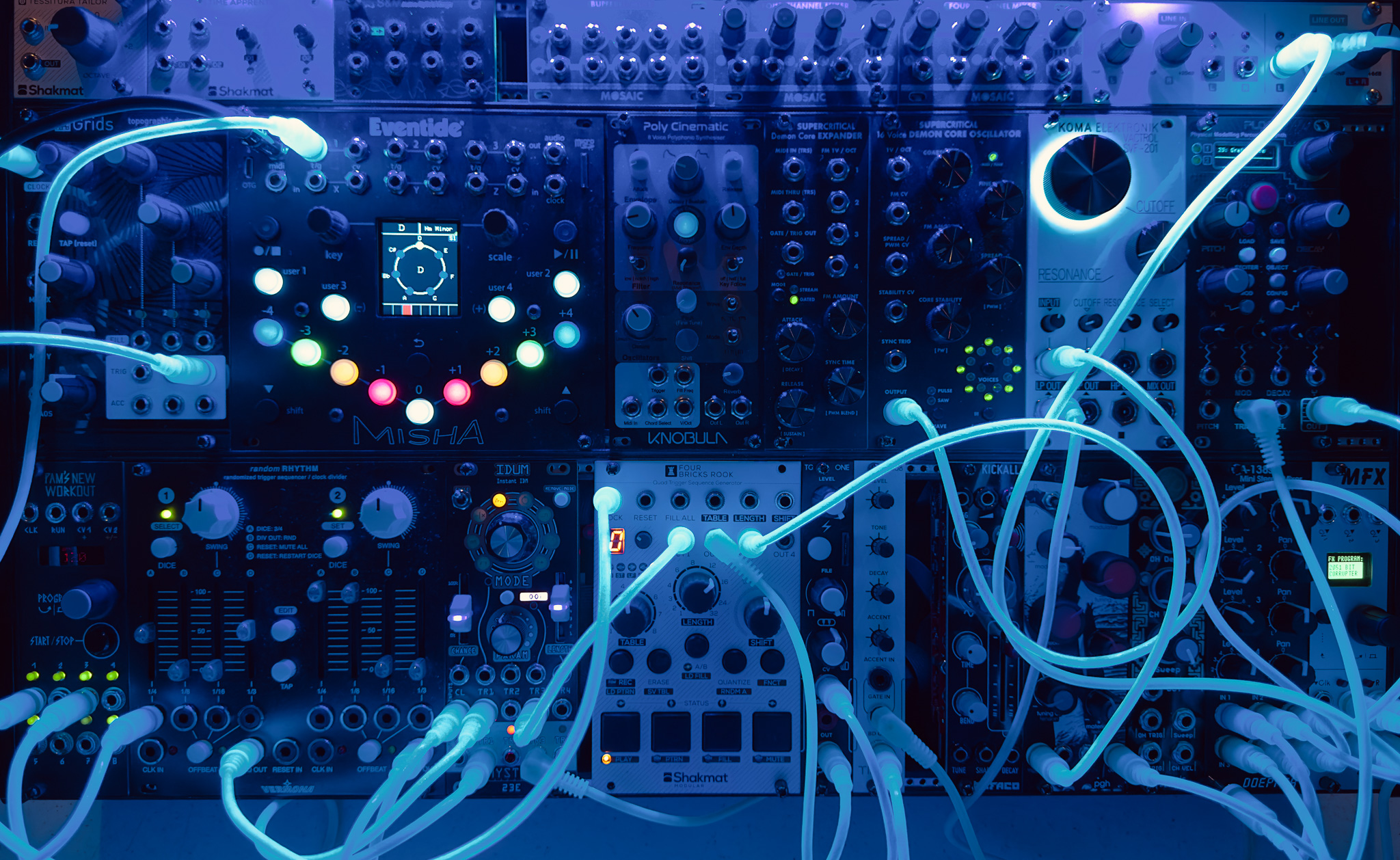
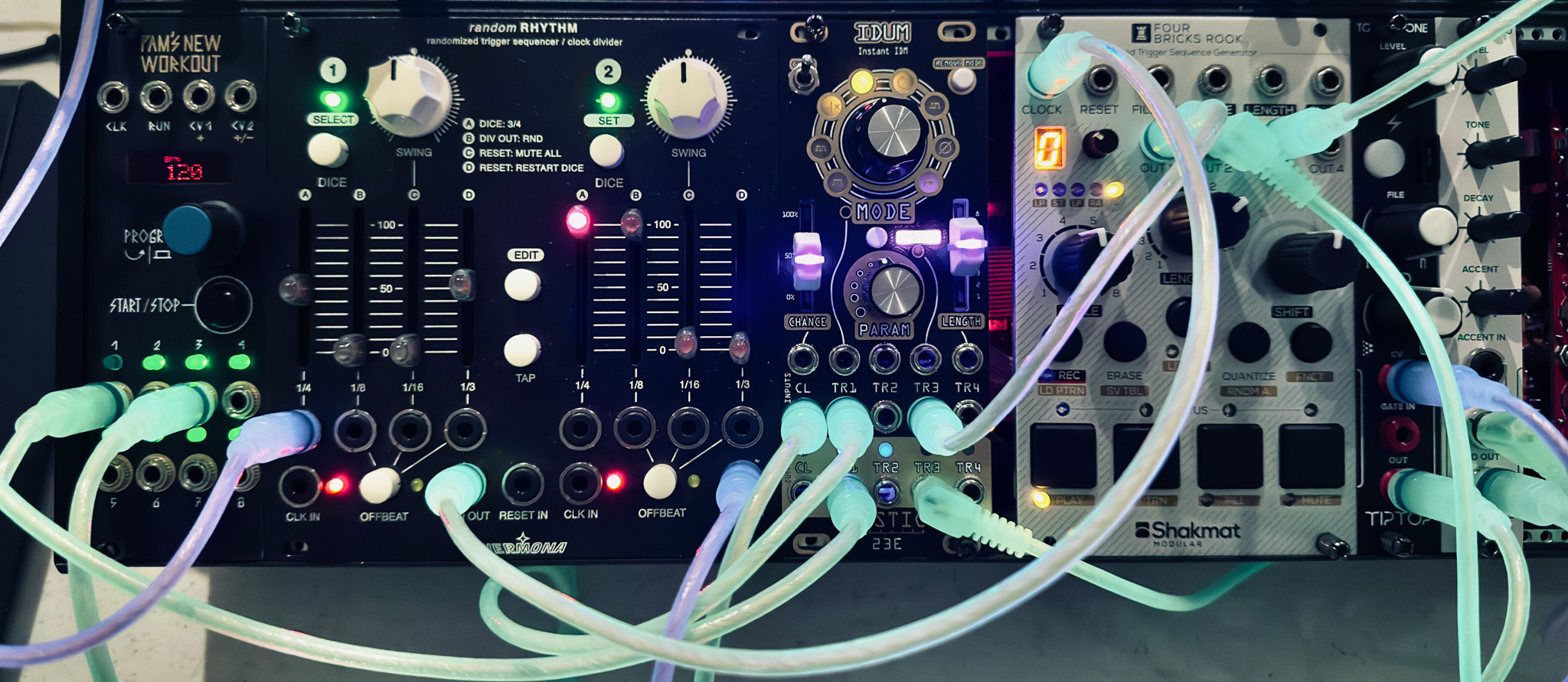
Technique-wise, one of the coolest things about modular synths is the ability to chain multiple clock and rhythm modules. For instance, I might use the ALM Pamela’s Workout as an initial tempo generator into Vermona Random Rhythm to create a bunch of multiplied clock signals in different clock divisions. From there it may go into Mutable Instruments Grids or the more recent Mystic Circuits IDUM module. Then finally with the 3rd layer, I’ll patch into the actual sequencer be it WMD Metron or Shakmat’s Four Bricks Rook. My goal is to create rhythmic variations for the sequence that can be globally affected with a relatively simple knob or fader movement, which is ideal for live performances. Trying to achieve some randomness but still enough control to make it sound musical. That’s generally where I like to reside.
Artist or Band name?
It was Psinex, then Distco, Distortion Corporation, now DSKO. My actual company is named Distortion Productions from when I worked full time as a freelance sound editor on films and directed concert and music videos for various local LA electronic music producers, classical Indian musicians and the “Inside” video for Detroit’s ADULT.
Genre?
All over the place: electro, Italo disco, synth wave, techno, dub, electroclash, trip hop, ambient. I try not to think too consciously about genre when I’m writing something.
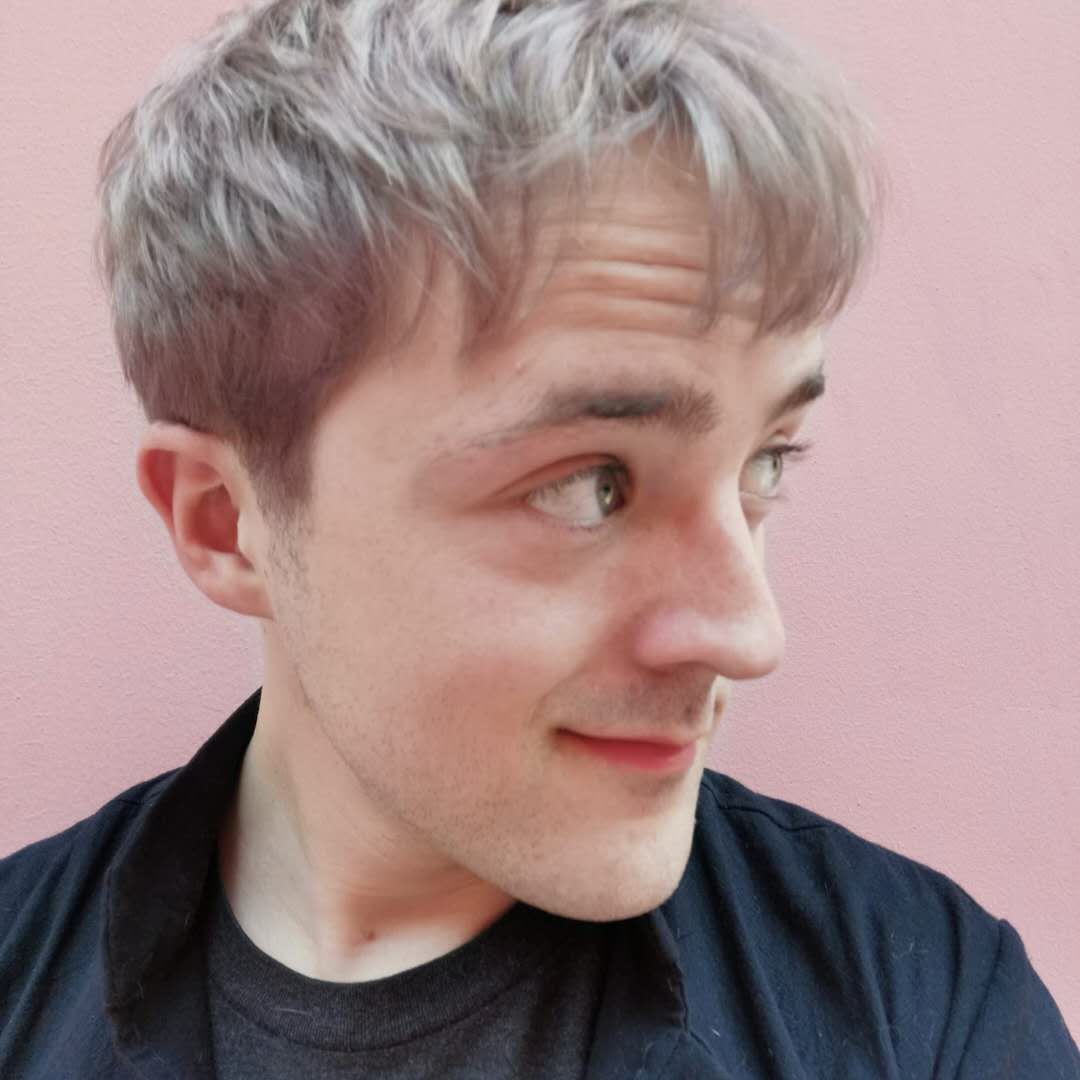
Selfie?
Where are you from?
Was born in Palo Alto and raised in Santa Rosa, Northern California. Have lived in Las Vegas, Hollywood/LA and Seoul, Korea. Now I’m back near where I was born, in Santa Clara and San Jose.
How did you get into music?
I started out as a cellist in the high school orchestra. I took lessons from Corinne Antipa, a cellist in the local Santa Rosa Symphony.
Music-wise I was a big Front 242 and Depeche Mode fan as a kid. I actually just saw Front 242’s final performance at the DNA Lounge in San Francisco recently. It was great show and an emotional moment for them saying goodbye on stage. In college, I was a tech house and trance DJ during college in Las Vegas and in LA during the rave scene.
What still drives you to make music?
I’ve always wanted to see electronic musicians and the synthesizer community properly represented from a cultural and artistic standpoint. I’ve been going to shows for many years, but from 2016, I started putting on my own live synth shows in the SF Bay Area, primarily in downtown San Jose in association with the First Friday monthly street fairs organized by Cherri and Brian from Gallery Anno Domini. I built good relationships with synth companies such as Sequential, Make Noise, Folktek as well as some very talented performers from across the country such as Richard Devine, Patrick O’ Brien, Robert Aiki Aubrey Lowe, Lightbath while promoting equally talented locals such as r beny and Haptic Synapses.
My interests tend to pull me towards their origins and pioneers. It was a sort of pilgrimage traveling to the Detroit Movement Festival in 2006 and 2008 and hearing Octave One, Scan 7, Model 500, and many others there. I also had a chance to go to the 2012 Moogfest when it was still in Asheville, North Carolina. It was great to see the Voyagers on the Moog factory line along with the showroom. Those trips were a big inspiration to me as a promoter and artist. I feel like I’ve carried those experiences with me in spirit in all the events that I have held.
How do you most often start a new track?
I used to make a new track every month. Lately, it’s become either a new modular patch video on my Youtube or Instagram. I would definitely like to get back to writing full tracks and albums.
How do you know when a track is finished?
Usually when I can listen to a track repeatedly without getting tired of hearing it. I’d imagine that’s how a sculptor feels by the time they decide when to stop chipping away at the stone. I suppose the difference being that you can’t add back what you remove to a stone. With a track, it’s certainly possible to overembellish it with too many elements.
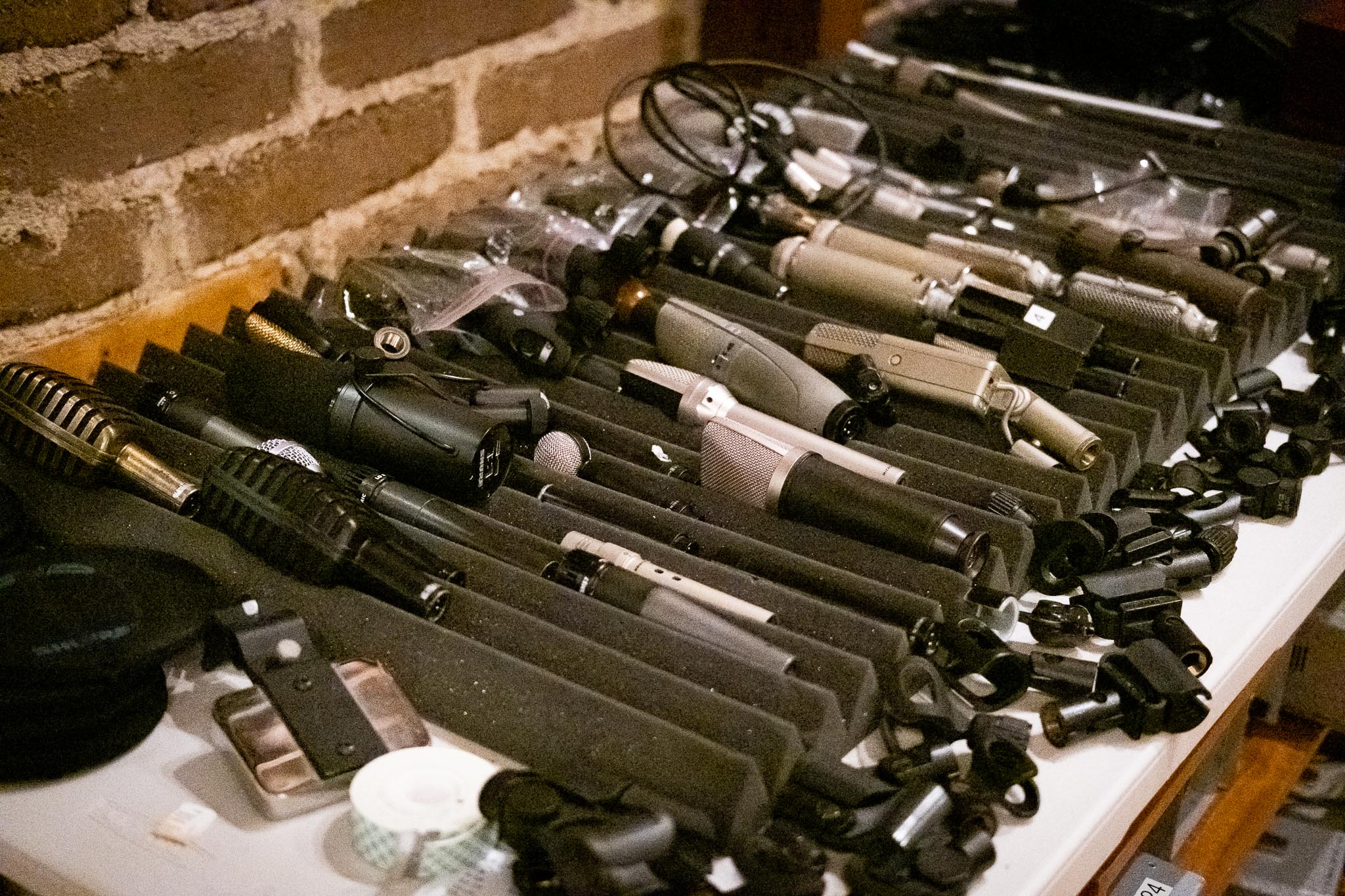
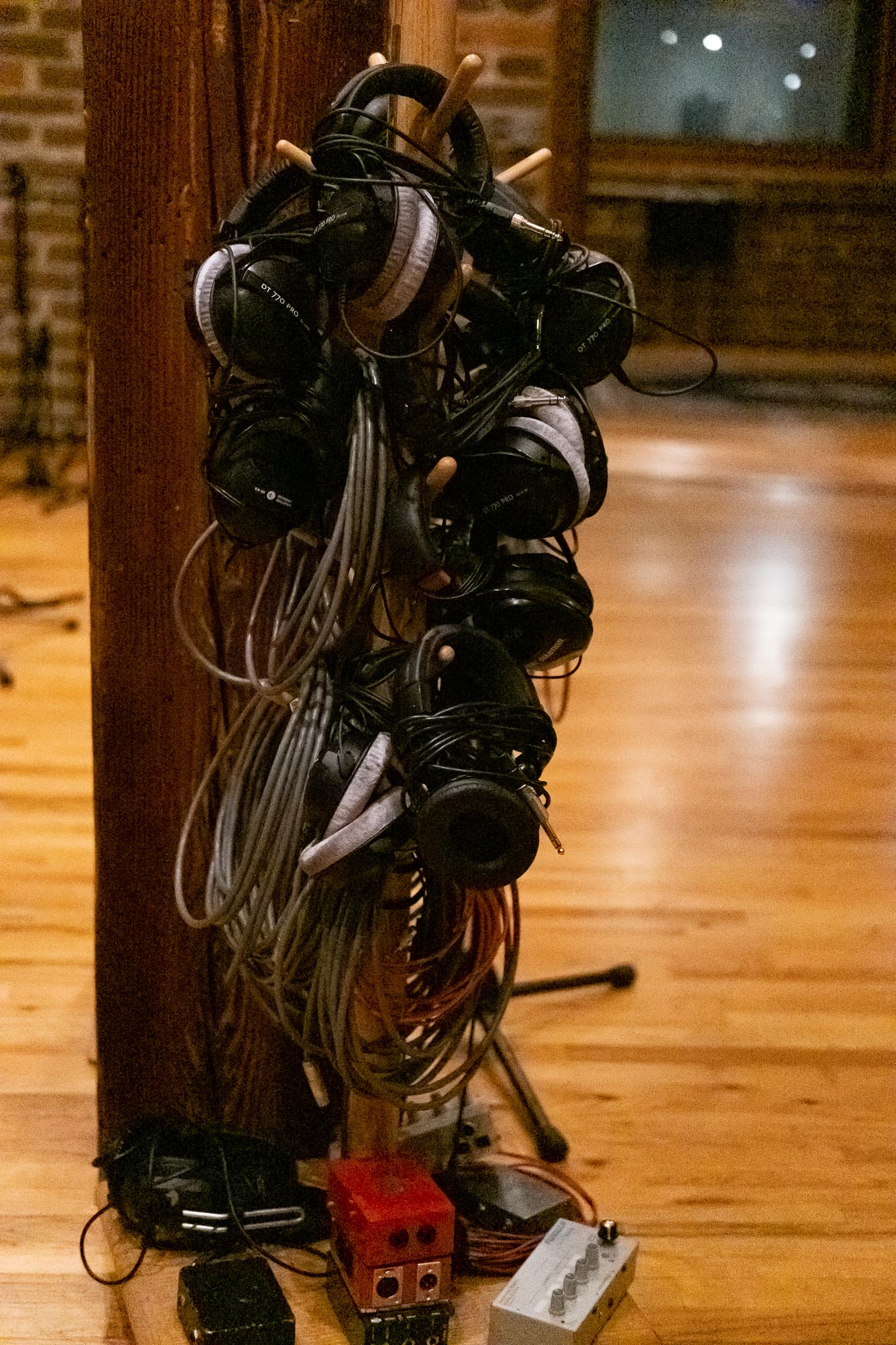
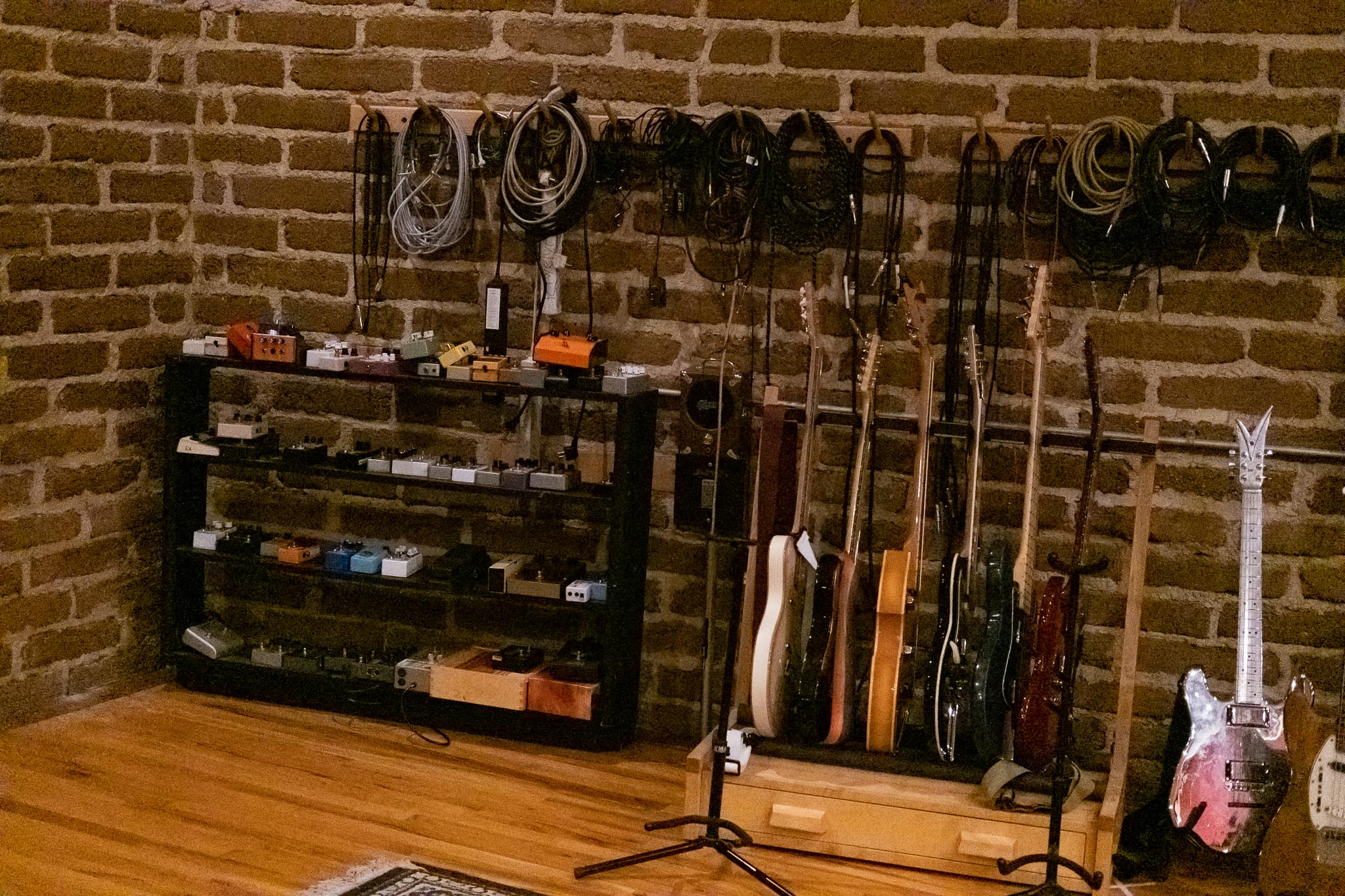
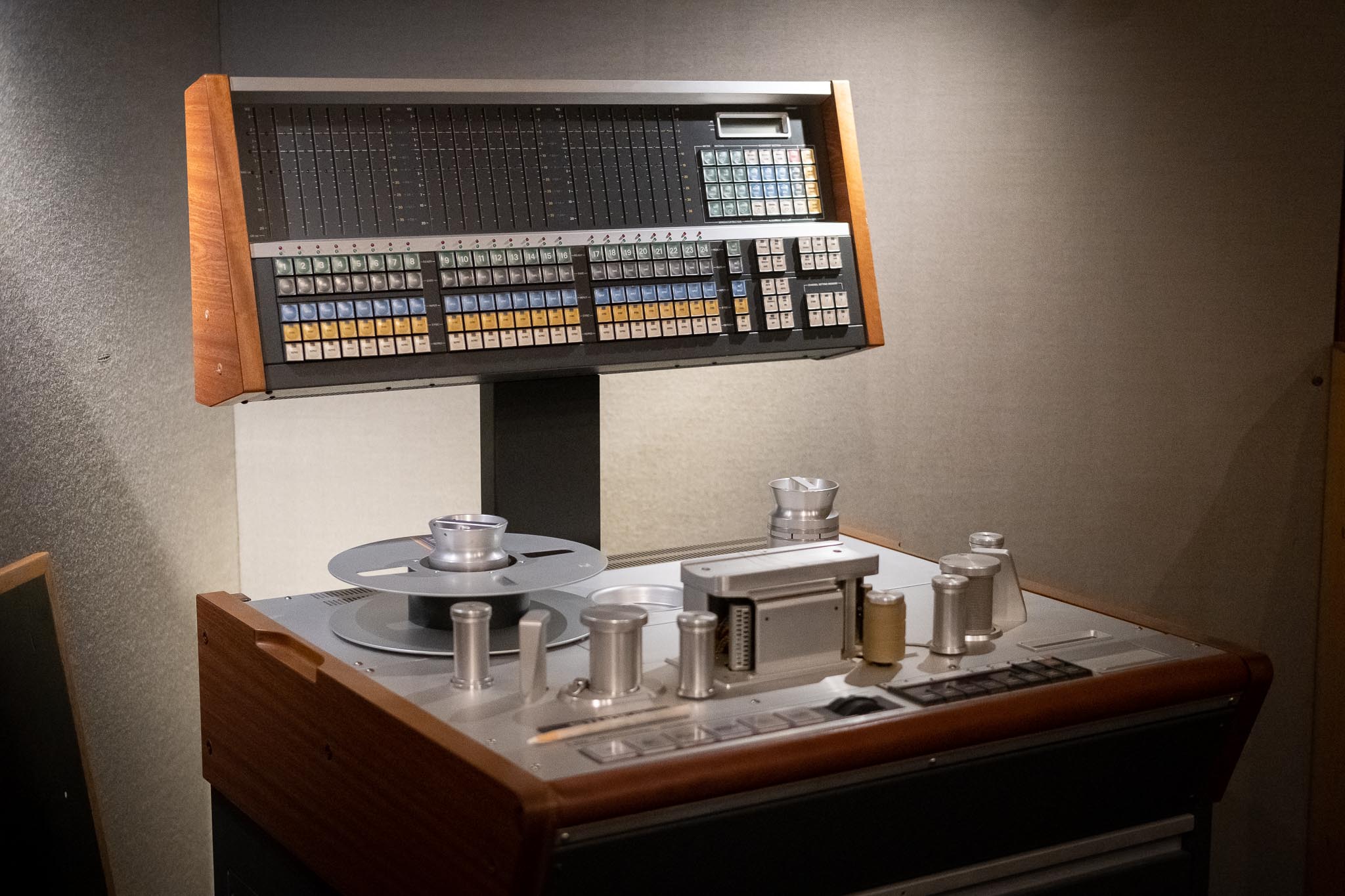
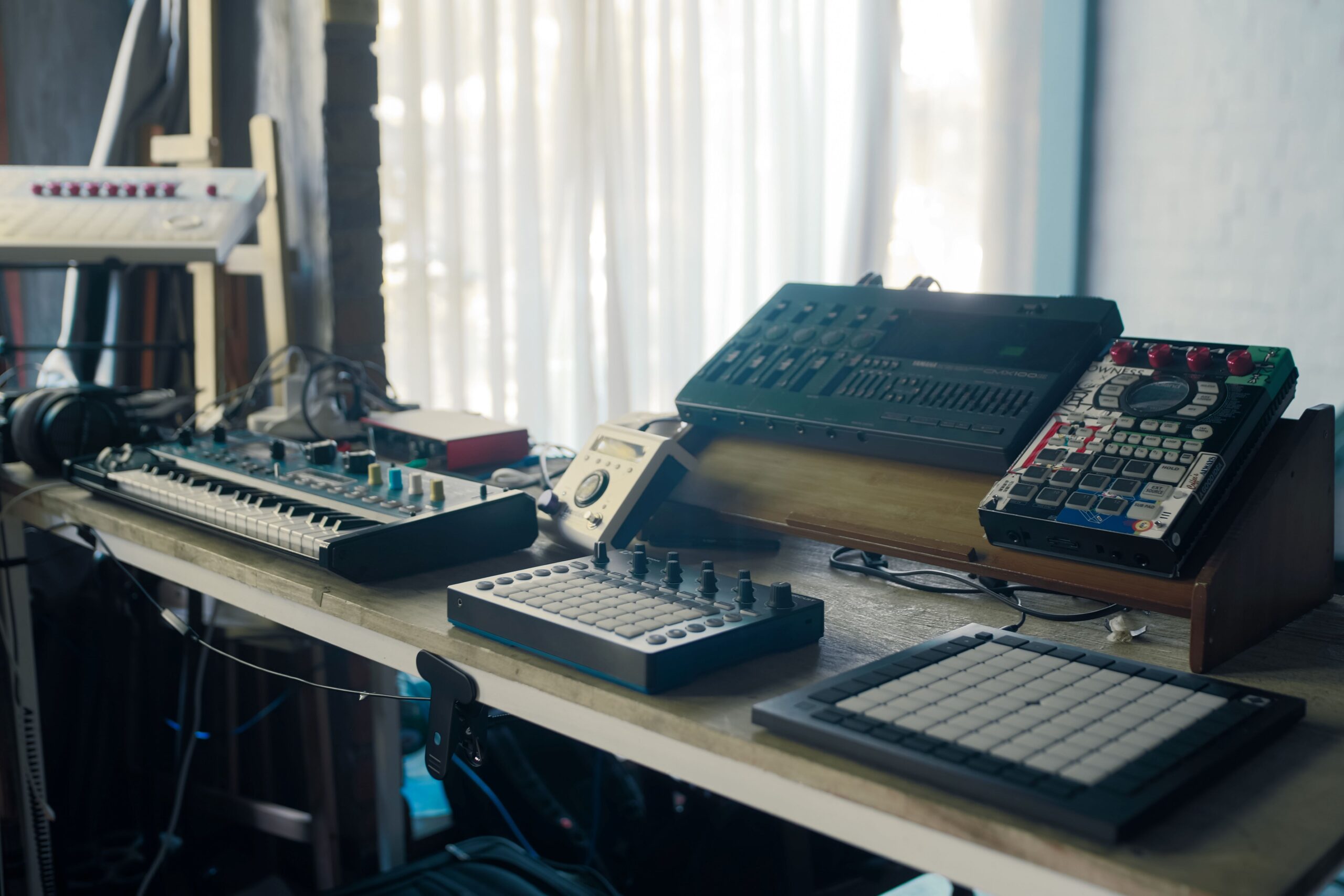
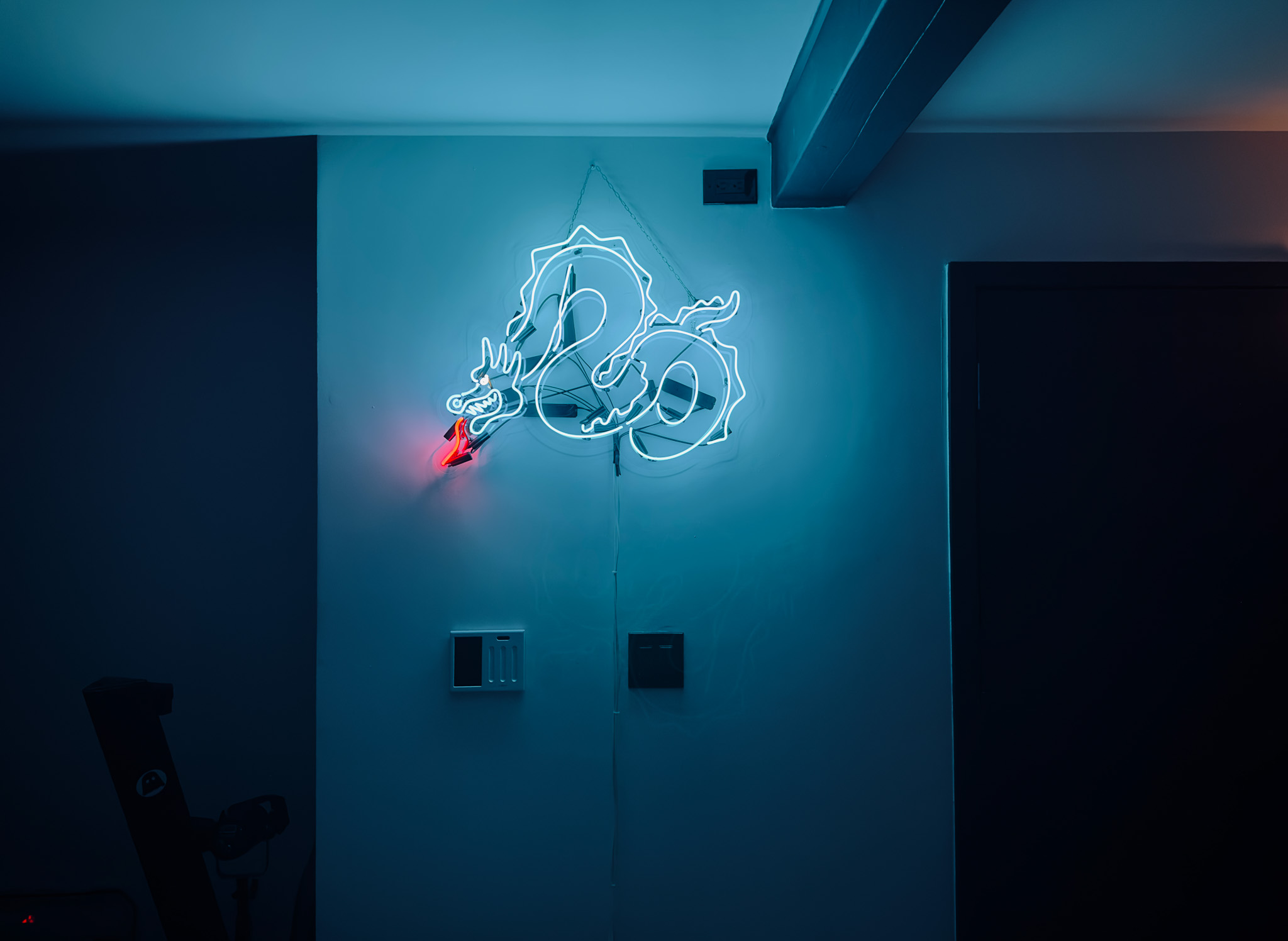
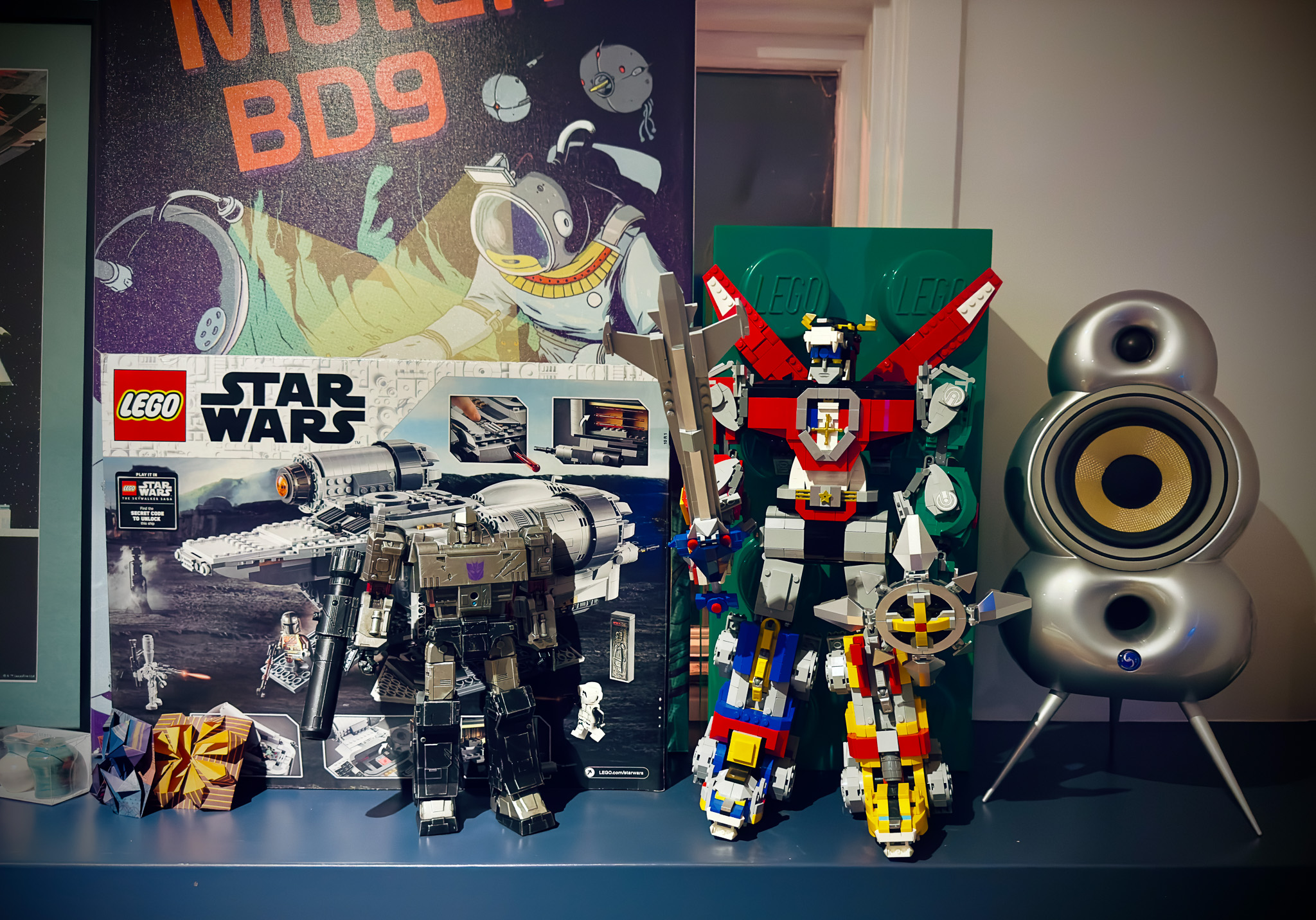
Show us your current studio
Best creative advice that you’ve ever heard?
It’s a fairly common piece of advice, but particularly important for someone as easily distracted as I am. Finish your project and don’t try to make it too perfect. Allow for mistakes and imperfections. The pursuit of perfection can lead to becoming discouraged and eventually abandoning something that might actually be much better than you might think. Like many artists, I tend to be very hard on myself.
Promote your latest thing… Go ahead, throw us a link.
I’ll be performing at SynthPlex in LA/Burbank on the evening of October 29th, 2022. It’s been three years since the last event so I’m really looking forward to it. I’ve got a laser show planned to go with my live synth set.
I’m also putting out the follow-up to the 2019 synth and arts print-only journal called Open Source. It’s taken the better part of 3 years to put it together. One of the most difficult projects I’ve ever worked on because of the ever-increasing scope of it.
It started from around 80 pages and now up to around 130 with original articles, artwork and interviews from artists I admire from around the world such as Robert Henke and Nonotak. By the time the project is finally completed, I think it will be worth the effort. I’m aiming to get it done in time to show at Superbooth next May in Berlin.
[Editor: There are affiliate links to the relevant gear throughout the articles. It helps to support this blog. In fact, should you be needing some patch cables or guitar strings. Then clicking on one of the above links and buying any product that you prefer, will help the blog… doesn’t even have to be the ones in the link. Thx]