1. Favourite knob or fader or switch on a piece of gear and why?
In the spring, I sold almost all of my pedals (channel switch, looper, EQ, some other things) so that I could first buy a 12-string guitar, but also because I decided to lean in to having a very minimal, nearly no-pedal setup. I used to use a compressor and an EQ on my guitar, but now I plug it straight into the amp. I remember seeing Fugazi play many years ago, and got my mind blown by seeing they played their guitars straight into the amp. This has a hands-on, active element to shaping sound that I find compelling.
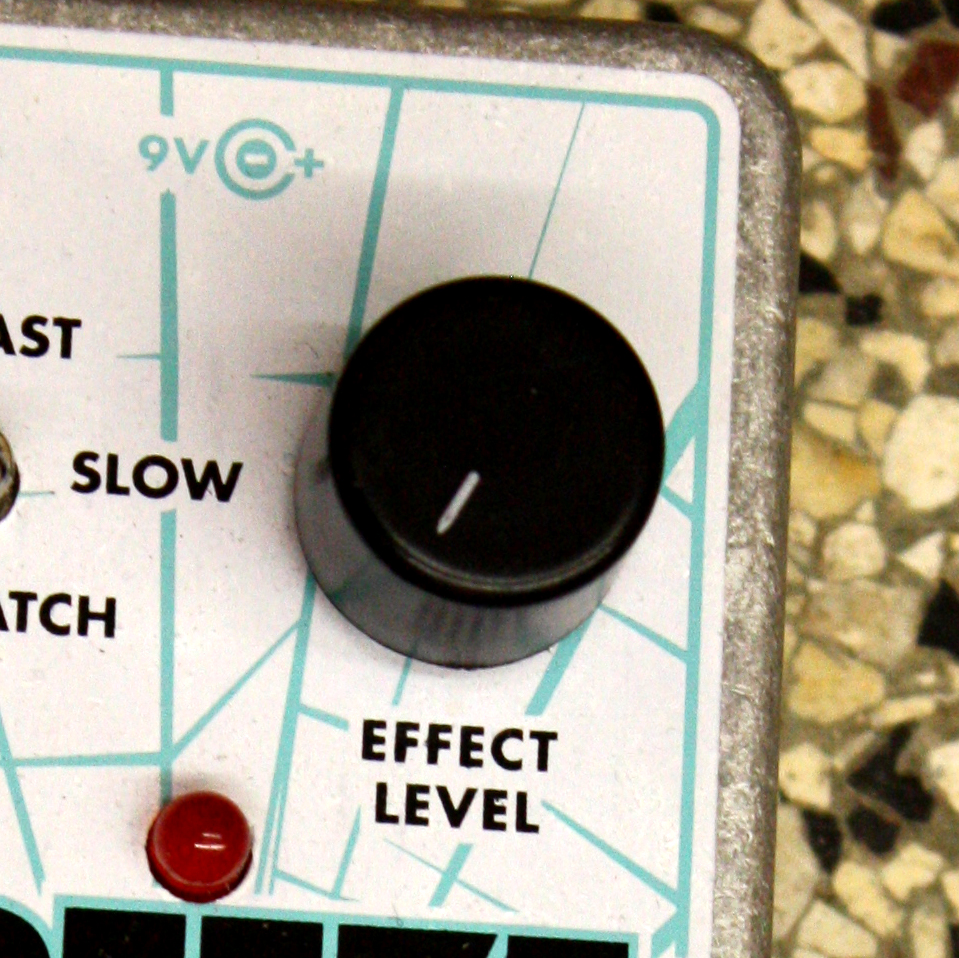
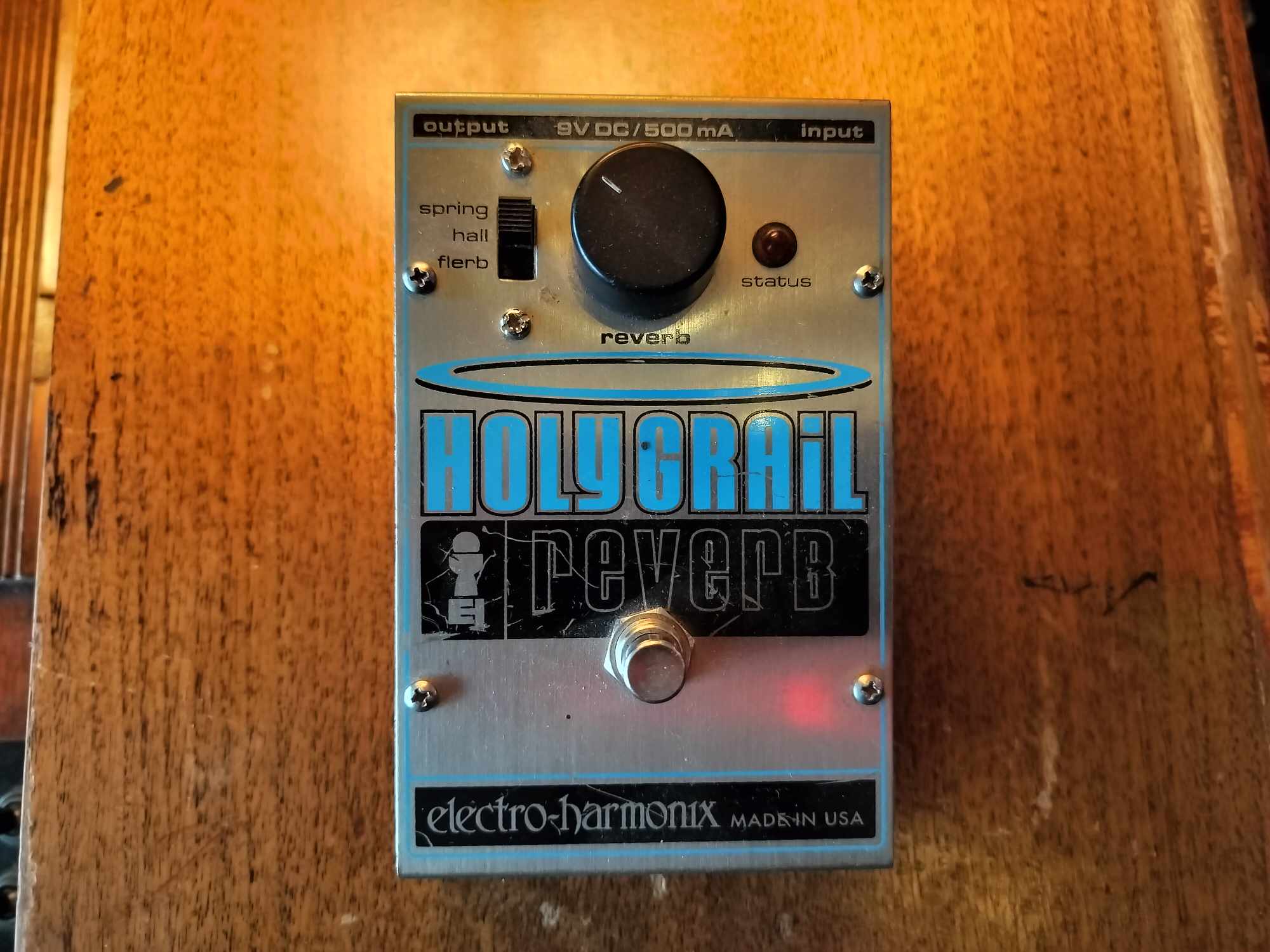
However, I still use one pedal: a Freeze pedal by Electro-Harmonix. I send my zither through this pedal, and use it to occasionally freeze chords on the zither, turning them into drones. Because there are several strings being struck, the captured tone is quite dense harmonically, so the pedal “struggles” a bit, creating a beautiful-sounding but slightly varied, unstable drone. I use this playing live, and particularly when I’m playing solo, it’s an important extra sound in parts of the set. So my favorite knob is simply the fader knob on that pedal, which I keep up next to the zither, since I need to manually fade in and out while continuing to play. The fader is very sensitive so it allows me to do this in a very fluid way.
2. Do you have an ‘almost’ perfect bit of kit? What would you change?
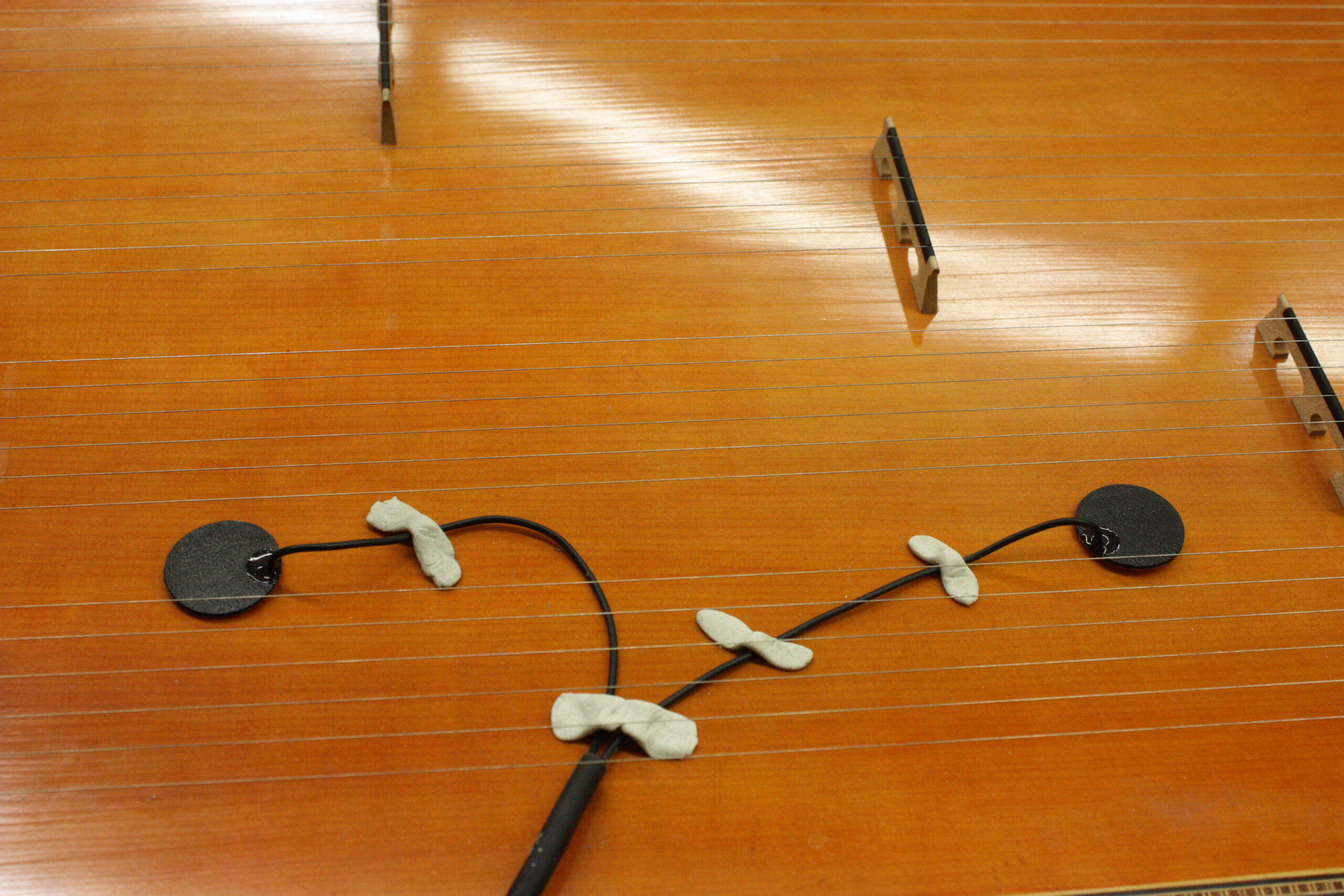
Since my zither is self-built, working on finding an amplification solution took a lot of trial and error, mixing different piezo and mic setups. Some were very prone to feedback, and others created a very boomy sound. I finally found a great double-piezo and pre-amp setup made by the Oregon-based company K&K Sound. They produce a piezo mic for banjo, which has twin piezo heads wired in to one plug. So this allows me to cover more surface area of the instrument, thereby picking up a wider variety of sound.
If I could improve it, it would be to include a little instrument mic, perhaps inside the instrument.
3. What setup do you bring on holiday or tour or commute etc.?
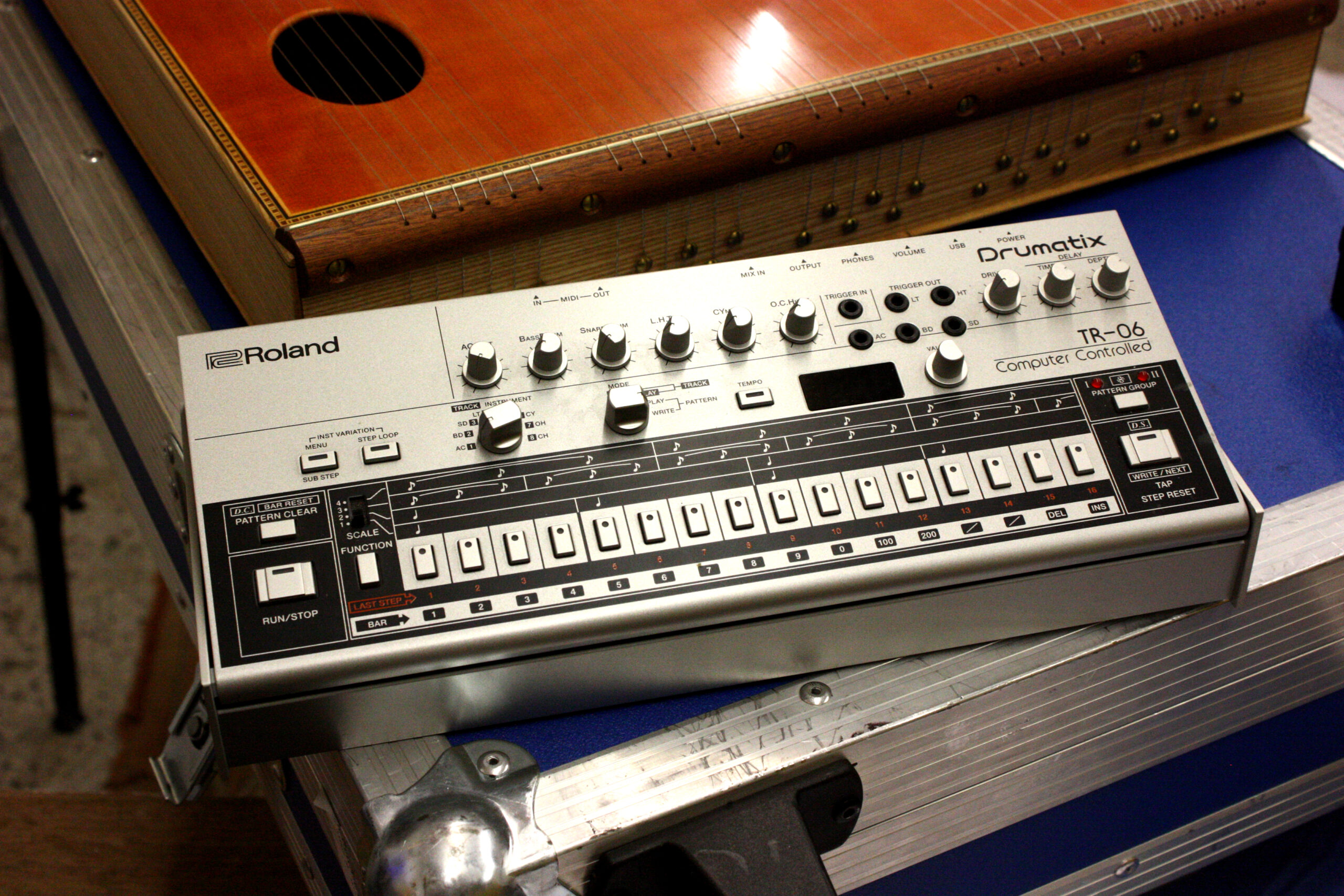
On tour, I’m usually bringing two main instruments (guitar and zither), which is already pushing it, gear-wise, so I try to bring as little extra as possible. I usually bring the Freeze pedal, and then a small wind, either the clarinet if I have space, or an alto recorder. Often if I’m spending some days on holiday and I want to work on music, I’ll bring my Roland TR-06 drum machine – it allows me to work on ideas, even make demo recordings that have a little more “band” feel.
4. What software do you wish was hardware and vice versa?
I loved recording on four-track tape machine when I was younger, for its hands-on feel and ability to create a sense of magic in the process, and also because it had a lot of limitations which could be creatively stimulating. If I could get my wish, it would be to somehow combine the workflow of Protools with the hands-on, low-fi feeling of a Tascam tape machine.
5. Is there anything you regret selling… or regret buying?
In the last 10 years, I think I bought 2 (or possibly 3) looper pedals, only to realize that I didn’t want to use them, and sold them again. I’ve now fully leaned in to playing direct and using no loopers.
6. What gear has inspired you to produce the most music?
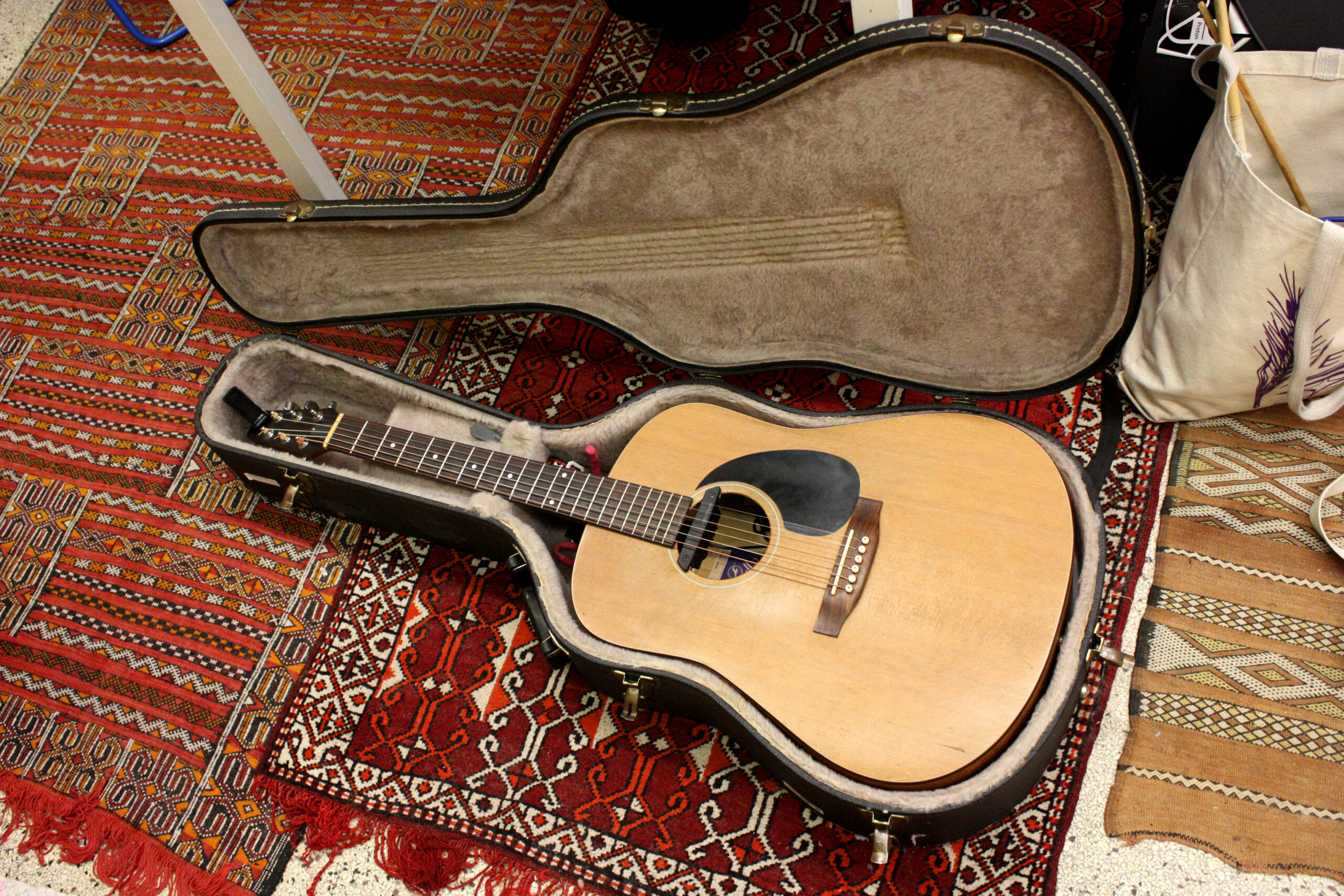
This is possibly a slightly square answer, but it’s my guitar. As a teen, I saved up money mowing lawns and bought a Seagull acoustic guitar, I’ve probably had it since I was 13. I’m still playing it as my main instrument, and it has carried me through so many eras of interest in music. To still be working professionally on an instrument that I played as a kid does something semi-profound in my head, and I think it’s also just this feeling that the instrument represents what I love about music, that the instrument is this thing you have to meet with your body and mind and see what you can pull out of it. When I was 13 I sat and tried to play Jimi Hendrix songs on it, and now I use it to make my records, so that continuity is quite fascinating to me. It’s still my go-to instrument for working, thinking about new ideas, and to just play and see what comes out.
7. If you had to start over, what would you get first?
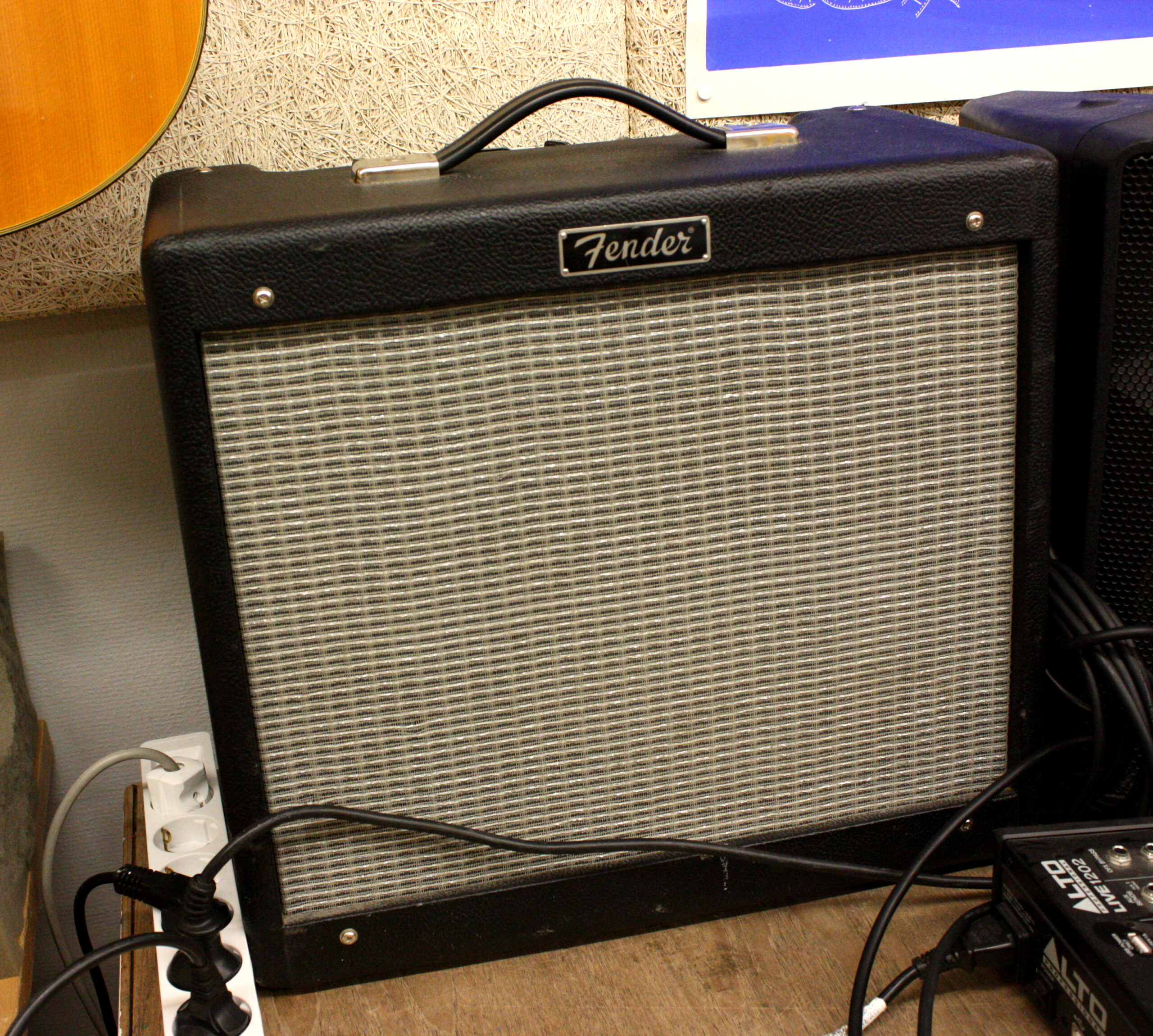
I went years without having a decent amp, just borrowing them from people to play and record. I now have a Fender Blues Junior, a relatively small but great-sounding amp that I really love. I would go back in time and get one of those as soon as possible.
8. What’s the most annoying piece of gear you have, that you just can’t live without?
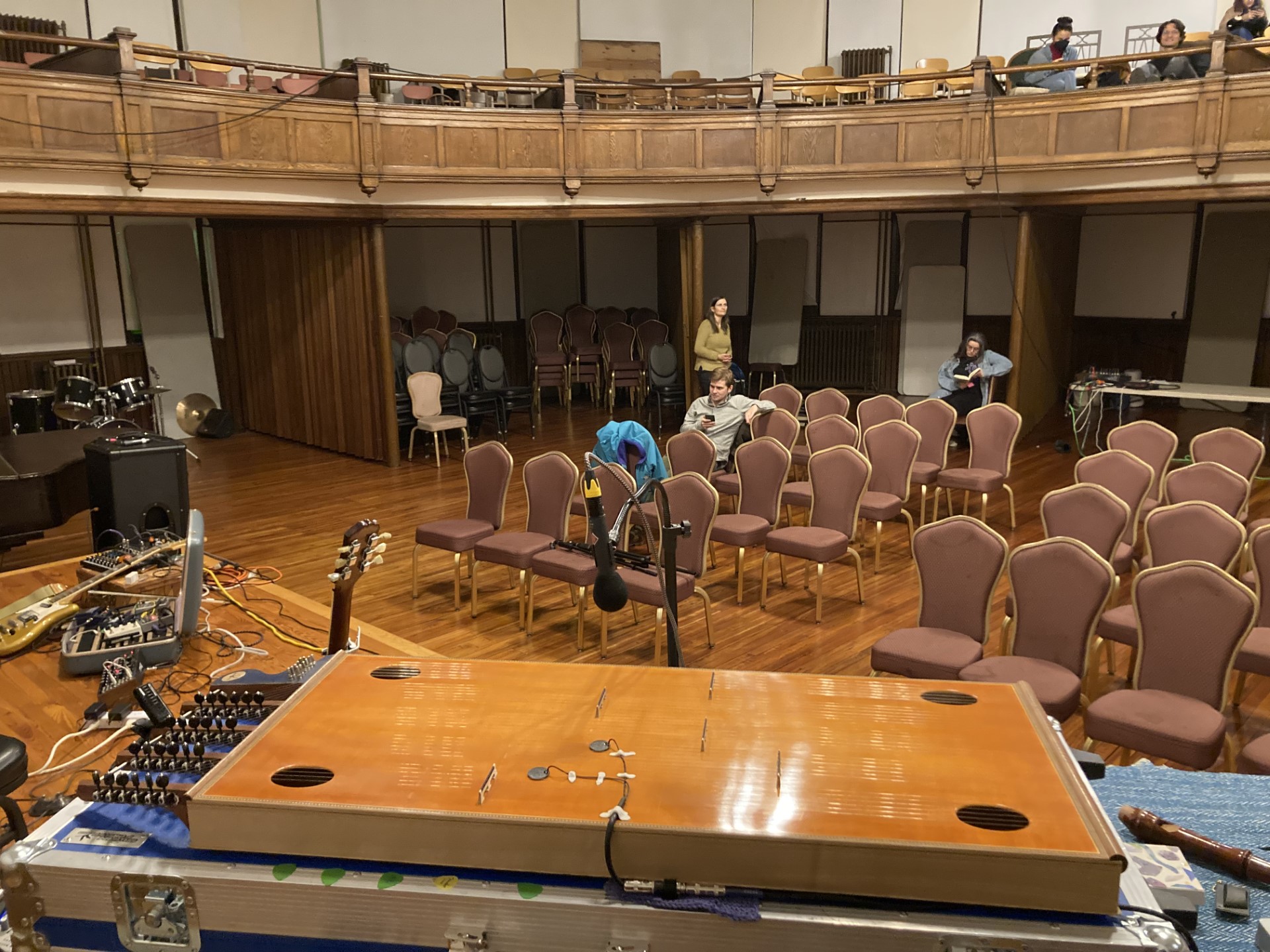
This would have to be the zither. I made several versions myself over the past 5 or so years, and then in 2023, I had Jens Erik Larsen build a 36-string zither, based on an improved design of the previous versions. It’s got bridges on the soundboard, so that I can play with each hand on a separate section of the strings, giving a whole range of sounds and possibilities. It wasn’t insanely expensive, but it definitely cost something, and it took a few months to make. It’s really intrinsic to this extra dimension of the music, which is in dialogue with the guitar, but because this instrument is played in a very different way, it really creates a different sound world. Why is it annoying? It’s got a solid travel case, which is good for the instrument, but I tend to travel with both the guitar and the zither, which can really be murder sometimes.
9. Most surprising tip or trick or technique that you’ve discovered about a bit of kit?
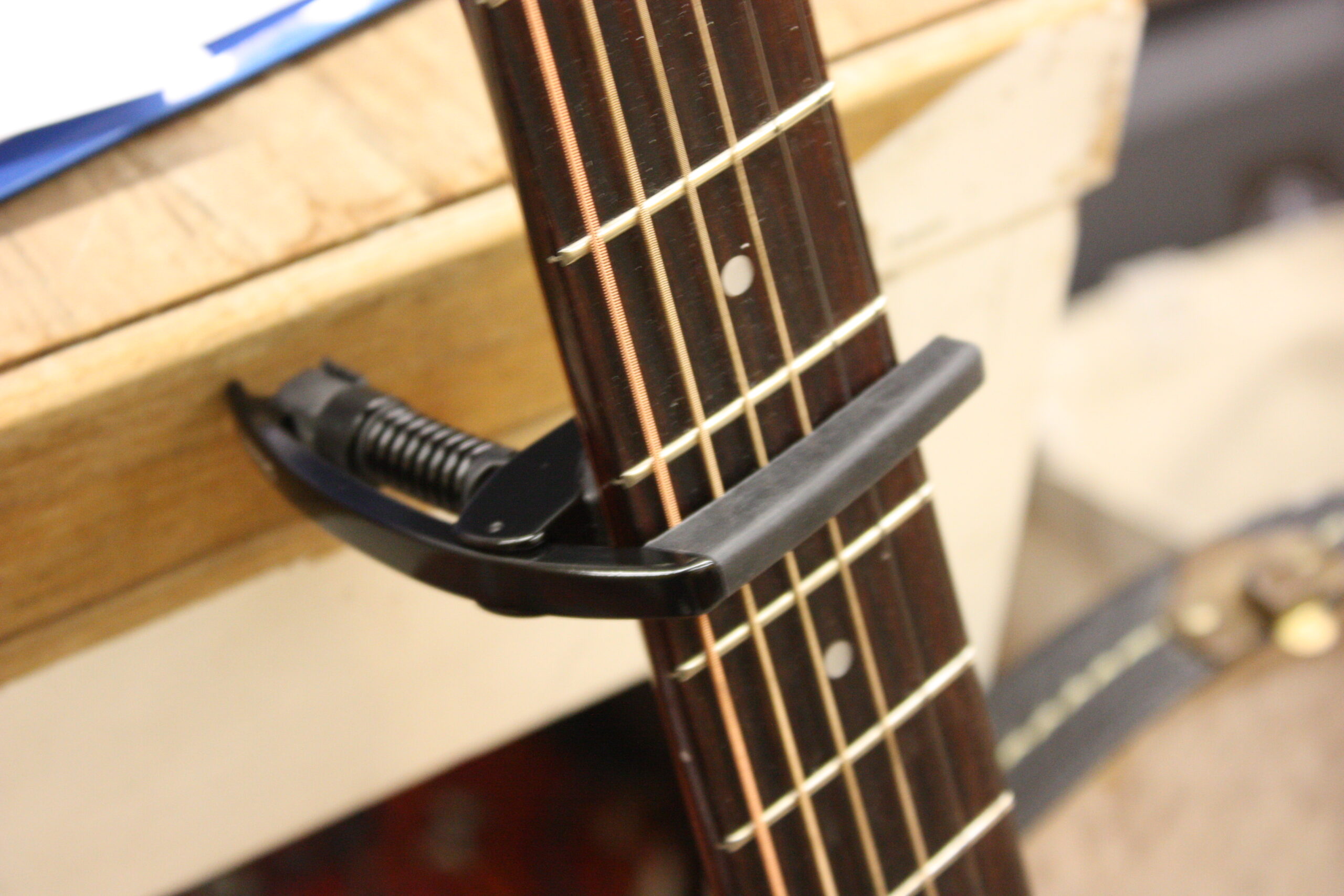
This is quite basic, but I never really used a capo on the guitar, until recently. It was suggested to me by Carolyn Goodwin, who is the bass clarinettist in Blue Lake, but is also a very good guitar player. I often play in my own tunings, and these tunings create relations between the strings that I quite like. Using the capo more recently has allowed me to maintain some of these interval relations between the strings, but work in different keys, bringing more variation to the tonal material in the music, and I’ve found this quite exciting.
Artist or Band name?
Blue Lake
Genre?
The first albums were made by me in my home studio, playing acoustic guitar, clarinet, various bits of percussion, keys, and a series of self-built string instruments that are related to the zither, but have some unique elements. I would connect the music to various strains of American music (country, folk, guitar soli) and is also reflective of my 10 years in Scandinavia, listening to local experimental music, jazz, and contemporary classical music in Denmark and Sweden. In the past few years, Blue Lake has expanded into a band, featuring Carolyn Goodwin on clarinets, Pauline Hogstrand on viola, Tomo Jacobson on double bass, and Oliver Laumann on drums.
Selfie?
Where are you from?
I grew up in Dallas, TX, and have lived in Copenhagen since 2015.
How did you get into music?
I grew up in a very musical household, in the sense that my parents were very into live music, and really loved things like Crosby, Stills, and Nash, Joni Mitchell, Talking Heads. My father had a big record collection and was always making mix tapes for long car drives. The experience of listening to these tapes while the Texas landscape unspooled out the window was definitely a formative experience for me. I started playing guitar and cello from around 12-13, and then when I was 15 I moved to Switzerland, to a school with no music program. At that point, I started to write and record my own music on cassette, getting deep into the guitar and thinking about the recording process itself. I didn’t think so much about releasing this music, but I fell in love with the recording process itself at an early point.
I returned to the US for college, living in Vermont, where I was very active at the college radio station and played in a few rock bands, making my own songs that I would probably describe as noisy country-rock. At that point, I felt both deeply obsessed with music, but also felt like doing it professionally was somehow impossible – I think I imagined that I would do other things in life, and would somehow play in a band on the side.
I then moved to London, studying art, and I began to work as a visual artist and teacher, focusing on making films. I then was part of starting a band called Squares and Triangles, with 4 other London artists. This became a very active project, where we recorded regularly and played when we could. This was a lot about improv, group dynamics, and experimentation. I learned a huge amount about music and recording through this project.
And then, in 2015, I moved to Copenhagen and got immersed in the scene here, and decided to fully commit to making music, and started to put out records as Blue Lake. The early records were made at my home studio and at Christianshavns Beboerhus, as well as a summer house in Sweden. I was using guitar, cello, zither, and also building percussion instruments, finding objects to use in the music. The music kept evolving, and now I’ve been releasing the last 2 x LPs with Tonal Union, a British label.
What still drives you to make music?
I think it’s a way of thinking and working that at this point comes very naturally and on some level, feels necessary or unavoidable to me. The first couple of Blue Lake LPs were made as kind of mini-pressings of something like 80 copies. I didn’t really have an expectation that the records could travel beyond Copenhagen, but I felt that I needed to collect and document the music. For me, each record represents a way to gather together what I’m working on at the moment, and also to push forward and build from the last record. In that way, there’s always more to learn and more to discover, so it feels like a landscape that has endless possibilities, which I find very compelling. I still get a huge amount of excitement from working on new music, from recording, from playing live.
How do you most often start a new track?
In the beginning, I would often do some improvising while recording, and then go back to things that were interesting and revise them.
Increasingly, I am using more of a writing process, where I start to write elements on the guitar or the zither, and just get used to playing them and working out a structure before I do any recording. If it is something that keeps my interest over a period of time, I will then start recording it to get a sense of the wider arrangement, and to see if other elements or instruments can come into the mix.
How do you know when a track is finished?
Sometimes it takes a while… I recorded the most recent Blue Lake LP in the Village studio, in Vanløse, Copenhagen. This meant that I had to book studio dates, and you have to be extremely conscious of time and money. There were gaps of a few weeks between each session so I was able to evaluate the state of each track and work out what else I wanted to add, or if I wanted to re-record certain parts. I’m always asking a question of a track, which is: is there anything else it can do? Does it have more potential? I like to use the recording process to fully explore the possibilities of a track, while at the same time, I want to keep the immediacy and spontaneity of the performance. So I work at not overdoing things or over-layering them. Working at the Village was really useful in that each element is very well recorded, so it has a lot of presence and power. This encourages you to use as few elements as possible, and keeps the recordings focused.
Show us your current studio
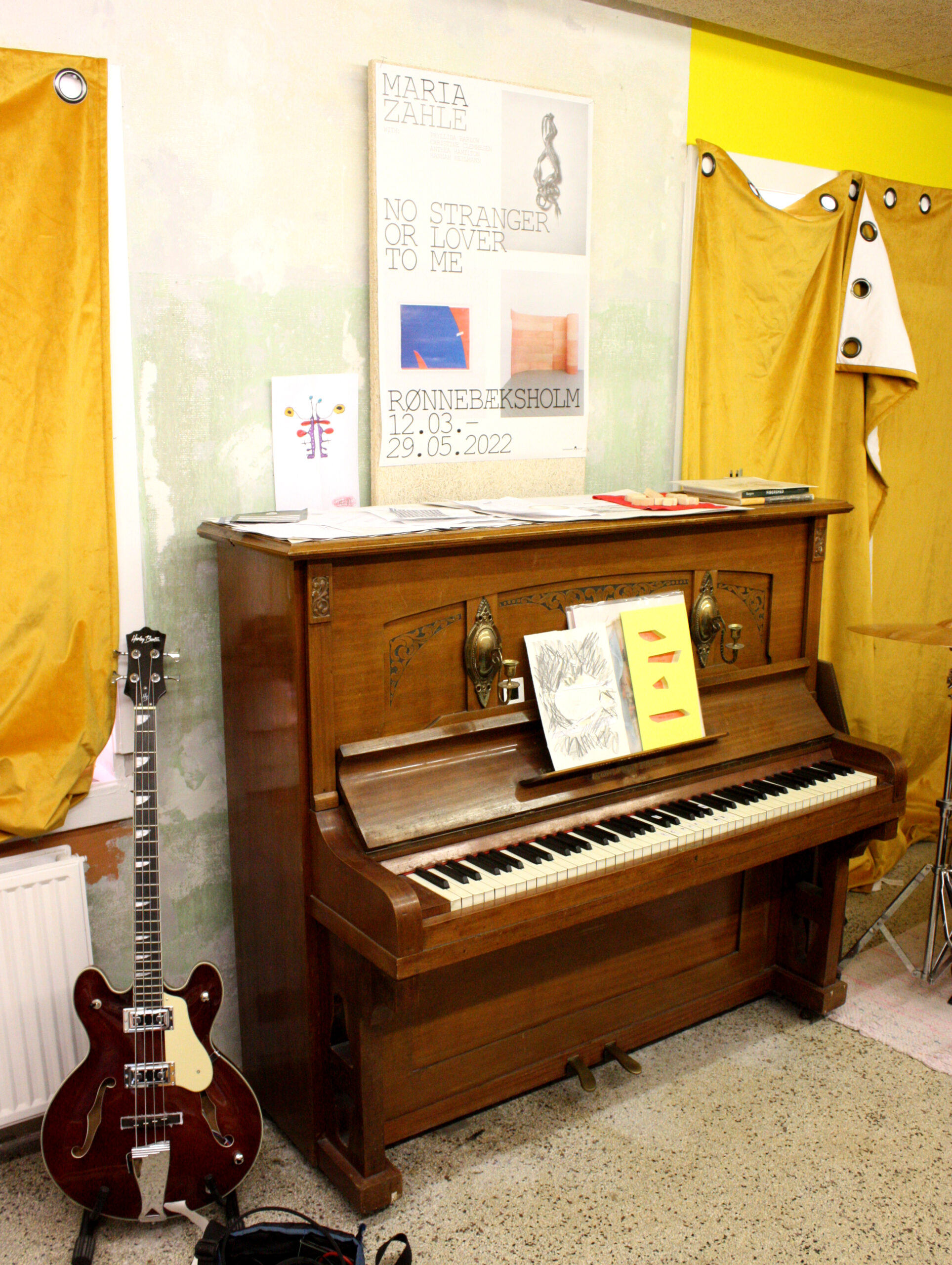
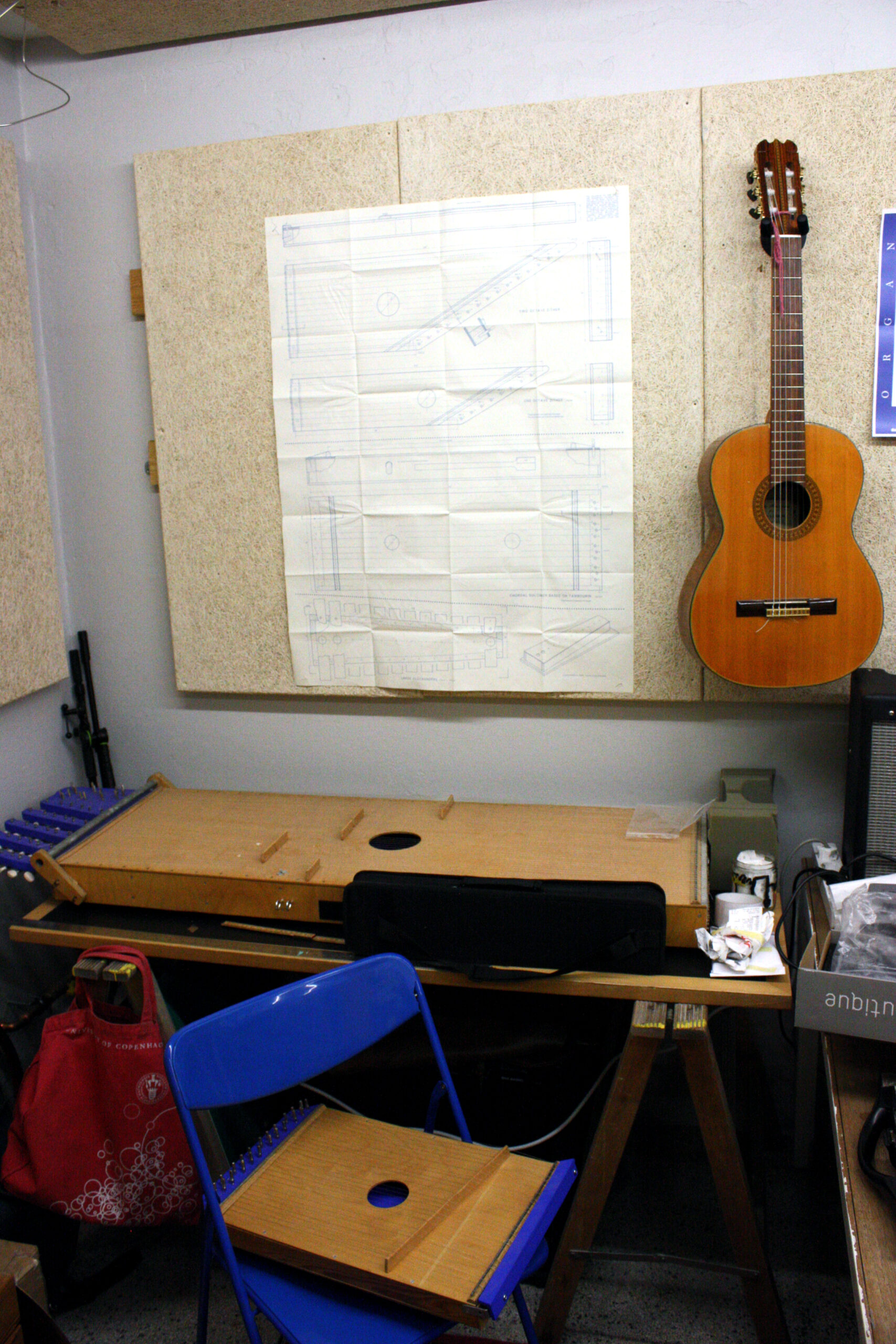
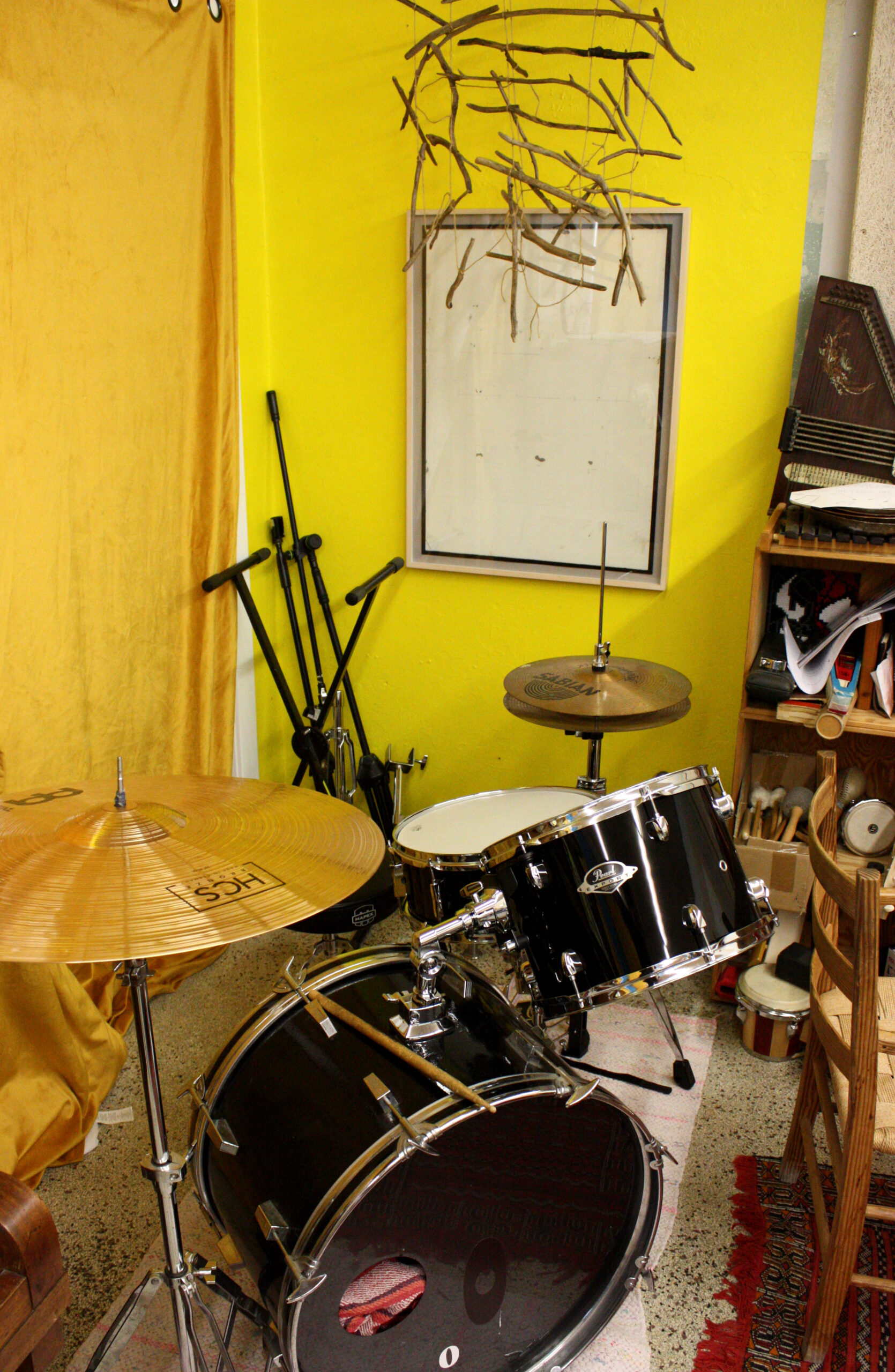
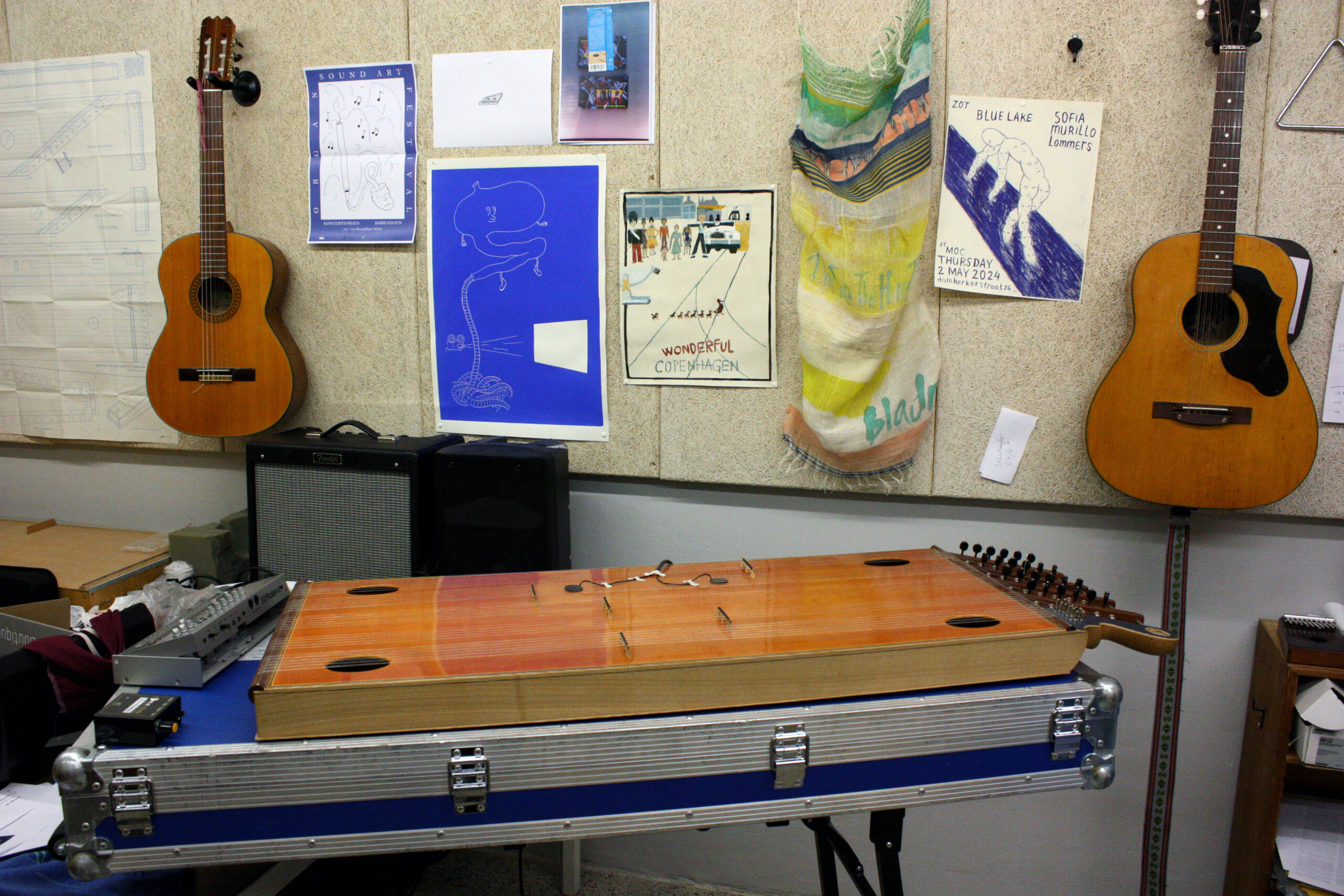
Best creative advice that you’ve ever heard?
I read an article once which featured Steve Albini recording a band in his studio. They were talking about keeping in an element, but pushing it down low in the mix. Albini simply told them: “Feature it or fuck it”, which is to say: if it’s going to be in there, make sure it has a strong reason to be there, and that it’s doing something special in the track. Otherwise don’t bother.
Promote your latest thing… Go ahead, throw us a link.
Blue Lake put out a mini-LP called Weft in January of this year on Tonal Union.
https://bluelake1.bandcamp.com/album/weft