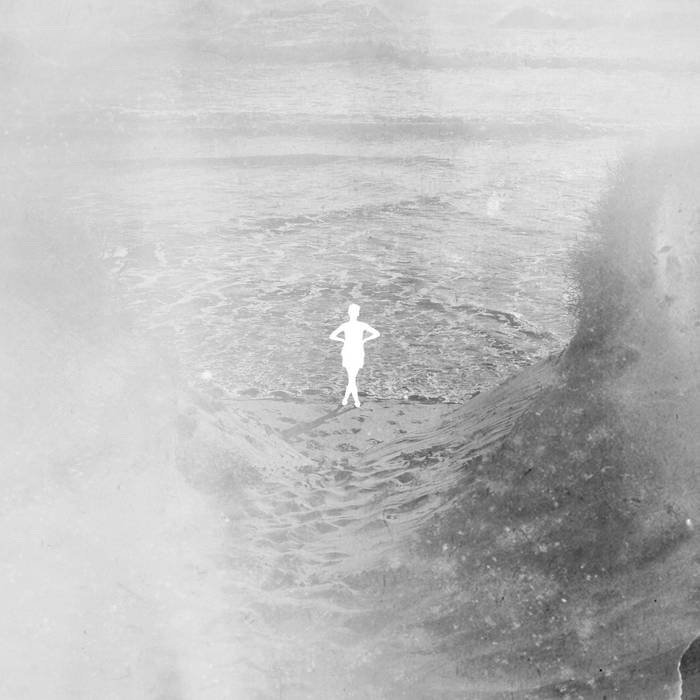
Jason Dungan – Blue Lake

1. Favourite knob or fader or switch on a piece of gear and why?

In the spring, I sold almost all of my pedals (channel switch, looper, EQ, some other things) so that I could first buy a 12-string guitar, but also because I decided to lean in to having a very minimal, nearly no-pedal setup. I used to use a compressor and an EQ on my guitar, but now I plug it straight into the amp. I remember seeing Fugazi play many years ago, and got my mind blown by seeing they played their guitars straight into the amp. This has a hands-on, active element to shaping sound that I find compelling.
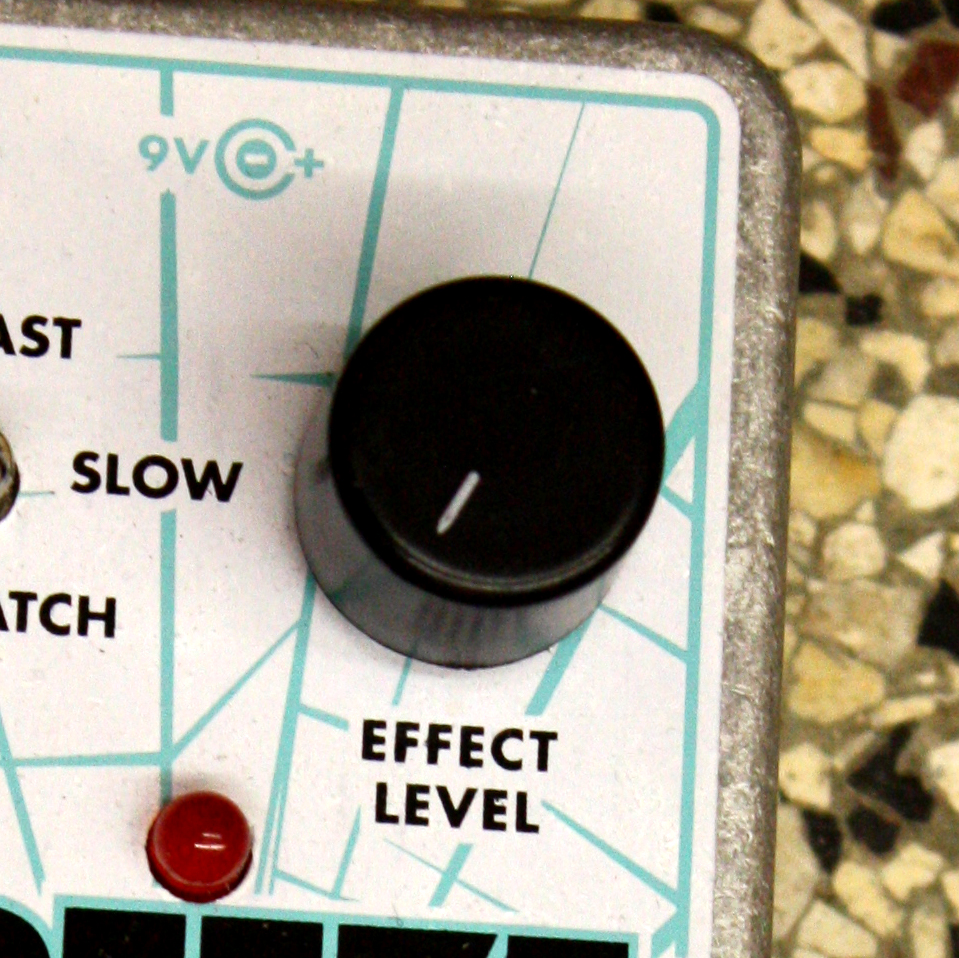
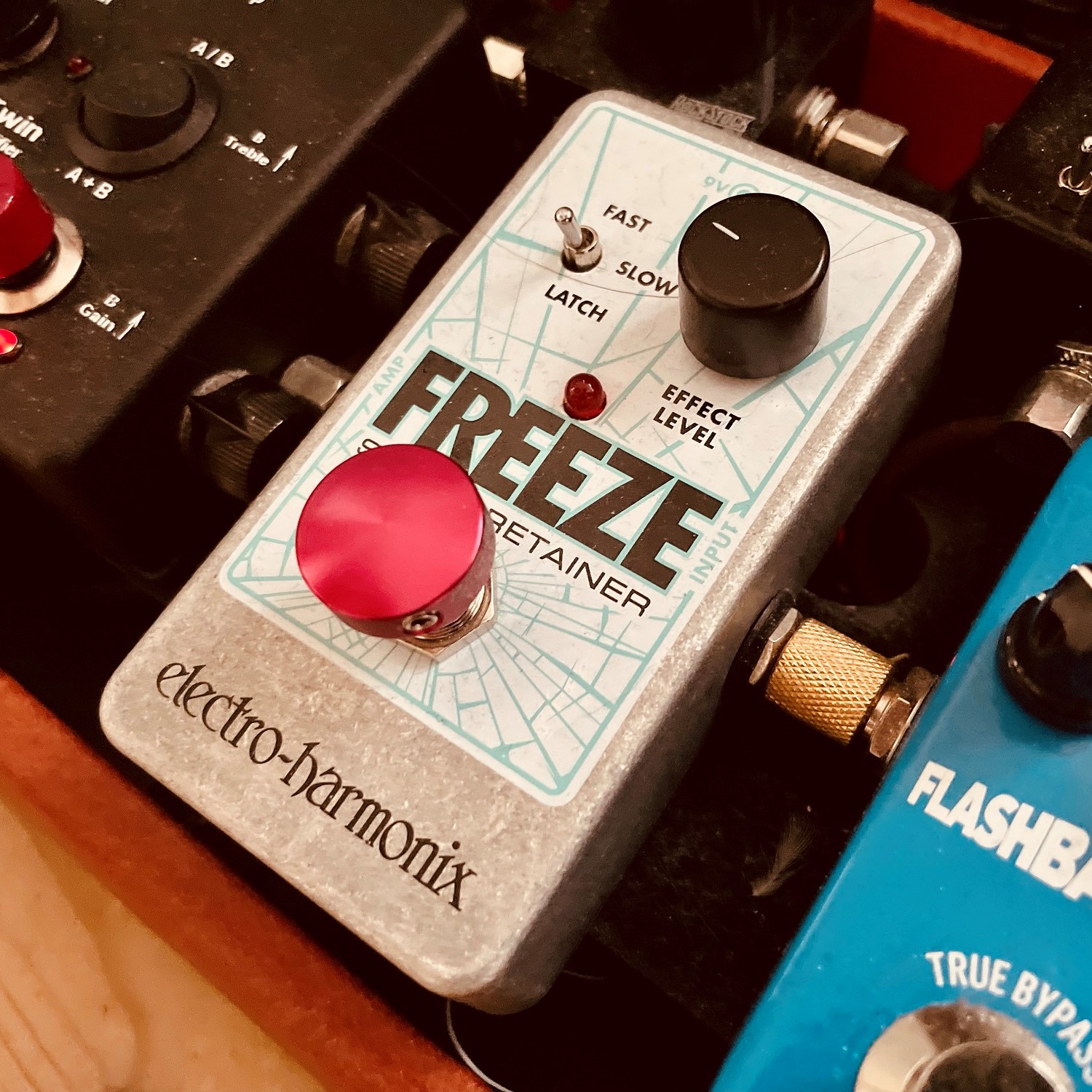
Freeze pedal by Electro-Harmonix

However, I still use one pedal: a Freeze pedal by Electro-Harmonix. I send my zither through this pedal, and use it to occasionally freeze chords on the zither, turning them into drones. Because there are several strings being struck, the captured tone is quite dense harmonically, so the pedal “struggles” a bit, creating a beautiful-sounding but slightly varied, unstable drone. I use this playing live, and particularly when I’m playing solo, it’s an important extra sound in parts of the set. So my favorite knob is simply the fader knob on that pedal, which I keep up next to the zither, since I need to manually fade in and out while continuing to play. The fader is very sensitive so it allows me to do this in a very fluid way.

2. Do you have an ‘almost’ perfect bit of kit? What would you change?

Since my zither is self-built, working on finding an amplification solution took a lot of trial and error, mixing different piezo and mic setups. Some were very prone to feedback, and others created a very boomy sound. I finally found a great double-piezo and pre-amp setup made by the Oregon-based company K&K Sound. They produce a piezo mic for banjo, which has twin piezo heads wired in to one plug. So this allows me to cover more surface area of the instrument, thereby picking up a wider variety of sound.
If I could improve it, it would be to include a little instrument mic, perhaps inside the instrument.
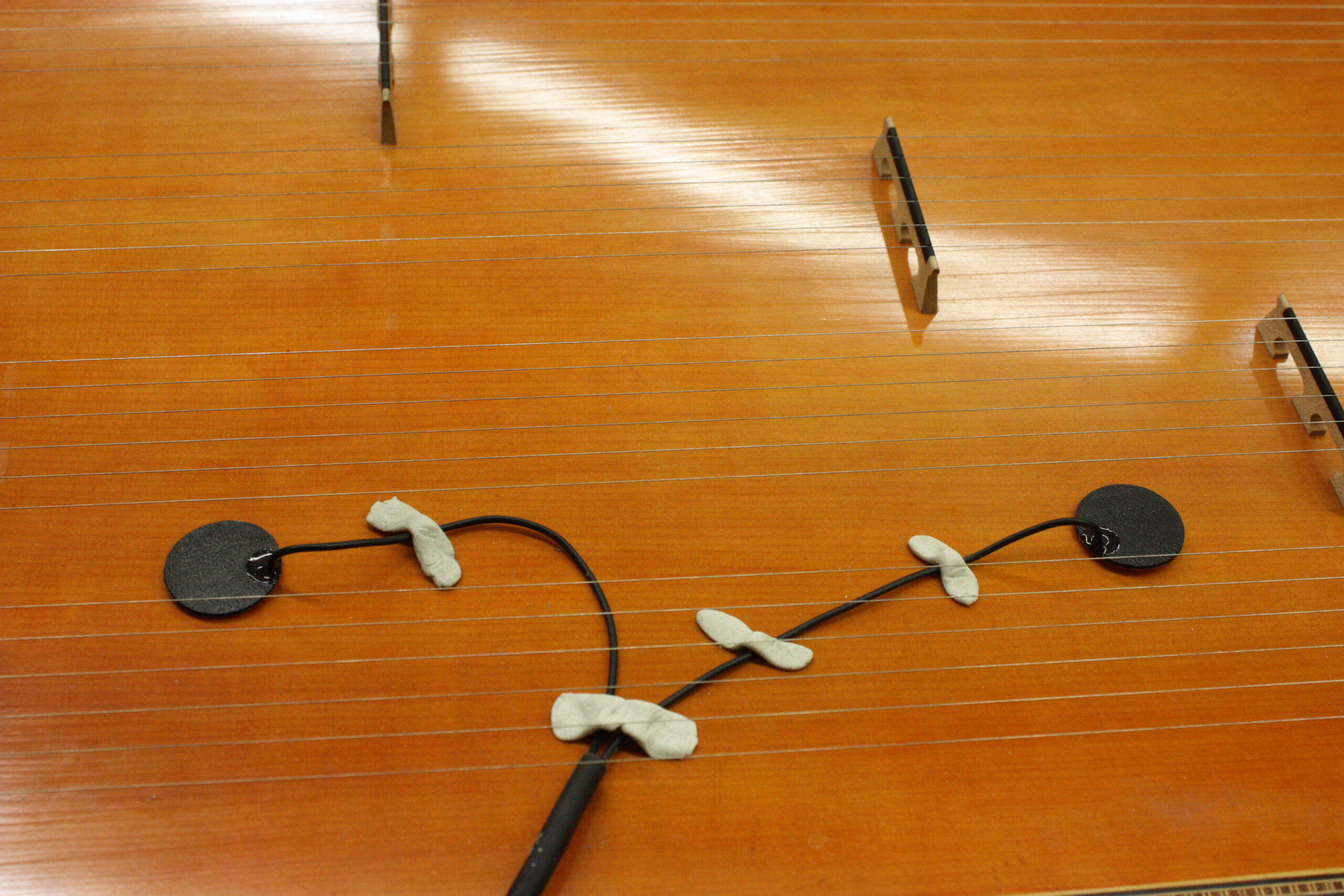
K&K Sound piezo pickup on zither

3. What setup do you bring on holiday or tour or commute etc.?

On tour, I’m usually bringing two main instruments (guitar and zither), which is already pushing it, gear-wise, so I try to bring as little extra as possible. I usually bring the Freeze pedal, and then a small wind, either the clarinet if I have space, or an alto recorder. Often if I’m spending some days on holiday and I want to work on music, I’ll bring my Roland TR-06 drum machine – it allows me to work on ideas, even make demo recordings that have a little more “band” feel.
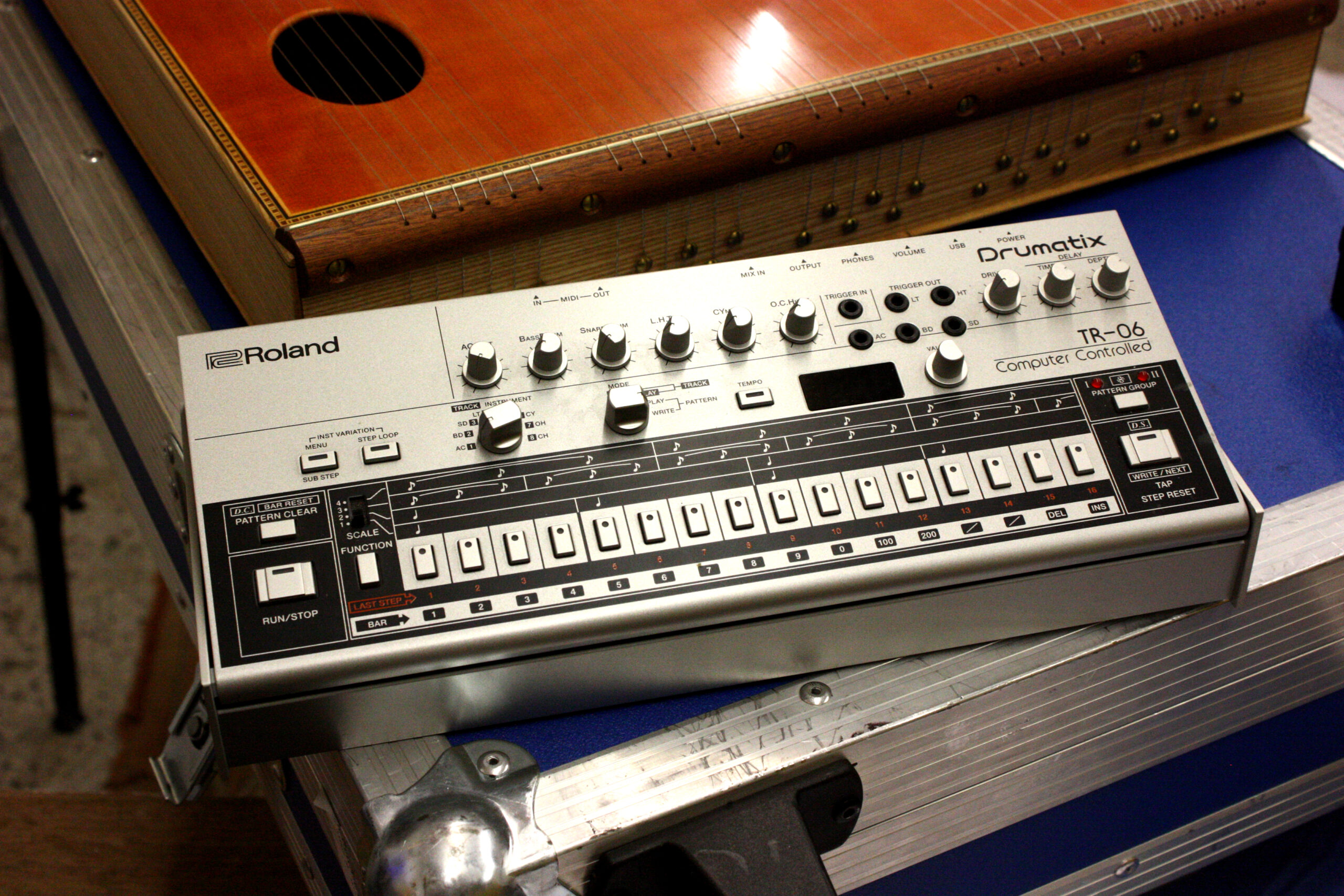
Roland 606 drum machine

4. What software do you wish was hardware and vice versa?

I loved recording on four-track tape machine when I was younger, for its hands-on feel and ability to create a sense of magic in the process, and also because it had a lot of limitations which could be creatively stimulating. If I could get my wish, it would be to somehow combine the workflow of Protools with the hands-on, low-fi feeling of a Tascam tape machine.

5. Is there anything you regret selling… or regret buying?

In the last 10 years, I think I bought 2 (or possibly 3) looper pedals, only to realize that I didn’t want to use them, and sold them again. I’ve now fully leaned in to playing direct and using no loopers.

6. What gear has inspired you to produce the most music?
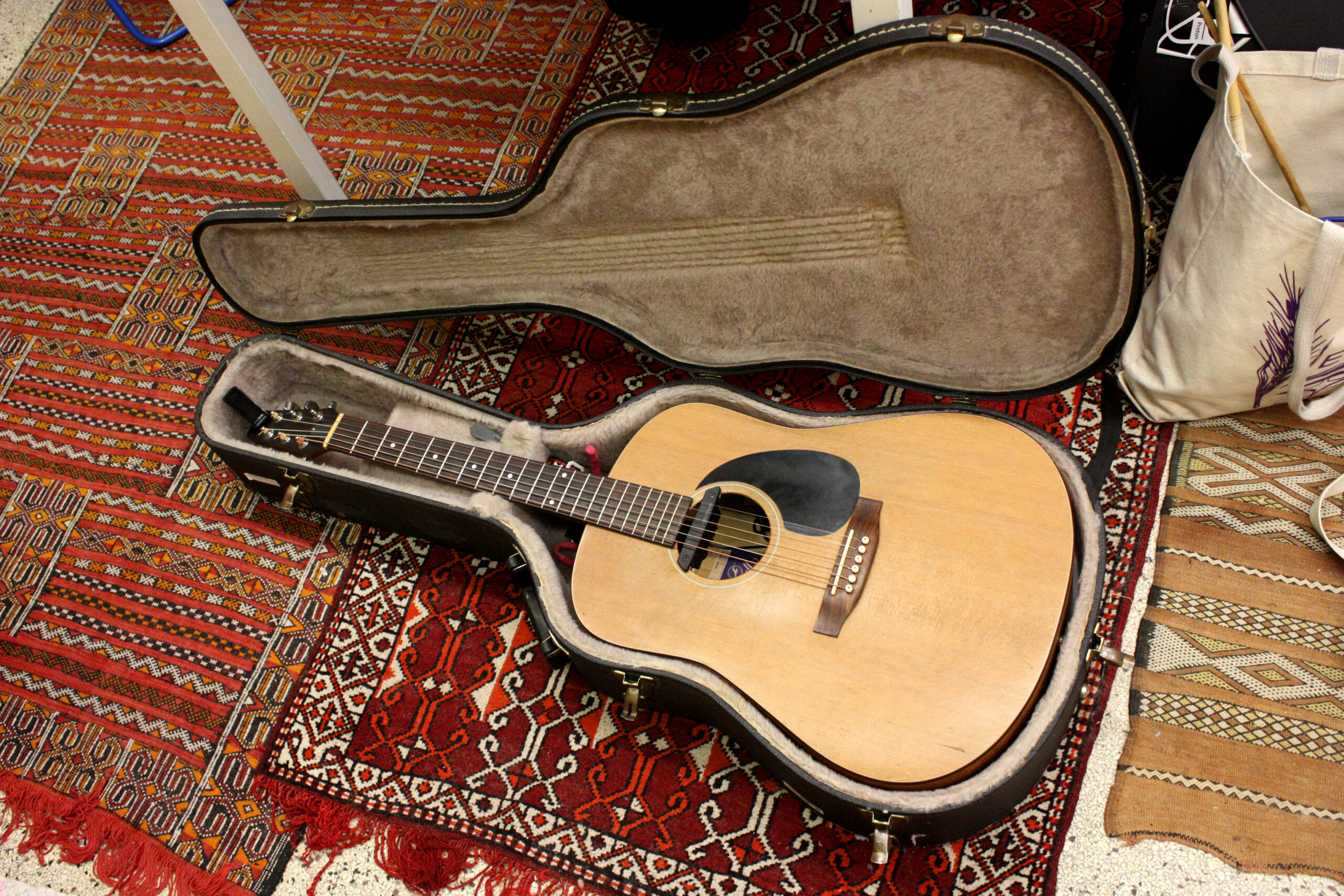
Seagull acoustic guitar

This is possibly a slightly square answer, but it’s my guitar. As a teen, I saved up money mowing lawns and bought a Seagull acoustic guitar, I’ve probably had it since I was 13. I’m still playing it as my main instrument, and it has carried me through so many eras of interest in music. To still be working professionally on an instrument that I played as a kid does something semi-profound in my head, and I think it’s also just this feeling that the instrument represents what I love about music, that the instrument is this thing you have to meet with your body and mind and see what you can pull out of it. When I was 13 I sat and tried to play Jimi Hendrix songs on it, and now I use it to make my records, so that continuity is quite fascinating to me. It’s still my go-to instrument for working, thinking about new ideas, and to just play and see what comes out.

7. If you had to start over, what would you get first?

I went years without having a decent amp, just borrowing them from people to play and record. I now have a Fender Blues Junior, a relatively small but great-sounding amp that I really love. I would go back in time and get one of those as soon as possible.
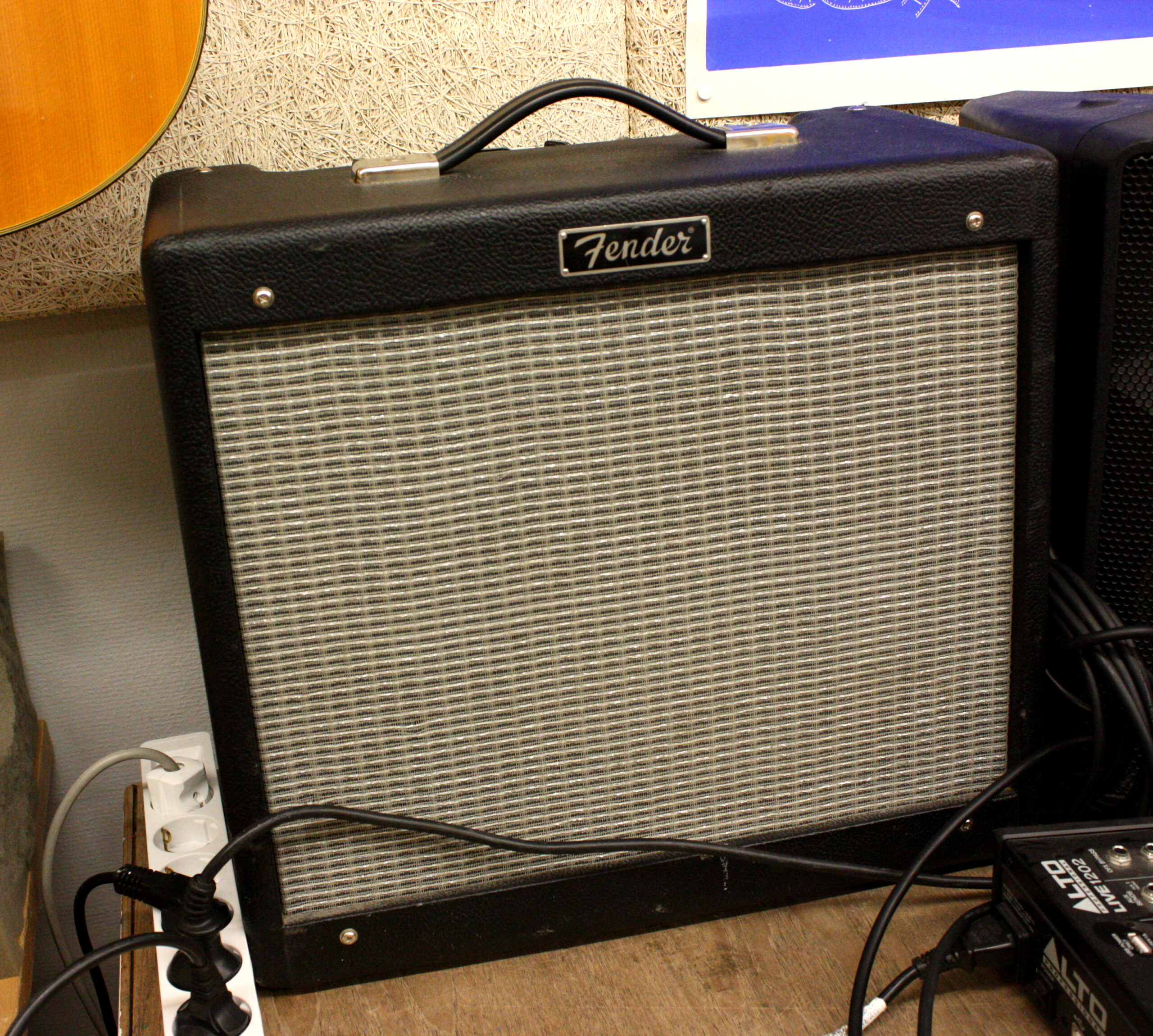
Fender Blues Junior

8. What’s the most annoying piece of gear you have, that you just can’t live without?

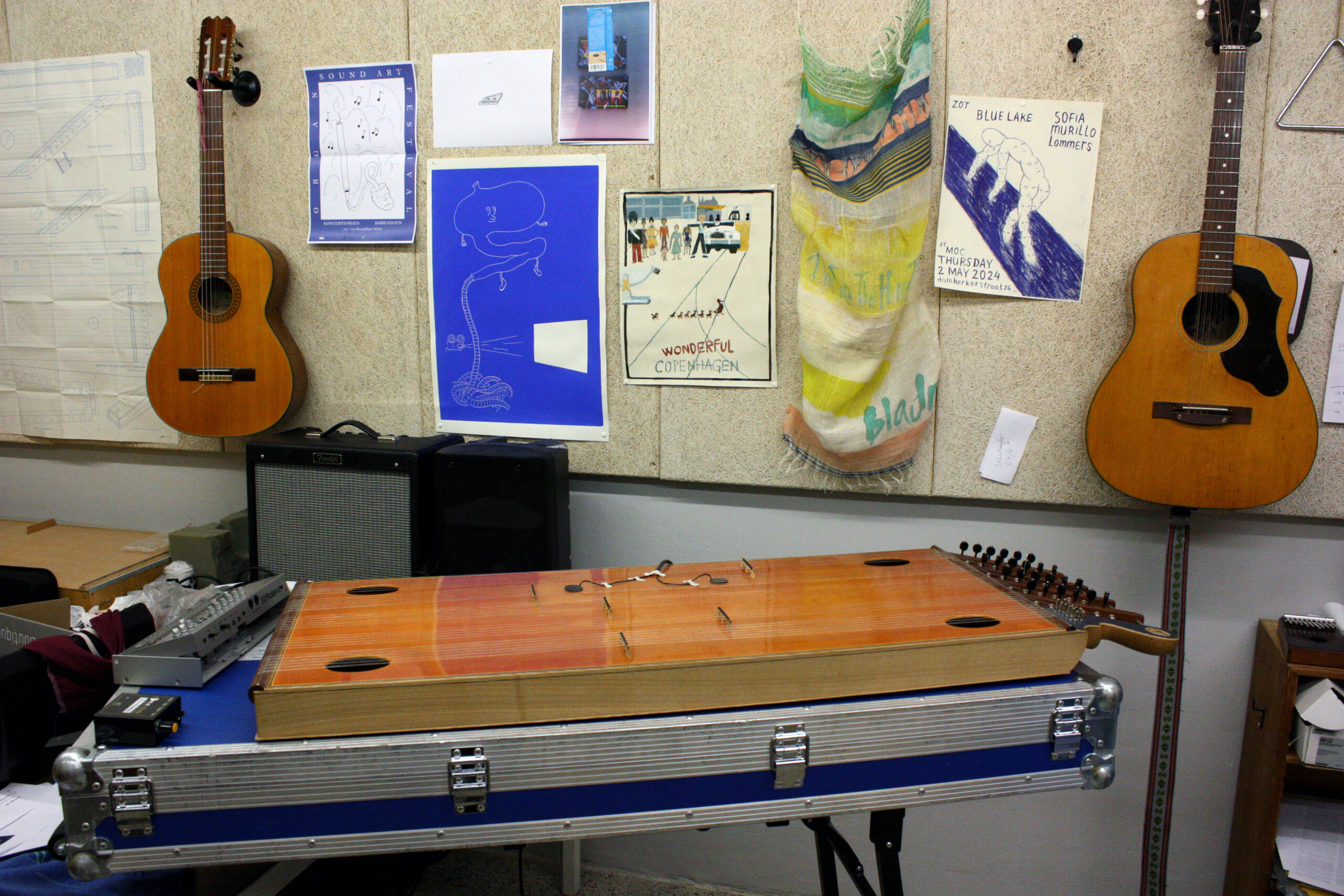
This would have to be the zither. I made several versions myself over the past 5 or so years, and then in 2023, I had Jens Erik Larsen build a 36-string zither, based on an improved design of the previous versions. It’s got bridges on the soundboard, so that I can play with each hand on a separate section of the strings, giving a whole range of sounds and possibilities. It wasn’t insanely expensive, but it definitely cost something, and it took a few months to make. It’s really intrinsic to this extra dimension of the music, which is in dialogue with the guitar, but because this instrument is played in a very different way, it really creates a different sound world. Why is it annoying? It’s got a solid travel case, which is good for the instrument, but I tend to travel with both the guitar and the zither, which can really be murder sometimes.
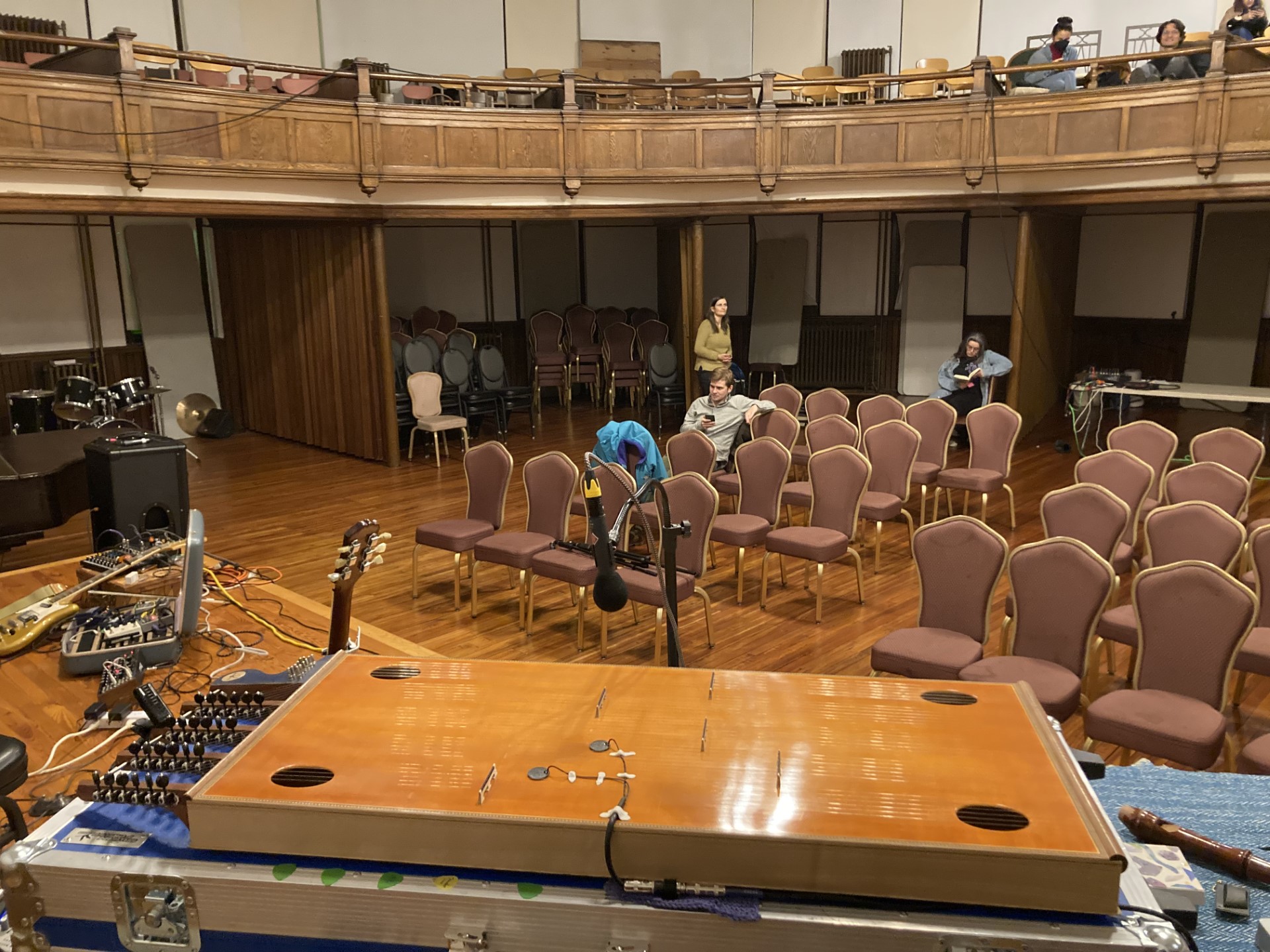
Jens Erik Larsen built 36-string zither

9. Most surprising tip or trick or technique that you’ve discovered about a bit of kit?

This is quite basic, but I never really used a capo on the guitar, until recently. It was suggested to me by Carolyn Goodwin, who is the bass clarinettist in Blue Lake, but is also a very good guitar player. I often play in my own tunings, and these tunings create relations between the strings that I quite like. Using the capo more recently has allowed me to maintain some of these interval relations between the strings, but work in different keys, bringing more variation to the tonal material in the music, and I’ve found this quite exciting.
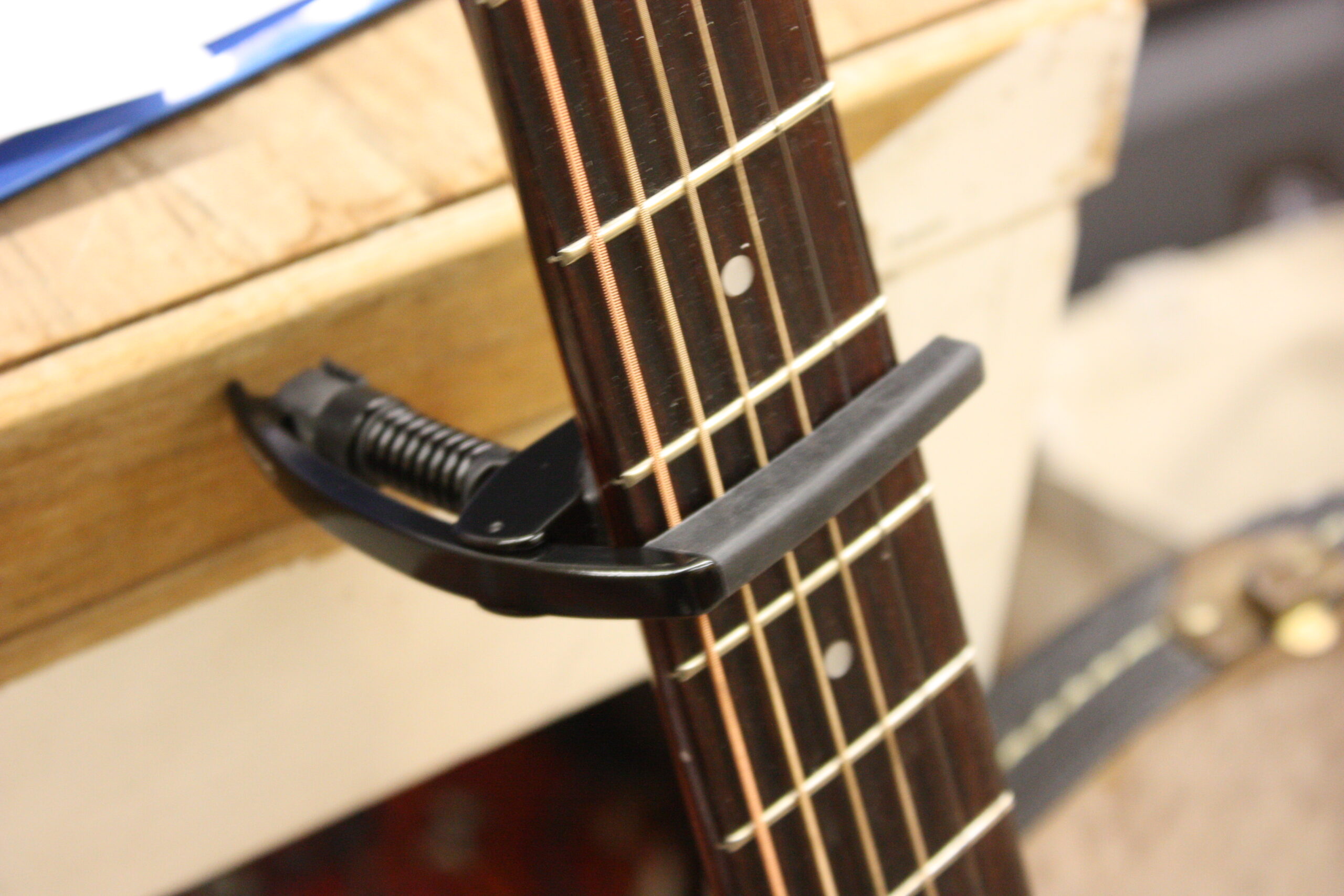
Guitar capo

Artist or Band name?

Blue Lake

Genre?

The first albums were made by me in my home studio, playing acoustic guitar, clarinet, various bits of percussion, keys, and a series of self-built string instruments that are related to the zither, but have some unique elements. I would connect the music to various strains of American music (country, folk, guitar soli) and is also reflective of my 10 years in Scandinavia, listening to local experimental music, jazz, and contemporary classical music in Denmark and Sweden. In the past few years, Blue Lake has expanded into a band, featuring Carolyn Goodwin on clarinets, Pauline Hogstrand on viola, Tomo Jacobson on double bass, and Oliver Laumann on drums.

Selfie?
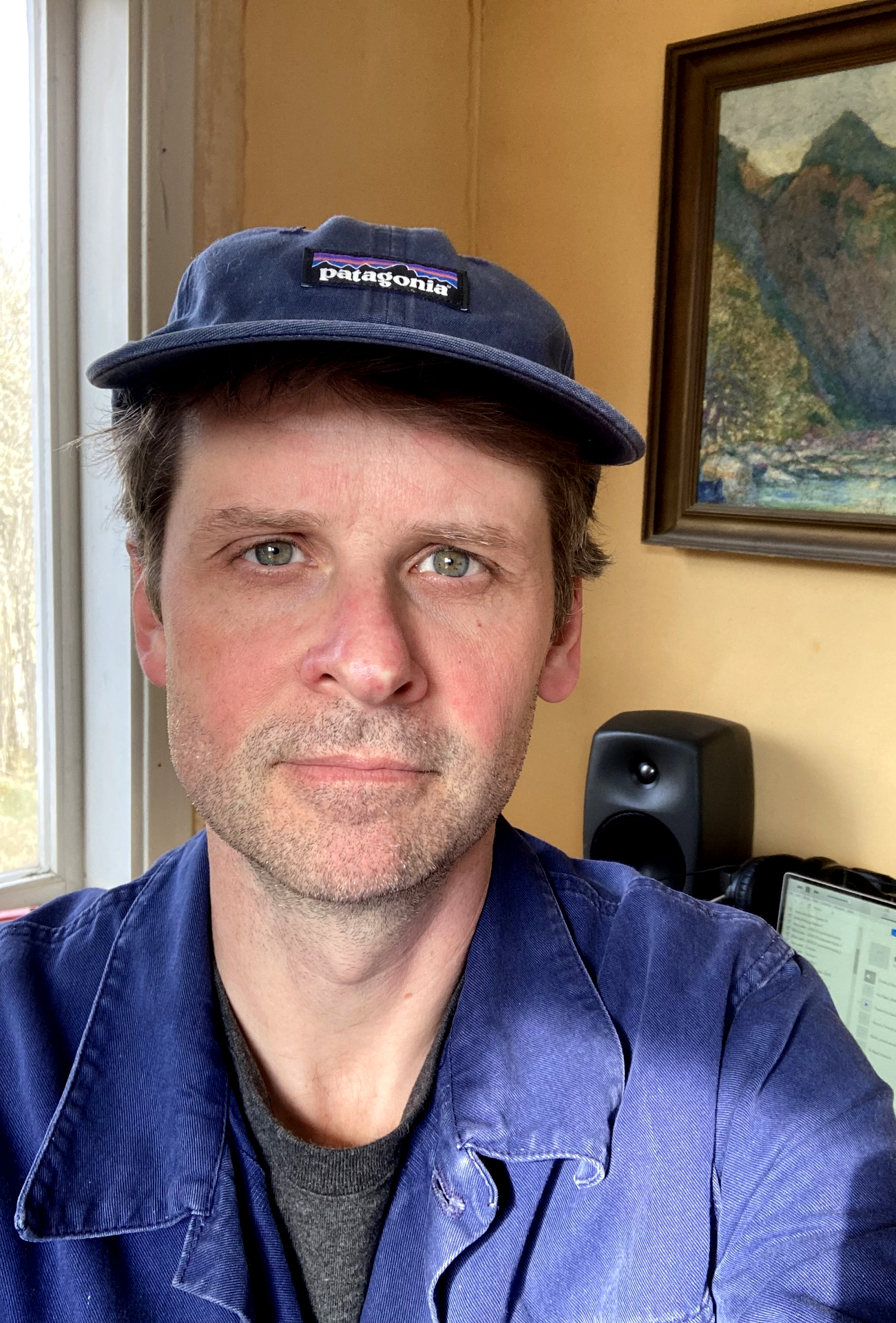
Jason Dungan aka. Blue Lake

Where are you from?

I grew up in Dallas, TX, and have lived in Copenhagen since 2015.

How did you get into music?

I grew up in a very musical household, in the sense that my parents were very into live music, and really loved things like Crosby, Stills, and Nash, Joni Mitchell, Talking Heads. My father had a big record collection and was always making mix tapes for long car drives. The experience of listening to these tapes while the Texas landscape unspooled out the window was definitely a formative experience for me. I started playing guitar and cello from around 12-13, and then when I was 15 I moved to Switzerland, to a school with no music program. At that point, I started to write and record my own music on cassette, getting deep into the guitar and thinking about the recording process itself. I didn’t think so much about releasing this music, but I fell in love with the recording process itself at an early point.

I returned to the US for college, living in Vermont, where I was very active at the college radio station and played in a few rock bands, making my own songs that I would probably describe as noisy country-rock. At that point, I felt both deeply obsessed with music, but also felt like doing it professionally was somehow impossible – I think I imagined that I would do other things in life, and would somehow play in a band on the side.

I then moved to London, studying art, and I began to work as a visual artist and teacher, focusing on making films. I then was part of starting a band called Squares and Triangles, with 4 other London artists. This became a very active project, where we recorded regularly and played when we could. This was a lot about improv, group dynamics, and experimentation. I learned a huge amount about music and recording through this project.

And then, in 2015, I moved to Copenhagen and got immersed in the scene here, and decided to fully commit to making music, and started to put out records as Blue Lake. The early records were made at my home studio and at Christianshavns Beboerhus, as well as a summer house in Sweden. I was using guitar, cello, zither, and also building percussion instruments, finding objects to use in the music. The music kept evolving, and now I’ve been releasing the last 2 x LPs with Tonal Union, a British label.

What still drives you to make music?

I think it’s a way of thinking and working that at this point comes very naturally and on some level, feels necessary or unavoidable to me. The first couple of Blue Lake LPs were made as kind of mini-pressings of something like 80 copies. I didn’t really have an expectation that the records could travel beyond Copenhagen, but I felt that I needed to collect and document the music. For me, each record represents a way to gather together what I’m working on at the moment, and also to push forward and build from the last record. In that way, there’s always more to learn and more to discover, so it feels like a landscape that has endless possibilities, which I find very compelling. I still get a huge amount of excitement from working on new music, from recording, from playing live.

How do you most often start a new track?

In the beginning, I would often do some improvising while recording, and then go back to things that were interesting and revise them.
Increasingly, I am using more of a writing process, where I start to write elements on the guitar or the zither, and just get used to playing them and working out a structure before I do any recording. If it is something that keeps my interest over a period of time, I will then start recording it to get a sense of the wider arrangement, and to see if other elements or instruments can come into the mix.

How do you know when a track is finished?

Sometimes it takes a while… I recorded the most recent Blue Lake LP in the Village studio, in Vanløse, Copenhagen. This meant that I had to book studio dates, and you have to be extremely conscious of time and money. There were gaps of a few weeks between each session so I was able to evaluate the state of each track and work out what else I wanted to add, or if I wanted to re-record certain parts. I’m always asking a question of a track, which is: is there anything else it can do? Does it have more potential? I like to use the recording process to fully explore the possibilities of a track, while at the same time, I want to keep the immediacy and spontaneity of the performance. So I work at not overdoing things or over-layering them. Working at the Village was really useful in that each element is very well recorded, so it has a lot of presence and power. This encourages you to use as few elements as possible, and keeps the recordings focused.

Show us your current studio
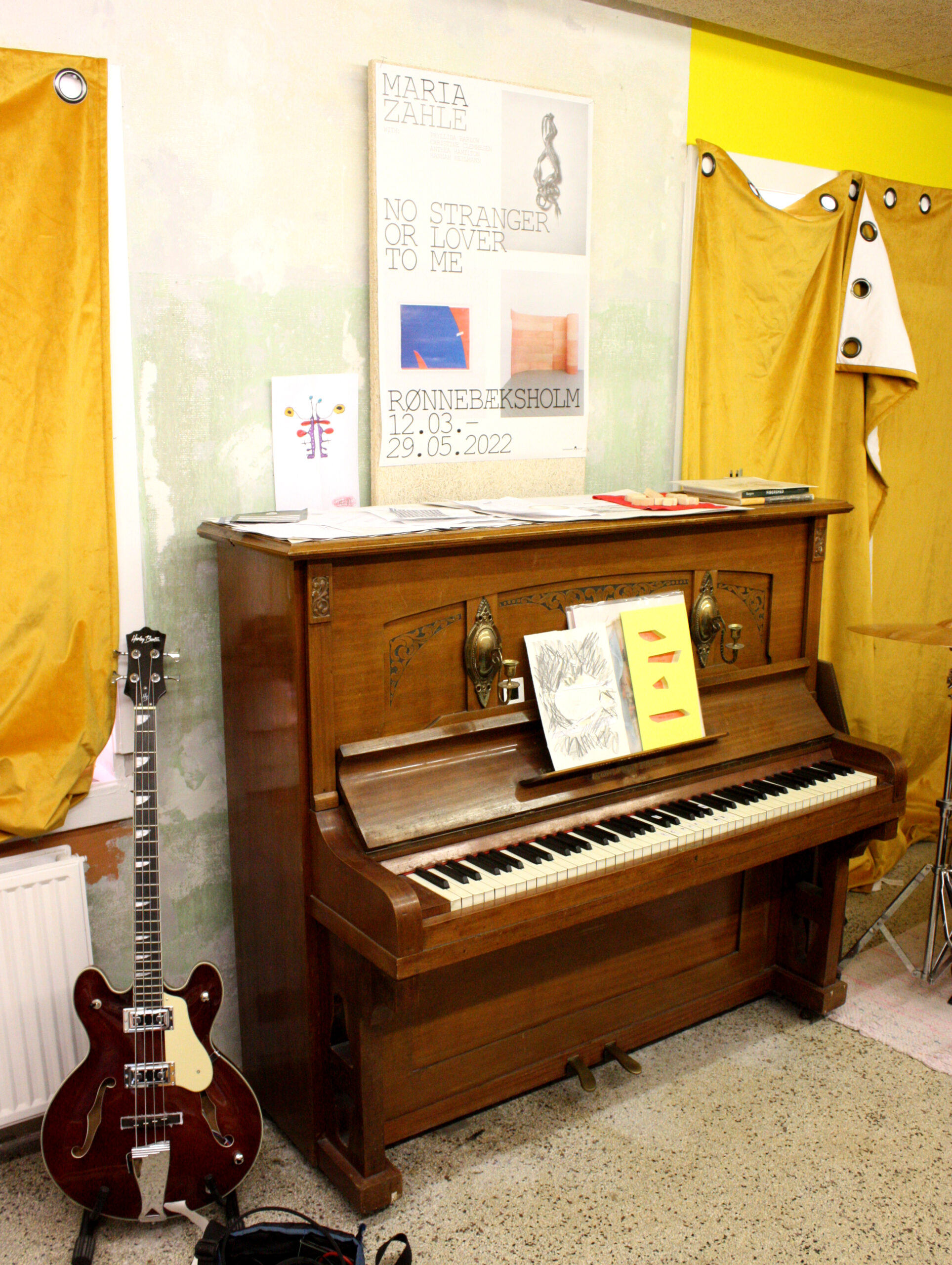
Home studio piano and bass
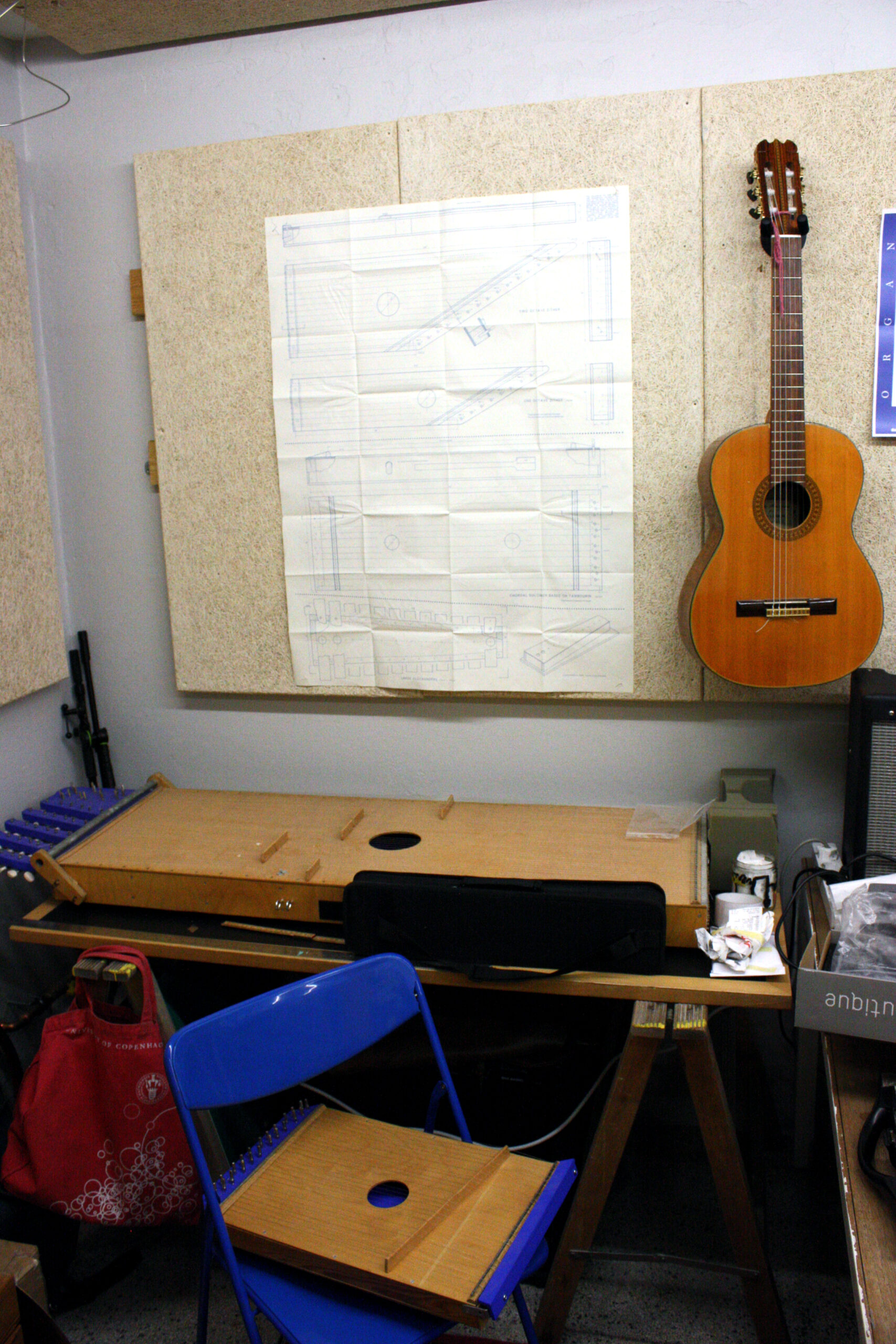
Home studio zithers
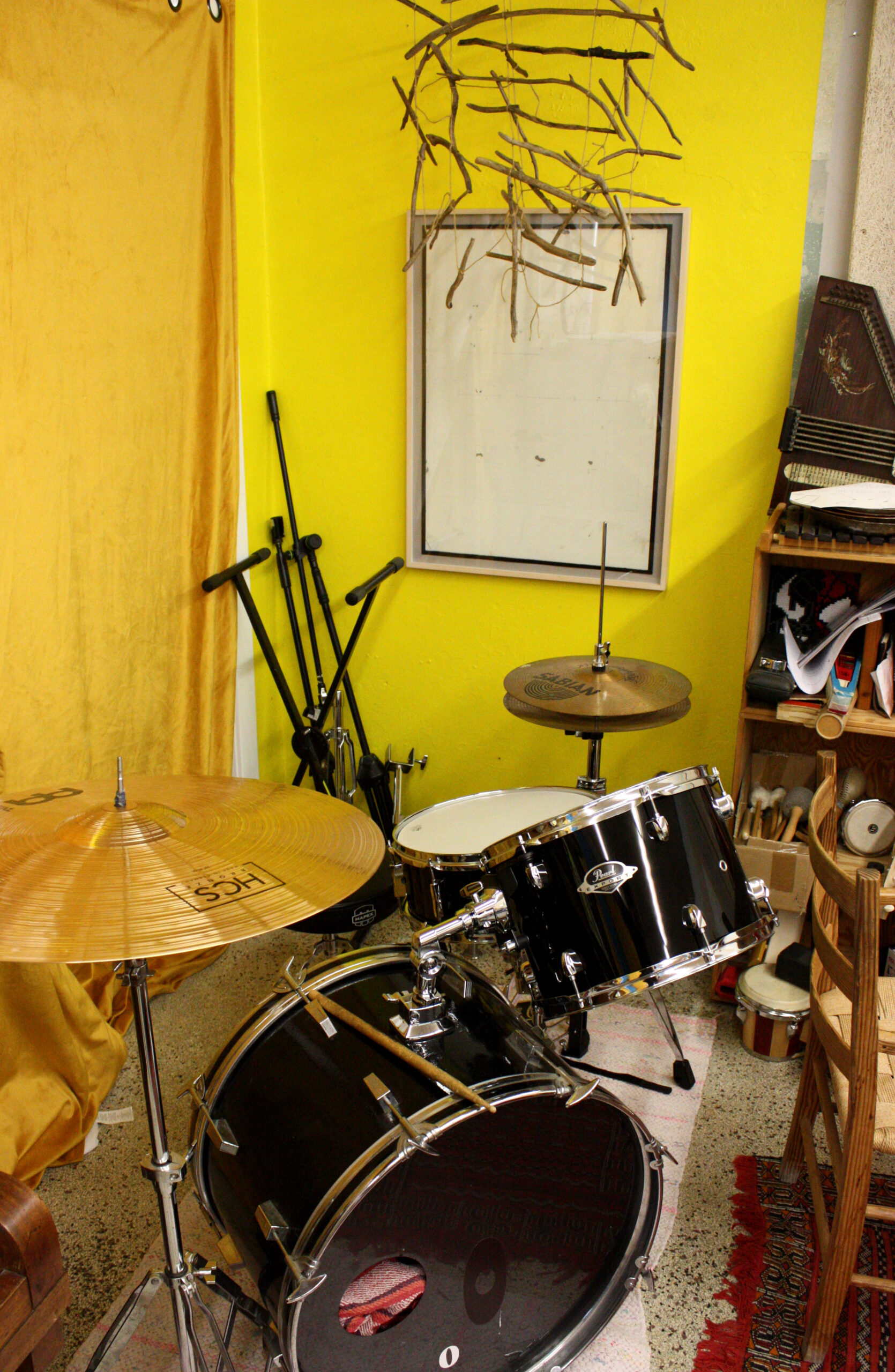
Home studio drums
Home studio zither and acoustic guitars

Best creative advice that you’ve ever heard?

I read an article once which featured Steve Albini recording a band in his studio. They were talking about keeping in an element, but pushing it down low in the mix. Albini simply told them: “Feature it or fuck it”, which is to say: if it’s going to be in there, make sure it has a strong reason to be there, and that it’s doing something special in the track. Otherwise don’t bother.

Promote your latest thing… Go ahead, throw us a link.

Blue Lake put out a mini-LP called Weft in January of this year on Tonal Union.

https://bluelake1.bandcamp.com/album/weft

Marcus Hagsten – Under Månen


1. Favourite knob or fader or switch on a piece of gear and why?

EHX Freeze

I really love the EHX Freeze pedal! Such a nice way to add subtle droning notes to your music – especially when playing live. Playing solo acoustic guitar pieces can get a bit one dimensional and the Freeze adds something great to that. But it can be a bit hard to make it blend in with the acoustic sound – takes some practice.

2. Do you have an ‘almost’ perfect bit of kit? What would you change?

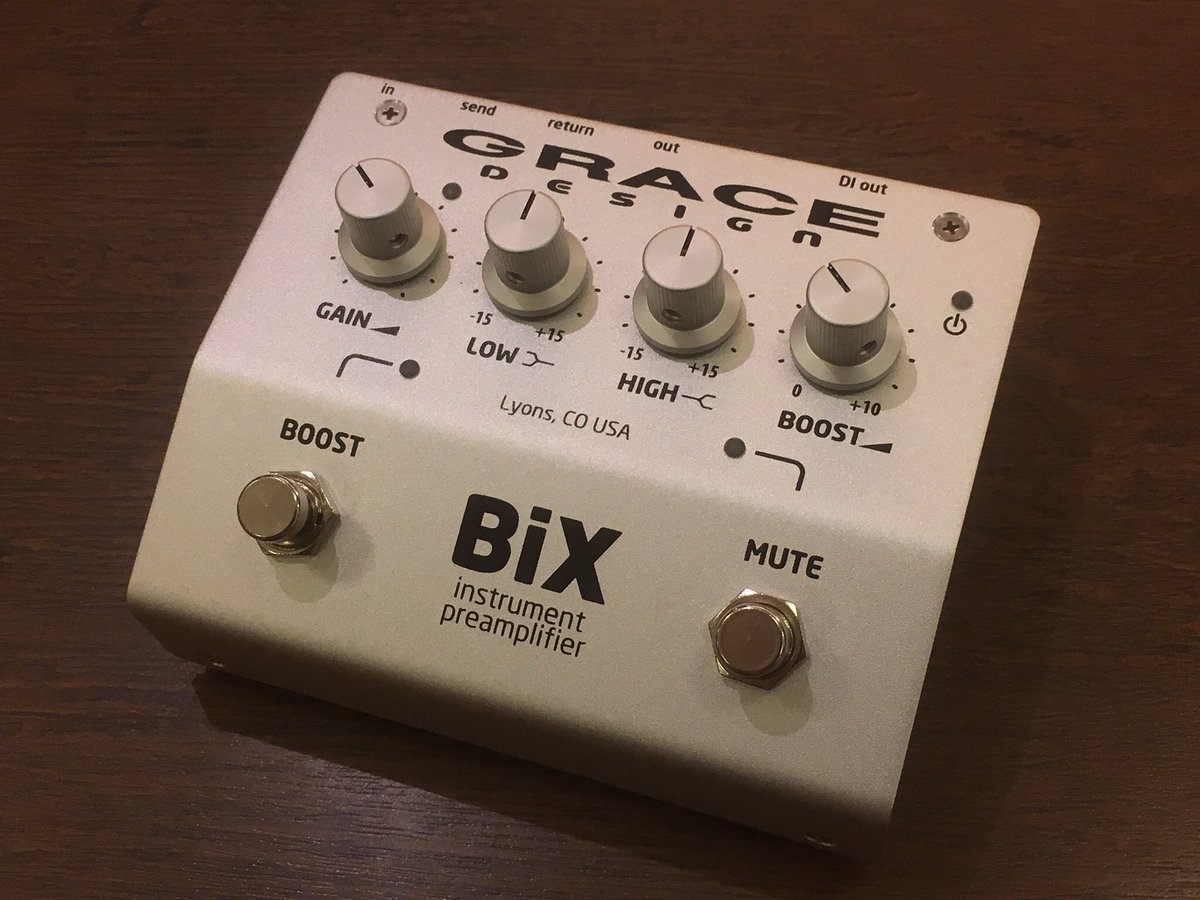
GraceDesigns acoustic preamp

I love GraceDesigns acoustic preamps both the Felix and the Bix. They sound awesome – only thing I would change on the Bix is that the boost is placed AFTER the effect loop and when using it with a looper in the effect loop, it boosts BOTH the guitar and the looper and that’s really annoying. Most other preamps place the boost BEFORE the effect loop and that much more useful, because then you can lift the guitar sound when playing a guitar solo without also boosting the loop, you’re playing on top off.

3. What setup do you bring on holiday or tour or commute etc.?

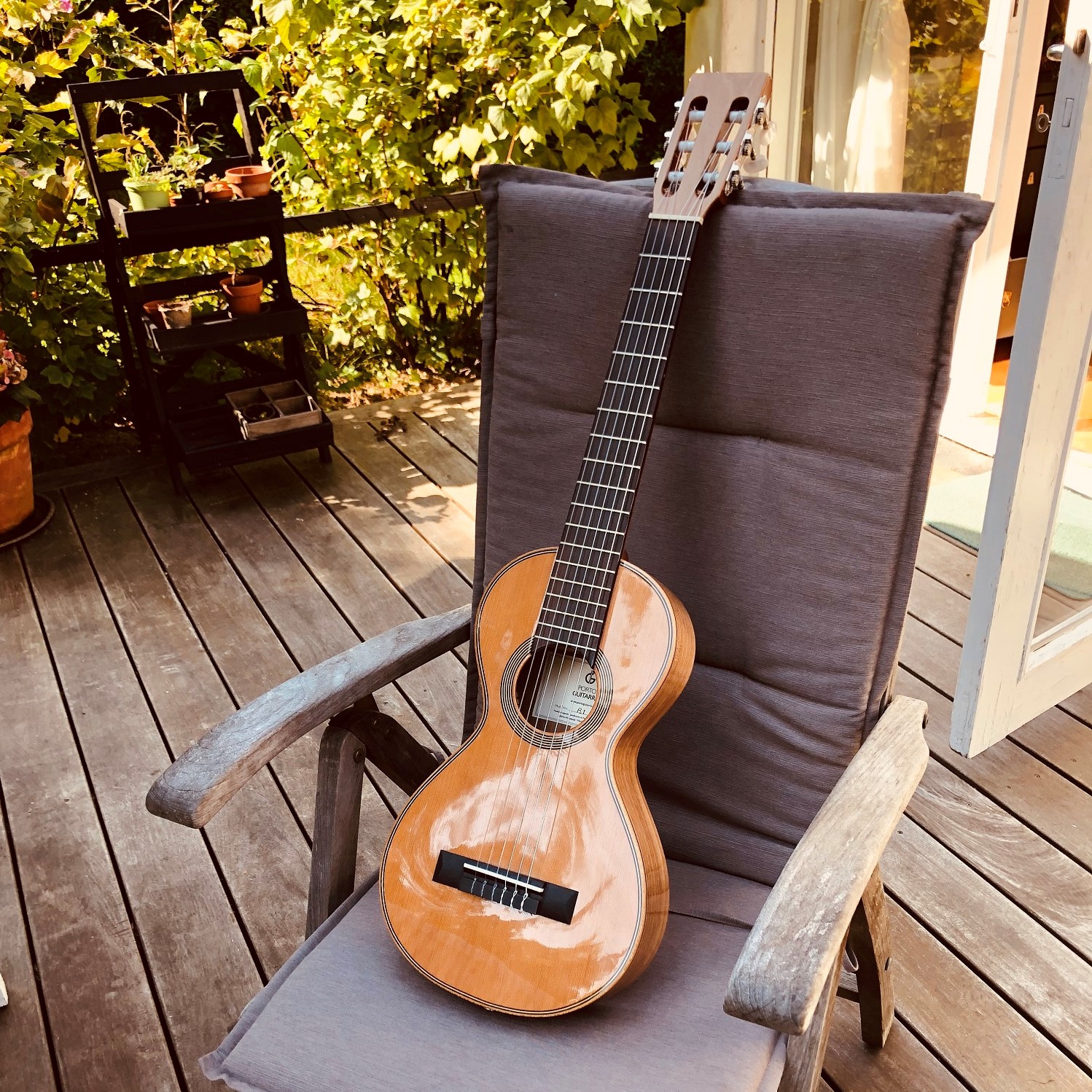
Porto Guitarre

I always try to bring a guitar with me when possible. I have a nice small body guitar made by Porto Guitarre from Portugal. It is built after how guitars looked like in the early 1800’s long before the “modern” acoustic guitar was developed. It plays like a classical guitar and is easy to travel with. It even has a nice pickup installed. Besides that, I have the same Focusrite iTrack Dock setup in my summer cottage that I use at home and that way all I have to do is bring my iPad with me, to continue what I’m working on when I’m on holiday.

4. What software do you wish was hardware and vice versa?

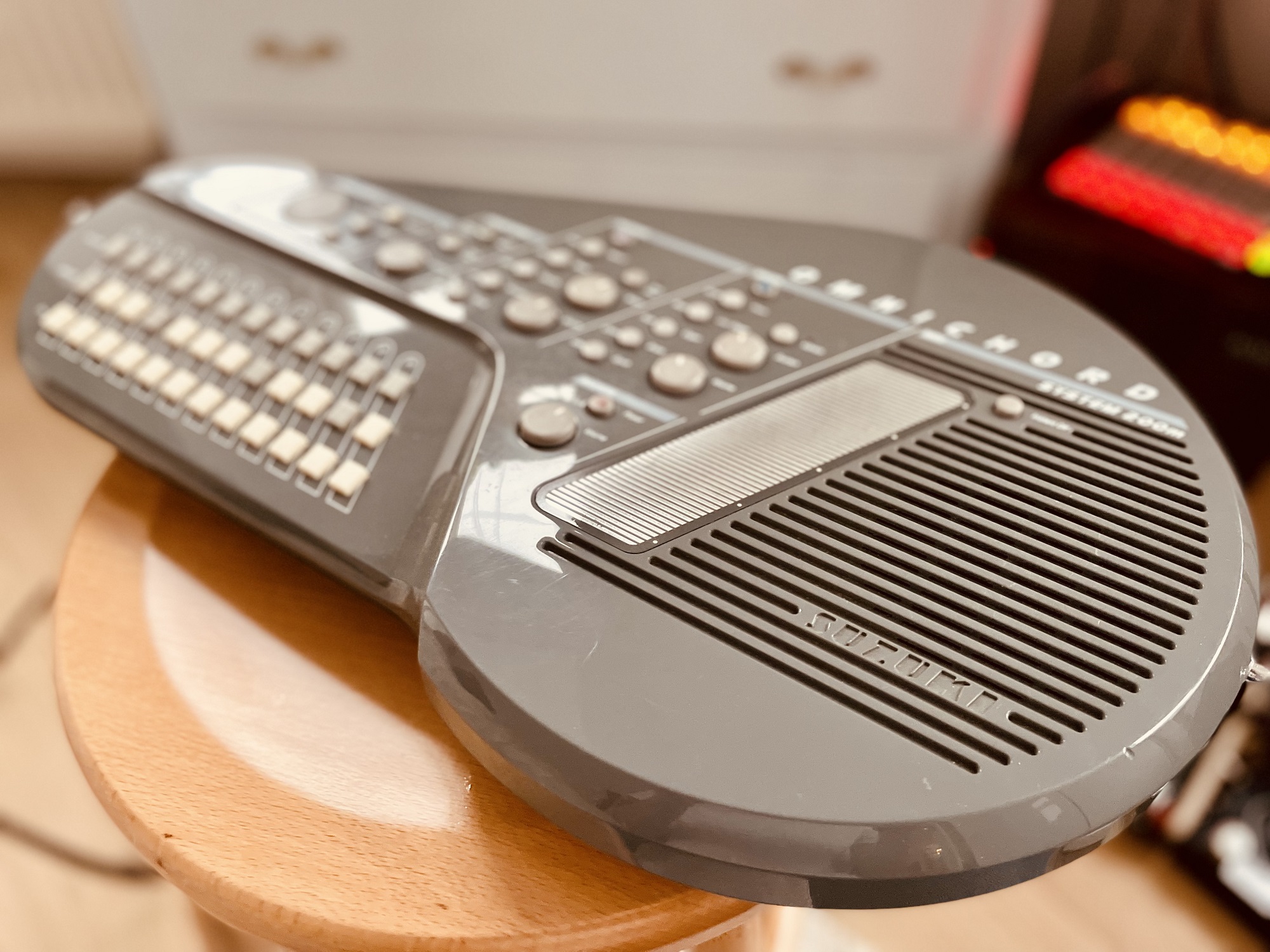
Omnichord

I don’t really use a lot of software – I prefer “real” things with “real” buttons – I tend to get lost when there’s too much you can do! I use Cubasis and a few good plugins. But the other way around, I would really love if someone made a software Omnichord. I love my Omnichords, but they were made in the mid 80’es and never meant to work for 40 years, so they get really fragile after so many years. I really don’t like taking them out – so a nice software version would be great!

5. Is there anything you regret selling… or regret buying?

Yes, a lot of stuff, but I have always tried to keep my collection of guitars, pedal and other gear to a minimum. I don’t like owning stuff I don’t use, and instruments are made to be played, so its better someone else is playing it, than it’s collecting dust on my shelf. Besides that, most gear is replaceable today. Only the really unique things are worth keeping.

6. What gear has inspired you to produce the most music?

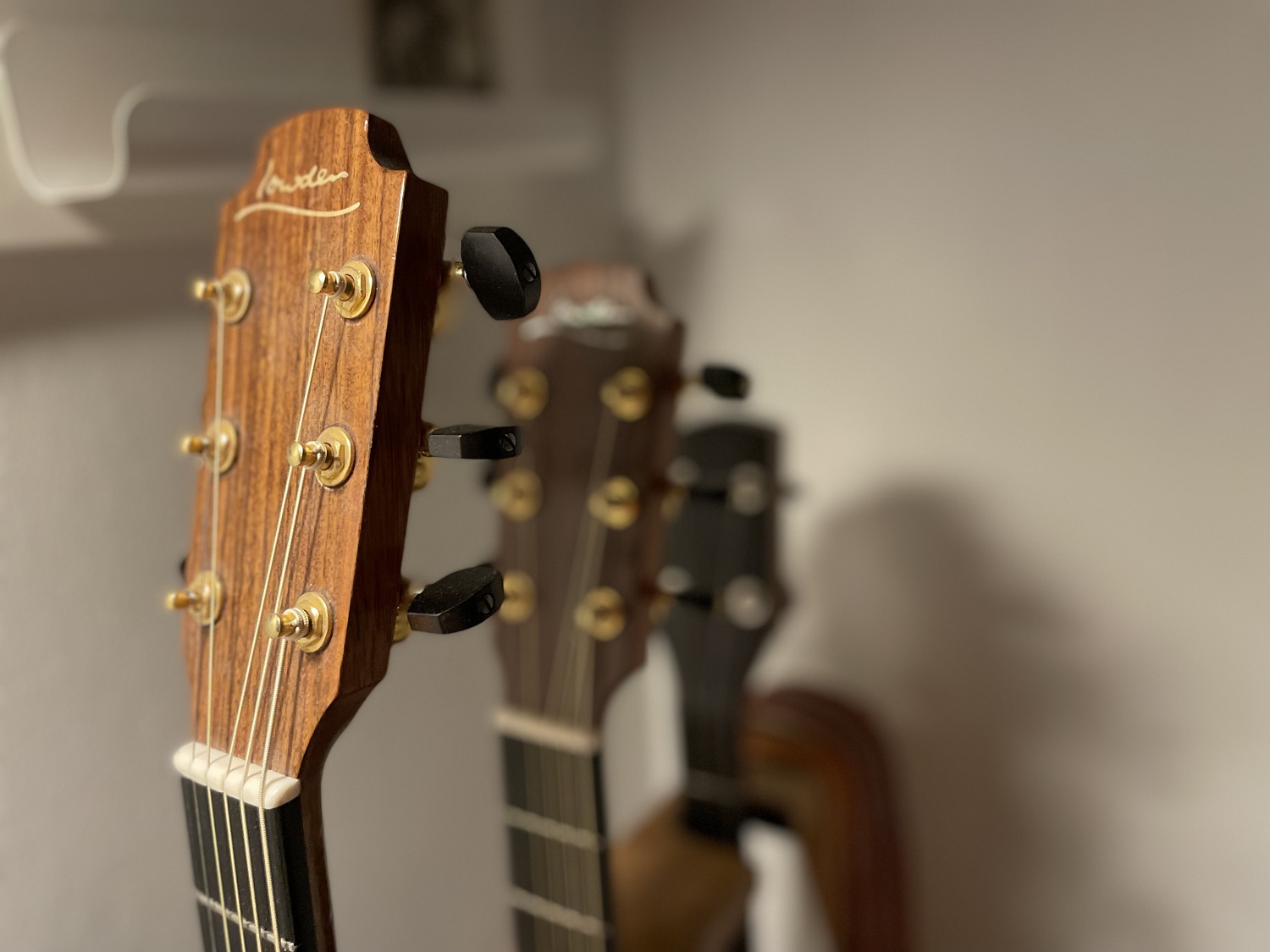
Lowden Acoustic Guitars

Clearly my Lowden guitars – there just so wonderfully inspiring instruments and almost everything starts with them. Once I had four of them, but now I’m down to just two. Both cedar tops, but one with rosewood sides and the other with mahogany. That covers just about what I need. They have a very nice “European sound” compared to the more common “American Martin sound” that works great with my music.

7. If you had to start over, what would you get first?

A nice acoustic guitar – I’m lefthanded, so for many years I had to play with some mediocre guitars, because the selection in most music stores here in Denmark was quite terrible. Just one really good instrument gets you a long way – especially when you start recording stuff. A good instrument sounds good with just a microphone, with a lesser instrument, you end up using too much time to cover that with EQs and stuff.

8. What’s the most annoying piece of gear you have, that you just can’t live without?

Instruments that don’t stay in tune – ukuleles are fun to play, but change the strings and you have to wait a month for them to be stabilize and stay in tune. Whistles too – must be tuned very precisely to sound in tune with other instruments. Tube amps can be annoying too.

9. Most surprising tip or trick or technique that you’ve discovered about a bit of kit?

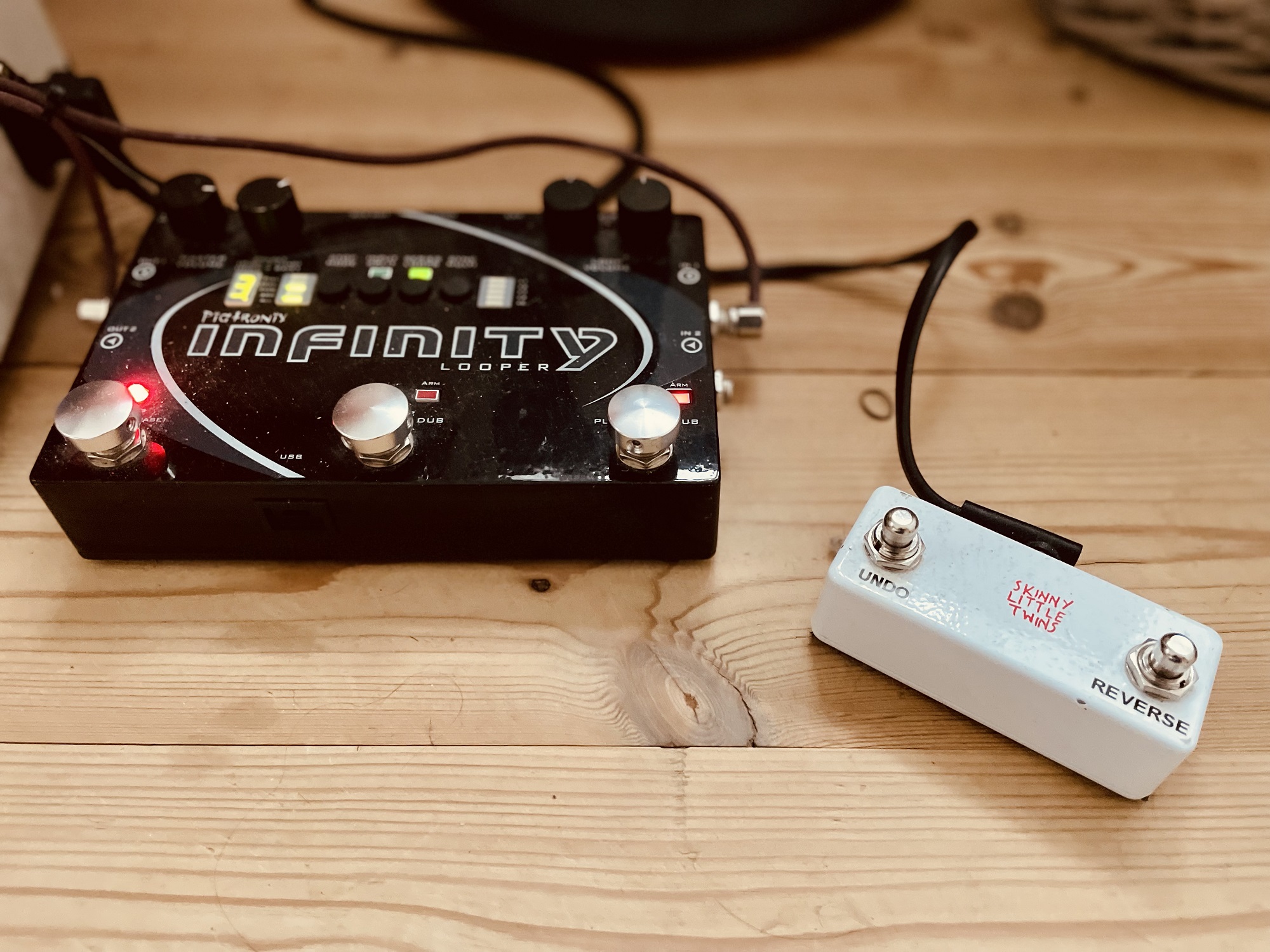
Besides live looping I use my looper to trigger samples when performing live. Again, it’s a way to add another dimension to playing solo acoustic stuff. It might be just a couple of piano notes or some cello that I have saved on the looper and can turn on and off on at the right moment. One song has a drumbeat and a saxophone riff ready on the looper

Pigtronics Infinity Looper

Artist or Band name?

Marcus Hagsten / Under Månen

Genre?

Nordic bluegrass

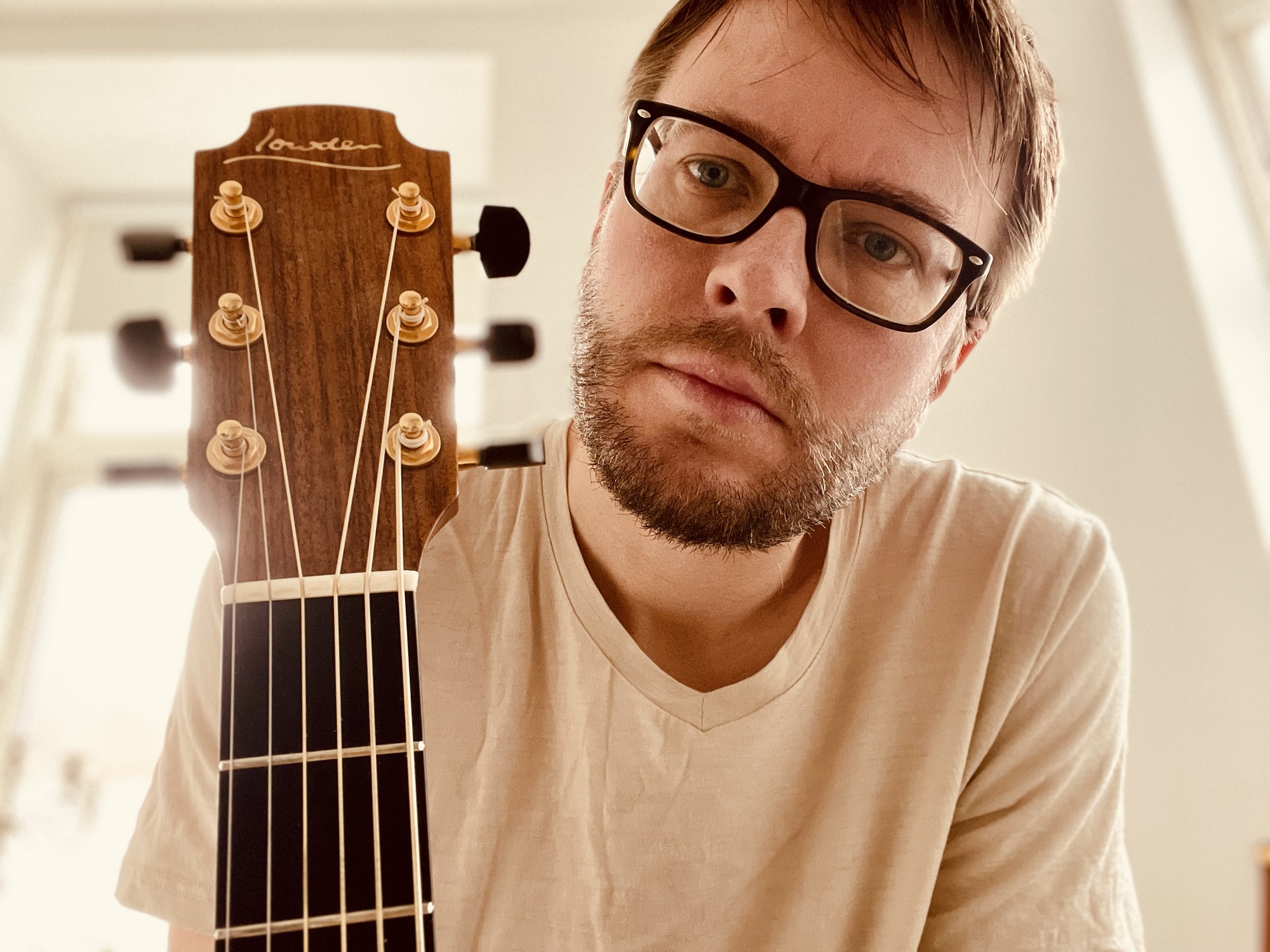
Selfie?

Marcus Hagsten

Where are you from?

Frederiksberg – Denmark

How did you get into music?

I stole my fathers album “Harvest” by Neil Young around age 12. Made a HUGE impression on me – started playing guitar soon after.

What still drives you to make music?

There’s always something new you haven’t tried before – music is an endless journey!

How do you most often start a new track?

Often I just fiddle around with my acoustic guitar while watching TV – new and interesting things often appears when you NOT aiming for something special. And I try to remember to record every good idea that arrives (usually just on my phone).

How do you know when a track is finished?

That’s very difficult! Often, I records a bunch of stuff for a track – different instruments, different parts on the same instrument, and then I start to remove layers until there’s only the part left that works and makes the tracks feel like a ‘whole’.

Show us your current studio

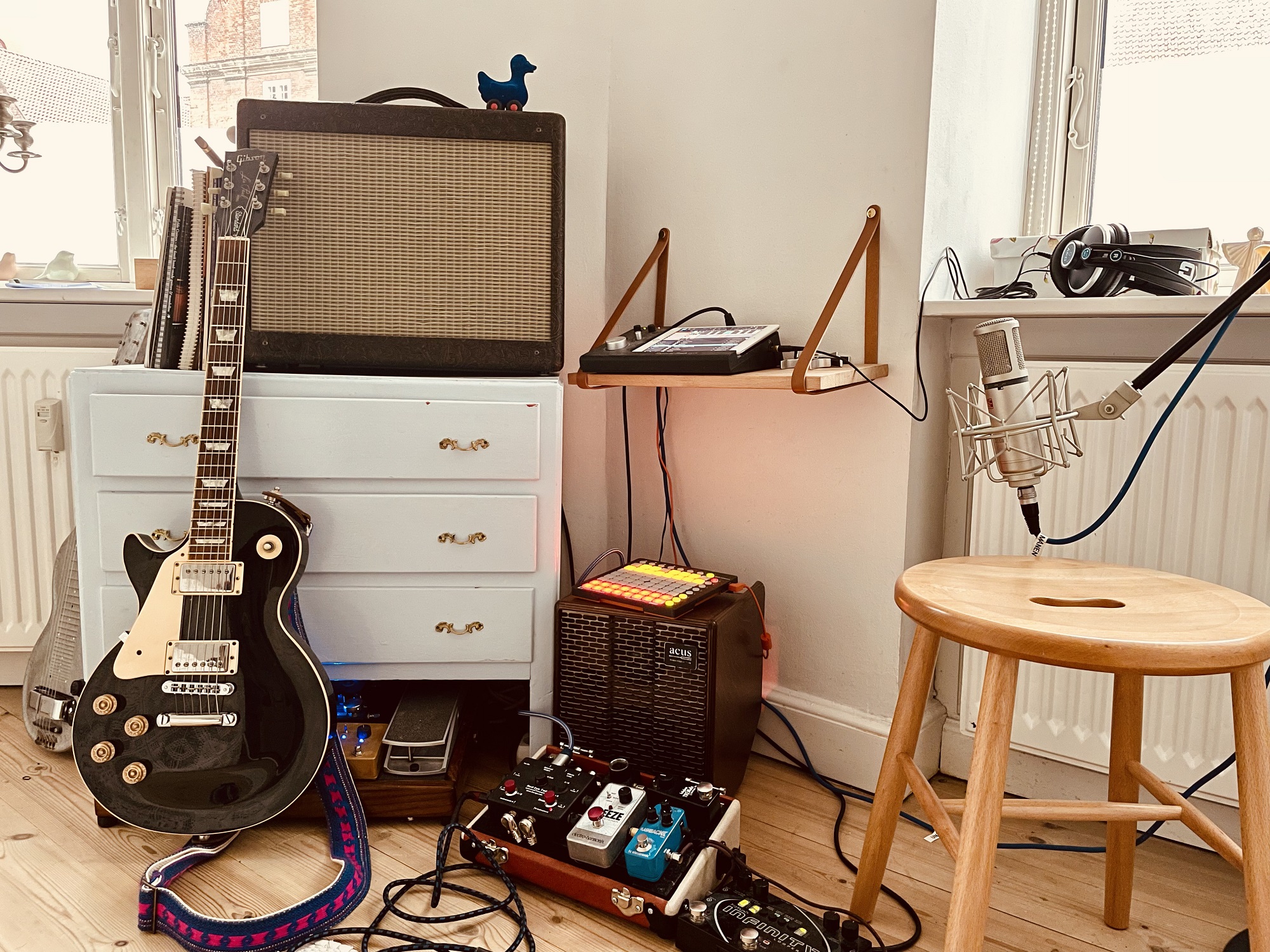
Marcus Hagsten Music Corner

Here’s a list of my gear. Reinau Deluxe amp / Gibson Les Paul / electric pedal board (Lovepedal Les Luis, Hermida Zendrive, T-Rex Replica, Strymon Blue Sky, Mr. Black Mini Tremolo) / iTrack Dock with Cubasis / Novation Launchpad / ACUS acoustic amp / acoustic pedal board (Red Eye Twin preamp, EHX Freeze, TC Delay, Lovepedal tremolo / SE 2200a microphone.

Best creative advice that you’ve ever heard?

I try to play something new every day – instead of practicing old tunes or playing other people’s music – every time I pick up my guitar, I first try to play something I never have played before.

Promote your latest thing… Go ahead, throw us a link.

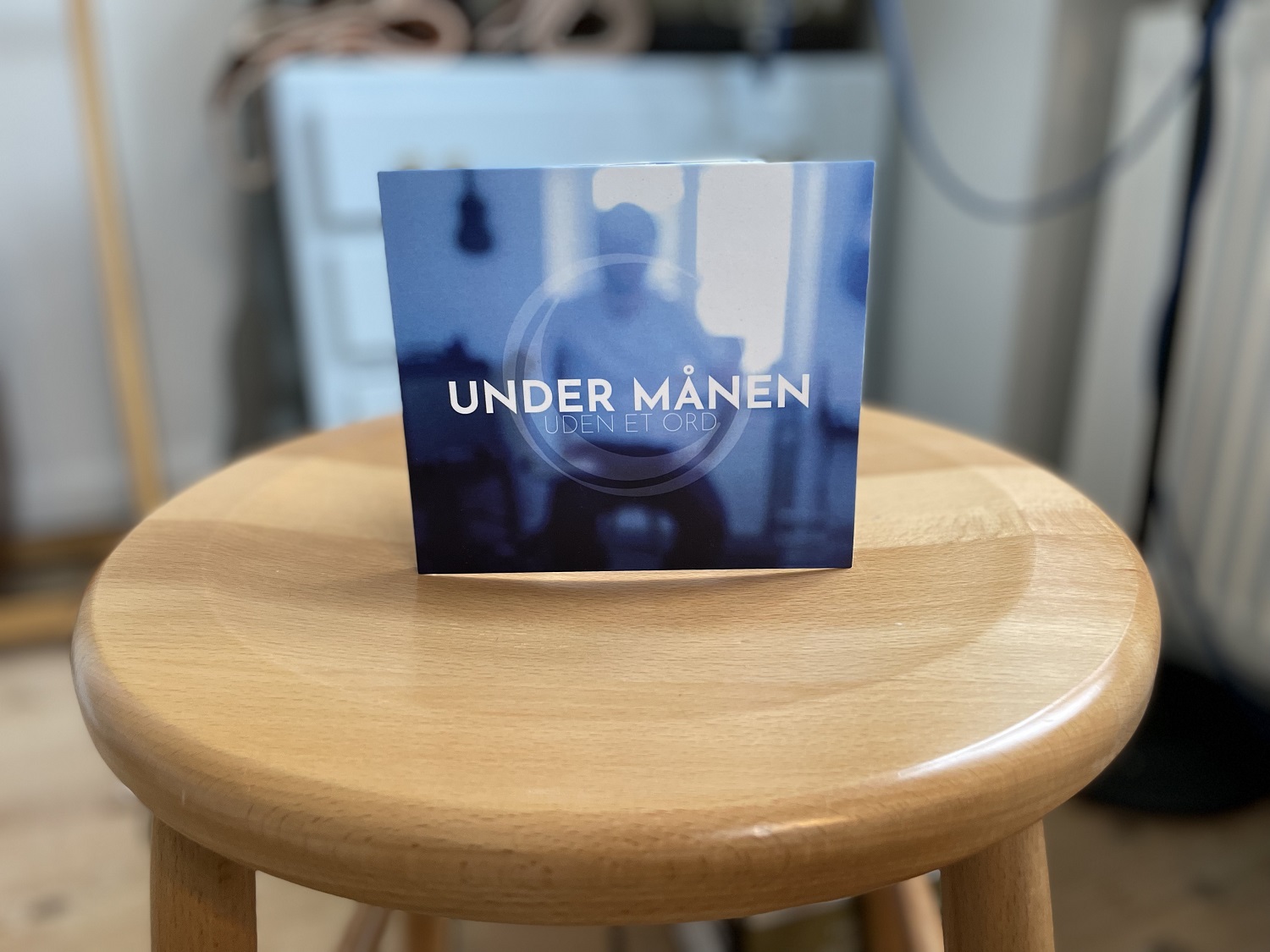
Marcus Hagsten Under Månen – Uden Et Ord

Released a debut album last year. You can hear it here:

https://share.amuse.io/6thFDCDigXIT


Hors Sujet – MusicMaker & FXbuilder

1. Favourite knob/fader/switch on a piece of gear and why?

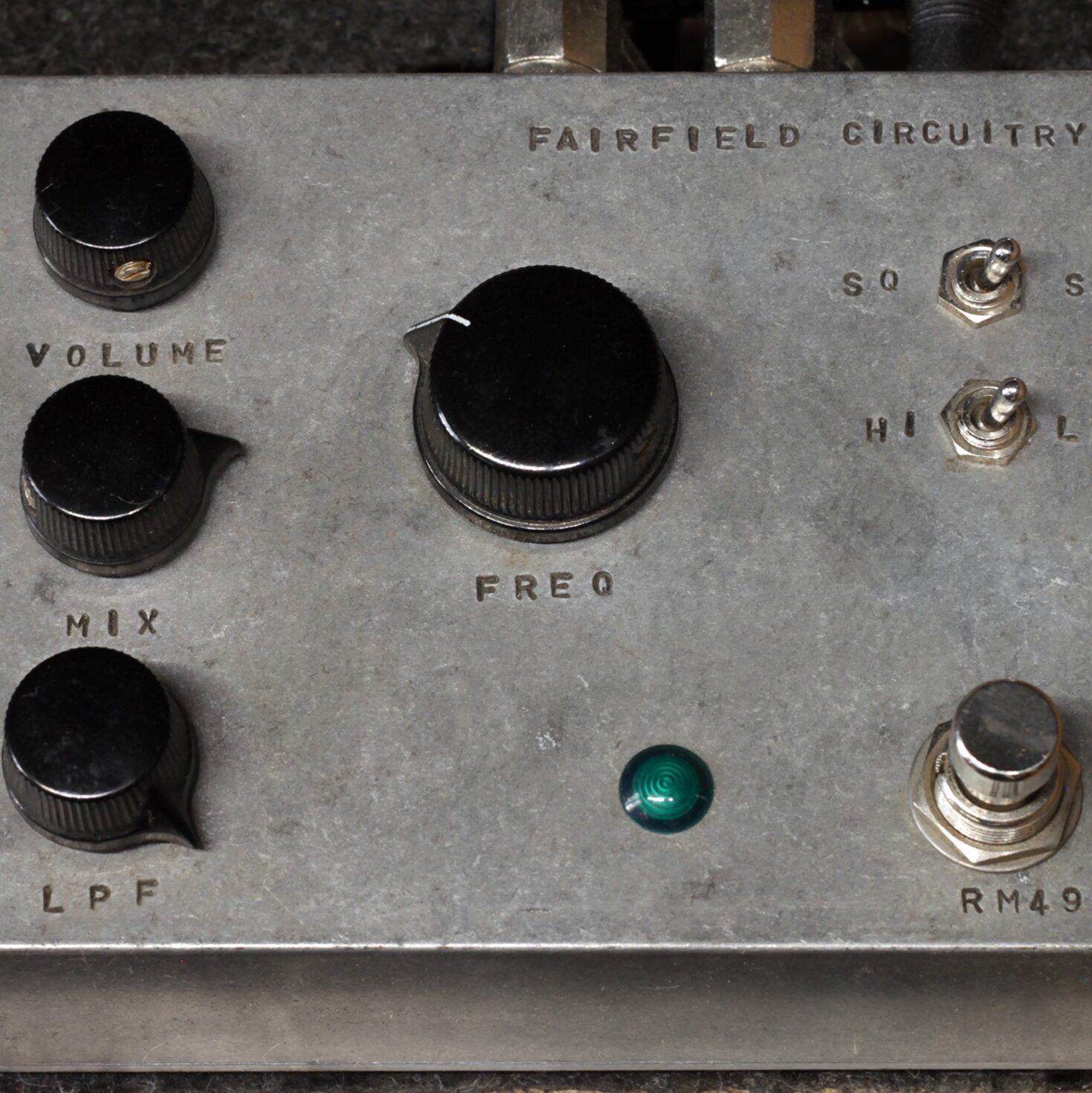
Definitely the frequency knob on the Randy’s Revenge from Fairfield circuitry. The pedal has a ton of amazing different sounds, I feel like they chose so perfectly the right potentiometer value to cover such a wide-range amount of sounds for the ring modulator and for the tremolo. Plus, having a big knob makes it even more enjoyable to use, and for once the pointy knob also adds to the feeling of super-precise setting. I’m not that much a pointy-knob guy (just because of its look), but Fairfield circuitry nailed it on all of their pedals : their potentiometers truly have a super precise feeling when changing the settings, even by doing super small adjustments.

Fairfield Circuitry Randy

2. Do you have an ‘almost’ perfect bit of kit? What would you change?

I’m really happy about the guitar pedalboard that I’ve build. I like going through years with different tastes, buying and selling gear to find the ones that fit the best for what I like to do. My project went from guitar only to guitar + reel-to-reel machines + tape players + circuit bent toys + keyboards, so I also had to adjust my guitar rig to go along. I can sample a lot, play with modulation pedals, I have different textures of fuzz/overdrive, two pedals that can sustain notes and creates drones…. everything fits into the custom wooden flight case that I’ve build years ago in my tiny student room (musician’s neighbors always suffer I have to say!), it’s somehow a bit crooked and it wears some traces of the past, but I can’t stop trying to improve it ! And if I had something to add it would definitely be more stutter/glitch/looping pedals (I admit I’m lurking on the Stammen[n] from Drolo for a long time now, as much as the Bloopers from Chase Bliss Audio).

Neat treat of a pedalboard

3. What setup do you bring on holiday/tour/commute etc.?

When I play live, I usually bring everything. That means guitars, amps, pedalboards, tape players, synths, drums sometimes, tape/toys/keys and its dedicated pedalboard. And just by reading my answer again I understand why I don’t play that much live! And for holidays, I like to bring a small Zoom sound recorder, and a walkman to capture low fidelity sounds of friends and nature. It’s a bit heavy and it some precious space, but I do the same with photography (I always bring twin-lens reflex during holidays).

Danelectro BackTalk reverse delay

4. What software do you wish was hardware and vice versa?

I don’t have anything digital, I don’t work with plugins & vsts. I record on a multi-tracks DAW of course, but everything has to start as a live composition that I could be able to play solo live, so I try to get rid of the computer as much as possible when it comes to music composition.

5. Is there anything you regret selling… or regret buying?

I regret selling the Danelectro backtalk reverse delay years ago (the old version one), I needed money back then but I’d love to have it back now, even if the pedal is super big, and if the effect can be found on other gear… I really liked its silly look.

6. What gear has inspired you to produce the most music?

Multiple ones of course, but the main one that help me to find a new way of composing was the Tascam 414 (a 4-track tape player) when it came to entering into tape loops. I mainly use it to support now the guitar and other instrument, but when I started with it I couldn’t stop making tape loops of anything around me. I still do, but now that I have find a better use of the instrument, I can still notice how everything often starts from it.

Tascam Portastudio

And tiny mention for the ehx freeze pedal for drones. Amazingly, having one drone and multiples pedals plug right after it open so many possibilities. I love how one sustained note can be developped for hours.

Ehx Freeze

7. If you had to start over, what would you get first?

Learning violin or piano. I’ve decided to add piano in my compositions just couple of months ago (I bought one last year), and the possibilities that are in front of me amazes me everytime. I also bought a violin years ago, and only use it (as the piano) to experiment stuff since I’m learning how to play with them. But I can’t stop having an accoustic set in mind with prepared instruments. A kit consisting of a piano, violin, loopers and tape machines would be something I’d love to start over with.

8. What’s the most annoying piece of gear you have, that you just can’t live without?

Probably the whammy 4. But just because it’s too big, it take the size of 2 pedals, and I don’t use it that much except for having an octave below and for down-tuning (sounds amazingly powerful when coupled with a fuzz). I’ve opened it once to see how the pedal was working, and immediately got surprised by the expression pedal’s system. I won’t spoil it (if you have a whammy 4, do it if you’re experienced with opening stuff… I don’t wanna be responsible if you break something!) but this tiny detail also changed my decision to sell it for a smaller version, just because I loved what I saw. And also, every time when I was posting a picture of my pedalboard on a forum or social media, I instantly got that question : “Why do you put your whammy so high? Isn’t that hard to reach it?”. At a point that it started to be my own meme, and some people that followed me were openly asking it again, and again, and again as a joke. The unreachable whammy guy.

Digitech Whammy

9. Most surprising tip/trick/technique that you’ve discovered about a bit of gear?

Nothing too fancy, but recently the unsynchronized loops on the Ditto X4 got me super excited, because I love looping a small phrase on two separated tracks at the same time and stopping the recording with a super slight delay. That way, the two samples will slightly drift from each other and create a whole new rhythm. I’ve always loved doing that with tapes, but trying it as well on a pedal was something new, since I didn’t have a multi-tracks looper. I edited and posted a video on my youtube channel called “Asynchronous loops” where I explain how I play with this technique.


Artist or Band name?

Hors Sujet

Genre?

Instrumental ambient/drone

Selfie?

That’s the only picture that I don’t take unfortunately.

Hors Sujet

Where are you from?

Toulouse, France.

How did you get into music?

My parents obviously have put me on a good path. My father, grand father and great grandfather were drummers, and as a kid I once saw some picture of my mom & dad playing bass and drums with friends, that got me thinking “What would it feel to be in a musical band”. There are some picture of me behind a drumset at age 1, and my grand-father gave me his drum set when I was around 12. I only had one band in my youth, a grindcore band (I was behind the drums), then I’ve decided to start Hors Sujet around 2005.

What still drives you to make music?

I realize that everytime I wanna compose something, I wanna say something or scream it out loud, but I don’t feel able to do so. Mostly inner questions about love, solitude, injustice, anger and desire. So maybe not finding answers to those questions, but trying to liberate a bit of the energy that drives those questions to understand them more.

How do you most often start a new track?

I usually start with unexpected ideas. Some images, a feeling, an emotion, a trip, a book, a voice, anything that can produce in my brain some changes, some new air to breath. I love that feeling of having ideas out of nowhere, and having a carnival brain that never stops help. Wether it happens when I’m on my bike, in the bathroom, in my bed right before to go to bed, I try to write down everything, or record my voice singing a melody, a story…just not to forget them. I’m not that much of a rehearsal person who practice hours before finding something that I like or that could work. Most of the time when it comes, I’m away from any musical gear. Ideas are a real magical moment for me when it happens, when you stop walking just because something caught your attention inside, and when you’re in a hurry to go back home just to try to put in music what you have been thinking about. That’s usually how I start to compose. After laying down a couple of things that sound like what I had in mind, it can be pretty fast to develop afterward.

How do you know when a track is finished?

Things are obviously different when I record for professional contracts or for myself as Hors Sujet. I try to repeat to myself “Better is the worst enemy of good” most of the time when mixing a track. Because I always want to add an extra arrangement, to record something that will make a difference. As the common saying goes : the only rule is that there are no rules. Wether it can work for you in 4 months or in 4 days, then do what’s good for you.
I’ve worked once on an album for a year and this is something I try to avoid as much as possible. Every time that I start a new release I decide a deadline (so also a deadline for each track as well, to have a small agenda for myself), that way I can choose listening days in advance, so during the recording process I can let a track rest for a couple of days, then listen to it again and make a todo list of things that I have to correct/re-arrange/delete/record again, and I repeat the operation multiples times, until the todo list gets smaller and smaller.

Show us your current studio

Hors Sujet Studio

Best creative advice that you’ve ever heard?

I don’t know if it’s related to creation, but I’ve met a sound engineer and a composer a couple of years ago that I’m now close friends with, who both work in a local recording studio, and shared with me their point of view on the music industry after years of work. Finding the proper “use” of your art. That moment when you decide to make a living out of music can be decisive, specially because all of the conditions which can sometimes result from it (way of life, intermittent work, financial issues, depression…), and they totally helped me to focus on the fact that it’s a job like any other job.

There’s a magical liberty of creating music and building a lifetime artwork, but it requiers hard work, dedication, constant efforts, humility, inspiration and sometimes perfectionism.

Talking about this condition helps a lot, in my case being in a one-man project taught me a lot of things and I’m thankful that I’ve also met great minds to help me go forward on my musical journey.

Promote your latest thing… Go ahead, throw us a link.

My latest album : “Avec la distance”

I post most of my music as Hors Sujet, and the handcrafted effect that I build as TATAKI. So you’ll find my music, my musical video clips, things that I build, demos of circuit-bent gear, and some other videos that I make when I feel like it (road trip, thoughts) here: https://www.youtube.com/user/horssujet21

My bandcamp to support me: https://horssujet.bandcamp.com/


[Editor: Do you have a favorite tip, trick or way of working with any of the gear from this interview?
Then throw a comment below…
]