Oriol Domingo – El Garatge

[Editor: This is interview nr. 100! Yay!!! And to celebrate, we’re doing a GIVEAWAY! Oriol has kindly donated an El Garatge expression knob to one lucky price winner. Check out how to enter on my Instagram]

1. Favourite knob or fader or switch on a piece of gear and why?
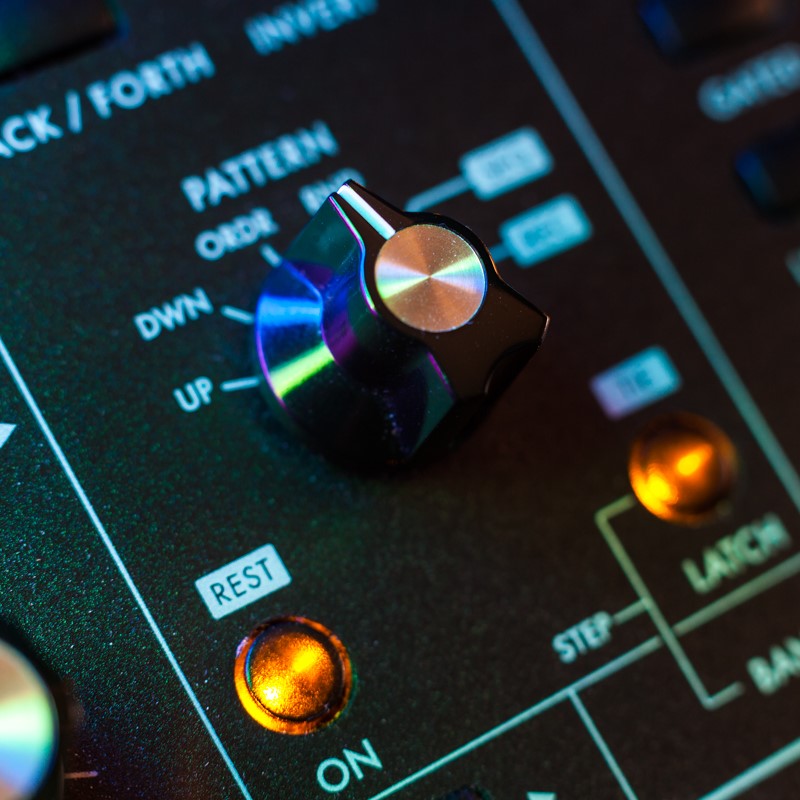
Moog Sub 37 chicken head knob

My Moog Sub 37 has a very good over all build quality. I like that despite being quite big, the filter knob moves really smooth, but what I like even more, is the pattern type and octave selectors, even the click sound is very pleasing!.

2. Do you have an ‘almost’ perfect bit of kit? What would you change? 
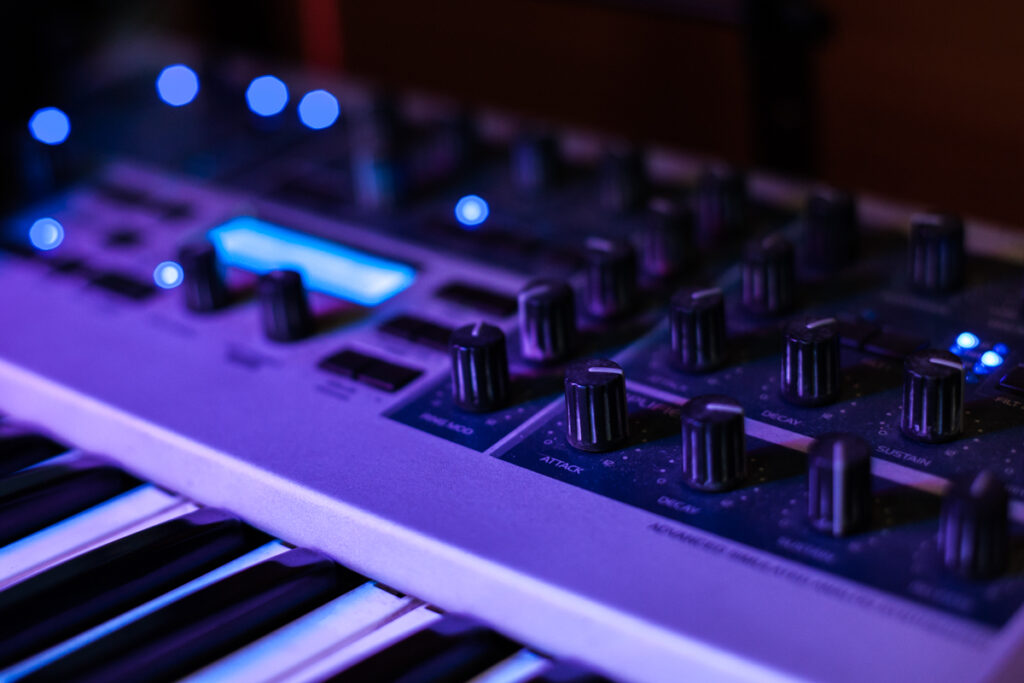
Access Virus Indigo 2

I really like my old Access Virus Indigo 2. Sounds really powerful and offers a lot of sonic possibilities, but due to the metal sides it’s insanely heavy and the keybed feels really cheap for me. I already have a bigger midi controller connected to it, but I like to use the built-in keyboards, especially when I’m just creating new sounds.

3. What setup do you bring on holiday or tour or commute etc.?
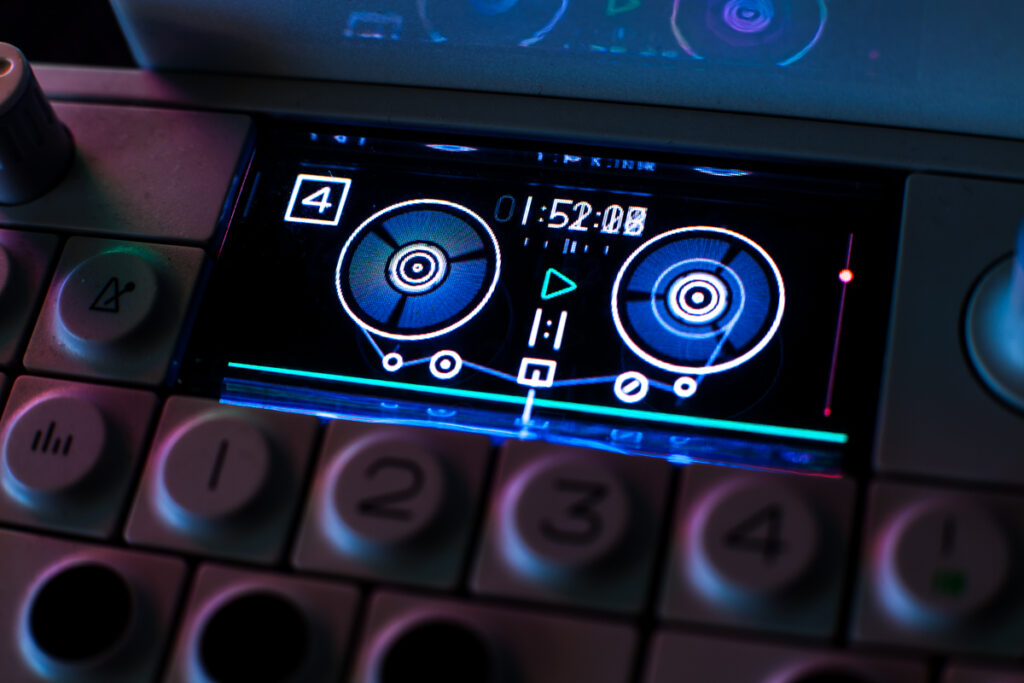
Teenage Engineering OP-1

Most of the time, just the Teenage Engineering OP-1. It’s perfect to practice with limitations. It allows me to create full songs without using any other device and I remember discovering some cool melodies that, with another piece of gear, wouldn’t have happened, because of the way it makes me work. Also, I can use the built-in mic, line in or FM radio too, when I want to use a little more elaborated portable setups.

4. What software do you wish was hardware and vice versa?
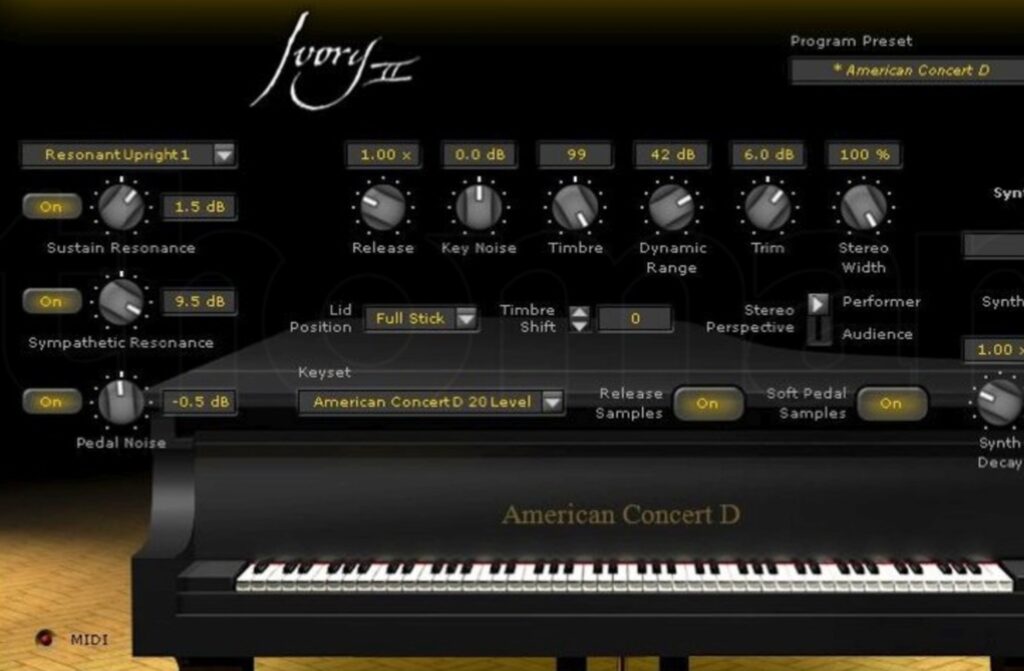
VST Synthogy Ivory Piano

As a piano player, I really like the VST Synthogy Ivory Piano. Most of the time I do my music without a computer, where the OP-1 is current main device to record with.
It would be really cool to just have that piano sound out of the computer, as most of the time I just want to play and it doesn’t make sense starting up a DAW or even a computer simply to play a sound, when I don’t want to do anything else. In fact, they did release a hardware version, but in addition to being really expensive I think they discontinued it.

5. Is there anything you regret selling… or regret buying?
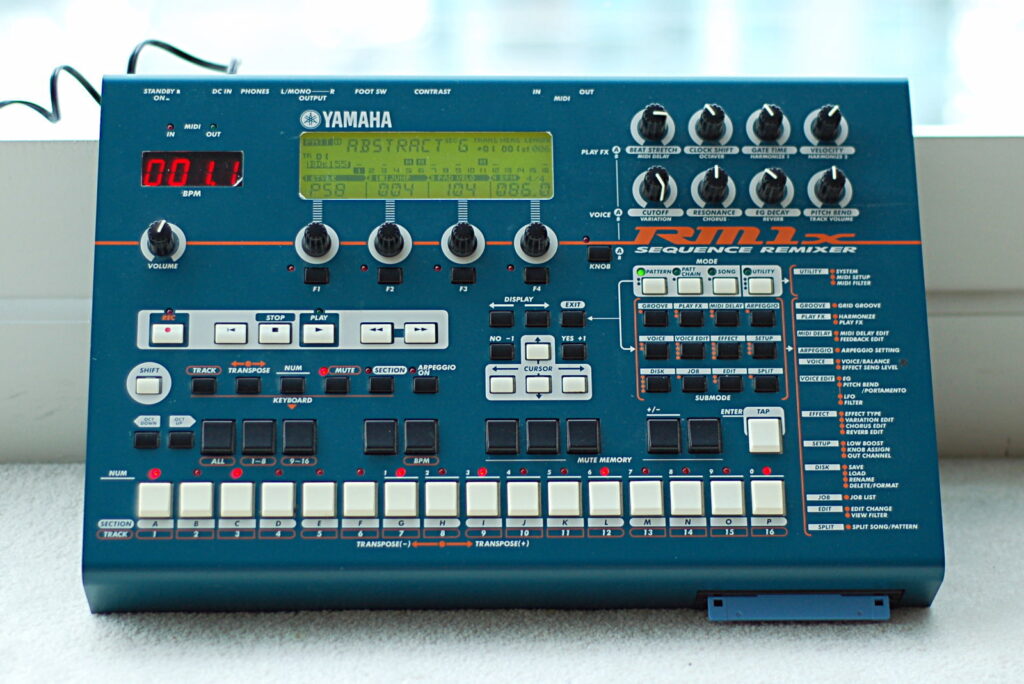
Yamaha RM1X

Since I first discovered grooveboxes and synths, over time I ended up with a fair amount of devices, but sometimes I was more attracted to the aesthetics or possibilities, than what I really lacked in my studio.
Other times maybe I needed what I purchased, but in the end, the device didn’t fit my preferred way to work. I remember buying (and selling again very soon after) a Yamaha RM1X. It had a really powerful sequencer, but it wasn’t satisfying for me to play with. I also had fun with the Roland MC-303 Groovebox and even though I wouldn’t give it much use nowadays I still miss it sometimes.

6. What gear has inspired you to produce the most music?

Again, the OP-1 alone has given me a good amount of ideas. The workflow and immediacy to record and loop is something really well designed and that works very well in my case, because it really helps me to have visual feedback on what I’m doing.
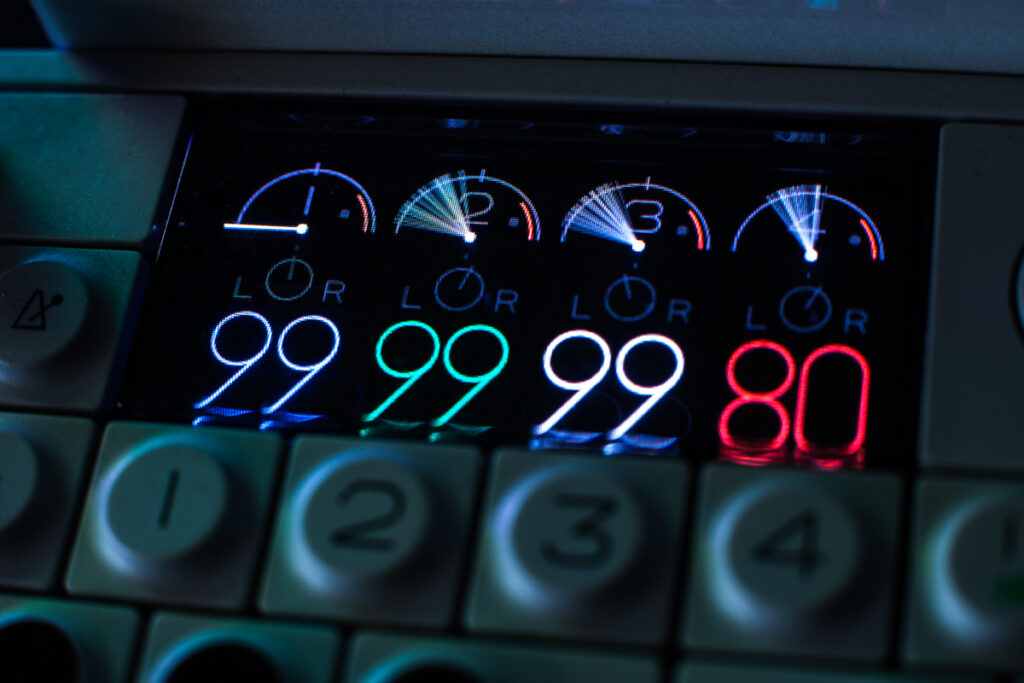
TE OP-1

7. If you had to start over, what would you get first?

Probably a Korg Minilogue XD. It offers a lot of immediacy and very little menu diving, which is great to design sounds fast. In addition, the sonic possibilities and extra oscillators make it a really good synth to start with. It can easily do everything from drum sounds to bass, leads and pads. I miss a little more of polyphony, but adding a little of the internal reverb or delay effects can help with that.
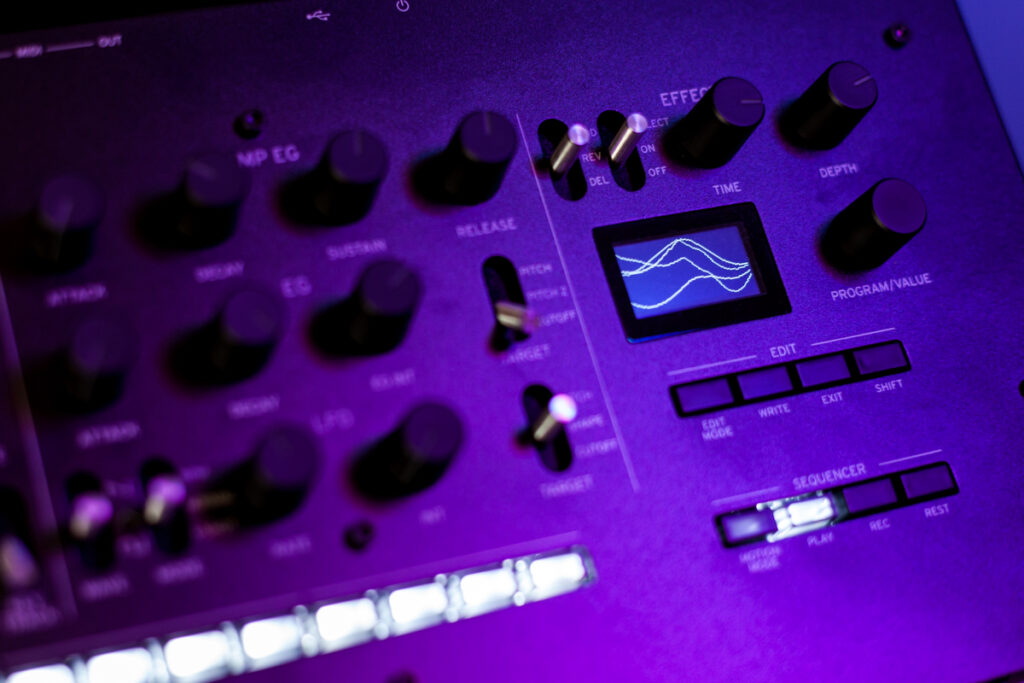
Korg Minilogue XD

8. What’s the most annoying piece of gear you have, that you just can’t live without?

Despite having some decent synths and quality pedals, I still own, not one, but two Behringer mixers and a Tube Ultra-Q which I have only connected to my Yamaha Reface CP to add some EQ. I have one rack mixer with 8 stereo inputs where I connect all the synths. From that, I connect the main out to the other small mixer. where I add aux effects and additional synths or mics. Both mixers add a considerable amount of noise, especially the small one, depending on levels, but I’m just used to it and I keep using them for now.
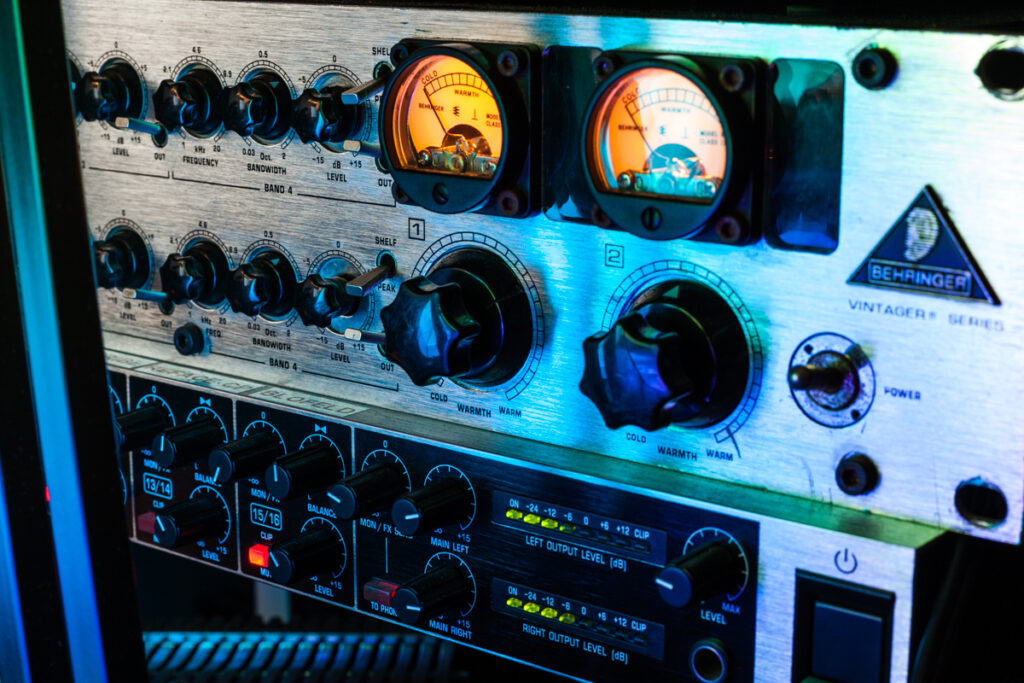
Behringer mixers and Tube Ultra-Q

9. Most surprising tip or trick or technique that you’ve discovered about a bit of kit?

Maybe this can’t even be considered a technique, but sometimes I have fun placing piezo microphones between my midi keyboard keys and then amplify and add EQ to the noise while I play. Then I can record piano music with some real noises. I even tried placing the mic on old wood furniture to add some cracking noises while I record, which adds a little more atmosphere in my opinion.

[Editor: That is fantastic lateral thinking technique! I dig it!]

Piezo mic for mechanical noise

Artist or Band name?

I make music as Efímer on YouTube/Spotify. You can find me at youtube.com/efimer where I upload soundpacks and demos of my own devices too.

Genre?

I’d say Ambient/Downtempo, but sometimes I make piano and orchestral music too.

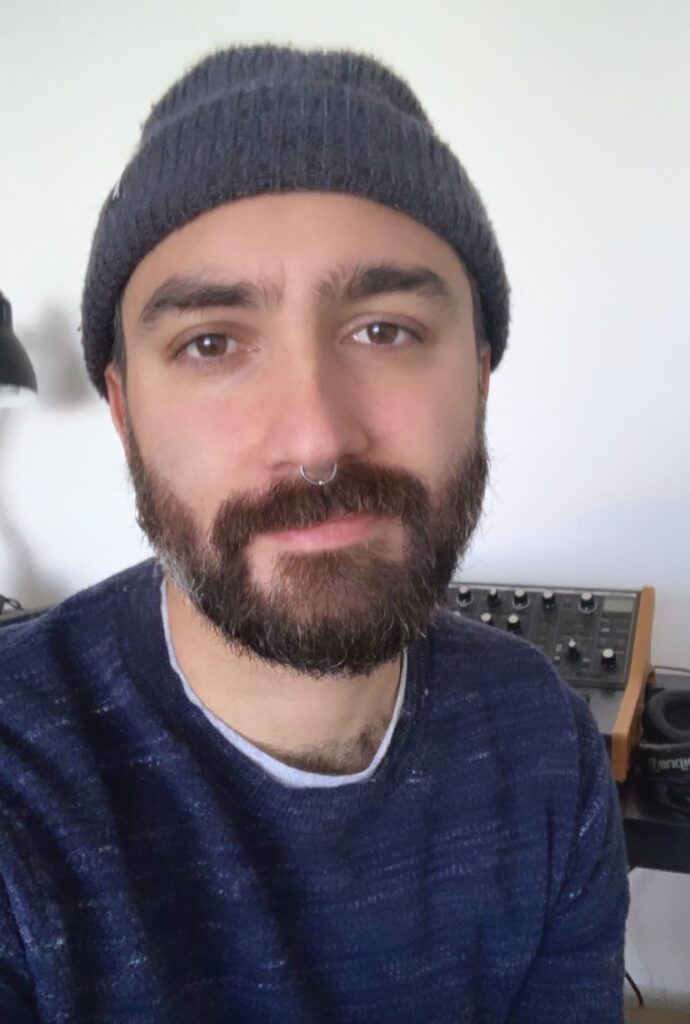
Selfie? 
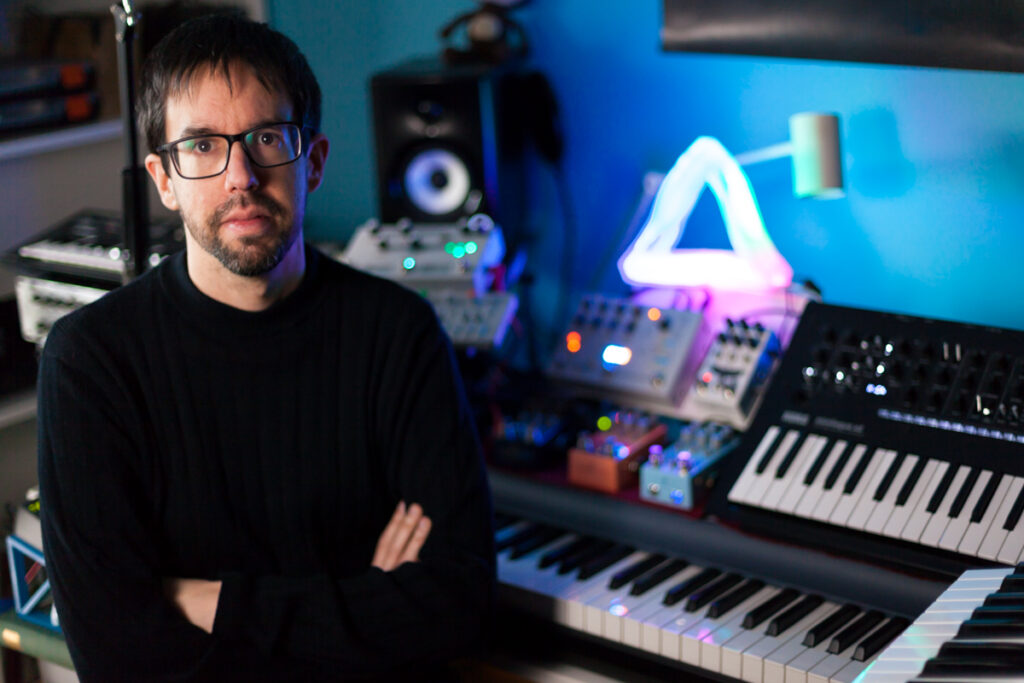
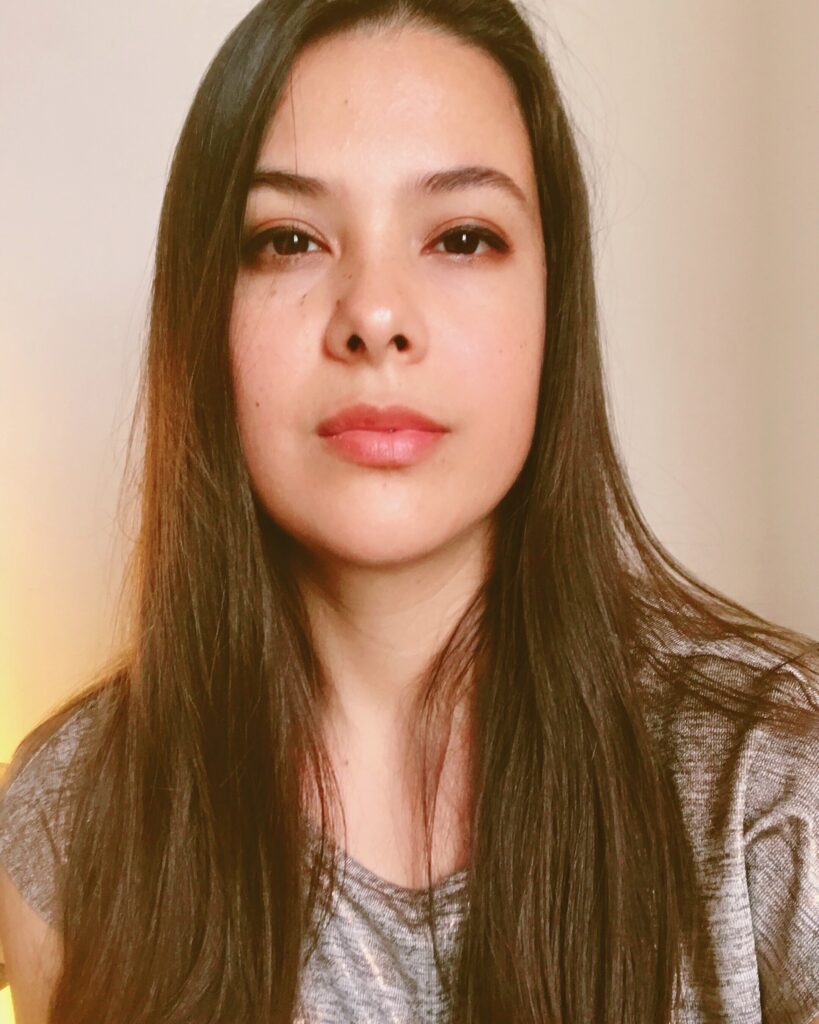
Oriol Domingo in his studio

Where are you from?

Barcelona, Spain.

How did you get into music?

My grandparent used to take care of another family’s orchard. One day he returned home with one of these little mechanical toy pianos, that the kid of the other family didn’t want. I was 4 years old, but I still can remember what I felt when I played the first notes, I was immediately hooked and I’ve been playing by ear from that age.

The first song I played with that toy piano was MacGyver by the way, haha. When I was 8 my father understood I wasn’t going to stop playing the piano and he bought me a more decent one. From there, I discovered what I really liked was to play by ear and also create my own songs. All the synth stuff and GAS came when I was about 16 when I discovered the Roland MC-303 and Korg Electribes.

What still drives you to make music?

The act of creating something out of nothing, the possibility to create some unique music that could convey feelings to other people makes me happy. Of course it’s complicated to do anything really “new” but even the process of trying to create it can lead to understanding ourselves a little better, by trying to find our own voice. Creating music makes us wonder what do we want.

How do you most often start a new track?

I use two different methods. Sometimes when I’m learning to use a new piece of gear I just want to create some sounds. If during the process a new melody comes to my mind, I try to follow that and see where it goes, and if not, I’ll still have some patches to use another day. The other method I use is just starting with a piano or rhodes sound, which are my favorite, and start improvising while I think about other things.

How do you know when a track is finished?

When even the “worst” part of a track is still acceptable in my opinion. I usually listen to each fragment many times and try to correct the things I still don’t like. Sometimes works well too just listening to it in another moment or another day to realize there are still things to fix. I think it’s good to listen to your own old music too, in order to see if you would make the same decisions again.

Show us your current studio

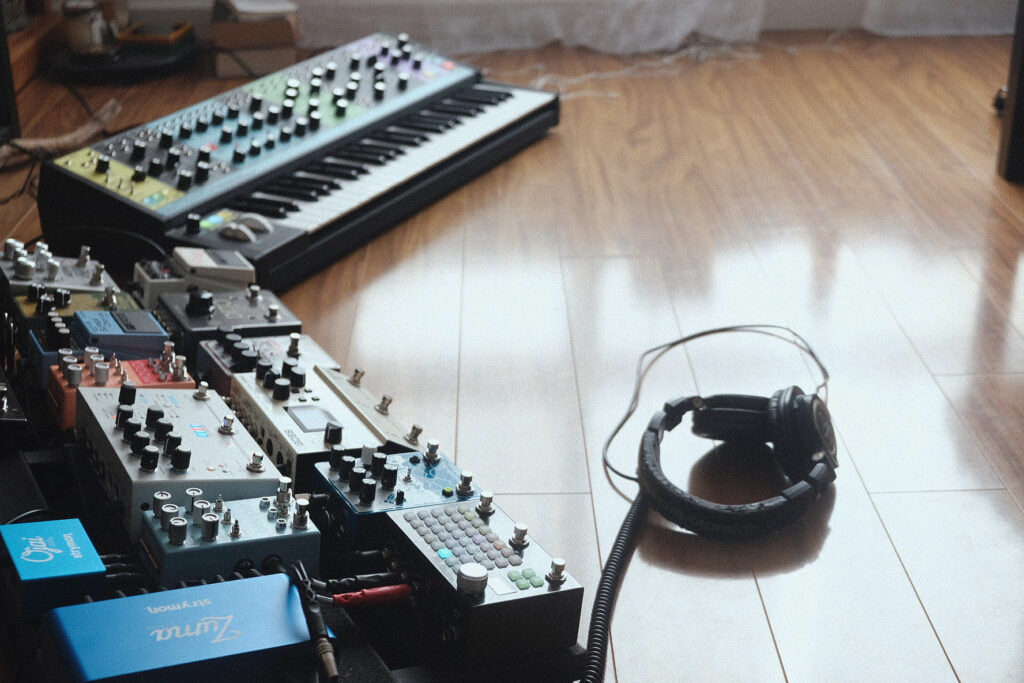
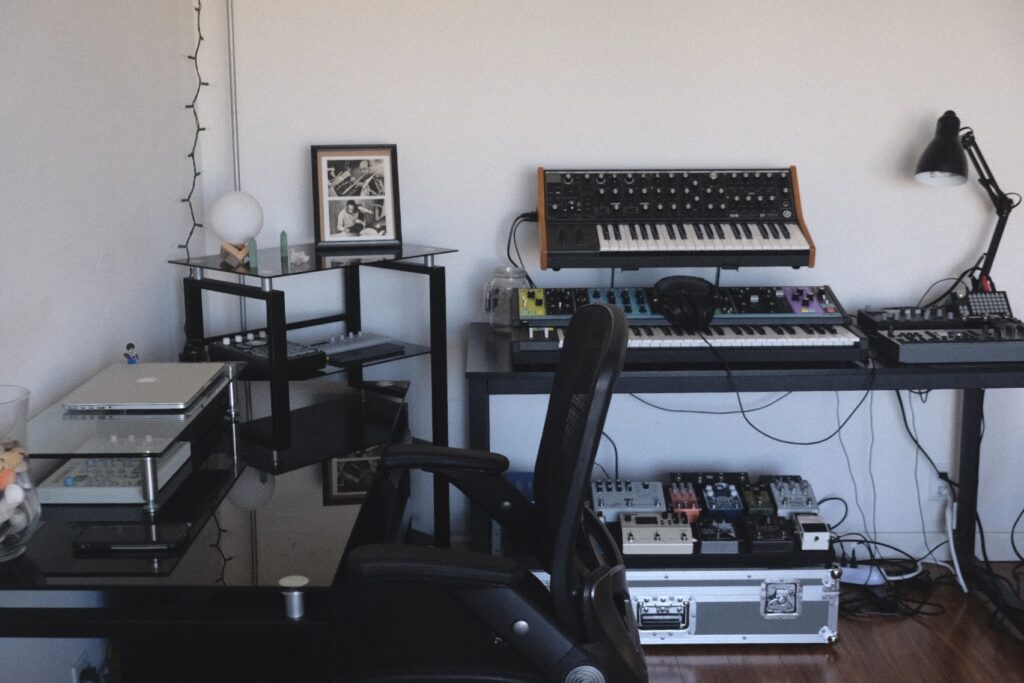
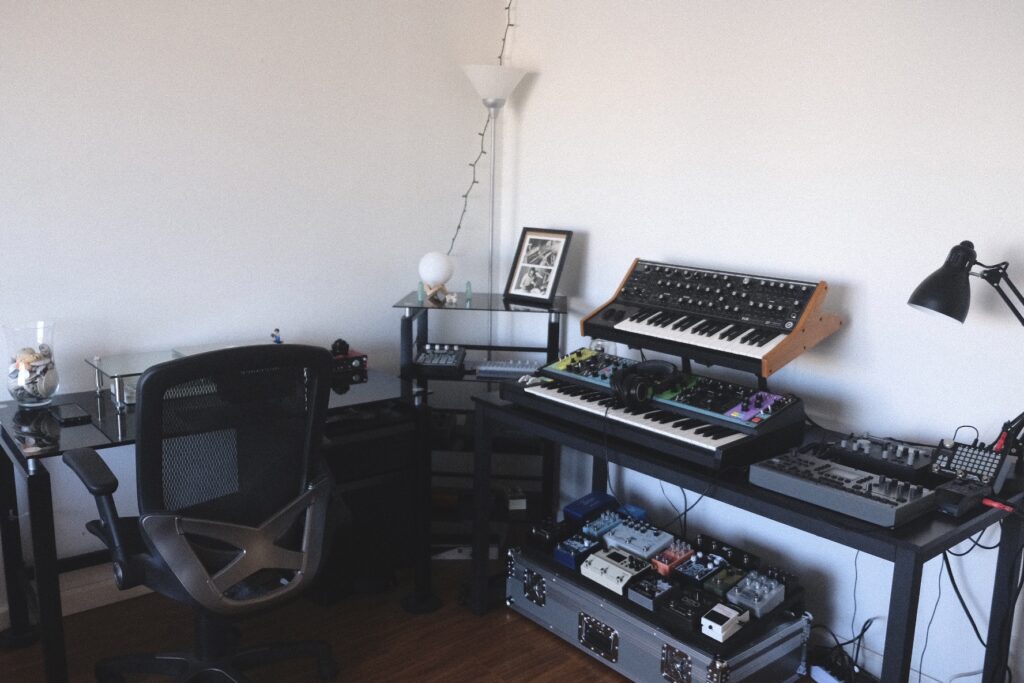
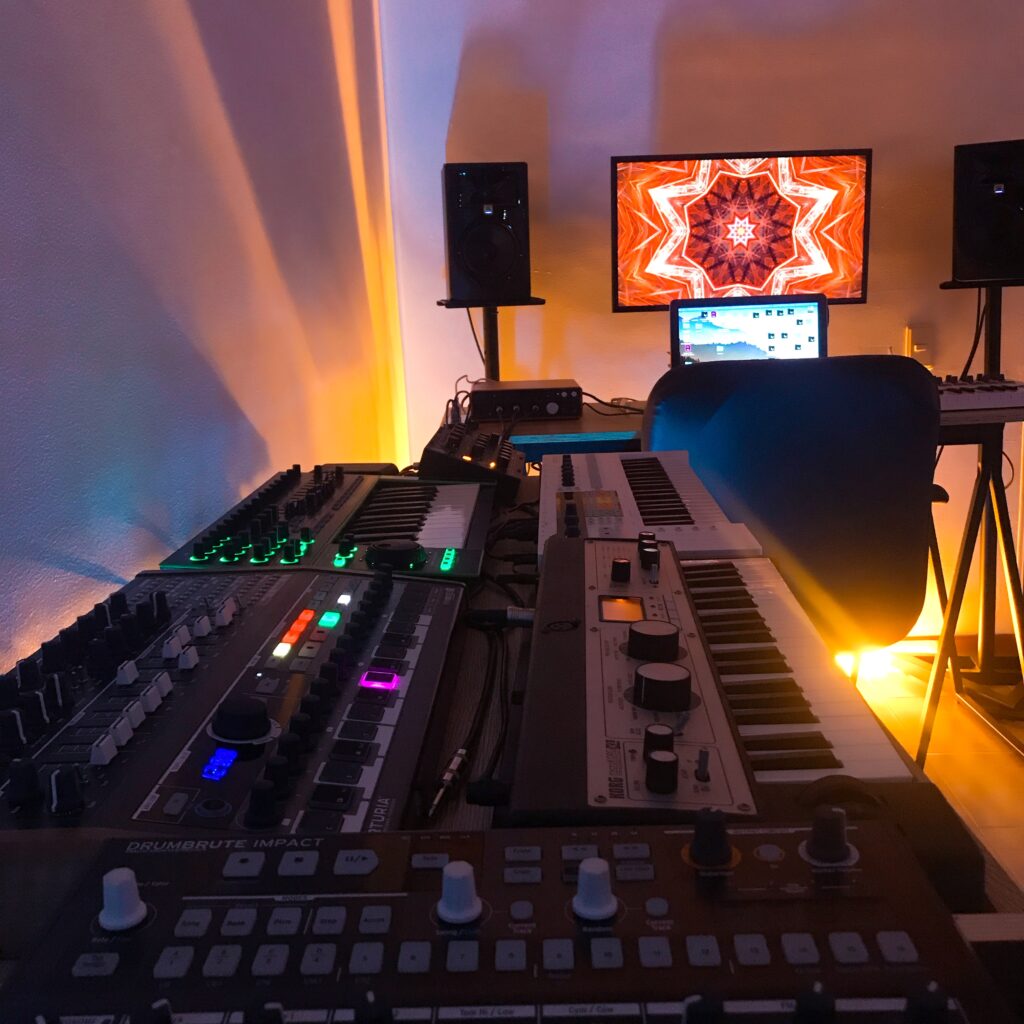
I don’t have much space so it’s quite fragmented and messy.
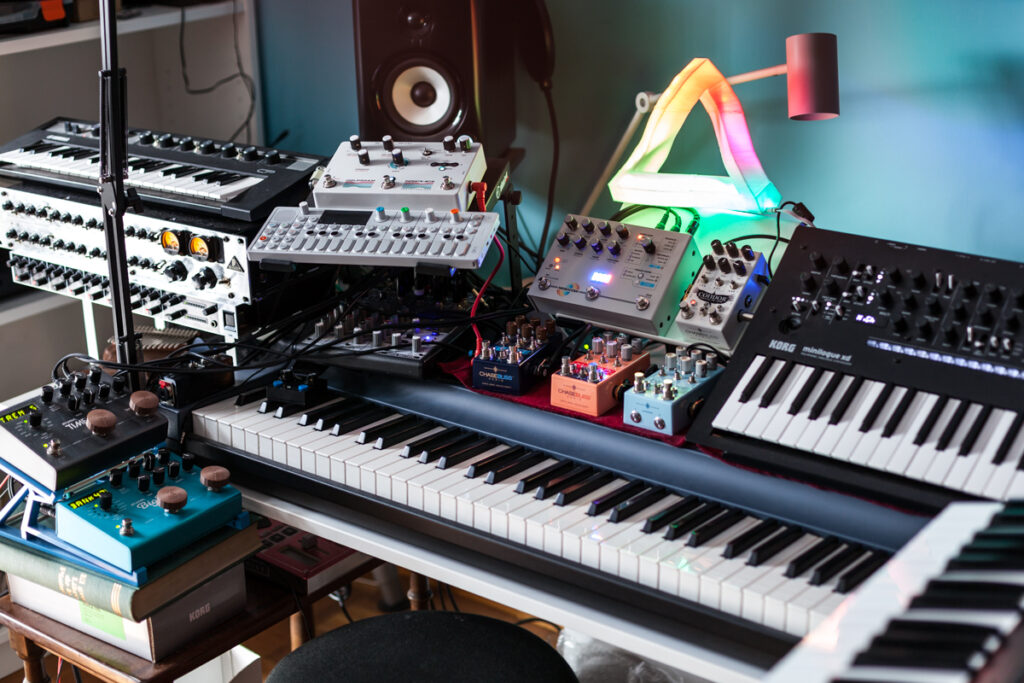
Oriol Domingo’s home studio

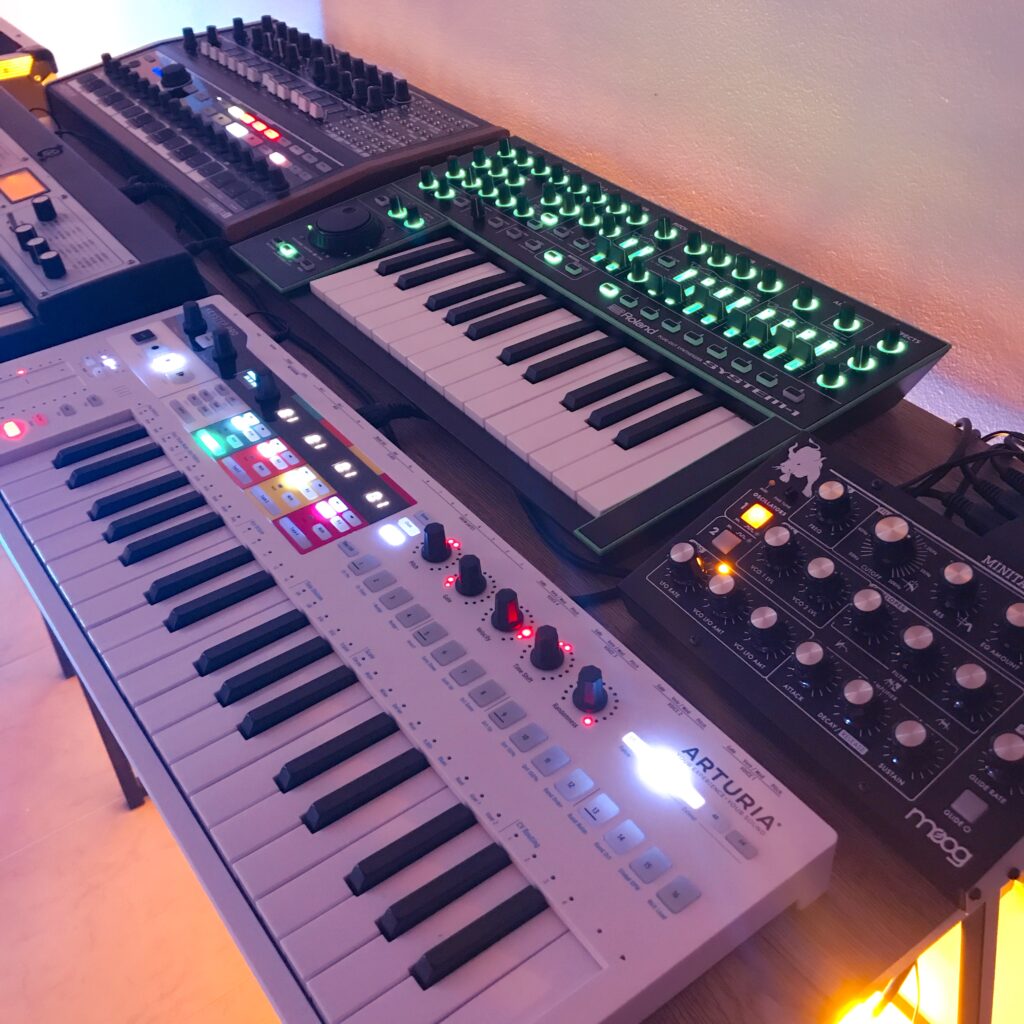
I love synths with keyboards, so it can be quite uncomfortable sometimes.
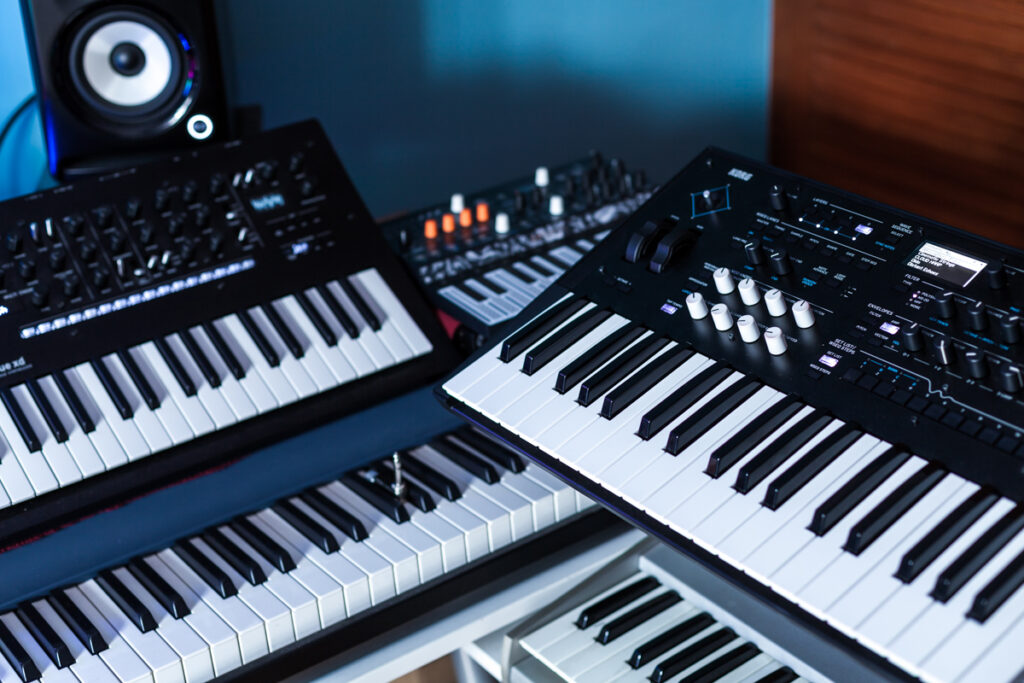
The El Garatge home studio keys

Best creative advice that you’ve ever heard?

Embrace limitations. It may seem very common to hear and I think it may not work for everybody. Not just your own creative limitations, but also adding and forcing other kinds of limitations like gear or even time.
Especially when starting new songs, the less options the better for me. It’s easy to get lost in the possibilities when you have a lot of gear, you could be constantly wondering if you chose the right synth or sound to start and which effects add, etc.
If you force yourself to use one synth, sound or even sample, changing is not an option, it’s all you have, so no need to think about that again and you can now start creating.

Promote your latest thing… Go ahead, throw us a link.

In the last weeks I’ve been developing this piggyback LFO knob with extra features for pedals with expression inputs, which will be finished soon I hope!:

https://elgaratge.com/echo-knob/


[Editor: It’s been a wild ride doing this music gear blog this past year and the blog isn’t even over 1 year old. Over 30,000 unique visitors have stopped by and had a monthly readership of between 1500 to 4000 readers.

… And I’d just like to thank YOU, my fellow music gear junkie…. But also, of course, the 100 artists who contributed and made this past year a little more tolerable.

Do you have any suggestions for the future of this blog? Then leave a comment below.]

Shipwreck Detective – Dev Bhat

1. Favourite knob or fader or switch on a piece of gear and why?

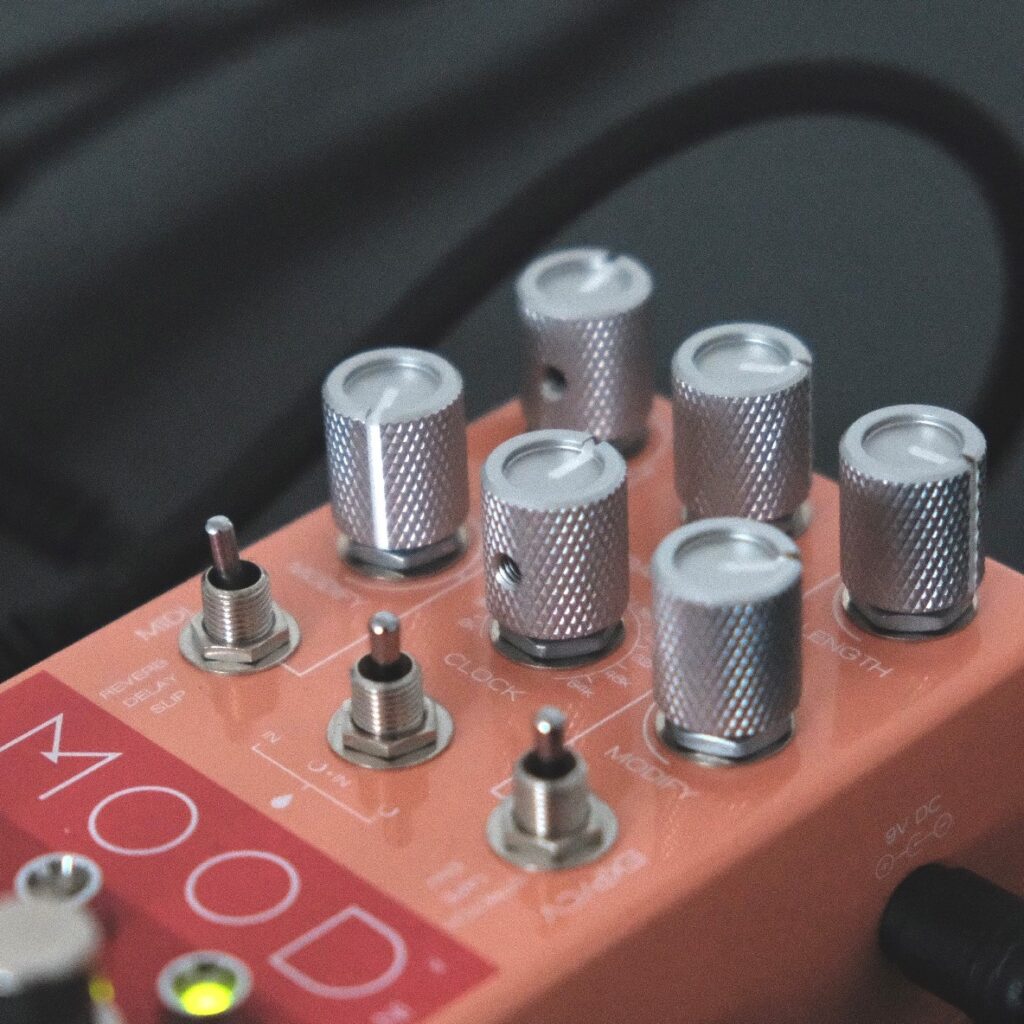
I love the knobs on Chase Bliss pedals. They have responsive, precise dialing and feel durable.

Chase Bliss Mood

2. Do you have an ‘almost’ perfect bit of kit? What would you change?

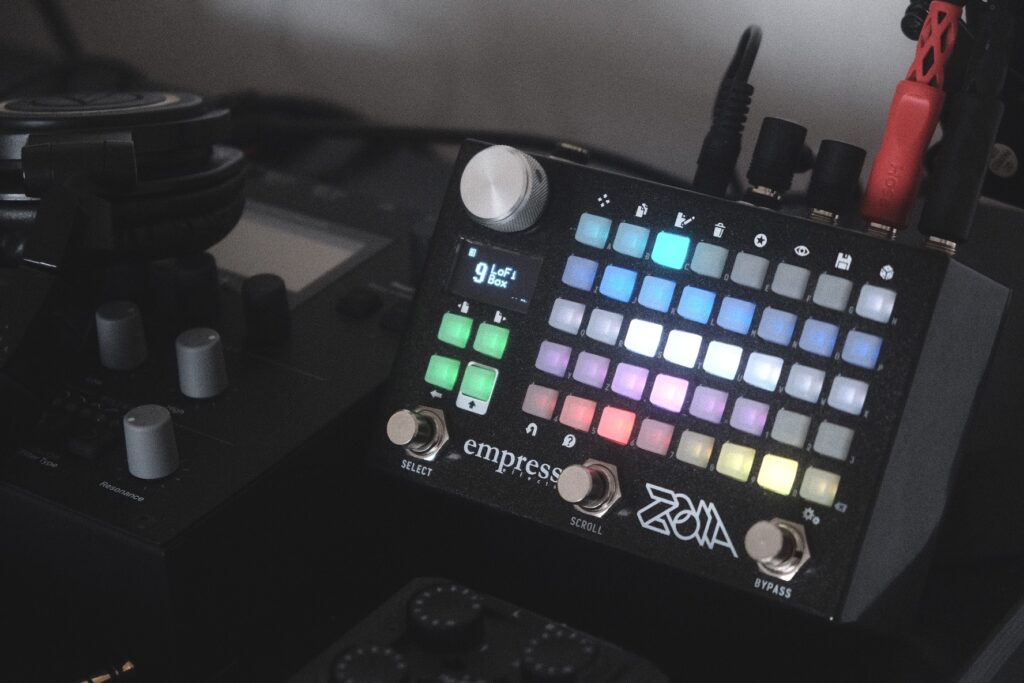
The Empress Effects Zoia is beautiful and versatile when it comes to sound and design. It’s a studio and performance mainstay for me. It’s nearly perfect, however the tweaking of effects is not as immediate as on a dedicated effect pedal. I’d also love to get weirder with the ins/outs, like routing an fx send to an external loop of other effects and then back in. But that’s a small trade-off for what the pedal is already capable of — which is a lot.

Empress Effects Zoia

3. What setup do you bring on holiday or tour or commute etc.?

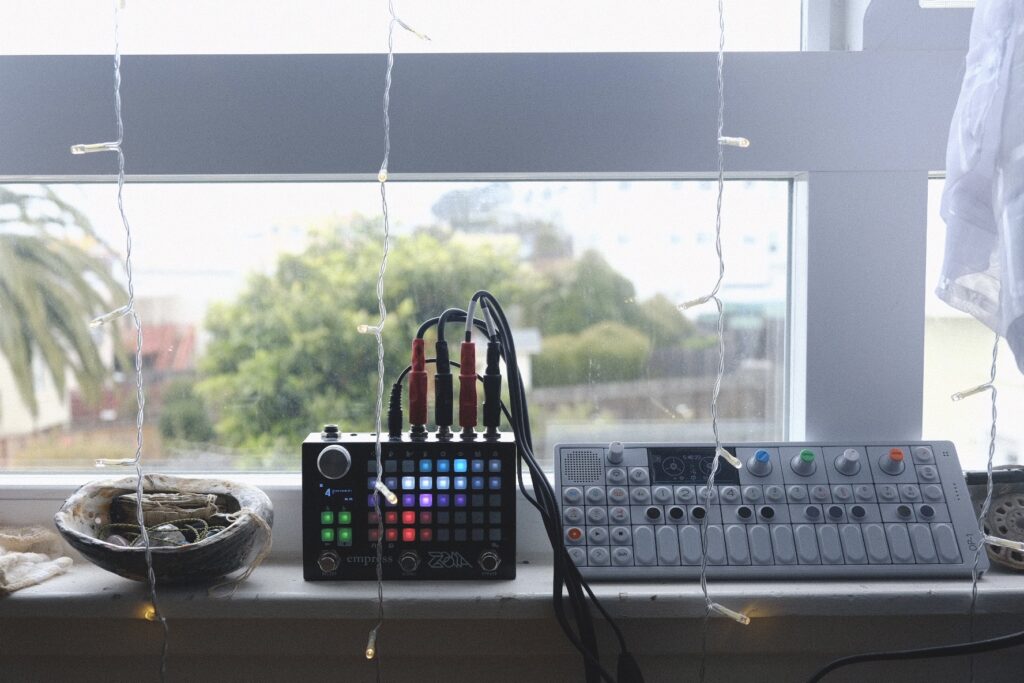
I don’t spend much time making music when traveling, but I once took the OP-1 on holiday, and it was the perfect tool for creating little sketches inspired by the moment or the day. I treated it like an audio travel journal. If I’d had the Zoia at the time, I’d have also loved to bring that.

Teenage Engineering OP-1 and Empress Effects Zoia

4. What software do you wish was hardware and vice versa?

I’m not very familiar with software. I used Reason for production many years ago when I was first getting into electronic music composition, and the detailed graphic interface had a lot to do with why I eventually became more interested in hardware. On the flip side, if there were a software version of the Chase Bliss Mood (or some kind of similarly playful granular/sampling effect), I’d definitely be interested in exploring it. The only software I use these days is Logic to record.

5. Is there anything you regret selling… or regret buying?

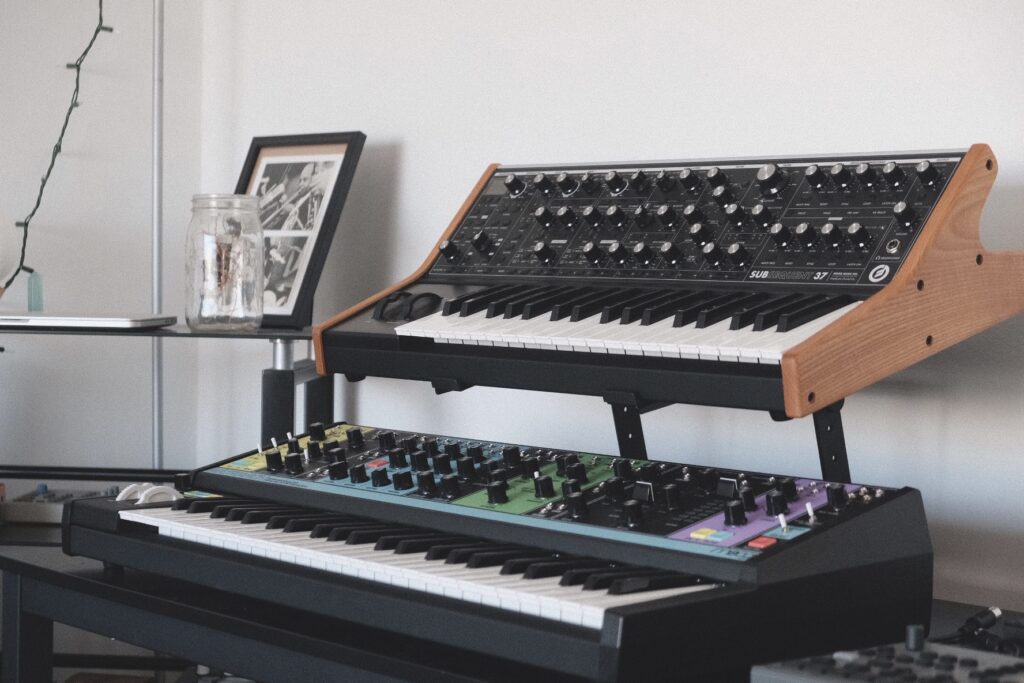
I don’t get attached to most gear, but I regretted selling my Moog Sub 37 a few years ago. I tried to fill the hole it left with a Matriarch, but the Matriarch could not have been more different. I recently reunited with the Sub 37, and the Matriarch is up for sale. 

Moog Sub37 and Matriarch

6. What gear has inspired you to produce the most music?

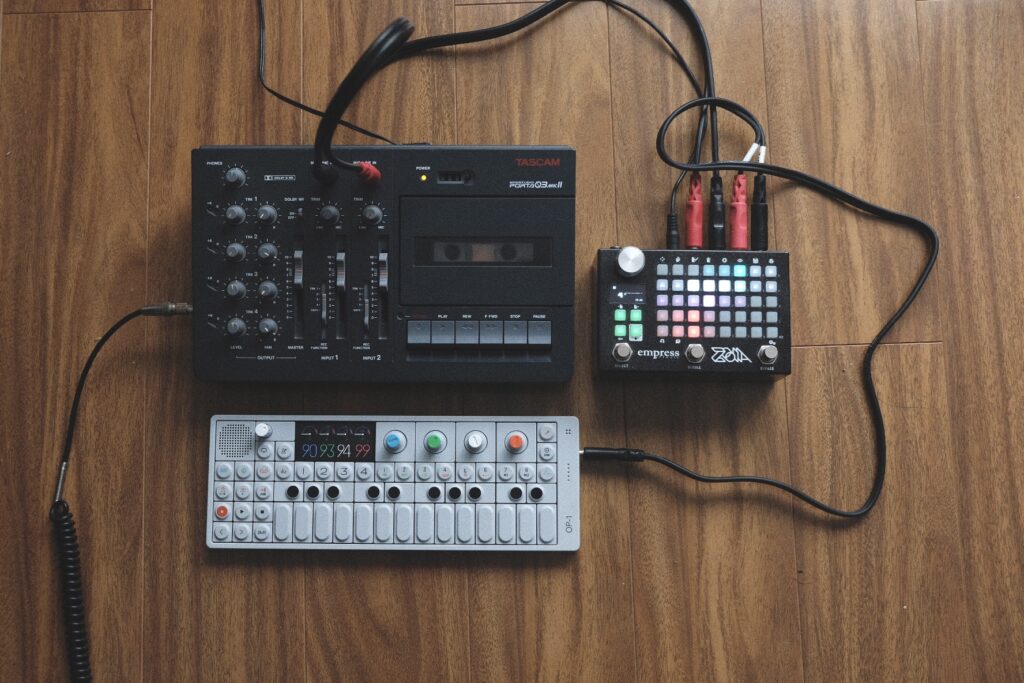
The OP-1 has played a major role in a lot of the music that I’ve released in the past couple years. Its digital tape opens up so many possibilities for texture and looping. I like to record directly to the OP-1 tape, experiment with the tape speed, and process more when I find something I like. I’ve also used my pedalboard to create most of the sounds that eventually end up on the OP-1 tape. I treat it like an independent sampler.

Teenage Engineering OP-1, Empress Effects Zoia and a Tascam Porta-03
Moog and FX Pedalboard friends

7. If you had to start over, what would you get first?

I don’t think I would change anything gear-wise, but I do wish I had had a better understanding of what I wanted to create. Now that I know which textures and atmospheres I want to convey, I can better figure out which instruments are best suited for that sound. Then again, I wouldn’t have figured that out any other way than through trial and error. My very first synth was an Alesis Micron, bought from a second-hand instrument shop in Santa Cruz. I don’t have that synth anymore and probably wouldn’t use it now, but I love what I learned from it. I feel that way about most gear: each piece of gear teaches me something even if I don’t end up keeping it.

[Editor: I feel exactly the same way. Sometimes I even think that buying a new piece of gear is like borrowing the musical-brain from a gear-maker. Using a great piece of gear really feels like a conversation]

8. What’s the most annoying piece of gear you have, that you just can’t live without?

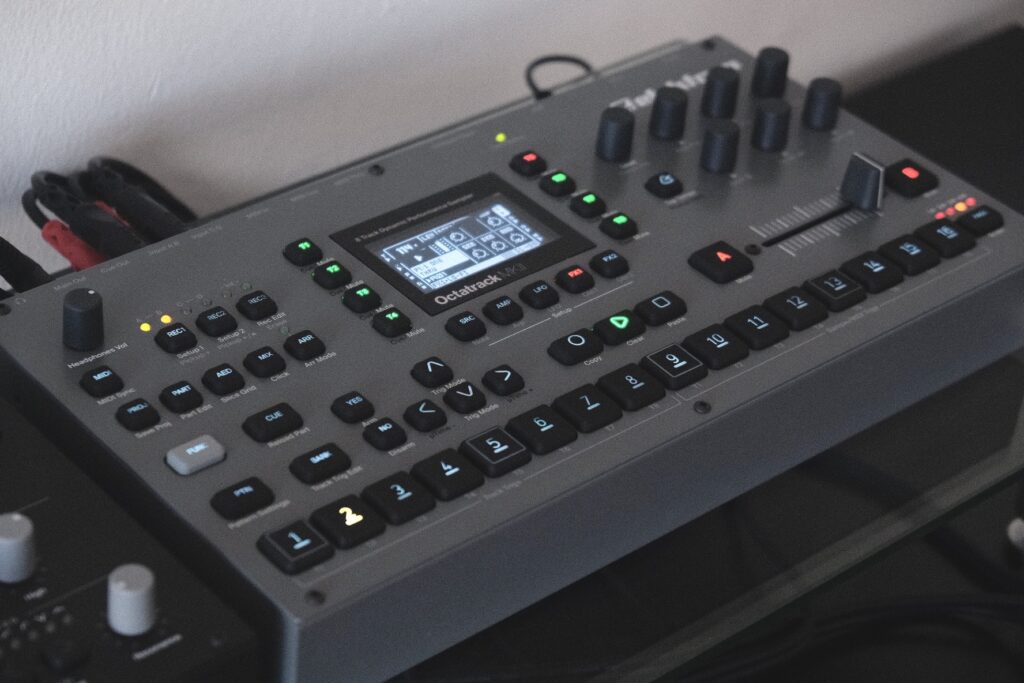
I thought this would be a tough question until I looked over at my Octatrack Mkii. It’s a pain in the ass, and I love it. I purchased it thinking I’d use it as a super powerful looper or for chopping guitar samples to use in my band. Instead I use it as an advanced, MIDI-powered mixer that can do stereo looping and some light DJ effects. It’s a kind of hub for my jams that I can’t imagine not having. 

9. Most surprising tip or trick or technique that you’ve discovered about a bit of kit?

That method of using the Octatrack as a mixer comes straight from Enrique Martinez. His videos completely re-contextualized the instrument for me. Thinking about the Octatrack in terms of tangible use cases made it far less intimidating.

Elektron Octatrack

Artist or Band name?

Shipwreck Detective

Genre?

Ambient downtempo drone stuff

Selfie?

Dev Bhat aka. Shipwreck Detective

Where are you from?

San Francisco

How did you get into music?

My first instrument was the trumpet, but discovering rock, especially metal, punk, and industrial music, as a teenager was transformative. Music videos were unashamedly a big part of this. The sound blew my mind, and seeing musicians interact with their instruments and each other also changed the way I interpreted that sound. It looked a lot more fun and expressive than what I’d been doing (sitting and playing old symphonic music in the school band). So I took guitar lessons for a little while and eventually taught myself bass and drums. I just wanted to be in bands and play shows. That’s still all I want. 

What drives you to make music?

A combination of expression and exploration. I want to express the way I feel on the inside through sound and texture. I have a hard time understanding myself most of the time, and exploring sound feels the same as exploring my own thoughts and feelings. Sometimes it’s warm and soothing. Other times it’s noisy and confusing. I love music because it doesn’t have to have words; there doesn’t need to be an explanation. It can just be. 

How do you most often start a new track?

How I’m feeling informs the overall tone. Then I establish an atmosphere and sense of place that the track is happening within. I build everything from a base texture like a synth drone, guitar loop, field recording, or maybe a percussive noise (I’m also a drummer, so sometimes I’ll start with beats before melodies).

How do you know a track is finished?

A track is done when it matches the atmosphere in my head and when I feel like I’ve challenged my own conventions at least a little bit. 

Show us your current studio

Shipwreck Detective Studio

Best creative advice that you’ve ever heard?

The phrase “keep it simple, stupid” has become an ethos for how I make music. I appreciate art that has a minimalist, uncomplicated, or even un-finished element to it. Not to say I don’t appreciate complexity, but there’s a potent energy when something is done quick and dirty—using only what was necessary—and then left that way. It preserves the raw emotion that too much polish can destroy. 

Promote your latest thing

My most recent thing as Shipwreck Detective is a long-form streamed performance that I did for a small group called Man vs. Machine. The audio for that is at shipwreckdetective.bandcamp.com

I’ve also been making music with a new band, Grimoires, and look forward to releasing some songs with them soon.

[Editor: Dev also does a lovely instagram @ShipwreckDetective]


[Editor: Do you have a favorite tip, trick or way of working with any of the gear from this interview?
Then throw us a comment below…
]


Laura Katić – Caperooza

1. Favourite knob/fader/switch on a piece of gear and why?

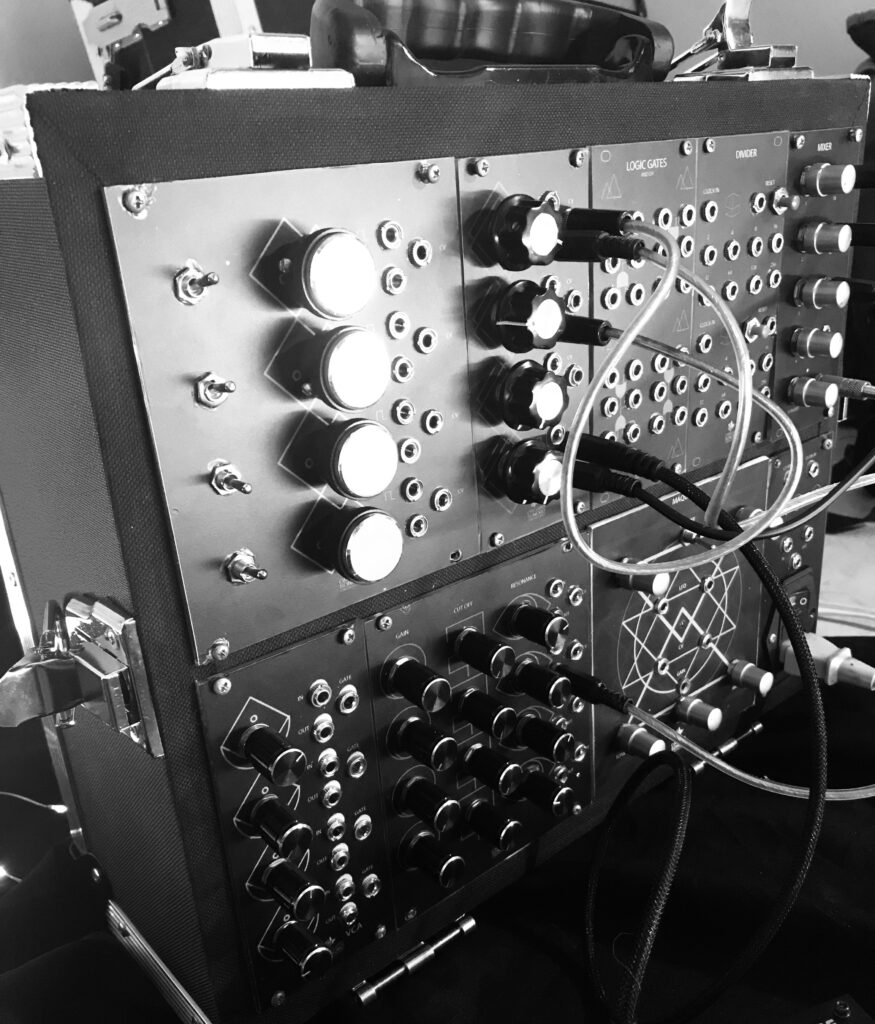
My favorite knobs are the ones from my Modular Synth. Starting to build my own machines was a great achievement for me and I definitely have a special affection for the knobs of my Eurorack type modular system, which I built piece by piece from scratch in CIRCUITO SONORO LABORATORIO a workshop laboratory I started with a colleague where I investigate modular synthesis and perform sound experimentation.

DIY Eurorack modular

2. Do you have an ‘almost’ perfect bit of kit? What would you change?

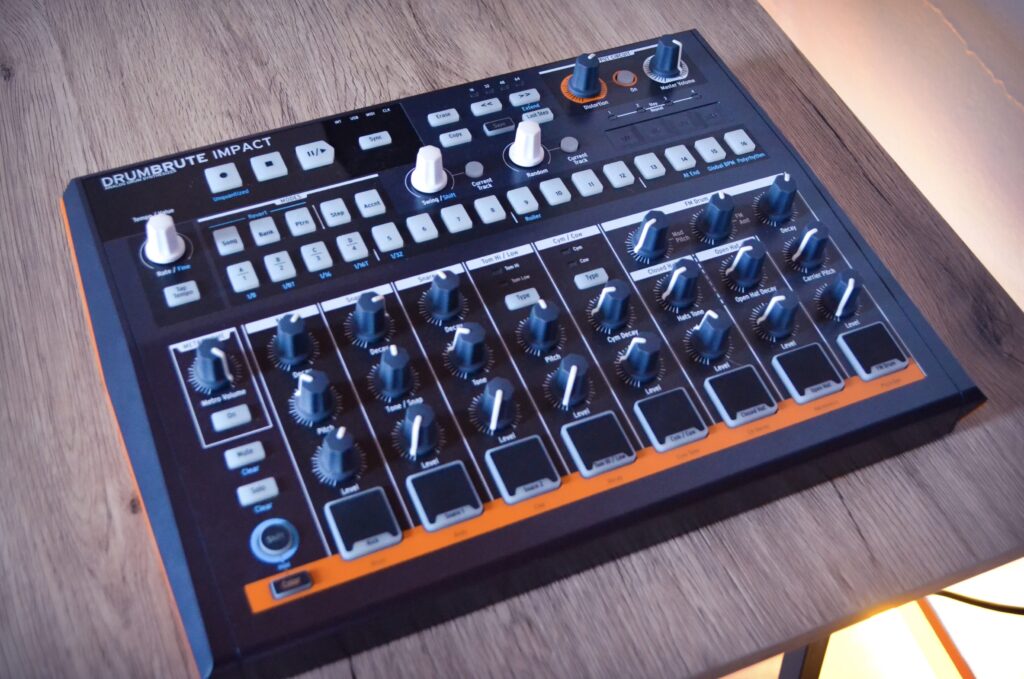
Drumbrute Impact allows me to flow creatively and take advantage of those moments of inspiration to the fullest, it is the most important thing for me. Having powerful rhythms and sounds to create the beat is time won in that process. There are no pauses to make settings or edits and that’s where I can find the perfect sound.

Arturia Drumbrute Impact

3. What setup do you bring on holiday/tour/commute etc.?

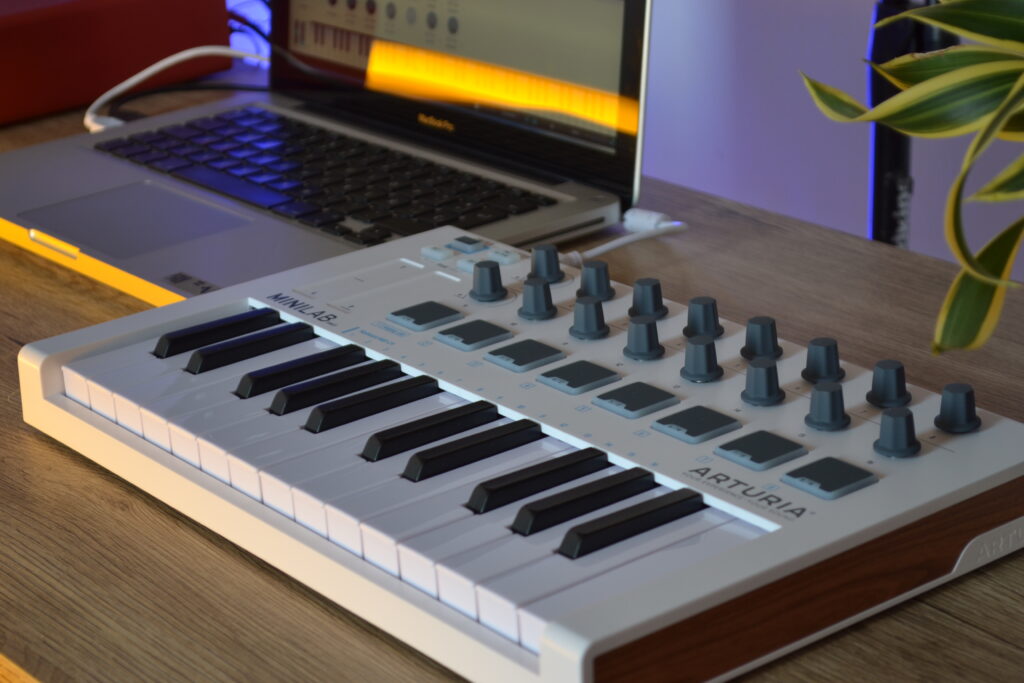
COMPUTER AND MINILAB MK2 Each new place I visit has its unique magic, traveling is opening my mind and I cannot miss the opportunity to be inspired by that journey, so I bring my computer with virtual synths, Arturia’s V collection is very complete.
To have control of the Daw and Synths, I also carry Arturia’s Minilabmk2, it’s small and everything fits in my backpack. As a plus I also use the cell phone to record ambient sounds and some concrete sounds I can use later as samples.

Laptop and Minilab MK2

4. What software do you wish was hardware and vice versa?

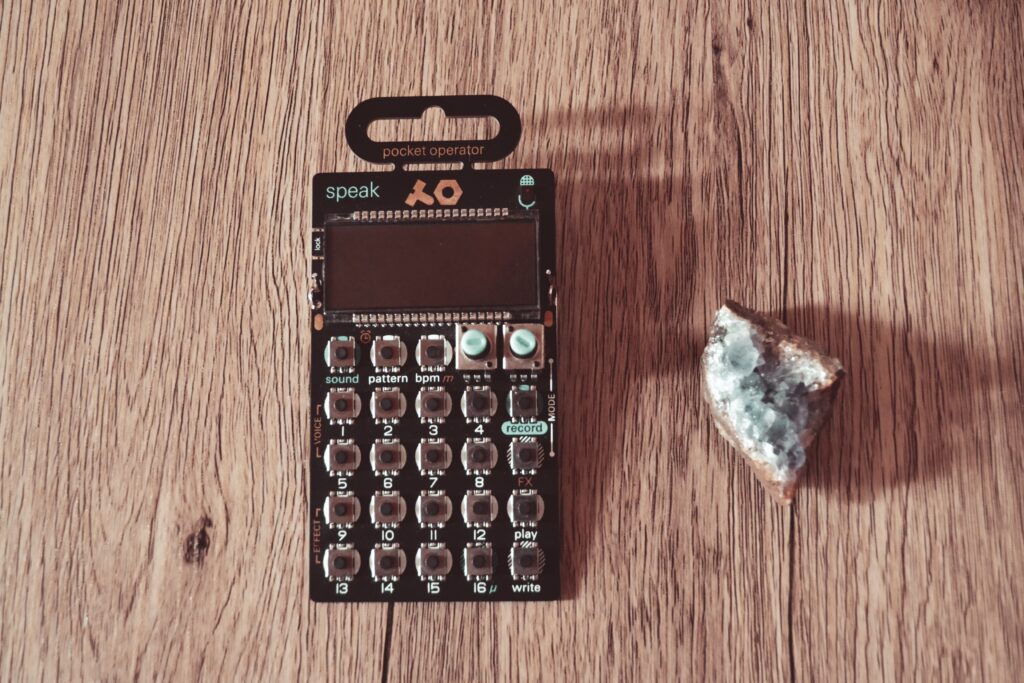
I would like to have an app version for cell phones or tablets of the pocket operator, I use PO Speak and even though its a small machine I achieve sounds with a lot of character and create powerful beats.

Teenage Engineering PO Speak

5. Is there anything you regret selling… or regret buying?

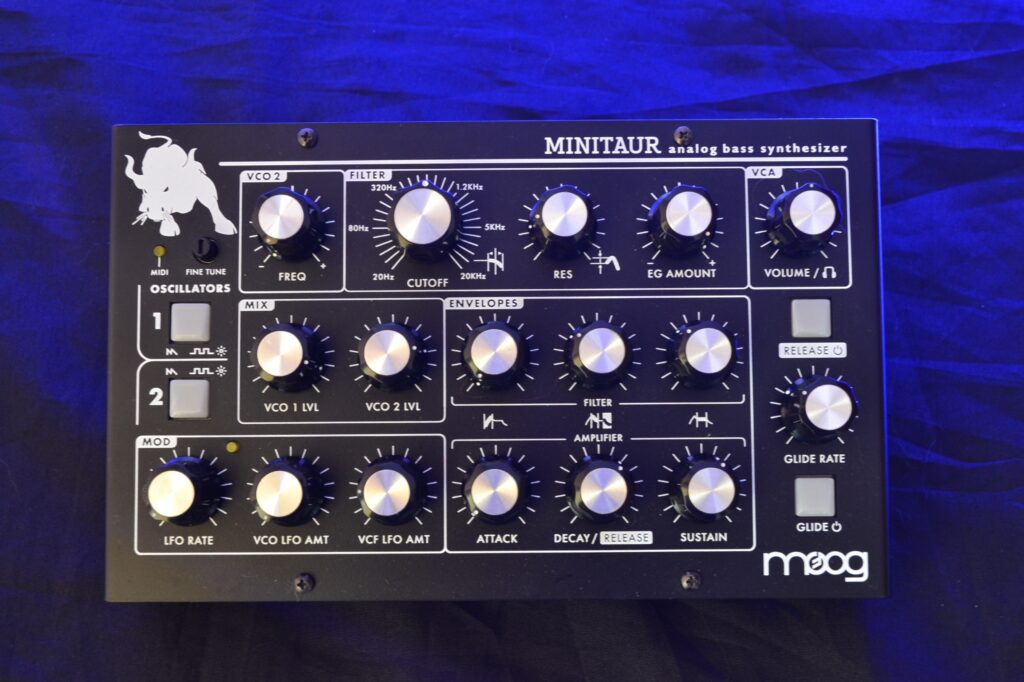
TC HELICON VOICE PROCESOR – MINITAUR
The TC helicon Voice live touch, not so much to regret selling it, but I would buy it again. I sold it to buy the moog minitaur so it wasn’t that painful haha…

Moog Minitaur

The Tc Helicon is a vocal processor that I really enjoyed using, I used to loop my voice layer by layer and create entire songs adding effects and transforming it into an instrument more like a synthesizer, I came to create my own processes for the voice, very fun.

6. What gear has inspired you to produce the most music?

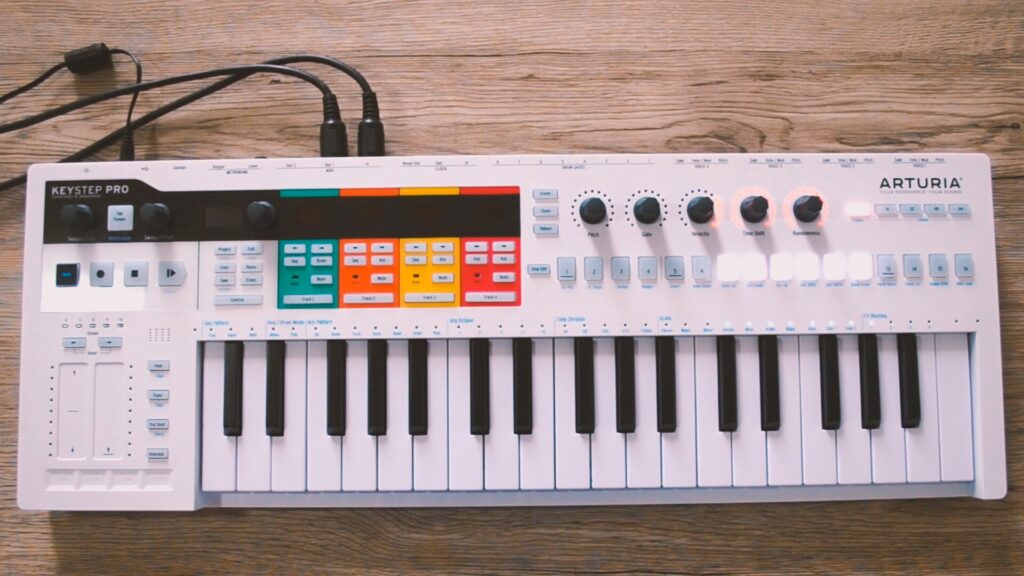
Sequencers are a “must have” for me. This year I´ve been fortunate to be sponsored by ARTURIA and one of the machines that I use the most to produce now is the Key Step Pro, i was using the Beat Step Pro before, so it was very easy and intuitive for me the change. To Control analog and digital hardware in real time is pure creation i just connect all my synthesizers and I flow, the music takes over me.

Arturia Key Step Pro

7. If you had to start over, what would you get first?

I studied music as a profesional career so i was used to compose my music more in an academic way through sheet music then pass it to the computer in a Daw, recording each instrument track by track until a had a whole structured song and that was it. Now i would say that having Vsts, a good computer and a controller is the easiest way to start. Make your music “in the Box”

8. What’s the most annoying piece of gear you have, that you just can’t live without?

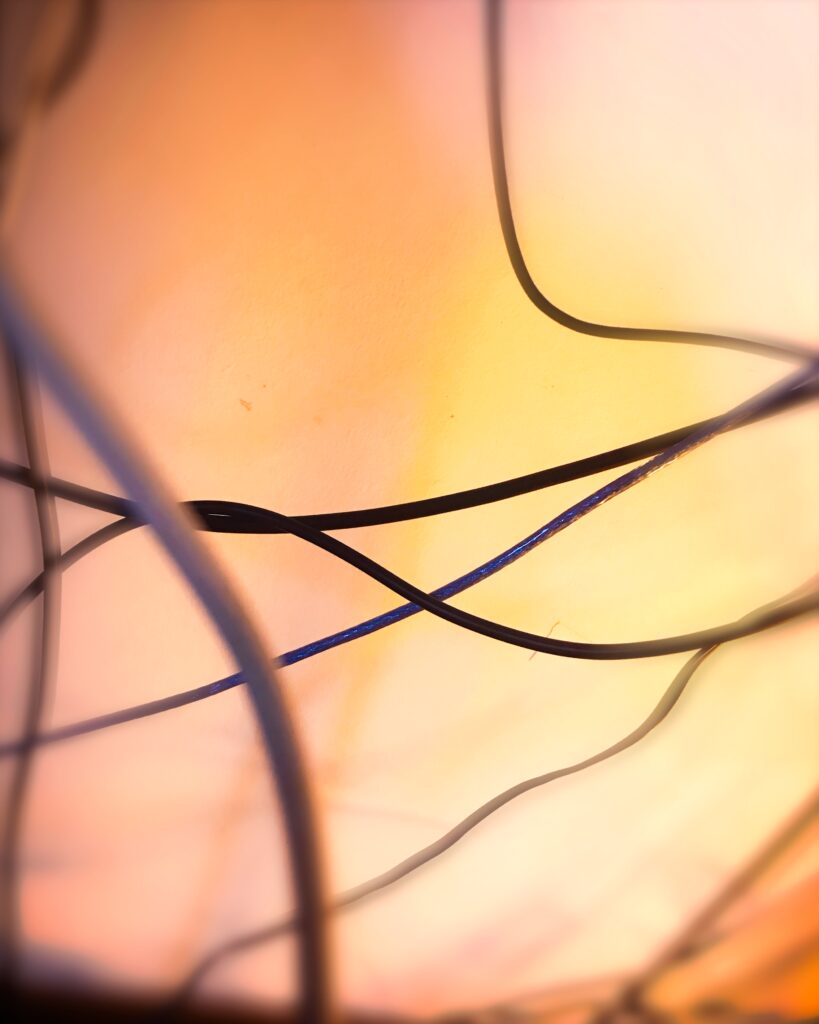
Cables

CABLES!

That is a tiny part of the gear hahaha

Very annoying!!

9. Most surprising tip/trick/technique that you’ve discovered about a bit of kit?

There are no rules, we are rhythm, we are a constant beat by the pulse of our heart, interpreting those vibrations within us and taking them out into the real world is what has led me to make “broken beats” more amalgamated rhythms and finally to feel them as an extension of what music makes in me.

I have many ways of making rhythmic patterns, I use samples, drum machines, I use sounds, I record noises and process them, but in the end the thing is to decide what textures you want to create with all those tools and I always try to create a different atmosphere that reaches the person who is there listening.


Artist or Band name?

Laura Katić / Caperooza

Genre?

House Progressive / Indie Electronica

Selfie?

Laura Katić

Where are you from?

CALI, Colombia.

How did you get into music?

I was involved in choirs and local bands from my town, then i studied music as a career more focused on teaching.

What still drives you to make music?

Self transformation

How do you most often start a new track?

I work as a music teacher and a freelance music producer, also have a project called
CAPEROOZA in which I produce all the music, so I start tracks very often.

How do you know when a track is finished?

When I feel i can dance and enjoy it without thinking of any technical issues. With the music i make for others when they feel happy about the result.

Show us your current studio

Laura Katić home studio

Best creative advice that you’ve ever heard?

Never stop making the music you love, the music that comes from your soul.

Promote your latest thing… Go ahead, throw us a link.

https://open.spotify.com/track/0npGMjDVMoUYFneiPi0n3K?si=AuFf_EBpRba8n4WMs3OR0Q


[Editor: Do you have a favorite tip, trick or way of working with any of the gear from this interview?
Then throw a comment below…
]