Andrea Cichecki – ElectrOrganic

1. Favourite knob/fader/switch on a piece of gear and why?
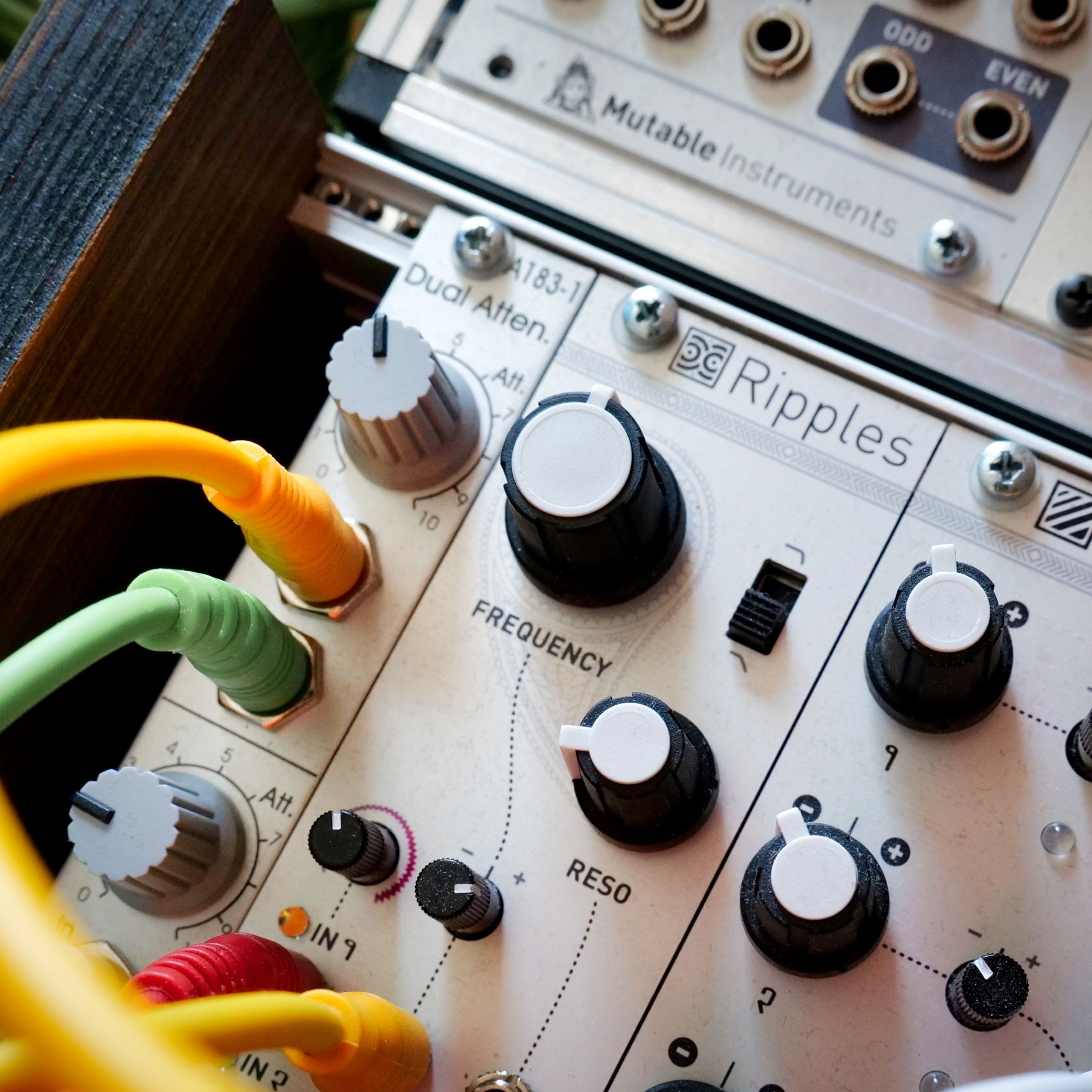
Mutable Instruments Ripples

My favorite is the filter knob. I use it a lot, especially, when I’m recording live, either to create space or for creative effect. On the picture you can see the filter knob of my Mutable Instruments Ripples. Other ones I like are the function knobs, to dive into the menus of my devices. I need them in order to make everything work.

2. Do you have an ‘almost’ perfect bit of kit? What would you change?
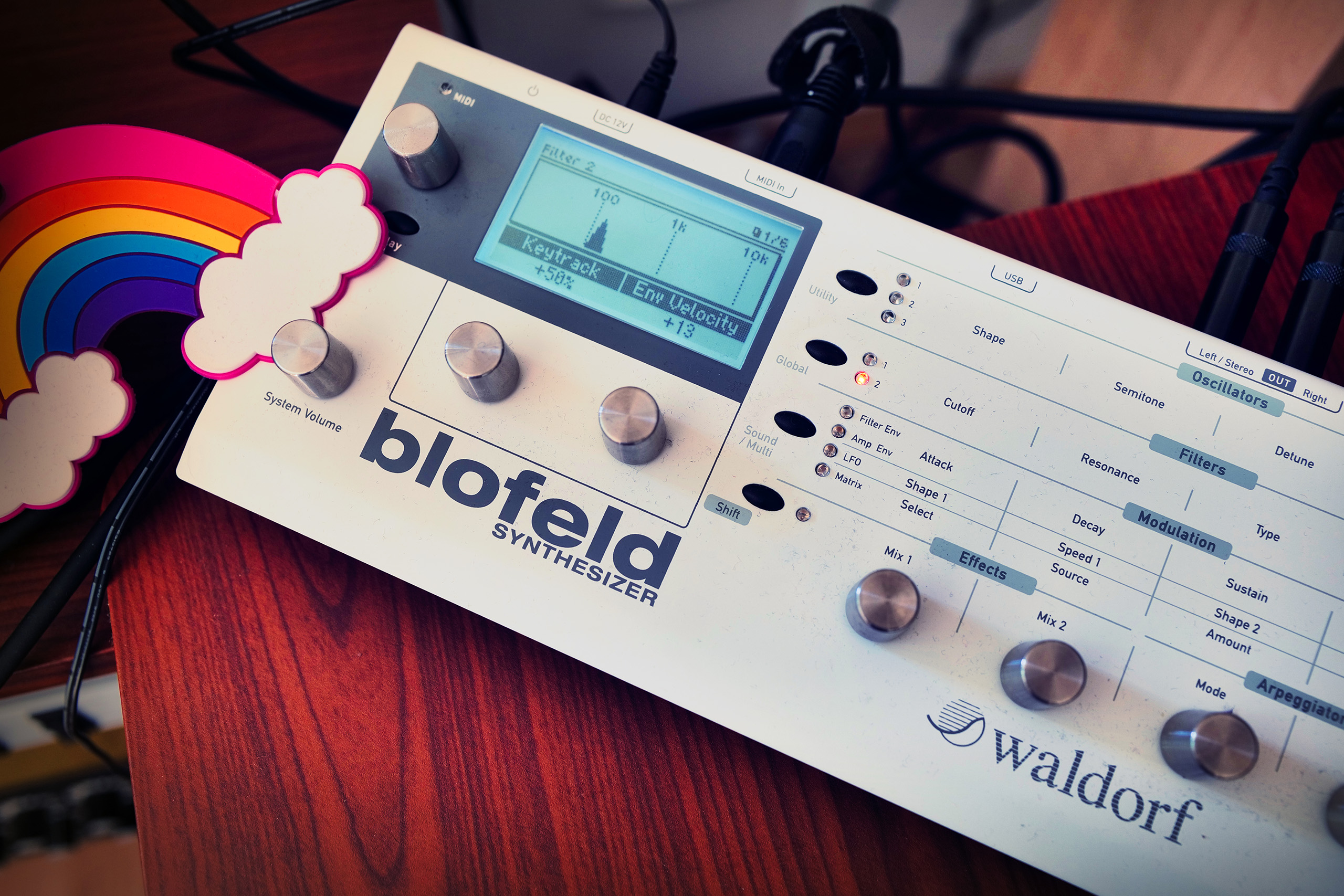
Blofeld synth

It always changes but, at this moment, I’m in love with the Waldorf Blofeld. I can produce full songs with it, as it has all the sounds I need in there. It’s small, so it fits easily in between my other gear. It would be great if it had more knobs to have more access at once, however, for the price, I really can’t complain at all.

3.What setup do you bring on holiday/tour/commute etc.?
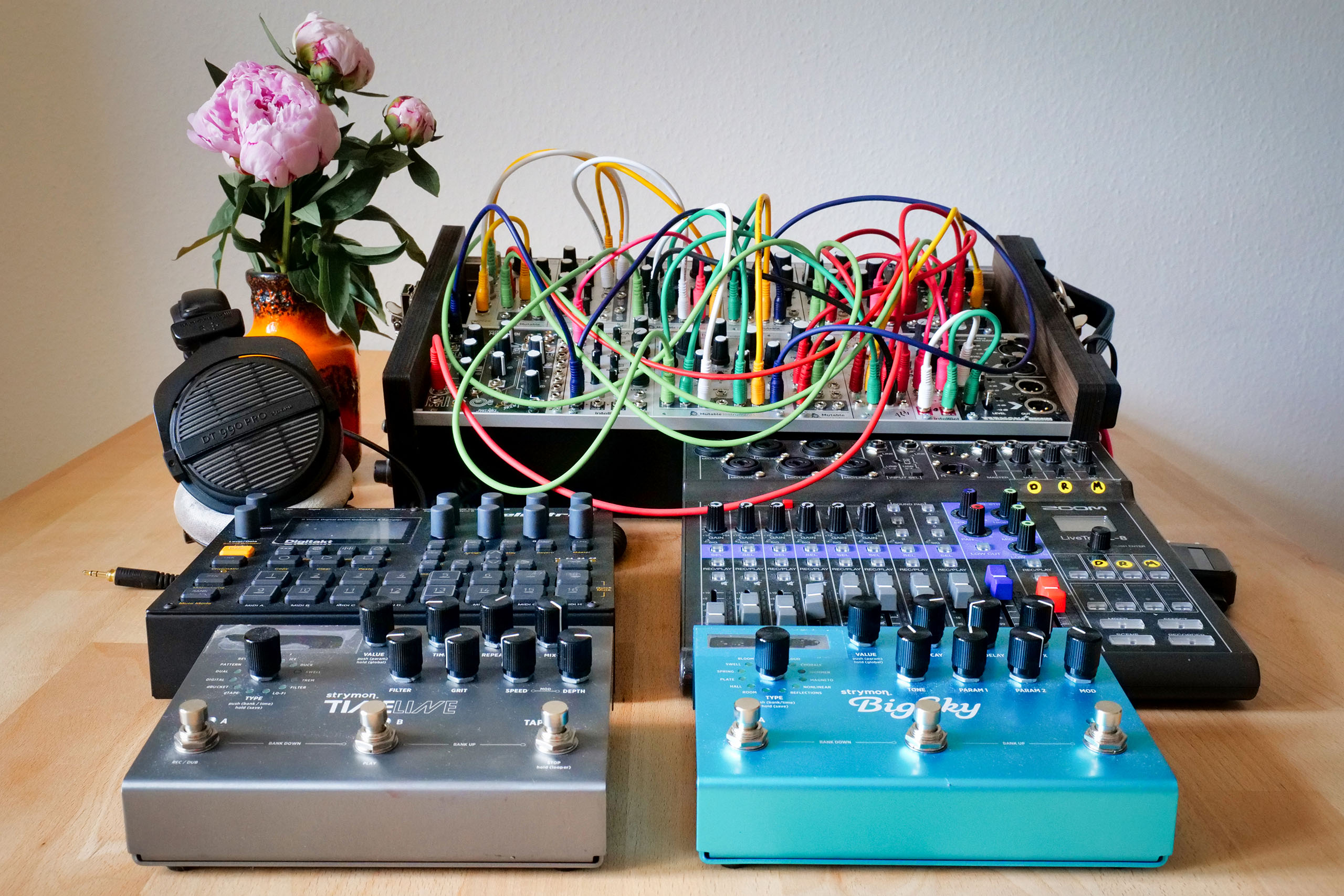
Eurorack and buddies

That would be my Digitakt, Strymon Timeline, Big Sky, my modular synth, the ZoomTrack 8 mixer and my Beyerdynamic headphones. It’s all compact, fairly easy to set up, light weight to travel with and it all fits in one small suitcase. If it’s just a small trip, it’s usually my Digitakt as I can create a lot with that already.
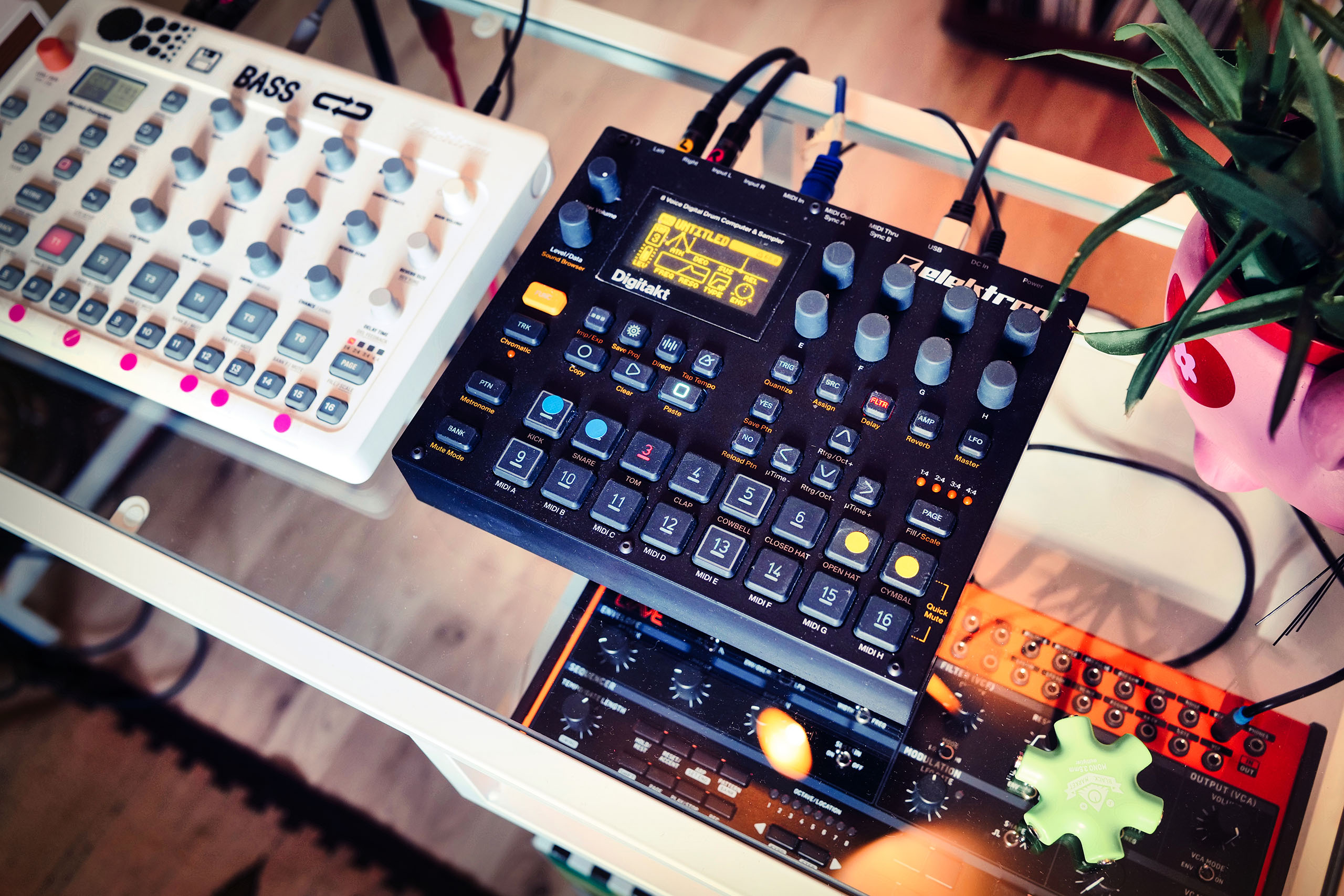
Elektron Digitakt

4. What software do you wish was hardware and vice versa?

I wish the Make Noise Morpaghene had a software version. The same would be the case for the Mutable Instruments Beads. Software I’d like as hardware: a Teletronix LA-2A compressor would be very welcome in my studio. I just love this compressor, especially, for my synth sounds. It’s a classic and it just works.
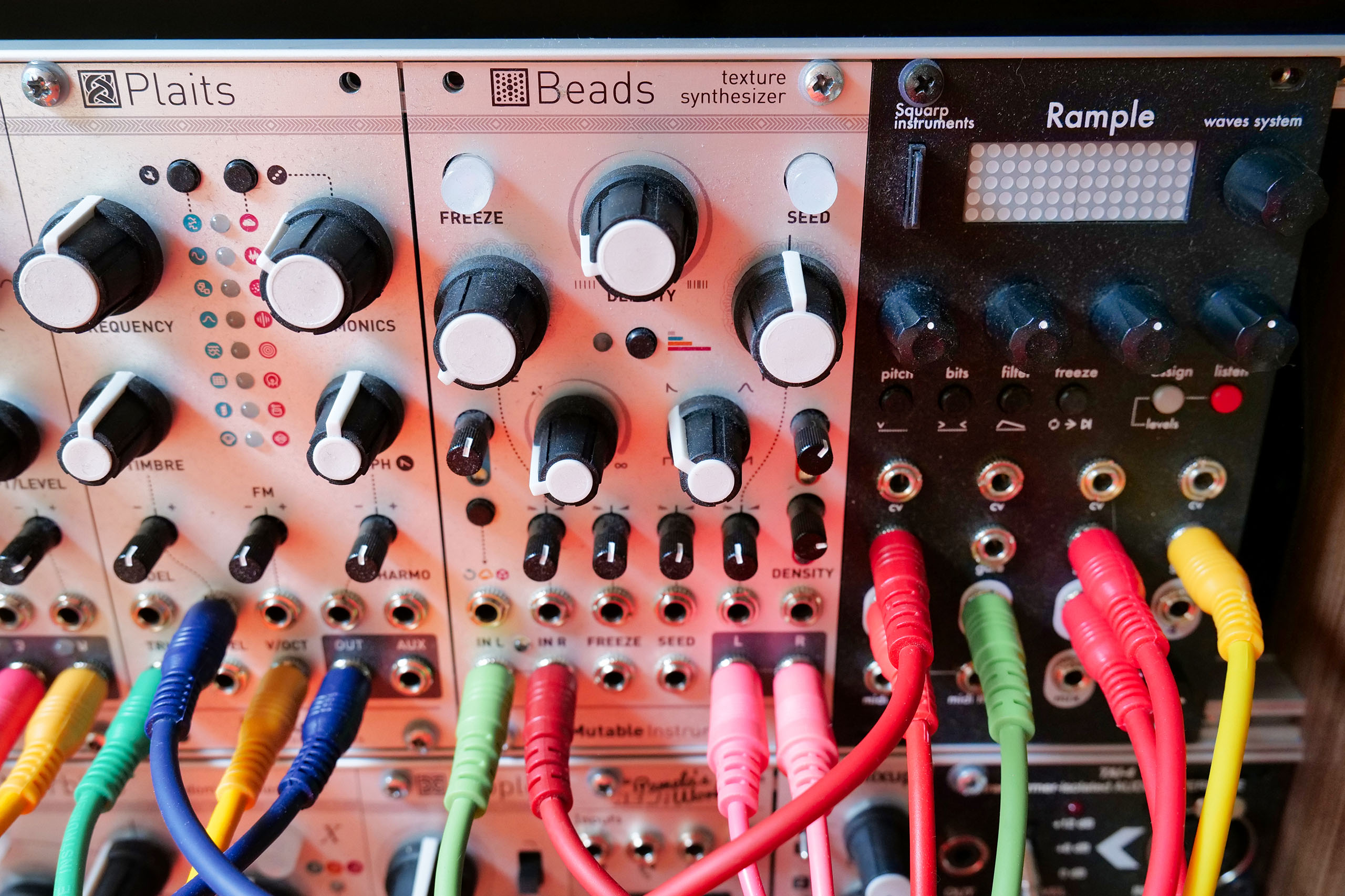
Mutable Instruments Beads

5. Is there anything you regret selling… or regret buying?

I’ve got little regret regarding gear I bought in the past. When I buy something I try it out and if I don’t use it a lot, I will sell it again to find something else. Until now, I don’t have regrets on sales either as my setup always improved for the better.

6. What gear has inspired you to produce the most music?
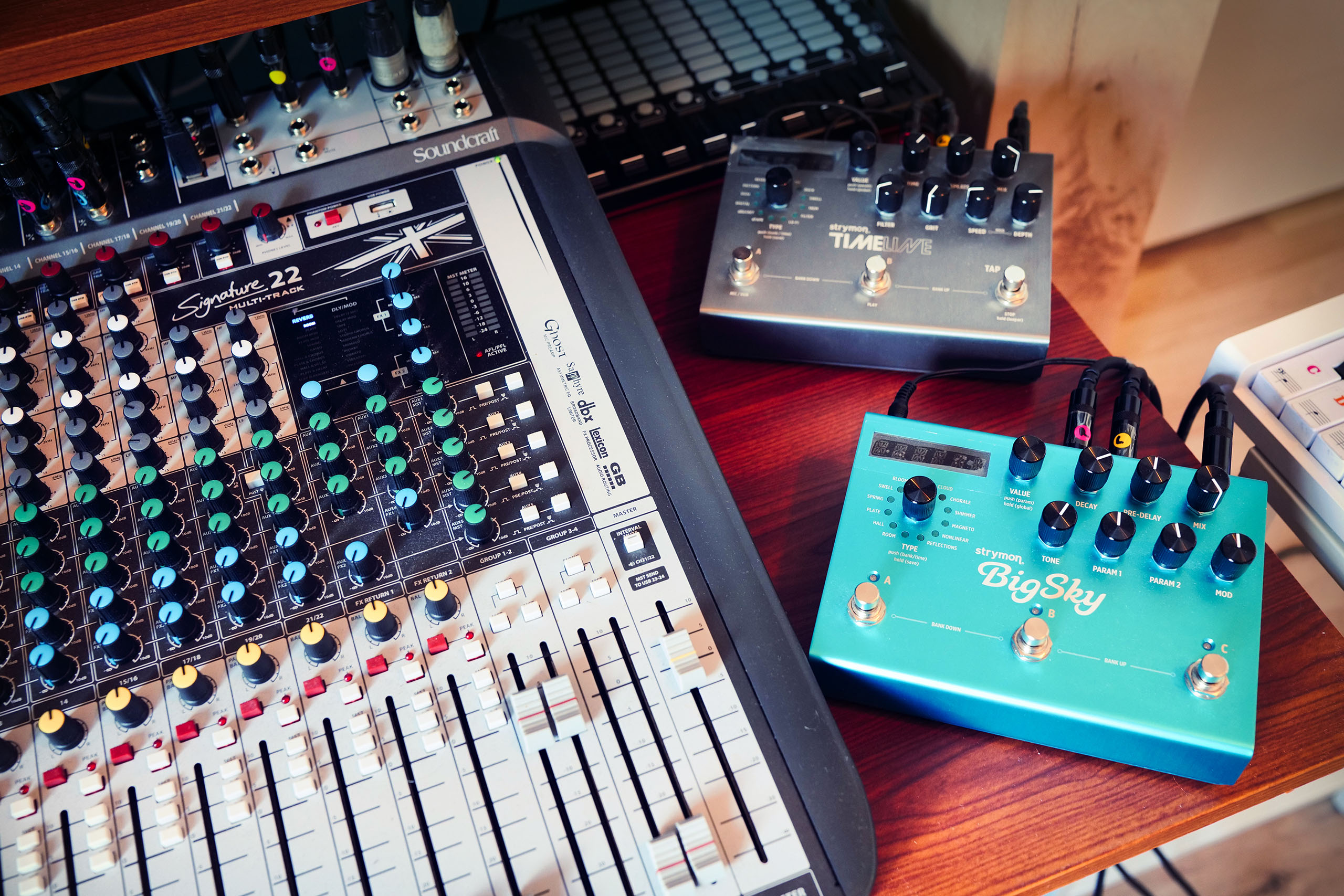
Soundcraft desk and Strymon FX

My Soundcraft desk. It took me a while to find out what works best for my workflow and the mixer is the main instrument, as I can route everything with each other, send signals in all directions, which makes it a lot more fun to record. I don’t need to worry anymore, think about how to connect things or route it, as it’s all set up and ready to go.
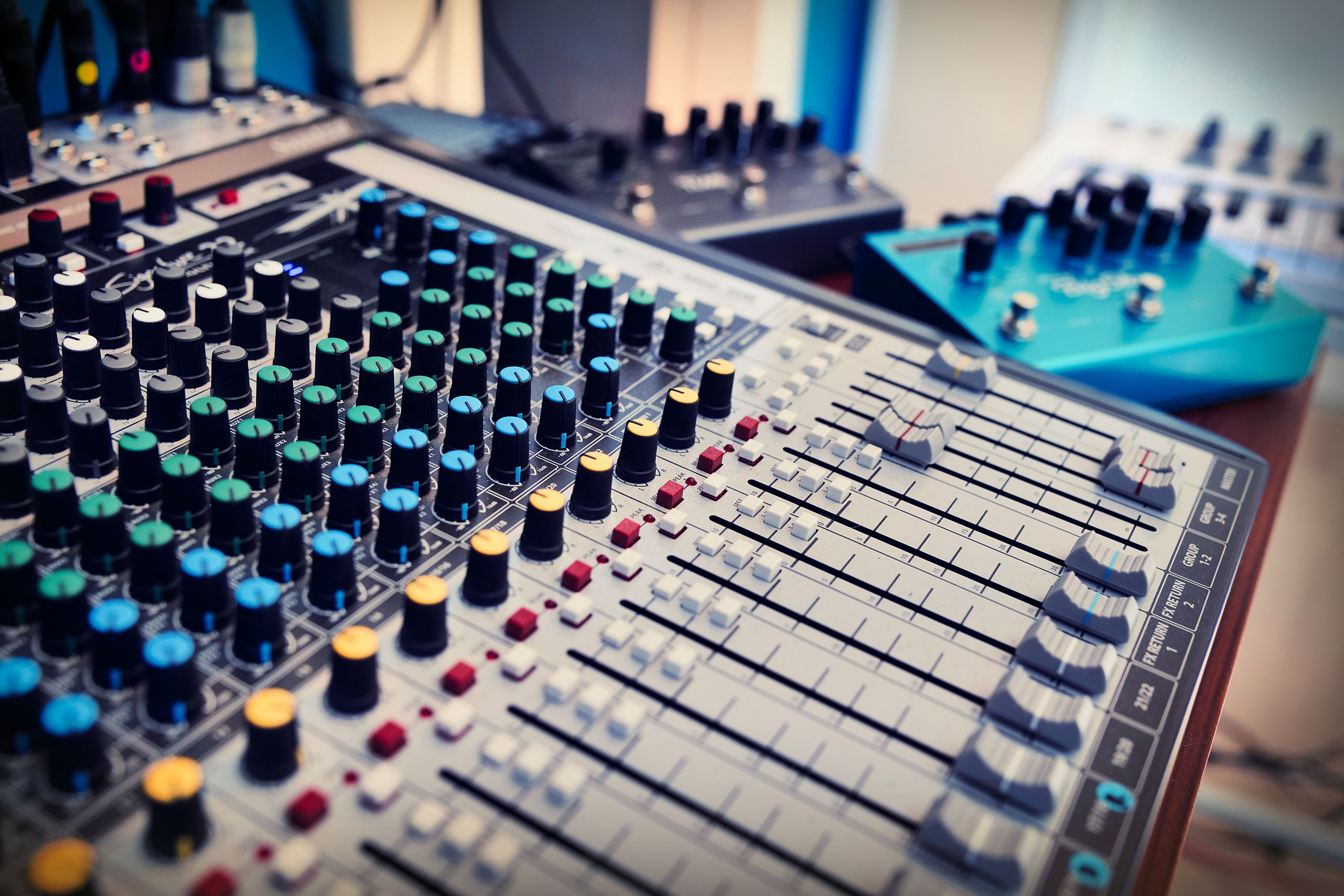
Soundcraft Desk

7. If you had to start over, what would you get first?

The book Patch and Tweak and piano lessons instead of the clarinet training. The book is a must if you want to work with synthesis, I learnt a lot from it and still read it regularly.
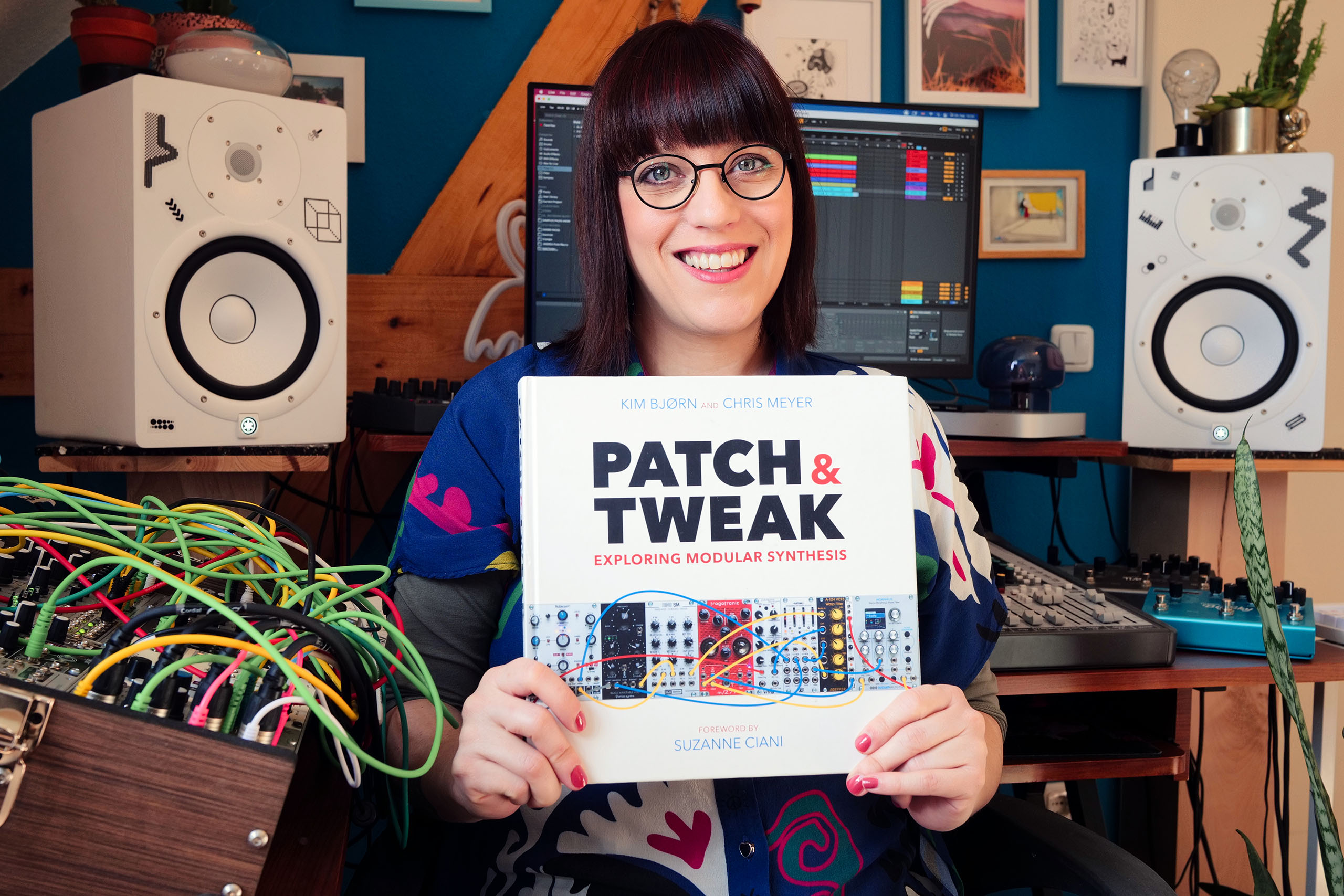
Bjooks Patch & Tweak

Piano lessons would have made my life easier in terms of composition. However, I’m slowly progressing with my compositions now and just give myself the time to learn. It’s never to late for that and every day you can learn something new.

[Editor: The author of Patch & Tweak did a interview on this very blog right here Kim Bjørn]

8. What’s the most annoying piece of gear you have, that you just can’t live without?
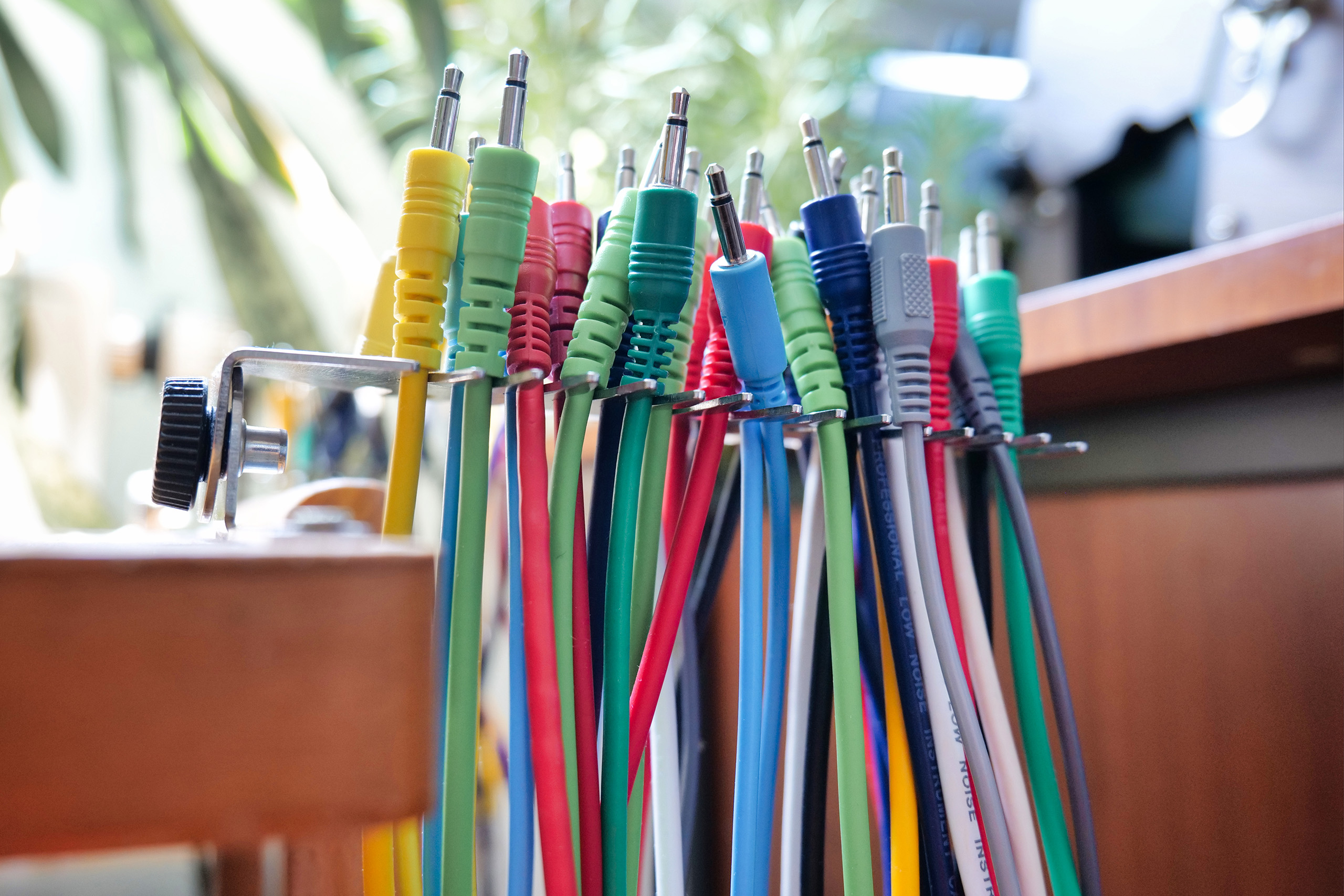
Euroack Patch Cables

My patch cables, they always lay everywhere in the house, but I cannot do without them. I recently bought a couple of nice patch cable hangers from Sector Sieben, this already helps a lot.
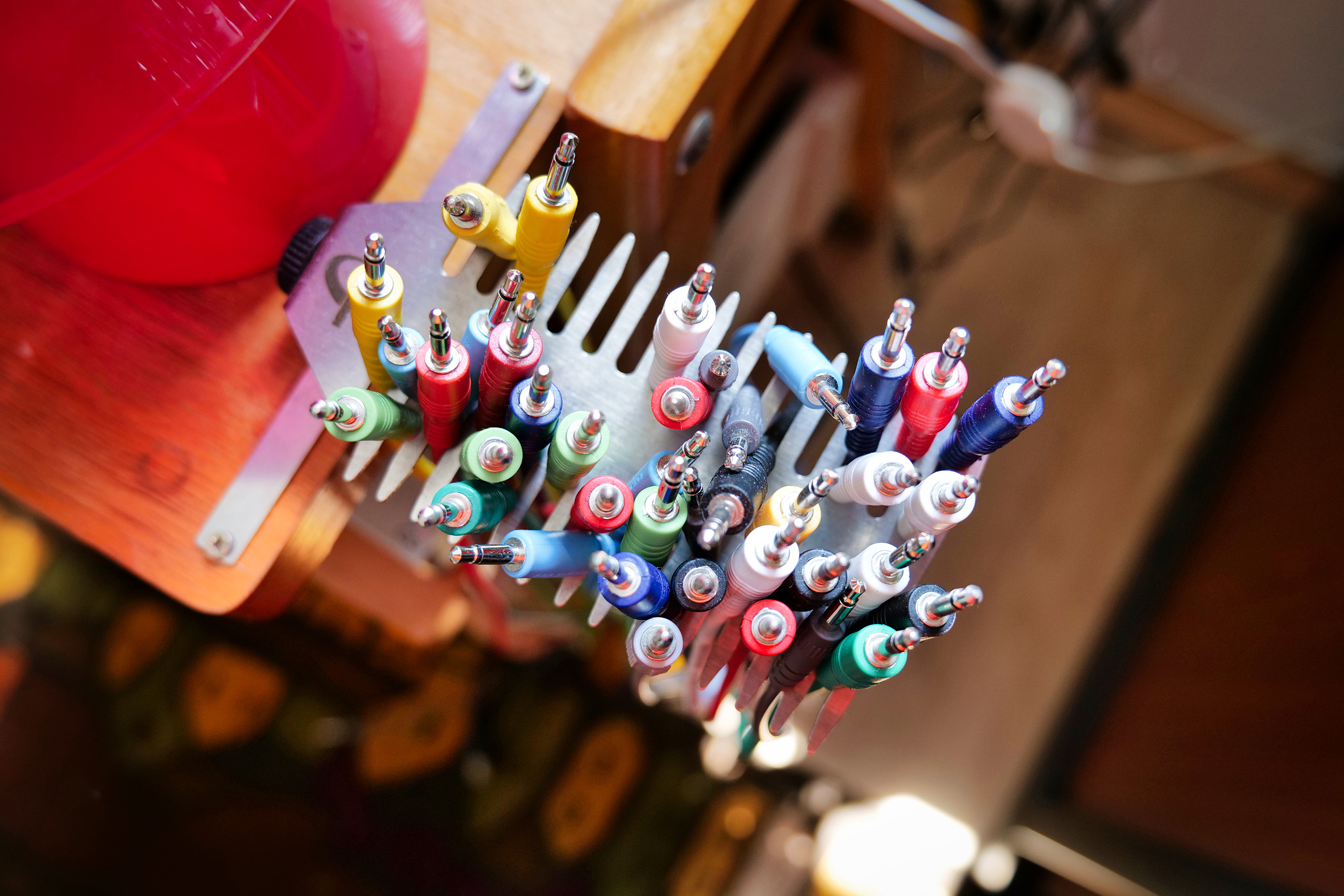
Even more Euroack Patch Cables!

9. Most surprising tip/trick/technique that you’ve discovered about a bit of kit?
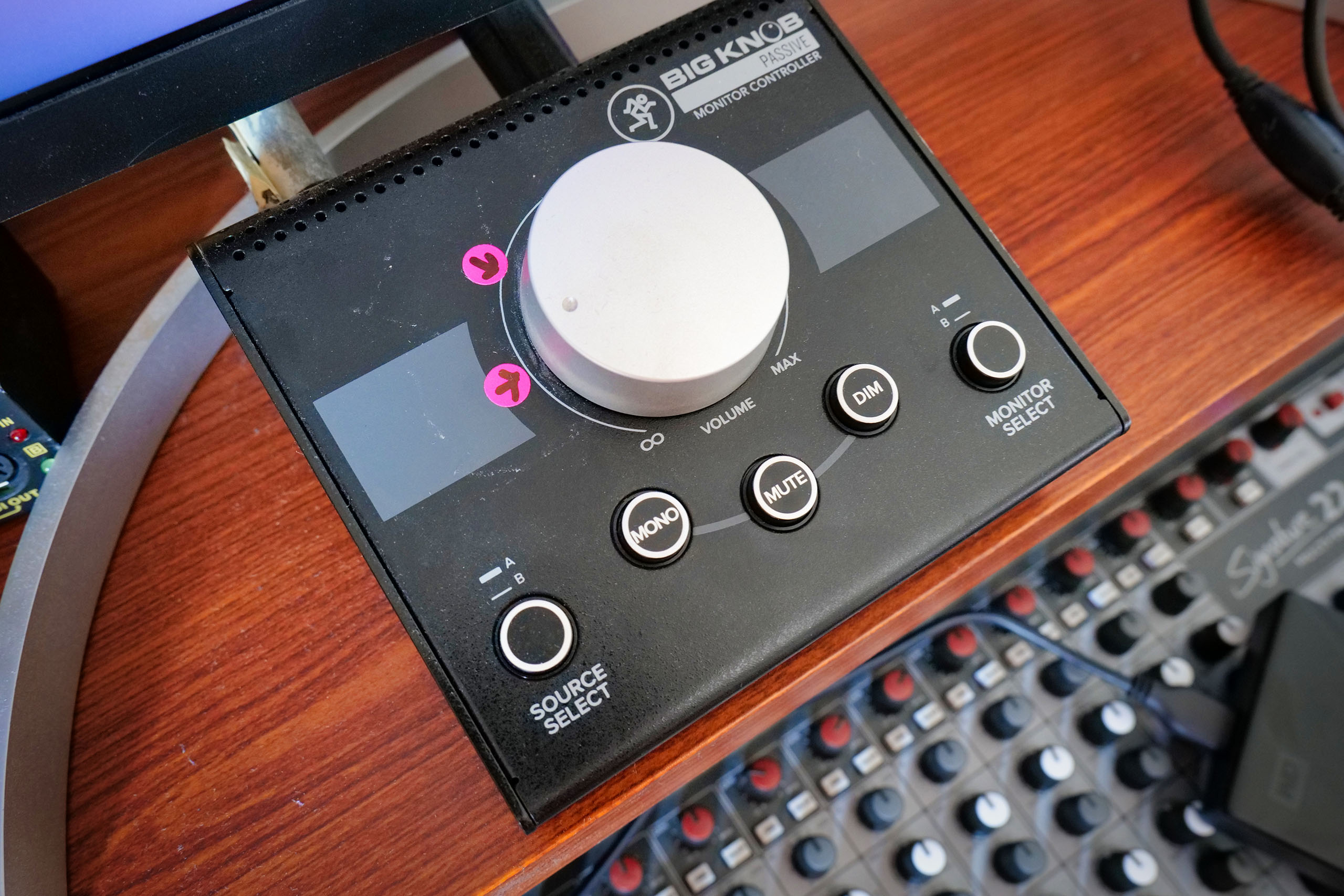
Mackie Big knob

Get a monitor controller and establish two settings to listen at, one low listening level (you still can hear somebody whisper) and a higher level around 70-80dB SPL. I mostly listen on either of these two settings.

This way you train your ears and start to hear small differences when using compression, EQ or FX settings. Last but not least, the most important ‘trick’ is to A/B reference your song, level-matched, with either previous versions of your mix as well as other songs. You can easily fool your hearing by thinking louder is better and sometimes you may think you are doing a good job treating a sound, only to find out, after level matching, you did too many changes.

With level- matching you really hear what you do. Plugin Alliance has a good plugin for that (Metric AB) but you also can do this in your DAW and simply level match the different songs with each other.
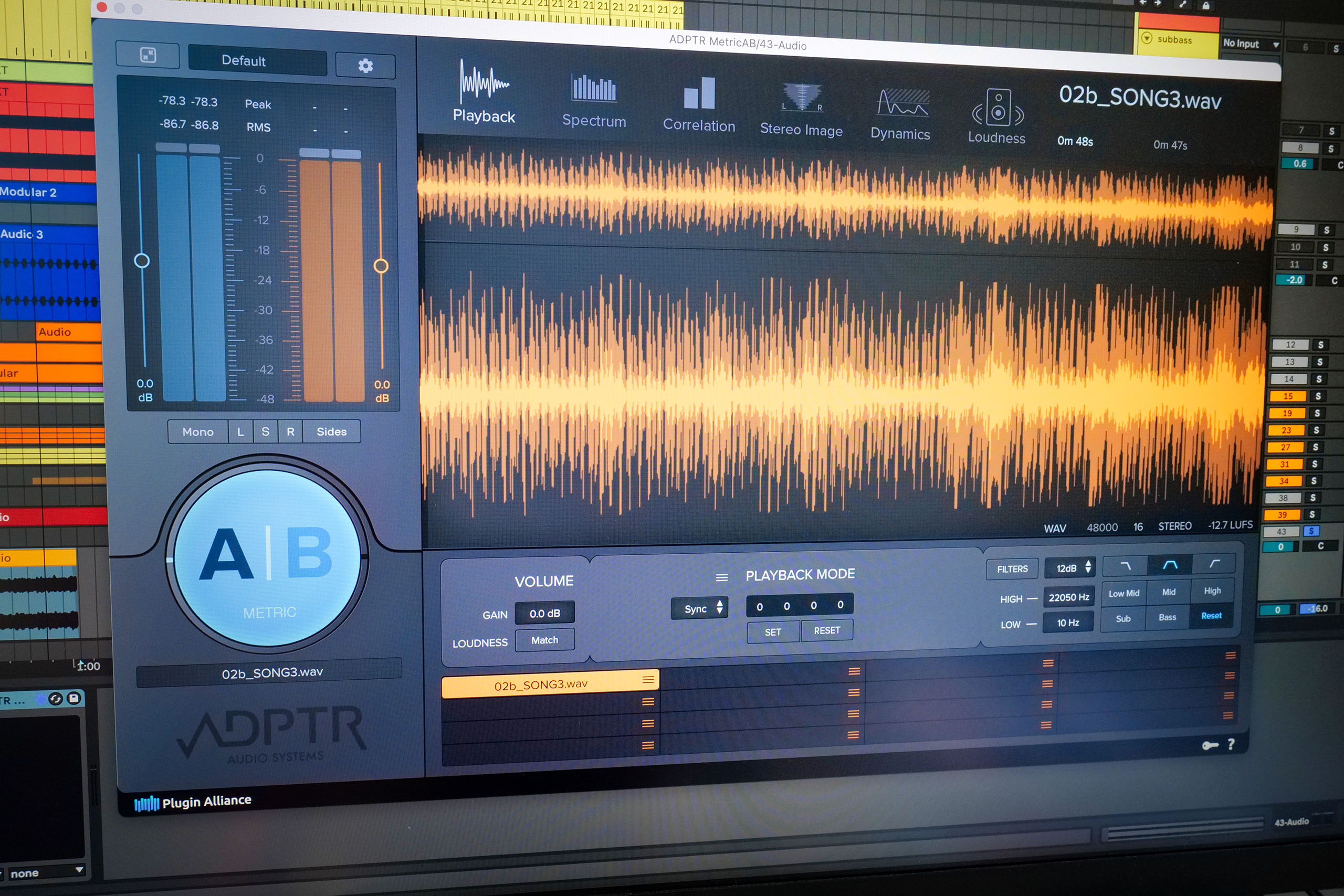
Metric AB

Artist or Band name?

Andrea Cichecki

Genre?

Deep music such as ambient, big soundscapes, dub-techno and ‘immersive organic sounds’. I like to emulate nature with electronic gear.

Selfie?
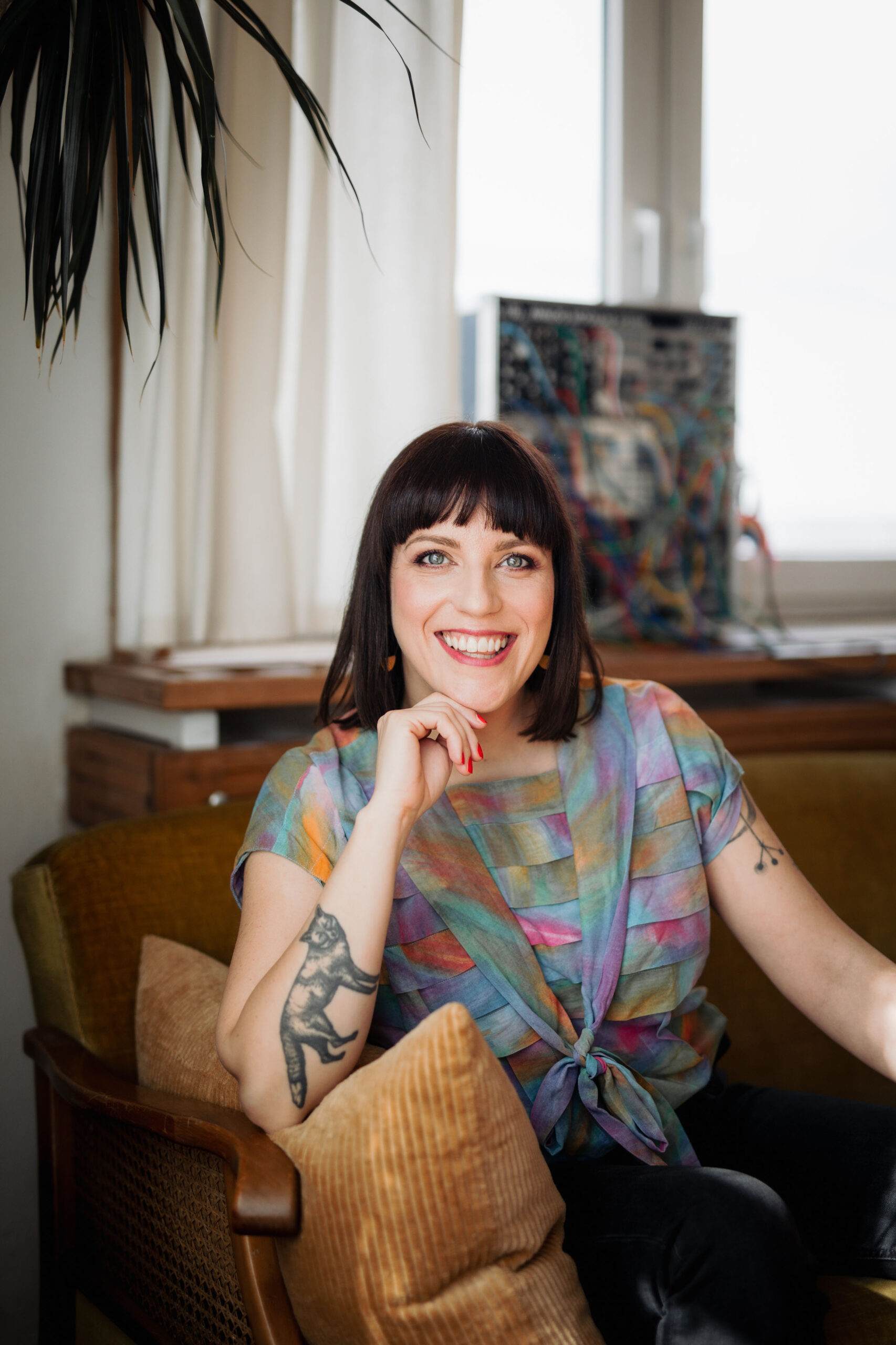
Andrea Cichecki

Where are you from?

I’m originally from the Netherlands, but have been living in Germany since 2012. At first, I lived in Berlin and now in the countryside near Dresden. I moved there because of a beautiful recording studio called Castle Studios where I work as well.

How did you get into music?

When I was young, I started with the clarinet and played a lot of classical music. Around my 16th birthday, I fell in love with electronic music and started to collect vinyl and, eventually, became a DJ.

In my mid-twenties, I already wanted to learn audio engineering but, sadly, where I lived at the time, there was no audio school and no online education available. So I tried to meet people to find out how things work and learnt a lot by myself until later in my life, where I attended the Abbey Roads music production and audio engineering school.
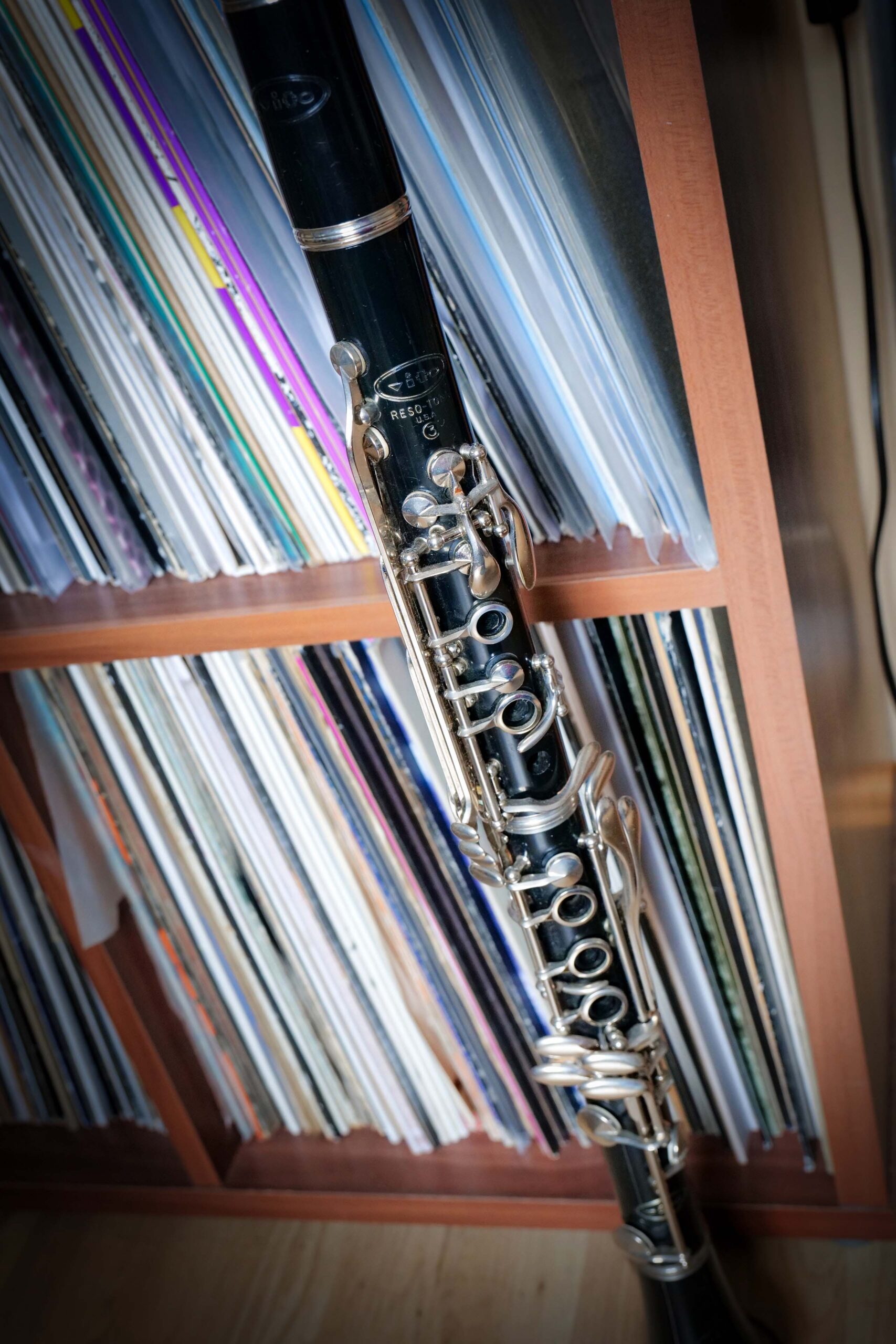
Clarinet

What still drives you to make music?

It’s a very strong inner feeling, call it intuition that I have. I’ve done a lot of different things in my life for work already, but this feeling with music always came back, telling me that I need to make music and learn all I can about it. I try to just follow that intuition. My life has changed ever since I became a full time producer and audio engineer. It’s hard work, especially, when you need to build it up from scratch to make a living. It’s also a particular life style. You really need to want this, otherwise it doesn’t work. I gave many things up in order to do it, but also don’t regret it a minute.

How do you most often start a new track?

Mostly, I start with a sound or chord progression on a synth that inspires me. I choose the key I work in and just go with the flow. Sometimes a drum loop inspires me or a melody gives me a certain feel and then it depends. Generally, there are two ways of making music for me. Either, I create a live-set, which means that I let things flow a bit more and don’t work in a particular song structure. However, when I produce songs with something specific in mind, I’m very structured and try to follow the sections. It took me a long time to find out how to finish tracks and, working structured and in sections, was the best for me. That also goes for when I work with clients.

Most musicians have a structure in their music as well and it’s just easier to be able to work like that, to have the same language. Otherwise translating their needs can get complicated.
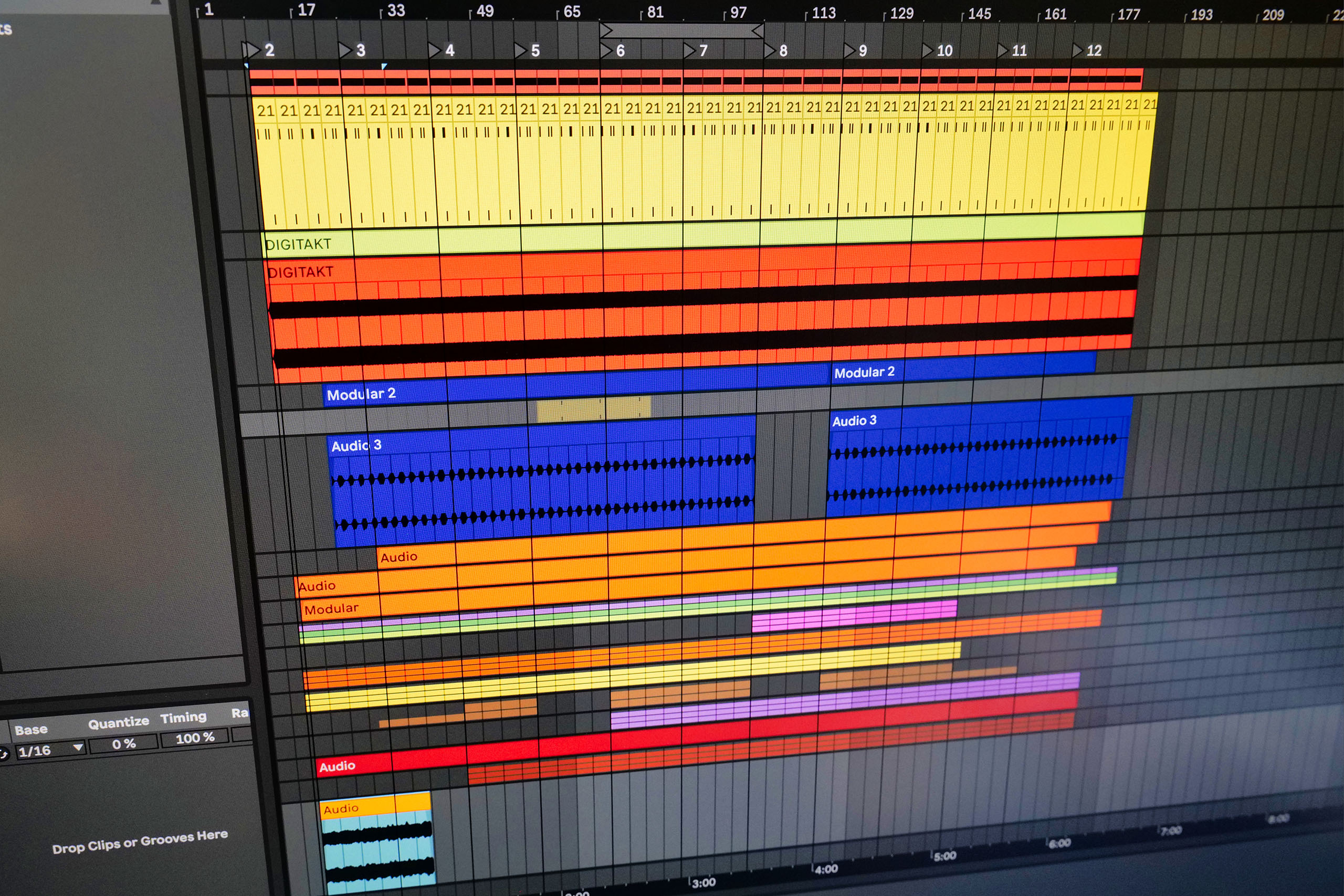
Ableton Template

How do you know when a track is finished?

When the deadline is there. 🙂 In general, when all elements of the song are there and work good together, than it’s time to mix. Usually, I already do a lot in pre-production stages, so that I can keep my mixes simple and effective.

Show us your current studio
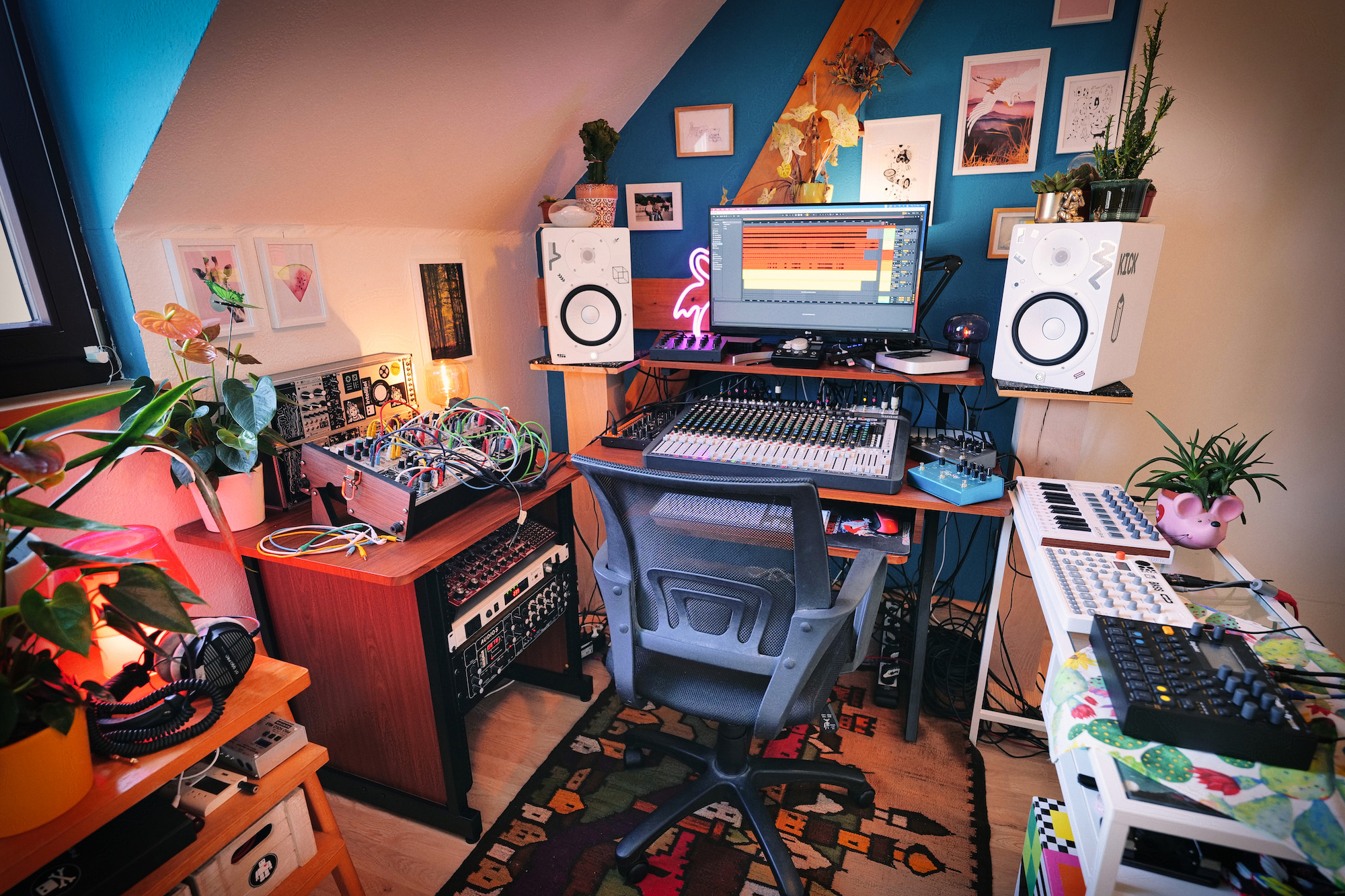
Andrea’s Studio

Best creative advice that you’ve ever heard?

Have a lot of quality output, educate yourself and, if possible, learn from mentors that can guide you. This is what I started to do, I try to educate myself on everything to do with music, the industry, music business in general, producing and engineering, marketing and promotion, social media.

Having an understanding of the work you need to put in makes everything a lot easier, as you can plan along and are able to communicate with the people around you better. Having mentors in your life to learn from is very important, so that you can improve yourself and are able to ask for advice.

Socials:
https://www.andreacichecki.com/
https://www.youtube.com/user/AndreaCichecki/
linktr.ee/AndreaCichecki
https://www.instagram.com/andrea_cichecki
https://www.facebook.com/AndreaCicheckiMusic
https://soundcloud.com/andrea-cichecki
https://castle-studios.com/
Kristin Hsiao – Show & Tell

1. Favourite knob/fader/switch on a piece of gear and why?

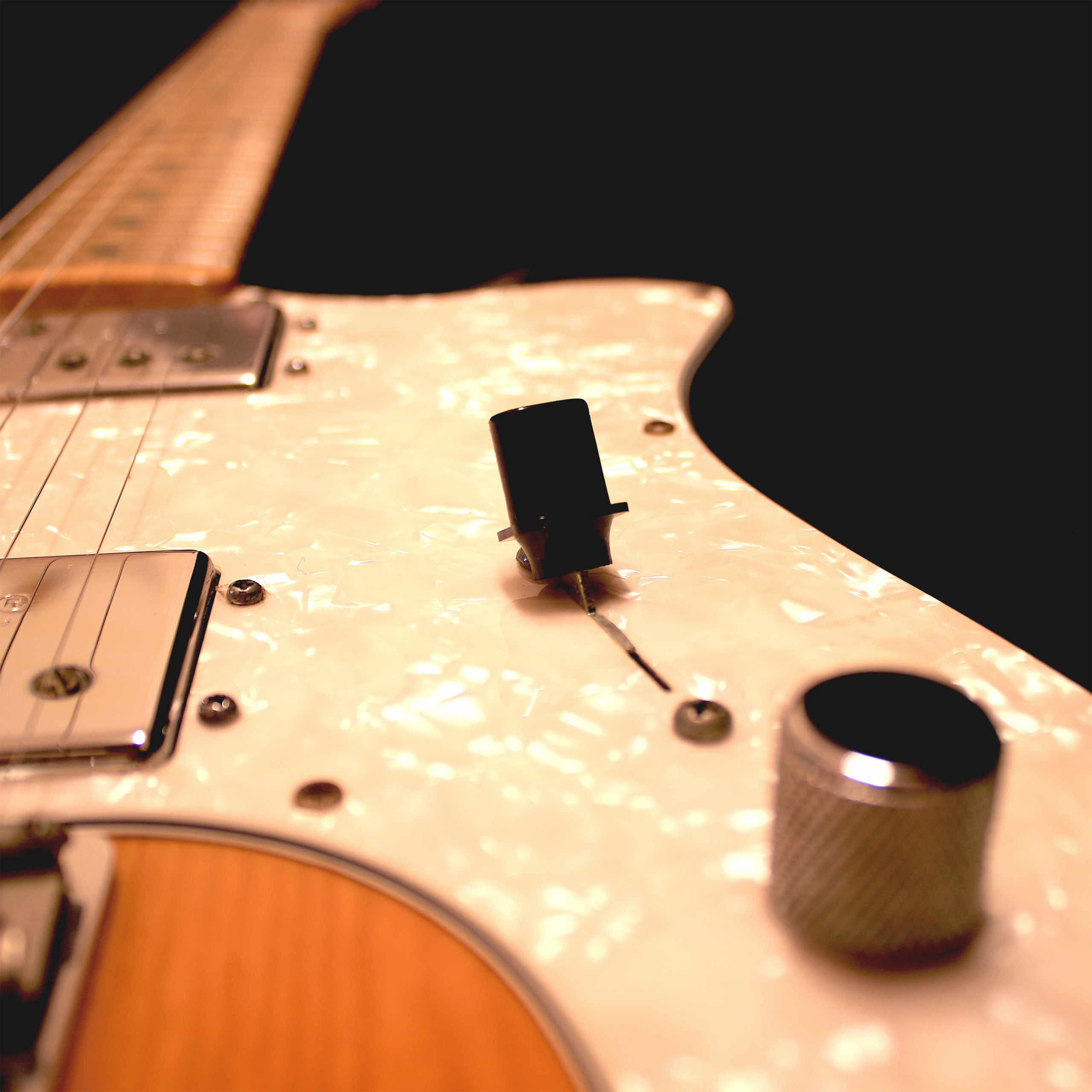
The switch on my telecaster. Although it only has a 3-position blade, that’s enough for me to do a lot of expressions.

Telecaster

2. Do you have an ‘almost’ perfect bit of kit? What would you change?

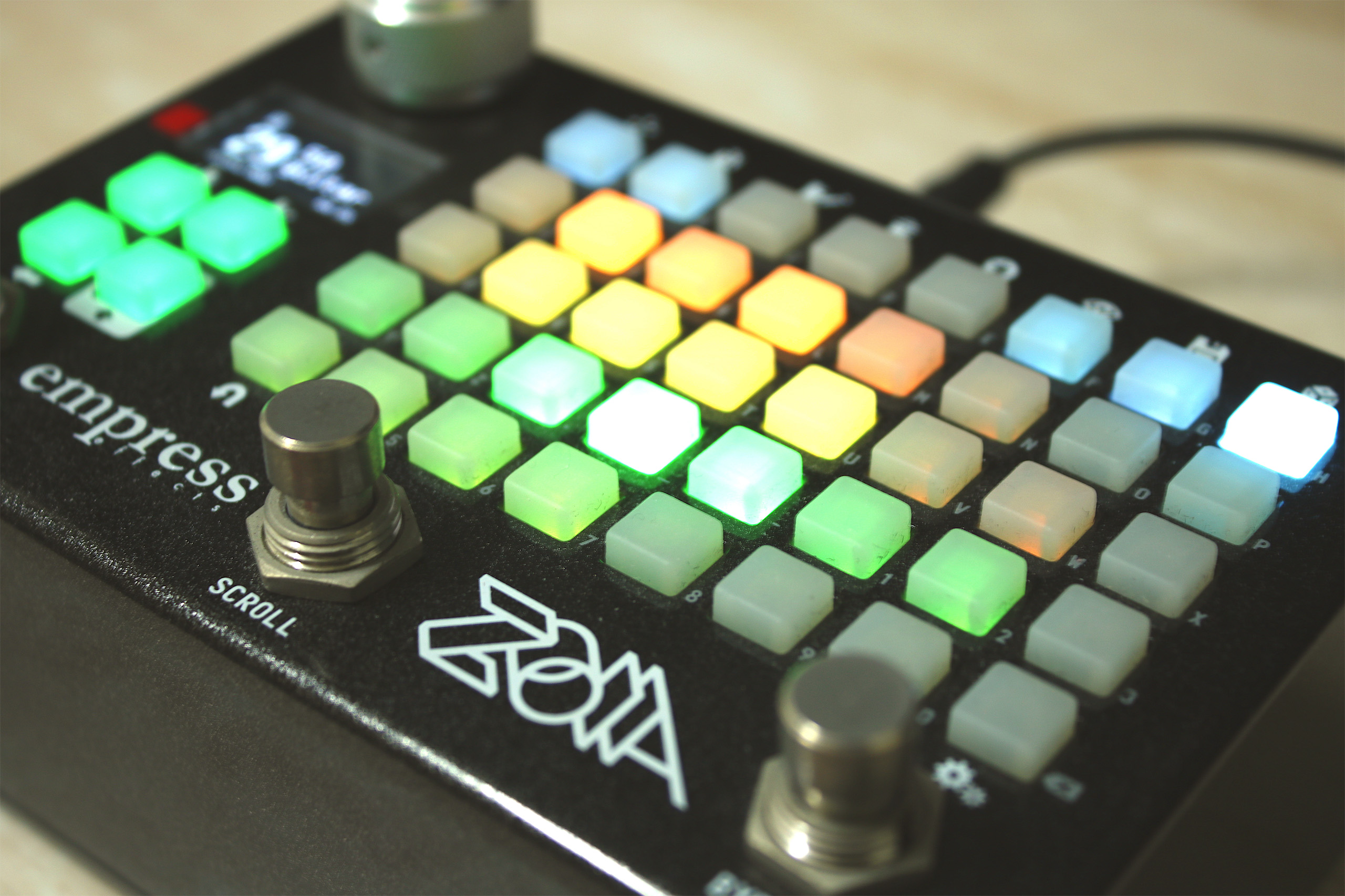
I’d say the ZOIA is the most versatile pedal I’ve ever seen. It has a steep learning curve at the beginning though. But I found it opened up so many possibilities for me to design sound effects every time I learned a new trick. I never thought I’d be able to create my own patches so freely.
I wish it had an auto-save function. Because I touch the wrong buttons or knobs by accident once in a while. And the not-yet-saved patch I’ve almost done, just goes blank right away… (oh no!)

3. What setup do you bring on holiday/tour/commute etc.?

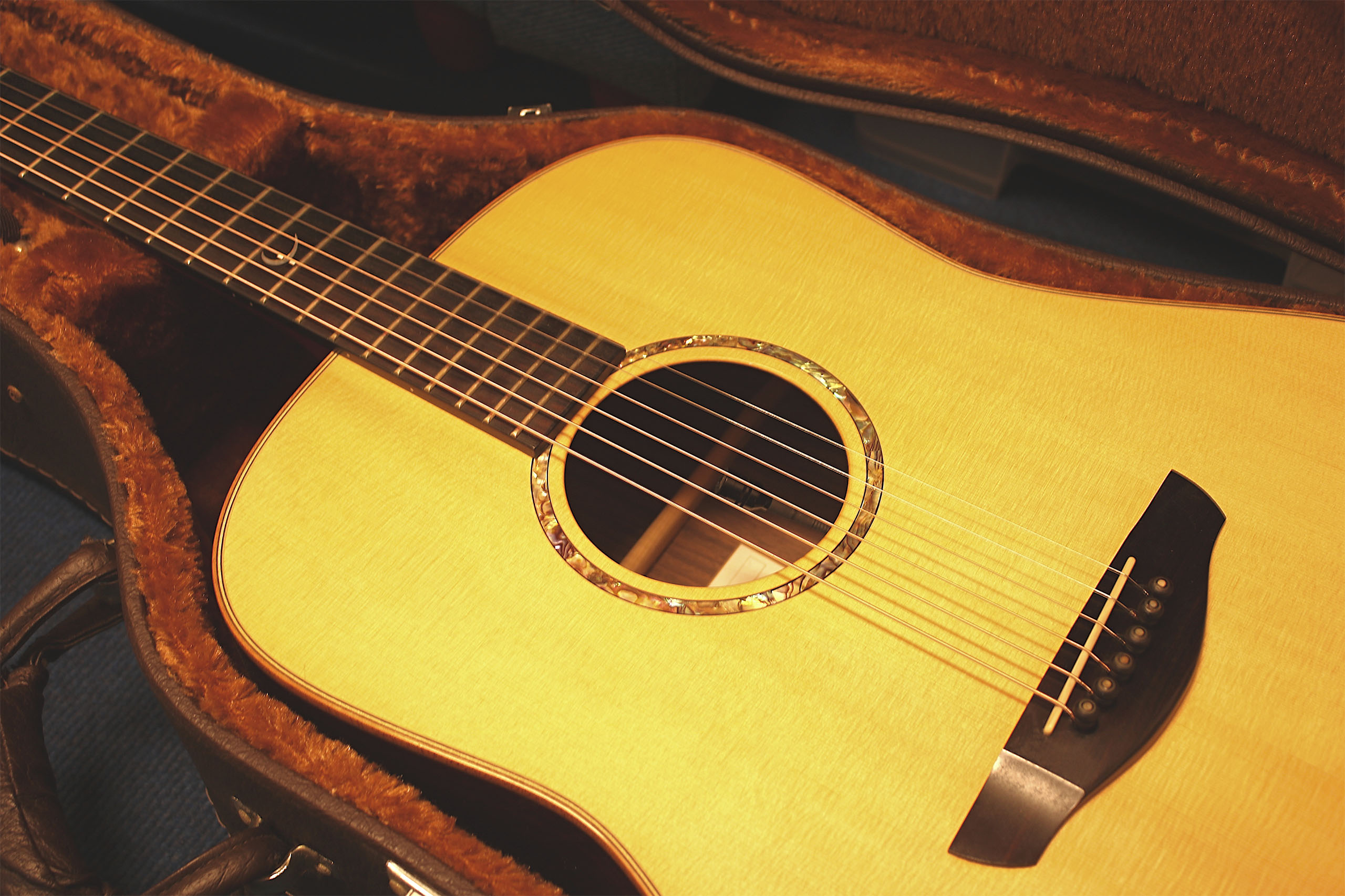
On holiday I used to bring my acoustic guitar. But I realized that I generally like to immerse myself in nature and rarely play the guitar when I turn on holiday mode. So I don’t do it anymore. Because that’s not fair to my guitar.

Faith FSHG Hi-Gloss Saturn

4. What software do you wish was hardware and vice versa?

In terms of songwriting, I love using DAWless setup more than software. But when it comes to the production phase, iZotope Ozone 9 is the must-use software every time I do mastering. It rebalances all the sounds that I’ve recorded and gives me the whole picture of my music. So, it would be great if iZotope Ozone 9, became an actual device.

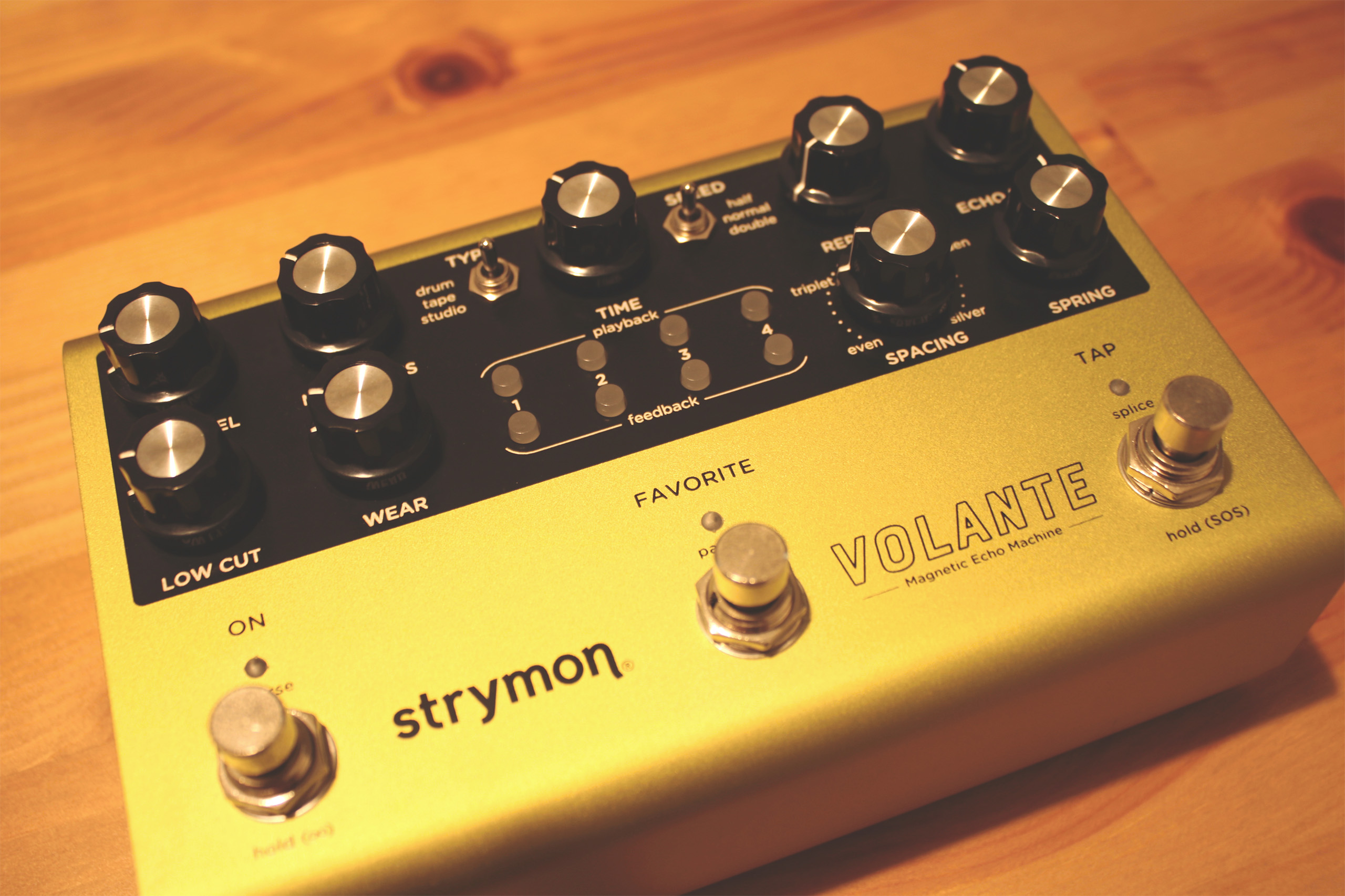
On the other side, I love the control panel on the Strymon Volante, it’s pretty straightforward. But I’m also curious if it turned from hardware into software, how crazy would it be with automation?

Strymon Volante

5. Is there anything you regret selling… or regret buying?

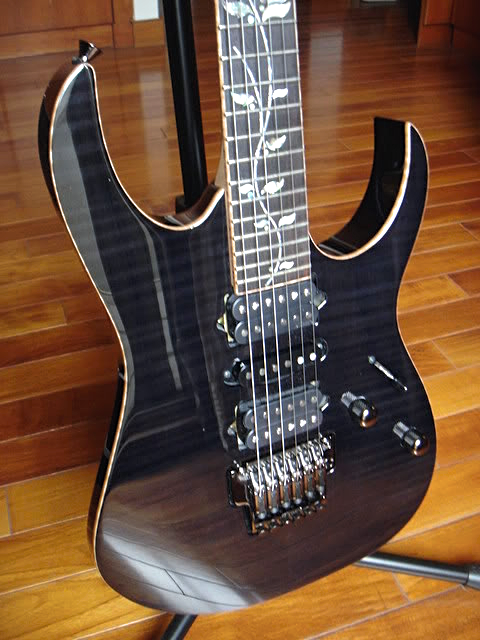
Well, I won’t say it’s a regret. It’s more like a nostalgic feeling. Back in the day, I had participated in lots of live shows mostly with this guitar. It used to be with me for quite a long time.
The reason I sold it is that I wanted to find a characteristic sound that is closer to my personality traits.

Ibanez J custom RG8470

6. What gear has inspired you to produce the most music?

I’ll go with Logic Pro X for this question. As there are many stock plug-ins and loops that allow me to play around, it inspires me to generate ideas from them. In addition, I’m able to efficiently organize my thoughts in Logic Pro first. Then practically implement these ideas on my gear. So that I won’t spend extra time cleaning up the mess.

7. If you had to start over, what would you get first?

I would still choose an acoustic guitar if I had to start over. It’s the handiest instrument to me no matter if I’m writing a song or just having fun with friends.

8. What’s the most annoying piece of gear you have, that you just can’t live without?

That’s a tough one. Every device has its own traits. As for the annoying parts of devices, I’d tend to consider it as an opportunity of forcing myself to come up with new ideas rather than annoyance.

9. Most surprising tip/trick/technique that you’ve discovered about a bit of kit?

(Not sure if this is surprising.) One day, I was jamming with only the MicroFreak and the ZOIA. Here’s the thing. Although the MicroFreak allows me to play polyphonically, I can’t really play E1 and G5 on the keyboard simultaneously. So I tried to figure this out and then came up with a solution. The tips are written in my Jamming Diary. This can be seen on my YouTube channel – Jamming Diary #44.


Artist or Band name?

葵斯汀

Genre?

Hmmm… Experimental? Psychedelic? Ambient? A bit of chill?

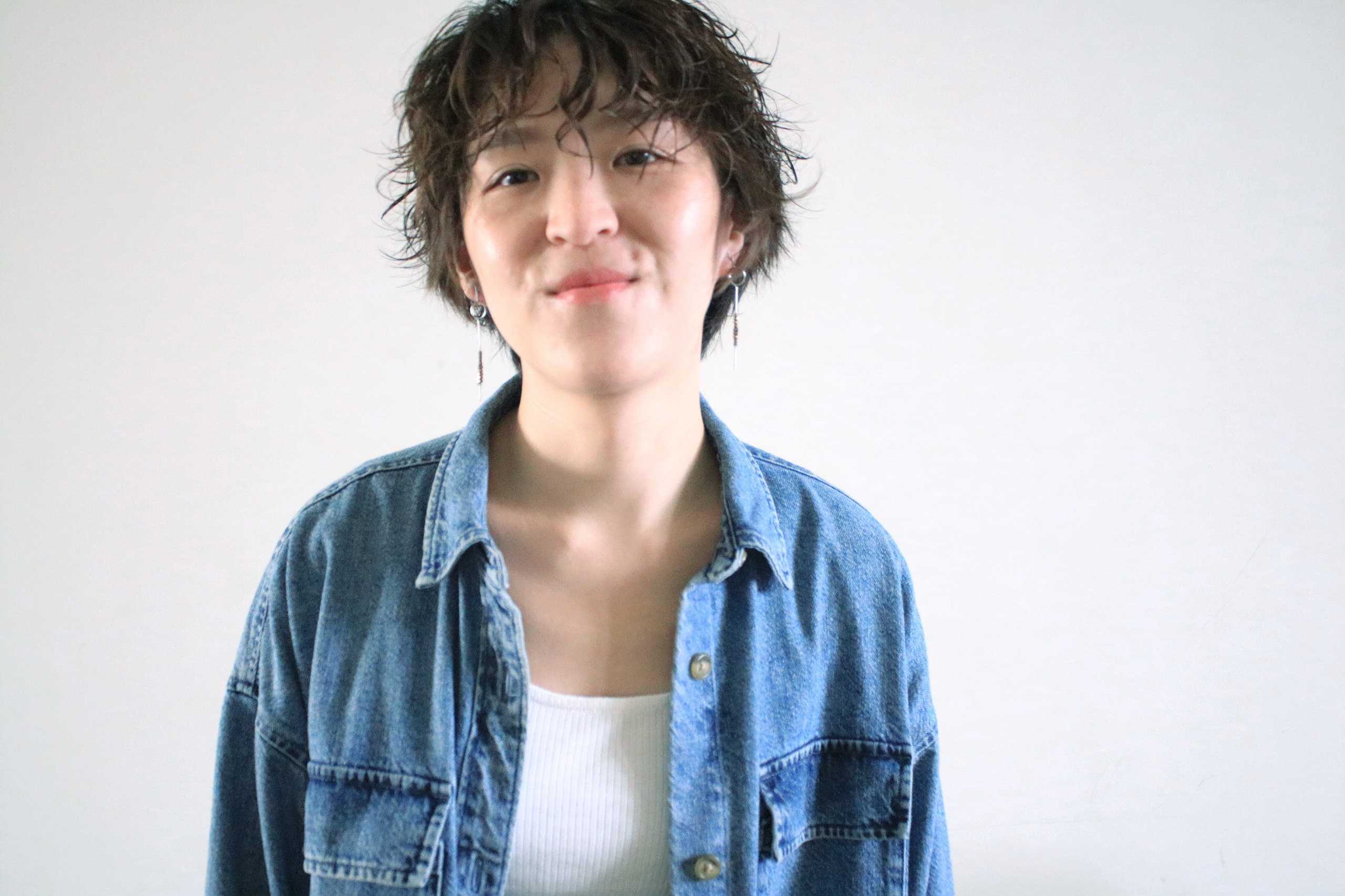
Selfie?

Kristin Hsiao

Where are you from?

Taiwan

How did you get into music?

My sister taught me some guitar chords when I was a junior high student.

What still drives you to make music?

Music is my outlet for expressing inner feelings. So I’ll keep making music as long as I’m not dead inside.

How do you most often start a new track?

Just grab my guitar and randomly play some stuff. Once I find an interesting riff, I’ll record it into a looper or Logic Pro X as a pattern and loop it. Then create my own beat/loops on top of that. Or drag different loops into the project to hear if they’re suitable for the original pattern. Repeat these actions, again and again, until I’m cool with the result.

How do you know when a track is finished?

Honestly, every “finished” track is a regret whenever I listen to the playback. The only way to not fall into this trap is to keep moving on.

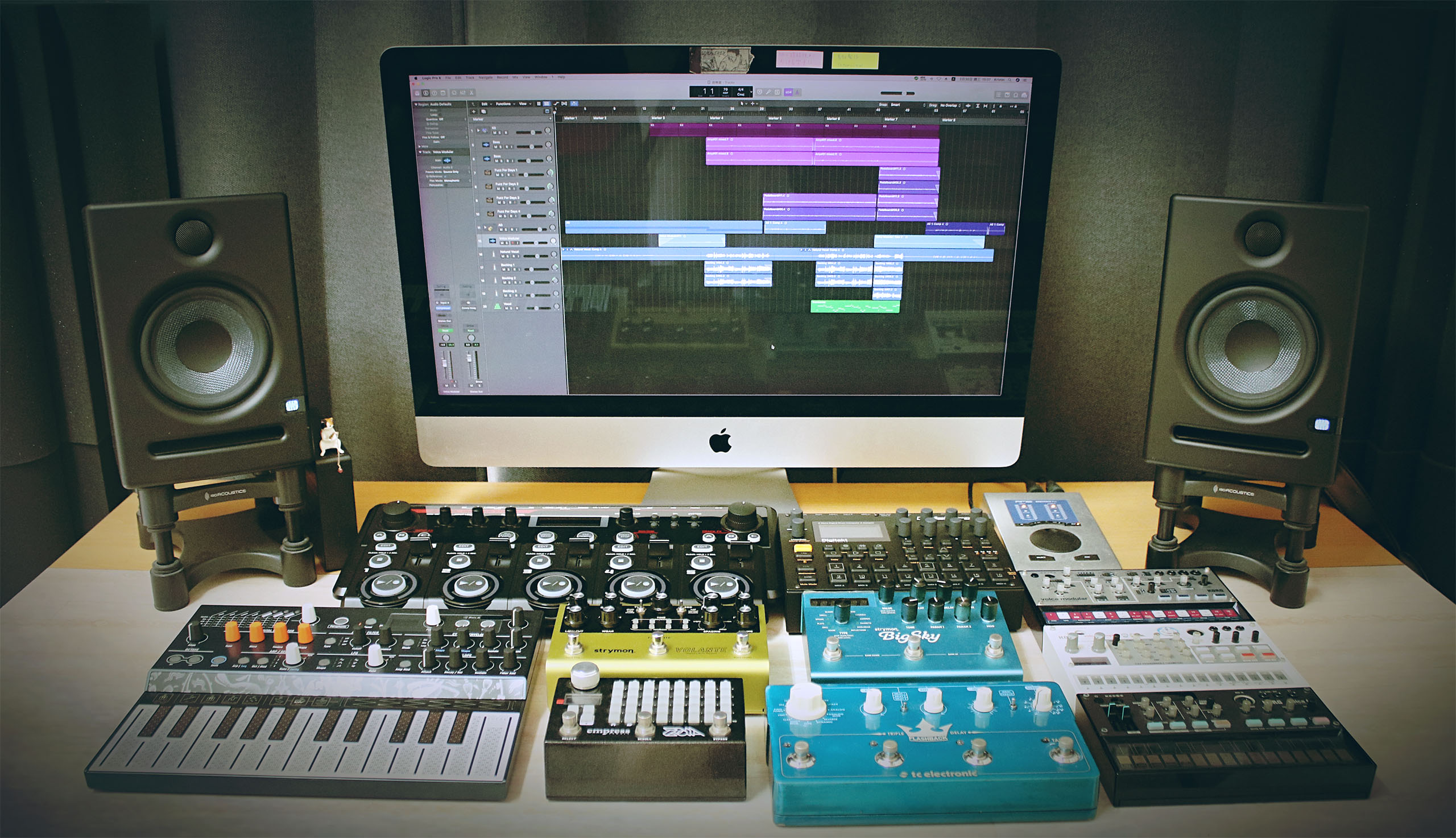
Show us your current studio

Desktop with lots of fun FX and synths

It’s not a luxurious space, but I have everything I need. All of my releases were made in this small bedroom studio. The sparrow may be small but it has all the vital organs.
I’m quite satisfied with it.
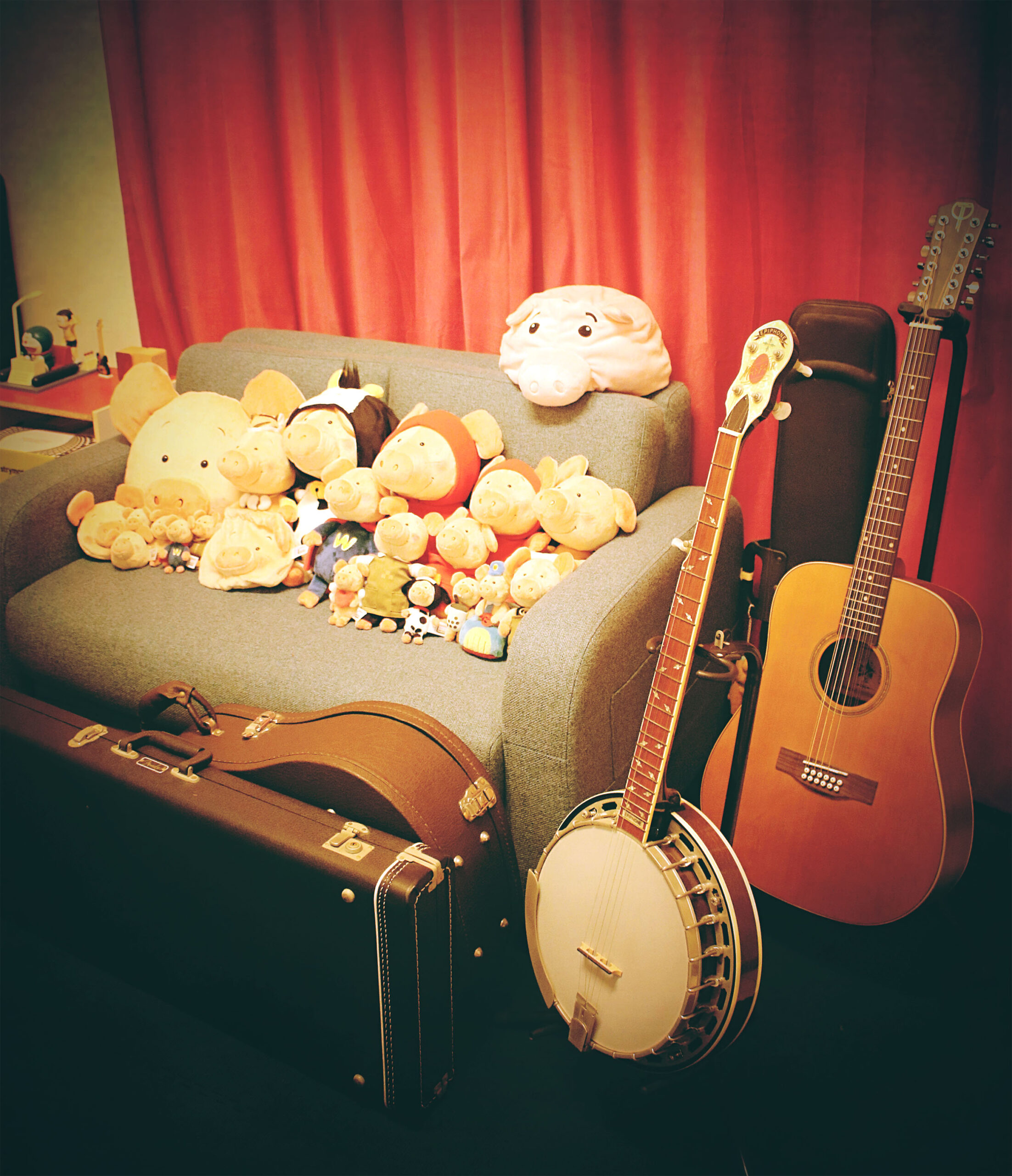
I also have a small room for instruments and pigs!

Sofa with lots of fun instruments and pigs!

Best creative advice that you’ve ever heard?

Simplicity is the ultimate sophistication” — Leonardo Da Vinci

Not just in music, I hope I’m able to keep everything as simple as possible in life.

Promote your latest thing… Go ahead, throw us a link.

Instagram: https://www.instagram.com/kristinhsiao/
YouTube: https://www.youtube.com/c/KristinHsiao
Website: https://kristinhsiao.com


Nathan – Accelerator Jengold

1. Favourite knob/fader/switch on a piece of gear and why?

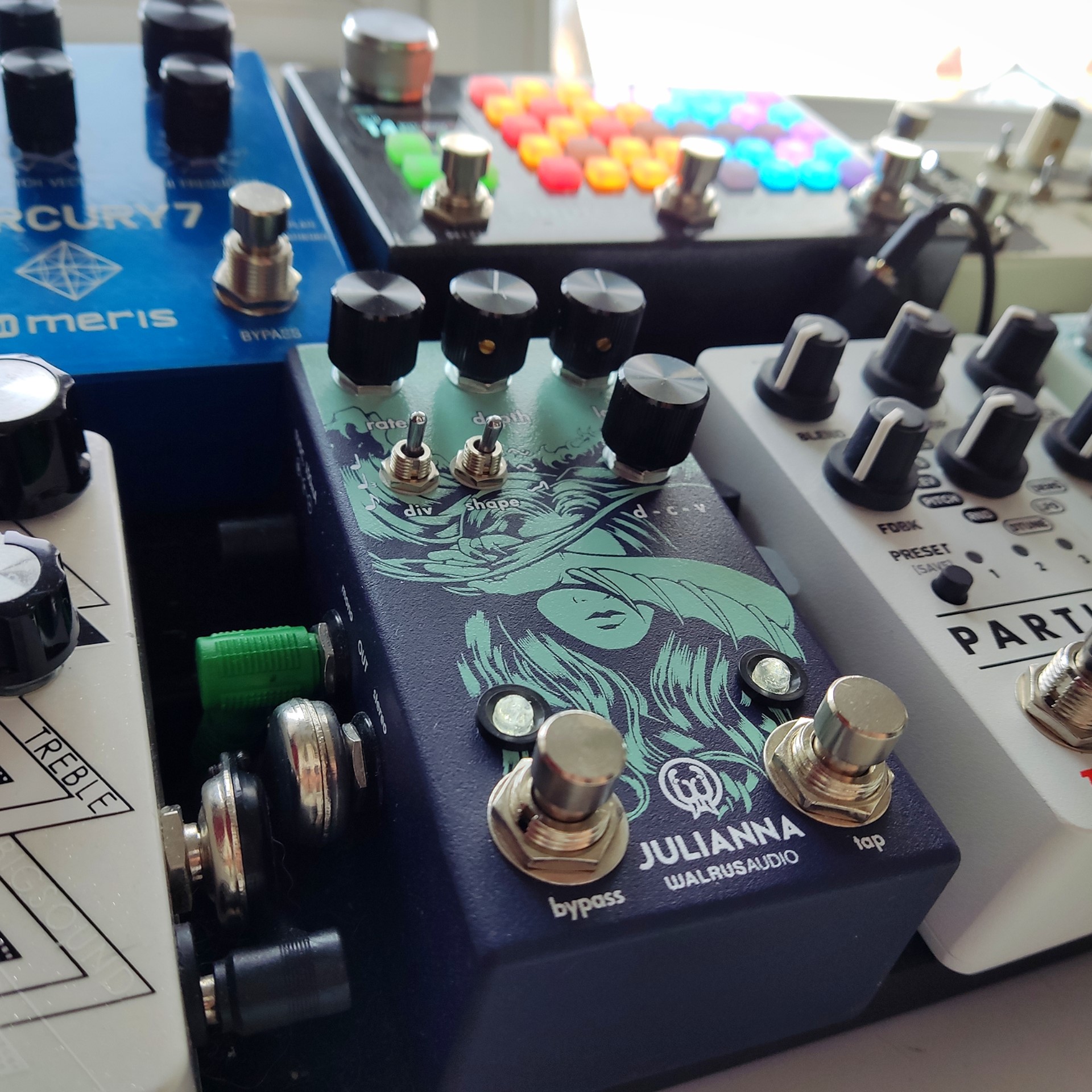
In terms of aesthetics and tactility, it has to be the main rotary knob on the ZOIA by Empress Effects. The way it subtly clicks is super satisfying, and the chunky chrome design stands out compared to other pedal knobs. In terms of functionality I’ll go with the D-C-V (Dry-Chorus-Vibrato) knob on the Walrus Audio Julianna.

Dry-Chorus-Vibrato knob on the Walrus Audio Julianna

It controls the stereo spread of the effect and the mix of chorus and vibrato. The Julianna is an ‘always on’ pedal for me – the modulation sounds great and D-C-V knob helps to always find that sweet spot. I typically use the Julianna to make lofi guitar tones using the random LFO setting and a slow vibrato.

2. Do you have an ‘almost’ perfect bit of kit? What would you change?

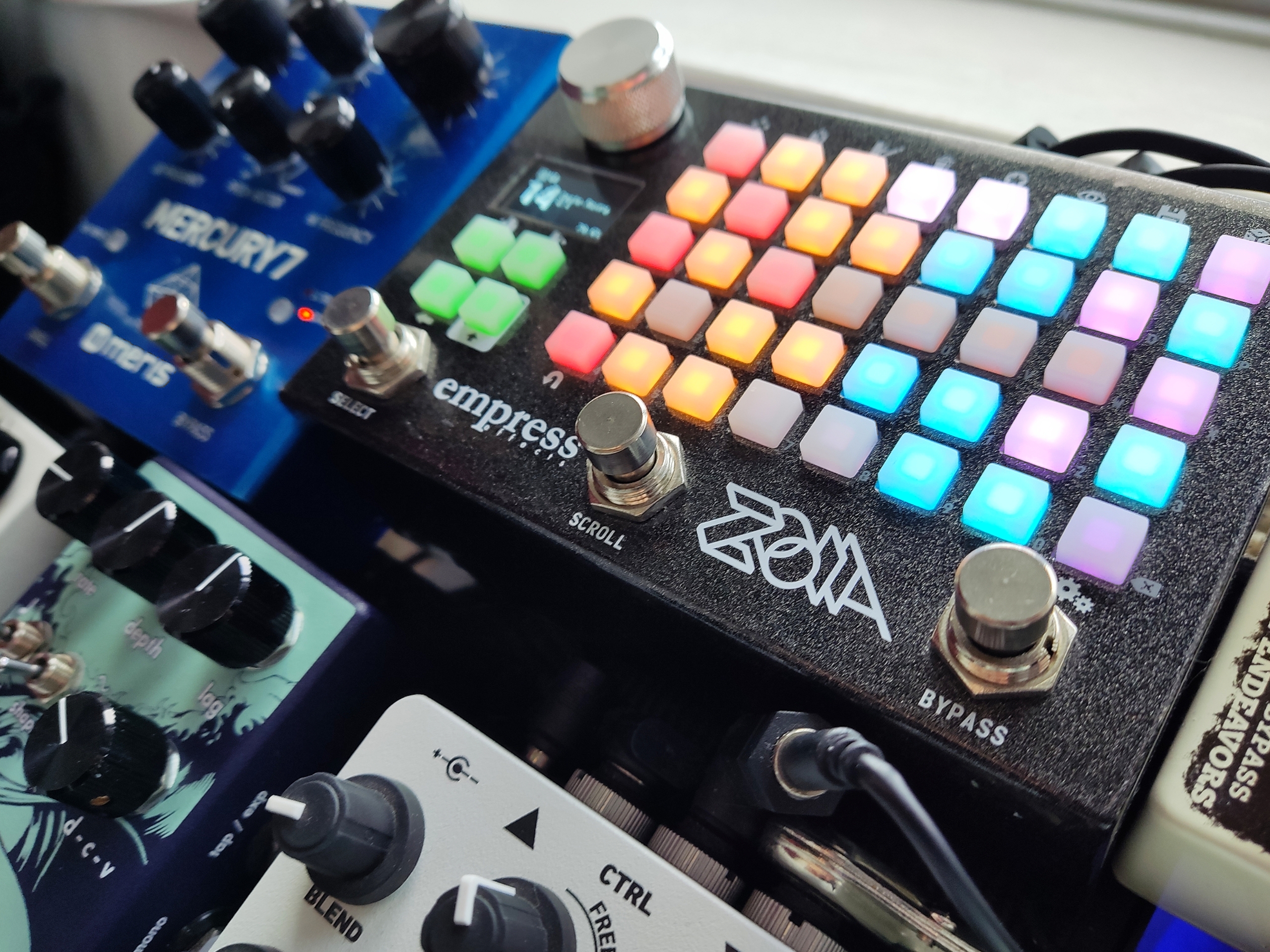
I’ll have to go with the ZOIA again for this question! It’s one of my favourite pieces of gear and I use it in pretty much all of my music. It’s both dauntingly complex and surprisingly intuitive. It’s mind-blowing how much Empress Effects managed to cram into this small box! I’ve been using it for a couple of years now, but I still feel like I’ve only scratched the surface of what it can do. I use it in all sorts of ways, such as a semi-generative synthesizer, looper, midi controller and of course as a multi-FX unit.

ZOIA by Empress Effects

My only complaint is that because it does so much it’s difficult to know where best to put it in the signal chain. One possible solution would be a set of additional inputs/outputs for an FX loop, and the ability to assign modules either before or after the FX loop. A couple of additional assignable knobs would also make parameter control more immediate.

3. What setup do you bring on holiday/tour/commute etc.?

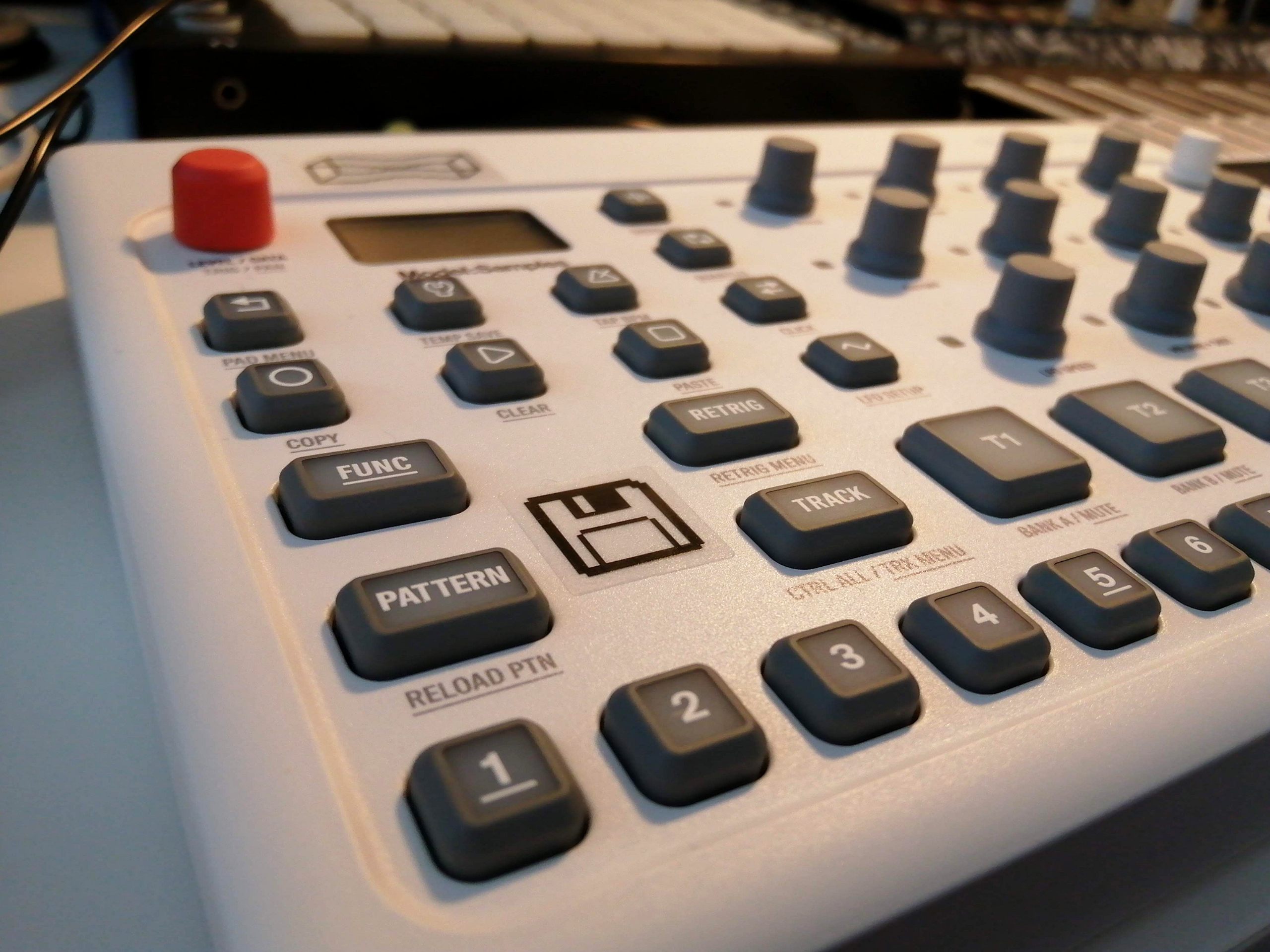
I’m a fan of the Elektron Model:Samples for making music on the go. It’s super portable and I like the directness of the ‘function per knob’ design. It’s perfect for quickly sketching out ideas whilst travelling.

Elektron Model:Samples

Other devices offer more features, like the OP-Z, but I have a soft spot for the Elektron workflow. I don’t use it in my main setup due to the lack of direct sampling, but it’s a fun device to kill some time with.

4. What software do you wish was hardware and vice versa?

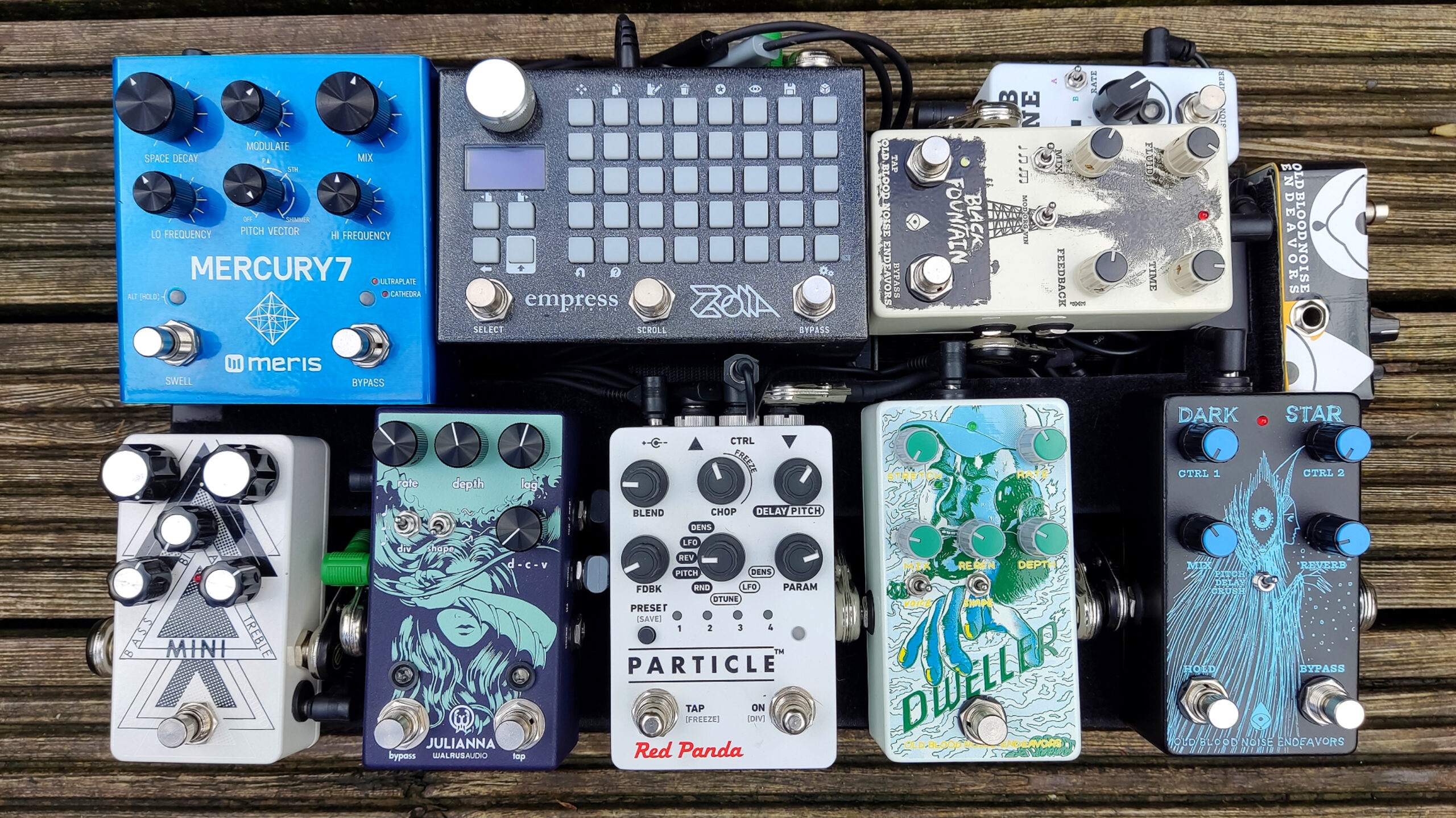
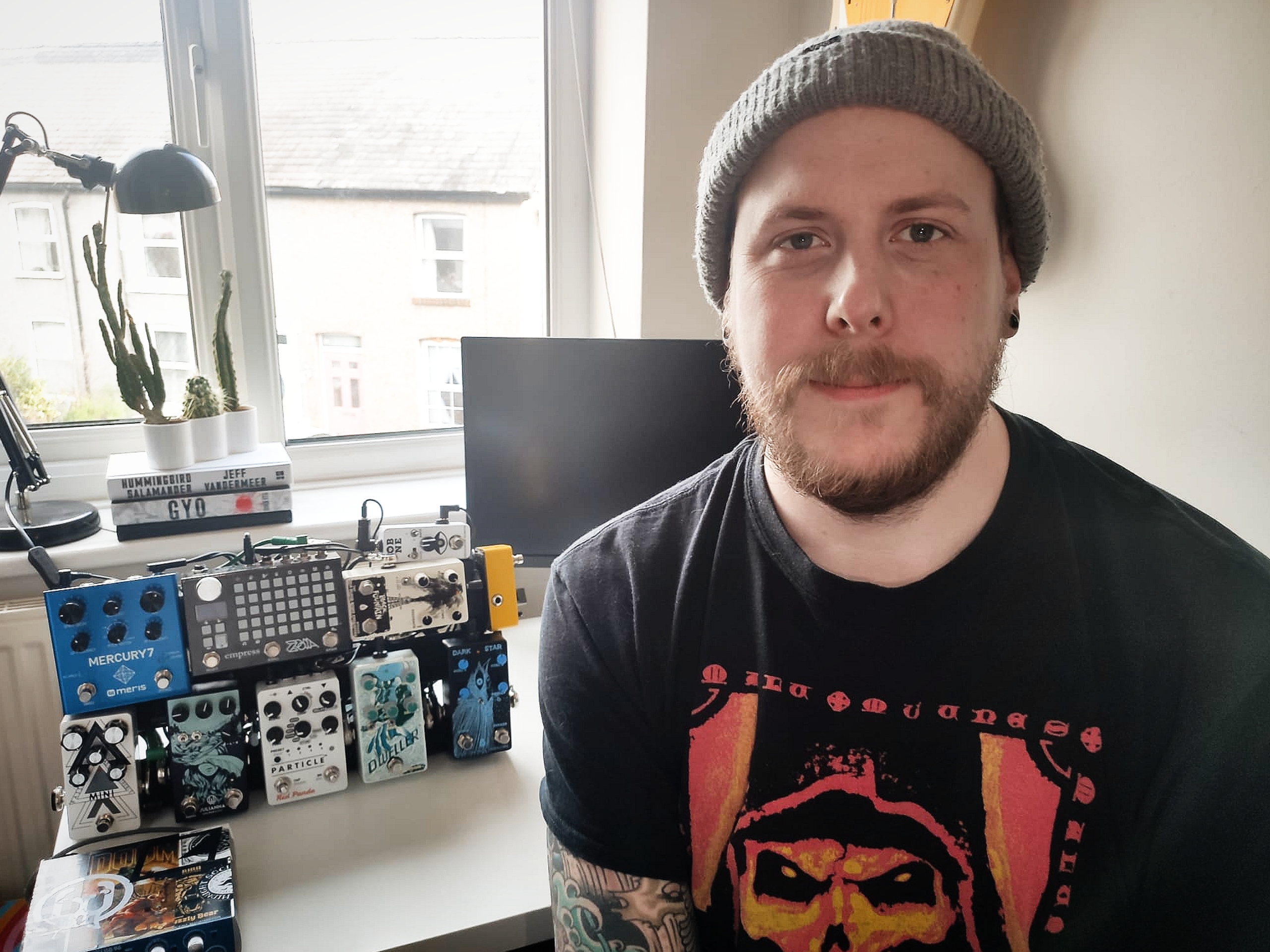
I predominantly use a ‘DAWless’ setup, so I don’t have much experience with software. I only really use my DAW (Studio One 5 to be exact) to record/master and try to do everything else using hardware. Tactility is an integral part of making music for me, I like the physical connection to whatever I’m writing. I don’t have the same drive to write music when I’m working on a laptop. I also find a limited palette of sounds to be quite inspiring, so the inherent limitations of hardware gear can paradoxically be liberating.

Nathan’s pedalboard of tactility

That said, I would love a virtual version of my pedalboard so I could try out different setups without having to tear the whole thing apart!

5. Is there anything you regret selling… or regret buying?

I recently sold my Walrus Audio Slö reverb pedal and replaced it with a Meris Mercury7. Although I really like the expansive stereo sound of the Mercury7, I definitely prefer the modulation on the Slö. It has a unique dreamy quality which is perfect for lo-fi reverbs and woozy textures. I would rebuy it in a heartbeat if they ever made a stereo version with a random LFO mode

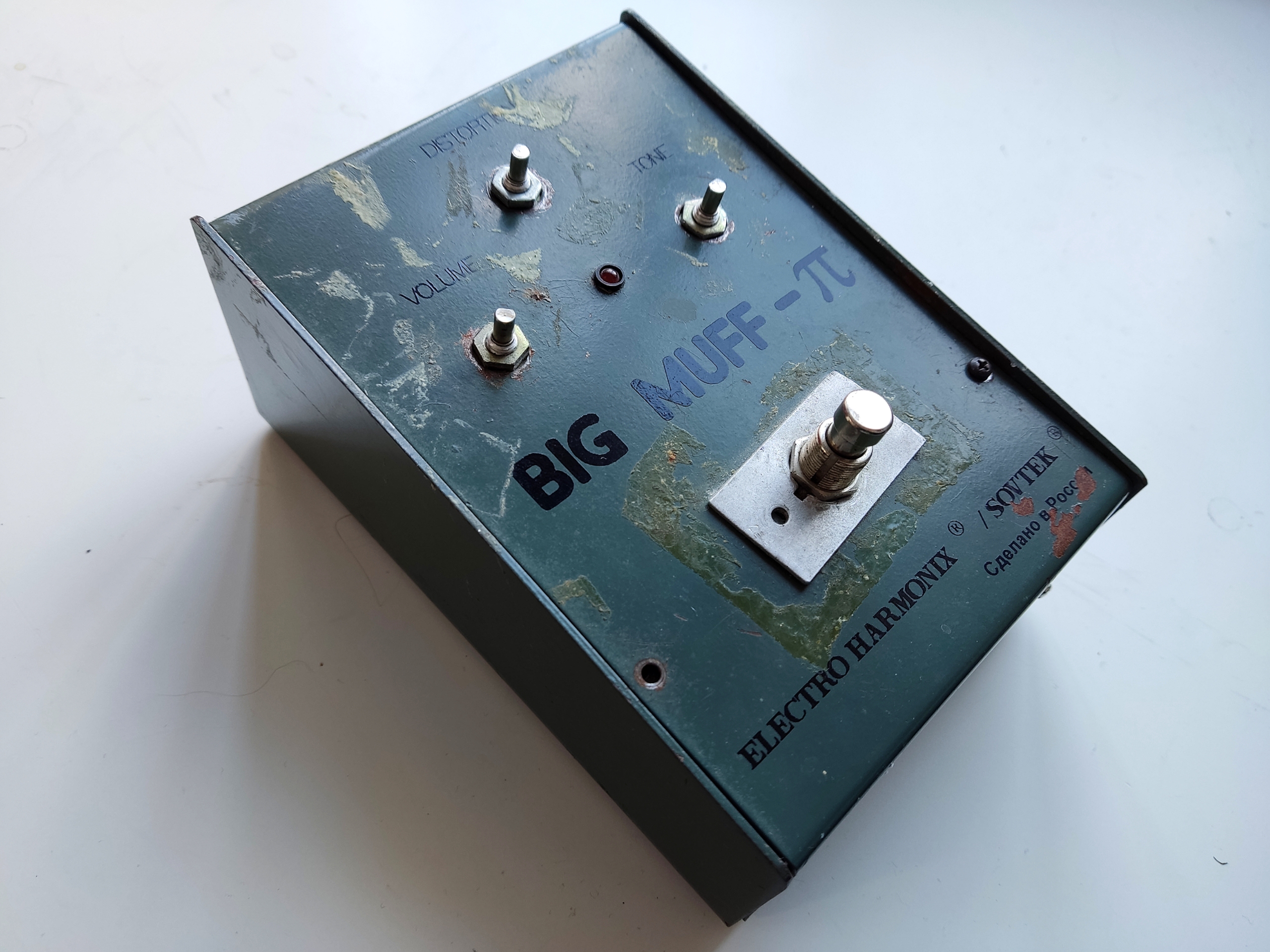
Sovtek Big Muff

My biggest gear regret is not looking after my Sovtek Big Muff. Unfortunately it’s been battered from years of gigging and no longer has the original knobs or switch. It’s just too temperamental to use regularly in my setup now.

6. What gear has inspired you to produce the most music?

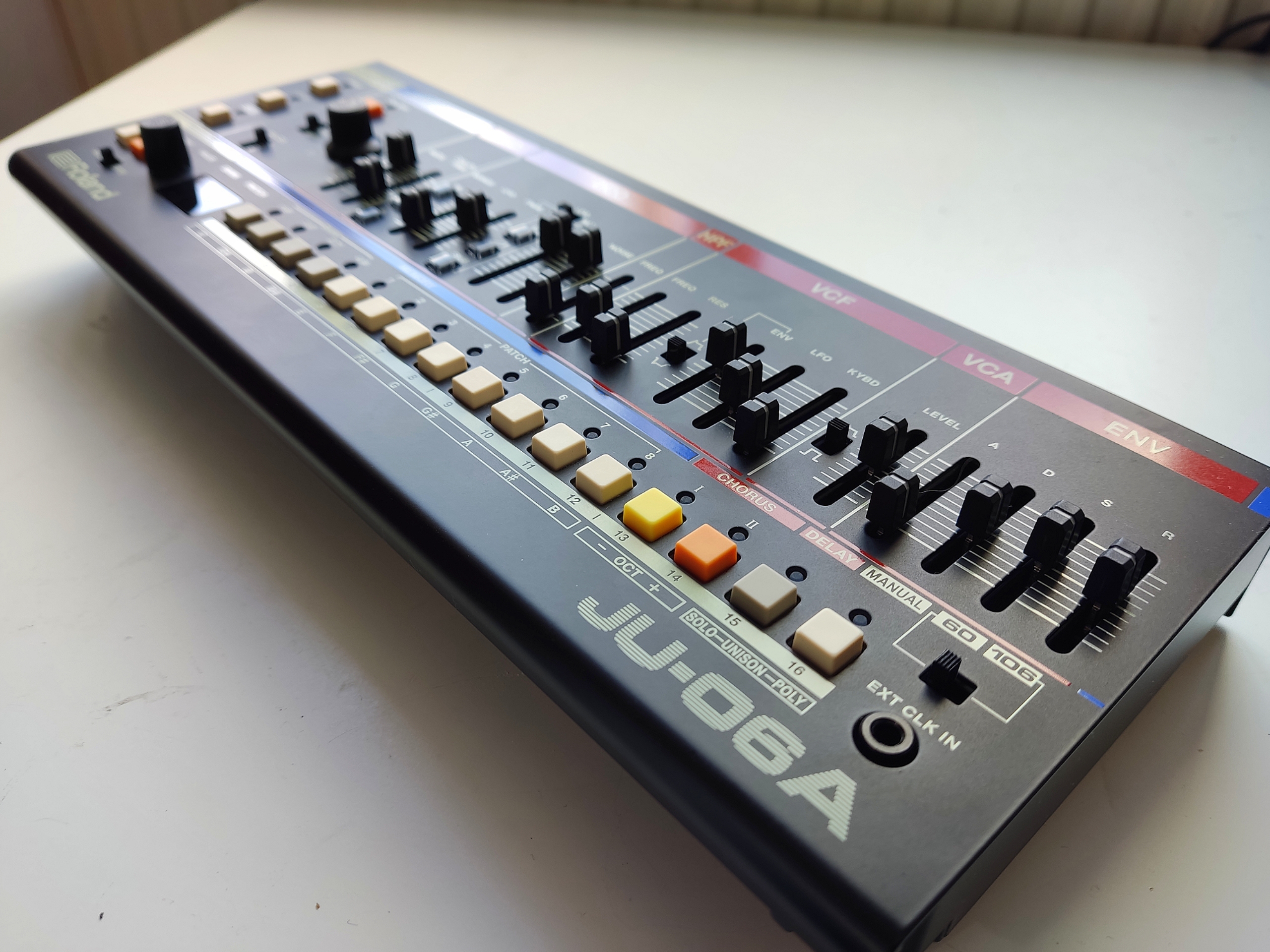
Roland JU-06A

I’ve been really inspired by the Roland JU-06A synth over the past year, it’s the synth I come back to most often. I love the range of sounds, the simplicity of patch design and its compact size. Roland did a great job replicating that classic Juno sound in a small and affordable package. I also get a lot of inspiration from my humble Boss RC202 loop station. I love working with loops and layers, and the RC202 offers a good balance of features and usability. All of my tracks begin as loops, and I wouldn’t know where to start without my RC202.

7. If you had to start over, what would you get first?

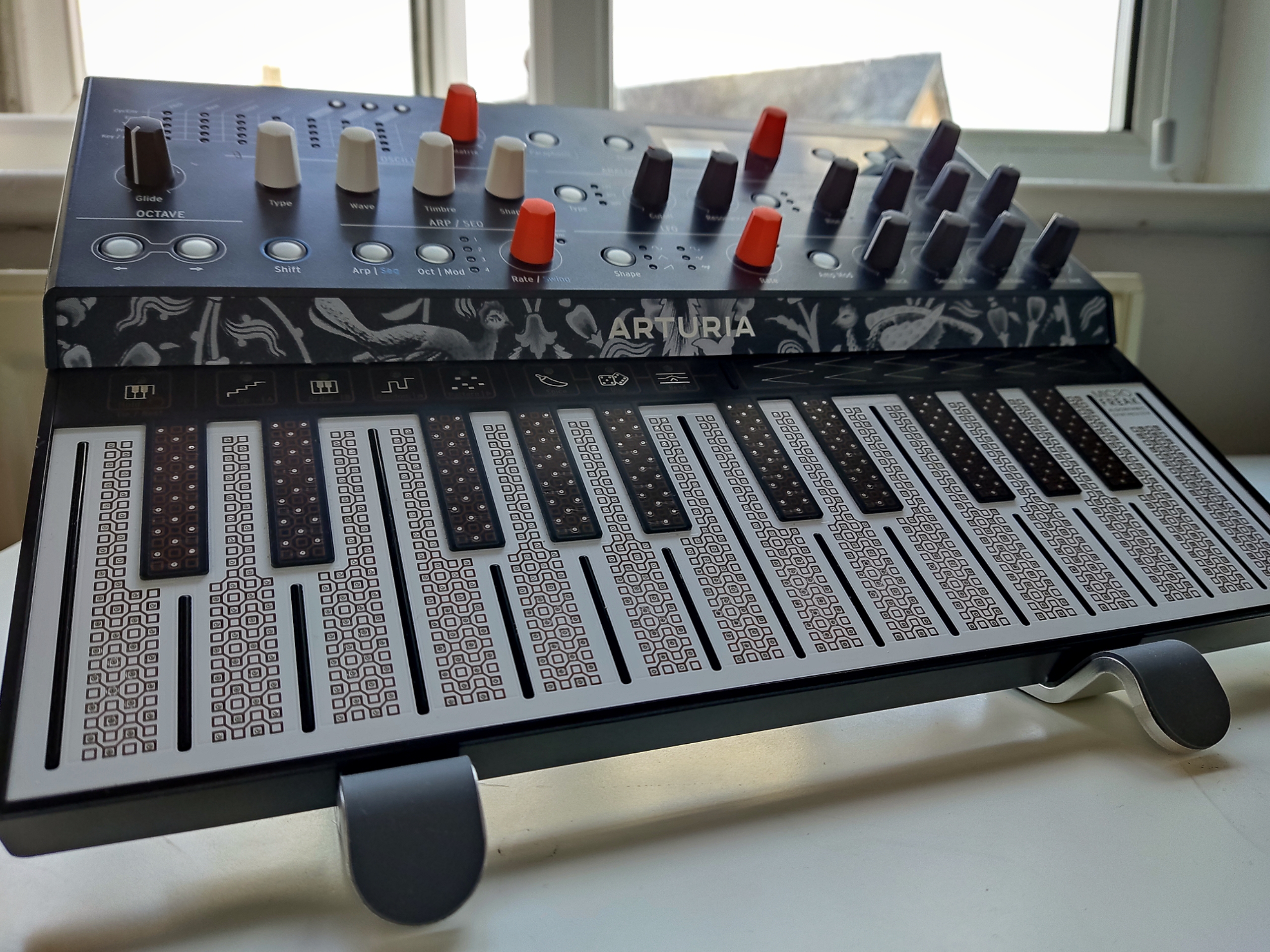
This is a bit of a cop out, but if I had to start over I would probably start with some guitar and piano lessons! I’m completely self-taught, so I sometimes feel a little limited by my technical skills. To answer the question more directly, if I was starting over with electronic music production I would probably begin with an Arturia Microfreak.

Arturia Microfreak

Due to the wide range of features and relatively low price, it’s a great introduction to hardware synthesis. The keybed isn’t for everyone, but the range of synth engines, the intuitive modulation matrix and the analogue filter make it incredibly good value. If it had built-in FX it would be the total package. Although I don’t use mine much anymore, I still consider it to be a modern classic.

8. What’s the most annoying piece of gear you have, that you just can’t live without?

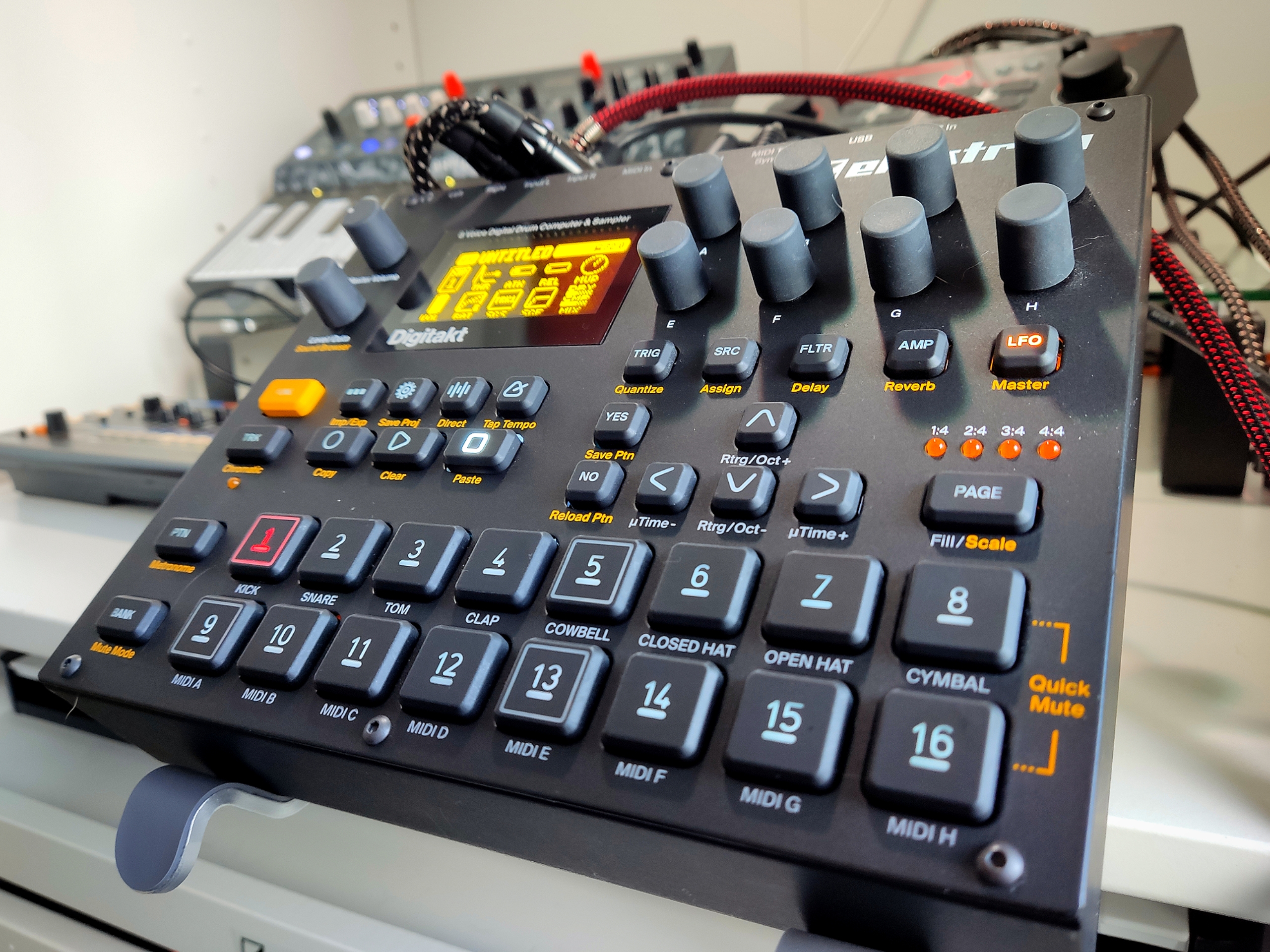
As much as I love my Elektron Digitakt, it can be a real pain to use sometimes! There are a lot of functions which are not immediately apparent, and it takes time to learn how to use it properly.

Elektron Digitakt

I actually prefer the usability of its little brother, the Model:Samples, but the additional features of the Digitakt make it substantially more powerful. It’s basically the brain of my setup, even though I probably don’t use it to its full potential. Elektron have done a great job with software updates over the years and have added a number of clever features, like the secondary LFO.

9. Most surprising tip/trick/technique that you’ve discovered about a bit of kit?

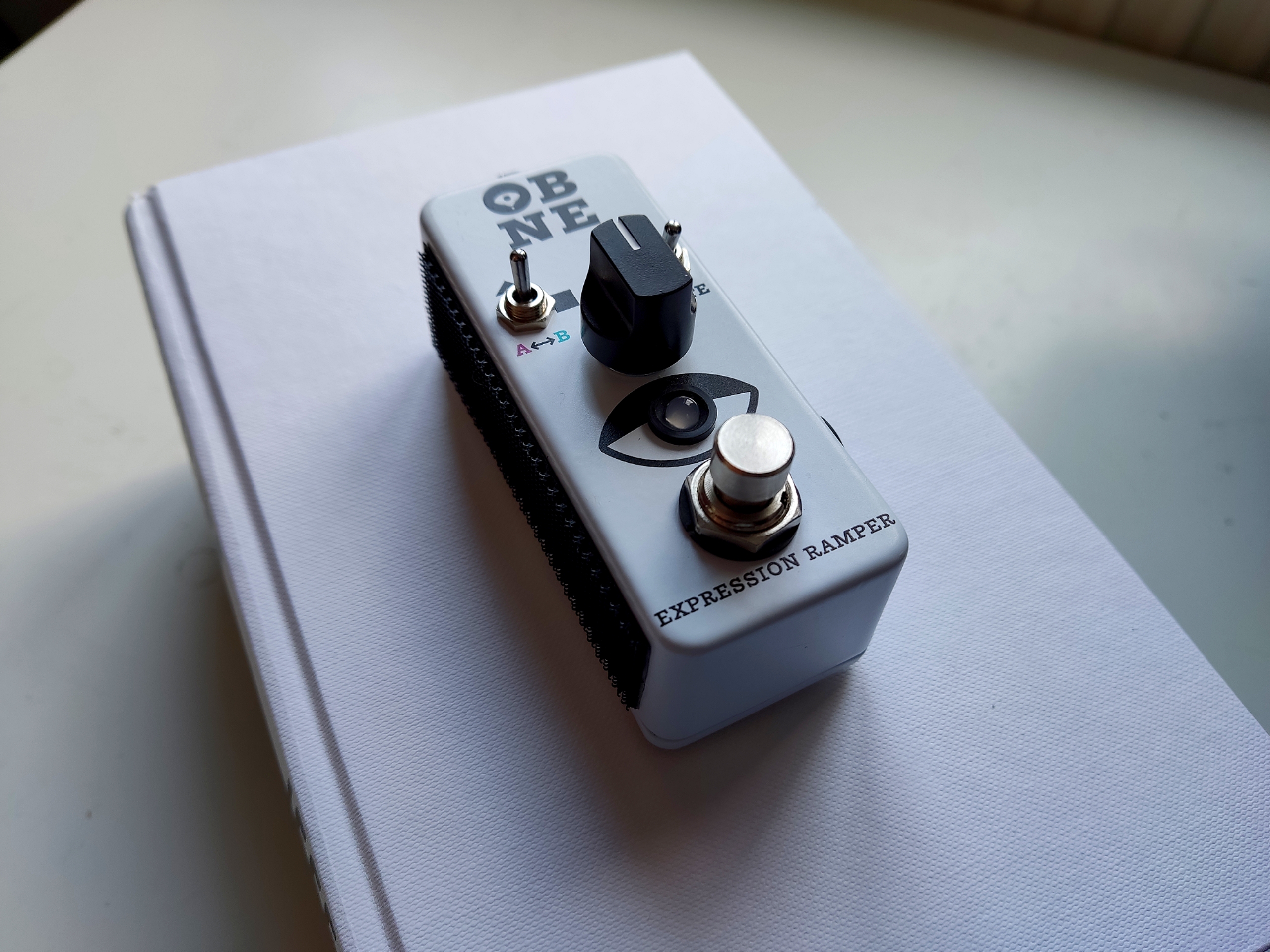
The Expression Ramper by Old Blood Noise Endeavours is a deceptively versatile pedal, which offers a unique approach to expression control. There are so many ways to use this tiny pedal to drastically change how other pedals work.

Expression Ramper by Old Blood Noise Endeavours

My favourite trick is to use the Expression Ramper to control the pitch parameter on the Red Panda Particle v2. Whilst in reverse mode it creates a fantastic reverse pitch-shift effect which cascades with the delay repeats.


Artist or Band name?

Accelerator Jengold.

Genre?

A mix of lofi, synthwave, dreampop and shoegaze.

Selfie?

Nathan

Where are you from?

North Wales, UK.

How did you get into music?

Music has always been an important part of my life; I’m thankful that my parents and brother introduced me to artists like The Cure, Radiohead, Tom Waits, Massive Attack, Godspeed You! Black Emperor and Brian Eno. I took up bass when I was a teenager and played in a few post-rock and post-metal bands whilst in University. I later moved into electronic music production using software like Reason, and then got into hardware gear with an Arturia Microbrute (which I sadly no longer own).

What still drives you to make music?

I’ve always enjoyed being creative and having a musical outlet helps me to cope with stress and anxiety. I like having a way to express how I feel, even if I don’t always understand my own thoughts and feelings – which probably explains why most of my music has a downbeat or melancholy vibe. Producing something tangible from my creativity, like a finished song or EP, is a big driver for me.
I think this is linked to my preference for tactile music production; using software feels too ephemeral to me. I love conceptual music and take inspiration from a wide range of books, films and other media when writing. Short-form jams on Instagram are my primary output, so I’m super inspired by other artists with a similar approach like Andrew Black, Joshua Dowell and Simon Von Walbrook. I’m really proud to have had my music featured on microbiology posts by Chloe Savard and Penny Fenton, and I would love to produce more music for other media.

How do you most often start a new track?

I typically start with sound design, either creating a unique guitar sound using various FX or developing a new synth patch. I’ll then loop a simple melody and experiment with different layers until it feels right. Sometimes I focus on the melody, other times I focus more on the overall vibe, it just depends on the individual track. Percussion usually comes last so I can choose samples and rhythms to fit the music. 

How do you know when a track is finished?

Most of my music is based around looping and building layers of melody, so an important skill is knowing when to stop. When I can remove a layer and the track sounds better, it’s probably finished! If I get stuck on a track I’ll take a break for a few days and then come back to it with a fresh perspective. My least favourite part of making music is mastering, so I’ve developed a couple of mastering templates in my DAW to help speed up the process and remove some layers of indecision. For official releases on Spotify (etc.) I rely on my good friend Chris Walker, who always does a great job fixing up my masters.

Show us your current studio

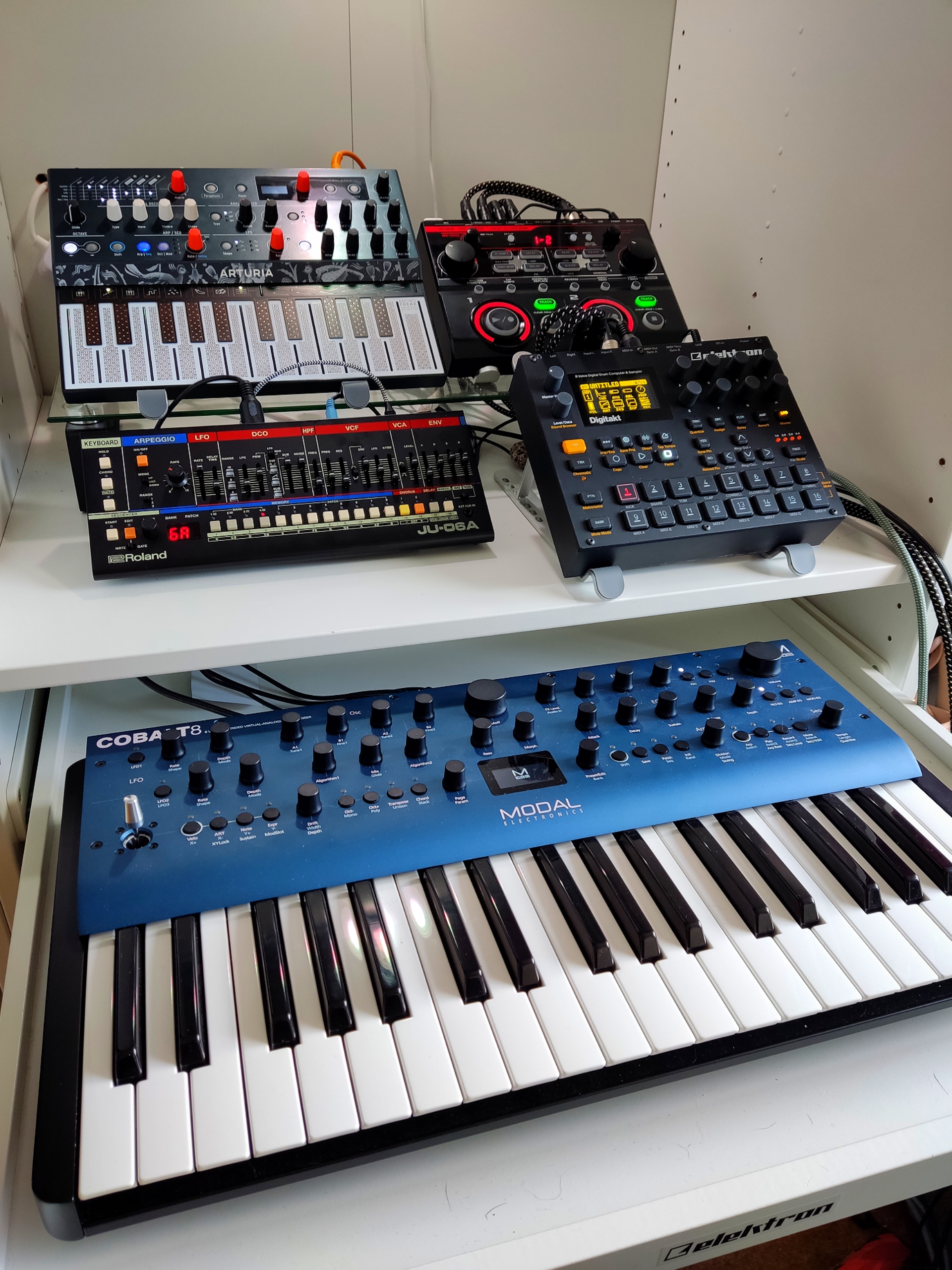
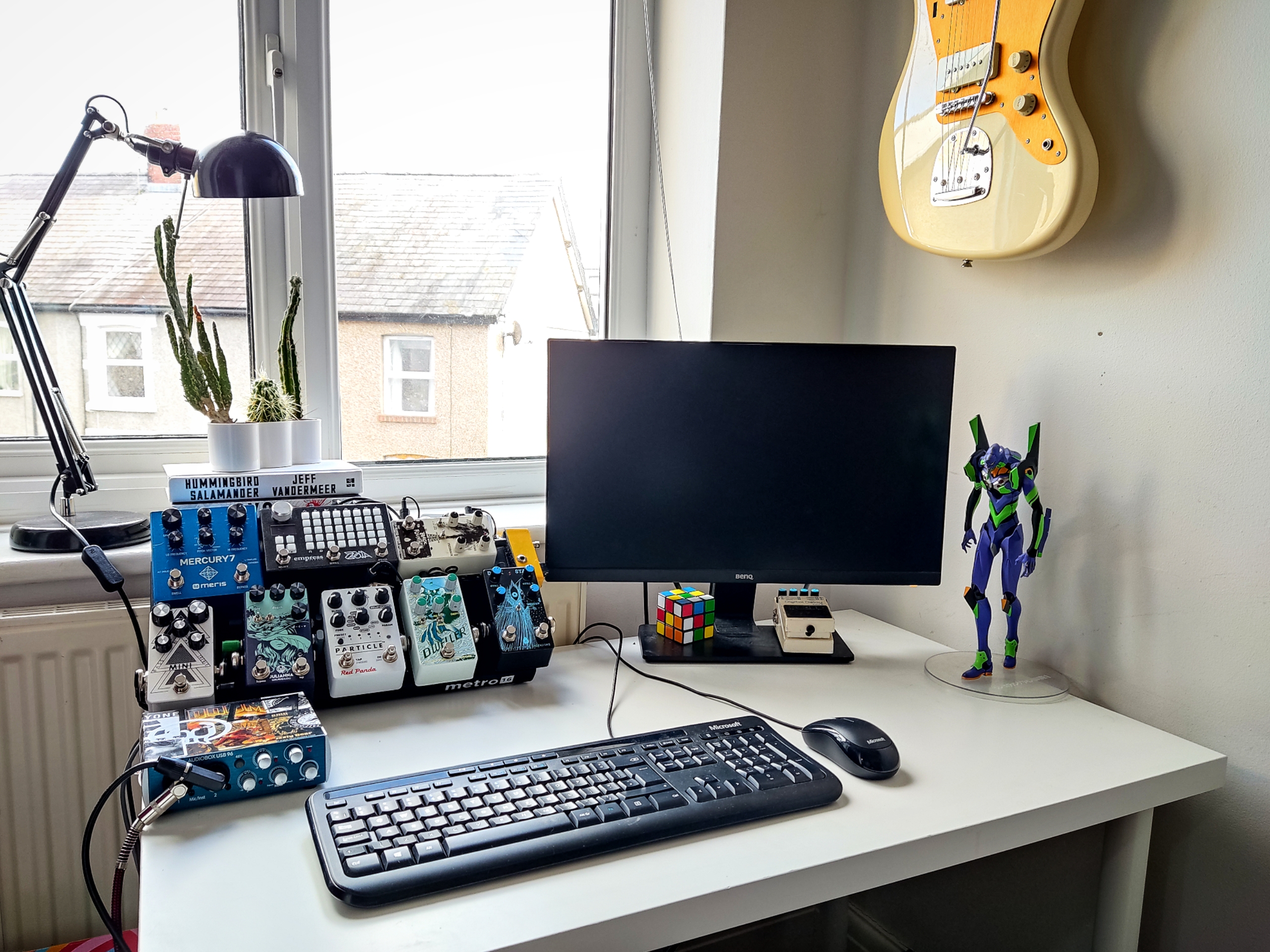
Synths, samplers and loopers

My setup is in a tiny office/walk-in wardrobe in my house, but it has pretty much everything I need. I’m planning to add an analogue synth at some point (like a Pro-1 or Minilogue) and a Colour Palette electronic kalimba by Lottie Canto.

Studio desk

Best creative advice that you’ve ever heard?

I’m going to echo what Dev Bhat (Shipwreck Detective) said in his interview for this blog: “keep it simple, stupid!” This really resonates with my own approach to writing music. There’s a skill to communicating an emotion, theme or concept in an honest and direct manner without resorting to cliché. I like to embrace simplicity and try to express myself with a limited number of components.
An important part of being creative is trusting your instincts and not focusing too much on what does or doesn’t work in theory – theory should be used to help us translate and communicate our ideas rather than to provide a rigid framework for them.

Promote your latest thing… Go ahead, throw us a link

I regularly post jams on Instagram (@accelerator.jengold), so that’s the best place to keep up to date with what I’m doing. My music is also available on most streaming platforms, just search for Accelerator Jengold. My latest EP, Pyre, came out last year and is full of weirdo synthwave tunes, go check it out! I’m currently working on a new EP and some upcoming collaborations. Thanks!

Instagram: https://www.instagram.com/accelerator.jengold/

Spotify: https://open.spotify.com/artist/0KrYUaPA2BsqVMiDCVmywM?si=ZJdIN-wDS4-J0UdkHjEWsA

Linktree: https://linktr.ee/acceleratorjengold