Nathan – Accelerator Jengold

1. Favourite knob/fader/switch on a piece of gear and why?

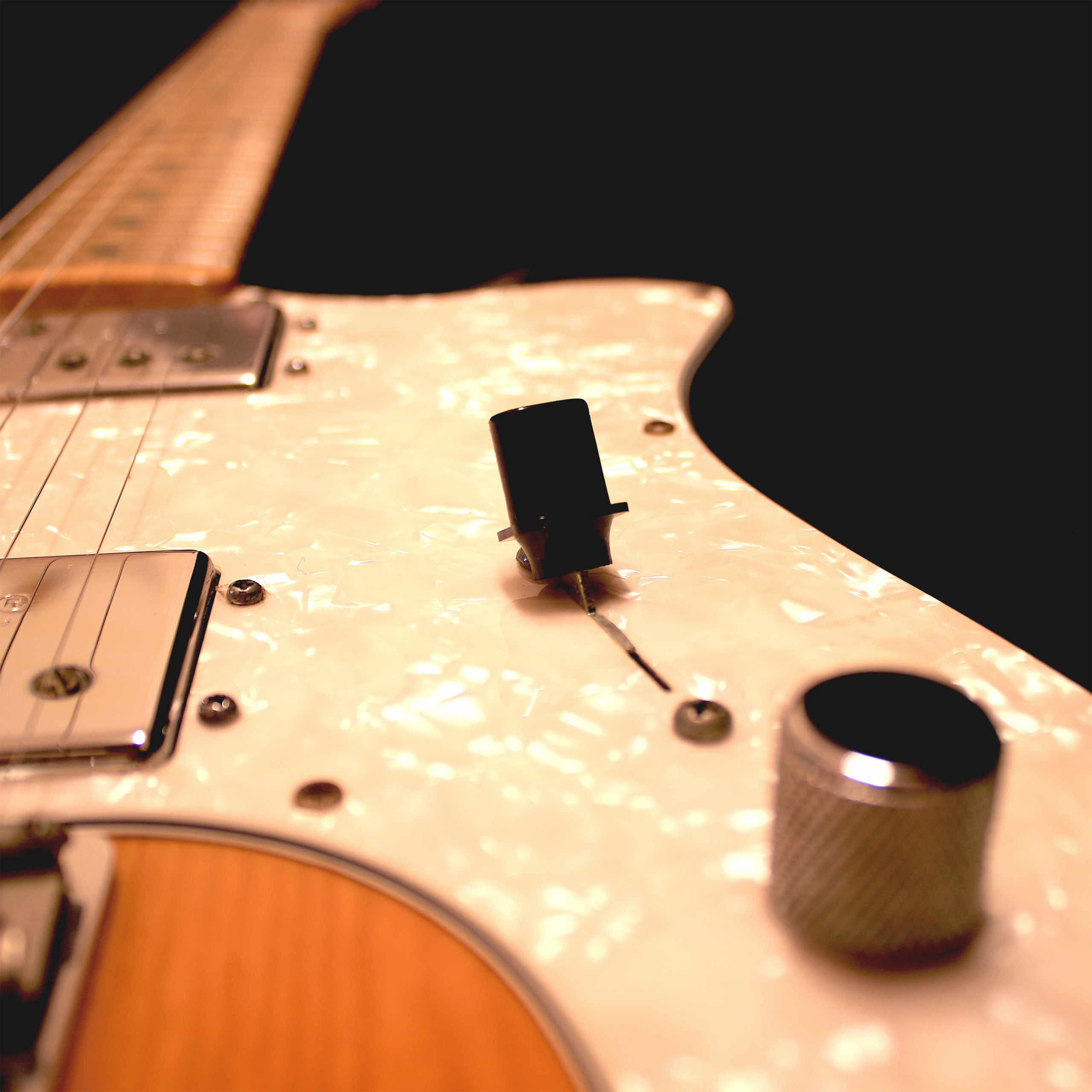
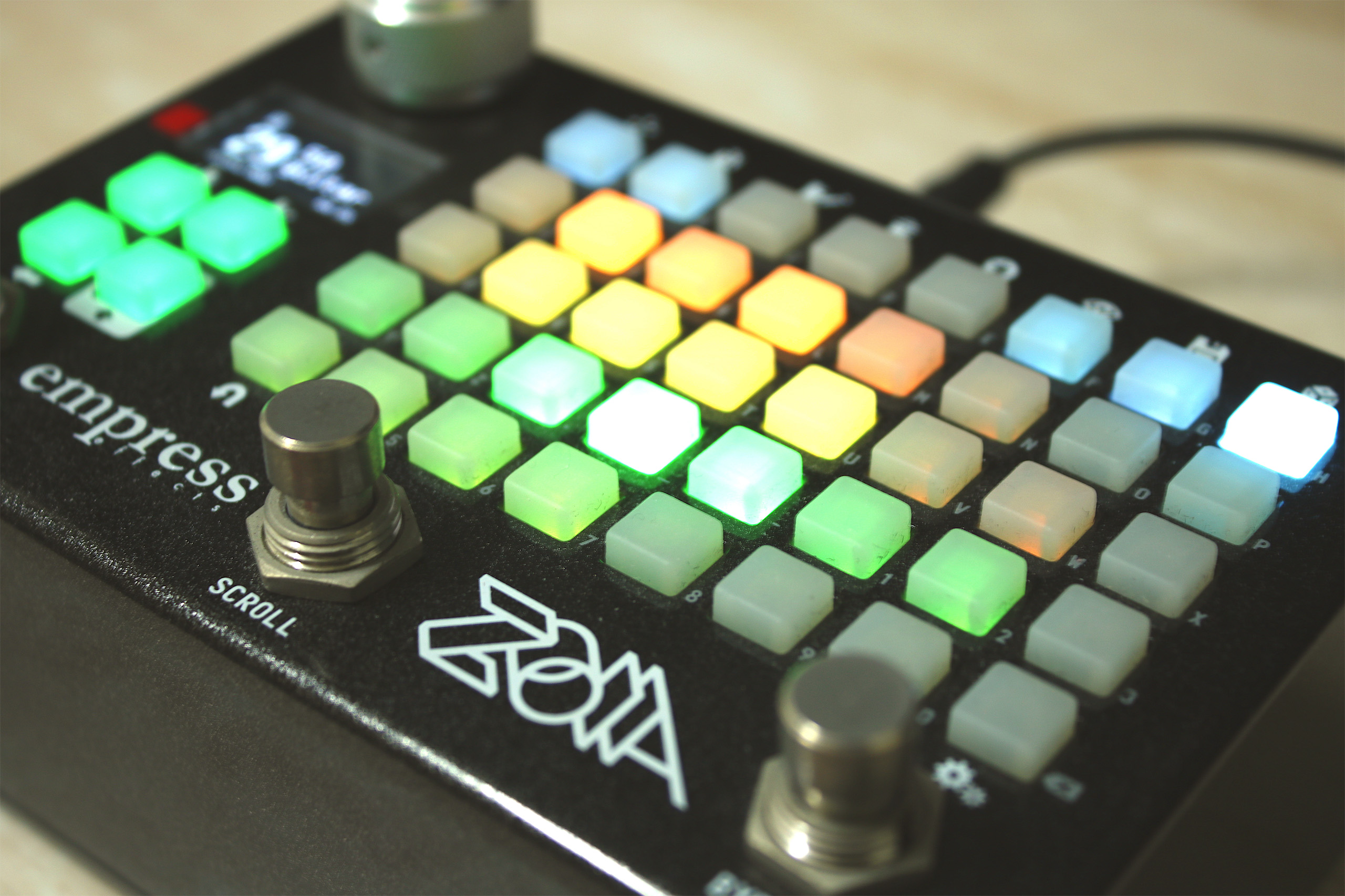
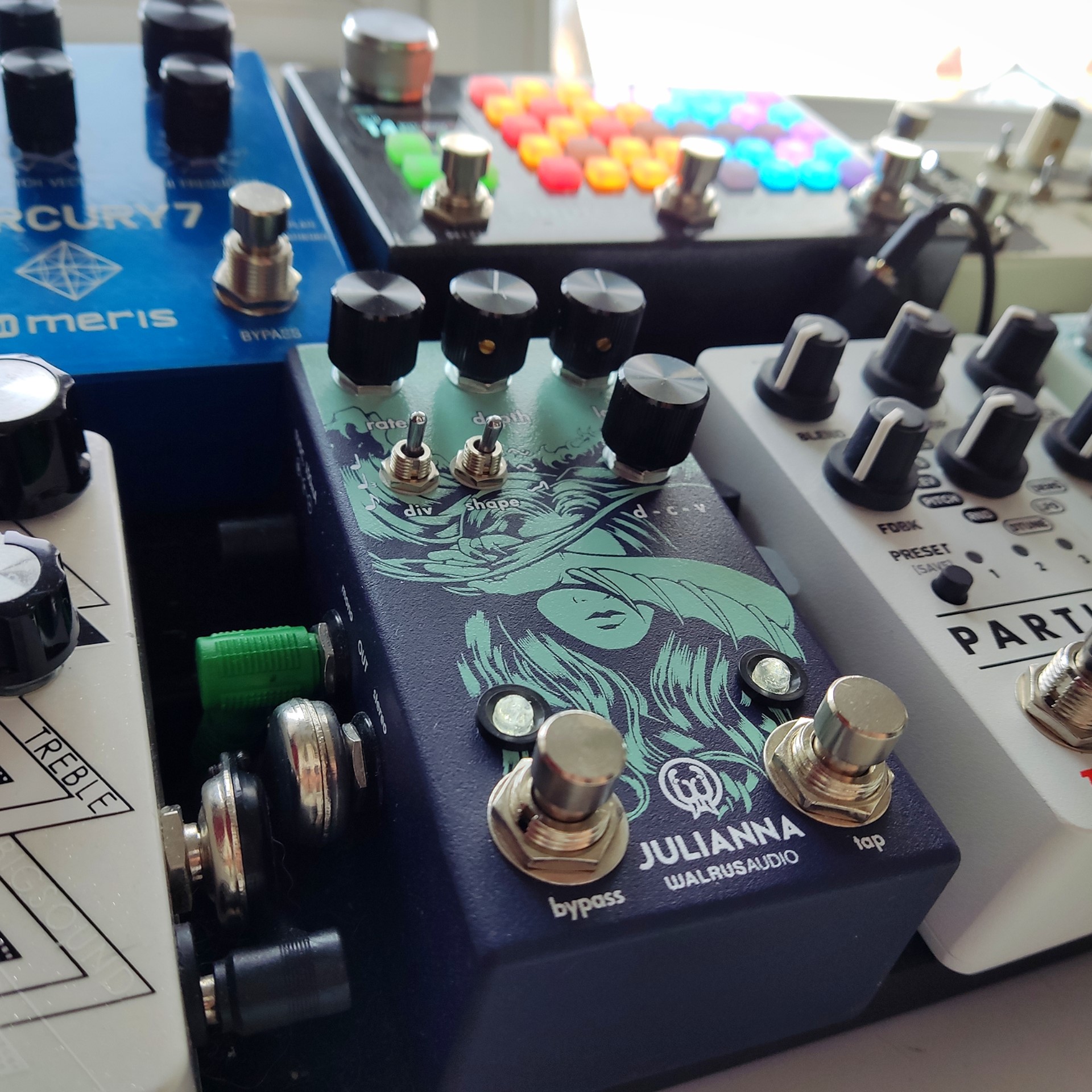
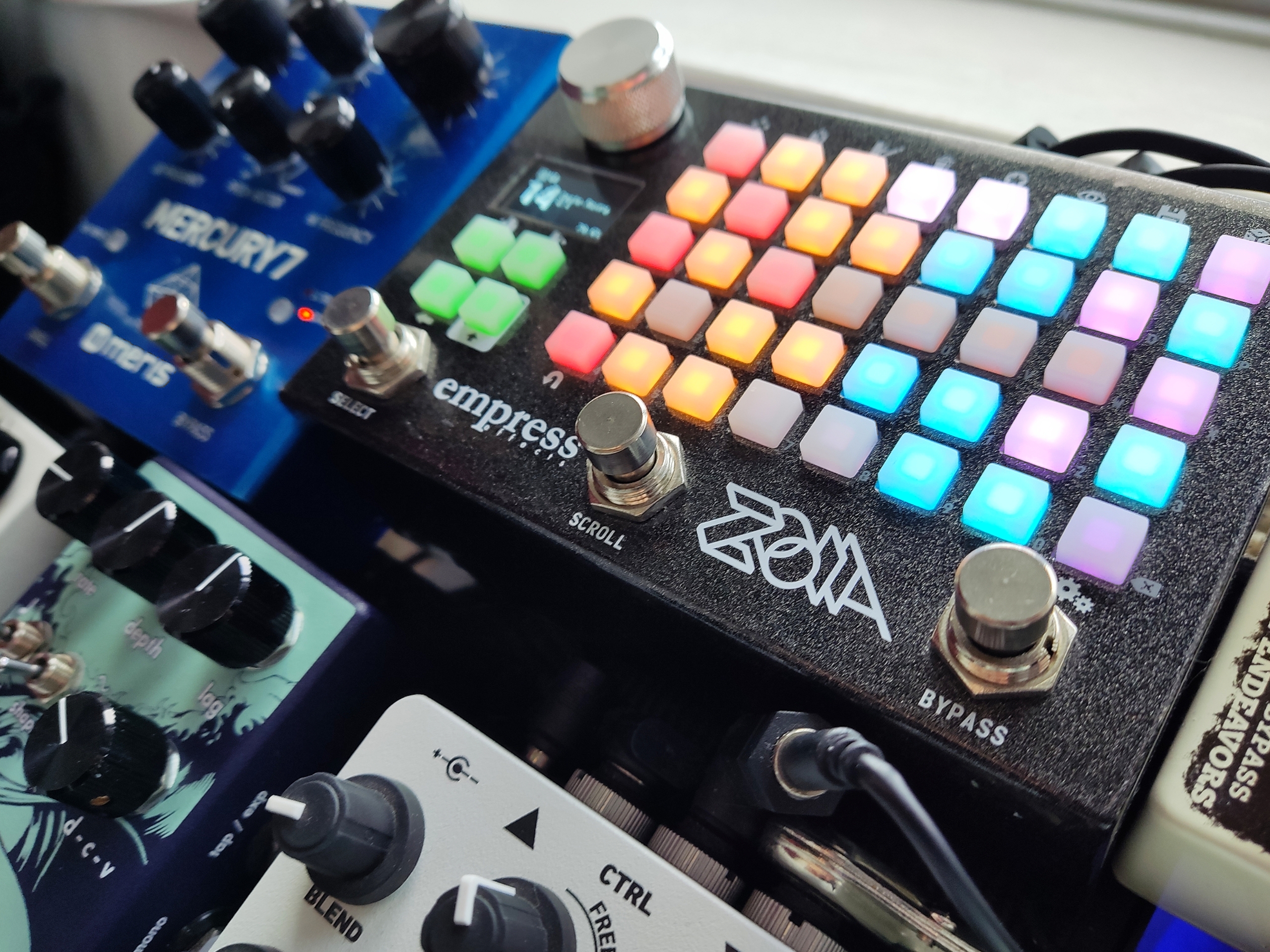
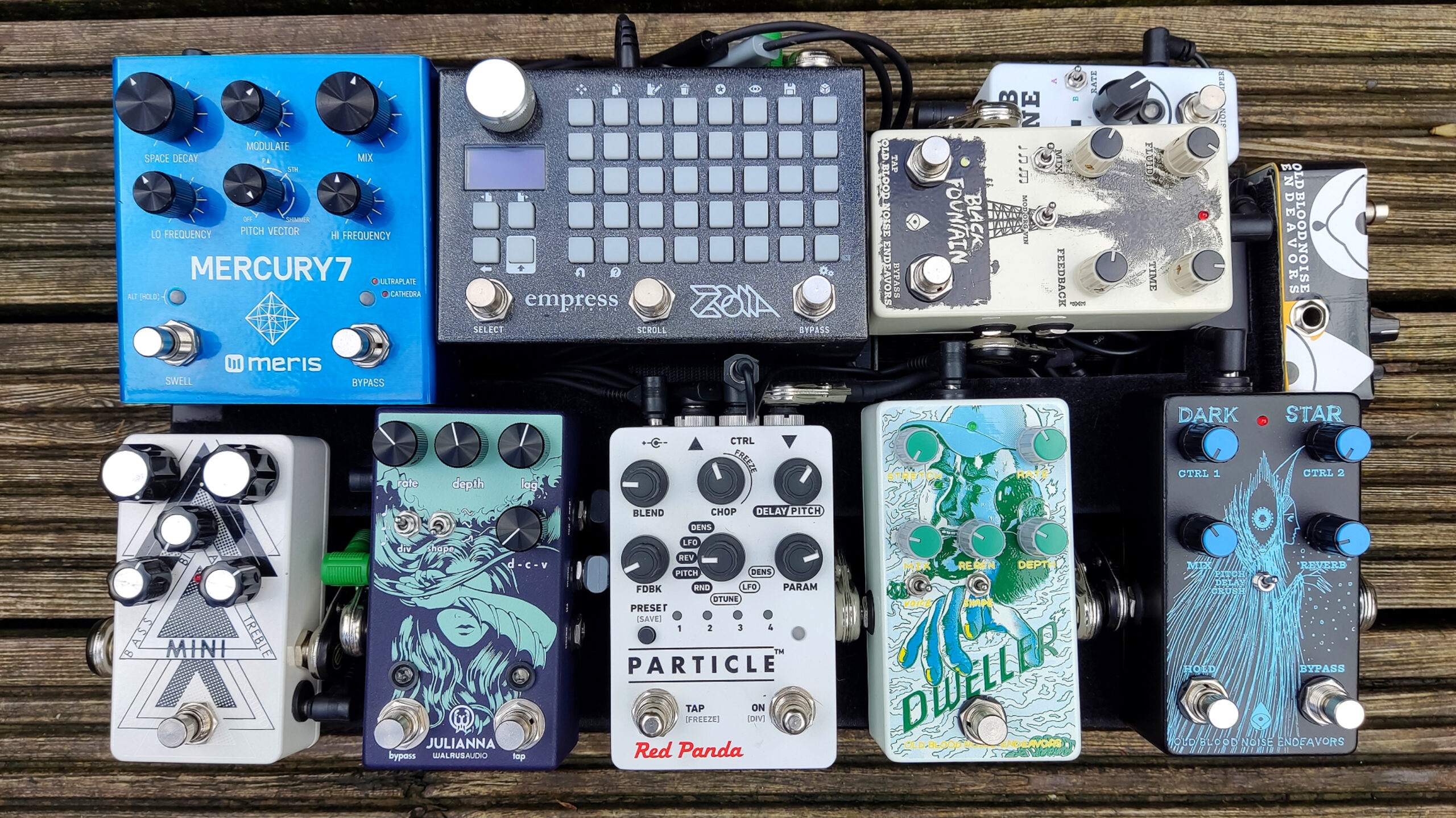
In terms of aesthetics and tactility, it has to be the main rotary knob on the ZOIA by Empress Effects. The way it subtly clicks is super satisfying, and the chunky chrome design stands out compared to other pedal knobs. In terms of functionality I’ll go with the D-C-V (Dry-Chorus-Vibrato) knob on the Walrus Audio Julianna.

Dry-Chorus-Vibrato knob on the Walrus Audio Julianna

It controls the stereo spread of the effect and the mix of chorus and vibrato. The Julianna is an ‘always on’ pedal for me – the modulation sounds great and D-C-V knob helps to always find that sweet spot. I typically use the Julianna to make lofi guitar tones using the random LFO setting and a slow vibrato.

2. Do you have an ‘almost’ perfect bit of kit? What would you change?
I’ll have to go with the ZOIA again for this question! It’s one of my favourite pieces of gear and I use it in pretty much all of my music. It’s both dauntingly complex and surprisingly intuitive. It’s mind-blowing how much Empress Effects managed to cram into this small box! I’ve been using it for a couple of years now, but I still feel like I’ve only scratched the surface of what it can do. I use it in all sorts of ways, such as a semi-generative synthesizer, looper, midi controller and of course as a multi-FX unit.

ZOIA by Empress Effects

My only complaint is that because it does so much it’s difficult to know where best to put it in the signal chain. One possible solution would be a set of additional inputs/outputs for an FX loop, and the ability to assign modules either before or after the FX loop. A couple of additional assignable knobs would also make parameter control more immediate.

3. What setup do you bring on holiday/tour/commute etc.?

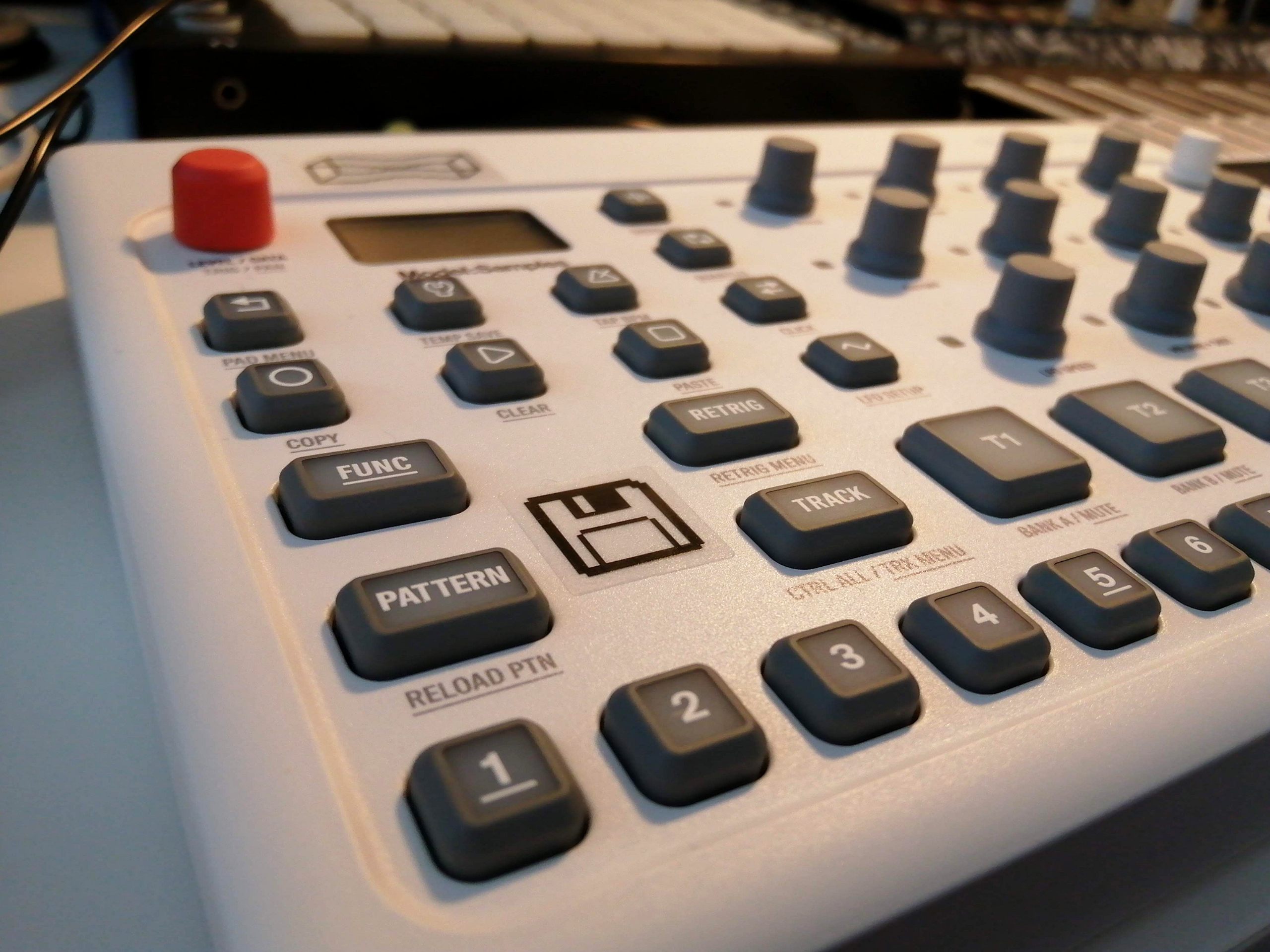
I’m a fan of the Elektron Model:Samples for making music on the go. It’s super portable and I like the directness of the ‘function per knob’ design. It’s perfect for quickly sketching out ideas whilst travelling.

Elektron Model:Samples

Other devices offer more features, like the OP-Z, but I have a soft spot for the Elektron workflow. I don’t use it in my main setup due to the lack of direct sampling, but it’s a fun device to kill some time with.

4. What software do you wish was hardware and vice versa?
I predominantly use a ‘DAWless’ setup, so I don’t have much experience with software. I only really use my DAW (Studio One 5 to be exact) to record/master and try to do everything else using hardware. Tactility is an integral part of making music for me, I like the physical connection to whatever I’m writing. I don’t have the same drive to write music when I’m working on a laptop. I also find a limited palette of sounds to be quite inspiring, so the inherent limitations of hardware gear can paradoxically be liberating.

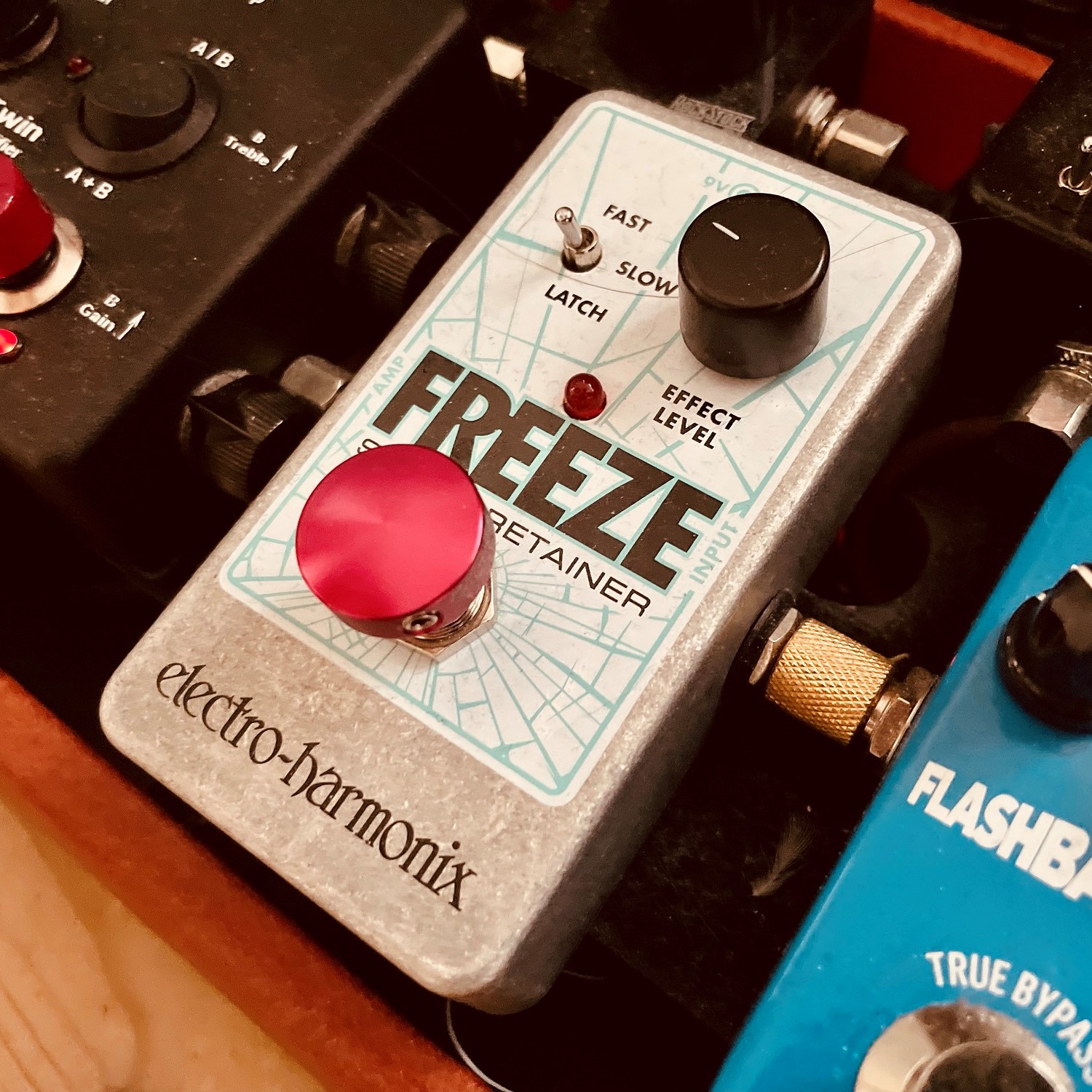
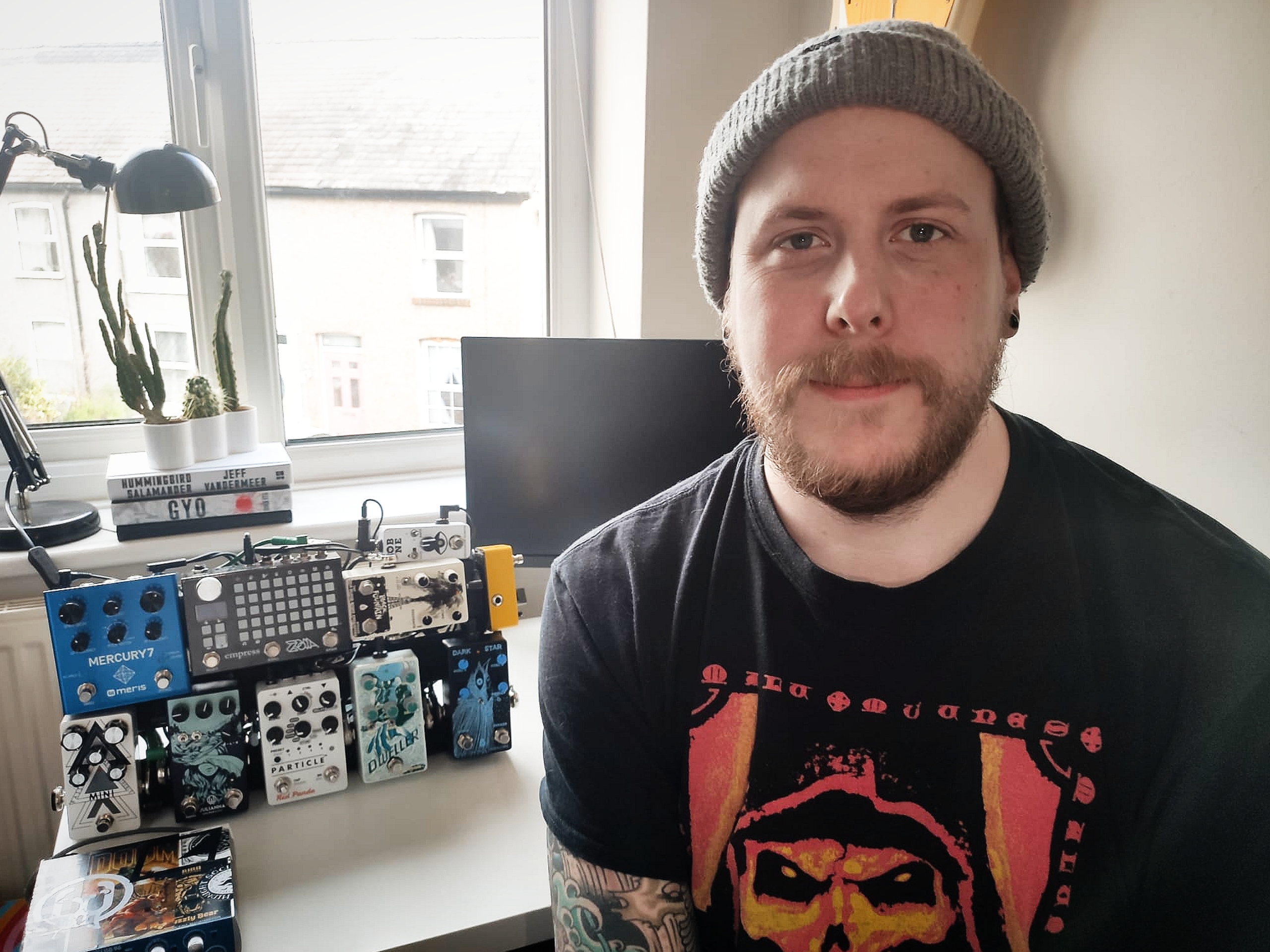
Nathan’s pedalboard of tactility

That said, I would love a virtual version of my pedalboard so I could try out different setups without having to tear the whole thing apart!

5. Is there anything you regret selling… or regret buying?

I recently sold my Walrus Audio Slö reverb pedal and replaced it with a Meris Mercury7. Although I really like the expansive stereo sound of the Mercury7, I definitely prefer the modulation on the Slö. It has a unique dreamy quality which is perfect for lo-fi reverbs and woozy textures. I would rebuy it in a heartbeat if they ever made a stereo version with a random LFO mode

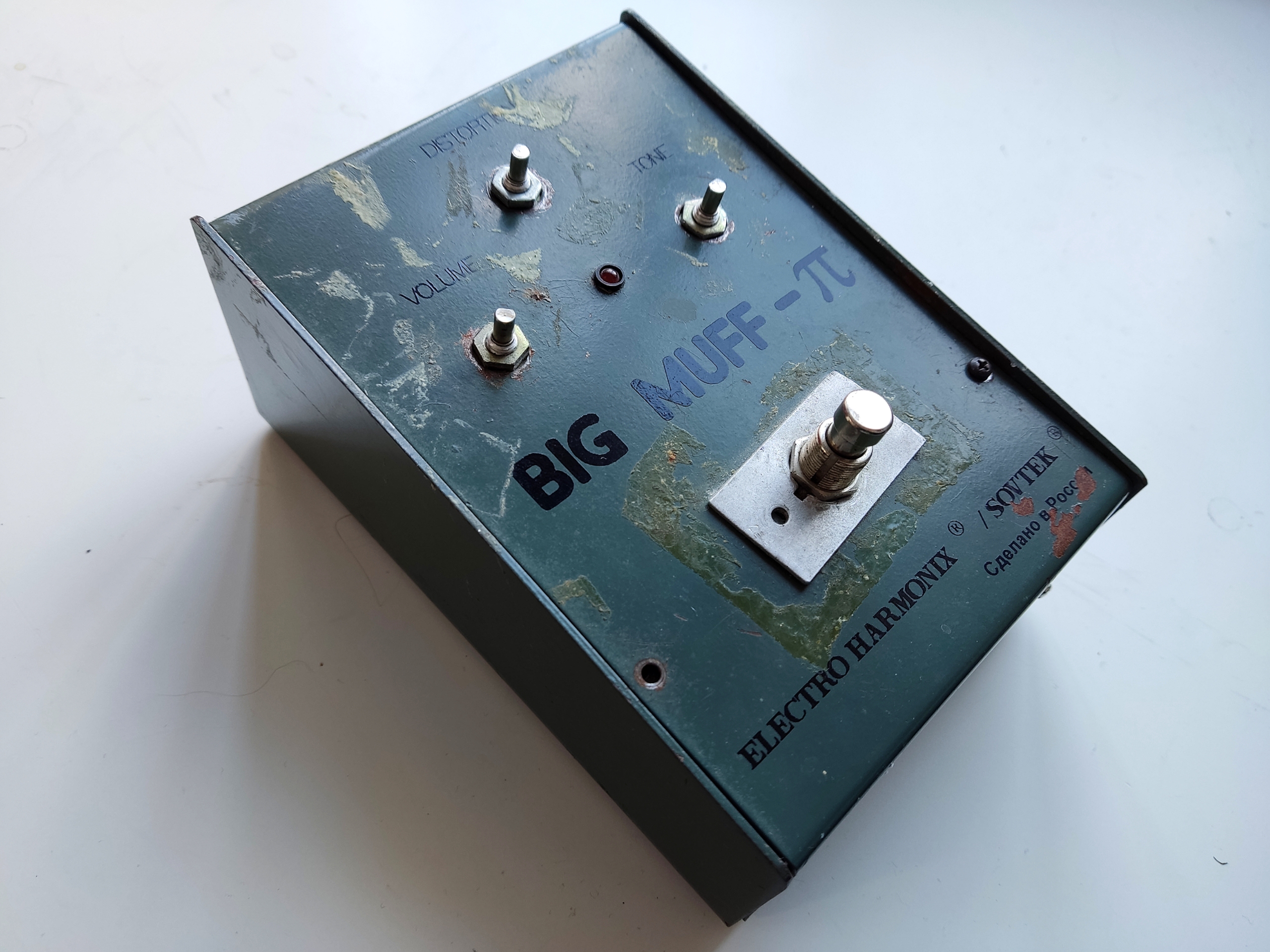
Sovtek Big Muff

My biggest gear regret is not looking after my Sovtek Big Muff. Unfortunately it’s been battered from years of gigging and no longer has the original knobs or switch. It’s just too temperamental to use regularly in my setup now.

6. What gear has inspired you to produce the most music?
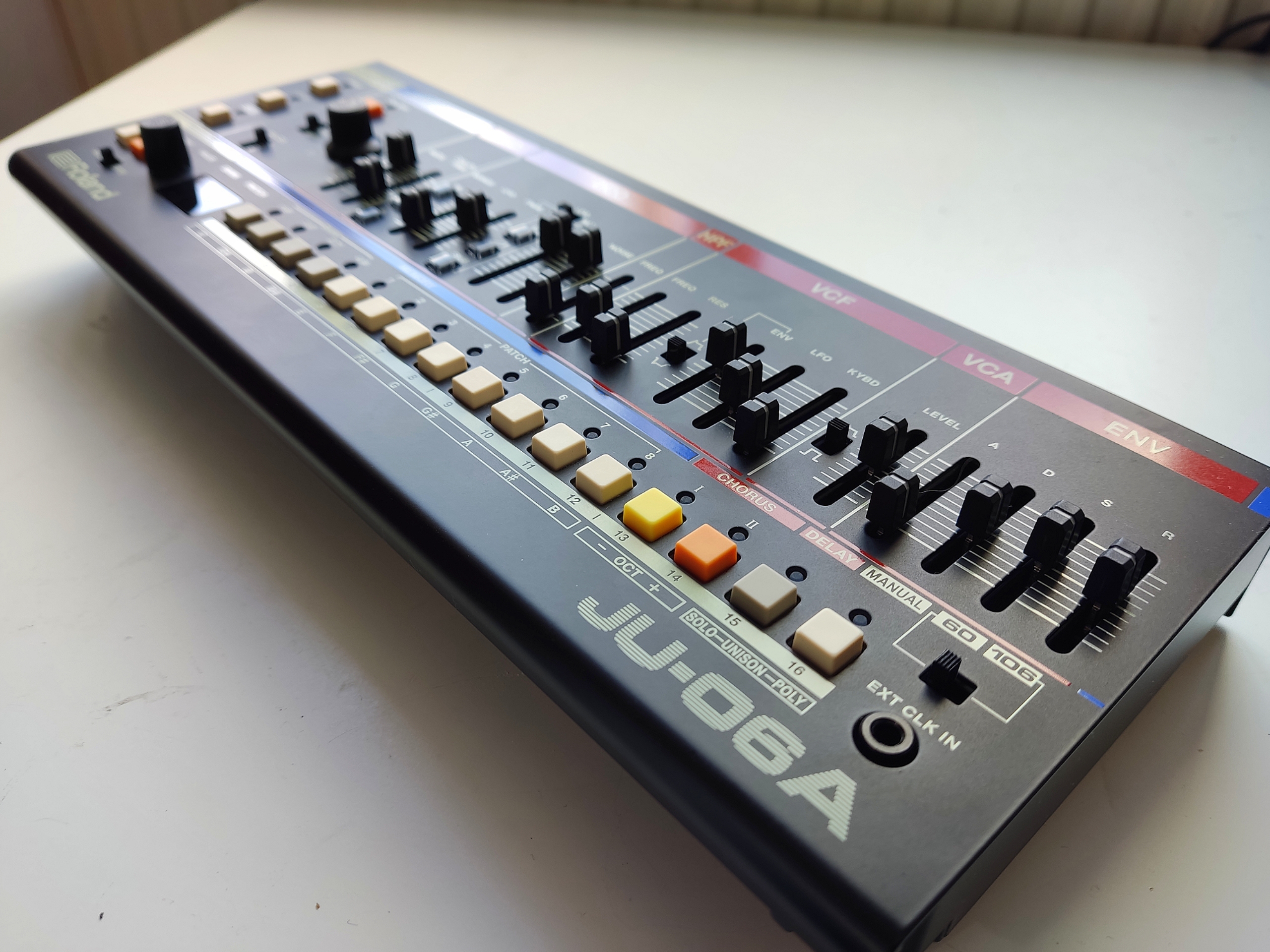
Roland JU-06A

I’ve been really inspired by the Roland JU-06A synth over the past year, it’s the synth I come back to most often. I love the range of sounds, the simplicity of patch design and its compact size. Roland did a great job replicating that classic Juno sound in a small and affordable package. I also get a lot of inspiration from my humble Boss RC202 loop station. I love working with loops and layers, and the RC202 offers a good balance of features and usability. All of my tracks begin as loops, and I wouldn’t know where to start without my RC202.

7. If you had to start over, what would you get first?

This is a bit of a cop out, but if I had to start over I would probably start with some guitar and piano lessons! I’m completely self-taught, so I sometimes feel a little limited by my technical skills. To answer the question more directly, if I was starting over with electronic music production I would probably begin with an Arturia Microfreak.

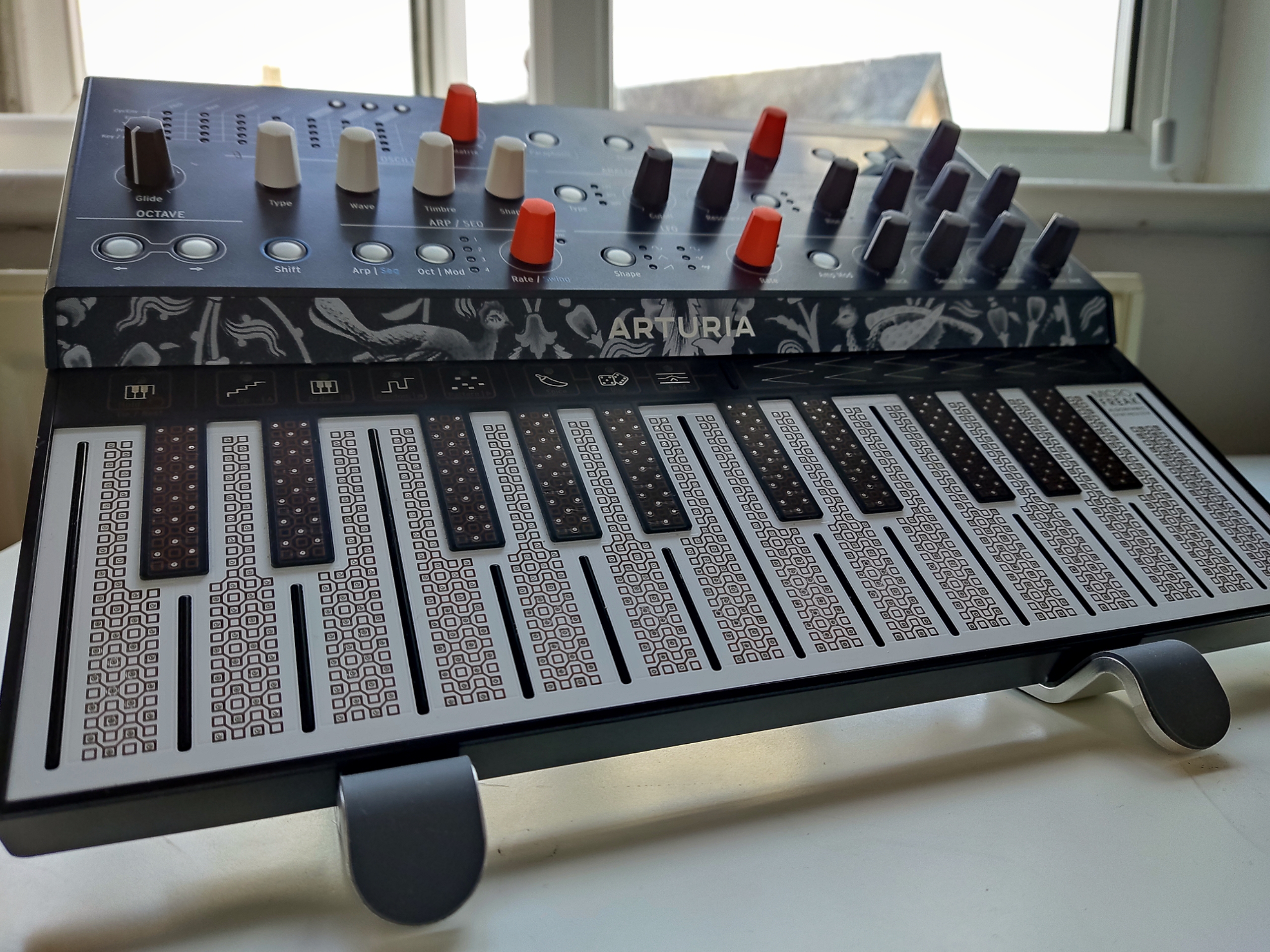
Arturia Microfreak

Due to the wide range of features and relatively low price, it’s a great introduction to hardware synthesis. The keybed isn’t for everyone, but the range of synth engines, the intuitive modulation matrix and the analogue filter make it incredibly good value. If it had built-in FX it would be the total package. Although I don’t use mine much anymore, I still consider it to be a modern classic.

8. What’s the most annoying piece of gear you have, that you just can’t live without?

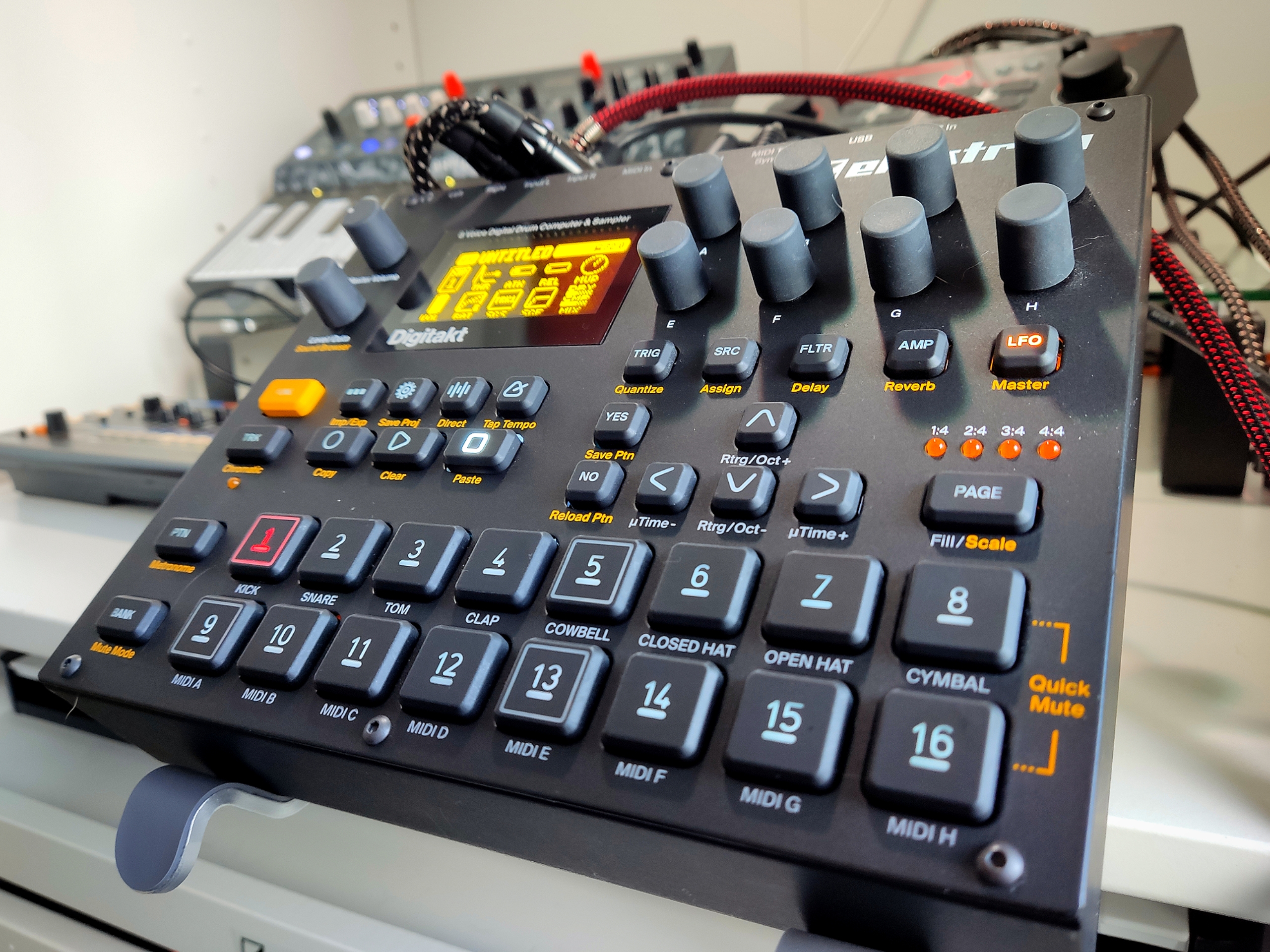
As much as I love my Elektron Digitakt, it can be a real pain to use sometimes! There are a lot of functions which are not immediately apparent, and it takes time to learn how to use it properly.

Elektron Digitakt

I actually prefer the usability of its little brother, the Model:Samples, but the additional features of the Digitakt make it substantially more powerful. It’s basically the brain of my setup, even though I probably don’t use it to its full potential. Elektron have done a great job with software updates over the years and have added a number of clever features, like the secondary LFO.

9. Most surprising tip/trick/technique that you’ve discovered about a bit of kit?

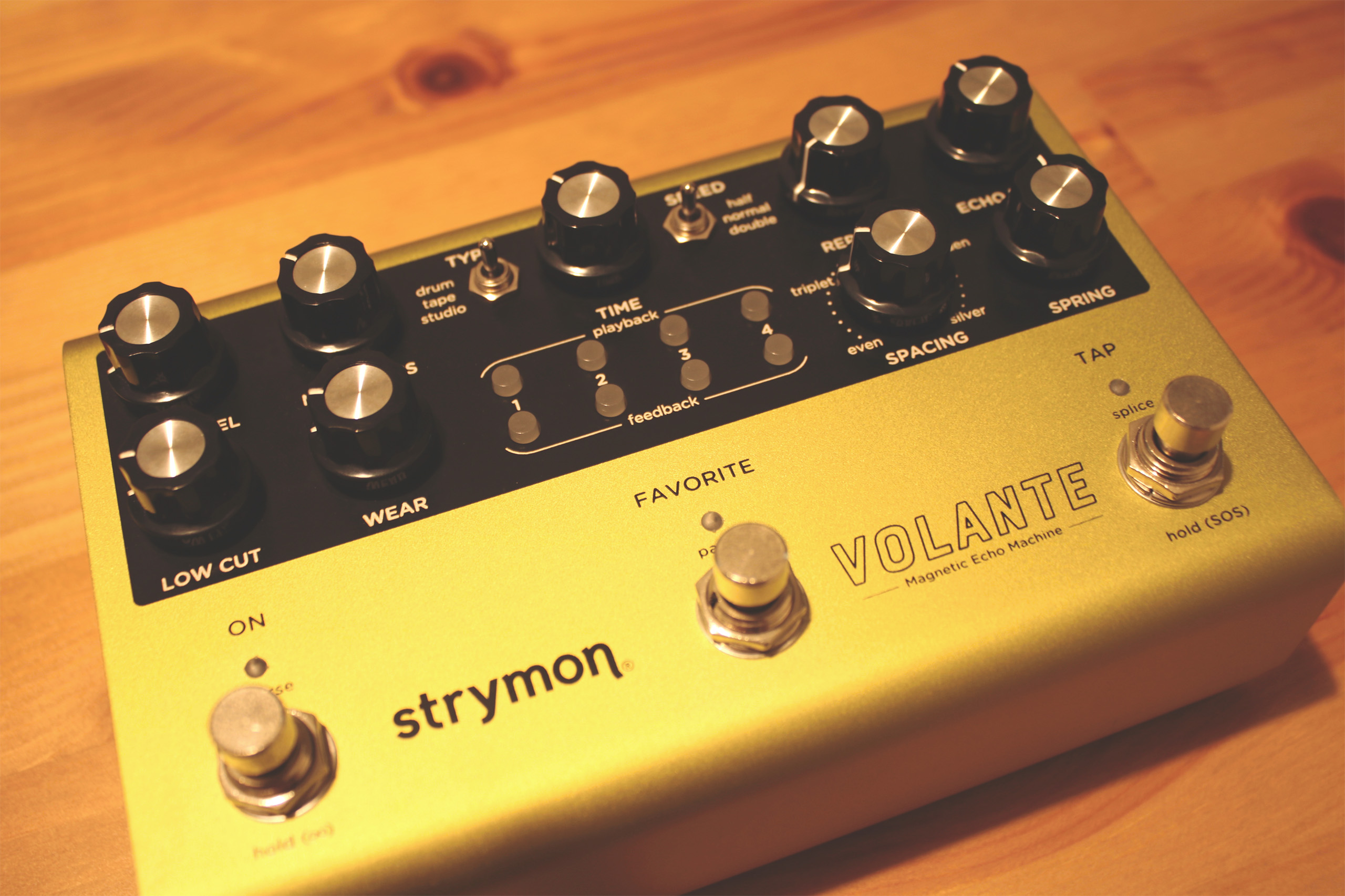
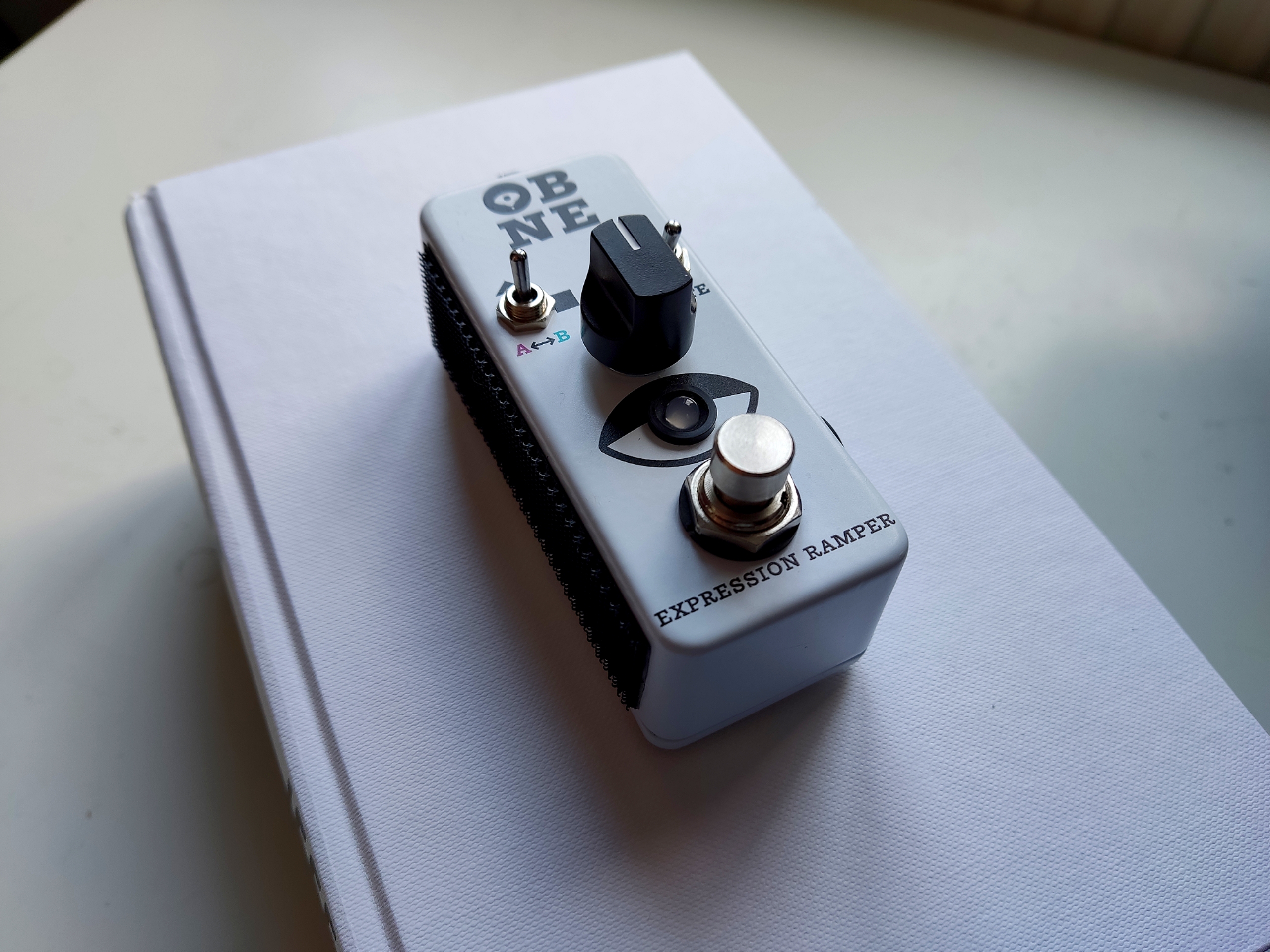
The Expression Ramper by Old Blood Noise Endeavours is a deceptively versatile pedal, which offers a unique approach to expression control. There are so many ways to use this tiny pedal to drastically change how other pedals work.

Expression Ramper by Old Blood Noise Endeavours

My favourite trick is to use the Expression Ramper to control the pitch parameter on the Red Panda Particle v2. Whilst in reverse mode it creates a fantastic reverse pitch-shift effect which cascades with the delay repeats.


Artist or Band name?

Accelerator Jengold.

Genre?

A mix of lofi, synthwave, dreampop and shoegaze.

Selfie?

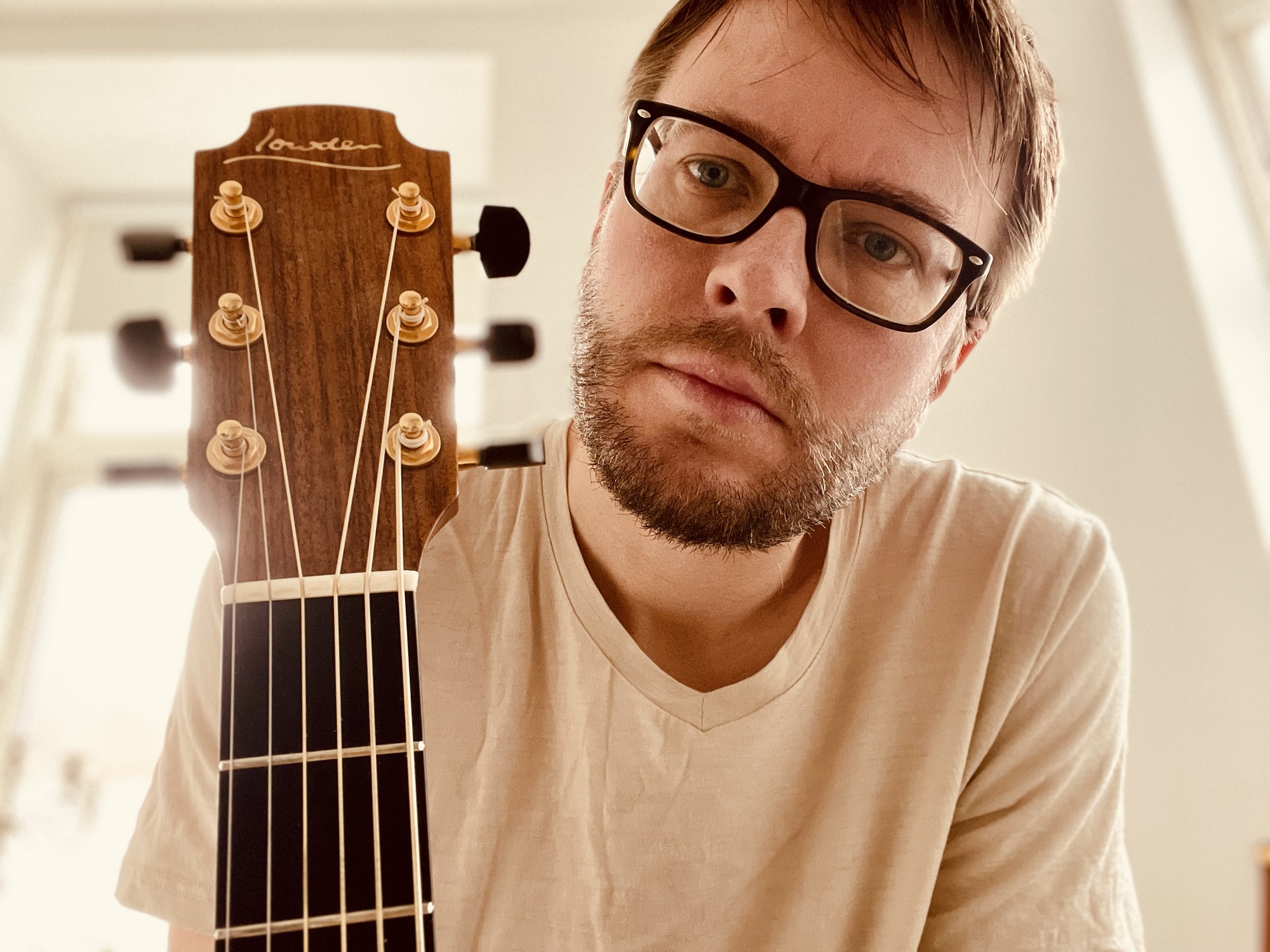
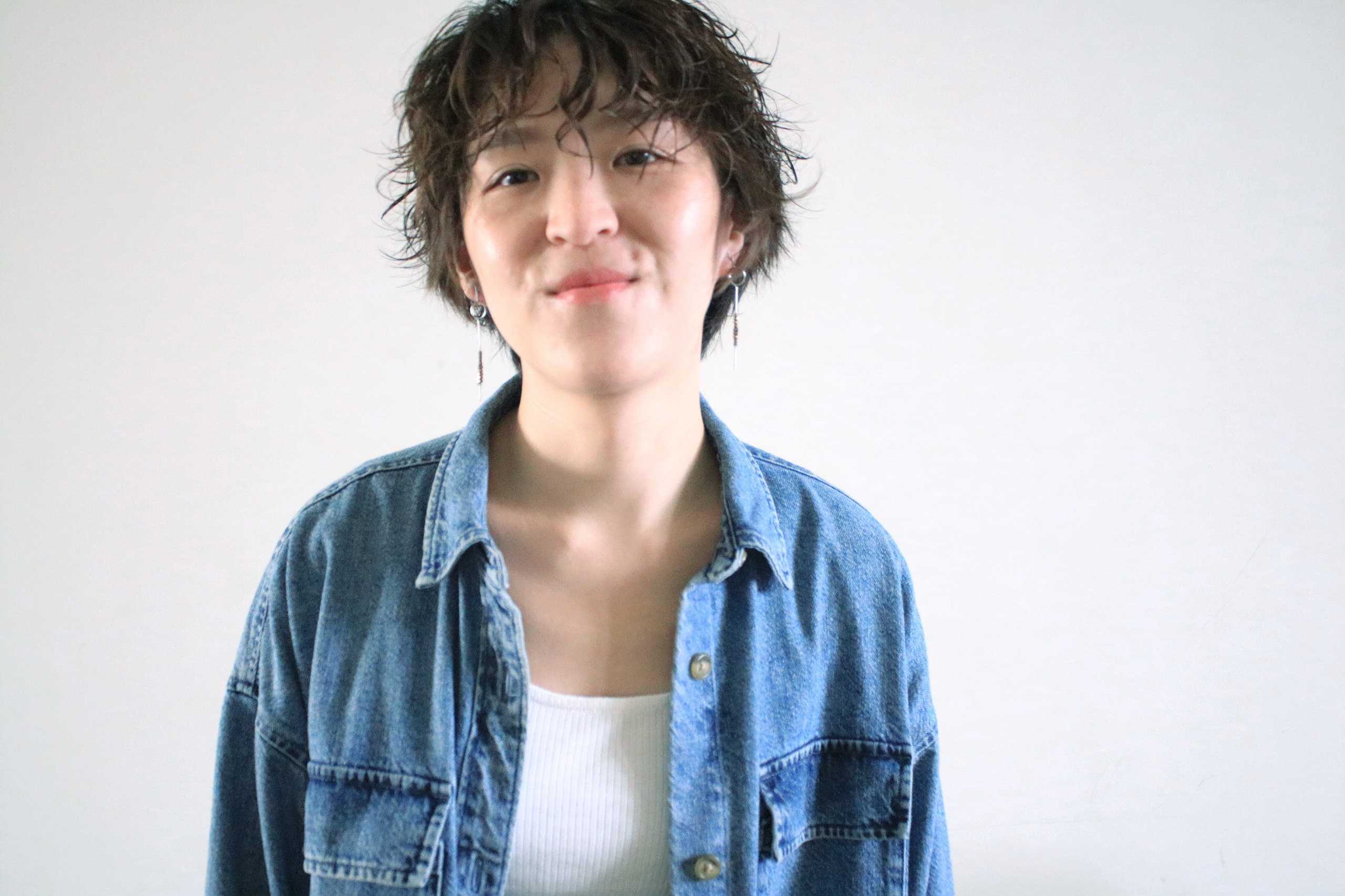
Nathan

Where are you from?

North Wales, UK.

How did you get into music?

Music has always been an important part of my life; I’m thankful that my parents and brother introduced me to artists like The Cure, Radiohead, Tom Waits, Massive Attack, Godspeed You! Black Emperor and Brian Eno. I took up bass when I was a teenager and played in a few post-rock and post-metal bands whilst in University. I later moved into electronic music production using software like Reason, and then got into hardware gear with an Arturia Microbrute (which I sadly no longer own).

What still drives you to make music?

I’ve always enjoyed being creative and having a musical outlet helps me to cope with stress and anxiety. I like having a way to express how I feel, even if I don’t always understand my own thoughts and feelings – which probably explains why most of my music has a downbeat or melancholy vibe. Producing something tangible from my creativity, like a finished song or EP, is a big driver for me.
I think this is linked to my preference for tactile music production; using software feels too ephemeral to me. I love conceptual music and take inspiration from a wide range of books, films and other media when writing. Short-form jams on Instagram are my primary output, so I’m super inspired by other artists with a similar approach like Andrew Black, Joshua Dowell and Simon Von Walbrook. I’m really proud to have had my music featured on microbiology posts by Chloe Savard and Penny Fenton, and I would love to produce more music for other media.

How do you most often start a new track?

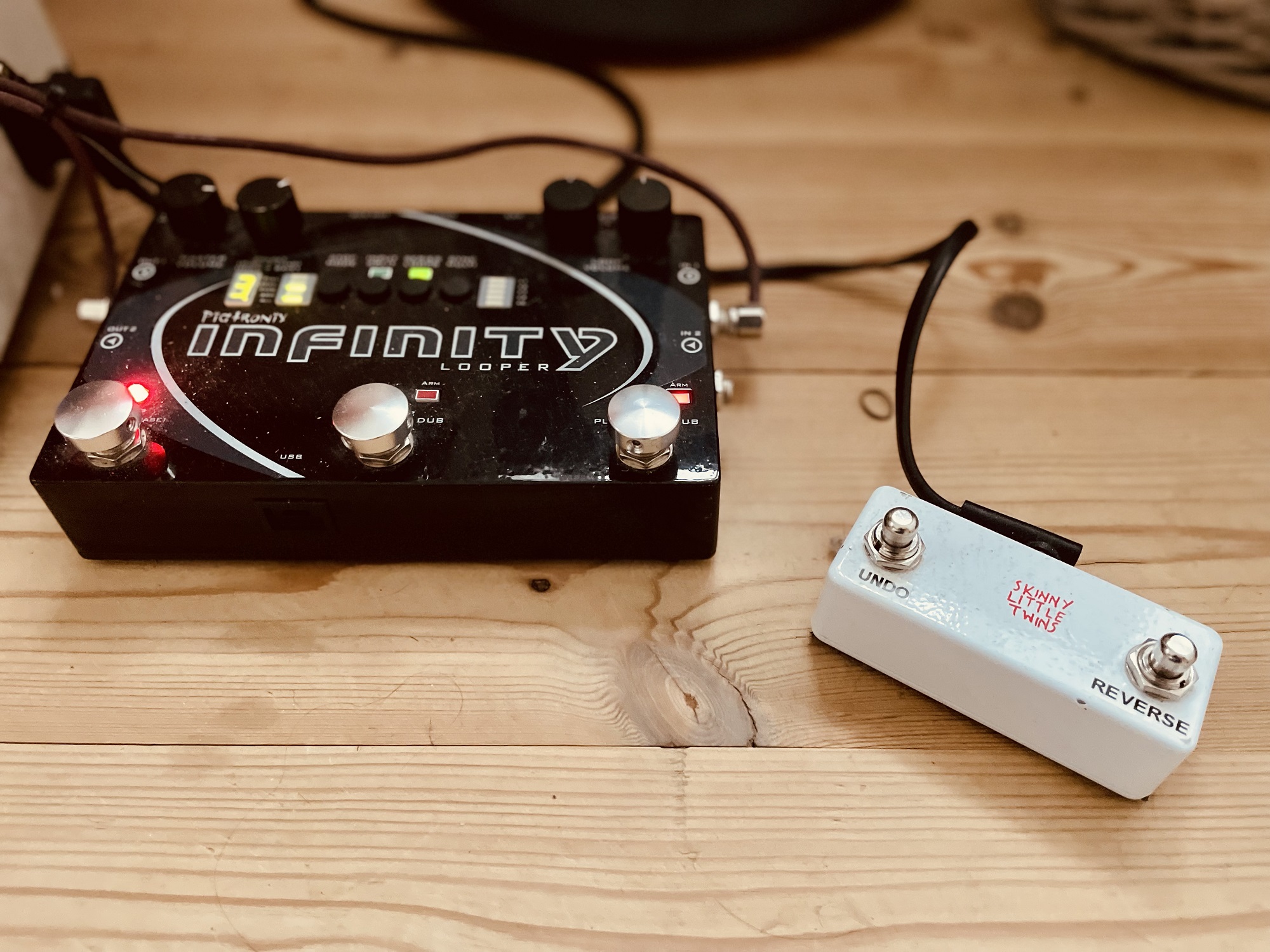
I typically start with sound design, either creating a unique guitar sound using various FX or developing a new synth patch. I’ll then loop a simple melody and experiment with different layers until it feels right. Sometimes I focus on the melody, other times I focus more on the overall vibe, it just depends on the individual track. Percussion usually comes last so I can choose samples and rhythms to fit the music. 

How do you know when a track is finished?

Most of my music is based around looping and building layers of melody, so an important skill is knowing when to stop. When I can remove a layer and the track sounds better, it’s probably finished! If I get stuck on a track I’ll take a break for a few days and then come back to it with a fresh perspective. My least favourite part of making music is mastering, so I’ve developed a couple of mastering templates in my DAW to help speed up the process and remove some layers of indecision. For official releases on Spotify (etc.) I rely on my good friend Chris Walker, who always does a great job fixing up my masters.

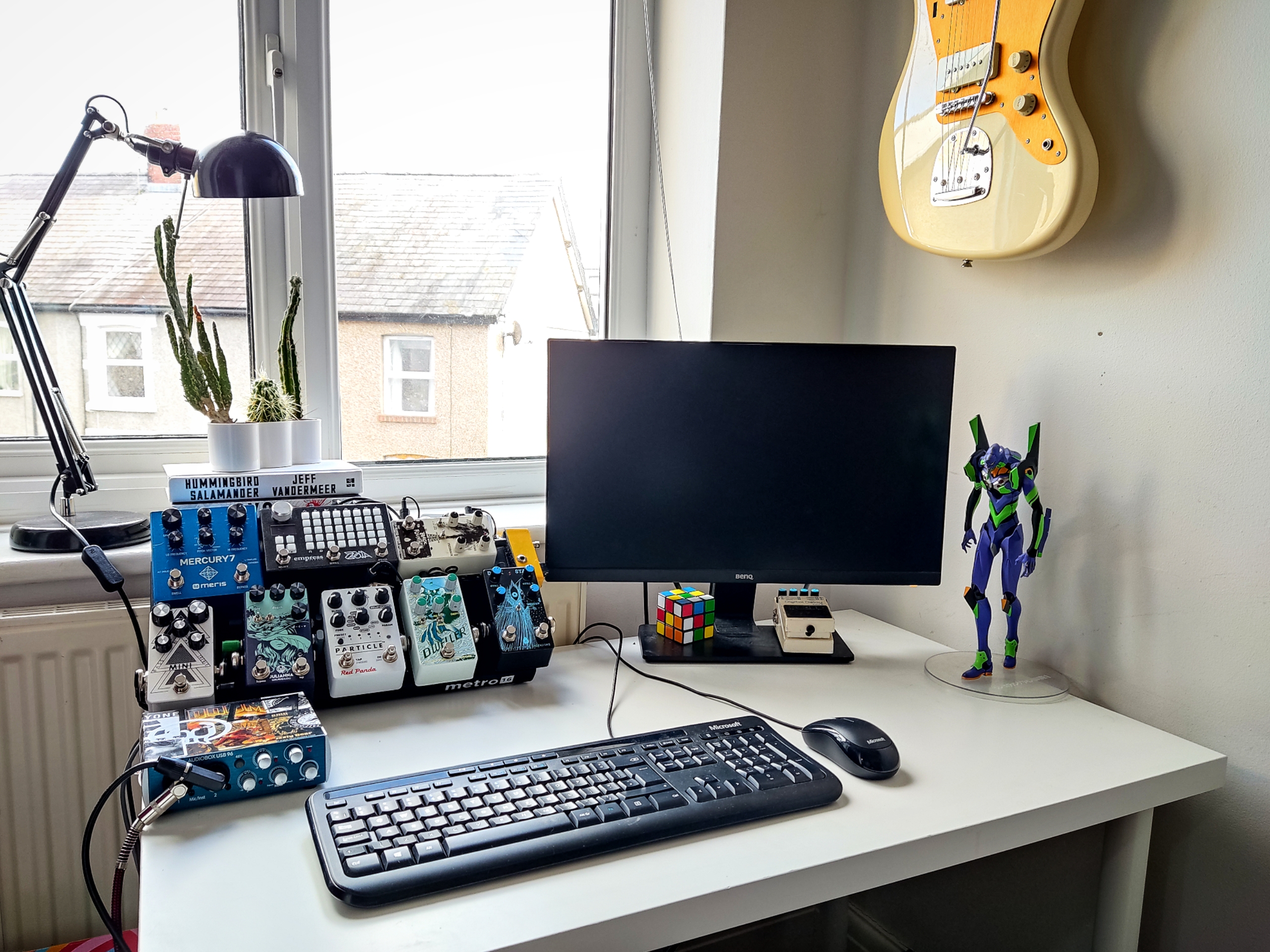
Show us your current studio

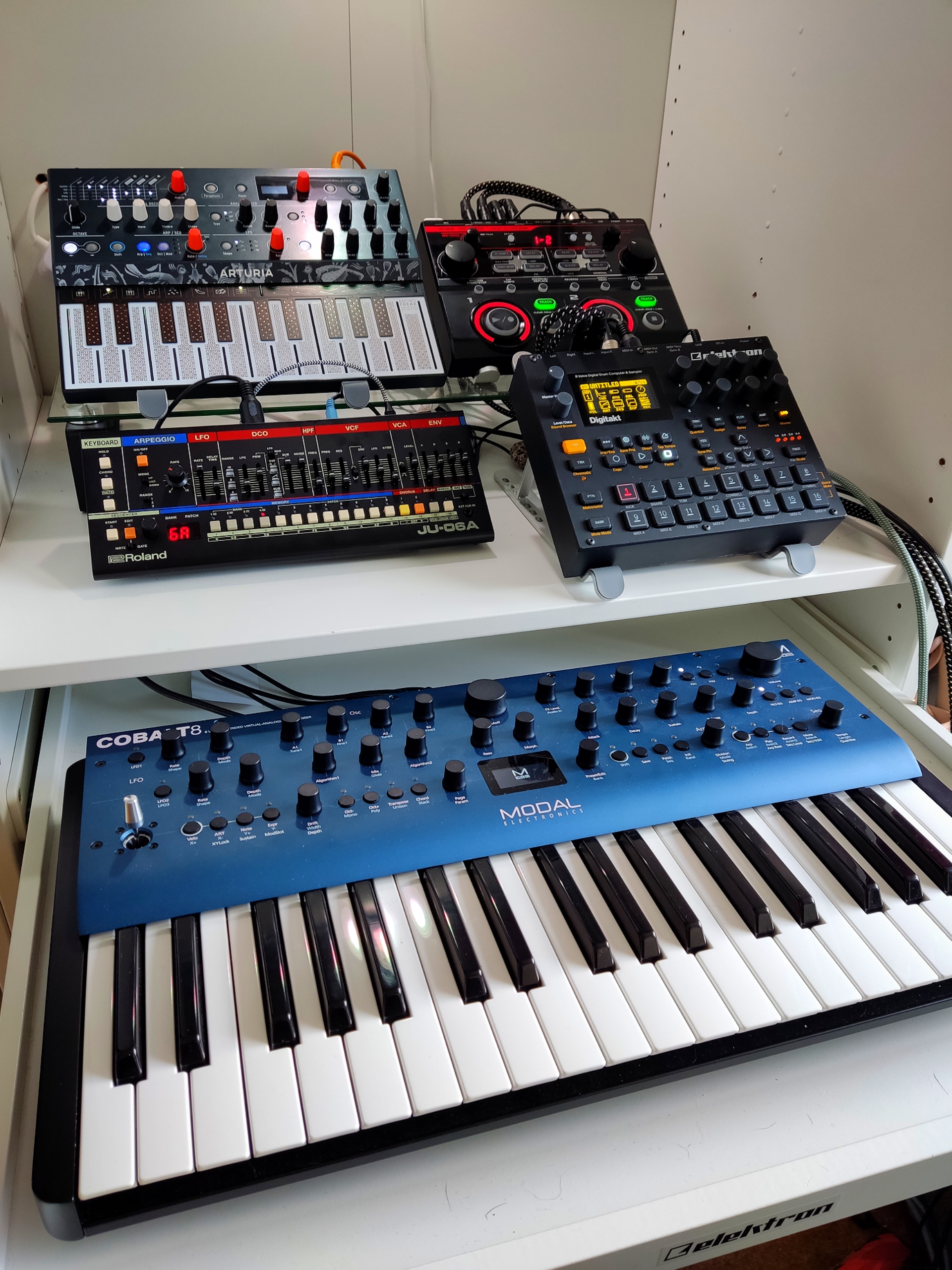
Synths, samplers and loopers

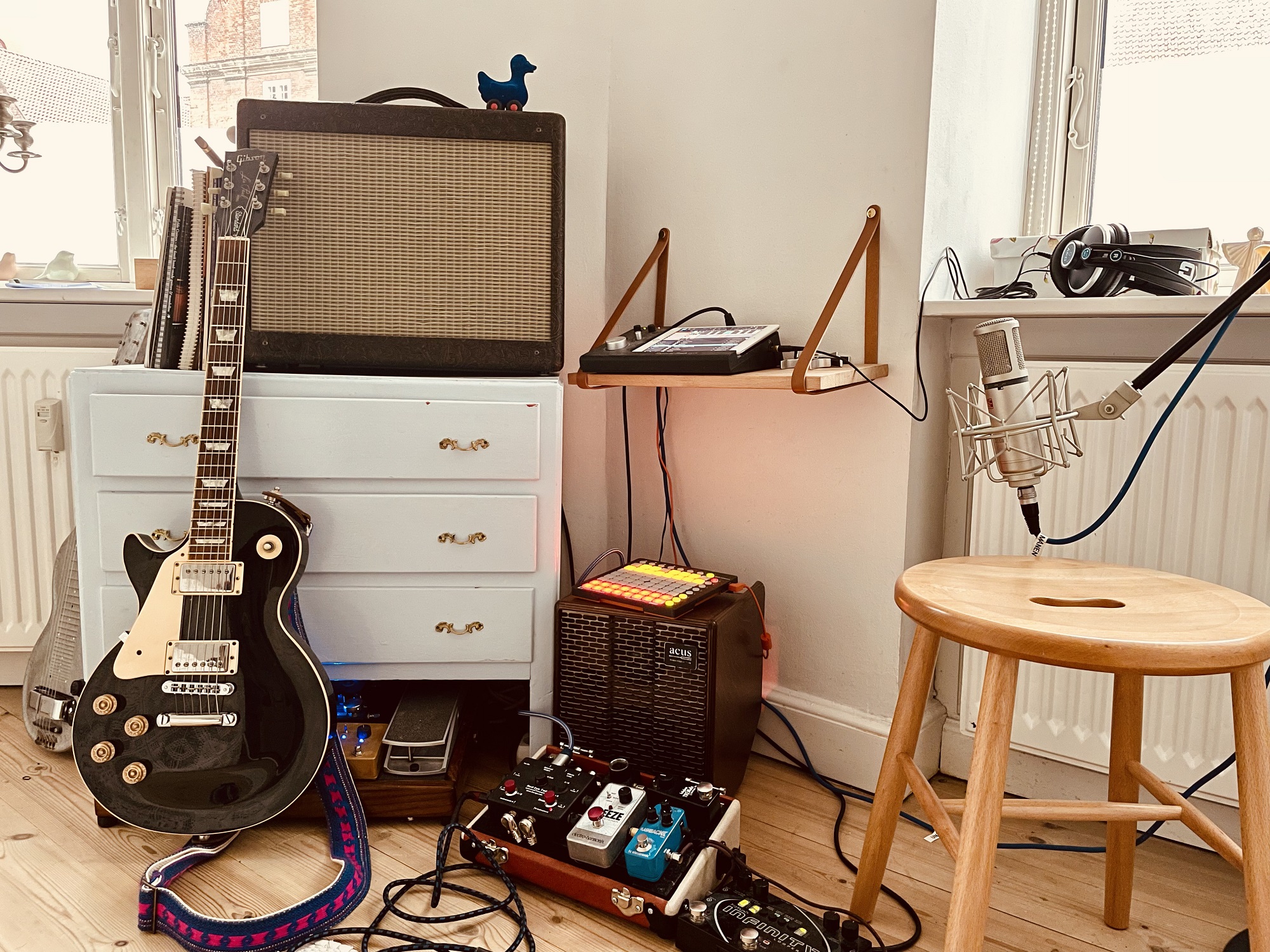
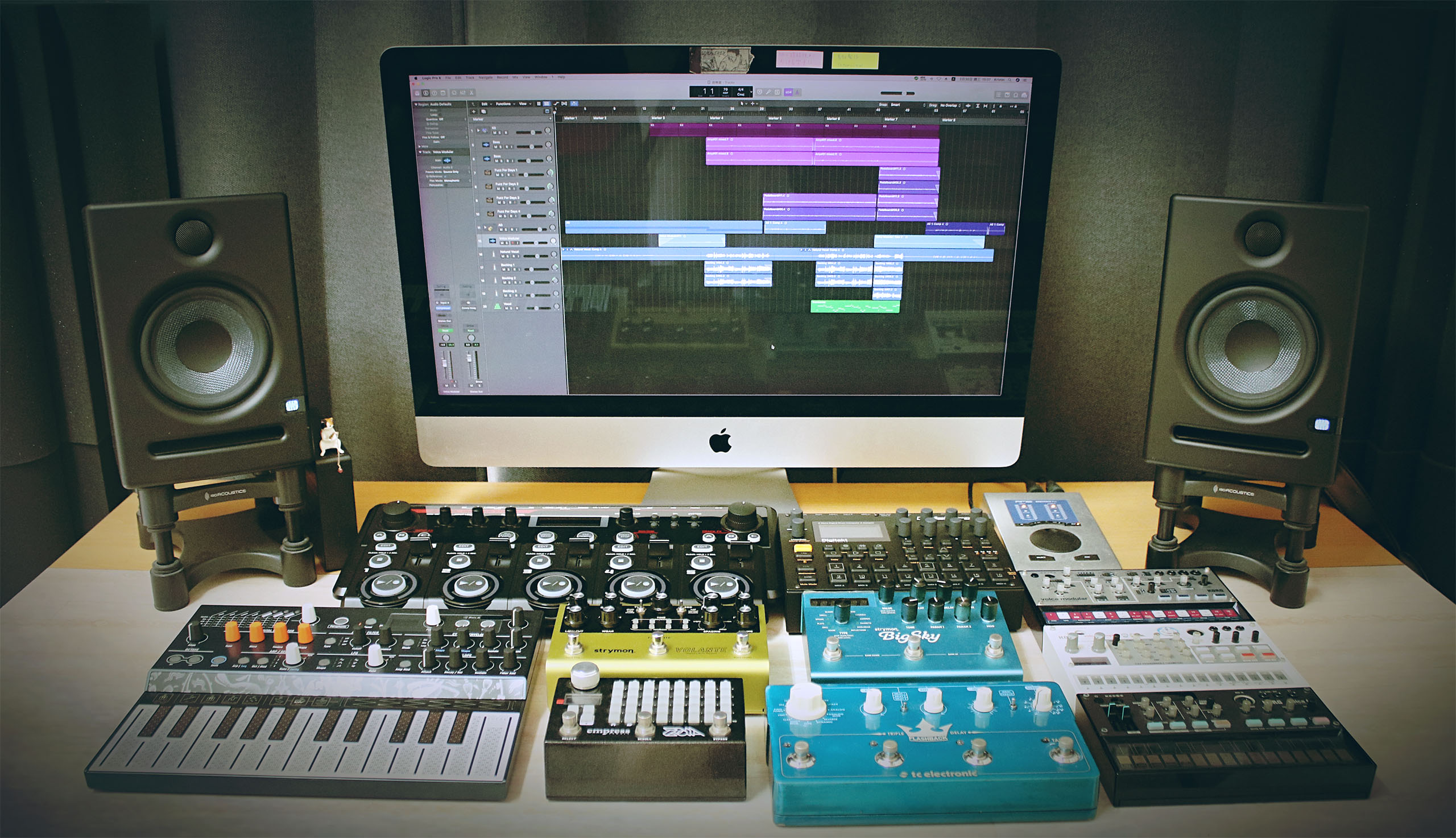
My setup is in a tiny office/walk-in wardrobe in my house, but it has pretty much everything I need. I’m planning to add an analogue synth at some point (like a Pro-1 or Minilogue) and a Colour Palette electronic kalimba by Lottie Canto.

Studio desk

Best creative advice that you’ve ever heard?

I’m going to echo what Dev Bhat (Shipwreck Detective) said in his interview for this blog: “keep it simple, stupid!” This really resonates with my own approach to writing music. There’s a skill to communicating an emotion, theme or concept in an honest and direct manner without resorting to cliché. I like to embrace simplicity and try to express myself with a limited number of components.
An important part of being creative is trusting your instincts and not focusing too much on what does or doesn’t work in theory – theory should be used to help us translate and communicate our ideas rather than to provide a rigid framework for them.

Promote your latest thing… Go ahead, throw us a link

I regularly post jams on Instagram (@accelerator.jengold), so that’s the best place to keep up to date with what I’m doing. My music is also available on most streaming platforms, just search for Accelerator Jengold. My latest EP, Pyre, came out last year and is full of weirdo synthwave tunes, go check it out! I’m currently working on a new EP and some upcoming collaborations. Thanks!

Instagram: https://www.instagram.com/accelerator.jengold/

Spotify: https://open.spotify.com/artist/0KrYUaPA2BsqVMiDCVmywM?si=ZJdIN-wDS4-J0UdkHjEWsA

Linktree: https://linktr.ee/acceleratorjengold


Mike Berndt – Pedal Of the Day

1. Favourite knob/fader/switch on a piece of gear and why?

Feedback knobs

I tend to lean towards the Feedback areas of pedals that can perform that function, so Feedback knobs, on Delays especially, and Gain knobs on dirt pedals would probably be tops. If you can mix the two and get an overdriven or distorted signal to feedback into self-oscillation, with the possibility to get completely out of control, that’s my happy place.

2. Do you have an ‘almost’ perfect bit of kit? What would you change?

For years now, all of the demos I record have run through a Universal Audio Apollo Twin Duo, and I recently upgraded to the Twin X Duo. The preamps are so nice, and the plugins you can get replicate so much vintage gear right at your fingertips…it’s pretty incredible. The functionality / ease of use is perfect, it’s almost a plug-and-play type of situation, with as big or small of a learning curve as you want.

Universal Audio Apollo Twin Duo

3. What setup do you bring on holiday/tour/commute etc.?

Well, we haven’t really left or gone out or done anything over the last year, but usually when I travel for a vacation, I just bring along an acoustic guitar. I’m surrounded by electronics and hardware and pedals the majority of the day, and vacation is a time to get away and take a break from all of that. The acoustic lets me get back to why I started playing guitar in the first place, lets me focus on the raw energy that those instruments bring, and opens up or reinvigorates a passion for stripped-down music that can sometimes get lost in the world of effects. Been using an Alvarez AD60SC for about 16 years now, and still love it, but really want a nice Martin or Taylor or something along those lines at some point.

Alvarez AD60SC

4. What software do you wish was hardware and vice versa?

I use some plugins with my UA Apollo Twin X Duo to clean up and finalize the audio for Pedal of the Day’s demos, but there’s something about having an actual rack of gear right in front of you that just can’t be replaced by a computer screen. Having a Teletronix LA-2A, Studer A800 and an actual vintage Tape Echo unit here in the studio would be rad. As for the opposite, they’re making pretty much everything you can think of into some form of plugin or patch these days, and there are many devices which let you run your analog effects straight into your recording, so the sky’s the limit there.

5. Is there anything you regret selling… or regret buying?

TONS of gear. I wish I could keep every single pedal or guitar or keyboard that I have ever owned, but I don’t have the space, and I wouldn’t make any money!

During the last Covid-infused year, I have had to get rid of some long-time favorites, but I think the ones that really hurt were my Moogerfooger Delay, Phaser,

Mooger Foogers LowPass, Murf and 12-stage Phaser

Low-Pass Filter and MuRF. I’d like to say I’ll have them all back again someday, but even since I sold them last year, the prices have skyrocketed, so those might just be gone for good.

6. What gear has inspired you to produce the most music?

I think all gear can be inspiring, even a piece that you may find boring or dull at first. With pedals especially, you need to sit down and really get to know them, how they act/react, what their key functions are, any hidden features or treasures they hide, waiting to be discovered, etc… Part of the fun of this line of work is the constant exploration and uncertainty about each effect, and since we all use them differently, there’s really no wrong way to go about that.

I think the demo community provides a lot of different perspectives on how each pedal can be utilized and exploited – the companies themselves seem to enjoy how different all the demos sound, as we each are giving an individualized interpretation of the effects, and come up with sounds the original designers might not have even thought of.

7. If you had to start over, what would you get first?

A vintage Fender Blackface Deluxe Reverb, a cheap-ish guitar (maybe a Strat or Tele) that I could mod and customize, and a Delay pedal. I have enjoyed swapping pickups and wiring out of guitars over the years, but haven’t had the time or focus to do so recently, and think that would be fun to jump back into.

Fender Blackface Deluxe Reverb

The Deluxe Reverb is a perfect pedal platform, plus you already have the Reverb and Vibrato built in. Delays are by far my favorite effects, so it wouldn’t even really matter how wild or crazy it was, just something simple to get started, like a Boss DM-3 or a Way Huge Supa-Puss, something along those lines.

8. What’s the most annoying piece of gear you have, that you just can’t live without?

Years ago I bought a couple of old Ibanez rack delays from the ’80s, a DM1100 and a DM2000. They each have this Hold function that can be controlled by and external switch, and the DM2000 has one for its Modulation settings as well. The DM1100, when it’s set the way I have it and you play a note or chord and hit that Hold, it takes the audio and continually ramps it up and down, with a thick, seemingly uncontrollable modulation sound that is different every time. It can get super annoying, but also adds a certain layer of chaos into the mix that is just lovely to experience.

Ibanez rack delays DM1100 & DM2000

9. Most surprising tip/trick/technique that you’ve discovered about a bit of kit?

There isn’t one specifically, but I love to dive into the more complex pedals (Microcosm, H9, ZOIA, etc) and see what hidden treasures await. The designing and execution of musical ideas over the last couple of years has been astounding, and I’m glad to be a part of bringing these sounds to people everywhere.


Artist or Band name?

I haven’t released anything new in a number of years, unfortunately. I had a number of little side jam projects starting to happen right before Covid hit, so those are all obviously on the back burner for right now. Years ago, I was in a bar band called Alcoholocaust, and we just played bars around Boone, North Carolina, where I was living at the time. I also released some tracks under the name DJ Big Berndt a couple years ago, mostly chill, ambient kind of background music, and that was a lot of fun.

Genre?

I love ALL genres of music, except for pop country. REAL country I can listen to all day, but the pop garbage I can’t do. Classical, metal, rap, jam bands, disco, yacht rock, classic rock, techno, you name it….I love it all.

Selfie?

Mike Berndt

Where are you from?

Born in Madison, Wisconsin, raised in Milwaukee, Wisconsin, currently reside in Weaverville, North Carolina (USA)

How did you get into music?

My dad bought a drum set when I was 8, and he taught me a little bit about it before my folks split up. The drum set stayed, though, and I learned to play down in the basement with headphones, playing along to Zeppelin and Guns n Roses and the like. I got a cheap neon yellow guitar and a little Gorilla amp when I was 12, but didn’t stick with it for whatever reason. I finally got an acoustic when I was 19 or 20, started taking some lessons from a friend of mine, who ended up selling me his Epiphone Sheraton, and it was all over from there.

What still drives you to make music?

Music is everything! Constantly looking for inspiration in not only the music I create but from all kinds of outside sources is just the greatest. The way that different tracks, genres, artists and sound can influence you at any given time of day, or with anything that’s going on in your life, at any moment, is a pretty spectacular thing to be a witness to. The fact that music has and continues to evolve constantly, around the world, on a daily basis, is just a spectacular phenomenon, one I hope that never goes away.

How do you most often start a new track?

As a drummer, the rhythm parts are the keys, so getting a simple beat and maybe a little bass line down is always a great place to start. However, sitting around jamming on your acoustic can open up a can of musical worms as well, and when inspiration strikes, you gotta capture it. I have a lot of handwritten notes scattered around the office that have been building over the years, as well as a bunch of quick ideas I’ve recorded into Amplitube on my phone. Whether any of them will ever turn into something more or get recorded remains to be seen, hopefully I can revisit them soon and start working more on finishing some of them up.

How do you know when a track is finished?

You don’t. You can sit and overthink and tweak over and over and over, and still never truly be satisfied with the result. The first mix that sounds the best, stick with that. It’s kinda like recording a number of different guitar solos and then trying to decide which is the best – chances are, the first one was the best, because you were just playing, rather than comparing it and second-guessing yourself, you know?

Show us your current studio

Amp wall
Amps and friends
Mike’s Pedalboard
Studio desk

Best creative advice that you’ve ever heard?

My grandpa used to say, “As you go through life, let this be your goal: keep your eye on the donut, and not the donut hole.” I think that you need to focus on all aspects of whatever you do, not just on one particular thing, whether it’s how you approach a new recording session, or how you cook a meal, or how you interact with your family and other humans in general on a daily basis. Focusing on the little things can be key, of course, but seeing the bigger picture, breathing and taking it all in is how I try to live and create.

Instagramming with Mike

Promote your latest thing… Go ahead, throw us a link.
Pedal of the Day – https://www.pedal-of-the-day.com/
Pedal of the Day on YouTube – https://youtube.com/c/pedaloftheday208
DJ Big Berndt on YouTube – https://www.youtube.com/c/DJBigBerndt


Christian Colabelli – Metalicious Pedaler

1. Favourite knob/fader/switch on a piece of gear and why?

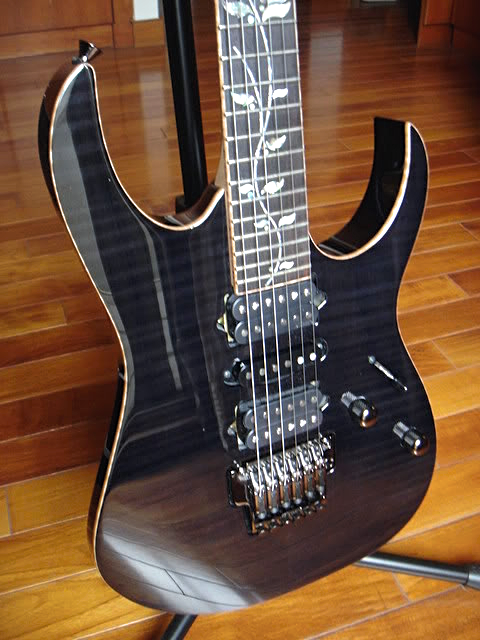
I would have to say that it’s the pickup selector on my guitar. I think a five-way super switch is essential to my style. There is so much sonic territory and versatility on tap simply by switching pickup positions. It allows me to become a chameleon and tackle any genre I’m trying to cover. I should add that in conjunction with the tone and volume knobs, the tonal possibilities are endless. I feel this is often glossed over by the vast majority and I can never understand why!

Strandberg Guitars Pickup Selector

2. Do you have an ‘almost’ perfect bit of kit? What would you change?

I’ve been endorsing Strandberg Guitars over the last several years. I love everything about them: the ergonomic design, weight relief, playability and sound. Maybe I would drop a middle pickup in on my seven-string version… I don’t know though… It sounds incredible as is.

Strandberg Guitars

Also, I have to give a shoutout to Pickboy Picks which I’ve endorsed for ten years now! The Pos-A-Grip Jazz 1.5mm in Tortoise Shell is unrivaled in my opinion: http://www.osiamo.com/christianColabelli I have a graveyard of picks that I’ve spent an inordinate amount of money on over the years in search of the perfect plectrum. I feel that tone is in your hands and the right pick is essential. I’ve tried pretty much everything out there and I can honestly say that this particular pick is the one for me. I can’t live without it! 

3. What setup do you bring on holiday/tour/commute etc.?

Purple-ish Eventide pedalboard

The above picture displays my board from 2020 NAMM. I built this for Eventide demo purposes, and it magically fit into an overhead bin on the plane! My fusion band, Surreal Measures also played at the Eventide Booth and this setup covered everything I needed sonically. This was one of the last live shows I played before the pandemic hit so I’m looking forward to taking this rig out again soon! 

4. What software do you wish was hardware and vice versa?

The luxury of working at Eventide is that we have such a wide range of hardware and software available. I truly feel like I’m covered. Not to mention, we have some crossover between the platforms in certain products. I think I’m spoiled! 

5. Is there anything you regret selling… or regret buying?

Hmmm… I used to be a guitar hoarder of sorts (I still am). I sold a Peavy EVH Wolfgang, Gibson Les Paul Standard, Fender American Deluxe Stratocaster, PRS Custom 22 Brazilian Limited, Ibanez Prestige S5470SOL and this wild high-end USA parts-telecaster called a Voodoo Special that some guy on ebay used to sell years ago that I probably should have kept! I miss them all. Oh man… I can’t go down this road again… It’s a dark void… 

6. What gear has inspired you to produce the most music? 

This is a really tough question… Maybe the Yamaha THR10X practice amp/interface purely because of the ease of use (for recording purposes)… not to mention… it sounds great! 

Yamaha THR10X practice amp

7. If you had to start over, what would you get first?

I don’t know if I would do it differently. My first electric guitar, a Gibson “The Paul II” is still very near and dear to me. I actually used it for the Eventide Blackhole demo content! I have no regrets and I feel this instrument really shaped my playing. 

Gibson “The Paul II”

8. What’s the most annoying piece of gear you have, that you just can’t live without?

Probably a USB mini cable because it’s essential to link the Eventide dot9 and Rose pedals to Eventide Device Manager – our free editing software… I have five of them now because there was a period where they would just inexplicably disappear into the ether. They are truly the bane of my existence!  

9. Most surprising tip/trick/technique that you’ve discovered about a bit of kit?

This: https://www.talkingbass.net/grolsch-straplock-trick-for-bass/ This is INVALUABLE! And… you kill two birds with one stone… or… something like that! 


Artist or Band name? 

Circuitry – https://circuitry.bandcamp.com/

Sightharvest – https://sightharvest.bandcamp.com/releases

Surreal Measures – https://surrealmeasures.bandcamp.com/


Genre?

Circuitry – Progressive Metalcore

Sightharvest – Instrumental/Progressive Metal/Fusion

Surreal Measures – Fusion

Selfie?

Christian Colabelli


Where are you from? 

New Jersey, USA! 

How did you get into music? 

I was exposed to music and music instruction at an early age. My parents were always playing a variety of genres around the house. They initially signed me up for piano lessons when I was 7 years old… from there I transitioned to viola… then to saxophone (which I ended up playing for 9 years). At age 13, I begged them to get me a guitar and finally they acquiesced and there was no turning back. It was full immersion. To say I spent a lot of time in my bedroom, endlessly practicing is a vast understatement.

What still drives you to make music?

It’s a never-ending quest. Music is a lifelong study: there’s always something to learn and perfect. I’m always trying to incorporate new aspects and nuances of the language. There are so many absurdly gifted and inspiring players. I really enjoy transcribing lines from the masters and then making them my own. I think the driving factor is continuously trying to develop my voice. I want to sound like myself! That’s a simple statement but when you dissect it, you realize the quagmire it becomes. 

How do you most often start a new track?

It really depends on what I’m working on and who I’m working with. I can easily adapt to other musicians’ workflows as I’ve done a lot of studio work. If it’s my own stuff, I will usually just have a loose goal/harmonic concept in mind and have a guitar in my hands and start playing around until something sticks. Once I get an initial motif, I record a short video so I don’t forget (as I’m constantly writing and everything is in flux) and then I dig in to develop it.

How do you know when a track is finished?

Well, there’s a DaVinci quote that has always resonated with me: Art is never finished… only abandoned… That couldn’t ring truer. A track is finished when every avenue and minute detail is exhausted and you finally decide to walk away from it!

Show us your current studio

I leave the production to the pros… Here is a picture of Matt’s studio (he plays with me in Sightharvest and is also a producer/engineer by trade. This is the setup we used for the EP we just recorded:

Sightharvest Studio

Best creative advice that you’ve ever heard?

“Life is full of mistakes. Don’t be afraid to make one in your playing.”

Promote your latest thing… Go ahead, throw us a link.

Here is a link to my website: https://www.christiancolabelli.com/ which links to everything I’m working on… 

I just finished recording the newest Sightharvest EP which is a melting pot of genres. It’s a heavy instrumental project that was originally going to be video game music. However, during the writing process of the first record, we realized that it was destined to be more. It became the aural equivalent of the premise of a video game meaning: each track is like a video game level, that progresses in intensity. Hopefully we will have a release date soon! 

I also started my own fishing website/brand: https://www.bigfishsynergy.com/ I’m an avid bass fisherman and it’s been fun to immerse myself in finally devoting the time to making these fishing videos that combine fishing education, comedy, music and art. 

Christian also plays the 1-string for super heavy bass!

[Well, hey-deli-hoo dear Reader – Who would you like to see do an 9 Odd Questions interview? Throw some suggestions via comments below…]