Prior Use – Andreas Bak-Reimer

1. Favourite knob/fader/switch on a piece of gear and why?
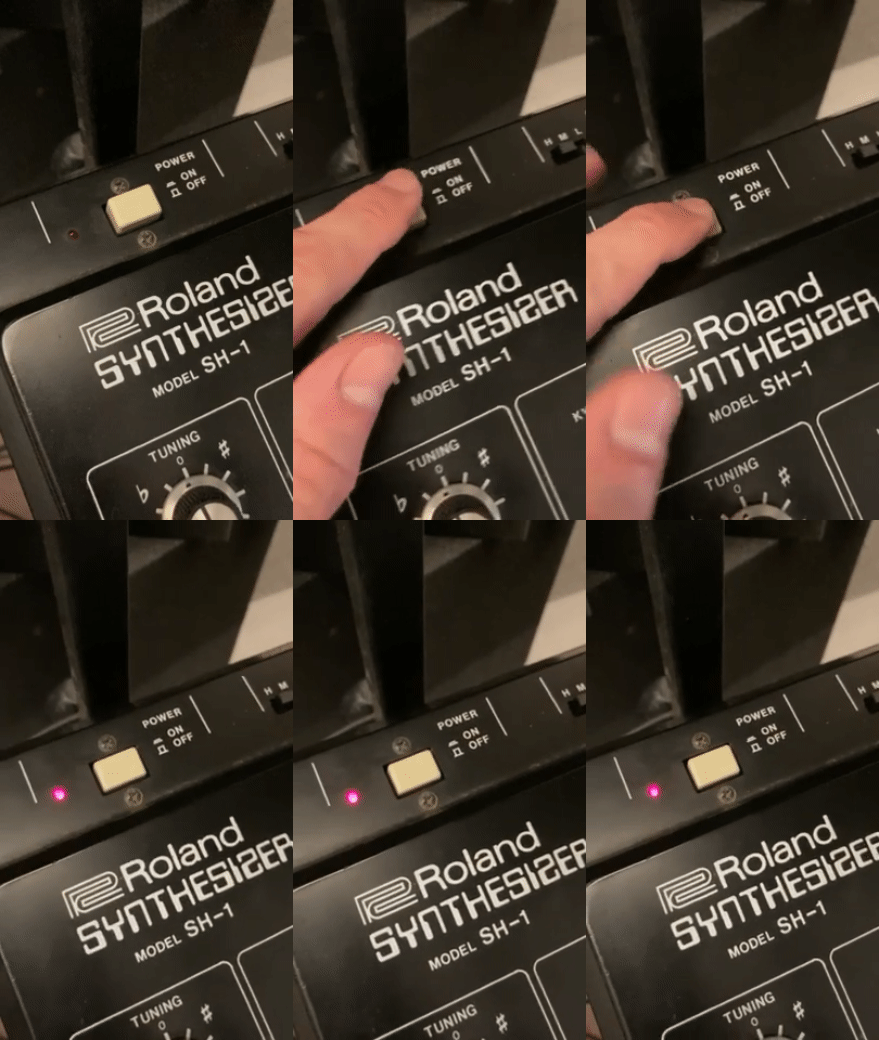
Gettin’ it on with the Roland SH-1

The power switch on the Roland SH-1. It’s an old synth, and the button has a distinct mechanical quality to it. The way it feels, the way it sounds, and the way the power LED lights up immediately – it just feels like getting it on! The SH-1 does that really swell PWM (pulse width modulation) that I enjoy immensely, and simple as it is, it invokes an atmosphere of a simpler time, with a lot of nostalgia to it.

2. Do you have an ‘almost’ perfect bit of kit? What would you change?

My Roland Juno-106 is close to perfect for it’s purpose. Countless 80’s and 80’s emulating tracks have been born using it, and it’s built in a way that grants plenty of sweetspots, and not so many dead ends. Some people prefer non-DCOs, and have plenty to say about the 106 being a budget synth, but mine’s fresh back from service, and it makes me happy.
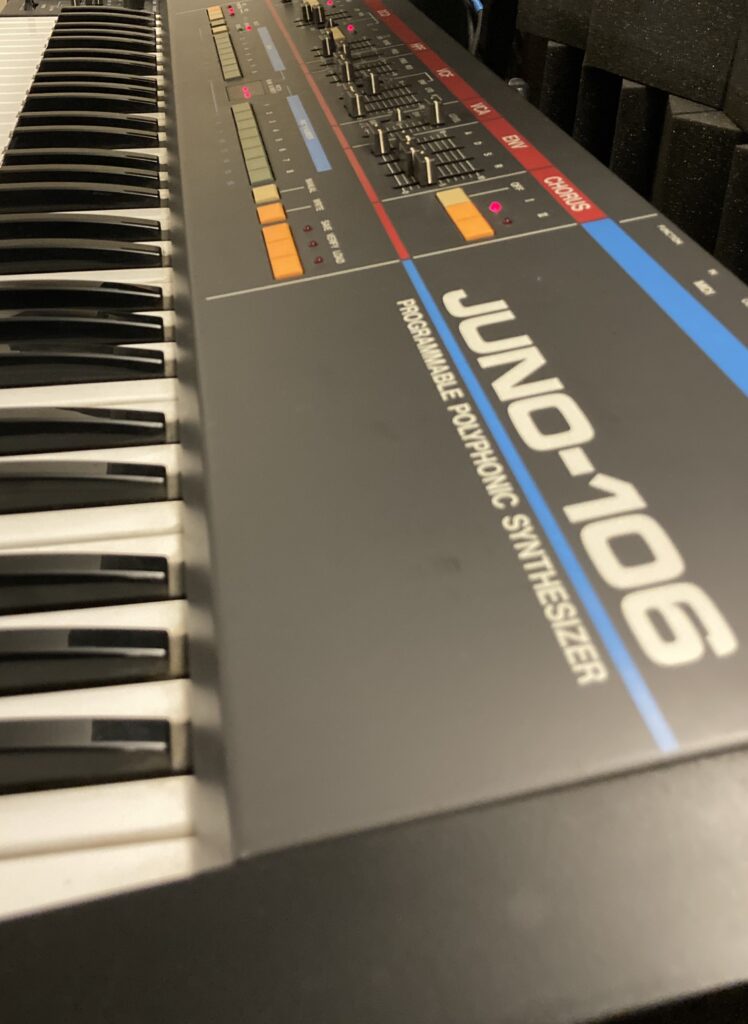
Roland 106

I sometimes wish it had another oscillator with an easy option for detuning, to get a wider sound from it, but there is a lot to be said about limitations to foster creativity.

… Also, I am not particularly fond of the way the resonance sounds when it’s cranked way up. It’s glassy instead of being juicy – and rarely that’s a good thing. On the other hand, I don’t have any other things that sounds like that, so it’s probably best to leave that unchanged.

3. What setup do you bring on holiday/tour/commute etc.?
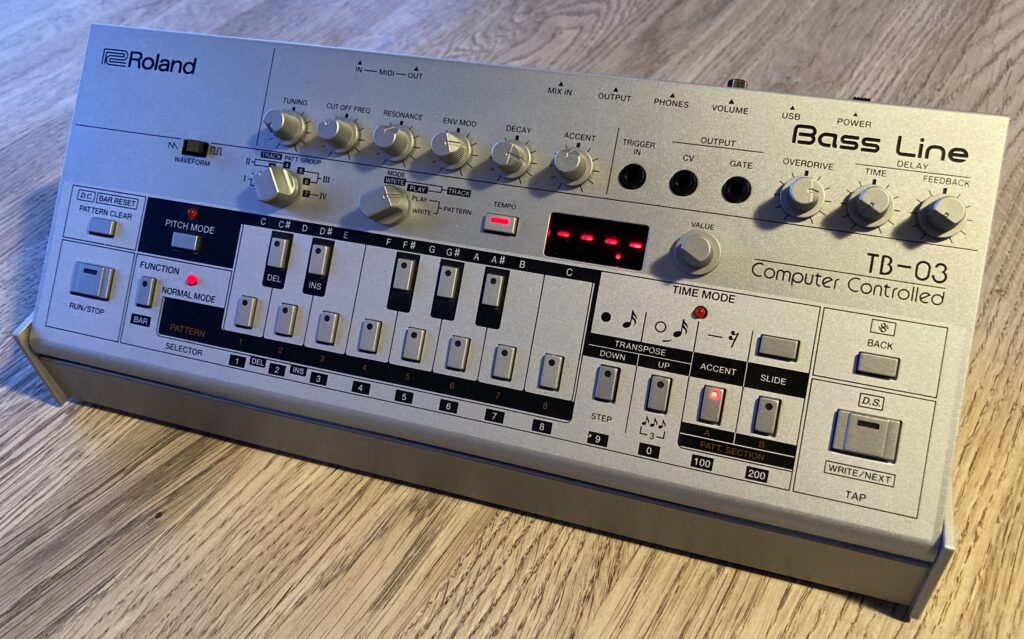
Roland TB-03

Laptop, almost certainly. I am no where near anything dawless, and don’t have anything that I could arrange anything with, besides a computer. If I weren’t writing, but merely playing around, I would bring my Roland TB-03, or Yamaha Reface CS – built-in speakers and battery operated, they are 1. 2. go!
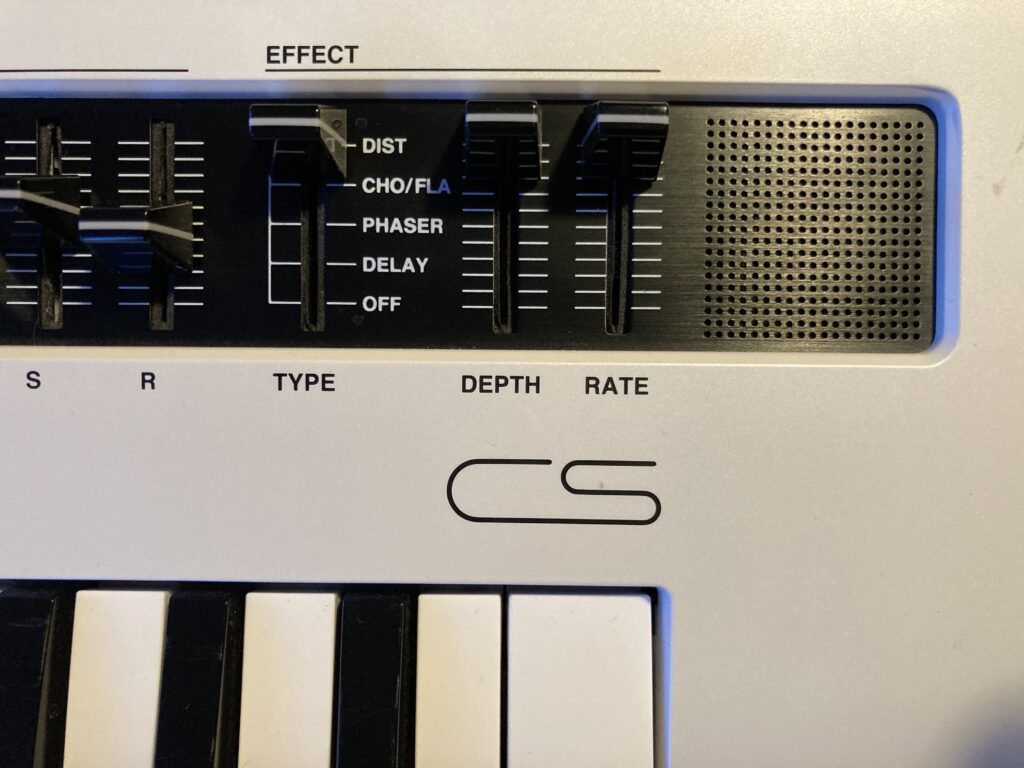
Yamaha Reface

4) What software do you wish was hardware and vice versa?

Absynth, Brain, Modular.

Software -> Hardware: I think Native Instruments Absynth. I have had that since forever, and still use it heavily. Also, I would like to see the physical shape/color/layout of such a thing!
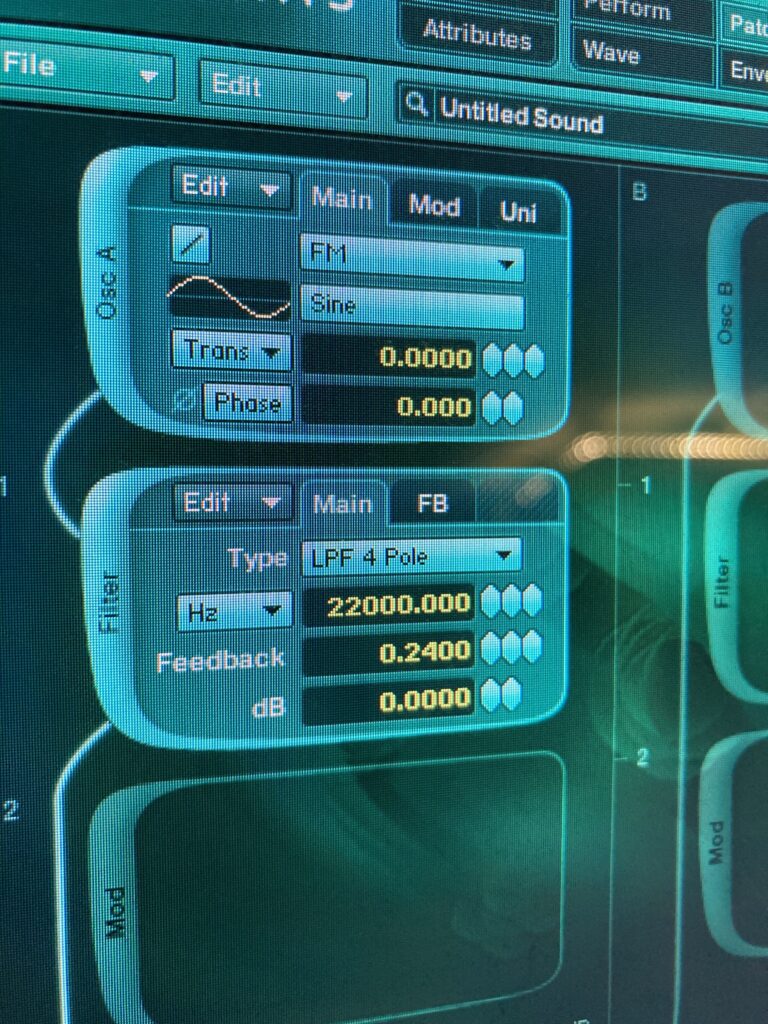
Absynth

Hardware -> Software: My brain. Although it feels soft at times, I consider it hardware. It certainly interfaces like 40+ years old hardware (poorly that is), it is sometimes difficult to control when hot or cold, and it’s almost never in tune. Also – patch memory is severely limited. If I could instantly recall patches, production tricks, channel-settings and export/bounce the tunes and sounds directly, like with a lot of software, then… Well, it might take out the fun at times.
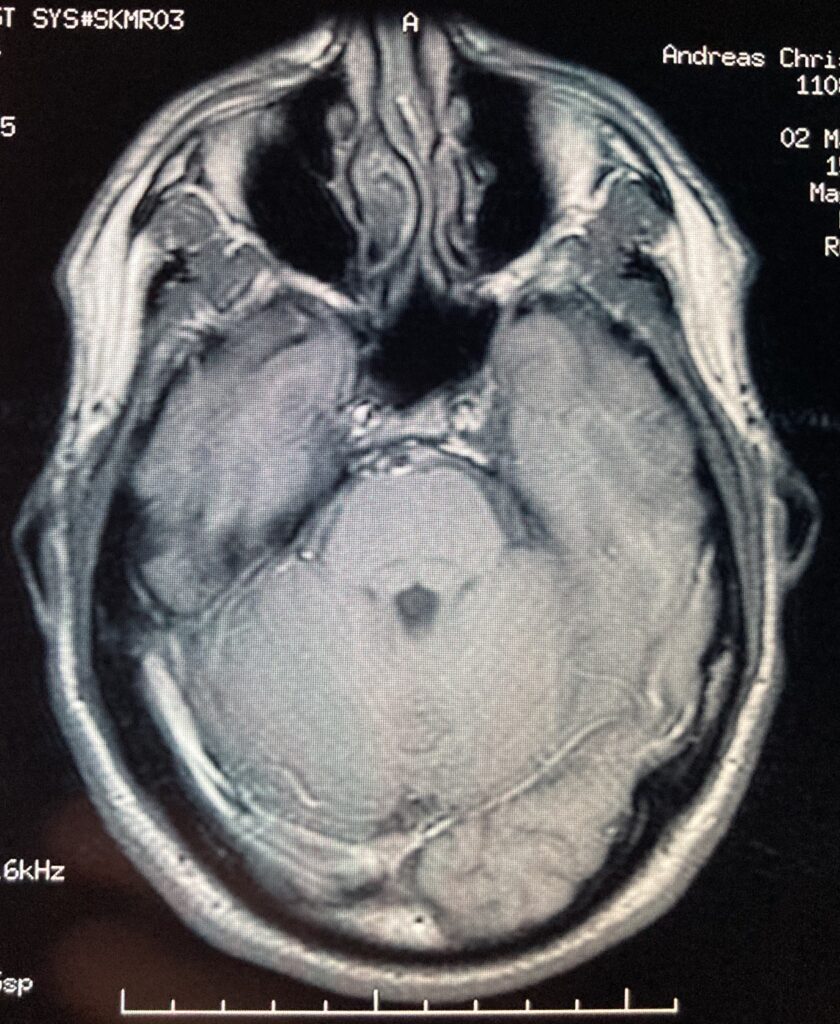
Brain

To be serious: My modular setup would be nice as software – mainly for patch recall.
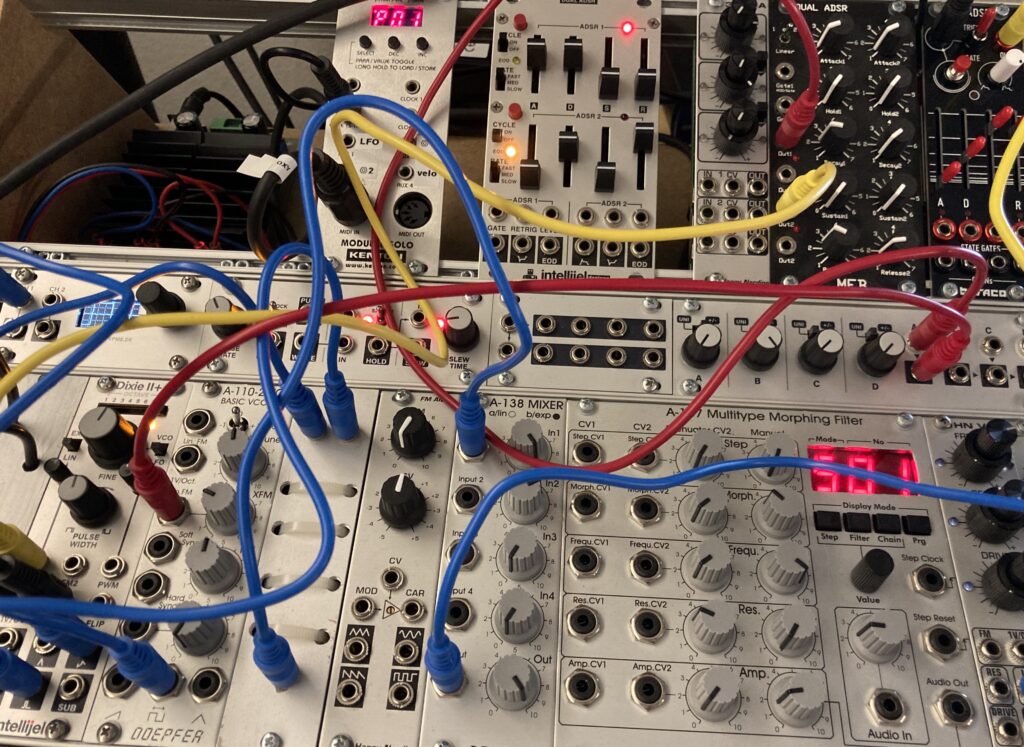
Eurorack modular

5. Is there anything you regret selling… or regret buying?

I never sold anything ever, so that doesn’t apply. And therefore I never regret selling anything either!

I once bought a portable recorder, thinking I could get a lot of good sample material that way. I only did once, but it never made it into a track I finished. I have fond memories of getting up early to catch a few big trucks on big roads going by, though… So, no regrets I guess…
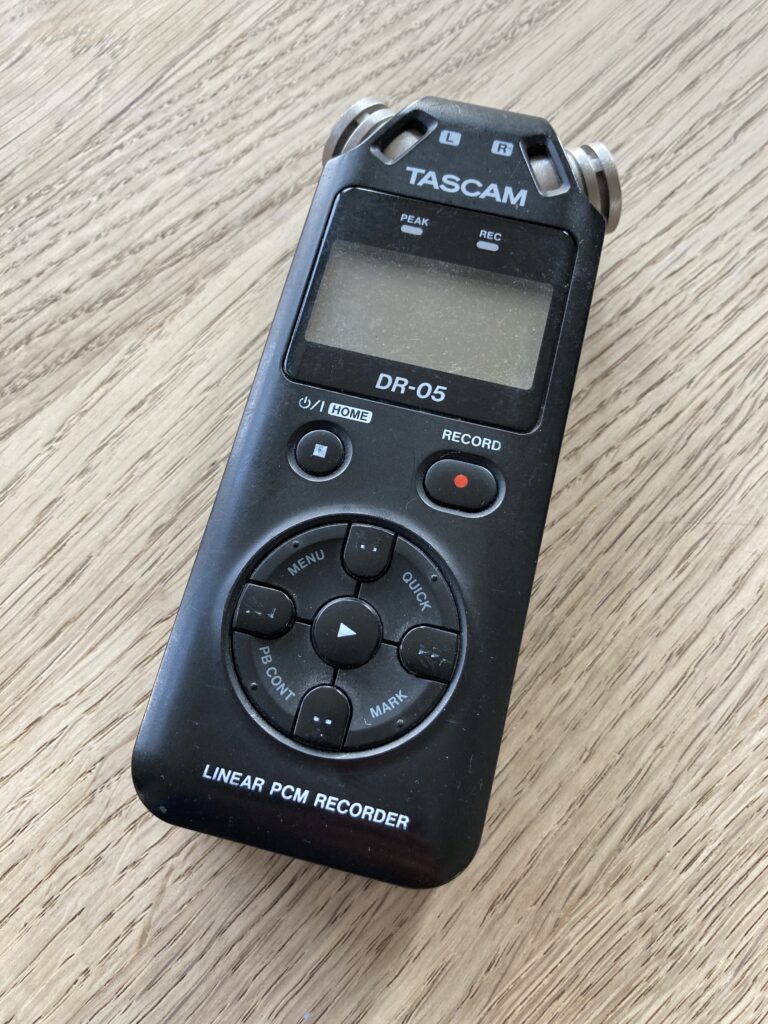
Tascam Recorder

I bought an Ensoniq SQ-R module, because it features Transwave synthesis. Never used that, but it had a nice belltree sound that I used once or twice. It’s probably the thing I’ve bought that comes the most close to being a regret.

6. What gear has inspired you to produce the most music?

My trusty iPod classic 80 GB. That’s a lot of late 90’s goatrance… Listening to that is what inspired me most over the years. It had a growing line of dead pixels over the course of a year, and when the line was fully dead, the pixels started working again from the beginning of the line! A year after, the whole display was good again. That is probably my strangest experience with any electronic gadget ever.
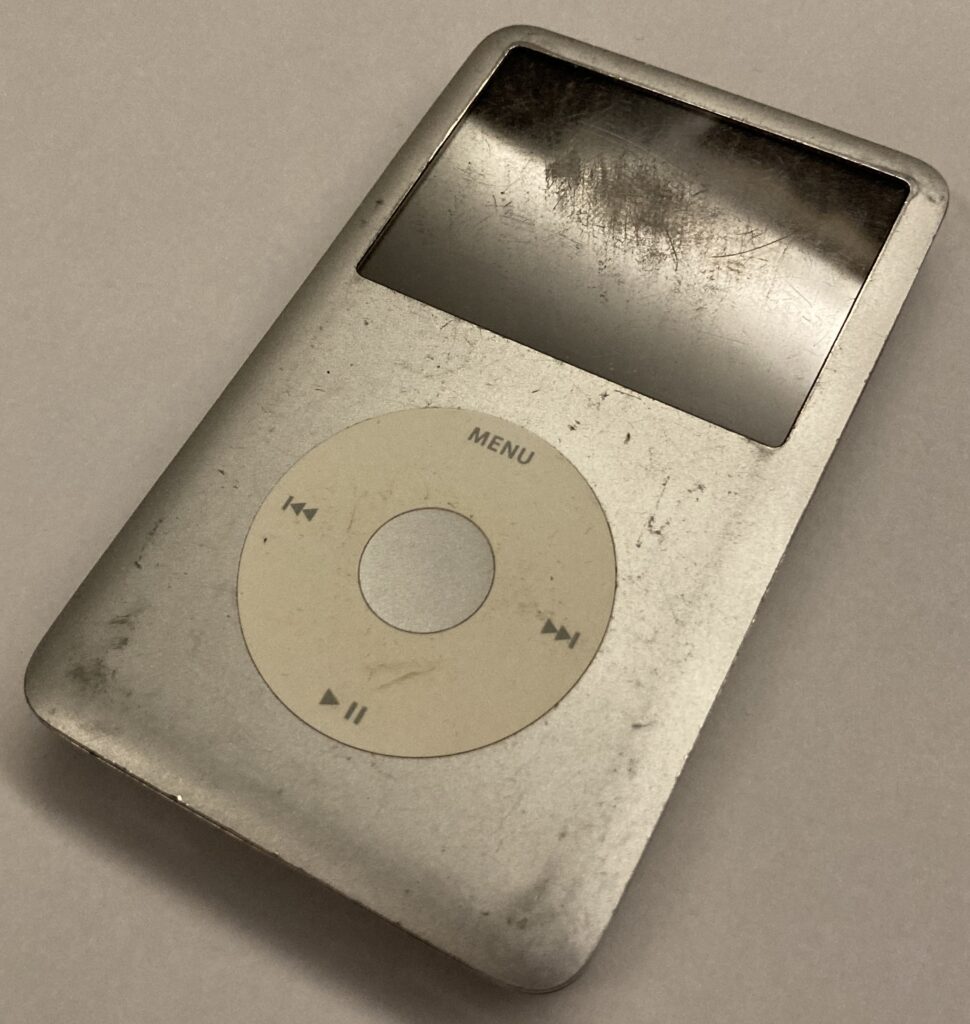
iPod classic

If I should channel this to some sort of an inspirational tale, it would something like how the small and weak Hobbits defeated the mighty Sauron – it might appear to be failing, and an unlikely source of victory, but give it some time, and it will surprise you.

That is also why I have never sold anything. You never know.

7. If you had to start over, what would you get first?

A decent room for working in. Go all crazy thinking about getting the ‘right’ monitors, nice preamps, the perfect cables (ugh!)… But if your room is horrible, none of that matters. I have sunk a fair bit of time into acoustic treatment, and it has made a world of difference.
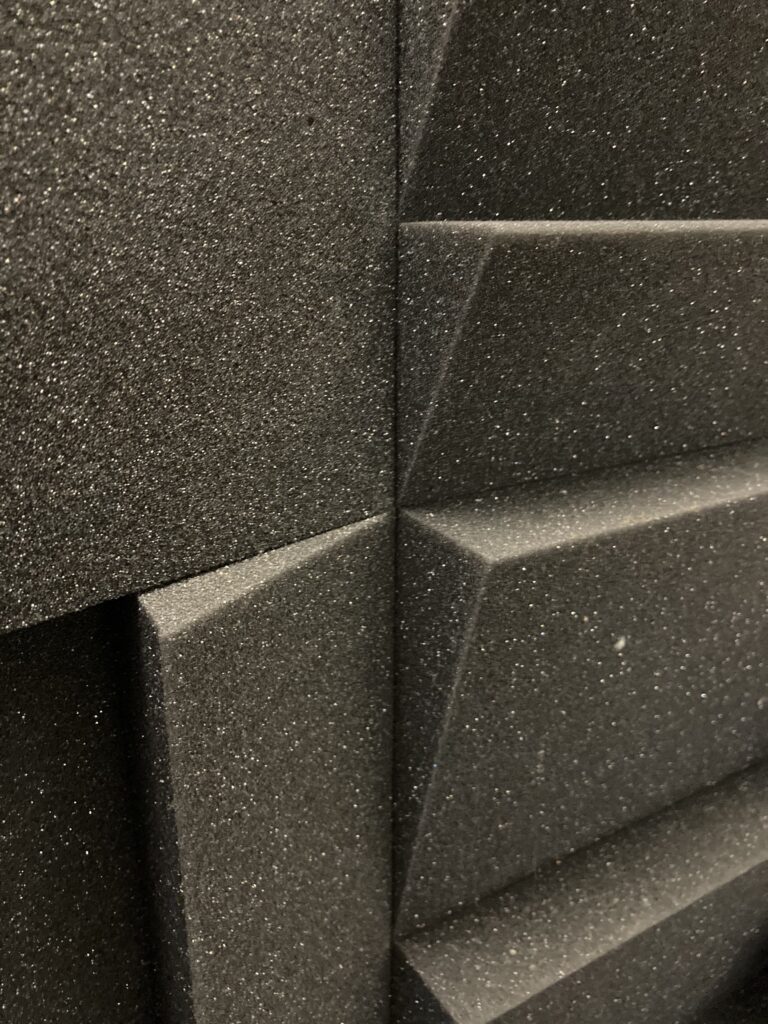
Foam

Also: time. So that’s it. Time and space – that’s all I want. At first…. Then a Mac.

8. What’s the most annoying piece of gear you have, that you just can’t live without?

Laptop
Mac laptop

Again, my computer. Ill timed software updates, one too few CPU cycles in stacked projects, failing disks… The woes are many, but I wouldn’t have written a bar of music without it.

9. Most surprising tip/trick/technique that you’ve discovered about a bit of kit?
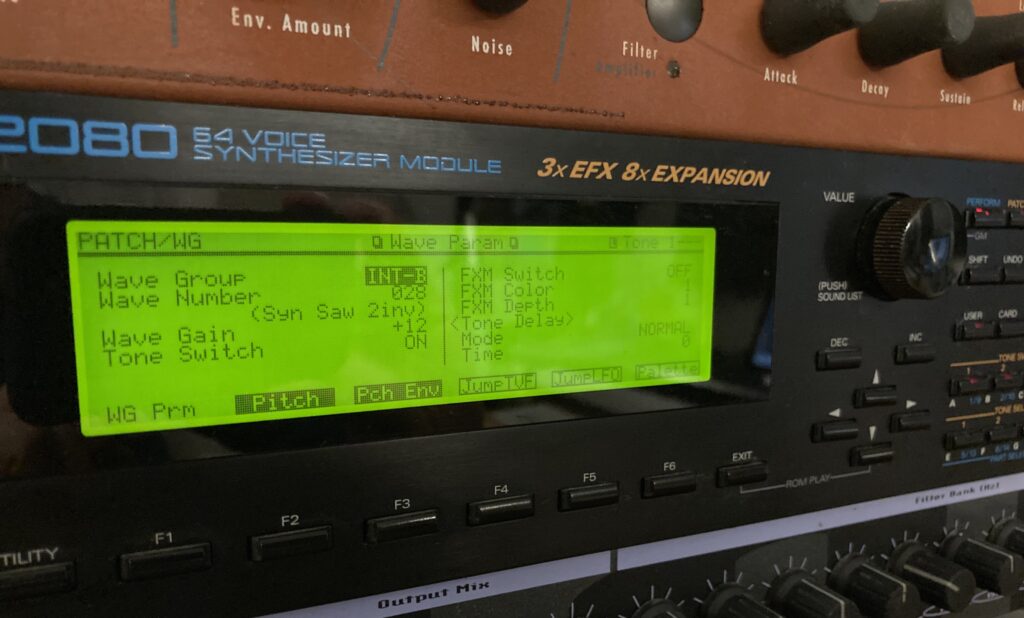
Roland JV-2080

About 20 years after I got my Roland JV-2080, I realized it was capable of faux PWM. If I set a regular sawtooth wave on one osc, and an inverted sawtooth on the other, and modulate pitch slowly and independently, then it happens. I wish I had known that 20 years earlier, but that would probably mean I wouldn’t have bought my SH-1 (with the fab power button) – so it’s all good!


Artist or Band name?

I have mainly been producing under the moniker “Amygdala”. Goa and psychedelic trance in the old (old!) sense of the word.

Lately, I have been making some drops in the already over saturated ocean of synthwave music. I enjoy that very much, and as a child of the 80s, it takes me back to a simpler time – worries forgotten. The moniker for this activity is “Prior Use”.

Genre?

Many kinds of trance music: Goa, psychedelic, melodic, uplifiting, minimal, tech-, progressive.
Besides that, a bit of synthwave, and the odd “psy-bient” piece.

Selfie?
Andreas Brain

Where are you from?

I am from Denmark – just a tad north of Copenhagen, but most of my music has been produced in Århus. You can really tell what a big difference those 170 km makes!

How did you get into music?

My parents and brother. Music was omnipresent at home when I grew up. My parents encouraged me to take up playing violin when I was 6, and I have had some great experiences with that. When music production became reasonably available to the regular consumer with computer interest, I was hooooked! At first, it was just another thing I could do with the computer, but rather quickly it was pretty much all I ever did with it.

What still drives you to make music?

The two biggest drivers are probably the “flows” and “highs”.

Flow when I can be completely engrossed in production, enjoying the situation, and getting something done which I like and feel as an accomplishment. Time flying as I ignore my body’s attempts to drag me to the loo, trough or bed.

Highs when I hit something that (in the moment) is spectacular – a catchy tune, a sweet timbre, or a really dope fill or transition. It can still make me laugh after all these years, and the surge of energy and motivation I get from that is unparalleled.

How do you most often start a new track?

Sometimes I start with a very simple idea like a tune, a chord progression or a synthesizer patch concept. Then Drums. Then bass. That’s the most usual case, although sometimes I skip directly to the drums. Lately, I have been thinking that it’s not the best way to go, as I am finishing fewer and fewer tracks. I often end up with a pretty decent groove, but lacking the centerpiece idea that makes the track stand out. I polish the rhythmic section and transitions, until there is not space left in the spectrum (frequency and/or mental) for anything else.

So, from now on, I am trying to start off a new track with an idea, and then build drums and bass around that. We’ll see how that goes.

How do you know when a track is finished?

When a track has all the arrangement elements (intro, good stuff, breakdown, great stuff, climax, outro – or some other configuration), I bounce it and listen away from the studio. I make a lot of notes I want to change, enhance, remove, whatever. When that list feels complete, I do those changes. Hopefully I am happy with the result, because at that point I am usually fed up with the piece. I am not one for endlessly tweaking everything, and I have a tendency to detail focus early – which means I “decide” that this bit is perfect, and then unconsciously prohibit myself from editing it (too much 🙈).

I know there is some degree of contradiction in the above, but I’ll just hide behind “you can’t argue art”.

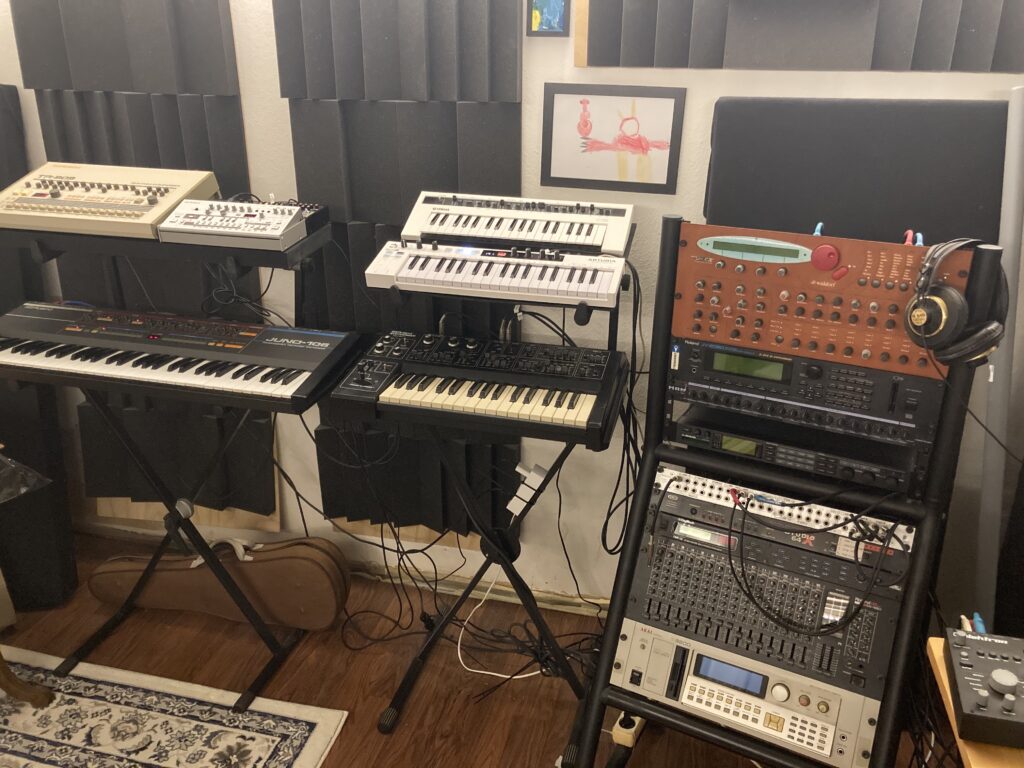
Show us your current studio
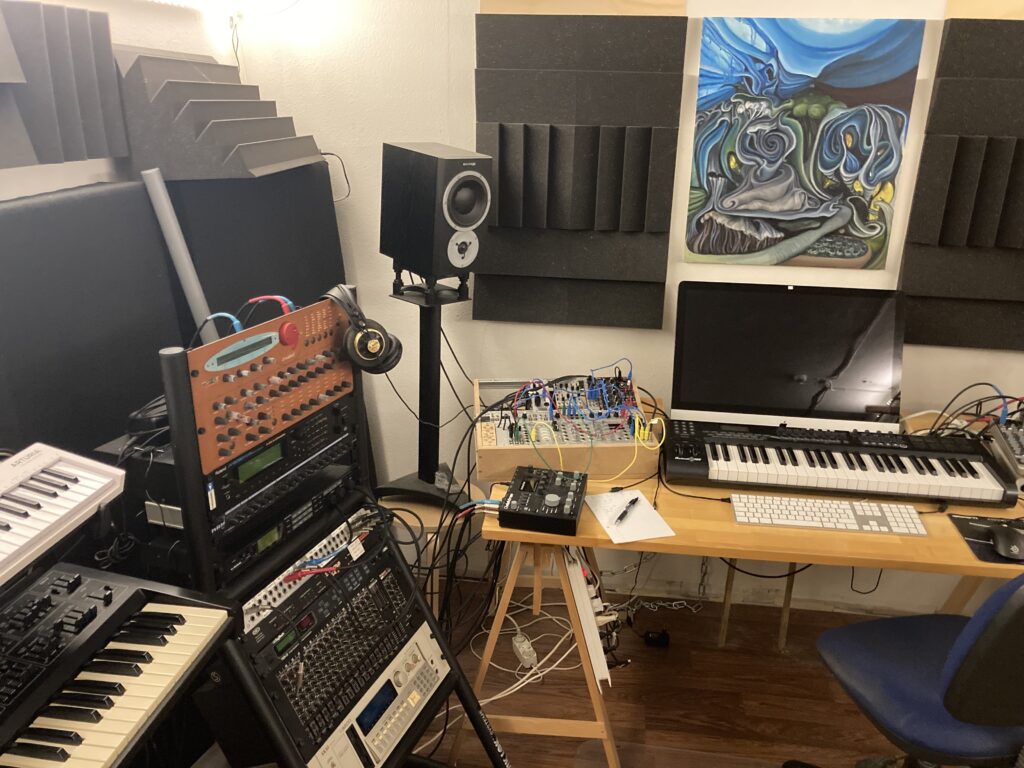
Andreas Studio
Andreas synths

Best creative advice that you’ve ever heard?

I bought a CD from Eat Static sideproject Dendron (Merv Pepler). I think he burned the disc himself and mailed it. Included in the package was a makeshift invoice with the words “always experiment” on it. I think that’s pretty good advice. It’s hard, because as time grows scarce I tend to stick to the beaten path, but even though it feels like it’s safer and more productive that way, I get less enjoyment from it.

Promote your latest thing… Go ahead, throw us a link.

As mentioned above, I dabble in synthwave. Swing by https://soundcloud.com/prioruse and tell you friends.

[Editor: if you want to check out Andreas psy-trance stuff it’s here: https://ektoplazm.com/profiles/amygdala]


Colleen – See Silly Shot’s Synth Sounds

[Editor: I remember listening to The Golden Morning Breaks back in the mid 00’s and being completely mesmerized. It was and is for me personally an album that influenced me greatly and expanded the landscape of my musical interests. Therefore it’s with great, great pleasure that I can present this nerdy and odd interview with the artist Colleen]

1. Favourite knob/fader/switch on a piece of gear and why?

Moogerfooger MF104M – Photo: Cecile Schott


This is a really tough one. I love switching in rhythm the short/long switch of the Moogeerfooger MF-104M analog delay, as it produces a change in tone (darker on the long setting, brighter on the short one) which can really sound amazing (you can hear this effect very clearly on my song “Holding Horses” from my album Captain of None).

Moogerfooger Grandmother – Photo: Cecile Schott

But I am also madly in love with opening and closing the cutoff knob on the filter of both the Moogerfooger Lowpass Filter and the Moog Grandmother: I love that this can be the subtlest, slowest rise to build tension and suspense (“Hidden in the Current” on my last album The Tunnel and the Clearing) or totally wild and angry (middle section of “Implosion-Explosion”, also on my last album). The expressive capacity of the Moog filters really leaves me speechless.

Moogerfooger MF 101 – Cecile Schott

2. Do you have an ‘almost’ perfect bit of kit? What would you change?

Roland Space Echo Re201 and furry buddy – Cecile Schott

The Roland RE-201 Space Echo transforms sound in a truly magical way (when I first started using mine in December 2019, two images came to my mind: sending the sound on a space rocket into outer space, or having stardust sprinkled on the sounds). If it could magically be made to be 100% reliable for years without the need for revision, that would be incredible – then again, it goes against the very nature of its mechanism, so I know that this is a bit like asking for the weather to be perfect all the time: not possible.

3. What setup do you bring on holiday/tour/commute etc.

Concert in Chiquita Room 23 May 2021 – Photo LiLINTERNA

Since I have decided to stop playing live for the foreseeable future and have only one last show planned abroad (Kingsplace, London), I will not have to think too much – except for that one show – about the conundrum of travelling internationally with heavy, fragile, vintage – and even super rare in the case of the Elka Drummer One – gear. Fully-working Drummer Ones for sale are so rare that you need to be on a waiting list if you are hoping to buy one, so if your unit is damaged, delayed, lost or stolen during travel, it would be impossible to find a replacement (in fact, had I decided to go on tour for this album, my plan was to order a digital custom replica of the Drummer One – which would also have been its own challenge to make).

Studio and cat buddy – Still from forthcoming documentary – Photo: Luis Torroja

For the last two albums, I had found a sweet spot in terms of making albums that were voluntarily restricted in terms of gear, but didn’t feel restrictive at all in terms of musical and sound possibilities, which meant I could go on tour on my own with all the necessary gear and play the albums live (something that was much harder to do, or even impossible, for my earlier work).

For Captain of None: treble viola da gamba + an array of various looping, delay and octaver pedals.

For A Flame my Love, a Frequency: 2 Critter and Guitari synth + 2 Moogerfoogers + Soundcraft mixing desk. However, that was hard to do physically, with me carrying more than half of my body weight across the world, and you’re never safe from delayed luggage, failing gear, etc.

4. What software do you wish was hardware and vice versa?

Assembly in the DAW – Acid. Still from forthcoming documentary – Photo: Luis Torroja

Not really a software person myself: I must be one of very few professional musicians who are still using the Acid software to record their music, and these days I am using it purely as a recording and mixing device. On the last album I don’t use a single plugin, everything is played and recorded live through either my Soundcraft mixing desk or my Scarlett 18i20 Focusrite soundcard or both, with only a couple of minor edits where takes needed to be joined. The only exception to this very pure recording process is vocals, where I still need to join takes.

5. Is there anything you regret selling… or regret buying?

Not really: I always think and research for a really long time before buying anything, so usually I don’t have any bad surprises, and the opposite even happens: I’m so happy with my purchase that I wonder why I thought about it for so long! And because of this I usually don’t have to sell anything.

6. What gear has inspired you to produce the most music?

Impossible for me to reply to that, as truly every album I’ve made has been so different in terms of instrumentation. My 3rd and 4th album couldn’t have existed without my bass viola da gamba, my 4th and 5th without my treble viola da gamba. The Moogerfooger pedals – which I started to add from Captain of None onwards – were a real game changer for me, and in terms of electronics were my introduction to analogue gear, and that was a game changer.

7. If you had to start over, what would you get first?

I started making music with a simple classical guitar, and honestly, if I were to start over, I probably wouldn’t change anything: there is something humble and honest about an acoustic guitar that still resonates with me, even if I haven’t played one in years. It’s also beautiful that it doesn’t need electricity: should the planet get even worse than it is right now, I think that acoustic instruments and the human voice would play a great role in maintaining music-making alive.

8. What’s the most annoying piece of gear you have, that you just can’t live without?

Can’t think of any annoying piece of gear of mine, I love them all.

9. Most surprising tip/trick/technique that you’ve discovered about a bit of kit?

Not sure if it’s “surprising” as such, but Soundgas – from whom I bought both my Elka Drummer One and my Space Echo – give this tip of inserting a blank plug in the “from PA” input on the Space Echo in order to get a 100% wet signal, and that is so much better than just getting the mixed mono output, since you can then play with panning between your original dry sound source and the 100% wet signal, giving you a beautiful stereo field.

Elka Drummer One and Roland Space Echo – Still from forthcoming documentary – Photo Luis Torroja

Artist or Band name?

Colleen

Genre?

Proudly genreless. I honestly have no clue what my music is supposed to be called. It’s too pop to be experimental, too experimental to be pop; when I used only acoustic instruments but processed them, it was labelled “electronica”, but now that I truly make electronic music, I still think what I do doesn’t sound especially like “electronic music”. One thing I do know is that I make songs. So sometimes I just say “I make weird songs”.

Selfie?

Thanks but no thanks.

Workshop in Chiquita Room 23 May 2021 – Photo: LiLINTERNA

Where are you from?

Montargis, small French town 100 km south of Paris.

How did you get into music?

The Beatles’ “A day in the life” changed my life forever. I was about 13.

What still drives you to make music?

Undying love for it. The desire to see if I can still surprise myself. The desire to learn. Feeling like I actually contribute something useful to people other than myself, even if music is not really recognized as socially useful (I think that’s a mistake, and that music globally contributes to our mental health).

How do you most often start a new track?

Putting my hands on the instruments or gear.

Moogerfoogers – Photo: Cecile Schott

How do you know when a track is finished?

A combination of 3 inputs: one that is purely musical, the other two are: intellectual and emotional.

Show us your current studio

Colleen Studio – Photo: Cecile Schott

Best creative advice that you’ve ever heard?

Not creative advice as such, but more an analysis of the difficulties faced by artists, this 1927 quote by Brancusi: “It is not the work itself, it is to keep oneself in condition to do it, that is difficult.” So true at every level: emotional, physical, mental.

Promote your latest thing… Go ahead, throw us a link.

My 7th album The Tunnel and the Clearing, out on Thrill Jockey Records.

colleenplays.org
instagram.com/colleenplays
facebook.com/colleenplays

bandcamp.com/colleen


[Editor: There are affiliate links to the relevant gear throughout the articles. It helps to support this blog. In fact, should you be needing some patch cables or guitar strings. Then clicking on one of the above links and buying any product that you prefer, will help the blog… doesn’t even have to be the ones in the link. Thx]]

William Stewart – W1llys

1. Favourite knob/fader/switch on a piece of gear and why?

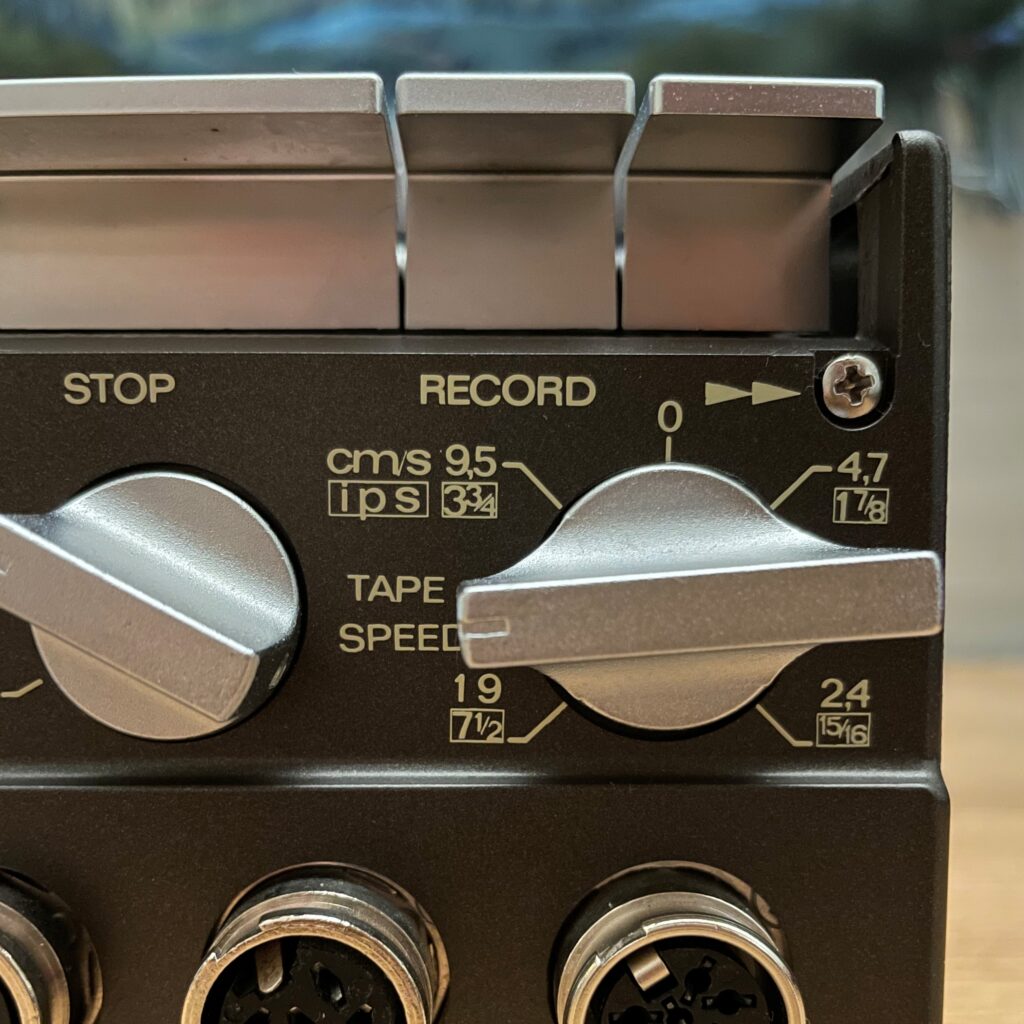
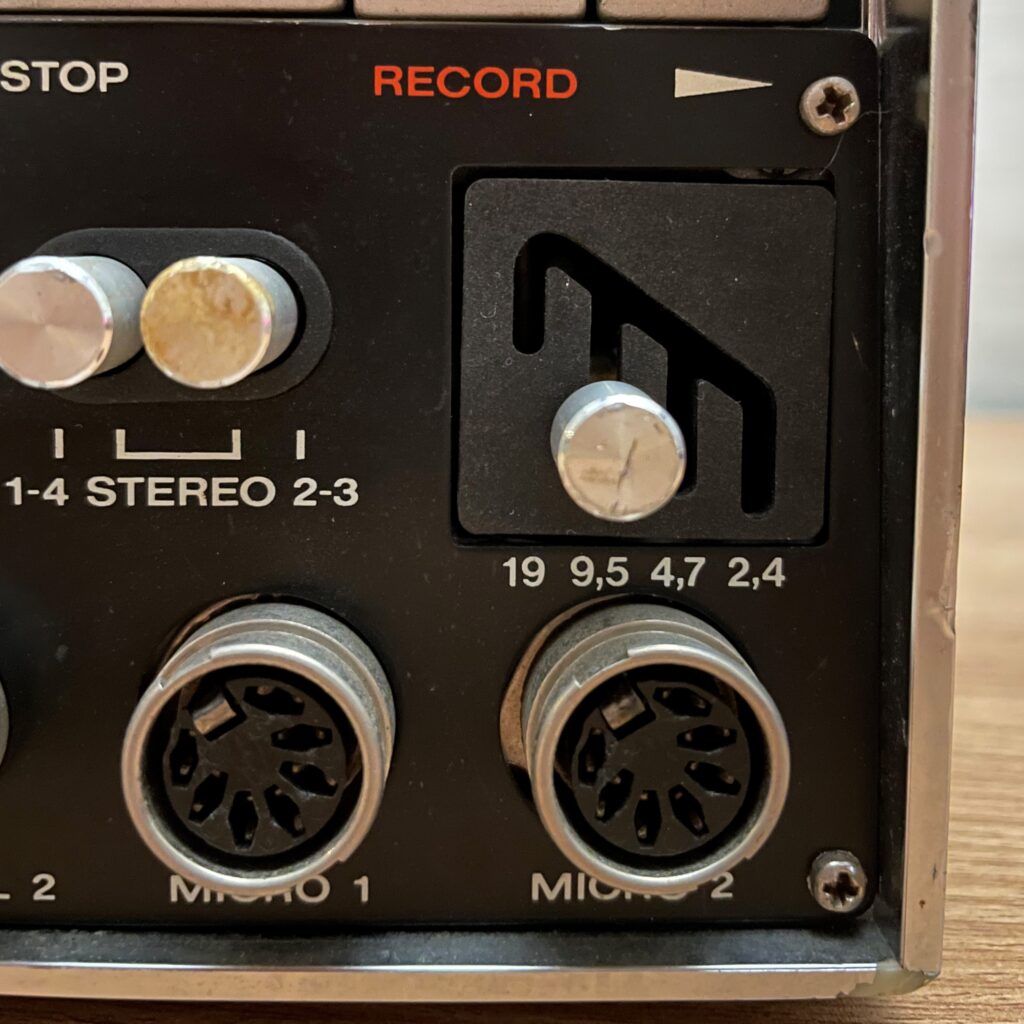
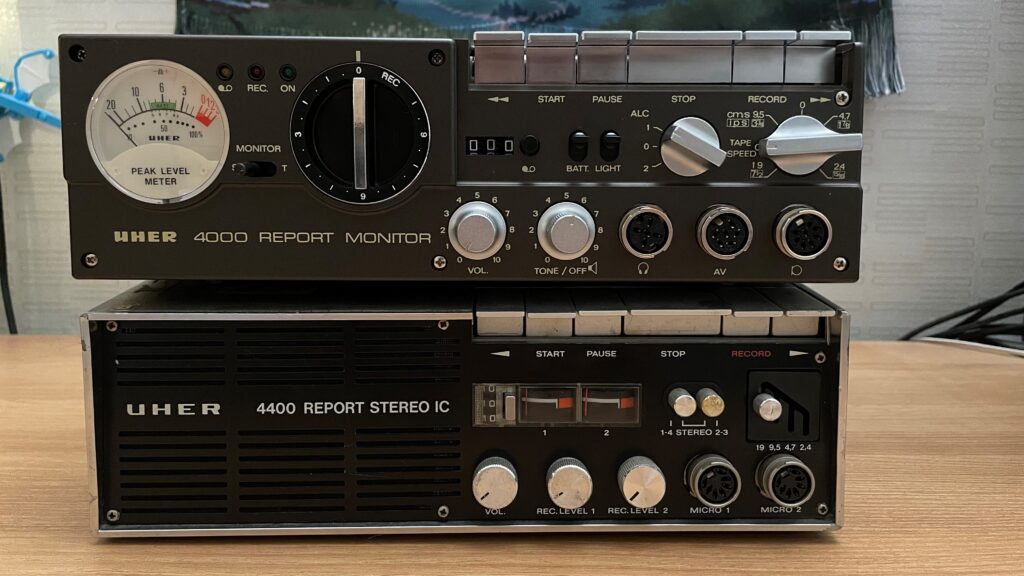
Uher Speed Knob

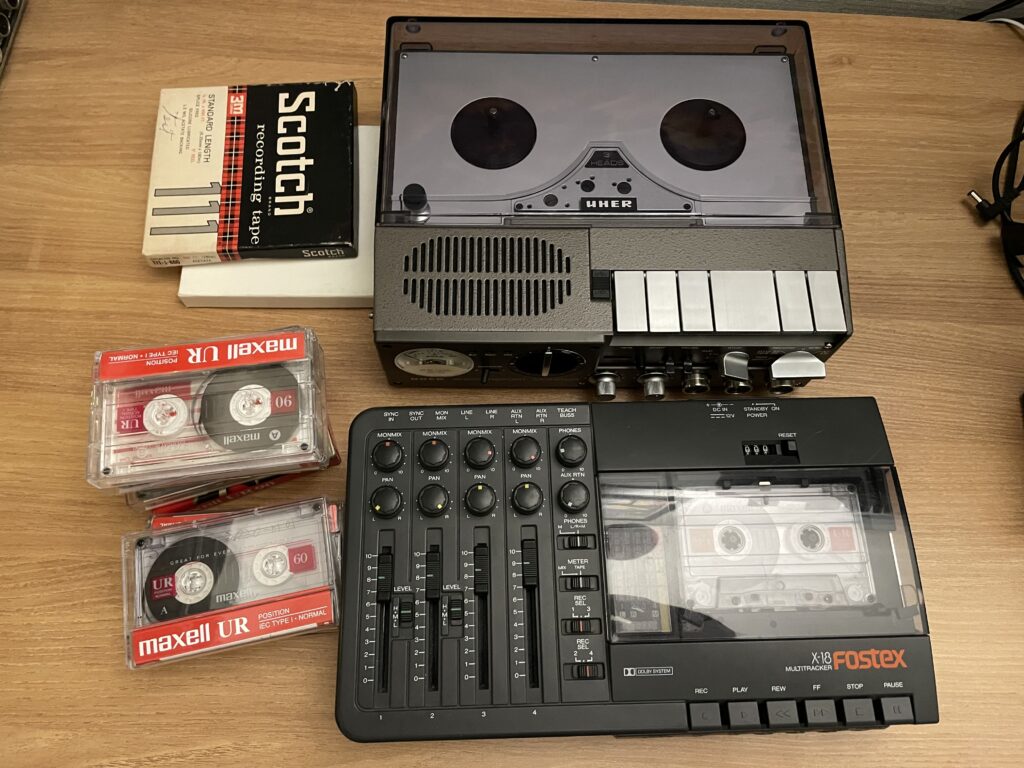
The speed selector on my Uher. The older model has a tiny gear shift for selecting the speed, but the new one just has a knob; a knob with a nice feel and weight. When you move it, you can feel the shifting of the gears inside as the mechanisms thunk into place. It’s immensely satisfying.

Uher Speed Lever
Uher Tape recorders

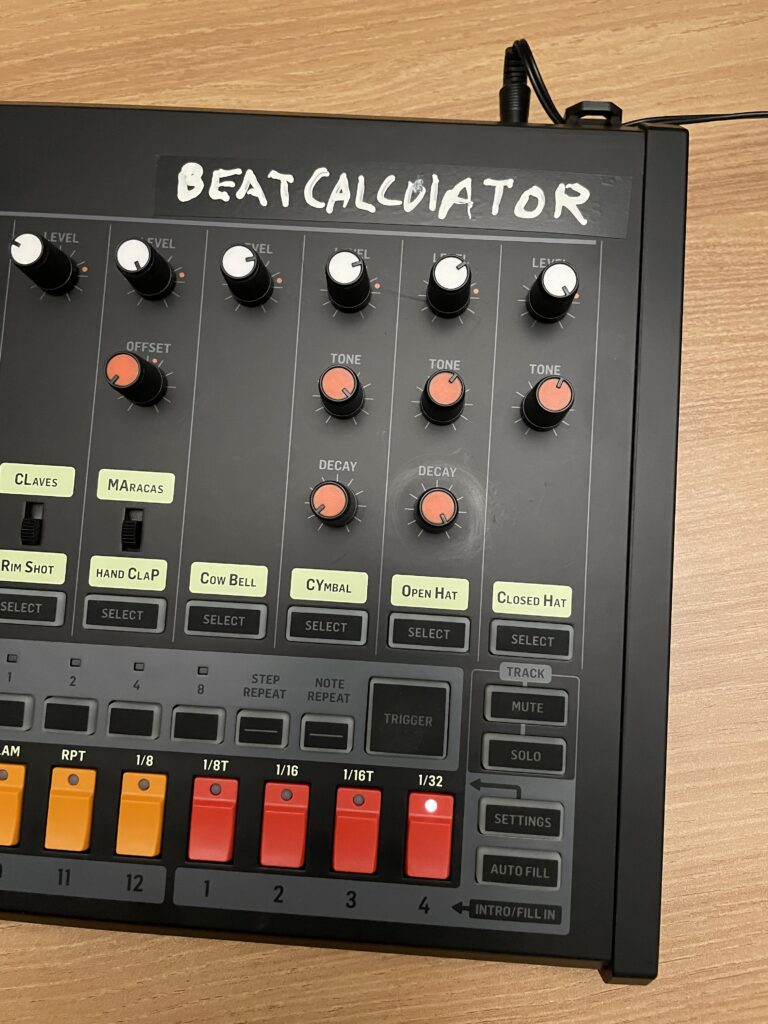
My second place choice is the hi-hat decay knob on my 808 clone. Riding that during a groove is endless fun.

808 Hihat decay knob

2. Do you have an ‘almost’ perfect bit of kit? What would you change?

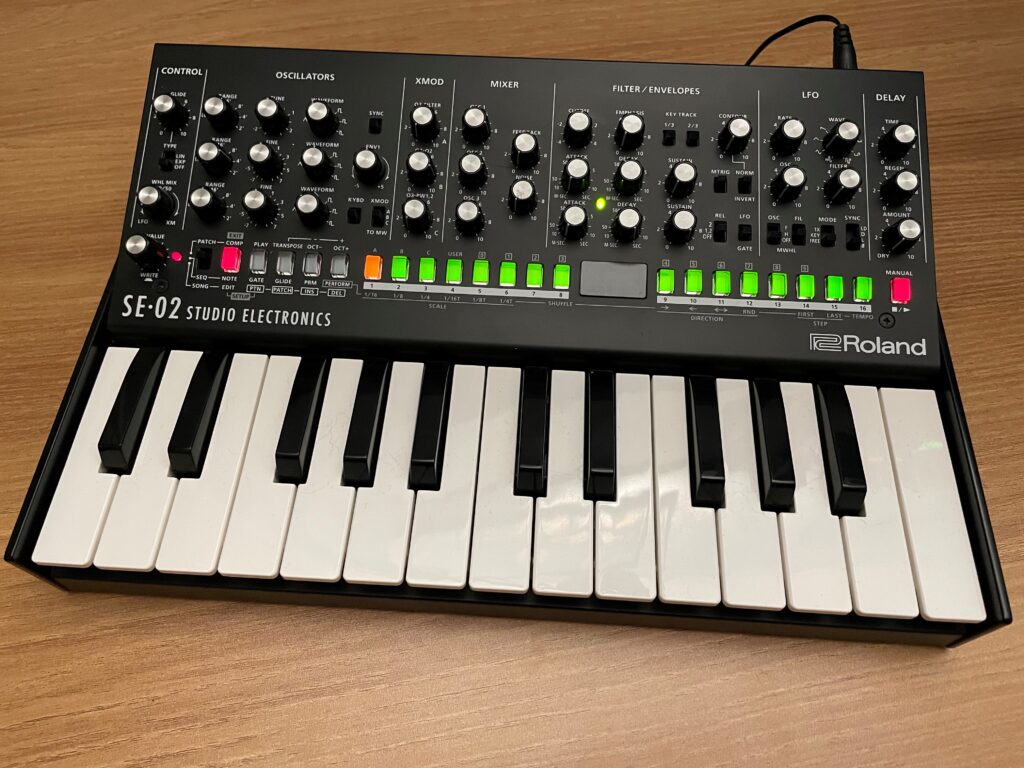
It might be the SE-02. The first synth I really learned how to use was the SH-09. It taught me how flexible a simple architecture can be, and how rewarding learning how each piece of a synth works together is. It taught me that the controls are as much a part of the instrument as the keys. Ever since then, no synth has been as fun to play as a solid monosynth.

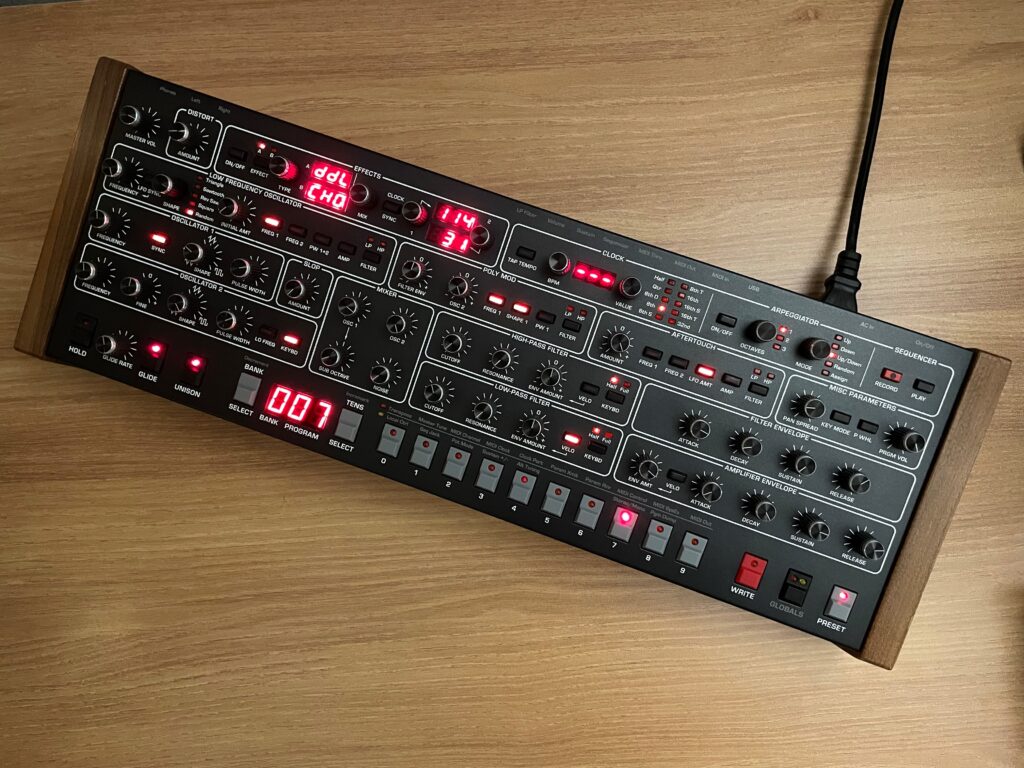
Roland SE-02

The SE-02’s very much in the same vein, and it seems to be able to scratch every sonic itch I have. The delay’s grainy in all the right ways. The filter has a character that doesn’t make me think “Moog” for some reason. The filter has grit, filth, and somehow feels cold. Not machine cold, but unfeeling in the same that the universe is. When that filter sweeps just right it feels like the dawn, it feels like the slow and sudden heat as the sun rises in the morning. I love this thing. There’s magic in the way the envelopes and filter interact with the delay.

There are three things I’d change. The first thing I’d change is the knob taper. It’s exponential and it makes playing the knobs an extremely delicate procedure. The second is I really wish I had full ADSRs. That extra level of control would be much more welcome than panel controls for portamento. The third is the sequencer. It would be a lot nice if I could have longer sequences, and I really wish the sequence transpose could latch.

3. What setup do you bring on holiday/tour/commute etc.?

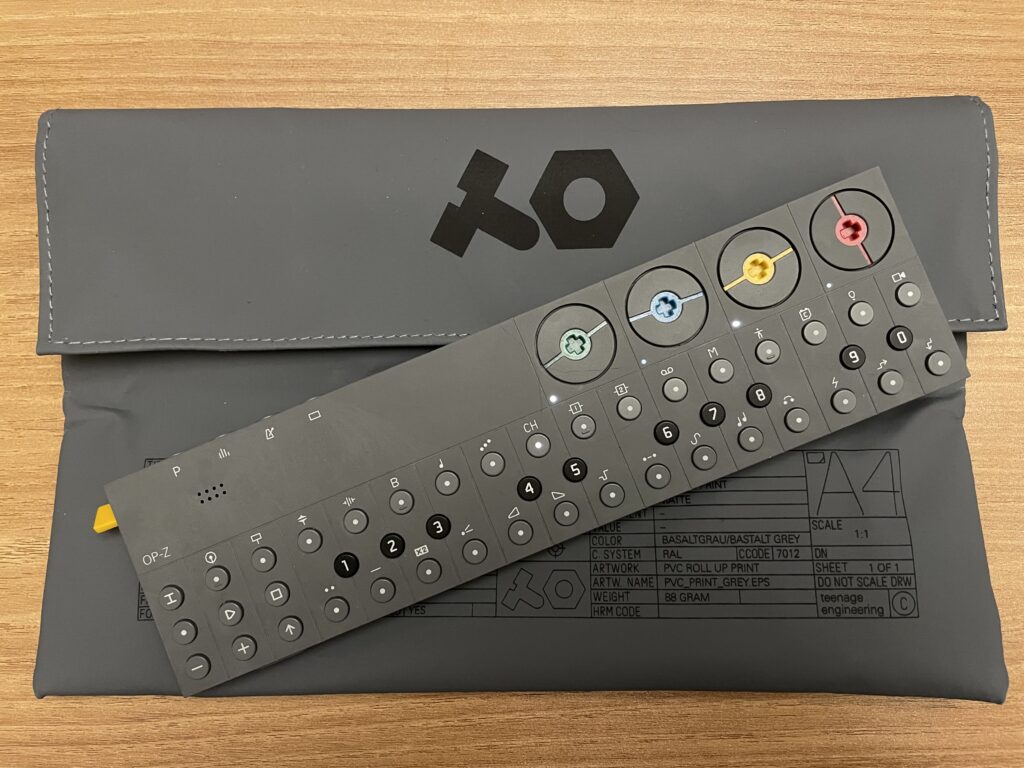
The obvious answer here is the OP-Z. It’s fun, quick, and easy to use. It’s also super easy to take on a plane. Making a full track with just this is surprisingly easy and fun. It definitely caught me off guard with how user friendly and fun it is to use.

Teenage Engineering OP-Z

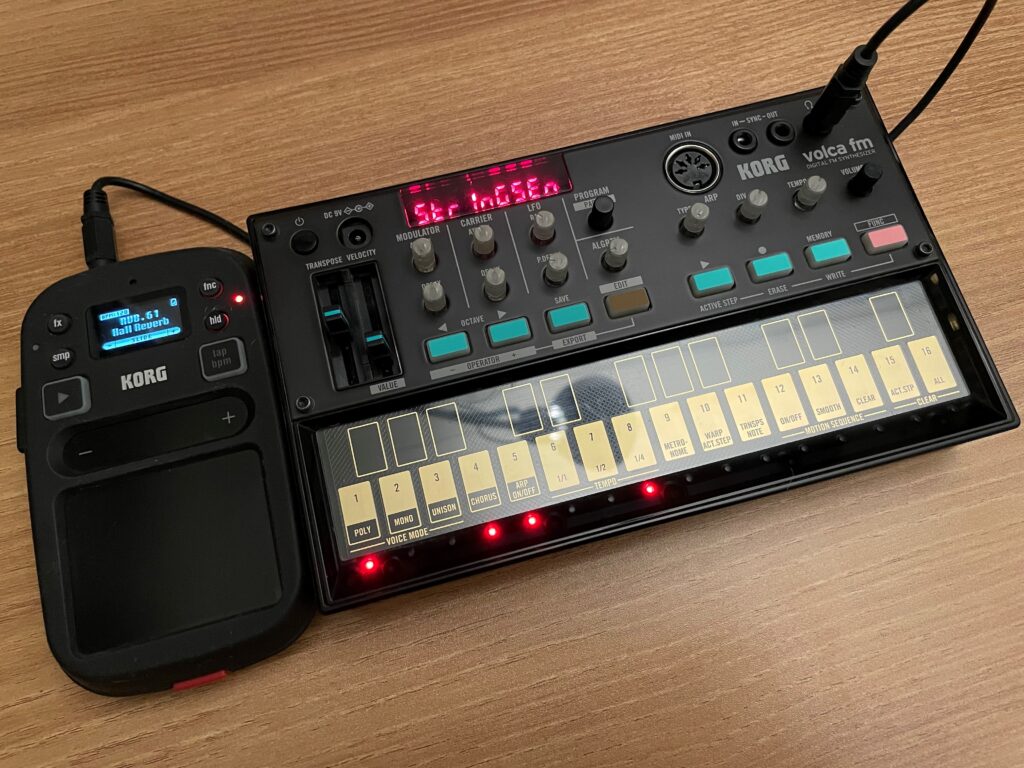
Realistically and historically, though, my preference is to bring either the Volca FM and Mini KP or the Roland SE-02. When I sit down to play I’m not typically trying to write or work on a song. Usually I just want to explore a sound or a musical phrase. The SE-02 and Volca FM are excellent for sound exploration. If I want to make a minimalist composition these are my go-to pieces of gear, and fortunately they’re small enough for a carry-on.

Korg Volca FM and Kaoss Pad Mini

4. What software do you wish was hardware and vice versa?

I am (un)fortunately a luddite. When I record or make music it’s almost entirely analog. One thing I wish I could do with my hardware setup is automate parameter controls. There are ways to do this if I went modular. If I used software I know I could automate some of the parameters of my physical instruments. Bringing Windows, Mac, or Linux into my setup would violate a lot of what my setup’s built on: spontaneity. I can write and record a song relatively quickly and easily, without worrying about system updates or getting sucked down the black hole that is the internet.

Analog recording

This is typically just called a DAWless setup. But I really don’t like that nomenclature. It defines a musical approach as being the absence of something, in a way. Really I just like playing instruments and don’t want to try and play a computer like an instrument.

5. Is there anything you regret selling… or regret buying?

DSI Prophet 6

The Prophet 6 is a rare animal. I’ve bought a lot of gear that I regretted, but this one the only one I’m keeping. It sounds great and it’s super flexible, but it has a lot of little design choices that drive me nuts. The problem is it sounds sooooo good. So, when I use it I love the sounds I get, but I always find myself frustrated by something.

It seems like it’s made for people working in studios who want to lay down tracks, or sample its lush sounds to use in a DAW. Regardless, it doesn’t seem to be made for my workflow.

DSI Prophet 6

But I am going to keep it around because it sounds ridiculously nice. The sound is so rich and deep I forget how annoying it was to program it. It’s like hiking up a mountain with uncomfortable shoes. It’s a real pain at times, but the views you get make the discomfort worth it.

6. What gear has inspired you to produce the most music?

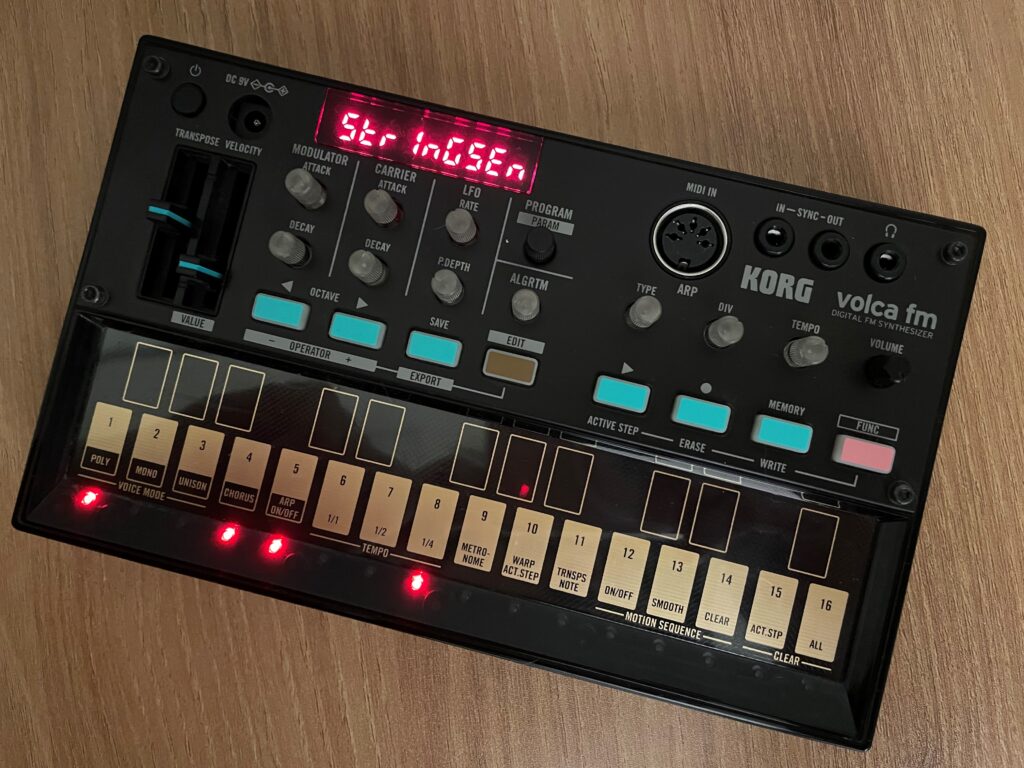
The Volca FM is definitely my most inspiring. It’s endlessly versatile, and has more features under its hood than it has any right to for its size and price point. It has the wild and wiry sounds FM is known for, and the limited controls on the surface are deceptive in their simplicity. It’s easy to rely on presets, and tweaking the few controls on the surface gets you tons of control. It also plays nicely with any effect you want to pair it with.

Korg Volca FM

It’s an instrument I have a love-hate relationship with, though. I’ve owned three of them. Whenever I try to dive into the parameters to do some deep editing, it make me want to toss it out the window. The balance of features, and how easy it is to switch between playing modes to introduce variations makes it really fun to play.

7. If you had to start over, what would you get first?

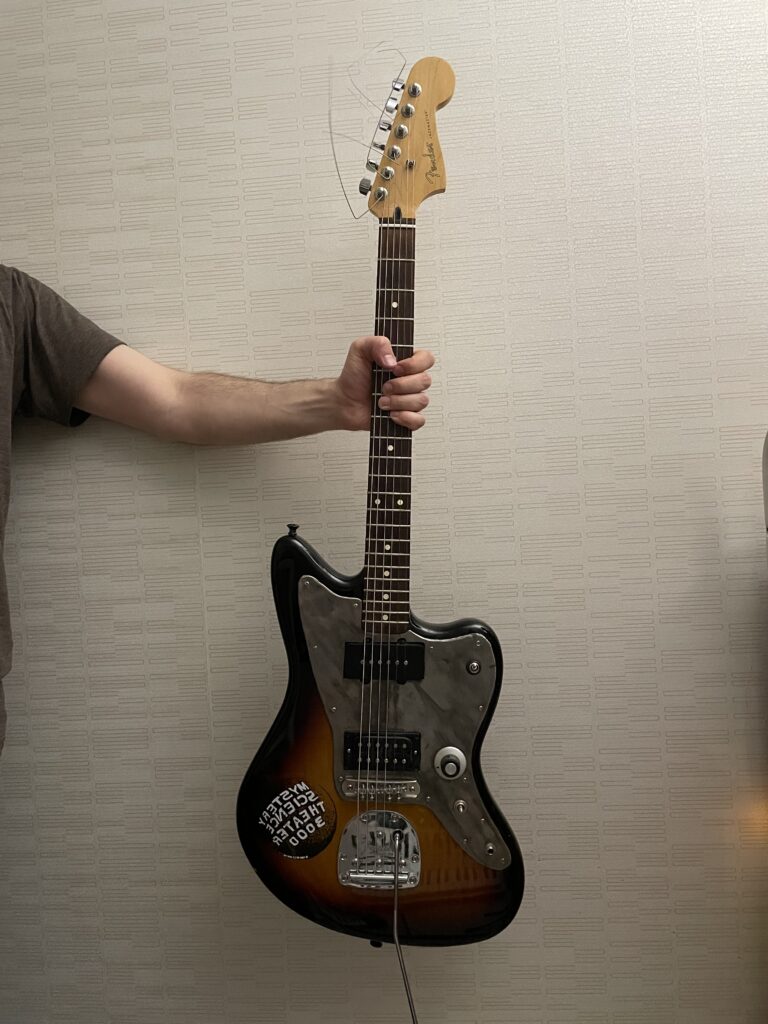
The Jazzmaster. Even though any synthesizer can run sonic circles around any guitar/pedal combo, it feels more emotional to play than any synth or drum machine. Fiddling around with the different intervals on the neck taught me everything I know about music, too. It’s cliche as hell, but playing a guitar with some fuzz and delay could keep me happy forever.

Fender Jazzmaster

8. What’s the most annoying piece of gear you have, that you just can’t live without?

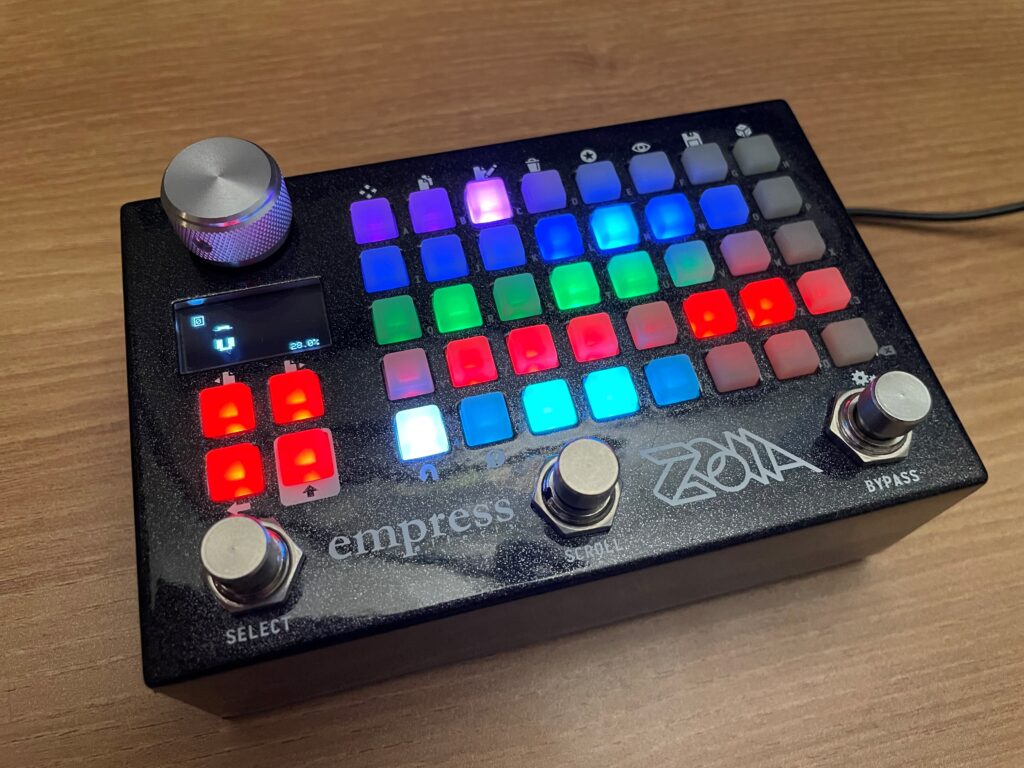
The Zoia is hands down the most useful and inconvenient piece of gear I own. If I have an idea that I can’t achieve with anything else, the Zoia can usually get me close enough. It does what it does better than anything else I know of, but I wouldn’t want to use it with a band.

Empress Effects Zoia

9. Most surprising tip/trick/technique that you’ve discovered about a bit of kit?

Envelopes are surprisingly underrated. Clones of “good” ones don’t really get talked about, and people don’t really seem to covet and worship the exact curves of one over another’s.

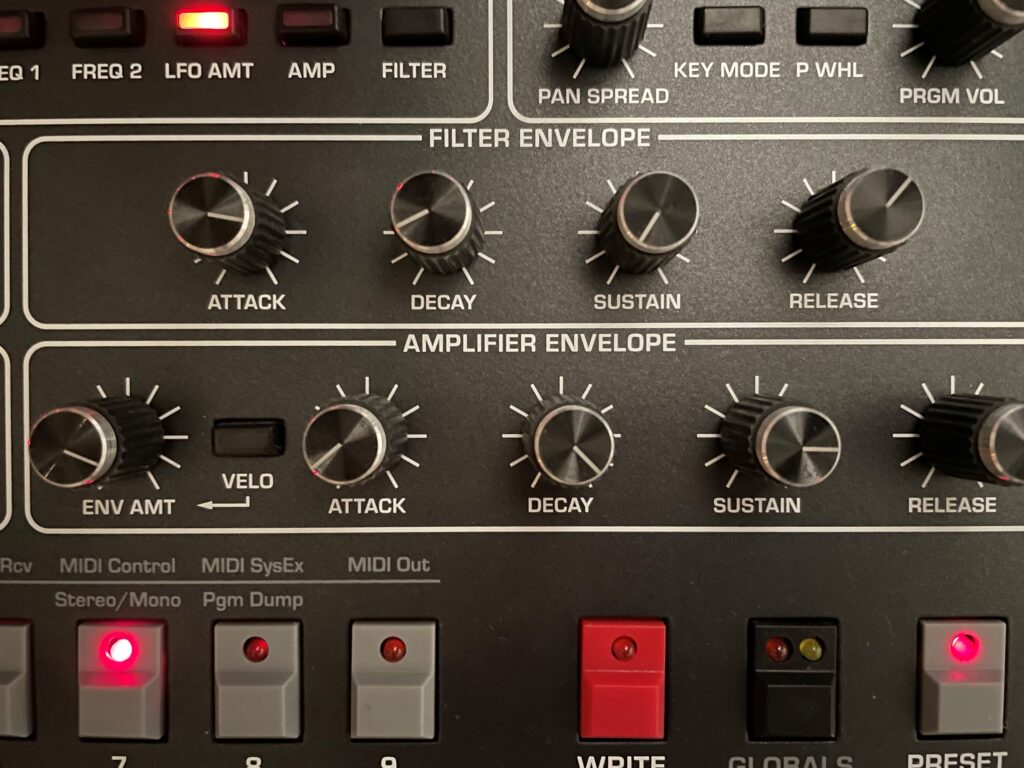
No two synths I’ve played have had the same envelopes. Each one has its own type of pluck, swell, and decay. It feels like they’re what transform a synth into a playable instrument. I wish there was more emphasis on modulating and controlling their parameters. Slight modifications to the decay of an adsr can completely transform a bland sequence. They really breath life into every sound.


Artist or Band name?

Willy

Genre?

I’ve never been good at sticking to a genre. It seems to waffle between synthwave, cinematic, harsh noise, and synth-pop.

Selfie?

William ‘Willy’ Stewart

Where are you from?

Benson, Utah

How did you get into music?

My mom signed me up to play violin in my middle school’s orchestra. After that it was relatively easy to play bass in my friend’s band. From there I was hooked.

What still drives you to make music?

It’s an emotional thing mainly. It helps me experience my emotions. Lately when I sit down to play it’s after a rough day, and it helps me process what’s happened. Other times, it’s when I’m feeling numb, and playing helps me open up and experience my emotions. This is essentially why I haven’t recorded very much music. It’s usually an expression of anxiety, depression, or fear. So, I don’t really want to live in that moment long enough to record it.

How do you most often start a new track?

Most often it’s with a riff or a phrase. I’ll have an idea for a sound, or find one via knob twiddling, and then I see what notes feel good with that sound. Once I’ve got something that makes me happy, I start seeing what other sounds I can layer in to compliment the original sound.

How do you know when a track is finished?

When I can listen to it without wincing, and it doesn’t feel empty. If I can listen without wincing it means I don’t have anything to redo, and as long as it sounds “full” I don’t need to add anything else.

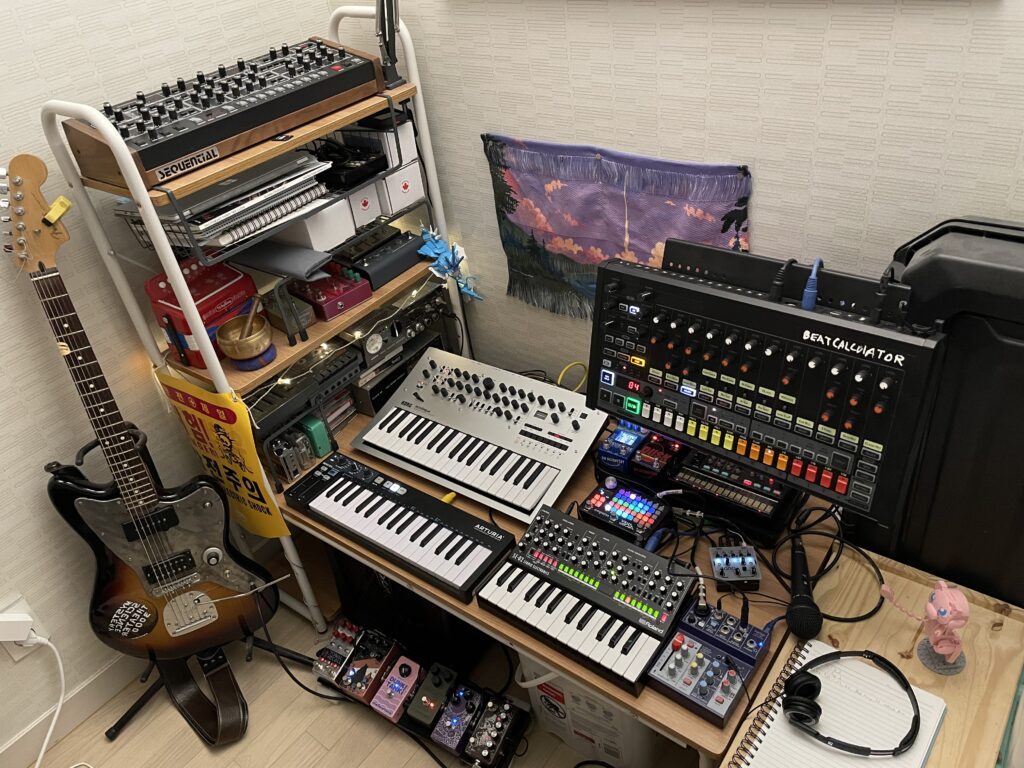
Show us your current studio

William’s studio

Best creative advice that you’ve ever heard?

Play every day. Some variant of that’s what I hear all the time from everyone, but there really is no better advice. In my twenty years of music making experience, this advice has always held true. If you’re not inspired then try learning theory, practicing your technique, try reproducing real world sounds with synthesizers, try something outside of your comfort zone, or just have fun making noises. Keep at it every day to keep your tools sharp, then you’ll be ready to act when you actually have something to play.

Promote your latest thing… Go ahead, throw us a link.

The only places I regularly post anything are my Instagram and tiktok.